


When Honor Meets Retirement, These Horses Find a Second Chance at Life
A Legacy of Service and Symbolism
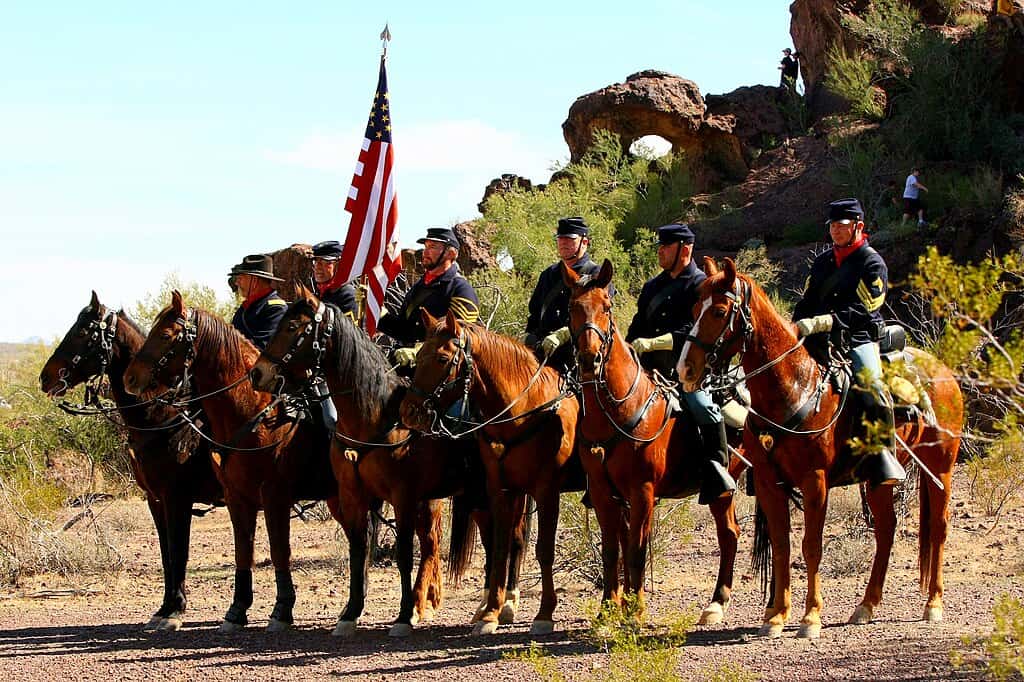
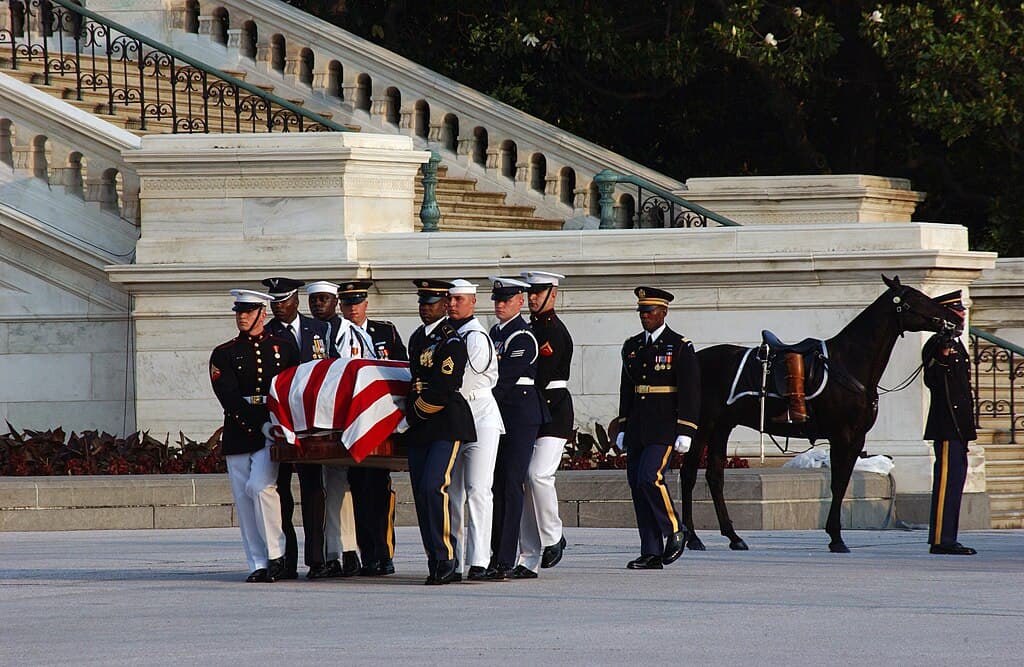
For generations, ceremonial horses have stood as proud icons in the U.S. Army—marching in parades, honoring fallen soldiers, and representing the nation with quiet strength. Their most solemn duty: carrying America’s heroes to rest at Arlington National Cemetery. But now, the Army has announced a historic change—retiring most of these horses and giving them the peaceful lives they deserve.
A Wake-Up Call From Tragedy
The decision followed heartbreaking losses. Over the past few years, several horses died from preventable health issues, linked to poor housing conditions and high stress. The Army launched an internal investigation, revealing serious concerns. These loyal animals had carried the weight of tradition for too long—and the Army knew it was time to lighten that burden.
Retirement, Reimagined
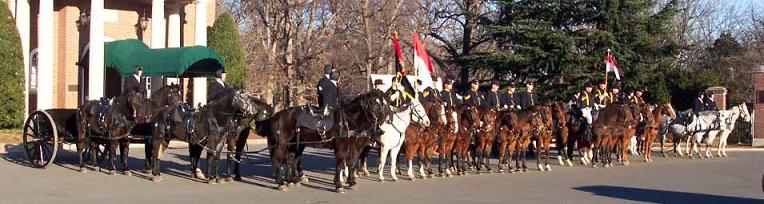
Rather than expanding stables or increasing veterinary costs, the Army is choosing a more compassionate path: adoption. About 60 horses will be transitioned out of service and into homes, farms, and sanctuaries. These adoptions are about more than logistics—they’re about honoring the horses’ years of quiet dedication with a future of peace.
Bonds Forged in Service
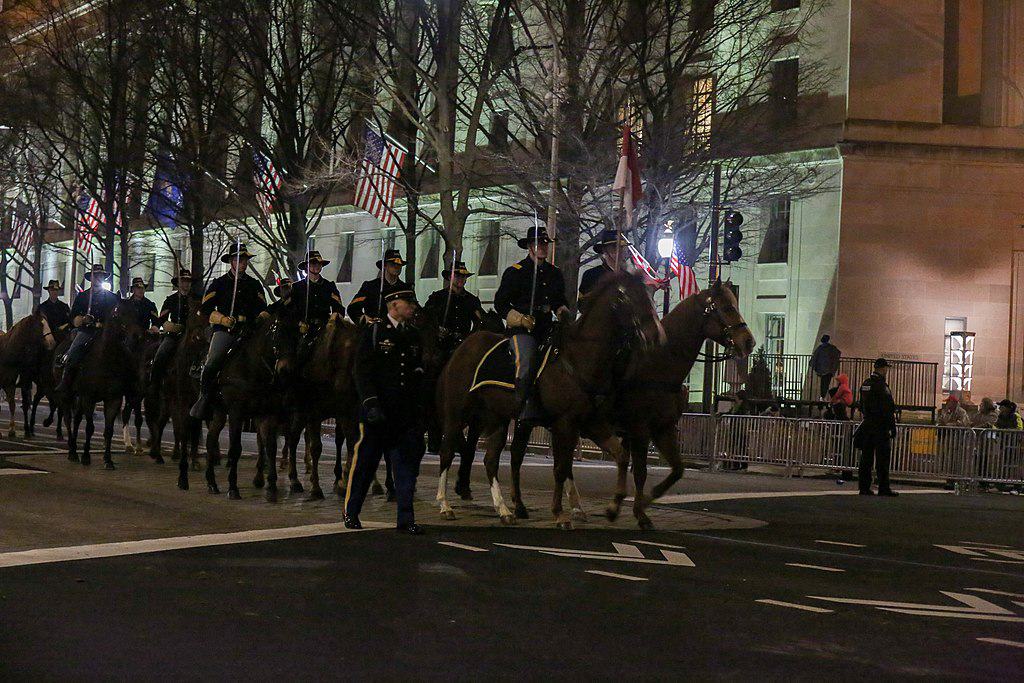
Handlers who trained and cared for the horses often developed deep connections with them. Some will now have the opportunity to adopt the very horses they once marched beside. For those animals, the shift from soldier to companion won’t feel like a loss—it’ll feel like coming home.
A Shift Toward Compassion
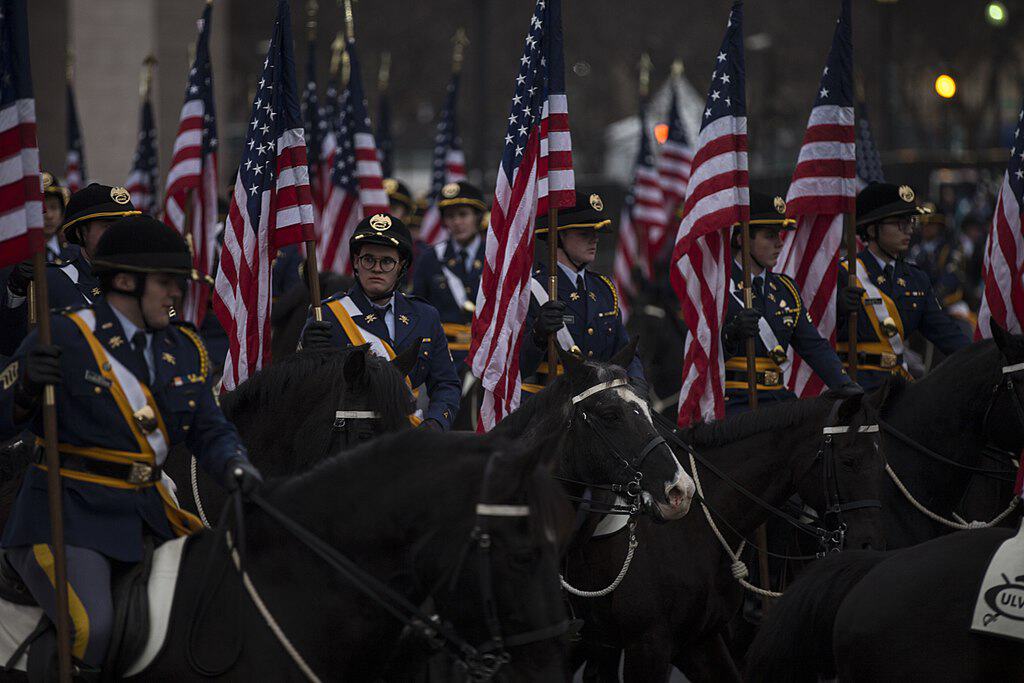
This change marks a cultural turning point. Ceremonial horses will still exist in smaller numbers, but with improved care and oversight. The Army’s decision shows that tradition and compassion don’t have to be at odds—and that honoring service also means protecting those who gave it.
From Parade Grounds to Pastures
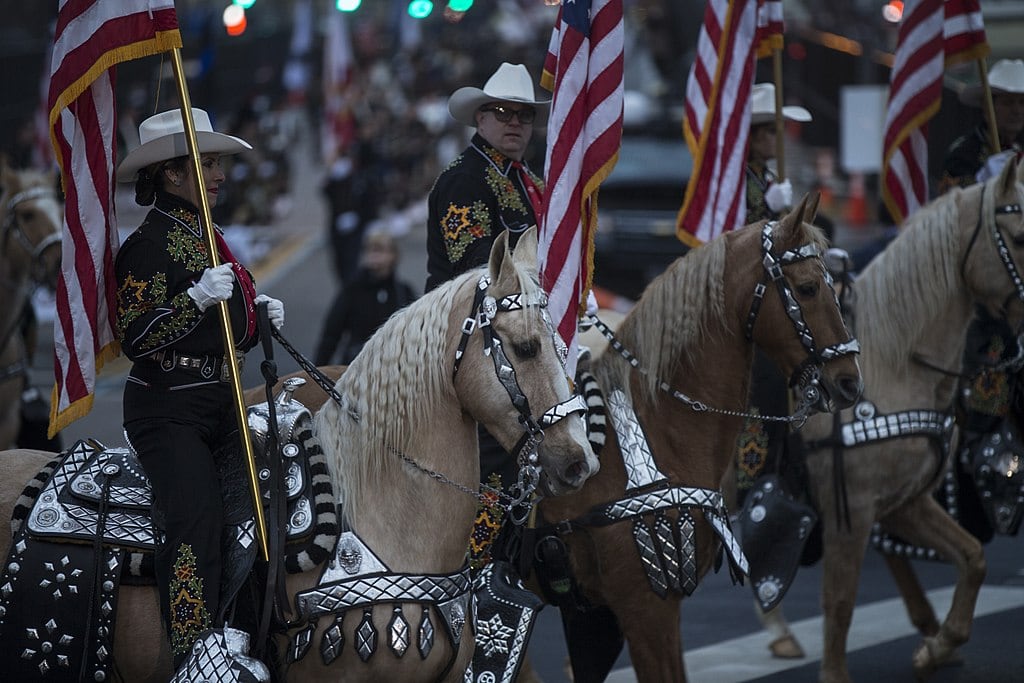
Like the wolf pup Nahkato who found family in his rescuer, these Army horses are finding new beginnings with people who truly care. Their work is done, but their stories aren’t over. They’ve stepped out of formation—and into the arms of those who will love them, not for what they represented, but for who they are.

adventuring, photography and videography. I am currently working towards a BSc in Biodiversity and Ecology at Stellenbosch University to go on to specialise in Marine Sciences one day.
Please send any feedback to Feedback@animalsaroundtheglobe.com
- Top 21 Must-see Birds For Bird Watchers In America - July 20, 2026
- Italy Mourns Hero Police Dog Killed by Food Laced with Nails - July 20, 2026
- Pigeon Turns into Fashionista and Wears Bread - July 19, 2026