

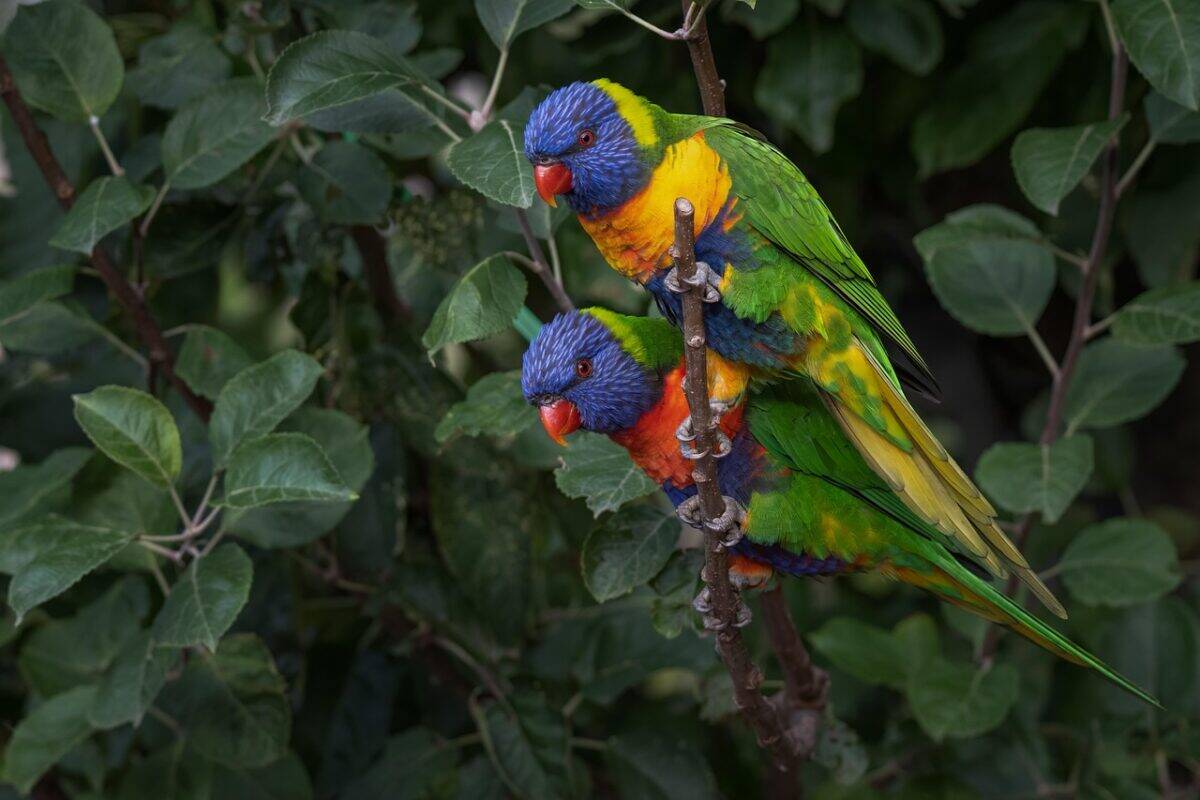
The vibrant flash of a scarlet macaw against the lush green canopy or the cheerful chatter of wild rainbow lorikeets can be one of nature’s most breathtaking sights. Wild parrots and macaws represent some of the most colorful creatures on our planet, their plumage evolving over millions of years to create living works of art. While many people only experience these magnificent birds in zoos or as pets, there’s something truly magical about witnessing these intelligent creatures in their natural habitats, displaying their full behavioral repertoire and dazzling color patterns. This article will take you on a journey around the world to discover where you can ethically observe wild parrots and macaws in all their chromatic glory, from the steamy jungles of South America to surprising urban locations where introduced populations have established thriving colonies.
The Neotropical Realm: South America’s Parrot Paradise
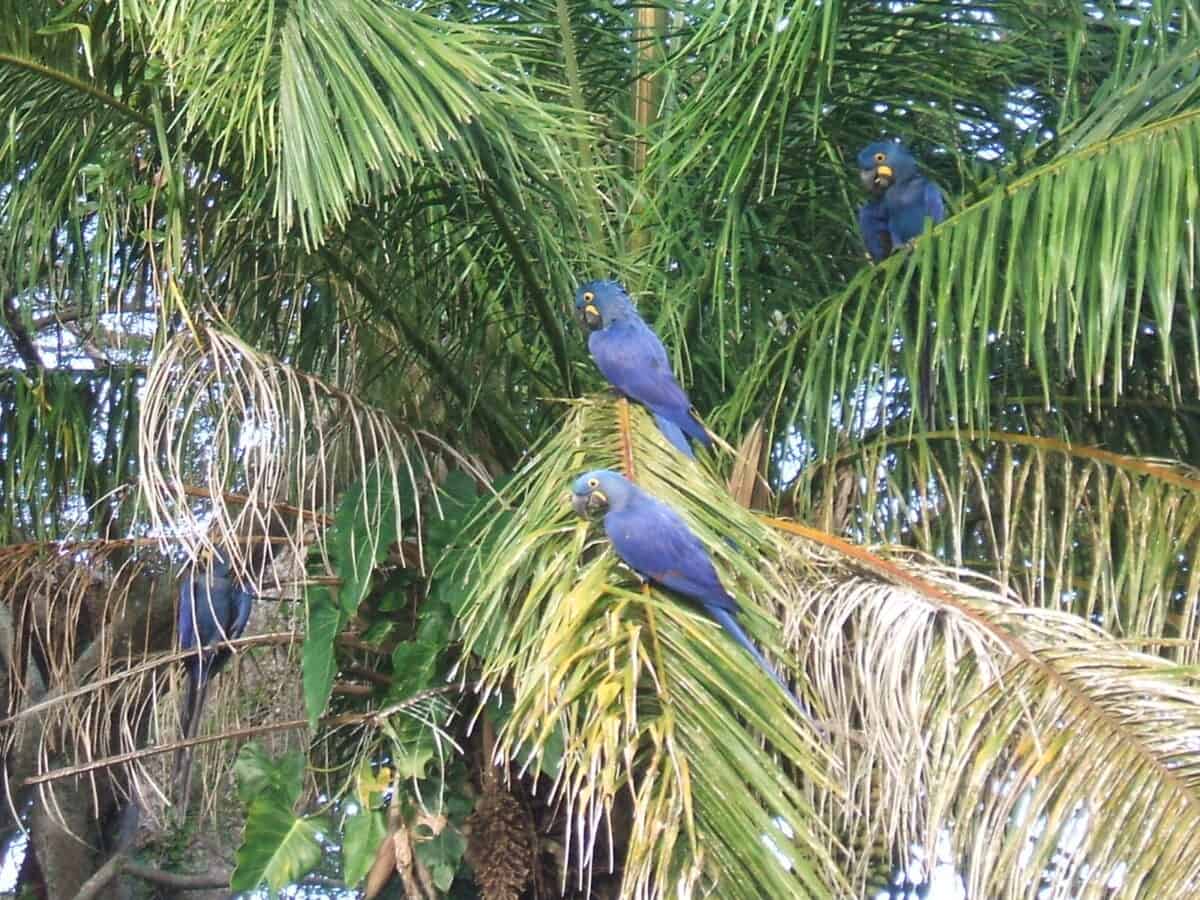
South America stands as the undisputed epicenter of parrot diversity, home to roughly one-third of all parrot species globally. The Amazon Basin, spanning nine countries, hosts the greatest concentration of these colorful birds, including the iconic scarlet macaw, blue-and-yellow macaw, and the endangered hyacinth macaw—the world’s largest flying parrot. Countries like Brazil, Peru, Ecuador, and Colombia offer prime viewing opportunities in protected areas such as Tambopata National Reserve in Peru, where clay licks attract hundreds of parrots each morning, creating a breathtaking multicolored spectacle as the birds ingest clay to neutralize toxins from their diet.
Beyond the Amazon, the Atlantic Forest of Brazil harbors endemic species like the red-tailed Amazon and blue-bellied parrot, while the Pantanal wetlands provide critical habitat for multiple macaw species. For wildlife enthusiasts, the accessibility of these birds varies widely—from comfortable eco-lodges near established clay licks to challenging expeditions into remote regions. The best viewing typically occurs during early morning or late afternoon when parrots are most active, traveling between feeding grounds and roosting sites in spectacular, noisy flocks that bring the rainforest canopy to life with color and sound.
Central America’s Colorful Corridors
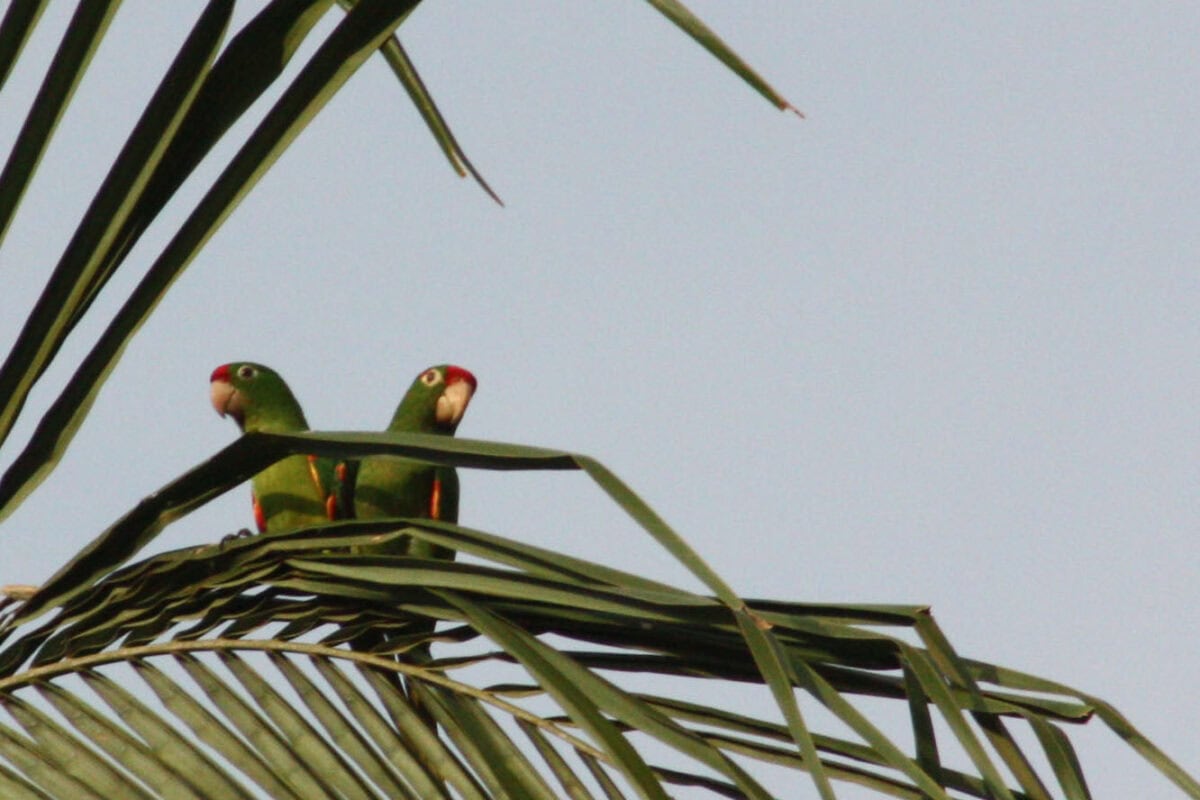
Central America forms a crucial biological bridge between the continents, harboring remarkable parrot diversity within its relatively small geographical footprint. Costa Rica leads the region in conservation and accessibility, with nearly 17 parrot species including scarlet macaws, which have made a remarkable comeback in the Osa Peninsula and Carara National Park. The crimson-fronted parakeet and the endangered great green macaw can also be observed in protected areas like Tortuguero National Park, where boat tours along jungle canals provide excellent viewing opportunities without disturbing natural behaviors.
Belize’s pine savannas and broadleaf forests support vibrant populations of olive-throated parakeets and white-fronted amazons, while Panama’s Darién Gap remains one of the last wilderness frontiers where the spectacular great green macaw and yellow-headed amazon can be found. Throughout Central America, community-based tourism initiatives have emerged that combine conservation with economic benefits for local people, creating sustainable viewing opportunities in countries like Guatemala, where the endangered yellow-naped amazon struggles against habitat loss and the illegal pet trade. Early morning birding tours in regions like Honduras’ Río Plátano Biosphere Reserve can yield sightings of multiple parrot species in a single outing.
Australia: Land of Cockatoos and Rainbow Lorikeets
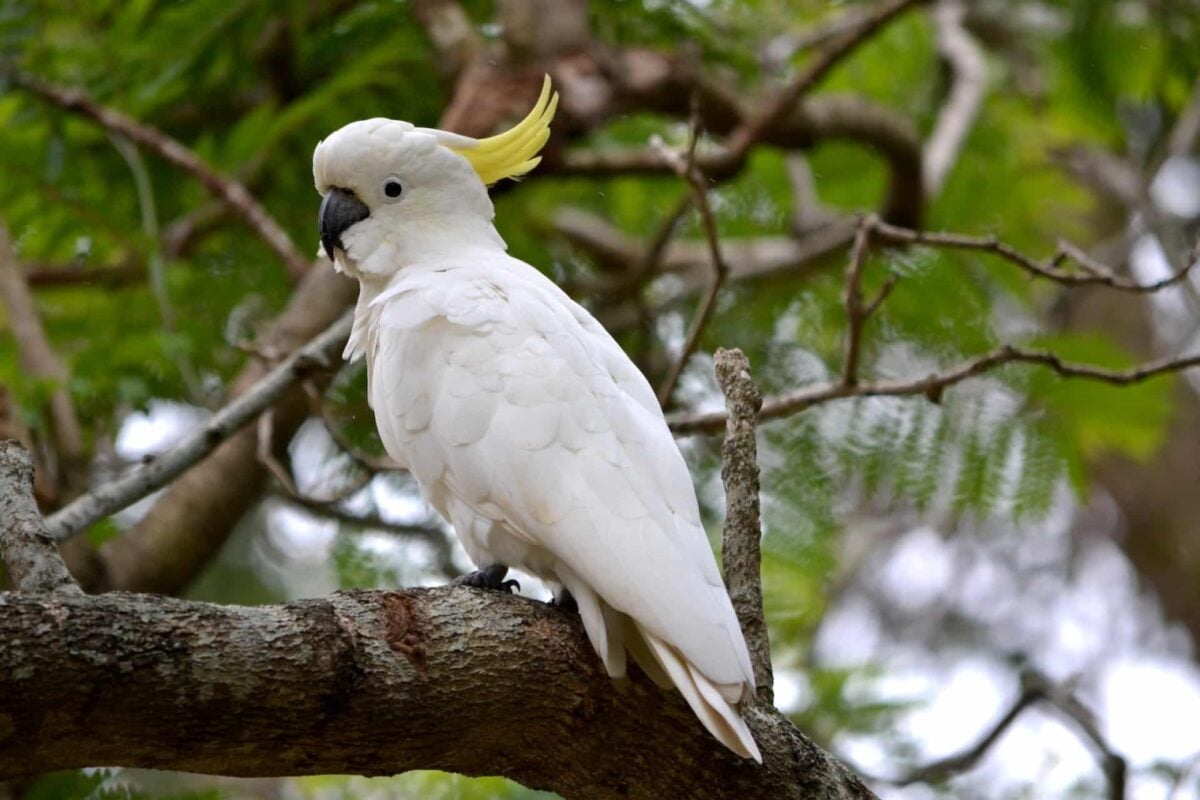
Australia represents another evolutionary hotspot for parrots, evolving distinct lineages including cockatoos, rosellas, and lorikeets that display some of the most spectacular color patterns in the avian world. The eastern coast offers accessible viewing of rainbow lorikeets, whose violet-blue heads, orange-yellow breasts, and lime-green wings create a literally rainbow-like appearance as they feed on nectar and pollen. In urban areas like Sydney and Brisbane, these gregarious birds have adapted well to human presence, sometimes appearing in flocks of hundreds at designated feeding stations in wildlife parks.
The Australian interior hosts the galah (rose-breasted cockatoo), whose soft pink and gray plumage brightens the arid landscape, while the southeastern forests harbor the crimson rosella with its brilliant red and blue plumage. For truly spectacular parrot-watching, Kangaroo Island and Tasmania offer opportunities to see rare black cockatoos and swift parrots in relatively undisturbed habitats. Unlike South American species, many Australian parrots have adapted to harsh, dry conditions, developing behaviors like nomadism that allow them to track unpredictable food resources across vast territories. The best viewing often comes during Australia’s spring (September to November) when breeding activity peaks and birds display their brightest colors.
Caribbean Islands: Threatened Treasures

The Caribbean islands, though small in land area, host several endemic parrot species that have evolved in isolation, developing distinctive appearances found nowhere else on Earth. The islands of Dominica and St. Vincent harbor their own Amazon parrot species, with the Imperial Amazon (Dominica) displaying a striking purple and green plumage that earned it the local name “Sisserou.” Unfortunately, hurricanes, habitat destruction, and the pet trade have pushed many Caribbean parrot species to the brink of extinction, making them among the world’s most endangered psittacines. Conservation efforts on islands like Puerto Rico have helped species like the Puerto Rican Amazon make tentative comebacks from near extinction.
For visitors hoping to see these rare birds, guided tours in protected areas offer the best chances, though sightings require patience and sometimes luck. The Bahamas’ Abaco National Park protects the Bahama parrot, while Jamaica’s Cockpit Country harbors the black-billed Amazon. These island species tend to be more secretive and occur in smaller numbers than their mainland counterparts, making field guides and local expertise invaluable. The best viewing typically comes during breeding season when birds become more vocal and active around nesting sites, though timing varies by species and island. Several islands have developed specialized ecotourism programs that contribute directly to parrot conservation while providing sustainable livelihoods for local communities.
Asia’s Tropical Parrot Hotspots
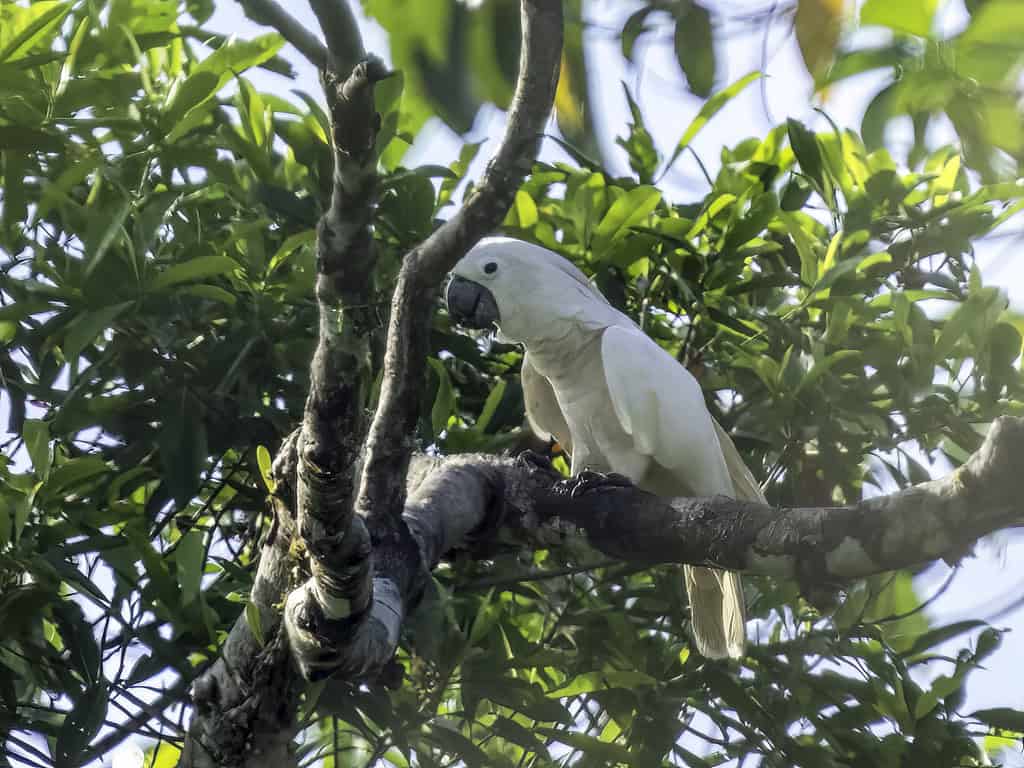
Though less renowned for parrot diversity than the Neotropics, tropical Asia hosts several remarkable parrot species across the region’s rainforests and islands. Indonesia’s immense archipelago represents the richest concentration, particularly on Papua and surrounding islands where multiple species of lories and lorikeets display spectacular rainbow hues. The Moluccan islands host the salmon-crested cockatoo, whose peachy-pink plumage and dramatic crest make it instantly recognizable. Unfortunately, this species has suffered greatly from trapping for the pet trade, making wild sightings increasingly rare even within protected areas.
India’s Western Ghats and Himalayan foothills harbor several parrot species including the plum-headed parakeet, whose male’s purple-red head contrasts dramatically with its green body. Southeast Asian countries like Thailand and Malaysia offer opportunities to see unique species like the blossom-headed parakeet and blue-rumped parrot in protected areas like Khao Yai National Park. Throughout Asia, parrot-watching often requires more effort than in the Neotropics, as many species occur at lower densities and in more remote locations. The Philippines represents another important area for parrot diversity with several endemic species, though deforestation has dramatically reduced populations, making Palawan island one of the last reliable locations to observe the Philippines cockatoo in the wild.
Africa’s Parrots: Hidden Gems

Africa harbors fewer parrot species than South America or Australia, but what it lacks in quantity it makes up for in uniqueness. The continent’s most widespread parrot, the grey parrot, is renowned for its intelligence and vocal abilities rather than its coloration, though its bright red tail provides a striking contrast to its silvery plumage. This species can be observed in the rainforests of central and western Africa, particularly in Gabon’s Lopé National Park and Congo’s Nouabalé-Ndoki National Park, where they gather in large roosts at dusk. The Meyer’s parrot and red-fronted parrot display more colorful plumage and can be found across much of sub-Saharan Africa’s woodlands and savannas.
For those seeking truly vibrant African parrots, the lovebirds of East Africa display striking color combinations, with species like the yellow-collared lovebird flashing bright yellow, green, and red. Tanzania’s Serengeti ecosystem and Kenya’s Masai Mara offer opportunities to see these small parrots, often as part of broader safari experiences. South Africa’s Cape parrot represents one of the continent’s most endangered psittacines, with fewer than 2,000 individuals remaining in fragmented Afromontane forests. Special guided tours with conservation organizations offer the best chance to observe these rare birds while supporting protection efforts. African parrots generally display different evolutionary adaptations than their Neotropical relatives, often occurring in drier habitats and forming smaller, less conspicuous flocks.
Unexpected Urban Sightings: Feral Parrot Populations
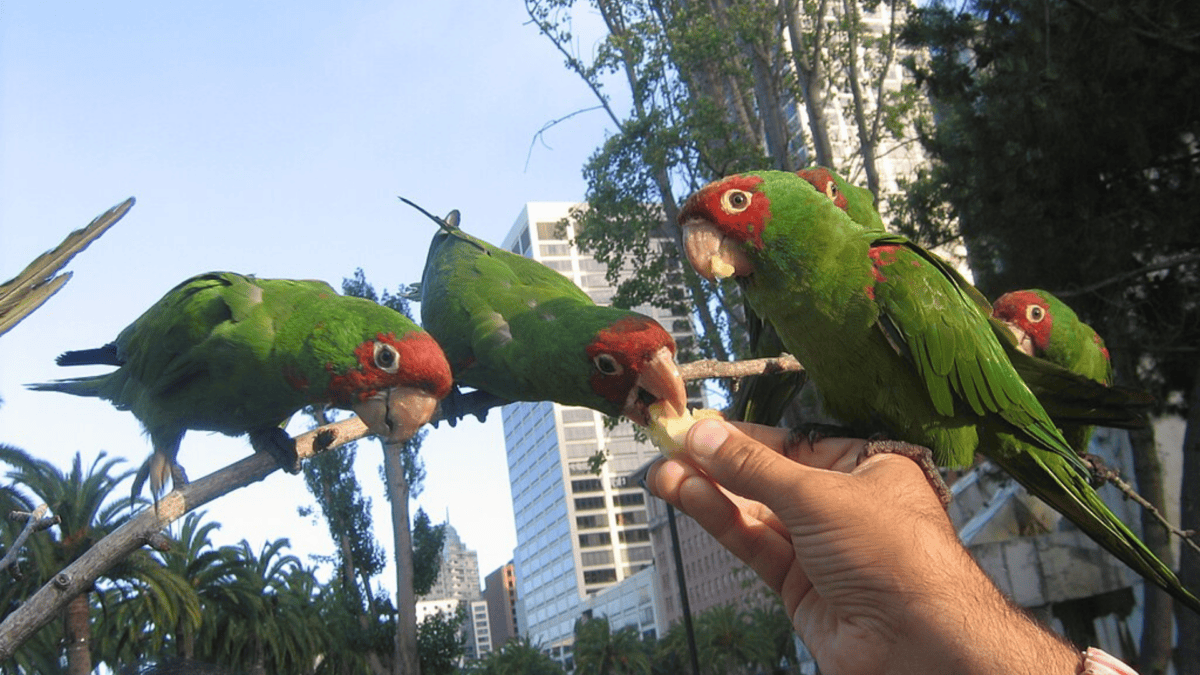
While most people associate wild parrots with tropical rainforests, some of the most accessible viewing opportunities exist in major urban centers where introduced populations have established thriving colonies. Perhaps the most famous example is San Francisco’s “wild parrots of Telegraph Hill,” a flock of cherry-headed conures (red-masked parakeets) originally from Ecuador that now numbers in the hundreds. Similar situations exist in cities worldwide: Barcelona hosts Monk parakeets from Argentina, London has established populations of rose-ringed parakeets from Africa and India, and Sydney’s urban parks teem with rainbow lorikeets and sulphur-crested cockatoos.
For urban dwellers or visitors to these cities, these unexpected parrot encounters provide accessible opportunities to observe wild parrot behavior without expensive travel to remote locations. While conservationists debate the ecological impact of these non-native species, they undeniably create unique wildlife viewing opportunities in urban environments. In southern California, naturalized flocks of red-crowned Amazon parrots (originally from Mexico) have become local attractions in Pasadena and other Los Angeles suburbs, where evening roosting aggregations can number in the hundreds. These urban parrots often demonstrate remarkable adaptability, switching from their natural diets to ornamental fruits and berries planted in city parks and gardens, and using buildings rather than tree cavities for roosting and nesting.
Clay Licks: Nature’s Parrot Spectacles
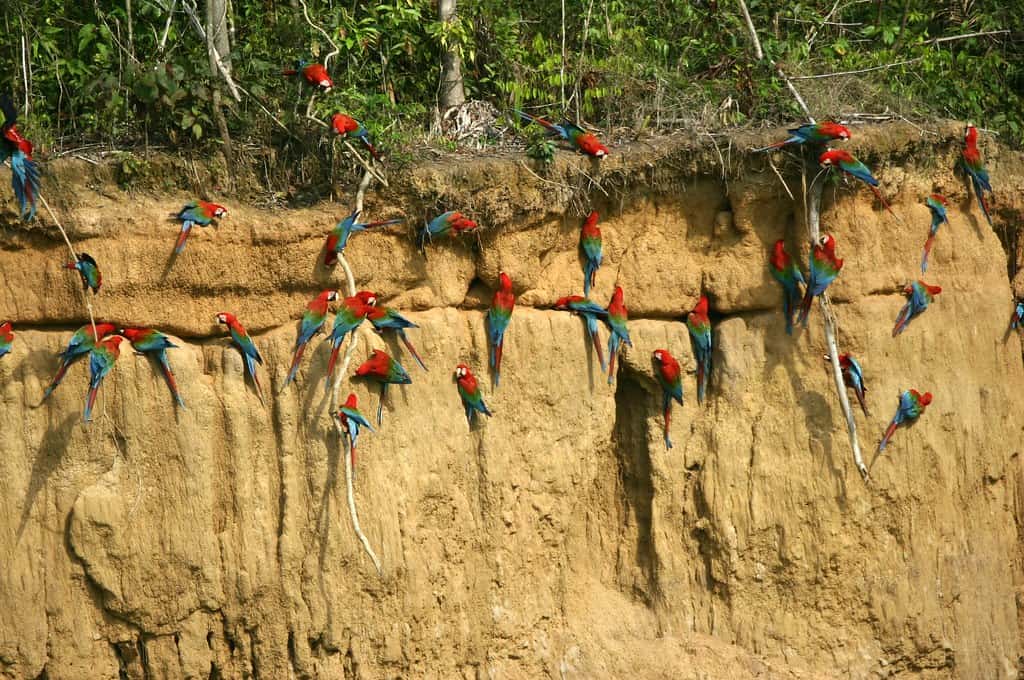
Among the most spectacular wild parrot viewing opportunities are the clay licks (known locally as “collpas”) found throughout the Amazon Basin and parts of Central America. These natural clay banks attract hundreds—sometimes thousands—of parrots and macaws daily, creating living rainbows as multiple species gather to consume the mineral-rich soil. The behavior, known as geophagy, helps birds neutralize toxins found in seeds and fruits that make up their diet. The most famous of these sites include Tambopata Research Center in Peru and Yasuni National Park in Ecuador, where purpose-built observation blinds allow visitors to witness this daily spectacle without disturbing the birds.
The hierarchy at clay licks reveals fascinating behavioral patterns: larger macaws often dominate prime positions, while smaller parrots wait their turn or use separate sections of the bank. The early morning hours typically offer the best viewing as hungry parrots arrive after overnight roosting. The visual impact is magnified by the cacophony of calls as hundreds of birds communicate, with each species contributing distinctive vocalizations to the natural symphony. Beyond the Amazon, similar though smaller clay licks can be found in Costa Rica’s Carara National Park and parts of Brazil’s Pantanal region. For photographers and birdwatchers, these sites offer unparalleled opportunities to observe multiple parrot species in a single location, often with excellent lighting conditions as morning sun illuminates the colorful gathering.
Best Seasons for Parrot Viewing

Timing your wild parrot-watching expedition can dramatically affect both the number of birds observed and the brilliance of their plumage. Throughout the tropics, seasonal patterns influence parrot behavior and visibility. In the Amazon Basin, the dry season (June to October) typically offers the best viewing opportunities as receding waters concentrate birds around remaining resources and make clay licks more accessible. This period also coincides with breeding season for many species, when plumage colors reach peak intensity and birds engage in spectacular courtship displays, including synchronized flying and mutual feeding that showcases their full color palette.
In Australia, spring (September to November) brings parrots into breeding condition, with many species displaying more vibrantly during this period. Central American parrot-watching peaks during the dry season from December to April, when clearer skies improve visibility in the forest canopy where many species feed. For Caribbean islands, the winter months (December to March) generally offer ideal conditions as this represents the dry season when birds are more active and visible. Urban parrot populations often show less pronounced seasonal patterns in their activity, though breeding behaviors may still be more evident during spring months. Whatever the location, early morning and late afternoon represent peak activity periods when parrots travel between roosting and feeding sites, creating the most impressive visual displays.
Conservation Considerations for Ethical Viewing

The privilege of witnessing wild parrots in their natural habitats comes with significant responsibility. Many parrot species face serious threats from habitat destruction, climate change, and the illegal wildlife trade, with approximately 30% of all parrot species considered threatened with extinction. Ethical viewing practices become essential to ensure tourism benefits rather than harms these vulnerable birds. Responsible parrot-watching includes maintaining appropriate distances from nesting sites, using binoculars and spotting scopes rather than approaching too closely, and following all park regulations designed to protect sensitive species. For photographers, avoiding flash photography and respecting roosting periods reduces stress on wild populations.
Supporting conservation through patronizing eco-lodges and tour companies that actively contribute to habitat protection and community development represents another crucial element of ethical viewing. Many successful conservation programs, such as the Ara Project in Costa Rica and the Echo Parakeet recovery in Mauritius, incorporate tourism components that generate revenue for protection efforts while raising awareness about threats facing wild parrots. Before visiting any location to view wild parrots, research current conservation concerns for local species and choose operators with demonstrated commitments to sustainable practices. In areas with endangered species, consider joining specialized tours led by conservation organizations that monitor impacts carefully and ensure viewing activities don’t compromise breeding success or natural behaviors.
Essential Gear for Parrot Watching

Successfully observing wild parrots requires appropriate equipment that enhances the experience while minimizing disturbance to these often shy birds. Quality binoculars represent the most essential item, with 8×42 or 10×42 specifications offering an ideal balance between magnification and field of view for tracking fast-moving birds in forest canopies. For more detailed observation or photography, a spotting scope (20-60x zoom) allows distant viewing of perched birds without approaching too closely. In tropical environments where many parrot species occur, moisture-resistant optics prevent fogging in humid conditions that could otherwise ruin viewing opportunities.
Beyond optics, appropriate field clothing in muted earth tones helps observers blend into natural surroundings, while lightweight, quick-drying fabrics provide comfort in tropical heat. A good field guide specific to the region being visited helps with identification, as many parrot species (particularly females and juveniles) can appear similar at a distance. For photography, telephoto lenses (minimum 300mm, preferably 400-600mm) allow frame-filling images without disturbing natural behaviors. Finally, a quality daypack with rain protection keeps equipment safe while carrying essentials like water, insect repellent, and sunscreen—all necessities for comfortable viewing in the tropical environments where most wild parrots occur. Audio recording equipment can also enhance the experience by capturing the distinctive calls that often reveal parrot presence before visual confirmation.
The opportunity to witness wild parrots and macaws displaying their full spectrum of colors against natural backgrounds represents one of wildlife watching’s most rewarding experiences. From the steamy jungles of the Amazon where scarlet macaws illuminate the canopy like flying flames to Australia’s coastal forests where rainbow lorikeets create living kaleidoscopes, these intelligent birds have evolved some of nature’s most spectacular visual displays. The diversity of locations where wild parrots can be observed—spanning six continents and environments ranging from remote wilderness to urban parks—means experiences can be tailored to almost any travel preference or physical ability. As technology makes even remote locations more accessible, the responsibility falls to travelers and tour operators alike to ensure viewing practices support rather

- What’s Hiding in the Forests of the Pacific Northwest - July 21, 2026
- Tarsiers: The Tiny Primates with Giant Eyes - July 21, 2026
- Are Zoos Still Ethical in 2025? - July 21, 2026