

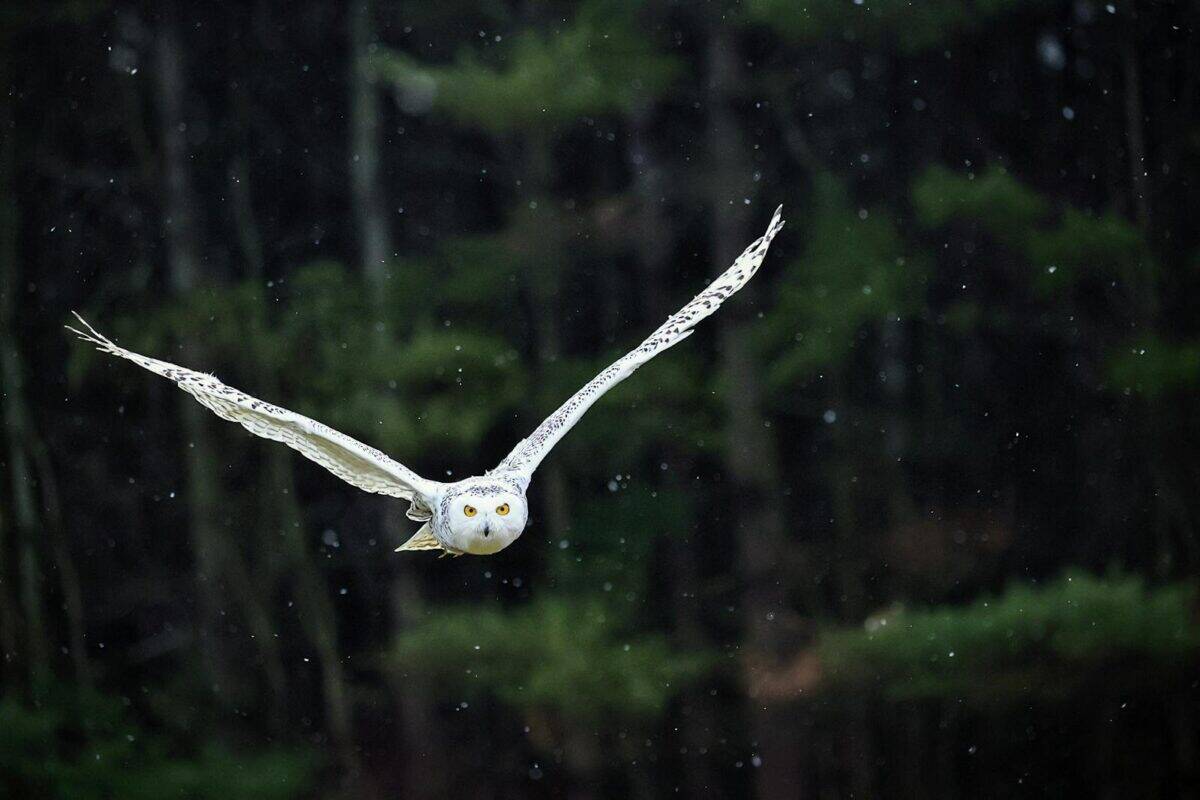
The majestic snowy owl, with its pristine white plumage and piercing yellow eyes, is a creature most people associate with the frozen Arctic tundra. Yet periodically, these magnificent birds appear in places as far south as the American Midwest, surprising birdwatchers and wildlife enthusiasts. These unexpected southern migrations represent fascinating biological phenomena that combine elements of population dynamics, food availability, and environmental conditions. When these Arctic hunters appear in states like Minnesota, Wisconsin, Michigan, or even farther south, they create excitement among bird enthusiasts and raise questions about what drives these magnificent predators to travel so far from their typical range. This article explores the complex factors behind snowy owl irruptions into the U.S. Midwest and what these movements tell us about the health of Arctic ecosystems.
The Natural Habitat of Snowy Owls

Snowy owls (Bubo scandiacus) are native to the Arctic regions of North America and Eurasia. During the breeding season, these impressive birds can be found in the northernmost parts of Alaska, Canada, Greenland, Russia, and Scandinavia. The vast, open tundra provides them with the perfect hunting grounds—treeless expanses where they can spot prey from great distances with their exceptional vision.
Unlike many owl species that prefer forests, snowy owls have evolved to thrive in the harsh Arctic environment. They nest directly on the ground, typically selecting slight elevations that provide good visibility of surrounding areas. Their thick feathering—extending even to their toes—helps them withstand the punishing cold of Arctic winters, where temperatures can plummet to -50°F. Their primarily white plumage serves as excellent camouflage against the snow, making them nearly invisible to both prey and potential threats in their natural environment.
Understanding Irruptive Migration Patterns
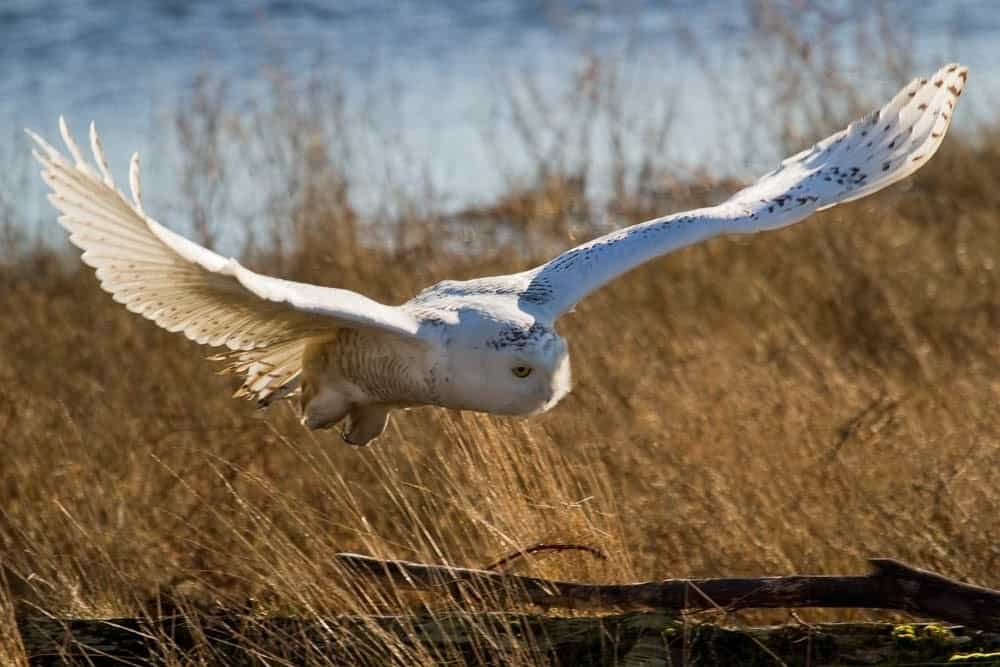
Unlike the predictable annual migrations of many bird species, snowy owls exhibit what scientists call “irruptive migration.” This means their movements south are irregular and don’t occur every year. Some winters see hardly any snowy owls venturing beyond their Arctic homeland, while other years bring dramatic southward movements, with hundreds or even thousands of owls appearing far beyond their typical range.
These irruptions don’t follow a strict calendar or pattern, though they tend to occur every four to five years on average. What makes these movements particularly interesting is their unpredictability and scale. During major irruption years, snowy owls have been documented as far south as Florida, Texas, and even Bermuda—thousands of miles from their Arctic breeding grounds. The Midwest, being closer to their normal range, frequently serves as a winter destination during both minor and major irruption events.
The Lemming Connection
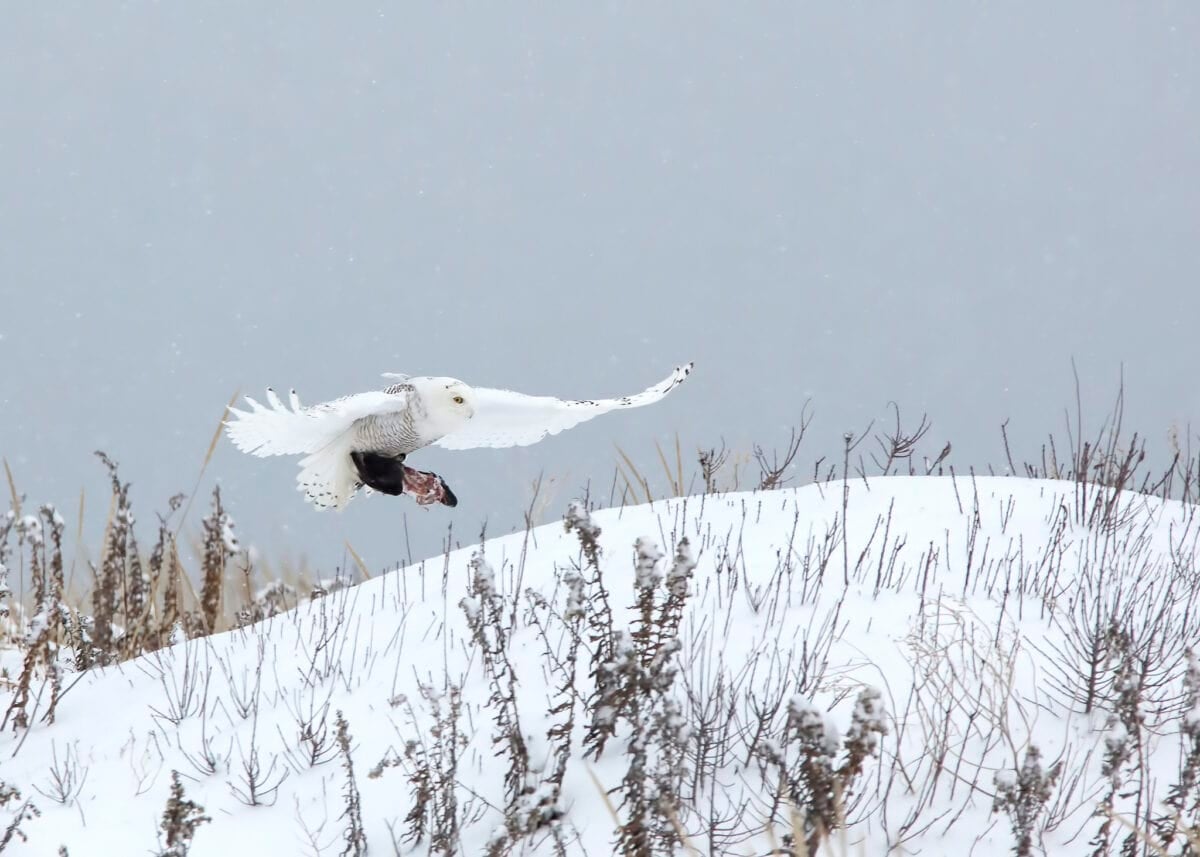
At the heart of snowy owl irruptions lies a small rodent called the lemming. These mouse-like creatures form the cornerstone of the snowy owl’s diet in their Arctic breeding grounds. Lemmings undergo dramatic population cycles, with numbers exploding for a few years followed by significant crashes. During peak lemming years, a single snowy owl pair might consume more than 1,500 lemmings to feed themselves and their young.
For decades, scientists believed that snowy owl irruptions occurred primarily when lemming populations crashed, forcing hungry owls to head south in search of food. However, more recent research has challenged this assumption. Studies tracking owl movements and breeding success have revealed a more complex relationship—many of the owls that reach the Midwest are actually young birds born during particularly productive breeding seasons, which correspond with lemming population booms rather than busts. This suggests that irruptions may actually be driven by reproductive success rather than food scarcity.
The Breeding Boom Theory
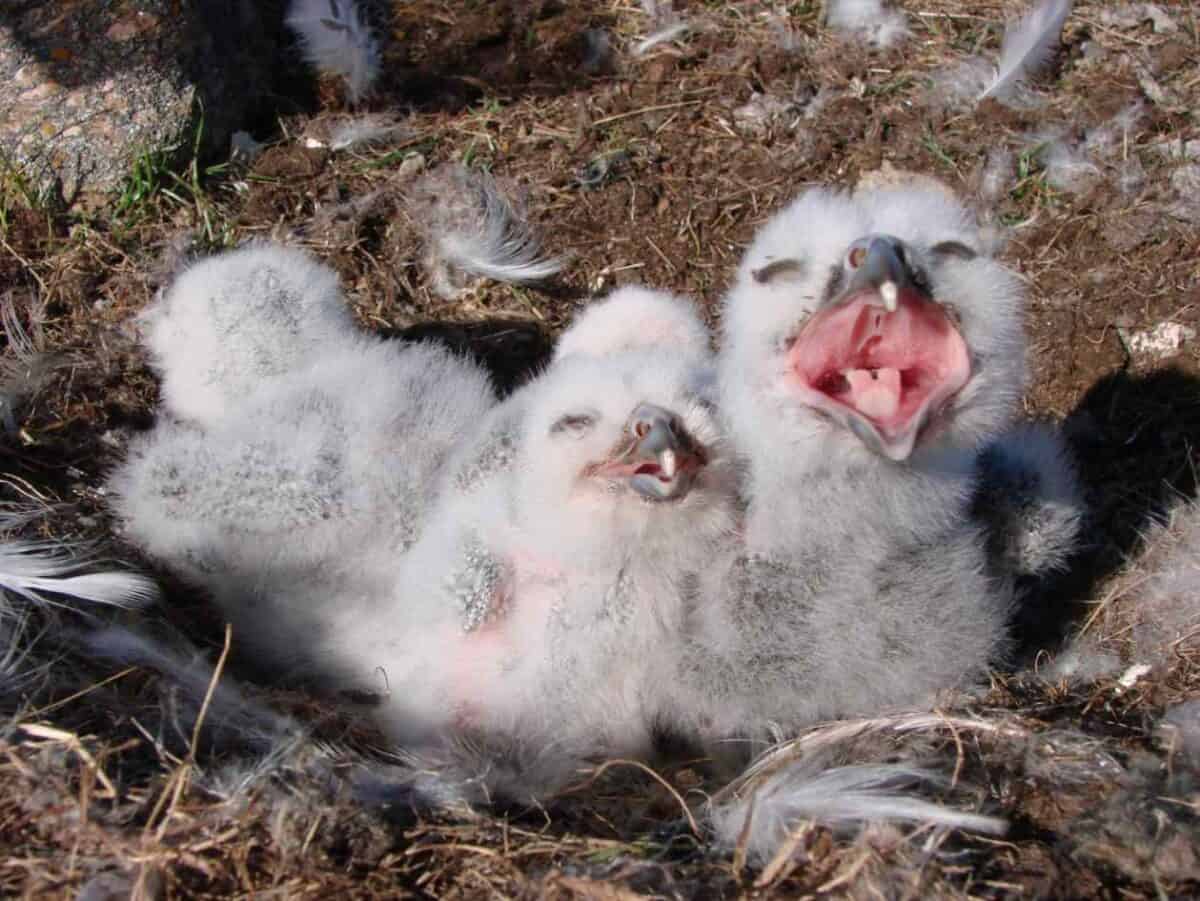
The contemporary understanding of snowy owl irruptions centers on what researchers call the “breeding boom theory.” During years when lemming populations in the Arctic reach exceptional levels, snowy owls respond with increased reproductive output. While these birds typically lay 3-5 eggs per clutch, during lemming population explosions, they may lay up to 11 eggs and successfully raise most of these young to fledging—an extraordinary reproductive feat for a raptor species.
This sudden population surge creates intense competition for territories and hunting grounds when winter arrives. The Arctic tundra, with limited food resources during the dark winter months, cannot support this temporary owl population boom. As a result, many juvenile owls are forced to disperse southward in search of unoccupied territory and reliable food sources. This explains why many of the snowy owls that appear in the Midwest are first-year birds, often in excellent physical condition rather than starving refugees from food-scarce regions.
Journey to the Midwest

The movement of snowy owls from the Arctic to the Midwest involves journeys of hundreds or even thousands of miles. These migrations typically begin in late October or November as Arctic winter sets in. The owls don’t travel in flocks like many migratory birds; instead, they move individually, often following coastlines, lakeshores, or other open landscapes that resemble their tundra homeland.
The Great Lakes region serves as a natural funnel for these birds as they move southward. The vast open waters and shorelines create landscape features that guide the owls’ journey. States like Minnesota, Wisconsin, Michigan, Illinois, Indiana, and Ohio regularly host snowy owls during winter months, with particularly high concentrations along the Great Lakes shorelines. Airport fields, agricultural areas, and large open spaces also attract these Arctic visitors, as these environments resemble the open hunting grounds they prefer.
Midwestern Landscapes That Attract Snowy Owls

When snowy owls reach the Midwest, they don’t select their wintering grounds randomly. They seek out habitats that mimic aspects of their Arctic home—open areas with good visibility and adequate prey populations. Agricultural fields, particularly those left fallow over winter, provide hunting opportunities similar to tundra. Coastal dunes along the Great Lakes, with their rolling, open topography, attract numerous owls each winter.
Airport properties have become notorious gathering spots for snowy owls. The wide-open, treeless expanses of runways and surrounding grasslands closely resemble Arctic tundra in structure if not in climate. Unfortunately, this attraction to airports sometimes puts the owls in danger from aircraft and airport operations. Other favored locations include frozen lakes, industrial areas with large flat rooftops, harbor breakwalls, and open parklands. These birds typically avoid dense forests and heavily developed urban areas, though exceptions occur when hunting opportunities present themselves.
Diet Adaptations in New Territories

While lemmings form the cornerstone of snowy owl diets in their Arctic breeding grounds, these prey animals are absent in the Midwest. Upon arriving in these southern territories, snowy owls must adapt their hunting strategies to target unfamiliar prey species. Fortunately, these versatile predators readily switch to whatever suitable prey is available. In Midwestern agricultural areas, they primarily target meadow voles, mice, and other small rodents that remain active during winter.
Along Great Lakes coastlines and other waterways, snowy owls frequently hunt waterfowl, particularly ducks and grebes. They’ve been observed wading into shallow water to capture fish, and some individuals become specialists at hunting along breakwalls and harbors. Unlike most owl species that hunt exclusively at night, snowy owls are active during daylight hours—an adaptation from their Arctic homeland where summer brings continuous daylight. This diurnal hunting behavior makes them more visible to human observers and contributes to their popularity among birdwatchers in the Midwest.
The Historic 2013-2014 Irruption
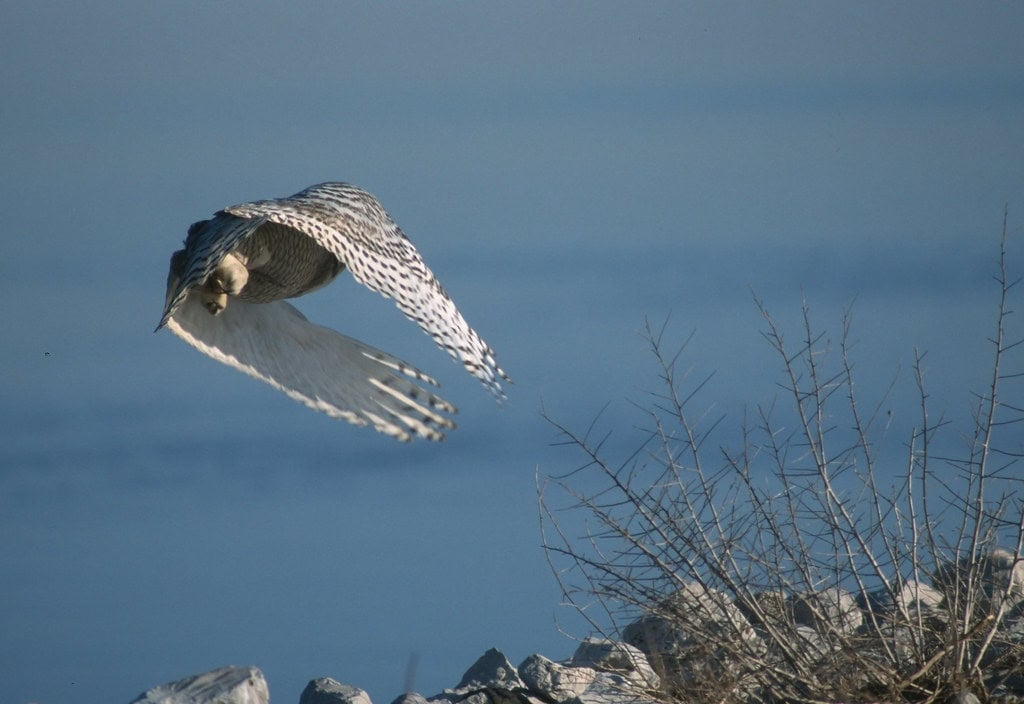
The winter of 2013-2014 witnessed one of the most spectacular snowy owl irruptions ever recorded in North America. Dubbed the “Snowy Owl Tsunami” by researchers, this event brought unprecedented numbers of Arctic owls to the United States and Canada. In the Midwest alone, hundreds of snowy owls were documented, with some states reporting ten times their normal winter counts. This extraordinary event provided researchers with a unique opportunity to study these birds and the factors driving their movements.
Project SNOWstorm, a collaborative research effort, was launched in response to this historic irruption. Scientists fitted numerous owls with solar-powered GPS transmitters to track their movements with unprecedented precision. Data from these tracked birds revealed surprising information about hunting patterns, habitat selection, and movement. Some owls remained in small territories throughout winter, while others ranged widely across hundreds of miles. The research from this remarkable irruption continues to inform our understanding of snowy owl ecology and the factors that bring them to the Midwest.
Climate Change Impacts
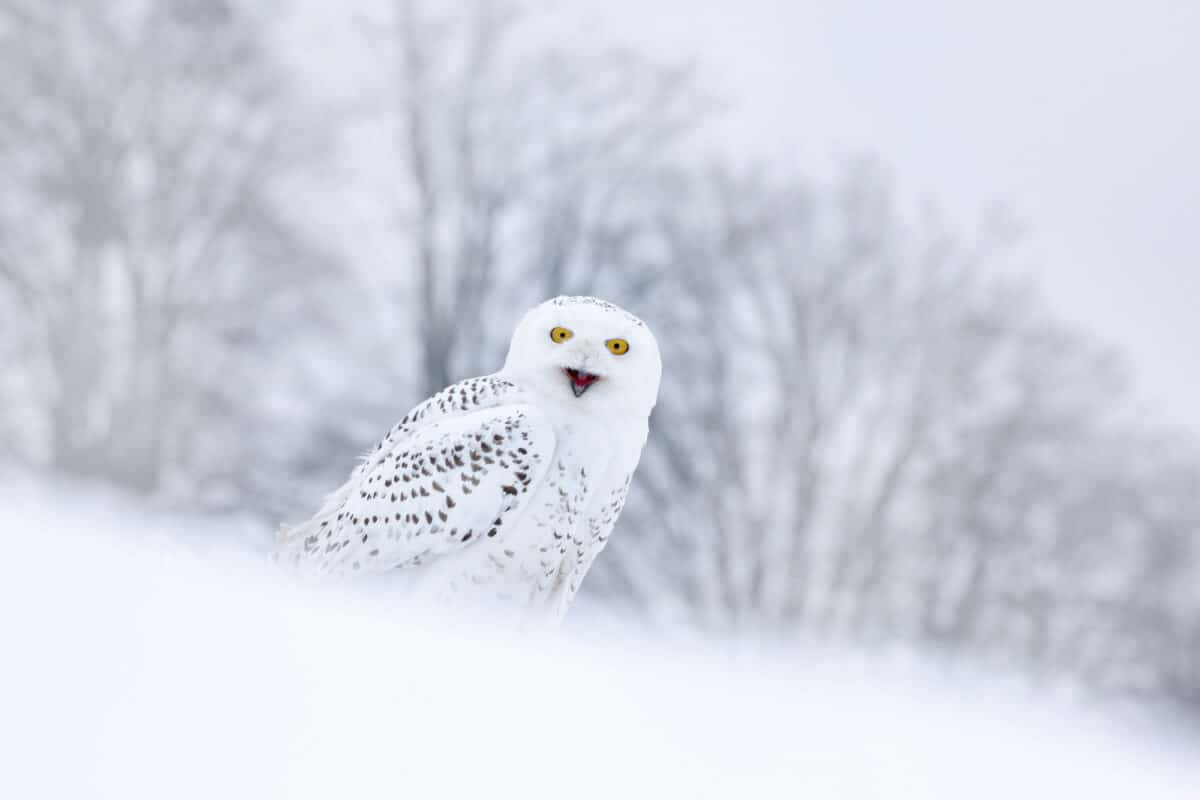
As the Arctic warms at more than twice the global average rate, climate change poses significant challenges for species like the snowy owl. Changing precipitation patterns, shifting prey populations, and unpredictable weather events all influence the breeding success and migration patterns of these Arctic specialists. Some researchers suggest that climate change may actually increase the frequency of irruptions in the short term by creating more variable conditions that lead to boom-and-bust cycles in lemming populations.
However, the long-term outlook remains concerning. If Arctic ecosystems undergo fundamental changes that disrupt the lemming cycle or alter the tundra landscape, snowy owl populations could face significant pressure. The appearance of snowy owls in the Midwest might serve as an early indicator of Arctic ecosystem health, with changes in irruption frequency or timing potentially signaling broader environmental shifts. Ongoing research aims to better understand how these magnificent birds might adapt to a rapidly changing Arctic and what this means for their periodic appearances in the Midwest.
Threats and Challenges in the Midwest
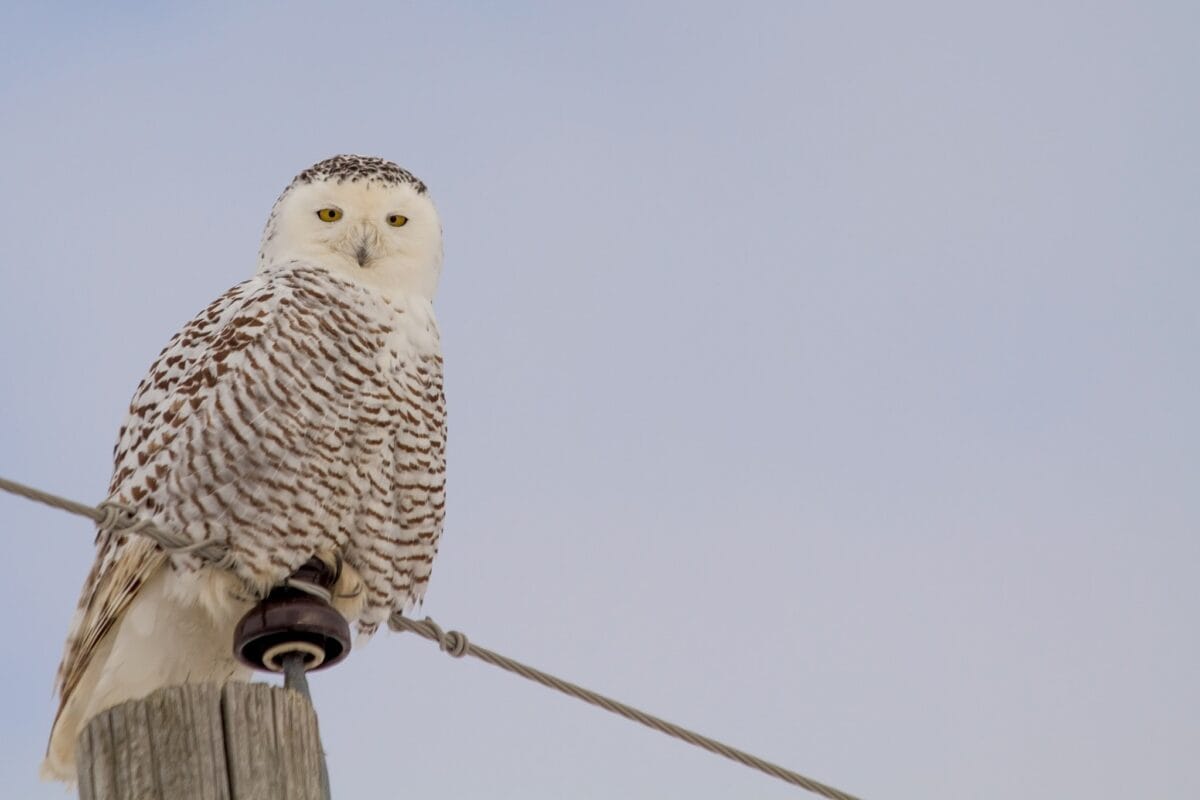
When snowy owls reach the Midwest, they face hazards very different from those in their Arctic homeland. Vehicle collisions pose a significant risk, particularly because these owls often hunt along roadways where rodents congregate in adjacent fields. Power line collisions and electrocutions claim numerous owls each winter. At airports, despite efforts to relocate them safely, owls sometimes fall victim to aircraft strikes or control measures designed to protect aviation safety.
Secondary rodenticide poisoning represents another serious threat. When owls consume rodents that have ingested poison, the toxins accumulate in their tissues, potentially causing fatal hemorrhaging. Well-meaning but inappropriate human interactions can also create problems—approaching too closely for photographs or deliberately flushing perched owls causes unnecessary stress and energy expenditure during a season when conservation of energy is crucial. Despite these challenges, many Midwestern communities have implemented education and conservation measures to protect these charismatic winter visitors.
Conservation and Research Efforts

The irregular presence of snowy owls in the Midwest has catalyzed significant conservation and research initiatives. Project SNOWstorm, launched during the historic 2013-2014 irruption, continues to track owls using sophisticated GPS-GSM transmitters that record highly detailed movement data. This research has revolutionized our understanding of these birds’ winter ecology and habitat use, informing conservation strategies across their winter range.
Rehabilitation centers throughout the Midwest have developed specialized protocols for treating injured snowy owls, addressing common issues like emaciation, rodenticide poisoning, and collision injuries. Public education campaigns help promote responsible owl watching, emphasizing the importance of maintaining distance and avoiding disturbance. Citizen science programs like eBird have dramatically improved our ability to track irruptions, with thousands of birdwatchers reporting sightings that create a comprehensive picture of owl movements and habitat use across the region.
The Future of Snowy Owls in the Midwest

The appearance of snowy owls in the Midwest represents a fascinating biological phenomenon that connects the remote Arctic with America’s heartland. As research continues to unravel the complex factors driving these irruptions, our understanding of these magnificent birds grows more nuanced. Current evidence suggests that we will continue to see periodic irruptions into the foreseeable future, though their frequency and magnitude may shift in response to climate change and other environmental factors.
For Midwestern residents, the arrival of snowy owls offers a rare opportunity to connect with the Arctic and witness one of nature’s most impressive predators. Each winter brings the possibility of an irruption, and with it, the chance to glimpse these white phantoms perched on fence posts, airport runways, or lakeside breakwalls. Conservation efforts remain crucial to ensuring that these birds can safely complete their journeys and return to their Arctic breeding grounds when spring arrives. Through continued research, education, and conservation, we can help preserve the natural wonder of snowy owl irruptions for future generations to witness and appreciate.
The journey of snowy owls from the Arctic tundra to the American Midwest represents one of nature’s most spectacular and mysterious movements. These irruptions connect two vastly different ecosystems and allow people far from the Arctic to witness these magnificent predators in person. What we now understand is that these movements are not simply the result of food scarcity but rather complex interactions between lemming population cycles, owl reproductive success, territorial competition, and environmental conditions. The presence of snowy owls in the Midwest serves as a living barometer of Arctic ecosystem health, making their conservation important not just for the species itself but for our broader understanding of global environmental changes. As climate change continues to reshape the Arctic, monitoring these irruptions may provide valuable insights into how wildlife adapts to rapidly shifting conditions, making each white owl that appears on a Midwestern fence post both a magnificent wildlife spectacle and an important data point in our understanding of our changing world.

- How Wildlife Corridors Are Saving Big Cats - July 14, 2026
- The Deepest Cave on Earth Was Just Explored—What They Found Is Terrifying - July 14, 2026
- How to Tell a Black Bear from a Grizzly Bear at a Glance - July 14, 2026