

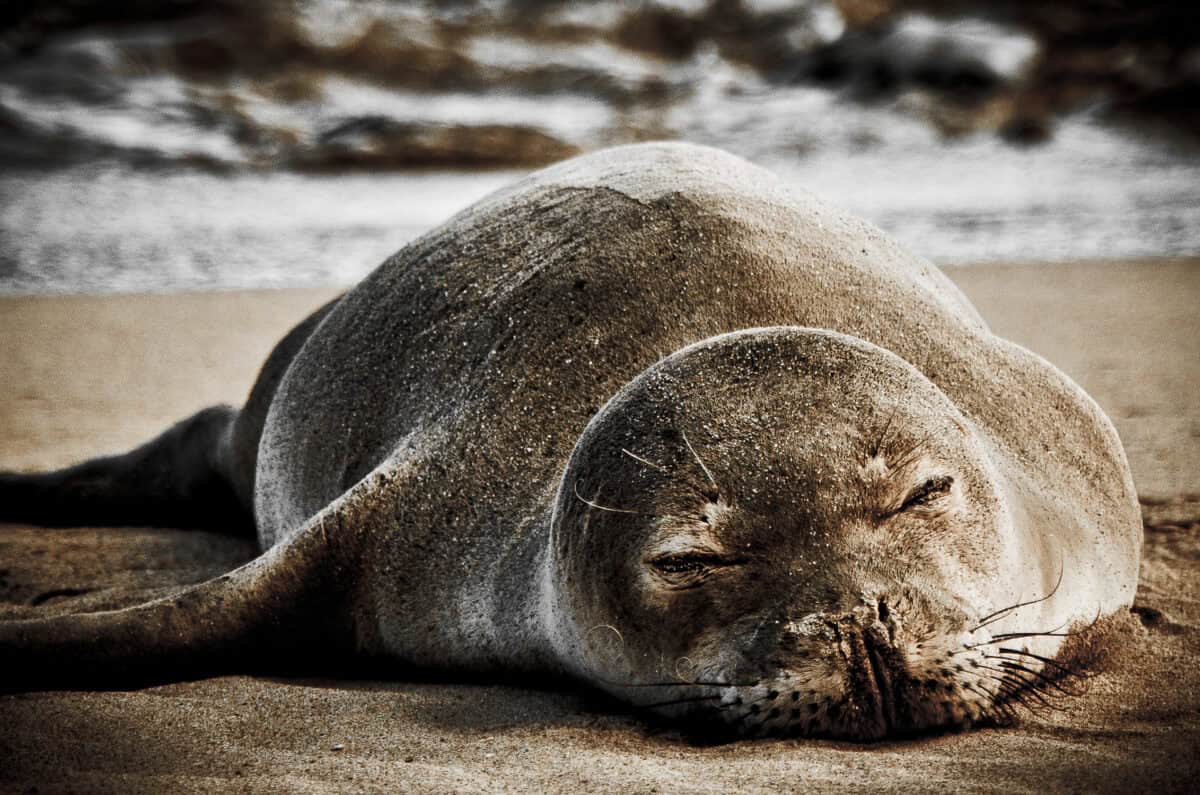
The misty shores of Scotland and Ireland harbor more than just spectacular views and ancient ruins—they cradle some of the most enchanting folklore in the world. Among these tales, the legends of selkies stand out as particularly captivating. These mythical beings—seal people who shed their skins to become human—have enthralled generations with their bittersweet stories of love, longing, and the eternal call of the sea. From the remote Orkney Islands to the wave-battered coasts of County Kerry, selkie lore has become deeply embedded in Celtic cultural identity, offering profound insights into the relationship between humans and the mysterious ocean that surrounds them.
Selkie legends have survived centuries of oral tradition, evolving yet retaining their essential nature as tales of transformation and divided belonging. These stories speak to universal themes of identity, freedom, and the price of love, while reflecting the harsh realities of coastal life where the sea was both provider and destroyer. Today, as we face environmental challenges and reassess our connection to nature, these ancient tales have found new resonance, reminding us of the thin veil between our world and the otherworld that our ancestors perceived so keenly.
Origins of Selkie Folklore
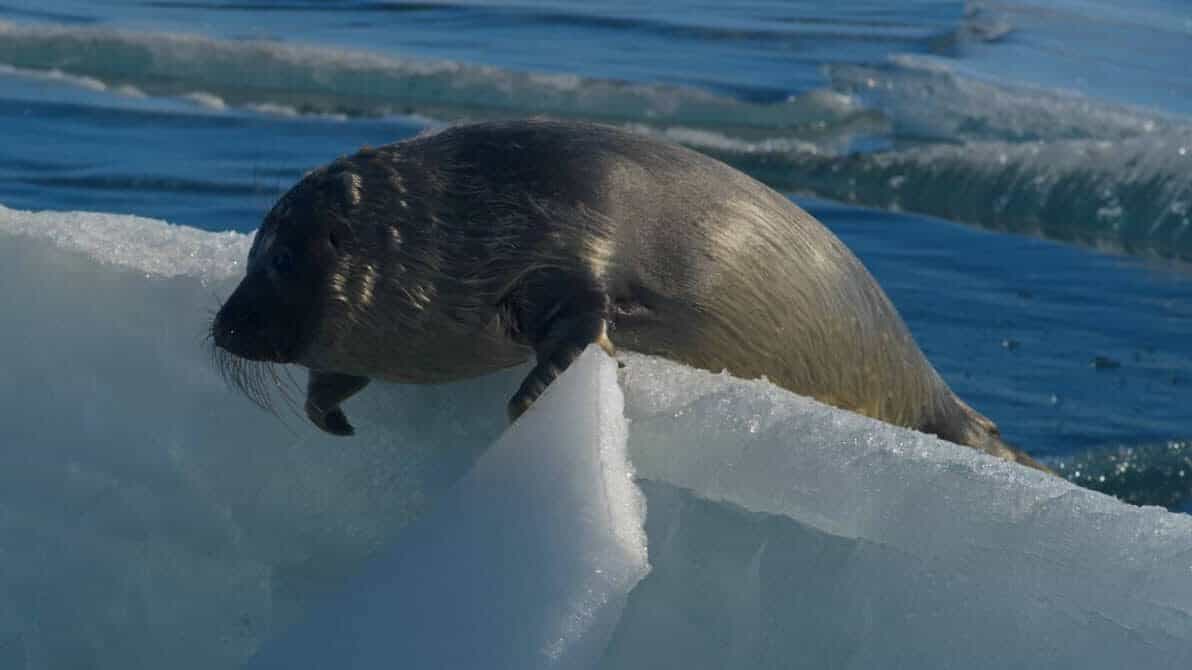
The selkie myths likely originated during the Norse settlement of northern Scotland and Ireland between the 8th and 10th centuries. The word “selkie” itself derives from the Old Norse “selkolla” meaning “seal’s head,” highlighting the Viking influence on this mythology. As Norse settlers integrated with the indigenous Celtic populations, their stories of shape-shifting beings merged with local traditions of magical sea creatures, creating the distinctive selkie tales that would become a cornerstone of coastal folklore.
Archaeological evidence suggests that the relationship between humans and seals in these regions stretches back thousands of years, with seal bones found in prehistoric middens indicating they were important food sources for ancient coastal communities. This close relationship, combined with the uncanny human-like expressions and behaviors of seals, particularly when they raise their heads above water, likely contributed to the development of beliefs that these creatures were somehow more than animal. The similarities between seal calls and human crying may have further reinforced the perception of a special connection between the species.
The Dual Nature of Selkies
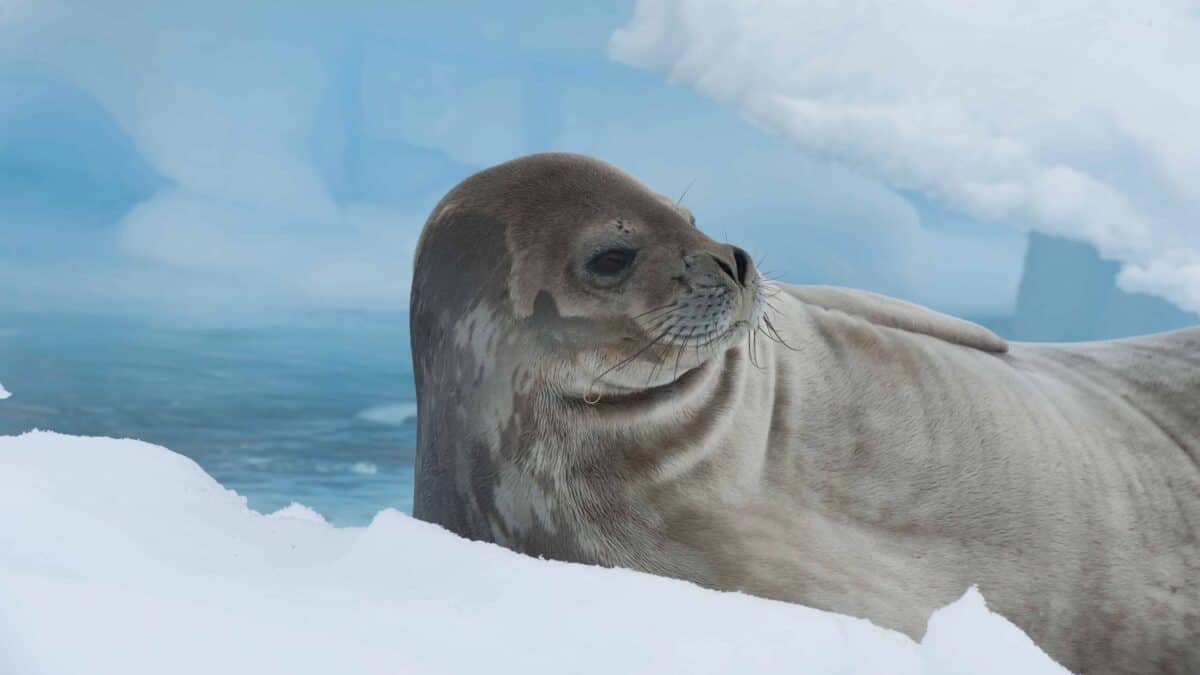
At the heart of selkie mythology lies the concept of dual nature—creatures existing between worlds. According to legend, selkies live as seals in the sea but can shed their skin to take human form on land. This transformation is typically depicted as temporary and conditional; a selkie can only remain human as long as its seal skin is hidden away. If the selkie recovers its skin, the call of the sea becomes irresistible, and it must return to its oceanic home, regardless of what—or whom—it leaves behind.
This duality reflects the liminality of coastal living, where communities exist at the threshold between land and sea. Selkies embody this boundary existence, never fully belonging to either realm. Their stories often explore themes of yearning and displacement, speaking to the human experience of divided loyalties and the search for true belonging. Unlike many supernatural beings in folklore who are portrayed as malevolent or dangerous, selkies are typically characterized as gentle, melancholic figures, trapped between identities and longing for what they cannot fully possess.
Female Selkies: Captive Brides
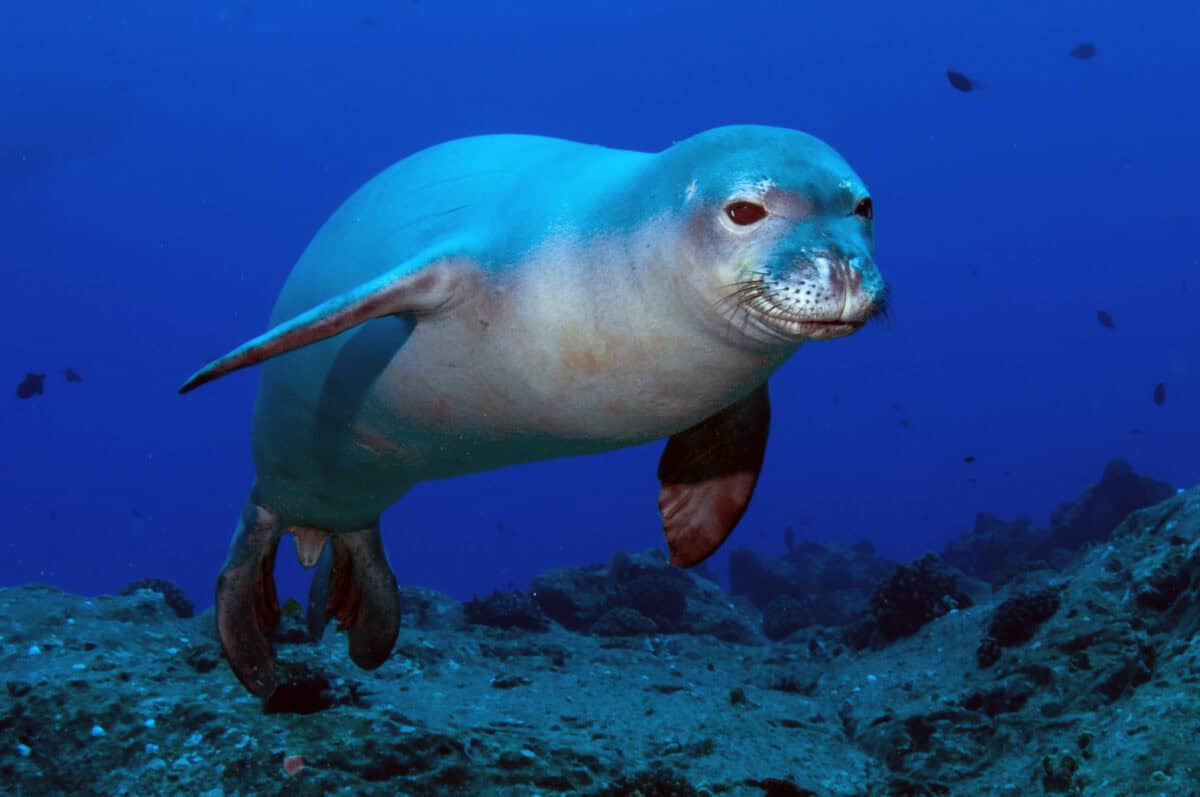
The most common selkie narratives involve female selkies who are captured by human men. In these stories, a fisherman or crofter discovers a beautiful woman dancing on a secluded beach, having set aside her seal skin temporarily. Entranced by her beauty, he steals and hides her skin, preventing her return to the sea. Without her magical covering, the selkie is forced to become his wife and live as a human woman. These tales typically unfold with the selkie appearing to adapt to human life—bearing children and maintaining the home—while secretly pining for the ocean and searching for her hidden skin.
These narratives can be interpreted as reflections of the harsh realities faced by women in historical fishing communities, where arranged marriages and limited autonomy were common. The selkie wife, trapped in a life she didn’t choose, mirrors the experience of many human women of the time. Eventually, most stories conclude with the selkie discovering her hidden skin—often through the innocence of her own children who unwittingly reveal its location—and immediately returning to the sea, sometimes with her half-human children, sometimes leaving them behind with their heartbroken father.
Male Selkies: Seducers and Secret Lovers
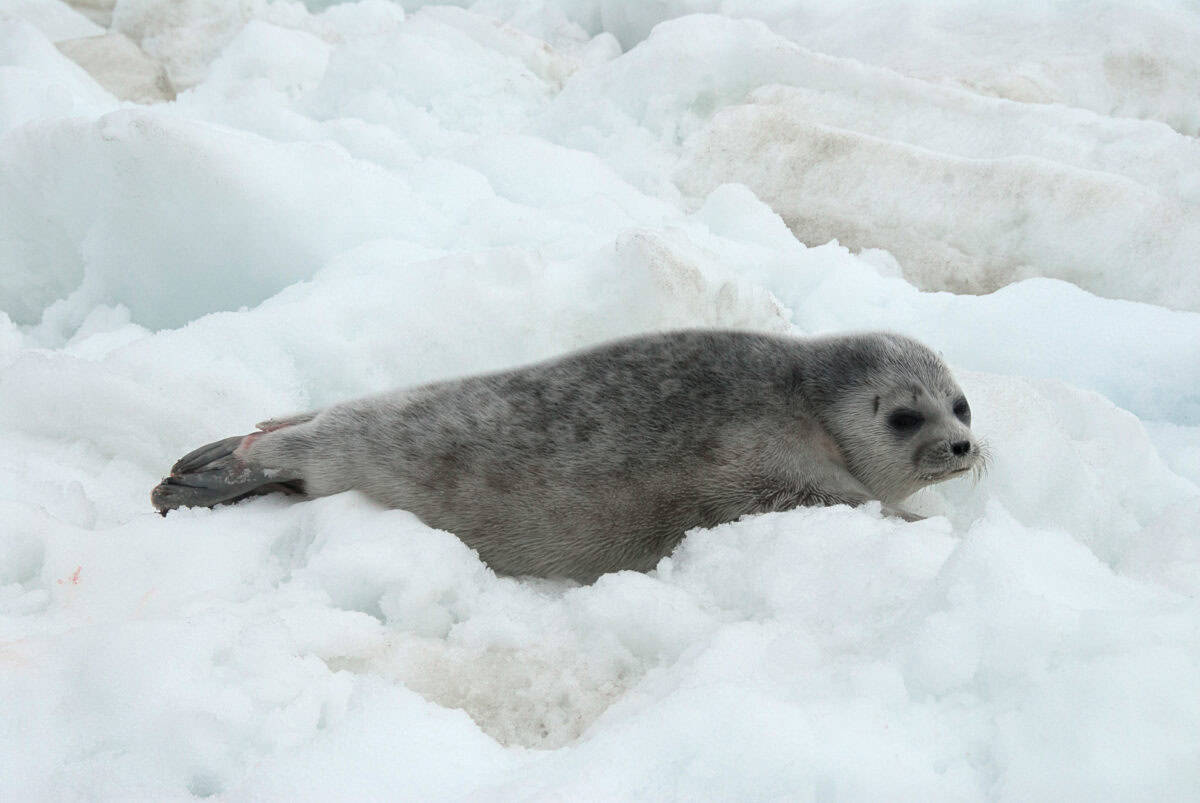
While female selkie stories often center on captivity and longing, tales of male selkies follow a different pattern. These handsome, seductive figures typically come ashore voluntarily, often in human form, to seek romantic encounters with human women. In many accounts, male selkies specifically target unsatisfied wives or lonely maidens, appearing during particular lunar phases or on specific tides. Unlike their female counterparts who are trapped through the theft of their skins, male selkies maintain control over their transformations and eventual return to the sea.
These legends sometimes served as explanations for unexplained pregnancies or children born with unusual features in coastal communities. A child born with webbed fingers or unusual eyes might be whispered to have selkie heritage. The narrative of the selkie lover also provided a framework for understanding abandoned women or single mothers, offering a supernatural rather than scandalous explanation for their situation. In some communities, claiming selkie ancestry became a way of conferring a kind of mystical nobility on a family line, suggesting their bloodline contained something wild and magical from the sea.
Regional Variations in Selkie Lore
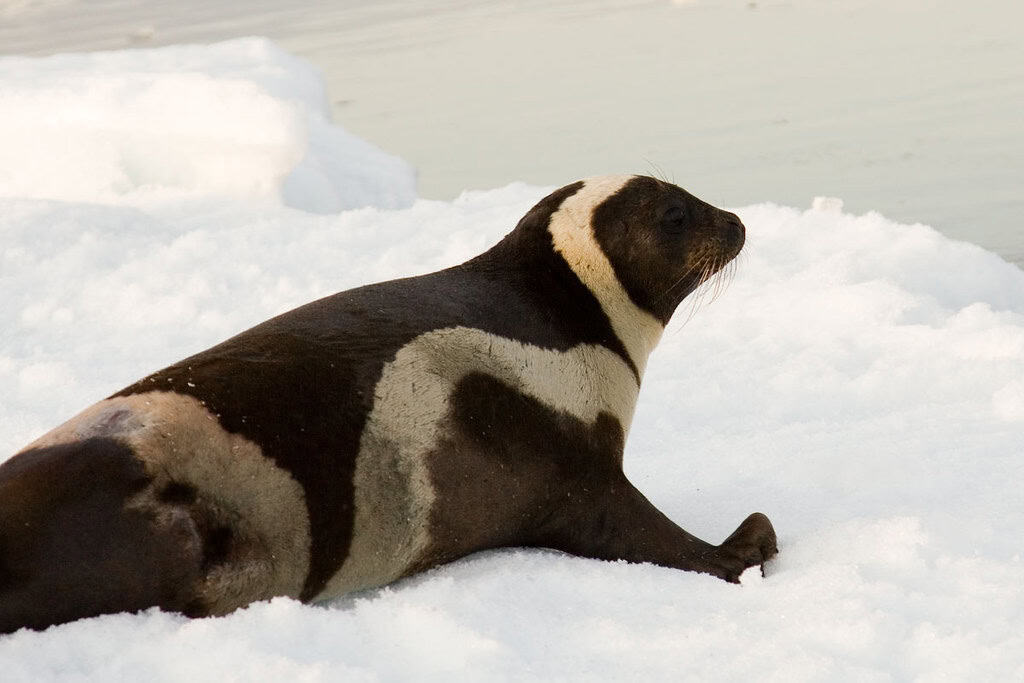
Selkie legends vary significantly across different regions of Scotland and Ireland. In the Orkney and Shetland Islands, where Norse influence was strongest, selkie tales often incorporate elements of their Viking heritage, with more emphasis on supernatural transformations and magical elements. These northern islands feature some of the most elaborate selkie folklore, including beliefs about selkie gatherings during specific lunar phases when they would come ashore to dance in human form. The frequency of these tales in Orkney may be connected to the large seal populations that have historically inhabited these waters.
In the Hebrides and western Scotland, selkie stories often incorporate more Celtic elements, sometimes blending with tales of other mythical sea creatures like the Blue Men of the Minch. Irish selkie lore, particularly along the western coast in counties like Donegal, Kerry, and Galway, often connects selkies with themes of music and song, reflecting the strong musical traditions of these regions. In some Irish tales, selkies are credited with teaching humans certain haunting melodies, known as “seal songs,” that are said to echo their otherworldly origins and express an ineffable longing for the sea.
The Great Selkie of Sule Skerry
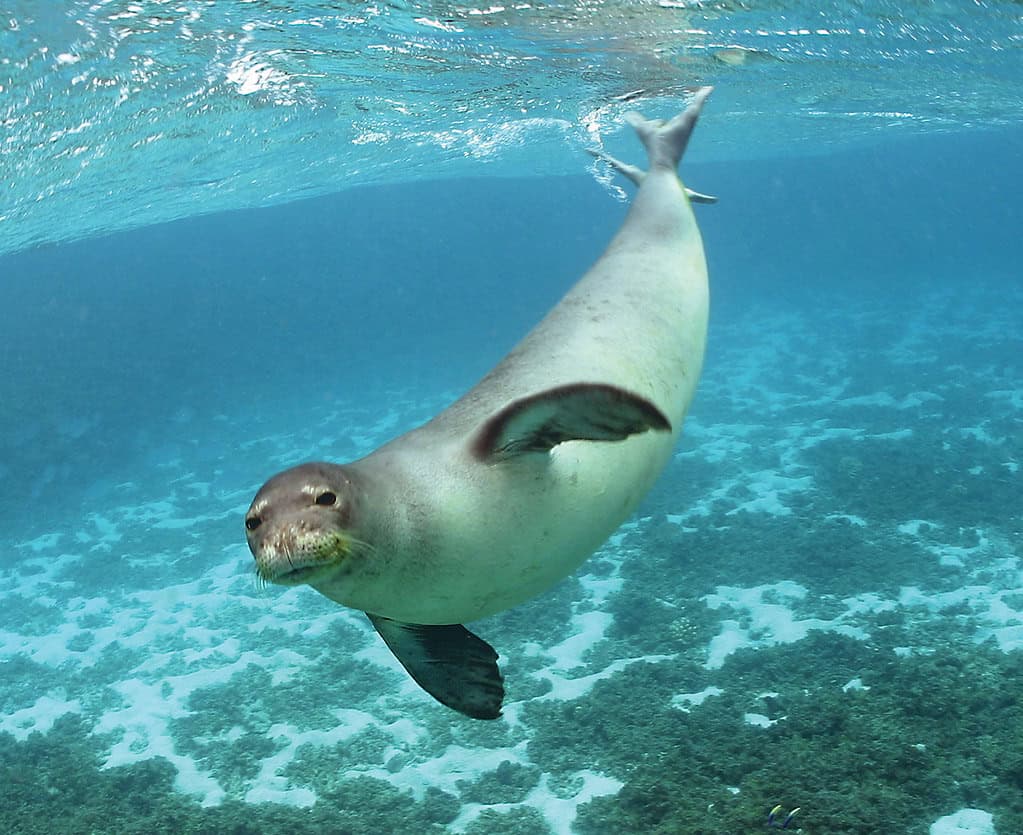
One of the most famous selkie tales is “The Great Selkie of Sule Skerry,” preserved in a traditional ballad from Orkney. This haunting story tells of a woman who bears a child to an unknown lover, only to have that lover later reveal himself as a selkie—a “man upon the land and a selkie in the sea.” He foretells that he will take their son, who is also destined to become a selkie, but that both will eventually be killed by the woman’s human husband, a hunter. The ballad ends with this tragic prophecy fulfilled, as the hunter unknowingly shoots both the selkie father and son, bringing their skins home to his wife who recognizes them with horror.
This particular legend encapsulates many core elements of selkie mythology: the blending of human and seal worlds, the inevitability of return to one’s true nature, and the tragic consequences of crossing between realms. The specificity of Sule Skerry—a remote, real-life skerry (rocky reef) in the North Atlantic—grounds the supernatural tale in actual geography, a common feature of Celtic folklore that blends the magical with the mundane. Versions of this ballad have been recorded by folk musicians throughout the 20th century, helping to preserve and popularize this particular selkie narrative.
Selkies and Historical Context
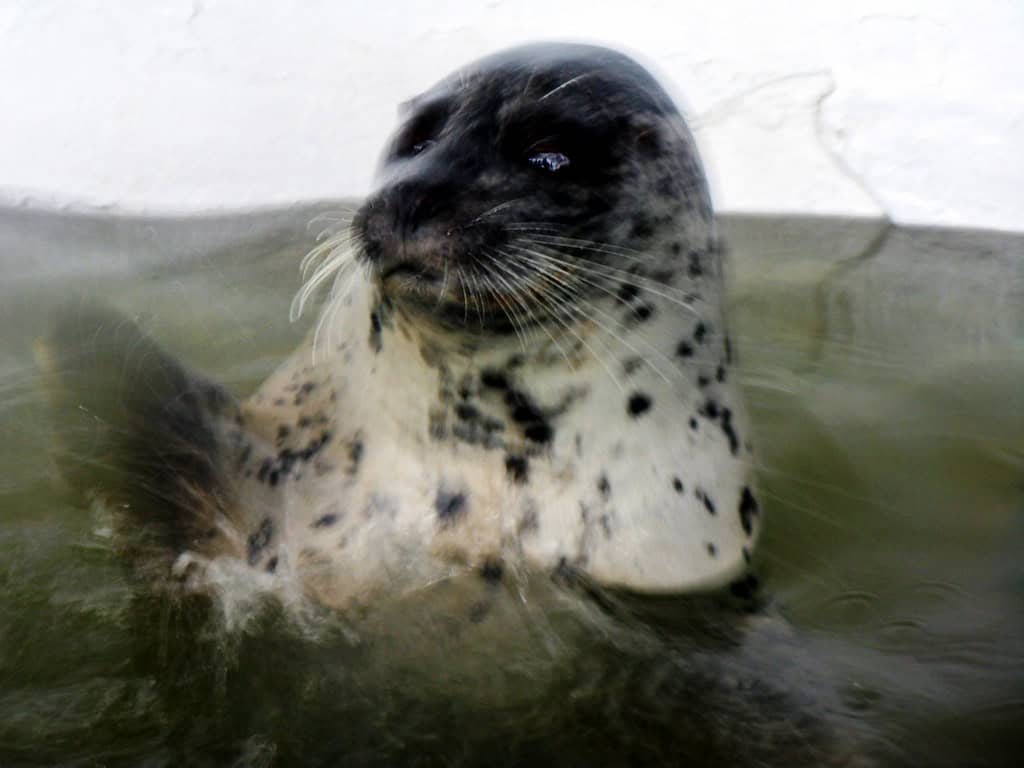
The development and persistence of selkie legends can be understood within the historical context of coastal communities in Scotland and Ireland. In regions where survival depended on fishing and seal hunting, these stories may have served to mediate the complex relationship humans had with seals. Coastal dwellers relied on seals for food, oil, and skins, yet also observed their intelligent behavior and expressive faces, creating moral ambiguity around their hunting. Selkie tales, which humanize seals, might have functioned as a form of cultural reconciliation of this ethical dilemma.
The historical isolation of many island and coastal communities also contributed to the preservation of these legends. Prior to modern transportation and communication, places like the Orkney Islands maintained distinct cultural traditions with minimal outside influence for centuries. In these close-knit communities, oral storytelling served as both entertainment and cultural education, with selkie tales passing from generation to generation around peat fires during long northern winters. The harshness of coastal life—with its constant dangers from storms and drowning—may also explain the melancholic tone of many selkie legends, which often deal with themes of loss and separation.
Selkies in Literature and Arts
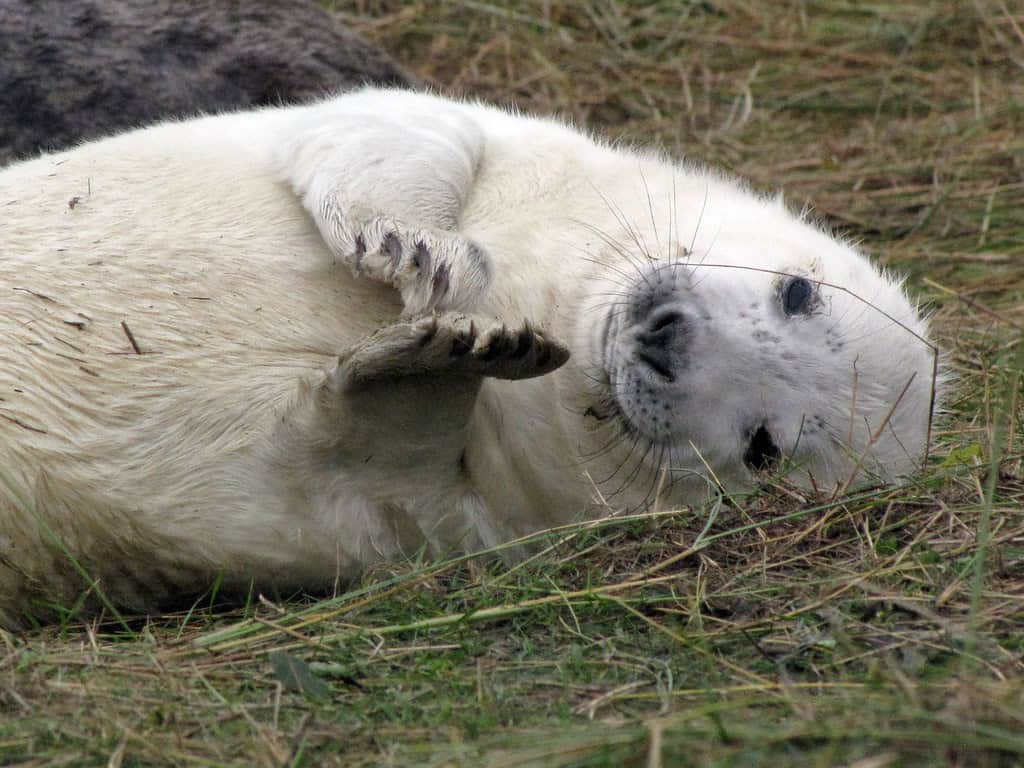
From the Victorian era onward, selkie legends have inspired countless literary works, films, music, and visual arts. Victorian folklorists like George Douglas collected and published selkie tales as part of a broader cultural movement to preserve folk traditions, bringing these stories to wider audiences. In modern literature, authors such as Susan Cooper, George Mackay Brown, and David Thomson have incorporated selkie themes into their work, often using the selkie’s divided nature as a metaphor for the human struggle between competing desires or identities.
In cinema, films like “The Secret of Roan Inish” (1994) and “Ondine” (2009) have brought selkie legends to international audiences, while the animated film “Song of the Sea” (2014) received critical acclaim for its beautiful interpretation of selkie mythology. Musicians have been particularly drawn to these legends, with artists ranging from traditional folk singers to contemporary bands creating works inspired by selkie tales. The haunting quality of selkie stories, with their themes of transformation and longing, continues to provide rich material for artistic expression across mediums, ensuring these ancient legends remain vibrant in contemporary culture.
Psychological Interpretations of Selkie Tales.
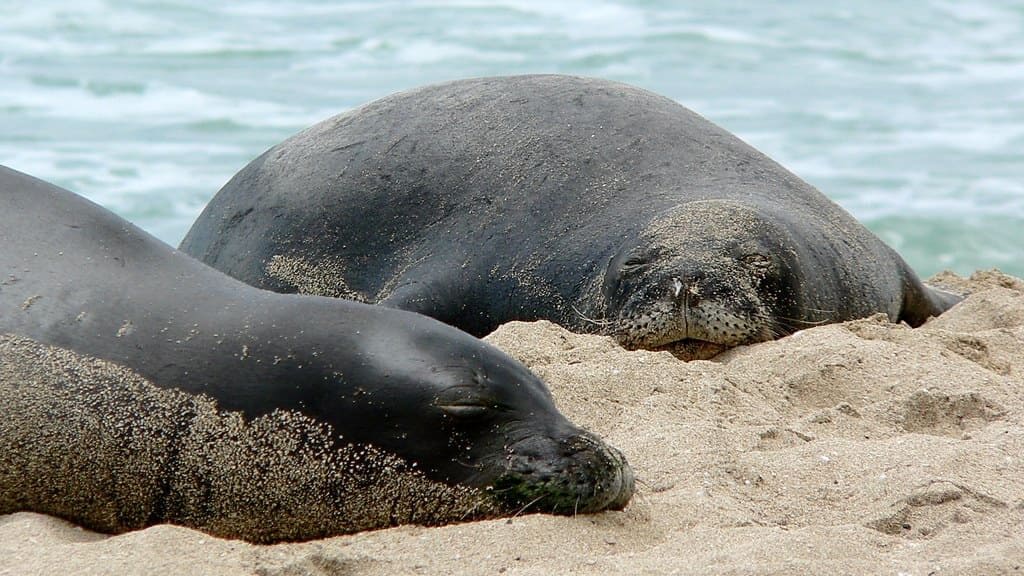
Modern scholars have offered various psychological interpretations of selkie legends. Jungian analysts often view these stories as explorations of the anima and animus—the feminine and masculine aspects within each person—with the selkie representing the wild, untamed parts of the psyche that cannot be permanently suppressed. The seal skin can be seen as a symbol for authentic identity, which when stolen or surrendered leads to profound unhappiness. From this perspective, the selkie’s inevitable return to the sea represents psychological integration and the reclaiming of one’s true self.
Feminist interpretations focus on the captivity narratives common in female selkie tales, seeing them as expressions of women’s experiences in patriarchal societies. The stolen skin represents female autonomy, with its theft symbolizing the historic control of women’s bodies and choices. The selkie wife’s constant searching and eventual escape can be read as female resistance and empowerment. These psychological frameworks offer contemporary relevance to ancient tales, suggesting that beneath their supernatural elements, selkie legends speak to universal human experiences of identity, freedom, and the search for authenticity in relationships.
Ecological Dimensions of Selkie Mythology
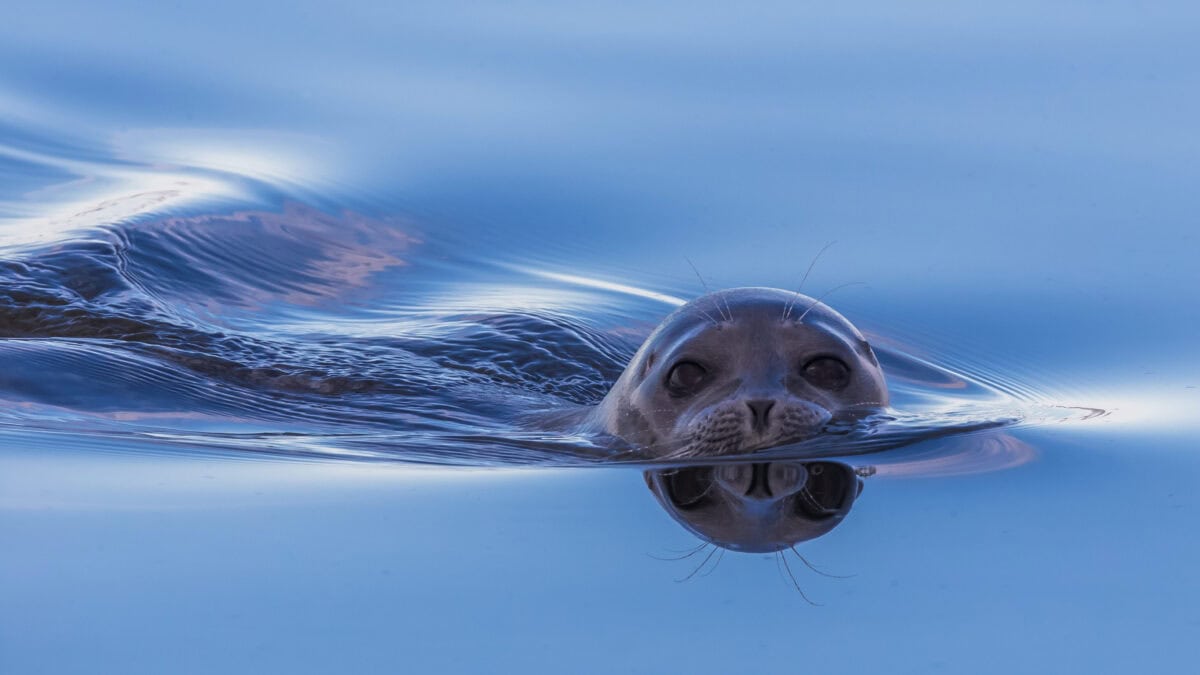
In recent decades, selkie legends have found new resonance in environmental discourse. These stories, which position seals as beings worthy of respect and ethical consideration, align with contemporary conservation ethics. Traditional communities that maintained selkie beliefs often developed sustainable hunting practices, taking only what was needed and maintaining a relationship with seals based on mutual respect rather than exploitation. Some environmental educators and activists now use selkie stories as teaching tools to foster emotional connections with marine wildlife and promote ocean conservation.
The transformation element of selkie mythology also speaks to modern understanding of ecological interconnectedness—the recognition that human and animal worlds are not separate but deeply intertwined. As climate change threatens coastal communities and marine ecosystems, selkie legends offer a cultural framework for understanding our relationship with the sea as one of kinship rather than dominion. Organizations working to protect seal populations in Scotland and Ireland sometimes reference selkie traditions in their public outreach, drawing on cultural heritage to strengthen conservation messages about these vulnerable marine mammals.
Modern Sightings and Belief

While selkie legends might seem like relics of a more superstitious past, belief in these creatures has not entirely disappeared from coastal communities. Throughout the 20th century and into the present, there have been occasional reports from remote areas of Scotland and Ireland of unusual seal behaviors or strange figures seen at the water’s edge. These modern accounts typically describe seals with unusually human-like behaviors or expressions, or mysterious individuals appearing and disappearing near remote beaches, particularly during twilight hours or misty conditions.
Sociologists studying contemporary folklore note that selkie beliefs persist most strongly in communities maintaining traditional relationships with the sea, particularly among older generations of fishermen and their families. While few people today would claim literal belief in seal-human transformations, many coastal residents maintain a sense of special relationship with local seal populations, treating them with a respect that goes beyond typical wildlife appreciation. This persistence of selkie-adjacent beliefs demonstrates how deeply embedded these legends are in the cultural identity of Scottish and Irish coastal communities, continuing to influence human-seal interactions even in our modern, scientific age.
The Enduring Legacy of Selkie Tales

The legends of the seal people have endured for centuries, transcending their origins to become a significant cultural touchstone in both Scottish and Irish heritage. These stories have survived the transition from oral tradition to literature, from local folklore to global entertainment, demonstrating their remarkable resonance with fundamental human concerns across time and cultural boundaries. The selkie’s dual nature—part human, part wild creature—speaks to our own complex relationship with the natural world, one that has become increasingly relevant in an era of environmental crisis and renewed interest in indigenous wisdom about living in harmony with nature.
As we continue to navigate the boundaries between human society and the wild spaces beyond, selkie tales remind us of what is lost when we forget our connection to the natural world. They caution against possessiveness in love and the folly of trying to own what is inherently free. They whisper of the consequences of denying one’s true nature for too long. Perhaps most powerfully, they suggest that just beneath the surface of our ordinary world lies another realm of mystery and magic—if only we have the eyes to see it. In their melancholy beauty and timeless wisdom, the legends of the selkie people continue to enchant new generations, ensuring that these shape-shifting seal folk will swim through our collective imagination for centuries to come.

From exploring the marine wonders in the Azores and witnessing the vast savannas of Kenya, to delving deep into the rich biodiversity of South Africa and traversing iconic landscapes in Australia and the US like Yellowstone, Chris's experiences are vast.
With a penchant for diving alongside sharks, the ocean holds a special place in his heart.
Through his academic insights, he champions wildlife conservation, striving with 'Animals Around The Globe' to cultivate a profound connection between humans and animals, enhancing our mutual appreciation.
Connect with him at Feedback@animalsaroundtheglobe.com.
- The Seal People: Selkie Legends of Scotland and Ireland - August 5, 2026
- 8 Animals that Snakes Fear More Than Humans - August 5, 2026
- Why Reintroducing Beavers Might Prevent Flooding - August 5, 2026
Leave a comment
You must be logged in to post a comment.