


We humans love to categorize and simplify the animal kingdom. It helps us make sense of a complex world filled with creatures we don’t fully understand. But in our quest for simplification, we’ve created numerous stereotypes about animals that range from slightly misleading to completely false. These misconceptions don’t just make for interesting trivia—they can affect how we interact with animals, influence conservation efforts, and even impact animal welfare. This article explores ten common animal stereotypes that science has thoroughly debunked, as well as five that actually have some basis in reality. Let’s separate fact from fiction and gain a deeper appreciation for the fascinating complexity of animal behavior and biology.
Stereotype #1: Goldfish Have a Three-Second Memory
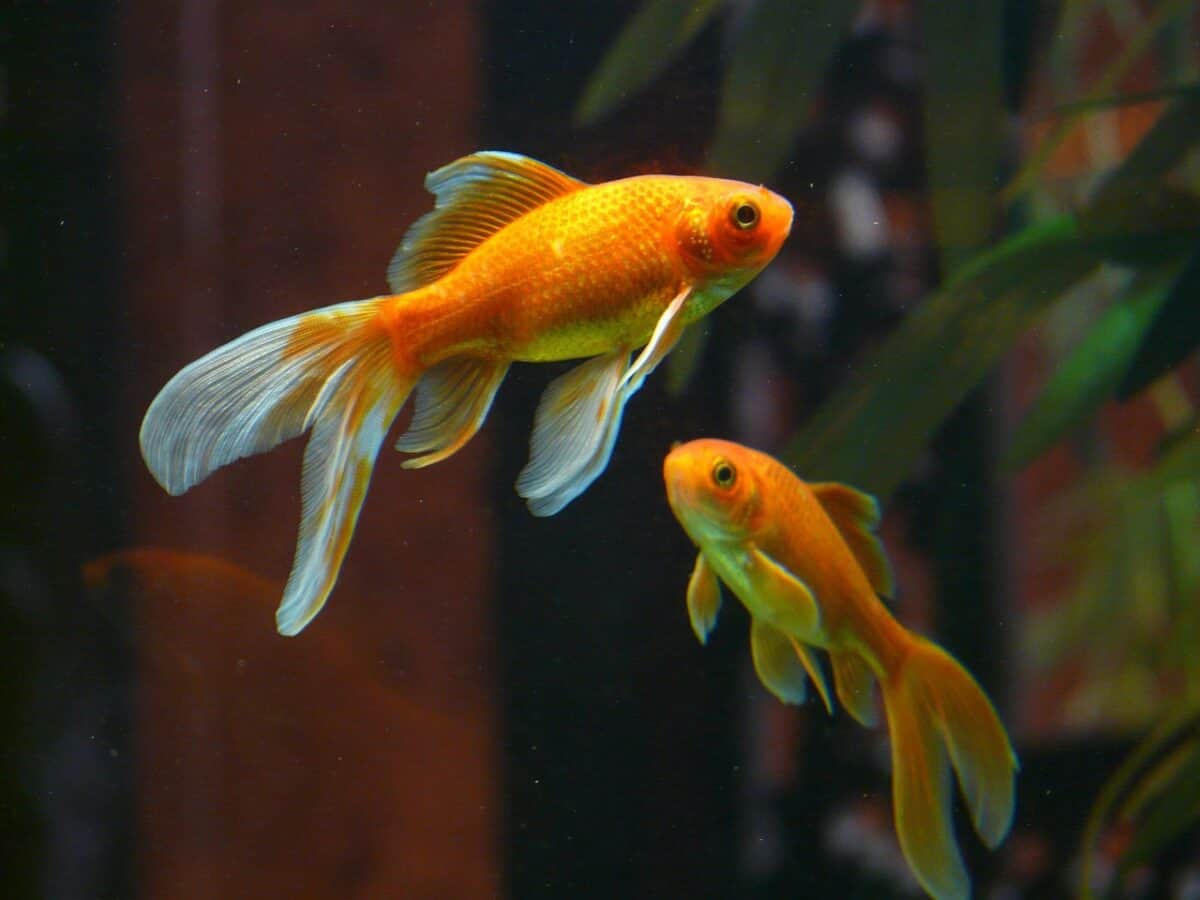
Perhaps one of the most persistent animal myths is that goldfish have memory spans of just three seconds. This stereotype has been used to justify keeping these creatures in small, barren bowls, under the misguided belief that they’ll constantly experience their surroundings as new and exciting. In reality, scientific research has thoroughly debunked this notion. Goldfish can remember things for months, not seconds. They can recognize faces, respond to certain sounds, and even be trained to respond to light cues or perform specific behaviors at feeding time.
In one notable study at Plymouth University, goldfish were taught to respond to certain sounds by associating them with food. The fish remembered this association for months, completely contradicting the three-second memory myth. Goldfish are actually quite intelligent for their brain size and possess both short and long-term memory capabilities. This misunderstanding has unfortunately led to widespread mistreatment of these animals, with many kept in inadequate conditions that don’t allow them to express their natural behaviors or cognitive abilities.
Stereotype #2: Ostriches Bury Their Heads in the Sand

The image of an ostrich burying its head in the sand when frightened has become a common metaphor for avoiding problems. However, this behavior doesn’t actually exist in nature. If ostriches really did bury their heads in the sand when threatened, they would quickly suffocate or become easy prey. The reality is far more practical: ostriches, the largest and heaviest birds on Earth, have developed much more effective defense mechanisms.
This myth likely originated from several observed behaviors. Ostriches do dig shallow nests in the ground for their eggs, and they periodically need to turn these eggs using their beaks. From a distance, an ostrich lowering its head to the ground to care for its eggs might appear to be “burying” its head. Additionally, ostriches sometimes lie flat against the ground with their necks outstretched to become less visible when threatened—a much more effective survival strategy than the mythical head-burying. When truly threatened, ostriches can be formidable, capable of running at speeds up to 45 mph and delivering powerful kicks.
Stereotype #3: Bats Are Blind

The saying “blind as a bat” has misled generations about these remarkable flying mammals. Contrary to popular belief, bats are not blind at all. All 1,400+ species of bats can see, and many have quite good vision, particularly adapted for low-light conditions. What makes bats special is that most species complement their vision with echolocation—a sophisticated biological sonar system that allows them to navigate and hunt in complete darkness by emitting high-frequency sounds and interpreting the echoes.
Different bat species have varying levels of visual acuity depending on their ecological niche. Fruit bats (flying foxes), which don’t use echolocation, have excellent vision that’s well-adapted for finding colorful fruits. These bats can see three times better than humans at night and can perceive ultraviolet light. Even among echolocating bats, vision plays an important role, especially for long-distance navigation and orientation. They use visual landmarks for navigation during twilight hours and combine visual information with echolocation data for a more complete understanding of their environment. The blind bat stereotype significantly underestimates these animals’ remarkable sensory capabilities.
Stereotype #4: Bulls Are Enraged by the Color Red

The image of a matador waving a red cape to enrage a charging bull is deeply embedded in popular culture. However, this dramatic scene misrepresents bovine biology in a fundamental way: bulls cannot see the color red. Like many mammals, bulls are dichromats, meaning they have only two types of color receptors in their eyes (compared to humans’ three). Their color vision is limited, and they cannot distinguish red from green. What actually provokes the bull’s charge in a bullfighting arena is the movement of the cape, not its color.
This fact has been demonstrated in numerous experiments where bulls react identically to moving capes of different colors. The tradition of using red capes (called muletas) in bullfighting likely evolved for the spectators’ benefit rather than the bull’s—the bright color creates dramatic visual contrast and helps disguise bloodstains during the later stages of the fight. Bulls are naturally territorial animals, and in the highly stressful environment of a bullfighting arena, they will charge at any moving object that they perceive as a threat. Understanding this corrects not just a misconception about animal biology but also highlights how human cultural practices can propagate misleading ideas about animal behavior.
Stereotype #5: Lemmings Commit Mass Suicide
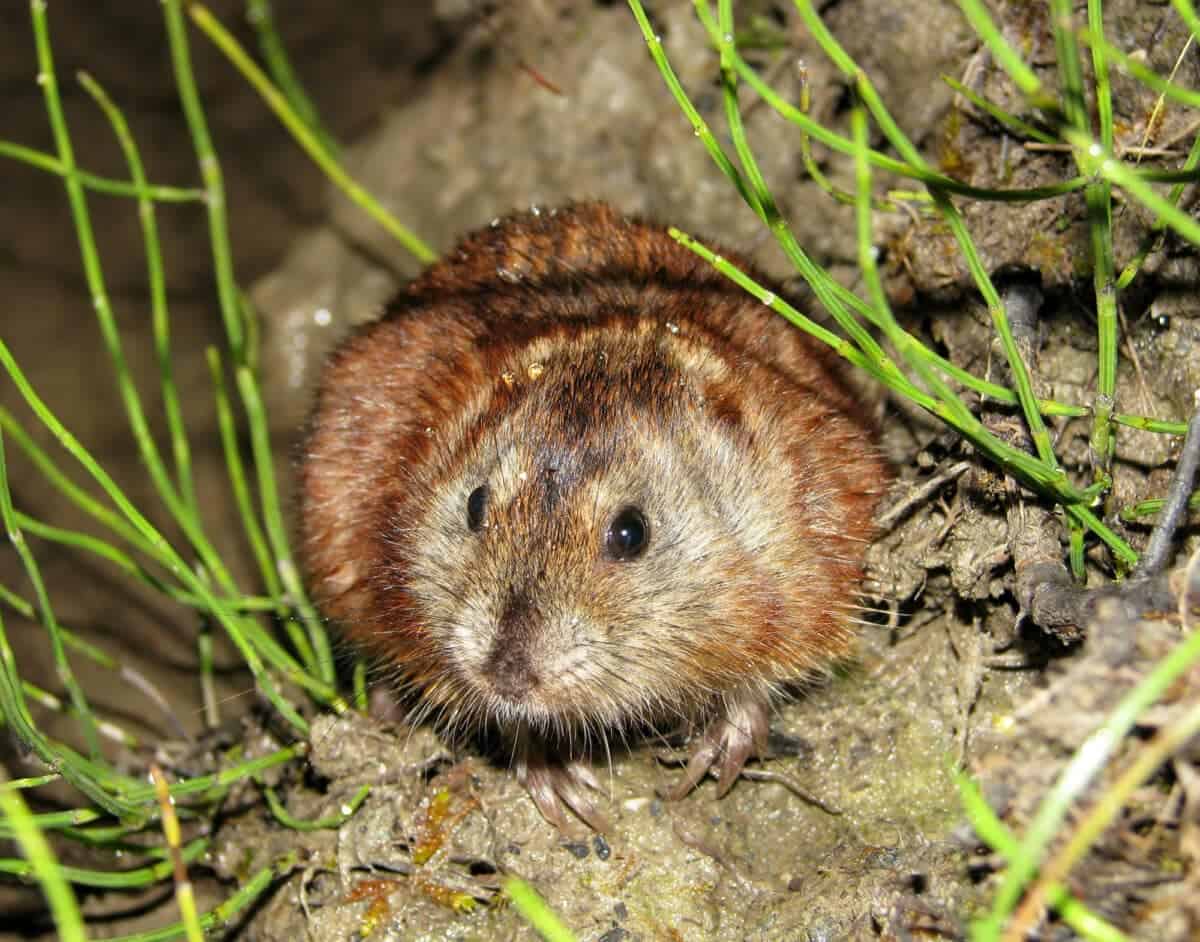
One of the most bizarre and persistent animal myths is that lemmings—small rodents native to Arctic regions—deliberately commit mass suicide by jumping off cliffs. This dramatic but entirely false stereotype was largely perpetuated by the 1958 Disney documentary “White Wilderness,” which staged footage of lemmings throwing themselves off cliffs into the ocean. The filmmakers actually purchased lemmings and physically forced them off a cliff while filming. This staged footage created a powerful but completely fabricated visual that cemented this myth in popular culture.
The reality of lemming behavior is much less dramatic but ecologically fascinating. Lemmings do experience population booms followed by mass migrations when their density becomes too high. During these migrations, some lemmings may accidentally fall from cliffs or drown while attempting to cross bodies of water, but there is absolutely no evidence of suicidal intent. These natural population fluctuations are a response to complex ecological factors including food availability, predator populations, and reproductive rates. The lemming suicide myth has become a cautionary tale in nature documentary ethics, demonstrating how media representations can create persistent misconceptions about animal behavior that can take decades to correct in the public consciousness.
Stereotype #6: Camels Store Water in Their Humps

Many people believe that camels survive long desert journeys because they store water in their humps. This widespread misconception misunderstands both camel physiology and desert survival adaptations. Camel humps actually contain fat tissue, not water. This concentrated fat storage (which can weigh up to 80 pounds) serves as an energy reserve and helps camels survive in environments where food is scarce. By concentrating fat in their humps rather than distributing it throughout their bodies, camels minimize heat-trapping insulation over the rest of their body—a crucial adaptation for desert life.
Camels’ remarkable desert survival abilities come from multiple physiological adaptations beyond their humps. They can tolerate severe dehydration, losing up to 30% of their body weight in water (compared to humans, who can suffer serious health consequences after losing just 10-15%). Their bodies efficiently conserve water through specialized kidneys and intestines that minimize water loss. Their oval-shaped red blood cells can continue functioning even when severely dehydrated. Camels can also drink massive amounts of water quickly—up to 30 gallons in 13 minutes—when water becomes available. Their body temperature fluctuates widely throughout the day, reducing the need for cooling through water-intensive sweating. These comprehensive adaptations, rather than mythical water storage, explain camels’ desert-dwelling success.
Stereotype #7: Sharks Are Mindless Killing Machines

Few animal stereotypes have been as damaging as the portrayal of sharks as mindless, man-eating monsters that exist solely to hunt humans. This misconception, largely fueled by films like “Jaws” and sensationalist media coverage of shark attacks, has significantly hindered shark conservation efforts. The reality is that sharks are sophisticated predators with complex behaviors who show remarkably little interest in humans as prey. Of the more than 500 shark species, only about a dozen have been involved in unprovoked attacks on humans. You have a significantly higher chance of being killed by a falling coconut or taking a selfie than being attacked by a shark.
Research has revealed sharks to be far more cognitively sophisticated than previously believed. Many species demonstrate problem-solving abilities, social learning, and even playful behaviors. Great white sharks, often portrayed as the most fearsome, actually take exploratory “test bites” when encountering unfamiliar objects—unfortunately, a human on a surfboard can resemble a seal from below. Most shark attacks are cases of mistaken identity, not predatory targeting of humans. Despite their fearsome reputation, sharks kill fewer than 10 people worldwide annually, while humans kill approximately 100 million sharks each year through fishing activities. This imbalance highlights how stereotypes can distort our perception of risk and influence conservation priorities for species that play crucial roles in maintaining healthy ocean ecosystems.
Stereotype #8: Wolves Howl at the Moon

The image of a wolf howling at a full moon is so ingrained in our cultural consciousness that we rarely question its accuracy. From werewolf legends to cartoon depictions, wolves and full moons seem inseparably linked. However, this connection is entirely coincidental. Wolves howl regardless of the moon phase or even the time of day. Their howling serves multiple communication purposes: to assemble pack members, coordinate hunts, defend territory from rival packs, and reinforce social bonds. The moon simply provides better visibility for nocturnal hunting and potentially influences prey movement patterns, but it doesn’t trigger howling behavior.
The misconception likely persists because wolves are more active at night when they’re hunting, and their silhouettes are more visible against a bright night sky—especially during a full moon. Human observations of wolves howling at night with a visible moon created an illusory correlation that became embedded in folklore across many cultures. Each wolf has a distinctive howl, allowing pack members to recognize individuals from up to 10 miles away. These vocalizations are sophisticated communication tools rather than mysterious lunar responses. Understanding the true purpose of wolf howling highlights their complex social structure and communication systems rather than perpetuating mystical misconceptions that can interfere with scientific understanding and conservation efforts.
Stereotype #9: Porcupines Can Shoot Their Quills
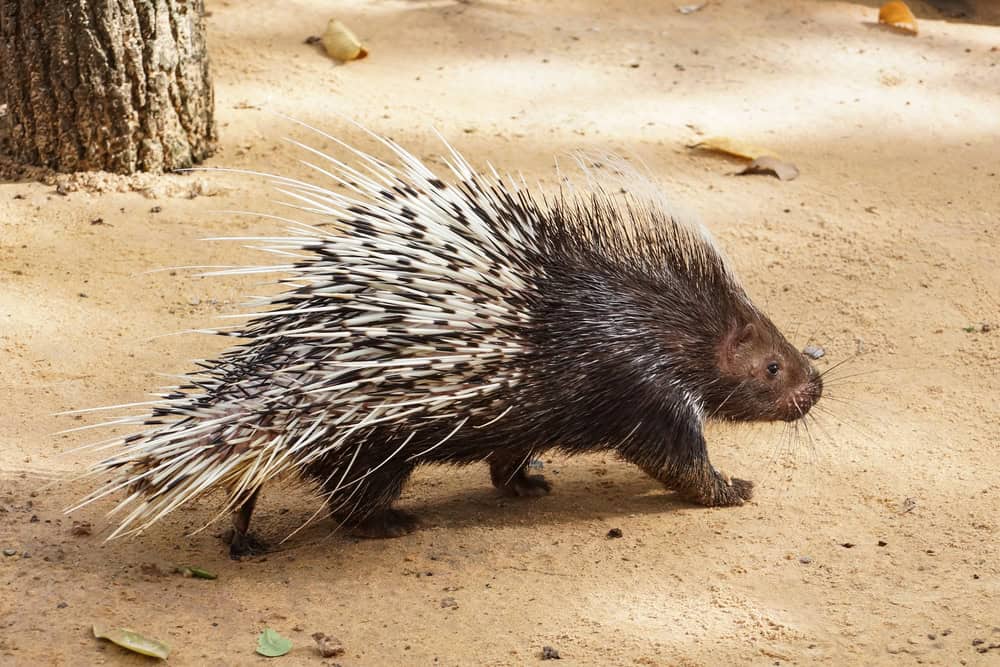
The idea that porcupines can shoot their quills like projectile weapons is a remarkably persistent myth that appears in everything from cartoons to casual conversation. In reality, porcupines cannot launch their quills at predators or threats. Their defense mechanism, while still impressive, relies on contact rather than distance. Porcupine quills are modified hairs that are loosely attached to the animal’s skin. When threatened, porcupines will raise and fan their quills to appear larger, then may back into or swat their tails at a predator, causing quills to detach and embed in the attacker.
The misconception about “shooting” quills likely persists because quills detach so easily and can become embedded in predators even with minimal contact. North American porcupine quills have microscopic backward-facing barbs that make them extremely difficult to remove once embedded—they can work their way deeper into tissue with movement. This effective defense mechanism has been so successfully exaggerated in folklore that many people never question whether porcupines can actually project their quills through the air. Understanding the true nature of porcupine defense not only corrects a common misconception but also provides insight into the remarkable evolutionary adaptations that have allowed these rodents to survive alongside predators much larger and faster than themselves.
Stereotype #10: Chameleons Change Color to Blend In With Surroundings

While chameleons are famous for their color-changing abilities, the common belief that they primarily change color to camouflage themselves is largely incorrect. Chameleons do use camouflage, but it’s not the main reason for their dramatic color shifts. The primary purpose of a chameleon’s color change is communication. These remarkable reptiles change color to express emotions, signal dominance, attract mates, and regulate body temperature. Male chameleons often display bright, contrasting colors during territorial disputes or courtship—exactly the opposite of trying to blend in.
The science behind chameleon color change is fascinating. Rather than using pigments like most color-changing animals, chameleons have specialized cells called chromatophores with nanocrystals arranged in layers. By relaxing or exciting their skin, chameleons can change the spacing between these nanocrystals, altering how they reflect light and creating different colors. Some species can shift from green to yellow to red in minutes. This sophisticated biological technology allows for rapid communication that’s vital in their complex social interactions. While some species can match certain backgrounds, this ability is secondary to the social signaling function. Understanding this corrects a fundamental misunderstanding about one of nature’s most remarkable adaptations and highlights how animal behaviors often serve multiple purposes beyond what’s most obvious to human observers.
And Now, 5 Animal Stereotypes That Might Actually Be True

While many animal stereotypes are completely false, some have a basis in scientific observation. Let’s examine five common animal characterizations that research suggests might contain elements of truth.
Truth #1: Elephants Really Do Have Exceptional Memories

The saying “an elephant never forgets” turns out to be remarkably accurate. Elephants possess some of the most impressive memories in the animal kingdom, with brain structures particularly developed for information retention. Studies show that elephants can remember specific humans, locations of water sources they haven’t visited in decades, and the voices of up to 100 different elephants. This exceptional memory serves crucial survival functions in the wild, allowing matriarchs to guide their herds to water during droughts based on recollections from previous dry seasons decades earlier.
Elephant memory extends beyond practical survival knowledge to complex social relationships. They can recognize hundreds of individuals and remember which ones have been kind or threatening to their family groups. They’ve been observed avoiding areas where family members were killed, even years after the incidents occurred. Elephants demonstrate mourning behaviors at the sites of deceased herd members and can recognize bones of their own species versus other animals. This combination of spatial, temporal, and social memory likely contributes to their sophisticated social structures and long-term survival strategies. Their impressive memory capabilities align with their large brain size—elephant brains weigh approximately 11 pounds and contain three times as many neurons as human brains.
Truth #2: Foxes Are Indeed Quite Sly and Clever

The characterization of foxes as cunning and intelligent has strong foundations in biological reality. Foxes demonstrate remarkable problem-solving abilities and adaptability across diverse environments. Their intelligence manifests in complex hunting strategies—they’ve been observed using Earth’s magnetic field to calculate precise pouncing angles when hunting prey under snow cover. This technique, called “magnetic alignment,” allows them to jump accurately from distances of several feet to catch rodents they can only detect by sound. Studies of captive foxes show they can solve complex puzzles to access food rewards, often performing at levels comparable to domestic dogs.
Foxes’ adaptability further demonstrates their intelligence. They’ve successfully colonized urban environments worldwide, learning to navigate human infrastructure, traffic patterns, and food sources. Urban foxes develop different behavioral patterns than their rural counterparts, becoming more nocturnal and utilizing human-created spaces like gardens and abandoned buildings. They can remember the locations and schedules of food sources, including when specific households put out garbage or feed pets outdoors. Their ability to persist and even thrive alongside dense human populations, despite persecution and habitat fragmentation, speaks to the cognitive flexibility that has made “sly as a fox” an apt description rather than merely a cultural stereotype.
Truth #3: Crows and Ravens Are Among the Smartest Animals
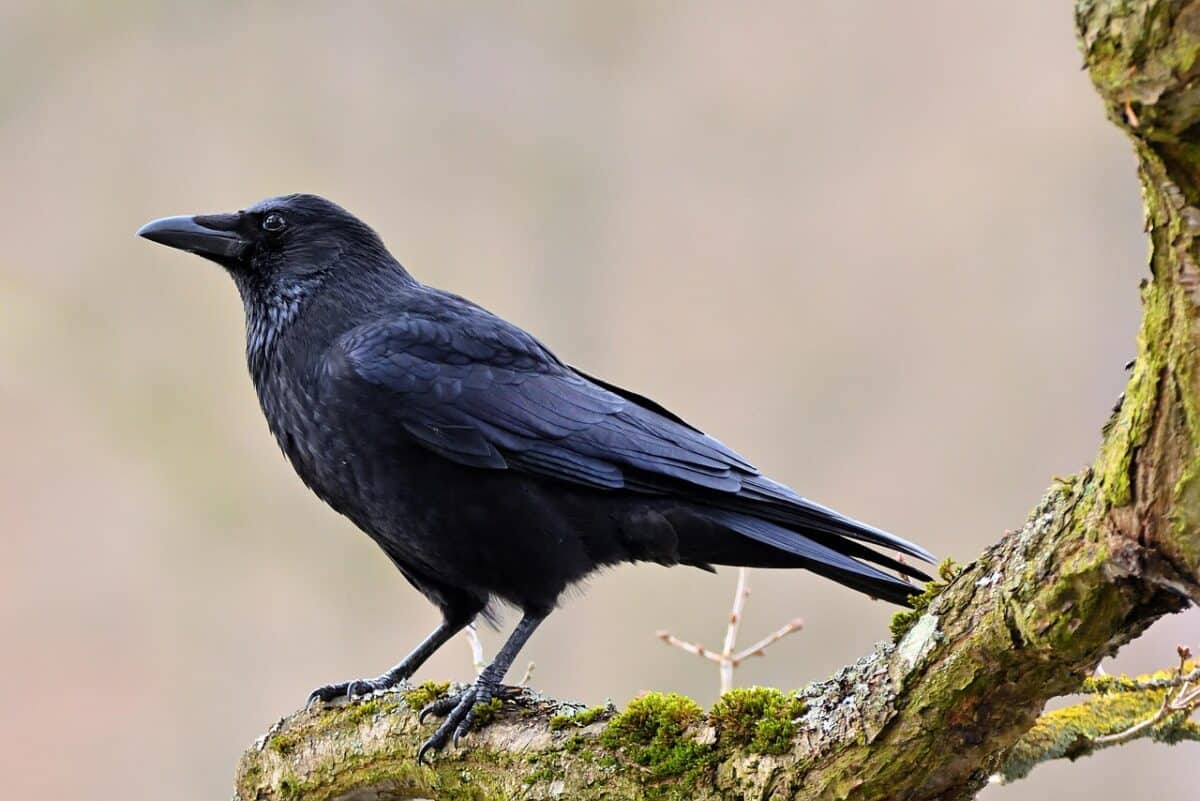
The portrayal of corvids (crows, ravens, and their relatives) as exceptionally intelligent birds is strongly supported by scientific research. These birds demonstrate cognitive abilities that rival many mammals, including some primates. Crows can manufacture and use tools—a skill once thought unique to humans and a few other primates. New Caledonian crows, in particular, have astounded researchers by crafting tools from sticks and leaves to extract insects from hard-to-reach places, showing an understanding of cause and effect and forward planning. They have also demonstrated problem-solving skills in complex experimental setups, such as using multiple tools in sequence or solving puzzles that require insight rather than trial-and-error learning.
Ravens, too, exhibit remarkable cognitive feats. They can plan for future events, understand the concept of fairness, and even deceive others to protect hidden food caches. Corvids are also known for their excellent memories, especially for faces and social interactions, which they use to recognize individual humans and remember those who pose threats or offer rewards.
These abilities suggest that corvid intelligence arises not just from instinct, but from a flexible and adaptable mindset shaped by complex social lives and challenging environments. Their smarts rival those of great apes in many domains, challenging long-held assumptions about the cognitive divide between birds and mammals. As we continue to study crows, ravens, and other corvids, we’re reminded that intelligence has evolved in diverse and unexpected ways—proving that brainpower isn’t limited to creatures that look or live like us.
Conclusion: Looking Past the Labels
Animal stereotypes—whether born from fairy tales, pop culture, or misunderstood behaviors—often shape how we view the creatures around us. From bats being blind to sharks as mindless killers and hyenas as cowardly scavengers, many of these ideas oversimplify or completely distort the truth. These misconceptions can lead to unnecessary fear, misguided treatment, and even harmful policies that affect both wild animals and their ecosystems. Learning the facts helps us see animals not as symbols or villains, but as the diverse, intelligent, and ecologically vital beings they truly are.
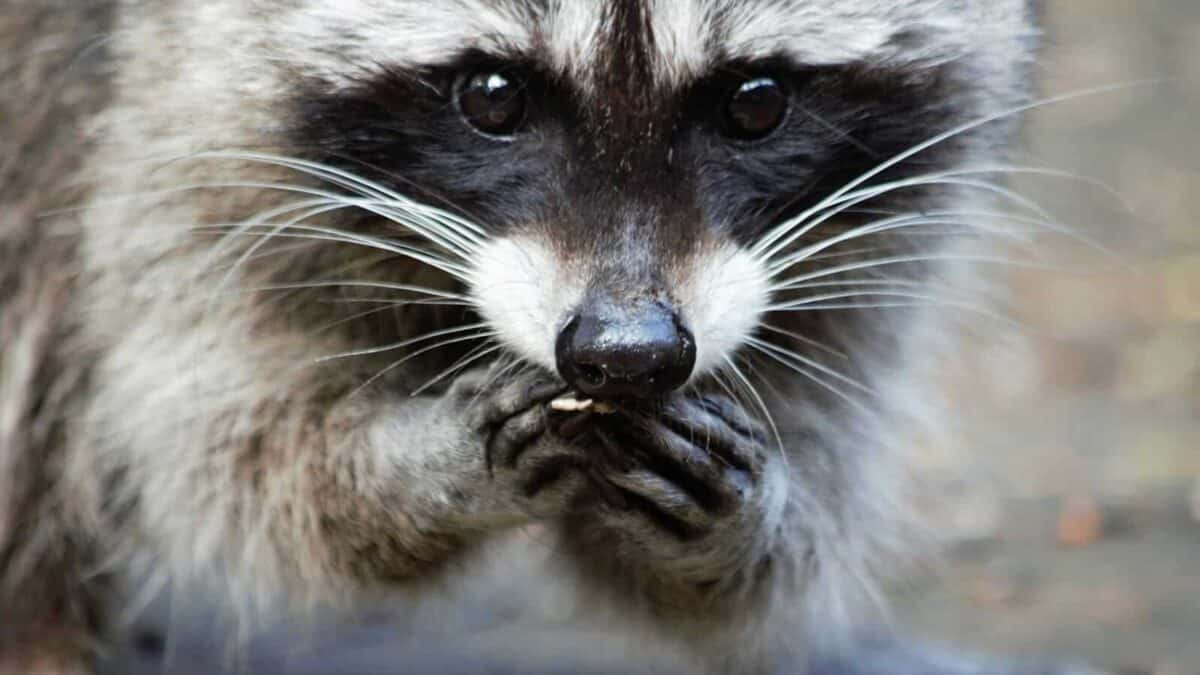
That said, a few stereotypes hold a grain of truth—like cats being independent or raccoons acting like clever little bandits. But even these should be understood in context, not as rigid rules. The more we move beyond stereotypes and engage with animals through science and observation, the more we appreciate their unique behaviors and roles in the natural world. In the end, the real animals are far more fascinating—and often more surprising—than the caricatures we’ve created.

From exploring the marine wonders in the Azores and witnessing the vast savannas of Kenya, to delving deep into the rich biodiversity of South Africa and traversing iconic landscapes in Australia and the US like Yellowstone, Chris's experiences are vast.
With a penchant for diving alongside sharks, the ocean holds a special place in his heart.
Through his academic insights, he champions wildlife conservation, striving with 'Animals Around The Globe' to cultivate a profound connection between humans and animals, enhancing our mutual appreciation.
Connect with him at Feedback@animalsaroundtheglobe.com.
- The Animal With the Heaviest Horns Uses Them Like Sledgehammers - July 30, 2026
- Why Some Animals Are Getting Smaller—and Others Bigger - July 30, 2026
- The Longest-Tailed Bird Uses It to Win Mates in Dazzling Displays - July 30, 2026