

Madagascar, the fourth-largest island in the world, has captivated audiences through DreamWorks Animation’s successful film franchise. The movies present a colorful version of Madagascar’s wildlife featuring singing lemurs, displaced African lions, and resourceful penguins. While entertaining, these films have created widespread misconceptions about Madagascar’s actual biodiversity. The island is a natural marvel that evolved in isolation for over 88 million years, resulting in an extraordinary collection of species found nowhere else on Earth. Remarkably, about 90% of Madagascar’s wildlife is endemic, making it one of the planet’s most biodiverse and unique ecosystems. This article explores the authentic wildlife of Madagascar, separating Hollywood fiction from biological reality, and highlighting the island’s true ecological wonders.
Madagascar’s Evolutionary Isolation: A Biodiversity Hotspot

Madagascar split from the Indian subcontinent approximately 88 million years ago, allowing its flora and fauna to evolve in isolation. This geographic separation created one of the world’s most distinctive ecosystems with extraordinary rates of endemism. Scientists often refer to Madagascar as the “eighth continent” due to its unique biodiversity profile. The island represents less than 0.5% of Earth’s land surface but is home to more than 5% of all known animal and plant species, with new discoveries continuing to emerge.
This isolation has led to remarkable evolutionary adaptations across numerous species. Madagascar’s biodiversity is not just unique in terms of species composition but also in ecological niches and adaptations. The island contains a range of habitats from rainforests and deciduous forests to spiny deserts and high mountain ecosystems, each harboring distinct endemic communities. This evolutionary laboratory has produced some of the most unusual creatures on the planet, many of which have no close relatives elsewhere, making Madagascar an irreplaceable treasure of global biodiversity.
The Truth About Lions in Madagascar: Hollywood Fiction

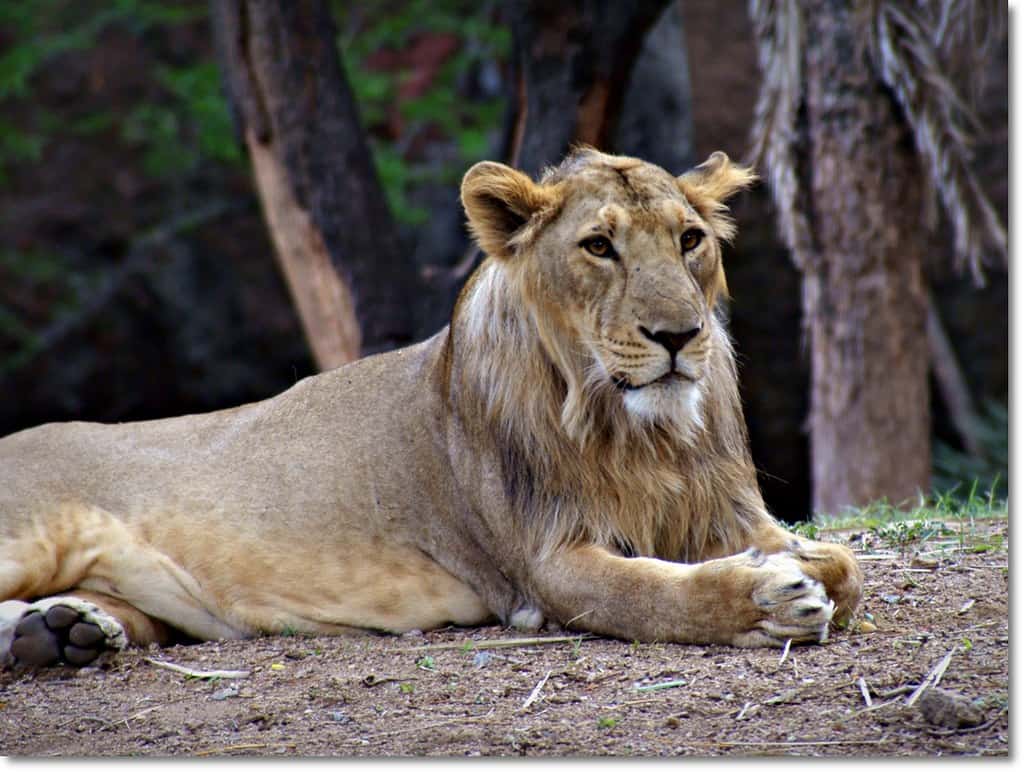
Despite their starring role in the “Madagascar” films, lions have never naturally existed on the island. Lions (Panthera leo) are native to Africa and historically a small population existed in India, but they never established populations in Madagascar. The largest native carnivores on the island are members of the Eupleridae family, unique carnivores related to mongooses that evolved to fill predatory niches. The most prominent among these is the fossa (Cryptoprocta ferox), a cat-like carnivore weighing up to 12 kg that serves as the island’s apex predator.
The filmmakers’ decision to feature lions, zebras, giraffes, and hippos as Madagascar transplants created a compelling narrative for children but perpetuated geographical misconceptions. In reality, Madagascar lacks any native large herbivores comparable to those found on the African mainland. This absence of large herbivores and predators has allowed the evolution of Madagascar’s unique primate group – the lemurs – which might have faced competition or predation had animals like lions been present. The ecological makeup of Madagascar demonstrates how isolation shapes evolutionary pathways, resulting in remarkably different faunal assemblages than those found on continental Africa despite their geographic proximity.
Lemurs: Madagascar’s True Primate Stars

Lemurs represent Madagascar’s most iconic animals and are portrayed with some accuracy in the films, though with significant anthropomorphization. Over 100 species of lemurs exist exclusively on Madagascar, ranging from the mouse lemur (weighing about 30 grams) to the indri (weighing up to 9.5 kg). This diversity resulted from a single ancestral population that arrived on the island approximately 50-60 million years ago, likely on floating vegetation rafts from Africa. With no competing primates or significant predators, lemurs diversified to fill various ecological niches.
Unlike the film character King Julien, real lemurs don’t dance to “I Like to Move It” or wear crowns. However, the ring-tailed lemurs portrayed in the movies do exist and are known for their distinctive black and white ringed tails. They are highly social, living in groups dominated by females – a matriarchal structure uncommon among primates. Sadly, over 95% of lemur species are threatened with extinction due to habitat loss, hunting, and climate change, making them the most endangered group of mammals on the planet. Conservation efforts are crucial as Madagascar has already lost at least 17 lemur species to extinction since humans arrived on the island approximately 2,000 years ago.
Penguins in Madagascar: A Complete Fabrication
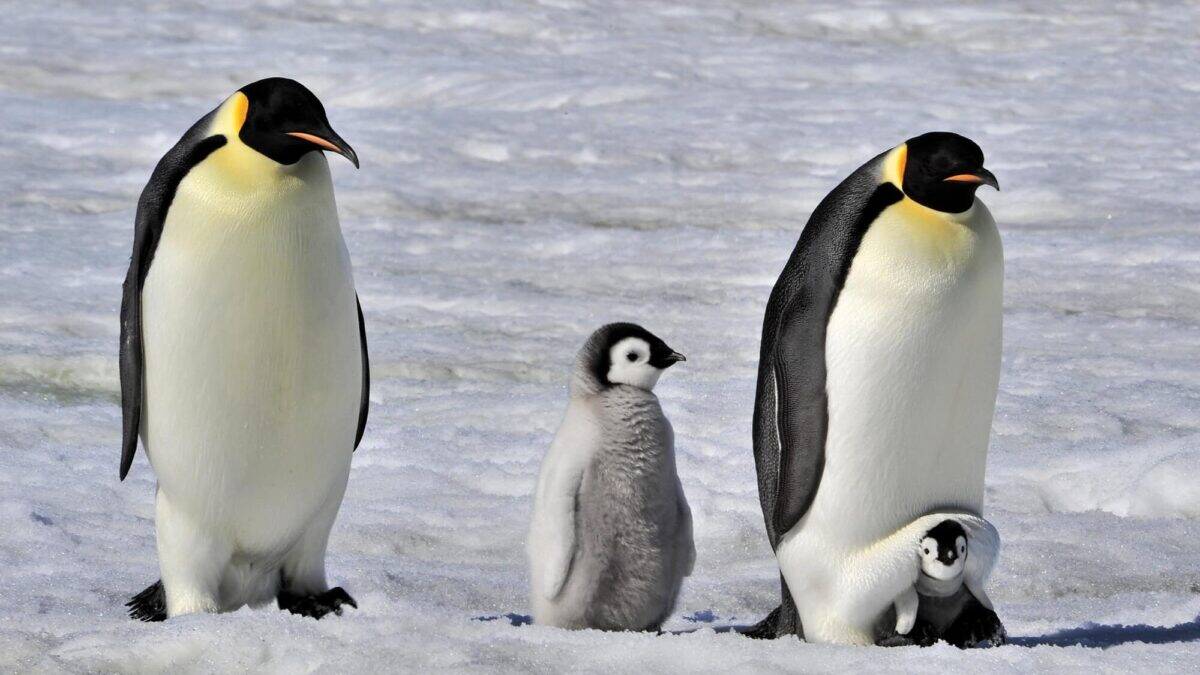
Perhaps the most beloved characters from the Madagascar franchise are the penguins – Skipper, Kowalski, Rico, and Private. However, their presence in Madagascar is entirely fictional. No penguin species naturally inhabit Madagascar or even visit its shores. The island’s tropical and subtropical climate would be inhospitable for these cold-adapted birds. The nearest wild penguin populations to Madagascar are found over 2,000 kilometers away in South Africa, where African penguins (Spheniscus demersus) reside in cooler waters influenced by the Benguela Current.
Penguin species are primarily distributed throughout the Southern Hemisphere, with the greatest diversity found in Antarctica, sub-Antarctic islands, New Zealand, Australia, South America, and South Africa. Their physiology is specifically adapted for cold environments, with thick blubber layers, specialized feathers, and efficient thermoregulation – adaptations that would make Madagascar’s warm climate deadly for them. While the commando-like penguins make for entertaining characters, their inclusion perpetuates geographical misunderstandings about wildlife distribution. Madagascar’s true coastal and marine wildlife includes various seabird species, sea turtles, and marine mammals like dolphins and humpback whales that migrate through the Mozambique Channel.
Madagascar’s Real Predators: The Fossa and Other Euplerids
Instead of lions, Madagascar’s top predator is the fossa (Cryptoprocta ferox), a member of the Eupleridae family endemic to the island. With a cat-like appearance but more closely related to mongooses, the fossa can reach up to 1.5 meters in length including its long tail. These agile hunters are primarily arboreal and are specialized lemur predators. Their flexible ankles allow them to climb down trees headfirst and move through the canopy with remarkable agility. Despite being the island’s apex predator, fossas remain mysterious, with many aspects of their behavior and ecology still poorly understood.
Madagascar hosts other unique carnivores including the falanouc (Eupleres goudotii), fanaloka (Fossa fossana), and various species of Galidiinae (Malagasy mongooses). These carnivores evolved from a single ancestor that reached the island approximately 18-24 million years ago and diversified to fill various ecological niches. Unlike continental Africa with its diverse large carnivore guild including lions, leopards, and hyenas, Madagascar’s isolation led to the evolution of this distinct carnivore family. Unfortunately, like many of Madagascar’s endemic species, all euplerids face significant conservation threats, with the fossa classified as Vulnerable on the IUCN Red List due to habitat loss and persecution by humans who fear for their poultry.
The Island’s Reptilian Wonders: Beyond Alex and Marty
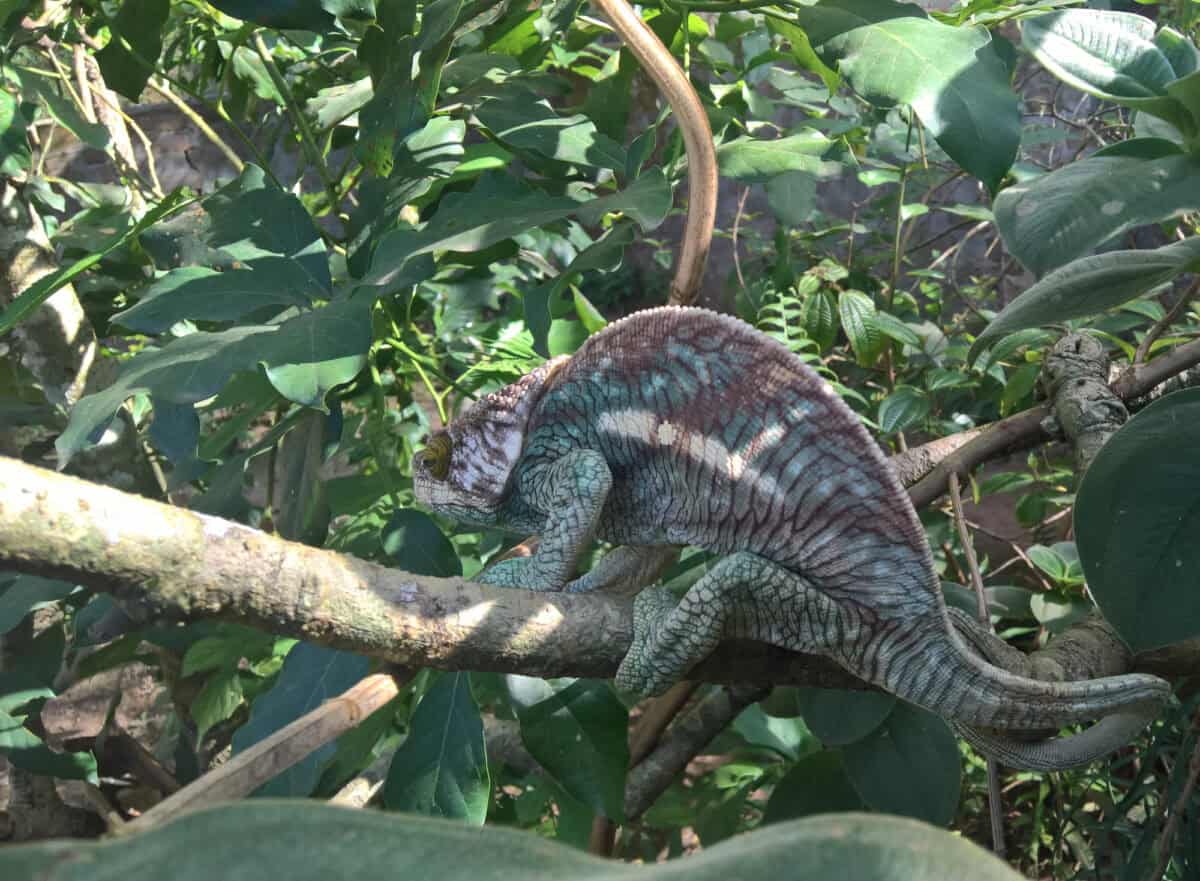
While the DreamWorks films focus on charismatic mammals, Madagascar’s reptile diversity is extraordinary and deserving of spotlight. The island is home to approximately 300 reptile species with over 90% being endemic. These include the iconic Parson’s chameleon (Calumma parsonii), which can reach nearly 70 cm in length, making it one of the world’s largest chameleons. Madagascar houses about two-thirds of all chameleon species globally, from tiny Brookesia micra (one of the world’s smallest reptiles at just 29 mm) to various colorful arboreal specialists.
The island’s reptilian fauna also includes unique leaf-tailed geckos (Uroplatus) with remarkable camouflage abilities, colorful day geckos (Phelsuma), and various endemic snake species. Unlike continental Africa, Madagascar lacks venomous snakes dangerous to humans – there are no cobras, mambas, or vipers on the island. Madagascar’s reptiles demonstrate spectacular adaptations to the island’s diverse habitats, from the spiny desert to rainforests. Many species remain poorly studied, with new discoveries regularly being made. Like other Malagasy wildlife, these reptiles face significant threats from habitat destruction, with deforestation claiming over 80% of the island’s original forest cover.
Madagascar’s Unique Birds: No African Ostriches Here

Madagascar hosts approximately 280 bird species, with about 40% being endemic to the island or the surrounding western Indian Ocean region. The avifauna is characterized by unusual evolutionary radiations and distinctive species. Perhaps most notable is the elephant bird (Aepyornis maximus), which was the largest bird to have ever lived, standing 3 meters tall and weighing up to 500 kg. Though now extinct (likely due to human hunting and habitat changes), these massive birds once roamed Madagascar’s landscapes until approximately 1,000 years ago.
Today, Madagascar’s bird communities include distinctive endemics like the mesites (Mesitornithidae), ground rollers (Brachypteraciidae), and the unusual cuckoo roller (Leptosomus discolor). The island also hosts unique vangas (Vangidae), which evolved into diverse forms reminiscent of shrikes, nuthatches, and woodpeckers – a classic example of adaptive radiation. Unlike the African mainland, Madagascar lacks typical savanna birds like ostriches or secretary birds. The films’ portrayal of mainland African fauna overlooks Madagascar’s extraordinary avian diversity, which evolved in isolation to fill ecological niches often occupied by completely different families on the continent.
Madagascar’s Incredible Insects and Invertebrates
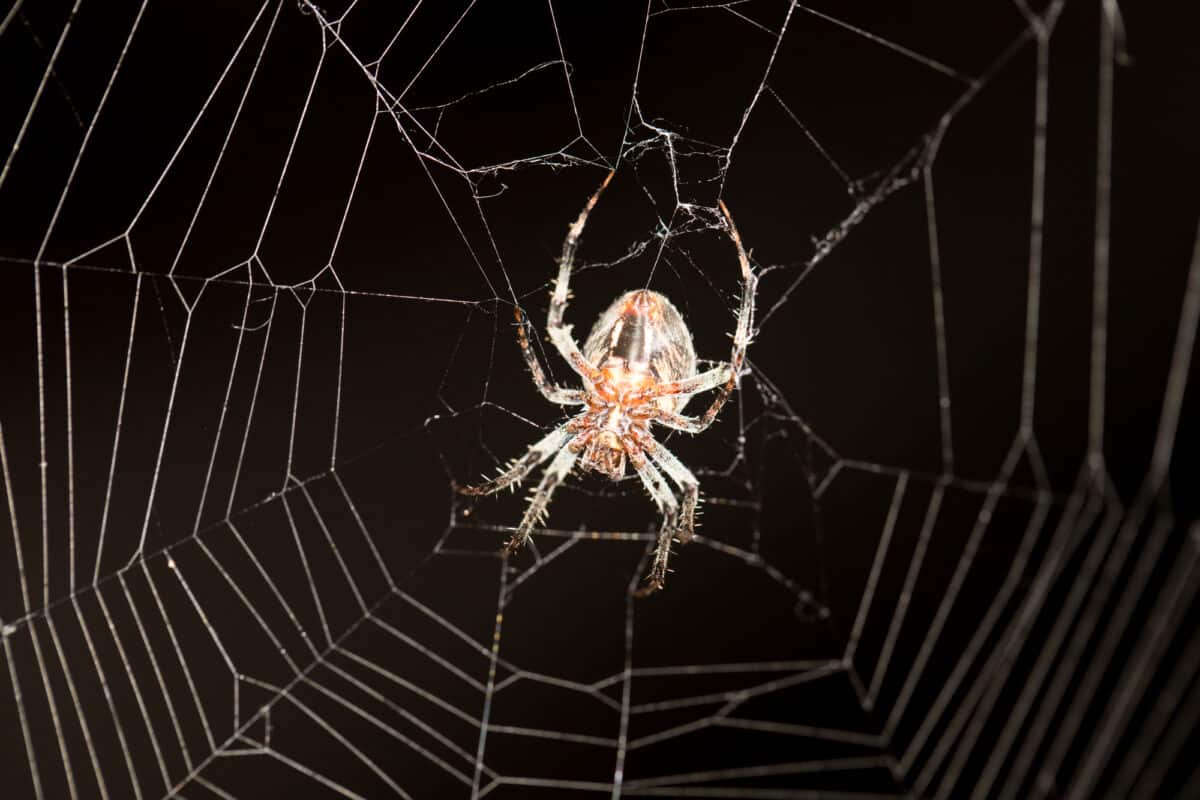
Madagascar’s invertebrate diversity receives little attention in popular media but represents an extraordinary component of the island’s biodiversity. Over 100,000 insect species are estimated to exist on Madagascar, with the majority still undescribed by science. The island hosts spectacular endemic butterflies like the comet moth (Argema mittrei) with a wingspan of up to 20 cm, and the sunset moth (Chrysiridia rhipheus) with iridescent colors that result from light diffraction rather than pigments. Among the most unusual are the Darwin’s bark spiders (Caerostris darwini), which produce the strongest known biological material and create webs spanning rivers.
The island’s invertebrate fauna includes numerous examples of convergent and divergent evolution, cryptic species complexes, and unusual adaptations. Many species form important mutualistic relationships with plants, like the endemic baobab trees, which depend on specific moth species for pollination. Sadly, invertebrates often receive less conservation attention despite their ecological importance. As forests are cleared, countless undescribed species likely disappear before scientists can document them. This hidden biodiversity crisis represents a significant loss of evolutionary history and potential biological resources, from medicinal compounds to engineering inspirations.
Plant Life of Madagascar: The Botanical Wonders
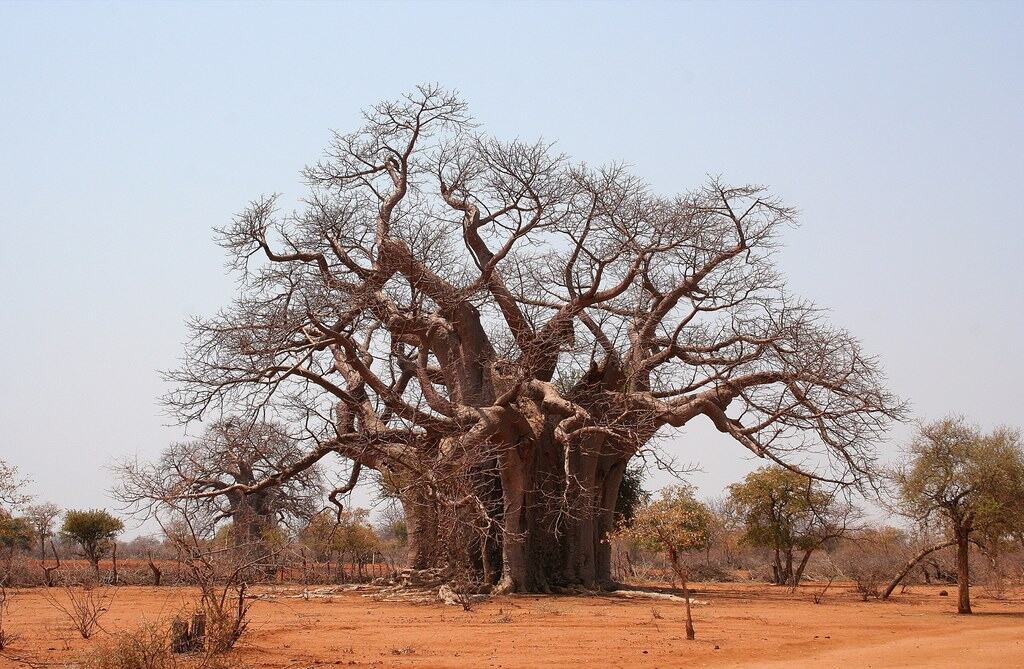
Madagascar’s flora is as distinctive as its fauna, with approximately 14,000 plant species and an endemism rate exceeding 80%. The island’s isolation has produced remarkable plant adaptations and unique species. Perhaps most iconic are the baobab trees, with six of the world’s nine species found only in Madagascar. The Avenue of the Baobabs, featuring majestic Adansonia grandidieri specimens, has become one of the island’s most photographed locations. These ancient trees can live for thousands of years and store water in their massive trunks to survive the dry season.
Other botanical wonders include the spiny forest ecosystem in the southwest, where plants have evolved thorns, succulent tissues, and unusual growth forms to cope with aridity and herbivory. Madagascar is also home to approximately 860 orchid species and unique pitcher plants (Nepenthes madagascariensis) that trap insects. The island’s plant communities have co-evolved with native fauna, creating intricate ecological relationships. For example, some plants rely exclusively on lemur species for seed dispersal – a dependency that becomes problematic as lemur populations decline. Deforestation for agriculture, charcoal production, and logging threatens these unique plant communities, with some estimates suggesting Madagascar has lost up to 90% of its original forest cover.
Hollywood’s Impact on Public Perception of Madagascar

The “Madagascar” film franchise has significantly influenced public awareness of the island but has also spread misconceptions. Research has shown that animated films featuring animals can shape children’s understanding of wildlife and conservation. While the films have increased name recognition for Madagascar and lemurs, they’ve created persistent geographical misconceptions. Surveys of students have found that many believe African savanna animals naturally inhabit Madagascar – a misunderstanding that can affect conservation education efforts.
Despite these inaccuracies, the films have provided opportunities for educational institutions and zoos to engage audiences in learning about the real Madagascar. Some conservation organizations have leveraged the popularity of the franchise to draw attention to the actual biodiversity crisis on the island. The movies have also sparked tourism interest, though this presents both opportunities and challenges for conservation. While tourism can provide economic incentives for habitat protection, increased development without proper planning can further strain fragile ecosystems. Conservation educators often find themselves addressing the “Hollywood version” of Madagascar before being able to discuss the island’s actual biodiversity and the threats it faces.
Conservation Challenges: The Real Crisis in Madagascar

Madagascar faces one of the world’s most acute biodiversity crises. Approximately 90% of the island’s original forest cover has been lost due to slash-and-burn agriculture (locally known as “tavy”), logging, charcoal production, and mining. This habitat destruction directly threatens the island’s unique species, many of which have highly restricted ranges. Political instability since a 2009 coup has exacerbated these problems by reducing enforcement of protected areas and decreasing international conservation funding. Economic challenges also drive unsustainable resource extraction, with over 80% of the population living on less than $1.90 per day.
Climate change poses additional threats, particularly to coastal ecosystems and species with narrow temperature tolerances or restricted ranges. Invasive species, including plants, rats, and feral cats and dogs, threaten native wildlife through predation, competition, and habitat alteration. Conservation efforts must balance urgent protection needs with the legitimate development aspirations of Madagascar’s 27 million citizens. Successful initiatives typically integrate community involvement, sustainable livelihoods, and direct protection measures. Unlike the happy ending of the animated films, the real story of Madagascar’s biodiversity remains precarious, with over 90% of lemur species now classified as threatened with extinction according to the IUCN Red List.
The Ecological Truth of Madagascar: A Conclusion

Madagascar represents one of Earth’s most extraordinary evolutionary experiments – an island where life evolved in isolation to produce species and ecological relationships found nowhere else. While DreamWorks’ “Madagascar” films introduced millions to the island’s name and some of its wildlife, the real Madagascar tells a far more fascinating story than Hollywood’s version. The absence of lions, penguins, and other African megafauna allowed for the evolution of unique ecological communities dominated by lemurs, euplerids, chameleons, and thousands of other endemic species that represent irreplaceable branches on the tree of life.
Understanding the true nature of Madagascar’s biodiversity is essential for conservation efforts and appreciating our planet’s evolutionary history. The island demonstrates how geographic isolation shapes evolution and how ecosystems develop distinct characteristics when separated from continental influences. As one of Earth’s highest conservation priorities, Madagascar challenges us to find sustainable solutions that protect biodiversity while supporting human communities. While we might enjoy the fictional adventures of Alex the lion and his friends, the real story of Madagascar’s wildlife – its remarkable adaptations, evolutionary uniqueness, and fight for survival – is far more compelling than anything Hollywood could invent.

- Why This Fish Walks on Land and Breathes Air - July 27, 2026
- 13 Most Venomous Spiders and Where They Live - July 27, 2026
- The Heaviest Rainfall Ever Measured in a Single U.S. Day - July 27, 2026