
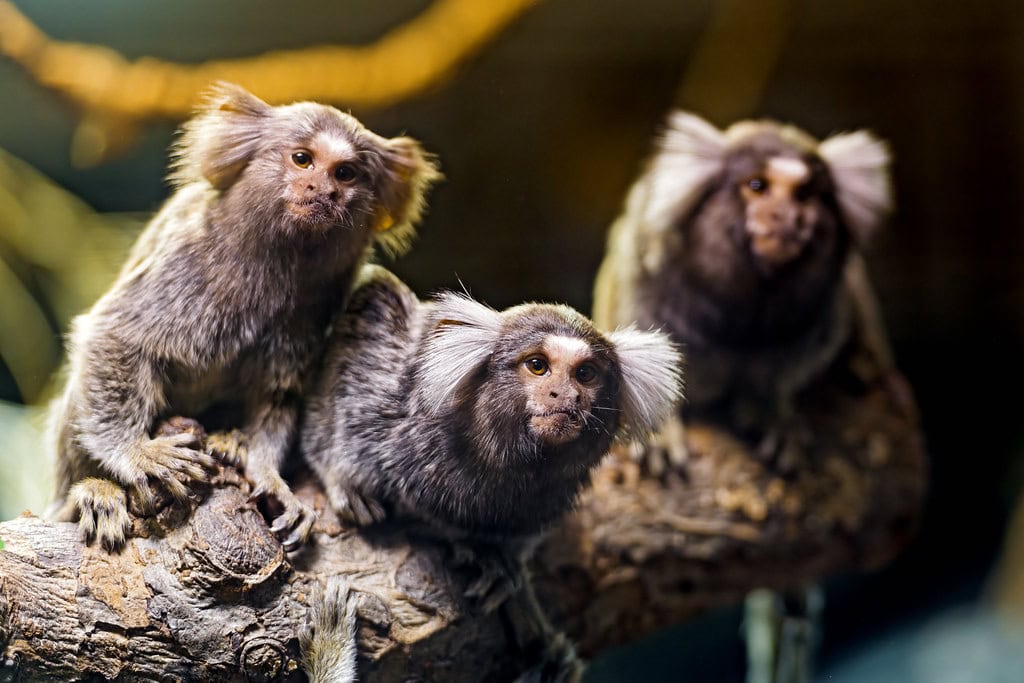
The world around us pulses with a symphony of sounds most humans rarely pause to appreciate fully. From the depths of the ocean to the highest mountain peaks, animals communicate through an astonishing array of vocalizations, percussive signals, and melodic patterns. This acoustic tapestry isn’t merely background noise—it represents sophisticated communication systems that have evolved over millions of years. Animal sounds serve critical functions: attracting mates, warning of dangers, establishing territory, maintaining social bonds, and even expressing emotions. As we explore this remarkable sonic landscape, we’ll discover how animal vocalizations have inspired human music, how climate change affects these natural soundscapes, and why understanding animal acoustics matters for conservation efforts worldwide.
The Evolutionary Origins of Animal Sounds

The development of animal vocalizations traces back hundreds of millions of years, emerging through natural selection as a critical survival mechanism. Scientists believe that the earliest animal sounds likely evolved from respiratory processes—air moving through breathing passages eventually became modified for communication. In primitive aquatic organisms, vibrations transmitted through water preceded the complex vocal mechanisms we observe today. This evolutionary journey culminated in specialized structures like the syrinx in birds, the larynx in mammals, and various other sound-producing organs across species.
Different environments have shaped these sound-producing abilities in fascinating ways. Desert animals often develop long-distance calls that carry across open terrain, while forest dwellers may utilize sounds that penetrate dense vegetation. The acoustic adaptation hypothesis suggests that animals evolve vocalizations that transmit optimally in their specific habitat. For instance, rainforest creatures frequently communicate in specific frequency bands that cut through the ambient noise of their environment, while marine mammals like whales develop sounds that can travel for miles underwater, taking advantage of sound’s superior transmission in water compared to air.
The Magnificent Diversity of Bird Songs

Birds represent perhaps the most celebrated vocal performers in the animal kingdom, with approximately 10,000 species worldwide producing an extraordinary range of sounds. Unlike mammals that use their larynx, birds possess a unique vocal organ called the syrinx, located at the junction of the trachea and bronchi. This specialized structure allows many species to produce multiple notes simultaneously, creating complex harmonies impossible for human vocalists to replicate. Some species, like the European nightingale, can produce over 300 distinct song types, while the superb lyrebird of Australia stands as nature’s premier mimic, able to replicate not only other birds but also mechanical sounds like camera shutters and chainsaws with astonishing accuracy.
Bird songs serve multiple biological functions beyond their aesthetic appeal to human ears. Male birds often use song to establish territory and attract mates, with females in many species selecting partners based partly on song complexity and performance quality. Research indicates that song quality can signal genetic fitness, with more complex songs generally indicating healthier individuals. Learning plays a crucial role in bird vocalization development—many species, particularly songbirds, must learn their species’ songs during critical developmental periods. Studies of white-crowned sparrows reveal that individuals raised in acoustic isolation develop abnormal songs, demonstrating the importance of cultural transmission in avian vocal development.
Mammalian Vocal Symphonies
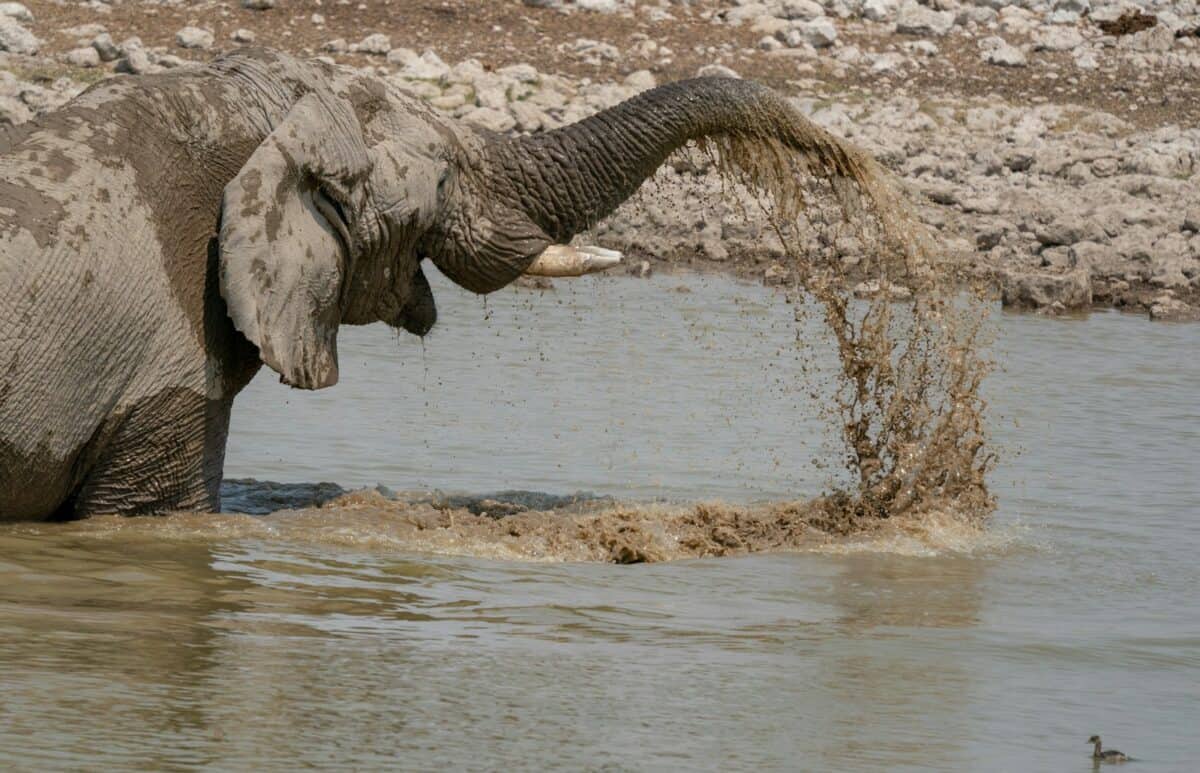
Mammals produce an impressive array of vocalizations despite generally having less vocal flexibility than birds. From the haunting howls of wolves to the subsonic rumbles of elephants, mammalian sounds serve critical social functions. Wolves use howling to coordinate pack movements and maintain territorial boundaries, with each pack developing distinctive vocal signatures. Elephants communicate through an extensive repertoire of sounds, including low-frequency rumbles that travel through both air and ground for up to several miles, allowing herds to coordinate movements across vast distances. Recent research has revealed that elephants can recognize and respond to specific calls from over 100 different individuals, demonstrating remarkable social memory.
Primates exhibit particularly sophisticated vocal communication systems that offer insights into human language evolution. Vervet monkeys use distinct alarm calls for different predators, effectively creating a simple semantic system where specific sounds consistently represent specific meanings. Gelada baboons produce sounds remarkably similar to human speech in rhythm and complexity. Among marine mammals, cetaceans demonstrate extraordinary vocal abilities—bottlenose dolphins develop unique “signature whistles” that function like names, while humpback whales create complex songs that evolve culturally over time, with all males in a region adopting the same modifications to the previous year’s song in a phenomenon resembling musical fashion trends.
The Underwater Orchestra

The ocean hosts an astonishing acoustic environment largely hidden from human perception. Sound travels approximately four times faster in water than in air, creating ideal conditions for long-distance communication. Whales exemplify acoustic adaptation to marine environments, with blue whales producing calls as loud as 188 decibels that can potentially travel for hundreds of miles under optimal conditions. Humpback whales compose elaborate songs lasting up to 30 minutes that follow musical principles including themes, phrases, and rhymes. These songs change gradually throughout breeding seasons and are shared among males within regional populations, representing a form of cultural evolution.
Beyond whales, numerous marine species have developed sophisticated sound-producing mechanisms. Fish, often incorrectly assumed to be silent, produce diverse sounds using specialized muscles that vibrate against their swim bladders, grinding teeth, or rubbing skeletal parts together. The plainfin midshipman fish creates a sustained humming sound during breeding season that earned it the nickname “California singing fish.” Snapping shrimp generate explosive sounds by rapidly closing specialized claws, creating cavitation bubbles that produce one of the loudest sounds in the ocean when they collapse. In many tropical waters, these tiny crustaceans create such significant ambient noise that military submarines have historically used these “shrimp beds” to hide from sonar detection, demonstrating how animal sounds shape even human activities in surprising ways.
Insects: Nature’s Percussion Section
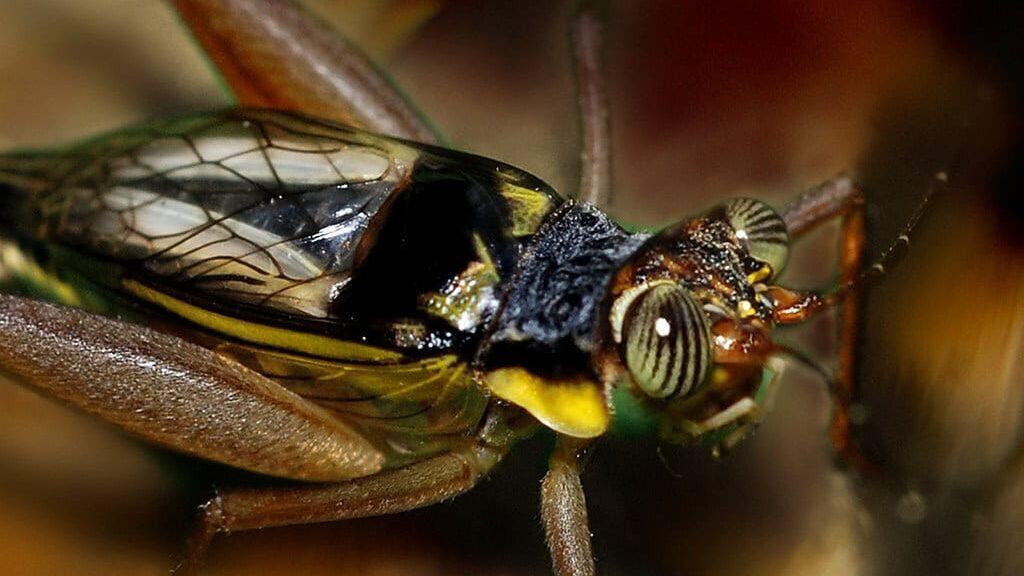
Despite their small size, insects contribute substantially to the planet’s soundscape, particularly during warm months when species like cicadas and crickets dominate the acoustic environment. Most insect sounds are produced not vocally but through mechanical methods called stridulation—rubbing body parts together to create vibrations. Crickets, for instance, generate their familiar chirping by rubbing specialized structures on their wings together, with each species producing distinctive patterns. Male crickets can produce chirps at rates exceeding 100 per minute when seeking mates, with females showing preference for particular rhythmic patterns that indicate genetic quality.
Cicadas represent nature’s loudest insects, with some species producing sounds reaching 120 decibels—comparable to a rock concert and loud enough to cause hearing damage with prolonged exposure. Their remarkable volume comes from specialized structures called tymbals, ribbed membranes powered by strong muscles that buckle inward and outward rapidly to produce sound. These sounds are further amplified by air-filled chambers in the cicada’s abdomen that function like resonating chambers in musical instruments. The synchronized emergence and chorusing of periodical cicadas creates one of nature’s most impressive acoustic phenomena, with billions of individuals emerging simultaneously after 13 or 17 years underground, their combined chorus audible from over a mile away.
Communication Beyond Sound

While vocalizations receive the most attention, many animals communicate through non-vocal acoustic signals. Kangaroo rats in desert environments stamp their feet to warn others of approaching predators, creating seismic vibrations that travel through the ground. These signals convey critical information while avoiding detection by predatory snakes and owls that might intercept vocal communications. Woodpeckers drum on resonant surfaces at rates up to 20 hits per second, creating territorial signals that carry farther than their calls. Each woodpecker species has a distinctive drumming pattern, allowing for species recognition through rhythm alone.
Palm cockatoos of Australia demonstrate remarkable musical behavior by crafting drumsticks from branches, which they use to create rhythmic patterns on hollow trees during courtship displays. This represents one of the few known examples of tool use specifically for sound production outside of humans. In the insect world, some species communicate through substrate vibration—treehoppers transmit complex signals through plant stems that are imperceptible to human ears but carry detailed information to other members of their species. These diverse communication methods reveal how natural selection has shaped an extraordinary range of solutions to the fundamental challenge of transmitting information across distances.
Animal Music vs. Human Music
The question of whether animal sounds constitute “music” in the human sense has fascinated scientists and musicians alike. While human music typically follows organized patterns of rhythm, pitch relationships, and intentional composition, animal sounds evolved primarily for communication rather than aesthetic purposes. Nevertheless, certain animal vocalizations display remarkable similarities to human musical principles. Humpback whale songs contain clear themes and phrases with repeating patterns that evolve over time. Male birds in many species improvise variations on basic song templates, showing creativity within structural constraints similar to human jazz musicians.
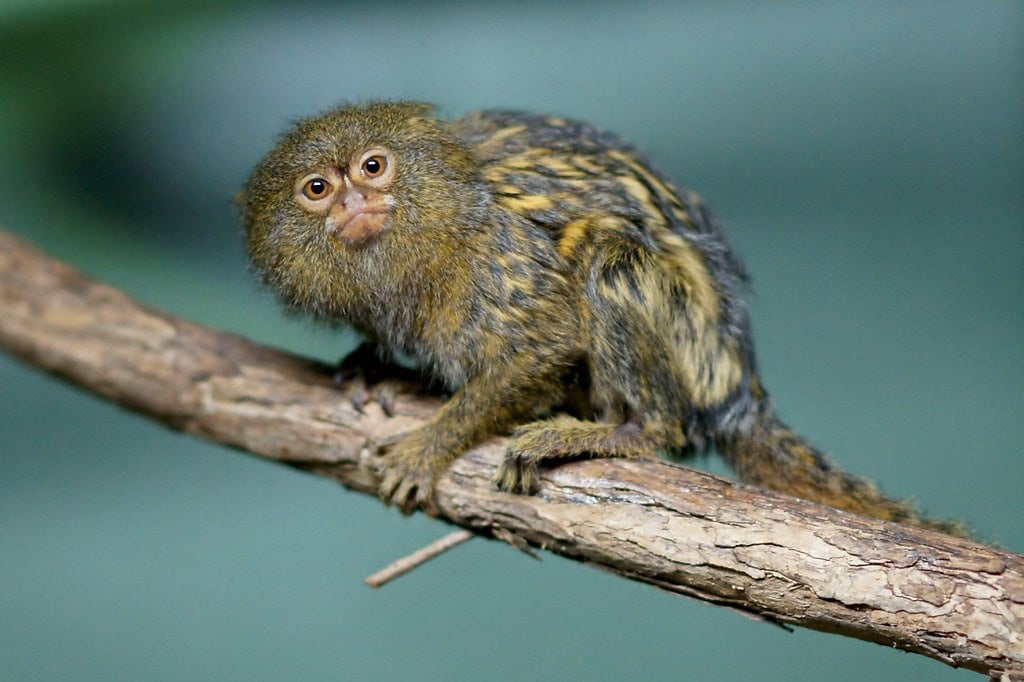
Several research initiatives have explored animal responses to human music, yielding fascinating results. Studies with tamarins and marmosets indicate these primates prefer slower, calmer music to the faster tempos humans typically enjoy. Researchers at the University of Wisconsin-Madison found that cats respond positively to species-specific music composed based on the frequency range of their vocalizations and tempos matching their resting pulse rate, while showing indifference to human classical music. These findings suggest that musical appreciation may be biologically rooted but species-specific, with each animal responding most strongly to sounds matching their own vocal and auditory adaptations—a phenomenon that has inspired the emerging field of “zoomusicology” dedicated to studying musical aspects of animal sounds.
The Soundscape Ecology Revolution

The emerging field of soundscape ecology, pioneered by researchers like Bernie Krause, examines how animal sounds interact within ecosystems to create acoustic patterns that reflect ecological health. Krause’s “acoustic niche hypothesis” suggests that species in healthy ecosystems evolve to occupy distinct frequency bands and timing patterns, minimizing acoustic competition—a phenomenon comparable to instruments in an orchestra playing complementary parts. Through decades of recording natural soundscapes worldwide, Krause has documented how disturbances like logging, mining, and climate change disrupt these acoustic relationships long before visible changes become apparent, making sound recording a valuable early warning system for ecosystem degradation.
Modern soundscape research employs automated recording units (ARUs) that can capture continuous audio data from remote locations for months, generating massive datasets analyzed through machine learning algorithms to identify species, count individuals, and monitor behavioral patterns. This technology has revolutionized wildlife monitoring, allowing researchers to detect cryptic species and track population changes without physically disturbing habitats. For example, Conservation International’s Tropical Ecology Assessment and Monitoring Network has deployed acoustic monitoring systems across tropical forests worldwide, creating the largest collection of rainforest recordings ever assembled and providing unprecedented insights into biodiversity patterns and responses to environmental change.
Climate Change and Shifting Animal Soundscapes

Climate change is significantly altering animal acoustic behavior in ways that ripple through ecosystems. Rising temperatures prompt earlier spring calling in many amphibian species, creating potential mismatches with their breeding cycles. Birds in urban areas have been documented shifting the pitch of their songs upward to compete with low-frequency anthropogenic noise from traffic and machinery. Research in Sheffield, England, found that great tits in city centers sing at higher minimum frequencies than their forest-dwelling counterparts, demonstrating remarkable behavioral plasticity but potentially compromising communication efficiency.
Ocean acidification presents a particular threat to marine acoustic communication. As carbon dioxide dissolves in seawater, creating carbonic acid, the resulting chemical changes affect how sound travels underwater. Scientists predict that by 2100, under current emission scenarios, low-frequency sound could travel up to 70% farther in some ocean regions, dramatically altering the acoustic environment. This change could disrupt communication for species like whales that rely on precise sound propagation patterns evolved over millions of years. Additionally, increasing ship traffic creates underwater noise pollution that masks natural sounds, with studies showing that whale stress hormone levels increase in areas with heavy shipping activity, demonstrating physiological impacts beyond simple communication disruption.
Cultural Impacts of Animal Sounds

Animal sounds have profoundly influenced human culture throughout history, inspiring music, language, and spiritual practices worldwide. Many indigenous languages incorporate onomatopoeic terms derived from animal calls—the Kalahari San people’s language contains numerous click consonants that mimic sounds made by local wildlife. Classical composers frequently incorporated animal sounds into their compositions, from Vivaldi’s bird calls in “The Four Seasons” to Saint-Saëns’ “Carnival of the Animals.” Modern electronic musicians like Bernie Krause and Paul Winter have pioneered biophonic music that integrates wild animal recordings into musical compositions, creating collaborative interspecies works.
Beyond music, animal sounds shape human experience in countless ways. Dawn choruses of birds have been linked to improved psychological well-being, while research in Japan has documented health benefits associated with “forest bathing” that includes exposure to natural soundscapes. Conversely, noise pollution that masks natural sounds has been linked to increased stress and reduced cognitive performance in humans, highlighting our deep psychological connection to natural acoustic environments. Conservation organizations increasingly use soundscape recordings to build public support for habitat protection, recognizing that emotional connections formed through listening can motivate conservation action more effectively than abstract statistics about biodiversity loss.
Technologies for Decoding Animal Communication
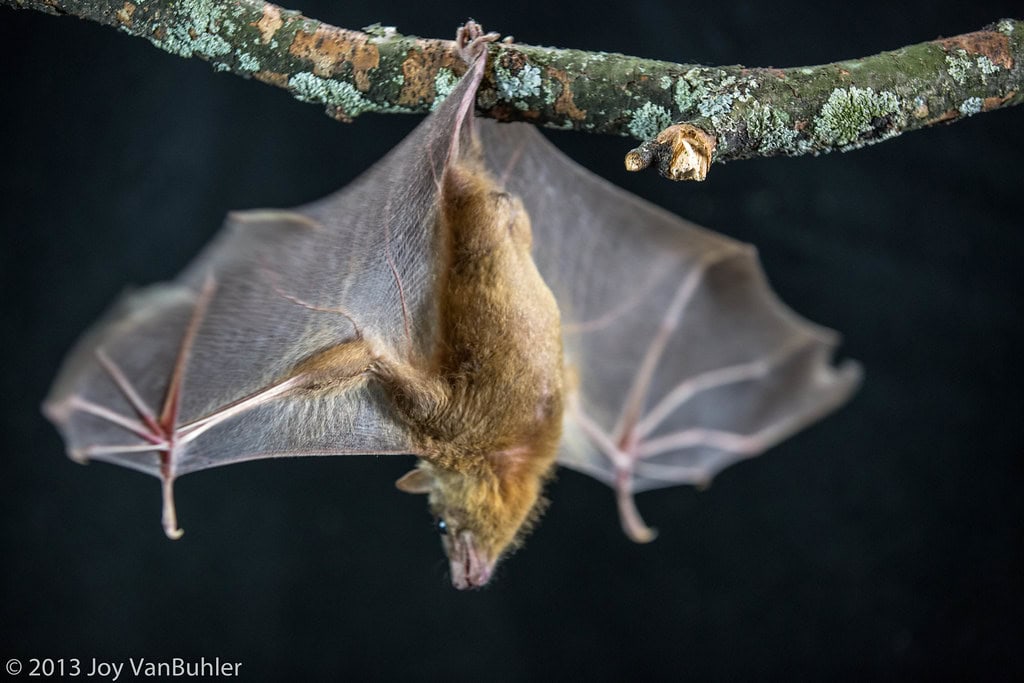
Cutting-edge technologies are revolutionizing our understanding of animal communication. Machine learning algorithms can now identify patterns in vast acoustic datasets that human researchers might miss, revealing subtle dialects and communication rules. The Earth Species Project, a nonprofit research initiative, employs artificial intelligence to analyze animal communication patterns, aiming to decode non-human languages. Their work with Egyptian fruit bats has identified distinct call types associated with specific social interactions, suggesting these vocalizations may contain more specific information than previously recognized.
Complementing these computational approaches, advances in neuroimaging allow researchers to observe brain activity in animals as they produce and respond to sounds. A groundbreaking study at Emory University used functional MRI to scan dogs’ brains while they listened to various human and dog vocalizations, revealing that dogs process the emotional content of human voices similarly to how humans do. Meanwhile, the Wild Dolphin Project has developed underwater keyboards that allow researchers to interact acoustically with wild dolphins, potentially opening new avenues for interspecies communication research. While true “translation” of animal communication remains aspirational, these technologies provide unprecedented insights into the complexity and sophistication of non-human communication systems.
The Silent Crisis: Conservation and Acoustic Monitoring

As species disappear at alarming rates, unique animal sounds are vanishing forever, creating what Bernie Krause calls “the great animal orchestra falling silent.” Historical recordings of extinct species like the Kauai O’o bird, whose haunting call exists only in audio archives, serve as poignant reminders of irreplaceable losses. Acoustic monitoring has emerged as a vital conservation tool, allowing researchers to track biodiversity changes through sound. The Rainforest Connection project repurposes old smartphones as solar-powered acoustic monitors that detect illegal logging through chainsaw sounds and alert authorities in real-time, demonstrating innovative applications of soundscape monitoring for conservation.
Sound recordings provide compelling evidence of environmental degradation that resonates emotionally with audiences in ways that statistics cannot. The Cornell Lab of Ornithology’s Macaulay Library, the world’s largest collection of animal sound recordings, serves not only as a scientific resource but also as an acoustic ark preserving sounds of species that may not survive this century. Beyond documentation, researchers are using playback of healthy coral reef sounds to attract fish larvae to degraded reefs, accelerating restoration efforts. These acoustic conservation approaches represent a growing recognition that preserving biodiversity includes protecting the planet’s acoustic heritage—the evolutionary symphony that has developed over millions of years and shapes ecosystems in ways we are only beginning to understand.
Listening to Our Wild World: The Future of Bioacoustics
As we face unprecedented biodiversity loss and environmental change, the study and preservation of animal sounds takes on new urgency and significance. The emerging field of bioacoustics stands at the intersection of biology, physics, computer science, and conservation, offering powerful tools for monitoring and protecting wildlife. The sounds animals make represent not merely interesting behaviors but essential ecological processes that maintain the health of our shared planet. From whale songs echoing through ocean depths to the intricate choruses of rainforest dawns, these acoustic expressions embody millions of years of evolutionary history and adaptation.
Learning to listen more attentively to the natural world offers both scientific insights and deeper connection to our evolutionary heritage. The sounds of animals remind us that we share Earth with billions of other sentient beings, each with their own ways of experiencing and expressing their existence. As technology enhances our ability to record, analyze, and understand these sounds, we gain not only scientific knowledge but also a more profound appreciation for the complex communication systems that evolved long before human language. By protecting habitats from noise pollution and preserving the acoustic environments in which animal communication evolve we safeguard an essential part of biodiversity that often goes unnoticed.
Healthy soundscapes are critical for species survival, influencing behaviors such as mating, hunting, and navigation. When these natural acoustic environments are disrupted, entire ecosystems can suffer. Therefore, listening to nature is not just an act of curiosity—it is a vital step in conservation, helping us recognize the interconnectedness of life and our responsibility to ensure that future generations inherit a world filled with the rich chorus of wild voices.

- The Secret Language of Dolphins Decoded by Researchers - July 20, 2026
- 7 Animals That Can Survive Extreme Environments You Couldn’t - July 20, 2026
- The Longest Snake Ever Found in the U.S. - July 20, 2026