

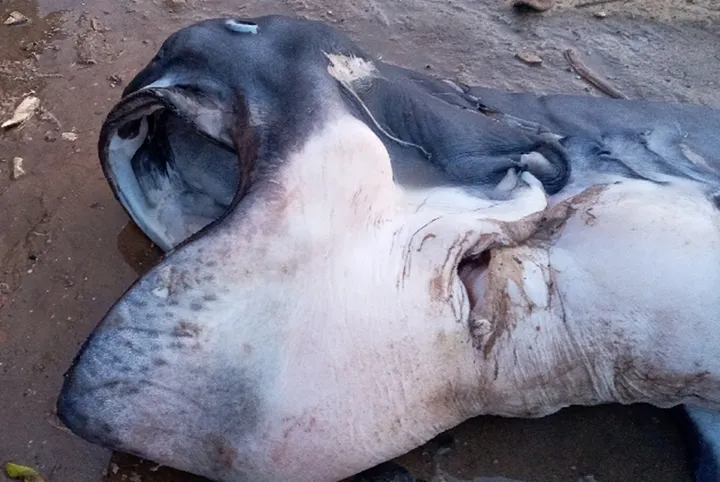
In the vast, mysterious depths of our oceans lurks one of the most enigmatic creatures ever discovered by marine science—the megamouth shark (Megachasma pelagios). First discovered in 1976 off the coast of Hawaii, this remarkable species has remained one of the ocean’s best-kept secrets, with fewer than 100 confirmed sightings worldwide. Unlike its more famous cousins—the great white, hammerhead, or whale shark—the megamouth has largely avoided human detection, making it a subject of intense scientific curiosity and wonderment.
What makes the megamouth shark particularly fascinating is not just its rarity but its unusual characteristics that set it apart from other shark species. With its massive head, rounded snout, and extraordinarily large mouth filled with tiny teeth, the megamouth presents an evolutionary puzzle that continues to captivate marine biologists. This gentle giant, which can grow up to 18 feet in length, represents one of the most significant ichthyological discoveries of the 20th century, and yet much about its life remains shrouded in mystery. Its very existence reminds us of how much of our ocean world remains unexplored and unknown.
A Delayed Discovery: Why Science Missed the Megamouth

Perhaps the most perplexing aspect of the megamouth shark is how it managed to evade scientific discovery until 1976. While ancient mariners documented great whites centuries ago and whale sharks have been known to science since the 1800s, the megamouth remained hidden from human knowledge despite its considerable size. The primary reason for this delayed discovery lies in the shark’s deep-sea habitat. Megamouth sharks typically inhabit depths of 400 to 1,000 meters during daylight hours, rising to shallower waters of about 12 to 25 meters only at night to feed—a behavior known as diel vertical migration.
The historical absence of deep-sea exploration technology also contributed to the megamouth’s obscurity. Until recent decades, humans lacked the equipment and capabilities to effectively study the mesopelagic zone where these creatures spend much of their time. Additionally, unlike coastal species that might wash ashore or interact with fishing vessels, megamouths rarely enter waters where human activity is common. This combination of deep-water habitat, nocturnal feeding patterns, and the limited range of early oceanographic research created the perfect conditions for such a large animal to remain undetected by science until the latter part of the 20th century.
The Momentous First Encounter

The discovery of the megamouth shark reads like a scene from a scientific thriller. On November 15, 1976, a U.S. Navy research vessel operating near Kaneohe Bay, Hawaii, was retrieving a parachute anchor when they made an unexpected catch—a large male shark unlike anything previously documented. The 14.6-foot (4.46-meter) specimen, weighing approximately 1,653 pounds (750 kg), had become entangled in the ship’s equipment. Researchers aboard immediately recognized they were looking at something extraordinary. The shark’s most striking feature—an enormous mouth containing rows of tiny teeth—prompted scientists to later name it “megamouth.”
This accidental discovery sent ripples through the scientific community. The specimen was transported to the Bernice P. Bishop Museum in Honolulu, where ichthyologists determined it represented not just a new species but an entirely new genus and family of sharks. Dr. Leighton Taylor, who participated in the preliminary examination, recalled the electric atmosphere as researchers realized they had encountered a shark that had completely eluded scientific detection. The discovery of Megachasma pelagios was so significant that it has been compared to finding a living dinosaur—a reminder that our oceans still harbor secrets of evolutionary significance.
Unique Physical Characteristics
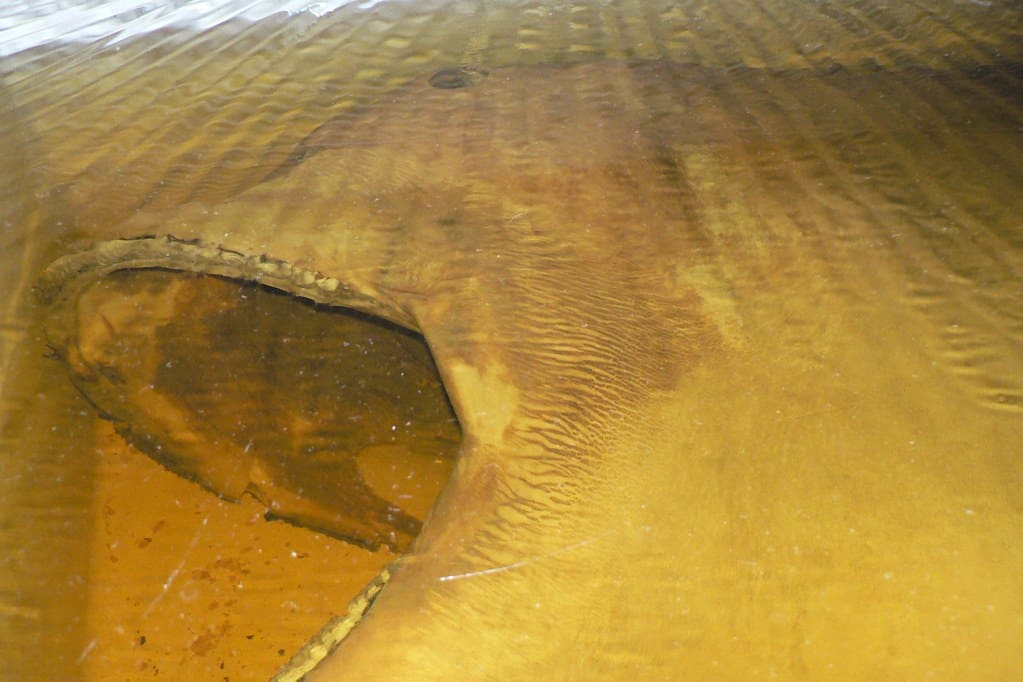
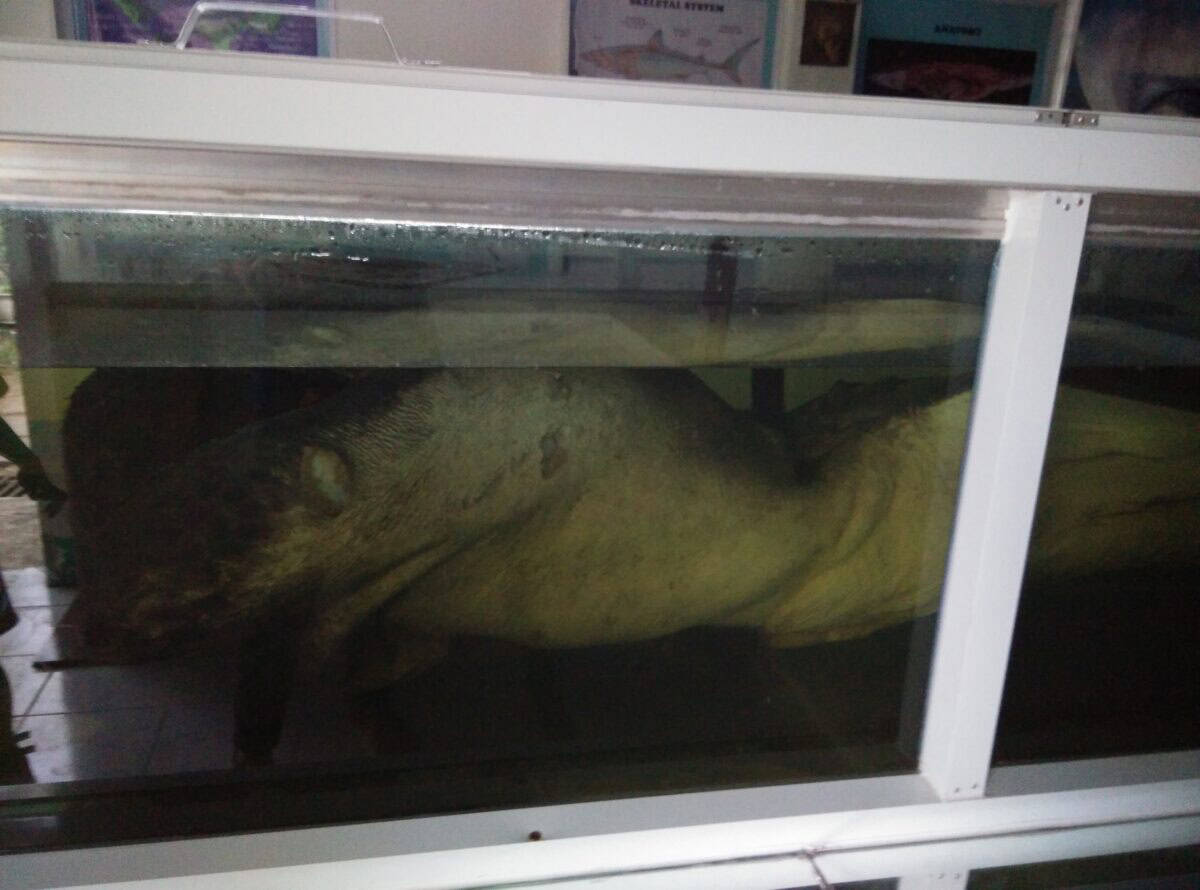
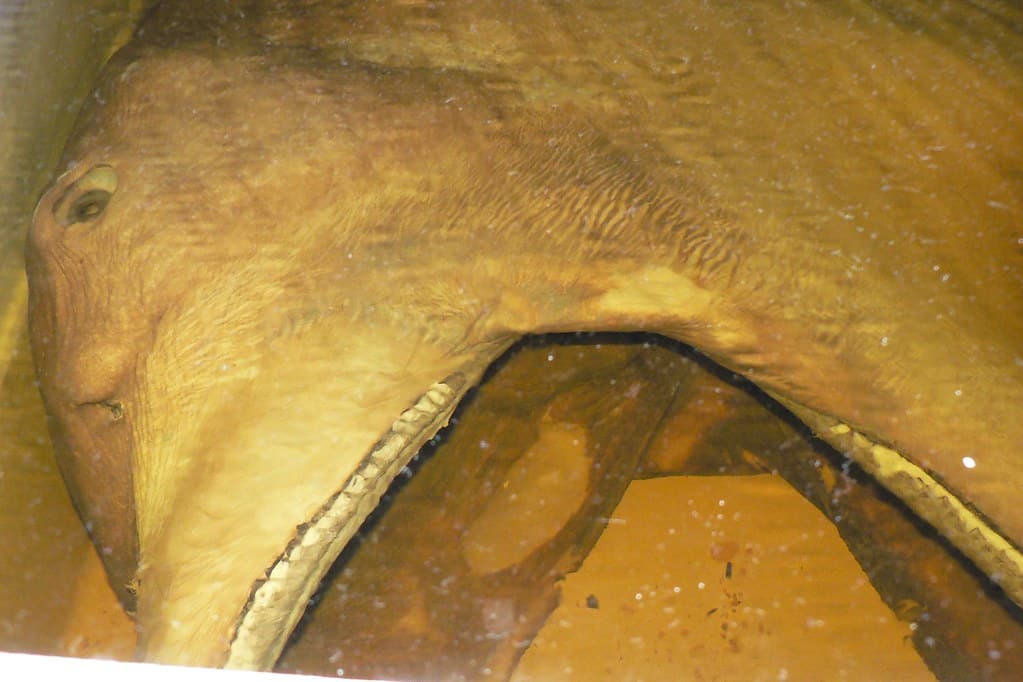
The megamouth shark possesses a suite of physical characteristics that make it immediately distinguishable from all other shark species. Most notably, its cavernous mouth can expand to an extraordinary width, lined with around 50 rows of small hook-like teeth—approximately 1,500 individual teeth in total. Unlike the predatory dentition of many sharks, these teeth are adapted for filter feeding. The megamouth’s head is broad and rounded, comprising nearly one-third of its total body length, with a short, blunt snout that gives it a distinctly different profile from other large filter-feeding sharks like the basking shark or whale shark.
The shark’s body is soft and flabby with a brownish-blackish coloration on top fading to a lighter underside—a common countershading pattern that provides camouflage in the water column. Its skin is covered in dermal denticles that are significantly less rough than those of other shark species. A distinctive feature is the luminous tissue lining its mouth, which researchers believe may play a crucial role in feeding. With small eyes relative to its head size, poor muscular development, and a weak tail, the megamouth appears built for energy conservation rather than the active predation typical of many shark species, reflecting its specialized ecological niche.
The Feeding Strategy of a Gentle Giant

The megamouth shark employs one of the most specialized feeding strategies in the shark world. As a filter feeder, it swims slowly with its enormous mouth open, creating a current that draws water and small prey items inside. Unlike many filter-feeding animals that use structures to strain food from water, the megamouth uses its gill rakers—comb-like structures attached to its gill arches—to trap tiny organisms. Its primary diet consists of krill, copepods, and other planktonic creatures that make up the ocean’s zooplankton communities.
What makes the megamouth’s feeding technique particularly fascinating is the probable use of bioluminescence as a luring mechanism. The inside of its mouth contains luminous tissue that may glow faintly in the dark depths. Scientists theorize this glow attracts plankton, which are drawn to light. As these organisms congregate near what they perceive as bioluminescent algae or bacteria, the megamouth essentially creates its own feeding opportunity. This specialized adaptation allows the shark to conserve energy while maximizing food intake—an elegant solution to the challenges of finding sufficient nutrition in the nutrient-sparse deep ocean environment.
Global Distribution and Rare Sightings
Despite being one of the ocean’s rarest large animals, the megamouth shark appears to have a circumglobal distribution in tropical and temperate waters. Confirmed sightings and specimens have come from the Pacific Ocean near Hawaii, California, Japan, the Philippines, and Taiwan; the Atlantic Ocean off Brazil and Senegal; and the Indian Ocean near South Africa and Indonesia. This wide distribution suggests the species is not geographically limited but rather difficult to observe due to its deep-water habitat preferences.
The frequency of sightings has increased in recent decades, though this likely reflects improved reporting and awareness rather than population growth. Notable hotspots include the waters off Taiwan and the Philippines, where several specimens have been caught by commercial fishing operations. In particular, the Burias Pass in the Philippines has yielded multiple specimens, suggesting it may be an important habitat for the species. Japan has also recorded numerous encounters, including several specimens that were briefly exhibited at the Okinawa Churaumi Aquarium—the only megamouth sharks ever displayed to the public, albeit for very brief periods before they died. Despite these occasional encounters, the total number of confirmed megamouth shark sightings remains under 100 as of 2023, making each new discovery a significant event in marine science.
Evolutionary Puzzle: Where Megamouth Fits in Shark History
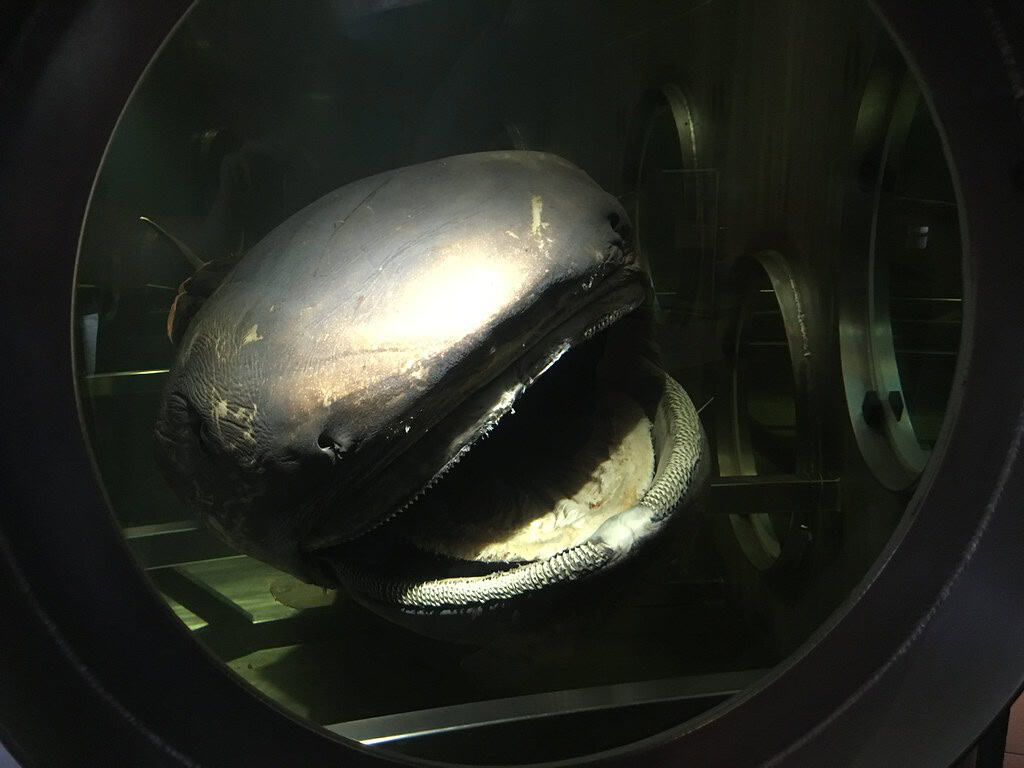
The megamouth shark represents an evolutionary conundrum that continues to fascinate taxonomists. It belongs to the order Lamniformes, which includes other notable sharks like the great white and mako, but its specialized adaptations for filter feeding set it apart in its own family, Megachasmidae. Genetic and morphological studies suggest that the megamouth diverged from other lamniform sharks millions of years ago, developing its unique feeding apparatus independently from the two other filter-feeding sharks—the whale shark and basking shark—which belong to entirely different orders.
This convergent evolution of filter feeding in three separate shark lineages demonstrates how similar ecological pressures can produce comparable adaptations in unrelated groups. The megamouth’s evolutionary history likely involves adaptation to exploit deep-water plankton resources that other predators couldn’t efficiently utilize. Fossil evidence for megamouth ancestors is scarce, though some fossil teeth from the Oligocene and Miocene epochs (23-5 million years ago) bear similarities to modern megamouth dentition. This suggests the lineage has ancient origins, but without more complete fossil specimens, precisely when the modern megamouth’s distinctive features evolved remains uncertain. The species stands as a living example of how specialized niches in the ocean can drive the evolution of remarkable adaptations.
Life Cycle Mysteries
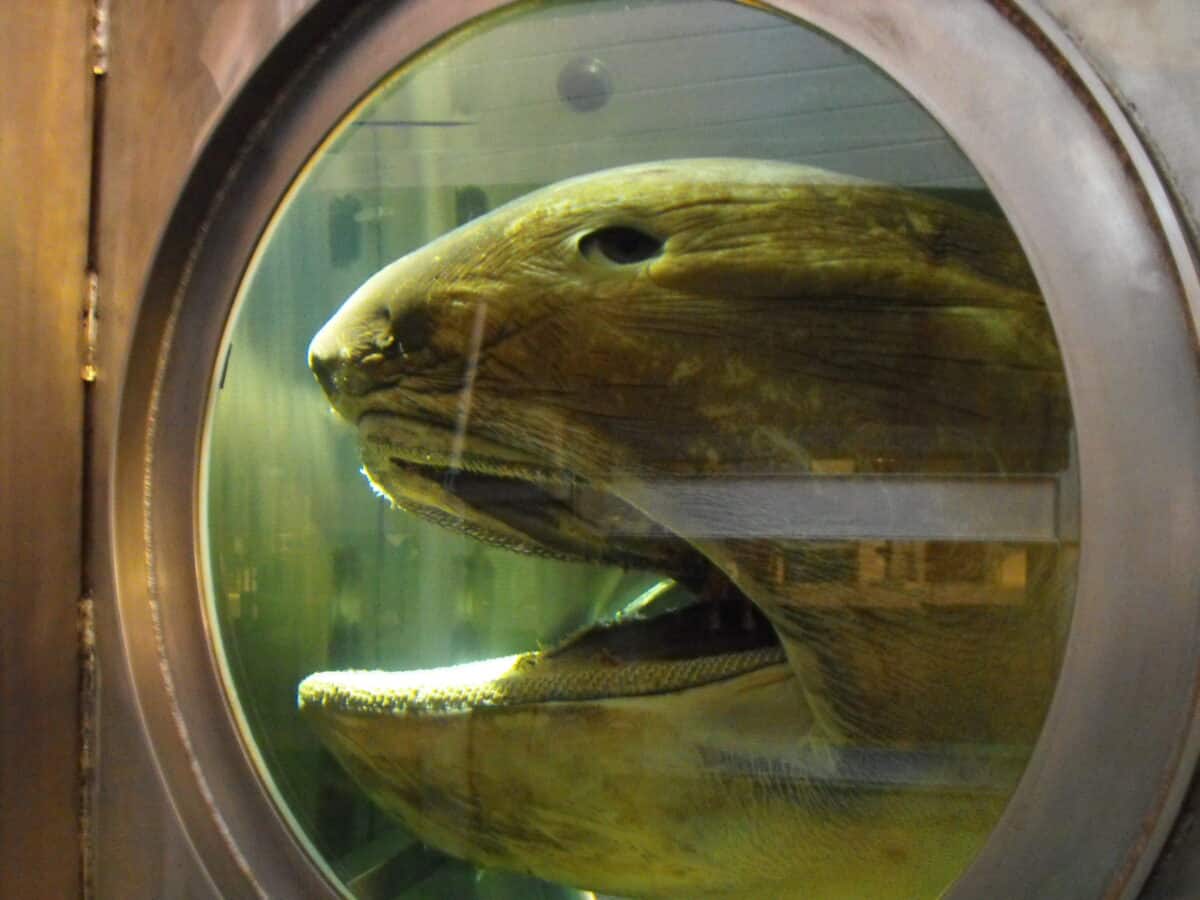
The reproductive biology and life cycle of the megamouth shark remain among its most enigmatic aspects. Scientists believe they are ovoviviparous, meaning females retain fertilized eggs within their bodies until the young develop and are born alive—a reproductive strategy common among many shark species. However, no pregnant female has ever been scientifically documented, leaving critical questions about gestation period, litter size, and breeding frequency unanswered. The age at sexual maturity is estimated to be around 5-7 years based on examinations of the few specimens available, but this remains speculative.
Similarly, the natural lifespan of megamouth sharks is unknown, though based on other large, slow-growing shark species, researchers hypothesize they may live 50-100 years. Growth rates, migratory patterns for breeding, and potential nursery areas all remain mysteries. The discovery of juvenile specimens measuring around 5 feet (1.5 meters) suggests successful reproduction is occurring, but where and how these sharks mate, give birth, and raise their young are questions that continue to elude scientists. These knowledge gaps highlight the challenges of studying a species that spends most of its life in deep, inaccessible waters and appears only rarely in human encounters.
Tracking the Elusive Giant: Modern Research Methods
As technology advances, marine biologists are developing innovative approaches to study the megamouth shark despite its elusiveness. Satellite tagging, which has revolutionized our understanding of other shark species, presents unique challenges with megamouths due to their soft skin and deep-diving behavior. Nevertheless, in 2018, researchers successfully attached a short-term tracking device to a megamouth shark off Taiwan, providing the first data on its movements over a 48-hour period. This breakthrough revealed precise information about the shark’s diel vertical migration patterns, confirming theories about its daily ascent to shallower waters at night.
Environmental DNA (eDNA) sampling represents another promising frontier in megamouth research. This technique detects genetic material shed by organisms into their environment, potentially allowing scientists to confirm megamouth presence without direct observation. Deep-sea submersibles and remotely operated vehicles (ROVs) equipped with high-definition cameras are also being deployed in areas where megamouths have been previously sighted, hoping to capture footage of these sharks in their natural habitat. Additionally, international collaborative databases now track and share information about each new megamouth encounter, helping scientists identify potential patterns in distribution and behavior that might otherwise go unnoticed when examining isolated sightings.
Conservation Status and Threats
The megamouth shark is currently listed as “Least Concern” on the International Union for Conservation of Nature (IUCN) Red List, but this classification reflects insufficient data rather than confirmed population stability. With so few specimens documented, establishing baseline population numbers is impossible, making it difficult to assess whether numbers are declining, stable, or increasing. Despite this uncertainty, marine biologists have identified several potential threats to the species. Accidental bycatch in commercial fishing operations, particularly in deep-water gillnets and longlines, poses perhaps the most immediate concern, with several documented megamouth mortalities resulting from entanglement in fishing gear.
Climate change represents another potential threat, as warming oceans may disrupt the vertical distribution of plankton that megamouths depend on for food. Ocean acidification could similarly affect plankton communities, indirectly impacting megamouth feeding opportunities. Plastic pollution presents yet another concern, as filter-feeding marine animals are particularly vulnerable to ingesting microplastics. While no direct evidence exists of microplastic ingestion in megamouth sharks, studies of other filter feeders suggest this is likely occurring. The shark’s presumed slow reproductive rate, typical of large marine animals, would make population recovery difficult if significant declines occurred, highlighting the importance of precautionary conservation approaches despite limited data.
Cultural Impact and Public Fascination

Despite its rarity and limited public exposure, the megamouth shark has captured the imagination of marine enthusiasts worldwide. Its discovery fundamentally changed how scientists viewed the completeness of our knowledge about large marine animals. The very existence of such a massive, distinctive shark that remained unknown until 1976 serves as a humbling reminder of the ocean’s vastness and continuing mystery. This aspect of the megamouth story resonates particularly strongly with the public, who are drawn to the notion that creatures of myth and legend might still swim in unexplored depths.
The megamouth has appeared in documentaries, popular science books, and educational materials, often symbolizing the frontier of marine discovery. Public aquariums frequently feature information about megamouth sharks in their deep-sea exhibits, even without live specimens. In regions where megamouths have been found, such as the Philippines, they have gained cultural significance as symbols of marine biodiversity and conservation. The shark’s unique appearance—often described as prehistoric or alien-like—adds to its appeal, making it a popular subject for marine artists and wildlife illustrators. Each new sighting generates media coverage and public interest that extends far beyond scientific circles, demonstrating how this elusive creature continues to captivate our collective imagination.
Recent Discoveries and Future Research Directions

The study of megamouth sharks continues to yield surprising findings. In 2018, researchers examining stomach contents from a specimen caught near Taiwan discovered a previously unknown species of parasitic copepod living exclusively within the megamouth’s oral cavity—a reminder that this shark not only represents a species but supports its own miniature ecosystem. Recent genetic studies have begun mapping the megamouth’s genome, providing insights into its evolutionary adaptations and relationship to other shark species. Improved tissue sampling techniques are also allowing scientists to analyze stable isotopes in megamouth tissues, revealing information about their diet and movement patterns without needing to observe them directly.
Looking forward, megamouth research priorities include establishing more comprehensive population estimates through increased eDNA sampling across potential habitats. Development of specialized deep-water camera systems designed specifically to document megamouth behavior represents another promising direction. Some researchers are exploring the possibility of using autonomous underwater vehicles programmed to track bioluminescent signatures that might indicate megamouth presence. Additionally, international protection measures are being considered in regions where megamouth sightings are more common. As deep-sea fishing expands globally, developing bycatch reduction techniques specific to megamouth sharks becomes increasingly important. Each new specimen continues to provide valuable data, with researchers now establishing standardized protocols for examination when new individuals are discovered.
Conclusion: The Continuing Enigma of the Deep

The megamouth shark stands as a powerful symbol of how much remains to be discovered in our ocean’s depths. Nearly five decades after its initial discovery, this remarkable creature continues to challenge our understanding of marine biodiversity and reminds us that significant discoveries may still await in unexplored ocean regions. The megamouth’s unique adaptations—from its specialized feeding apparatus to its bioluminescent luring mechanism—demonstrate the remarkable evolutionary innovations that can emerge in response to the challenges of deep-sea life.
As technology advances and research efforts intensify, we may gradually unravel more of the megamouth’s secrets, from its reproductive biology to its global distribution patterns. However, the very elusiveness that makes the megamouth so fascinating also highlights the immense challenges of studying deep-ocean ecosystems. The story of the megamouth shark is ultimately one of scientific humility—a reminder that even in an age of satellite imaging and genetic sequencing, nature still holds mysteries beyond our current understanding.
Perhaps most importantly, the megamouth serves as an ambassador for the countless undiscovered or poorly understood species that inhabit the deep ocean. As humanity’s impact on marine environments intensifies through fishing, pollution, and climate change, the protection of these enigmatic creatures and their habitats becomes increasinglyurgent. Conservation efforts must extend beyond the familiar and charismatic species to include the obscure and elusive inhabitants of the deep—creatures like the megamouth shark whose rarity does not diminish their ecological importance. Safeguarding deep-sea biodiversity requires international cooperation, responsible ocean management, and a commitment to funding scientific exploration in one of Earth’s last great frontiers.
In honoring the mystery of the megamouth shark, we are reminded that curiosity and wonder remain essential forces in science. Each rare encounter with this gentle giant rekindles a sense of awe for the planet’s hidden marvels and underscores the value of preserving the wild unknown. The deep sea, with its silent, lightless expanses, continues to beckon explorers—and the megamouth shark swims at the edge of that beckoning, inviting us to keep searching.

From exploring the marine wonders in the Azores and witnessing the vast savannas of Kenya, to delving deep into the rich biodiversity of South Africa and traversing iconic landscapes in Australia and the US like Yellowstone, Chris's experiences are vast.
With a penchant for diving alongside sharks, the ocean holds a special place in his heart.
Through his academic insights, he champions wildlife conservation, striving with 'Animals Around The Globe' to cultivate a profound connection between humans and animals, enhancing our mutual appreciation.
Connect with him at Feedback@animalsaroundtheglobe.com.
- This Monkey Has a Mustache - July 21, 2026
- How Steve Irwin Changed the World’s View of Wildlife - July 21, 2026
- The Catfish That Caused Earthquakes in Japanese Folklore - July 21, 2026