


When we think of deadly animal encounters, our minds might drift to exotic locales with lions, crocodiles, or venomous snakes. However, the United States has its fair share of potentially lethal wildlife, and understanding where these encounters are most likely can help keep you safe. From the rattlesnake-inhabited deserts of the Southwest to the shark-patrolled waters of coastal regions, deadly animals exist throughout the American landscape. This comprehensive guide explores the regions and environments where you’re most likely to cross paths with dangerous creatures, the specific animals to be aware of, and how to minimize risks during outdoor activities.
The Statistical Reality of Animal-Related Deaths in America
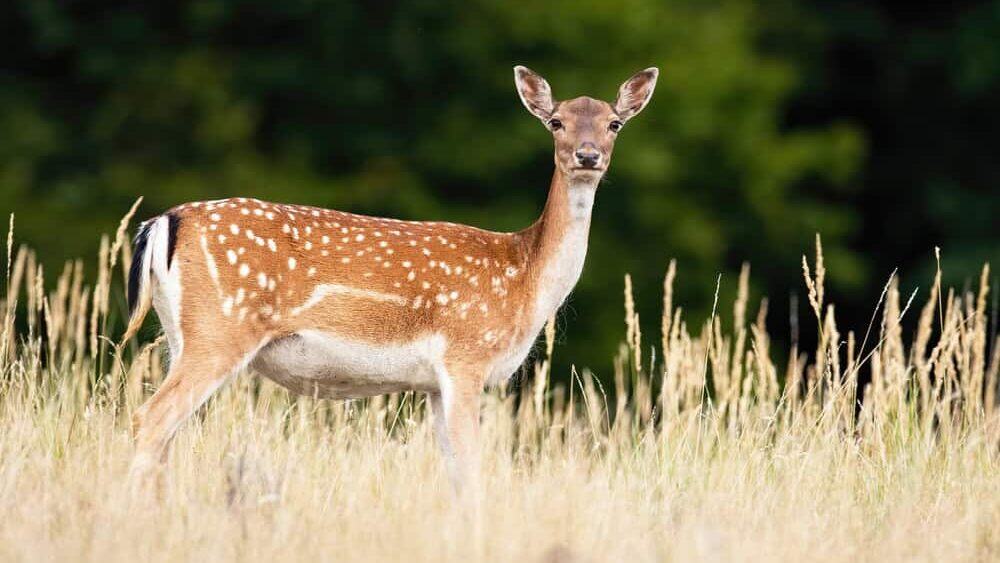
Before diving into specific locations, it’s important to understand the actual risk level. Animal-related fatalities in the United States are relatively rare, with approximately 200 deaths annually according to CDC data. To put this in perspective, you’re significantly more likely to die from a car accident, heart disease, or even a falling object than from a wildlife encounter. The most deadly animal in America, surprisingly, is not a predator but the humble deer, causing around 200 deaths yearly—primarily through vehicle collisions rather than direct attacks.
Beyond deer, the animals responsible for the most human fatalities include bees and wasps (causing roughly 60 deaths annually through allergic reactions), dogs (30-50 fatalities), cows (20 deaths), horses (20 deaths), and then various venomous creatures like snakes and spiders. Large predator attacks from bears, alligators, and sharks combined account for fewer than 10 deaths per year nationwide. Understanding these statistics helps frame the actual risk level as we explore the geographic distribution of dangerous animals.
Southwestern Deserts: Rattlesnake Country

The arid deserts of the American Southwest—spanning Arizona, New Mexico, Nevada, and parts of California, Texas, and Utah—represent the epicenter of venomous snake encounters in the United States. This region is home to numerous rattlesnake species, including the Western Diamondback, Mojave, and Sidewinder rattlesnakes. Arizona alone records approximately 250 rattlesnake bites annually, though fatalities are rare due to available antivenom and medical care. These snakes are most active during warmer months, particularly at dawn and dusk when they hunt.
Beyond rattlesnakes, Southwestern deserts harbor other venomous creatures including the Gila monster (one of only two venomous lizards worldwide), scorpions (particularly the bark scorpion, whose sting can be life-threatening to children and elderly individuals), and black widow spiders. Hikers, campers, and residents in these areas should exercise caution by wearing closed-toe shoes, using a flashlight at night, checking shoes and bedding before use, and maintaining awareness of surroundings, particularly when reaching into rock crevices or brush piles.
Florida Everglades: Alligator Territory

Florida’s vast wetland ecosystem, particularly the Everglades, represents the primary habitat for American alligators, which can grow to over 14 feet long and weigh up to 1,000 pounds. While Florida hosts an estimated 1.3 million alligators, fatal attacks are surprisingly rare, averaging just one death per year statewide. Nevertheless, the risk is real, particularly in areas where humans feed alligators (creating dangerous associations between humans and food) or during the spring breeding season when males become more aggressive and protective of territory.
Beyond alligators, Florida’s warm climate supports numerous other potentially dangerous creatures, including venomous snakes (Eastern diamondback rattlesnakes, cottonmouths, and coral snakes), aggressive invasive species like the Burmese python, and several venomous marine creatures in coastal waters. Visitors to the Everglades should maintain a safe distance from water edges, avoid swimming in areas known to harbor alligators, never feed wildlife, and stay on designated trails. The statistical likelihood of a deadly encounter remains low, but awareness is essential when exploring this unique ecosystem.
Coastal Waters: Shark Encounter Zones

America’s extensive coastlines, particularly along Florida, Hawaii, California, and the Carolinas, represent the primary locations for shark encounters. Florida consistently leads the nation in shark bites, accounting for nearly 40% of all incidents in the United States, with Volusia County (home to Daytona Beach) recording the highest concentration. These encounters primarily involve smaller shark species and are rarely fatal. Hawaii, despite fewer total incidents, has a higher proportion of serious attacks due to the presence of larger tiger and great white sharks in deeper offshore waters.
The risk of a fatal shark attack remains extraordinarily low, with the U.S. averaging just one death per year nationwide. For perspective, drowning claims over 3,500 lives annually. Nevertheless, swimmers can reduce risk by avoiding swimming at dawn or dusk (prime feeding times), staying away from fishing areas or where bait is present, removing shiny jewelry which might resemble fish scales, avoiding areas with seals (a preferred food source for great whites), and swimming in groups. Marine biologists emphasize that sharks don’t target humans as prey—most bites result from mistaken identity or defensive reactions.
Rocky Mountain Region: Bear Country

The Rocky Mountain region spanning Montana, Wyoming, Idaho, Colorado, and parts of Washington represents the primary habitat for both grizzly and black bears in the continental United States. Yellowstone National Park and Glacier National Park have the highest density of grizzly bears, with an estimated 700-1,000 grizzlies in the greater Yellowstone ecosystem. While black bears are more numerous and widespread throughout the region, grizzlies are responsible for more fatal attacks despite their smaller population. Statistics show the U.S. averages about two fatal bear attacks annually, with most occurring in Alaska and the northern Rockies.
Hikers and campers in bear country should take specific precautions: carry bear spray and know how to use it, make noise while hiking to avoid surprising bears, travel in groups, properly store food in bear-resistant containers, and know the difference between defensive and predatory bear behavior. Most bear encounters don’t result in attacks, and understanding proper response techniques (standing your ground with black bears versus playing dead with defensive grizzlies) can significantly impact outcomes. National parks in these regions require mandatory bear safety education for backcountry permits, highlighting the seriousness with which officials treat the potential risk.
Southeastern States: Venomous Snake Hotspots

The humid, warm climate of the southeastern United States creates ideal conditions for venomous snakes, with Georgia, Alabama, Mississippi, Louisiana, the Carolinas, and parts of Tennessee hosting significant populations of medically important species. This region is home to all four venomous snake groups found in America: rattlesnakes (eastern diamondback, timber, and pygmy varieties), cottonmouths (water moccasins), copperheads, and coral snakes. North Carolina alone records approximately 500 venomous snakebites annually, with similar numbers across neighboring states.
These snakes inhabit diverse environments throughout the Southeast, from the swampy lowlands where cottonmouths thrive to the forested hills preferred by copperheads. Timber rattlesnakes range throughout the Appalachian corridor, while coral snakes inhabit sandy regions closer to the Gulf Coast. Outdoor activities like gardening, hiking, and camping in these states carry increased risk of snake encounters, particularly from spring through fall. Prevention measures include wearing snake gaiters when hiking in high-risk areas, watching hand and foot placement, avoiding reaching into areas you cannot see clearly, and learning to identify the venomous species native to your region.
Urban and Suburban Settings: Domestic Dog Risks

Perhaps surprisingly, one of the deadliest animal encounters in America occurs not in wilderness settings but in urban and suburban neighborhoods nationwide. Domestic dogs cause approximately 30-50 fatalities annually, making them responsible for more human deaths than bears, alligators, sharks, and venomous snakes combined. These incidents occur across all regions without significant geographic concentration, though rural areas with less animal control enforcement may see slightly higher rates. Children under 10 and the elderly represent the most vulnerable populations, accounting for over 60% of fatal dog attack victims.
While any dog can bite under certain circumstances, statistics show that unneutered male dogs and certain breeds with specific histories are overrepresented in serious attack incidents. Dog ownership education, proper training, supervision around children, and understanding canine body language can significantly reduce these preventable tragedies. Unlike wildlife encounters where geographic avoidance is possible, dog attack prevention requires behavioral awareness and responsible ownership practices regardless of location. The CDC emphasizes that most dog bites occur with familiar animals rather than strays, highlighting the importance of never leaving young children unsupervised with dogs, even family pets.
Texas Hill Country: Scorpion and Spider Territory
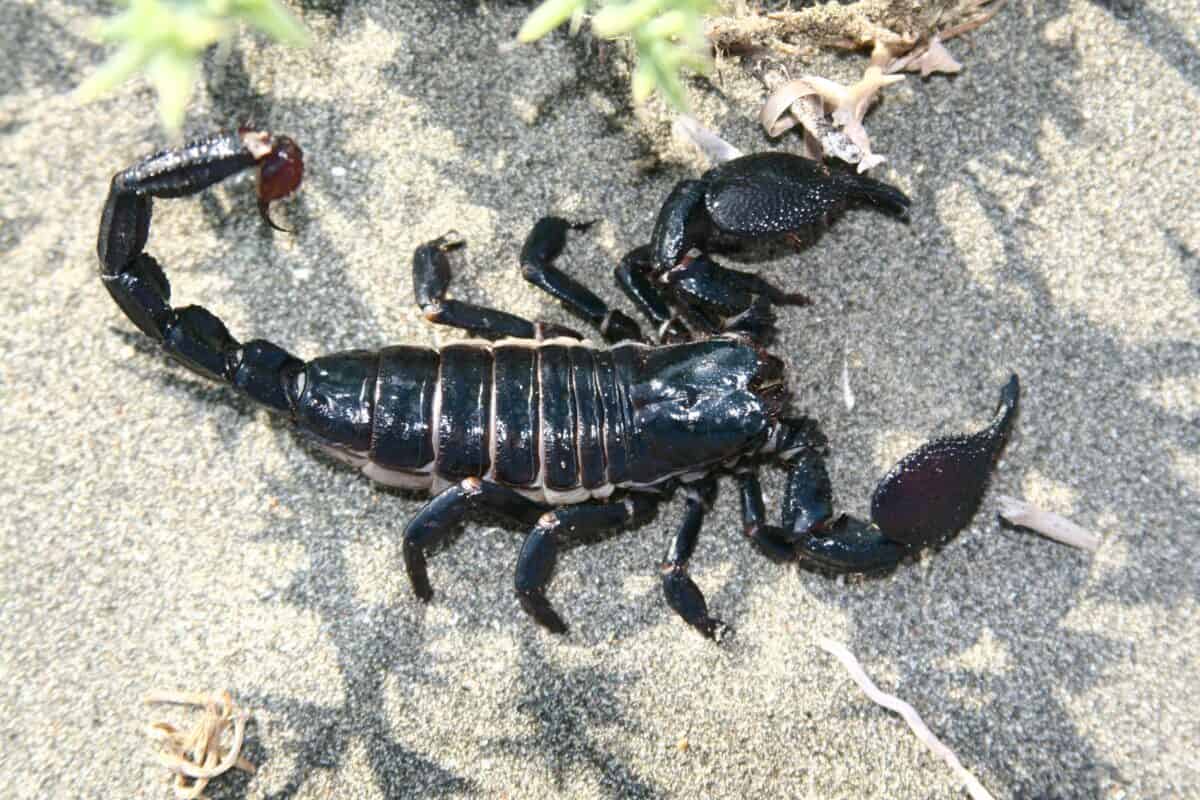
The limestone-rich terrain of Texas Hill Country creates an ideal habitat for numerous arachnids, including the potentially dangerous striped bark scorpion and brown recluse spider. While fatalities from these creatures are exceedingly rare in the United States (less than one death annually), their painful stings and bites can cause significant medical complications, particularly in children, elderly individuals, and those with compromised immune systems. The region spanning central Texas from Austin to San Antonio reports thousands of scorpion stings annually, though most require only symptomatic treatment.
Beyond scorpions, this region harbors significant populations of brown recluse spiders, identifiable by their distinctive violin-shaped marking, and black widow spiders with their characteristic red hourglass. These arachnids typically avoid human contact but may bite defensively when disturbed. Residents and visitors to Texas Hill Country should exercise caution by shaking out shoes and clothing before wearing, avoiding bare hands when moving stored items or firewood, using gloves when gardening, and inspecting bedding in rural accommodations. Most encounters occur in outbuildings, garages, and less-frequently disturbed areas of homes, making regular cleaning and decluttering effective preventive measures.
Pacific Northwest: Mountain Lion Territory
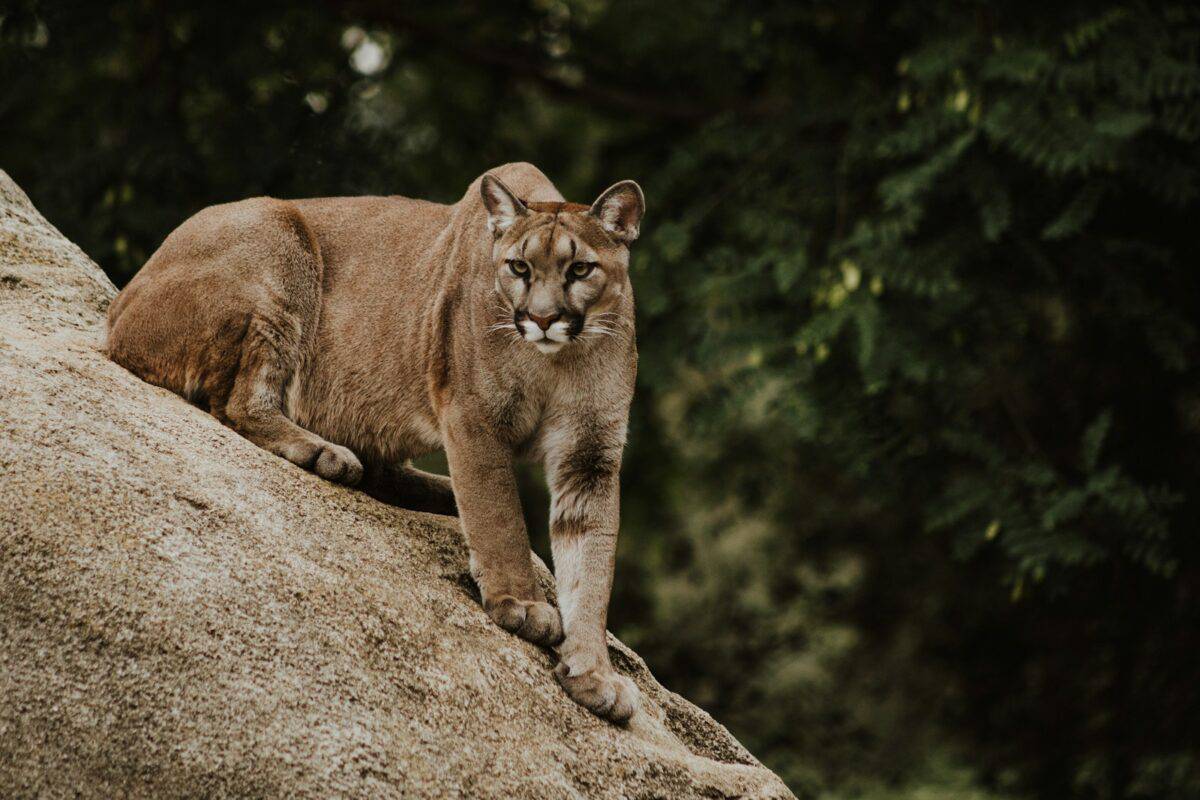
The densely forested mountains of the Pacific Northwest, particularly in Washington, Oregon, and Northern California, harbor significant mountain lion (also called cougar or puma) populations. While attacks on humans remain extremely rare—with fewer than 30 fatalities recorded across North America in the past century—these powerful predators command respect. California hosts the largest mountain lion population in the United States, estimated at 4,000-6,000 animals, while Washington and Oregon each support approximately 2,000 cougars. Unlike bears, mountain lions are ambush predators that typically stalk prey silently, making awareness of surroundings particularly important.
Hikers, trail runners, and mountain bikers in cougar territory should travel in groups when possible, make noise to avoid surprising the animals, keep children close and supervised, avoid dawn and dusk activity (prime hunting times), and never flee if a mountain lion is spotted—this can trigger a chase response. Instead, experts recommend making yourself appear larger, maintaining eye contact, speaking firmly, and fighting back aggressively if attacked. Wildlife officials emphasize that mountain lions naturally avoid human contact, and most people who recreate in cougar habitat will never encounter one. Nevertheless, understanding proper response protocols remains essential for those exploring the Pacific Northwest wilderness.
Agricultural Areas: Farm Animal Dangers

One often overlooked category of deadly animal encounters occurs in America’s agricultural heartland, where large domestic animals pose significant risks. Cattle, horses, and pigs cause approximately 40-50 combined fatalities annually nationwide, primarily through trampling, crushing, or goring incidents. Farm workers face the highest risk, though public interactions at rodeos, county fairs, and petting zoos occasionally result in serious injuries. States with large agricultural sectors like Texas, California, Wisconsin, and Iowa record the highest incidents of livestock-related fatalities, though they occur throughout rural America.
The size disparity between humans and farm animals creates inherent danger—an average dairy cow weighs 1,500 pounds, while draft horses can exceed 2,000 pounds. These animals typically don’t attack aggressively but can cause fatal injuries through defensive kicks, unexpected movements, or maternal protection behaviors. Bulls are particularly dangerous, responsible for nearly half of all cattle-related fatalities despite representing a small percentage of total cattle. Safety around livestock requires understanding animal behavior, maintaining escape routes, avoiding startling animals, and exercising particular caution around males during breeding season and females with young. Agricultural organizations emphasize that most livestock incidents are preventable through proper handling techniques and facility design.
Southwestern Riverways: Brain-Eating Amoeba Concerns

While not technically an animal, Naegleria fowleri—commonly called the “brain-eating amoeba”—represents one of the deadliest microscopic threats in American waterways. This free-living amoeba thrives in warm freshwater environments, particularly in the southern United States during summer months. Texas, Florida, and Arizona report the highest incident rates, though cases have occurred as far north as Minnesota in recent years, potentially due to climate change expanding the amoeba’s range. While infections are extremely rare (fewer than 10 cases annually nationwide), they are almost invariably fatal, with a 97% death rate even with treatment.
Infection occurs when contaminated water enters the nose forcefully—typically during diving, water skiing, or similar activities—allowing the amoeba to travel along olfactory nerves directly to the brain. Swimming pools with proper chlorination don’t pose a risk, but natural bodies of freshwater, especially shallow, stagnant areas that reach temperatures above 80°F (27°C), create ideal conditions for the amoeba. Public health officials recommend using nose clips when swimming in warm freshwater, avoiding stirring up sediment, and keeping heads above water in higher-risk environments. Though statistically rare, the extremely high fatality rate makes awareness important for those recreating in warm southern waterways during summer months.
Urban Centers: Insect Allergy Dangers
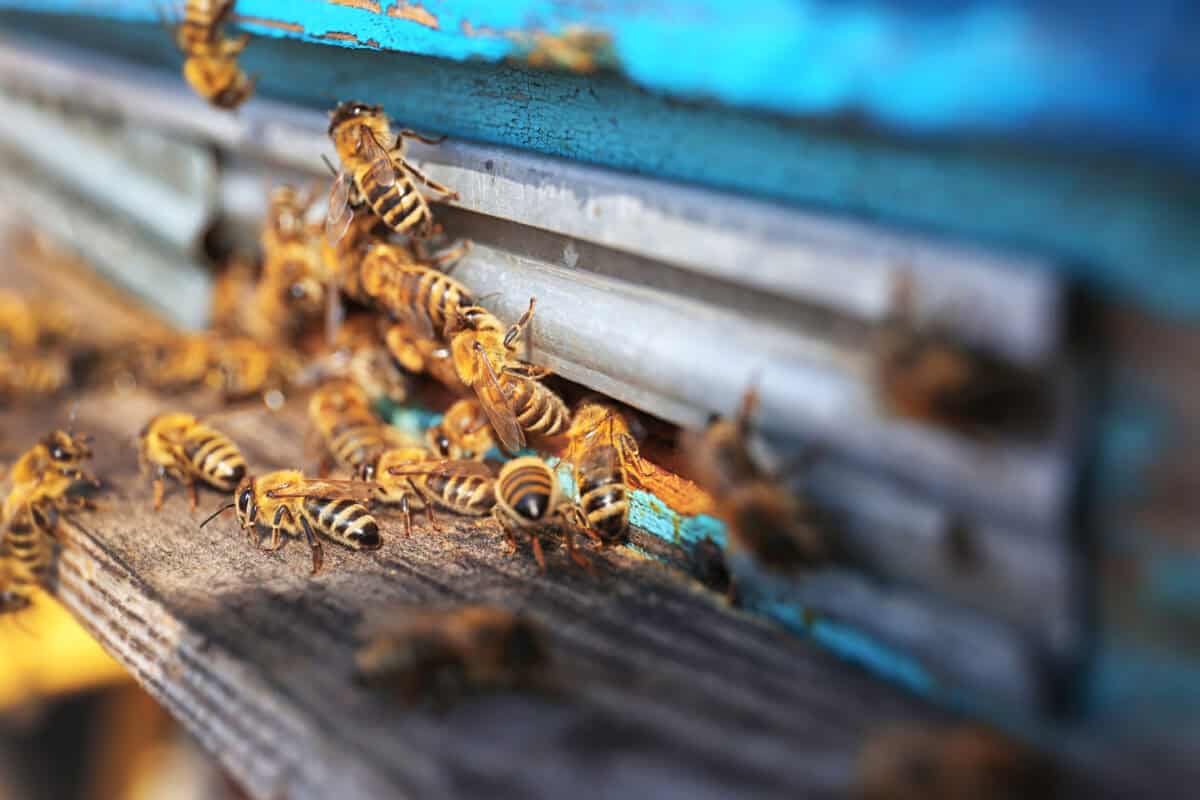
Perhaps the most widespread deadly animal threat exists virtually everywhere in America: stinging insects like bees, wasps, hornets, and fire ants. These creatures cause approximately 60-100 deaths annually nationwide through anaphylactic reactions, making them responsible for more fatalities than all other wild animals combined. While these insects exist throughout the country, certain regions face higher risks. The Southeast contends with aggressive imported fire ants, the Pacific Northwest and Northeast have significant yellow jacket populations, while Africanized “killer” bees have established territories throughout the Southwest, particularly in southern Arizona, New Mexico, and Texas.
Unlike other animal threats that can be geographically avoided, insect sting risks exist in urban centers, suburban neighborhoods, and wilderness areas alike. Approximately 5-8% of Americans have potentially life-threatening allergic reactions to insect venom, often without prior knowledge of their sensitivity. Those with known allergies should carry emergency epinephrine (EpiPen) at all times, particularly when outdoors. General prevention measures include avoiding bright-colored clothing or strong perfumes when outdoors, checking food and drinks before consuming at outdoor gatherings, wearing closed-toe shoes in grassy areas, and exercising caution around flowering plants, garbage receptacles, and areas where food is served outdoors—all of which attract stinging insects.
Understanding the Reality of Wildlife Risks in America

When evaluating the geographic distribution of deadly animal encounters across the United States, several important patterns emerge. First, the statistical likelihood of a fatal wildlife encounter remains extraordinarily low compared to everyday risks like driving or even weather-related incidents. Second, certain regions definitely harbor higher concentrations of potentially dangerous species—from the venomous snakes of the Southeast to the large predators of the Rocky Mountains. Third, and perhaps most surprisingly, domestic and agricultural animals pose a significantly higher statistical risk than exotic wildlife. Finally, awareness and education represent the most effective tools for reducing already minimal risks in any environment.
America’s diverse ecosystems support remarkable biodiversity, including creatures that demand respect and appropriate caution. However, with proper knowledge, reasonable precautions, and an understanding of animal behavior, people can safely enjoy all that America’s natural landscapes offer. The goal isn’t to inspire fear but rather to foster an informed relationship with the natural world—one where we recognize potential hazards while appreciating the remarkably low statistical likelihood of serious incidents. By understanding where particular risks concentrate geographically, visitors and residents alike can make informed decisions that balance safety with the irreplaceable experience of connecting with America’s wild spaces.

From exploring the marine wonders in the Azores and witnessing the vast savannas of Kenya, to delving deep into the rich biodiversity of South Africa and traversing iconic landscapes in Australia and the US like Yellowstone, Chris's experiences are vast.
With a penchant for diving alongside sharks, the ocean holds a special place in his heart.
Through his academic insights, he champions wildlife conservation, striving with 'Animals Around The Globe' to cultivate a profound connection between humans and animals, enhancing our mutual appreciation.
Connect with him at Feedback@animalsaroundtheglobe.com.
- The Lizard That Shoots Blood From Its Eyes - July 21, 2026
- What Happens If Fireflies Stop Glowing? - July 21, 2026
- Coyotes Are Thriving in Every U.S. State — Even New York City - July 21, 2026