

Native American folklore brims with animal characters that serve as powerful symbols, spiritual guides, and teachers of wisdom. These animals transcend their physical forms to embody universal truths and spiritual lessons for the human tribes who share their lands. From the cunning Coyote to the majestic Thunderbird, these creatures have shaped indigenous worldviews for countless generations. Each nation and tribe maintains its own distinct stories and relationships with these animal beings, reflecting their unique environments, values, and spiritual traditions. The following collection explores twenty significant animals that appear throughout Native American storytelling traditions, revealing how these creatures have helped indigenous peoples understand their place within the natural world and cosmic order. These animal spirits continue to resonate today, offering timeless wisdom about balance, respect, and our interconnectedness with all living things.
The Trickster Coyote
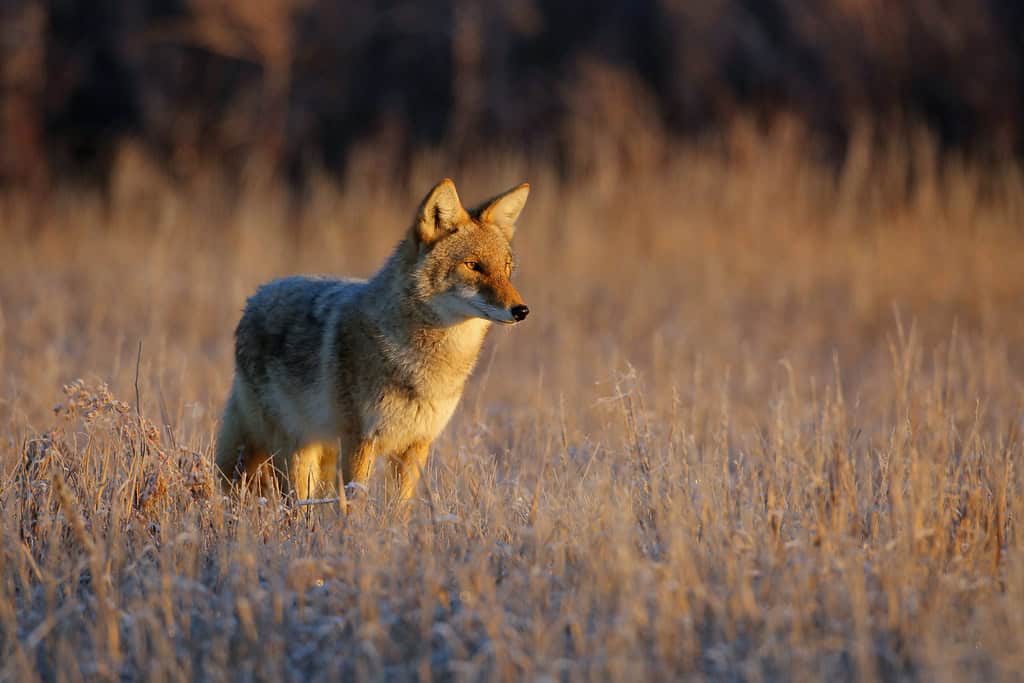
Perhaps no animal figure is more ubiquitous in Native American folklore than Coyote, the consummate trickster. Appearing in stories from tribes across North America—particularly among Southwestern, Plains, and Great Basin cultures—Coyote embodies paradox and contradiction. He is simultaneously foolish and wise, creator and destroyer, hero and villain. In Navajo tradition, Coyote plays a crucial role in the emergence story, while the Crow people tell of how Coyote stole fire to benefit humanity, similar to the Greek Prometheus.
What makes Coyote particularly fascinating is his function as a social educator. Through his misadventures and schemes—often resulting in his own humiliation—Coyote teaches humans the consequences of greed, dishonesty, and excessive pride. The Karok tribe of California portrays Coyote as the one who instituted death into the world through his impatience. Yet in many traditions, he also helped create the world and established important cultural practices. This duality makes Coyote a complex figure who reflects the unpredictable nature of existence itself, reminding listeners that wisdom often comes through foolishness and mistakes.
Raven the Creator
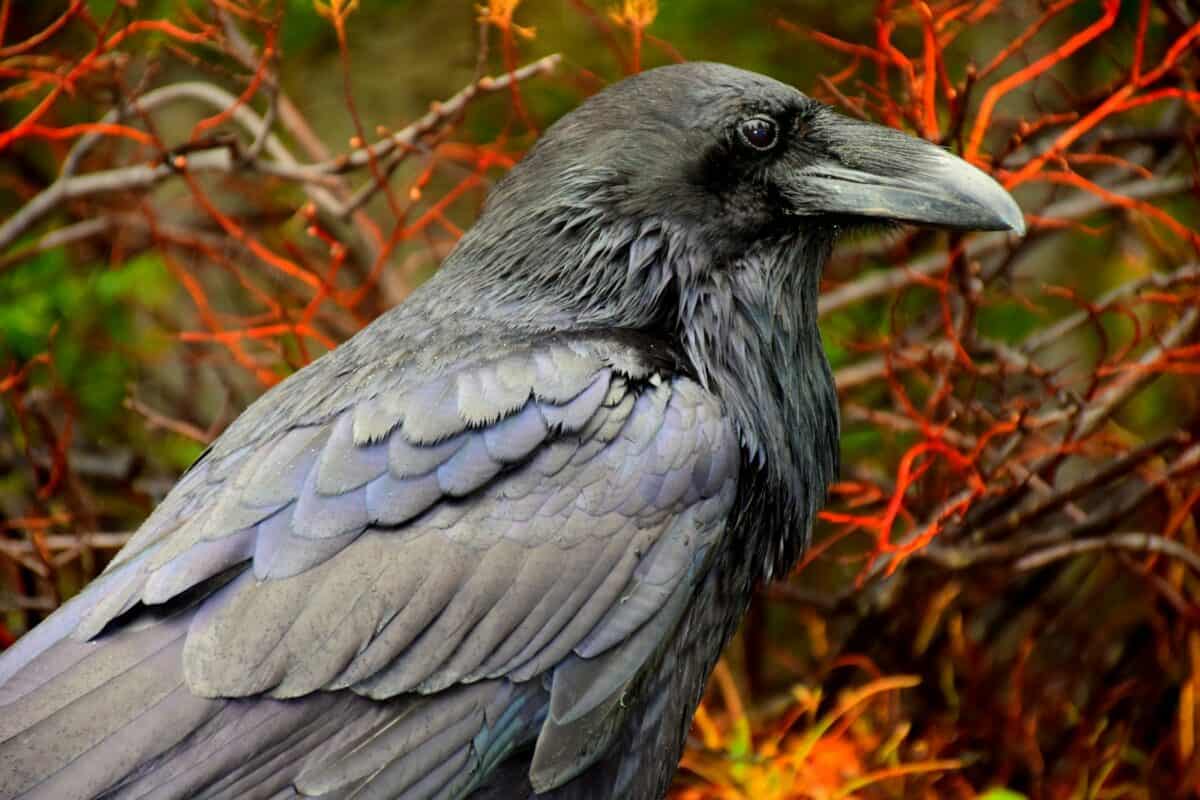
Among the Northwest Coast tribes—including the Tlingit, Haida, Tsimshian, and others—Raven stands as one of the most powerful mythological figures. Unlike his trickster characterization in other traditions, Raven here assumes the role of a cultural hero and primary creator. According to numerous Pacific Northwest origin stories, Raven created the world as we know it. In one famous tale, Raven stole the sun, moon, and stars from a greedy chieftain who kept them hidden in boxes, releasing them into the sky and bringing light to a previously dark world.
Raven’s character embodies the complex ethos of Northwest Coast cultures, displaying intelligence and creativity alongside an appetite for mischief. In Tlingit tradition, Raven is known as Yéil and is credited with bringing fresh water, fire, and even the first humans to the world. Despite his benevolent acts, Raven remains unpredictable—sometimes helping humans and sometimes playing tricks on them. His black feathers are said to have resulted from his being scorched while stealing fire. This complexity makes Raven more than a simple deity; he represents the intricate balance between creation and disruption that characterizes the natural world.
The Thunderbird’s Power

The mighty Thunderbird stands among the most awe-inspiring beings in Native American mythology. Revered by numerous tribes across North America, particularly among Algonquian, Ojibwe, Sioux, and Pacific Northwest cultures, this supernatural creature manifests as an enormous bird whose powerful wingbeats create thunder and whose blinking eyes produce lightning. The Thunderbird symbolizes tremendous power, strength, and protection, often appearing in times of drought to bring life-giving rain to parched lands. In many traditions, Thunderbirds engage in eternal battles with underwater spirits or serpents, representing the cosmic balance between sky and water forces.
Physical representations of the Thunderbird have become iconic elements of indigenous art, appearing prominently on totem poles, ceremonial masks, and other sacred objects. The Sioux believe that being visited by the Thunderbird in visions grants exceptional powers, while the Ojibwe consider it a symbol of their highest clan. Unlike ordinary animals, the Thunderbird occupies a special category of beings that bridge the natural and supernatural realms. Its importance continues today, with the Thunderbird symbol appearing in contemporary Native American art, literature, and cultural revitalization movements as a powerful emblem of indigenous identity and spiritual heritage.
Bear as Healer and Ancestor

Bears occupy a position of unique reverence across numerous Native American cultures, often viewed as kin to humans rather than mere animals. Many tribes, including the Cherokee, Navajo, and Pueblo peoples, consider bears to be transformed humans or ancestors who chose to take animal form. This kinship belief explains the widespread taboos against speaking directly about bears or treating bear hunting casually. Bears symbolize tremendous physical strength coupled with wisdom and healing knowledge. In Zuni tradition, the Bear Society maintains healing ceremonies based on knowledge believed to have originated from bear spirits, while Cherokee healers invoke bear medicine for curing certain ailments.
The bear’s annual hibernation cycle holds profound spiritual significance, representing death and rebirth. When a bear retreats to its den in winter and emerges in spring, this mirrors spiritual transformation and renewal. Among Algonquian-speaking peoples like the Ojibwe, the Bear Clan traditionally provides community protectors and healers. Bear ceremonies remain among the most sacred in many tribal traditions, with bear dances still performed by tribes including the Ute and Pueblo peoples. The bear’s perceived connection to medicinal plants—observed by indigenous peoples who watched bears seek specific herbs when injured—cemented their reputation as teachers of healing wisdom, making them one of the most respected animal spirits in Native American spirituality.
Spider Woman the Weaver

Spider Woman holds a position of tremendous importance in numerous Southwestern Native American traditions, particularly among the Navajo (Diné), Hopi, and Pueblo peoples. Known as Na’ashjéíí Asdzáá in Navajo tradition, she is considered a primary creator being who helped weave the world into existence. Spider Woman taught the Navajo the sacred art of weaving, which remains central to their cultural identity today. In the Navajo creation story, she led the people through the different worlds during their emergence journey, offering protection and guidance. Her presence in a home is considered auspicious, as she represents creativity, wisdom, and protection.
Among the Hopi, Spider Grandmother (Kokyangwuti) plays a pivotal role in creation mythology. She helped form the first humans by mixing her saliva with earth and covering them with a white cape of creative wisdom. She also rescued humanity during various world catastrophes, guiding them to safety through her wisdom. Spider Woman’s teachings emphasize the interconnectedness of all creation—just as a spider’s web connects in intricate patterns, so too are all beings connected in the cosmic web of existence. Contemporary weavers still honor Spider Woman through prayers and offerings before beginning important textile work, acknowledging her as the original teacher of this sacred art that weaves together practical skill, artistic expression, and spiritual symbolism.
Buffalo: Provider of Life

For Plains tribes such as the Lakota, Blackfoot, Crow, and Cheyenne, the buffalo (American bison) represents far more than merely an animal—it embodies the very foundation of their cultural, spiritual, and physical existence. White Buffalo Calf Woman, a sacred figure in Lakota tradition, brought the sacred pipe and essential teachings to the people, establishing their most profound spiritual ceremonies. The buffalo’s willingness to sacrifice itself to sustain human life created a sacred covenant between the animal and Plains peoples. This relationship was honored through ceremonies, prayers, and careful practices ensuring every part of the buffalo was utilized with respect—from meat for sustenance to hides for tipis, bones for tools, and bladders for containers.
The near-extinction of buffalo in the late 19th century represented not just an ecological catastrophe but a profound spiritual and cultural crisis for Plains tribes. Traditional stories warned that the disappearance of buffalo would coincide with tremendous hardship for indigenous peoples—a prophecy that manifested tragically during the reservation era. The rare appearance of a white buffalo calf is still considered a momentous spiritual event, symbolizing hope, renewal, and the potential return of harmony. Today, tribes are actively involved in buffalo restoration efforts, reconnecting with this sacred animal that remains central to their cultural identity. The Intertribal Buffalo Council now works with dozens of tribes to restore buffalo to indigenous lands, representing both ecological restoration and cultural revitalization.
Wolf the Teacher
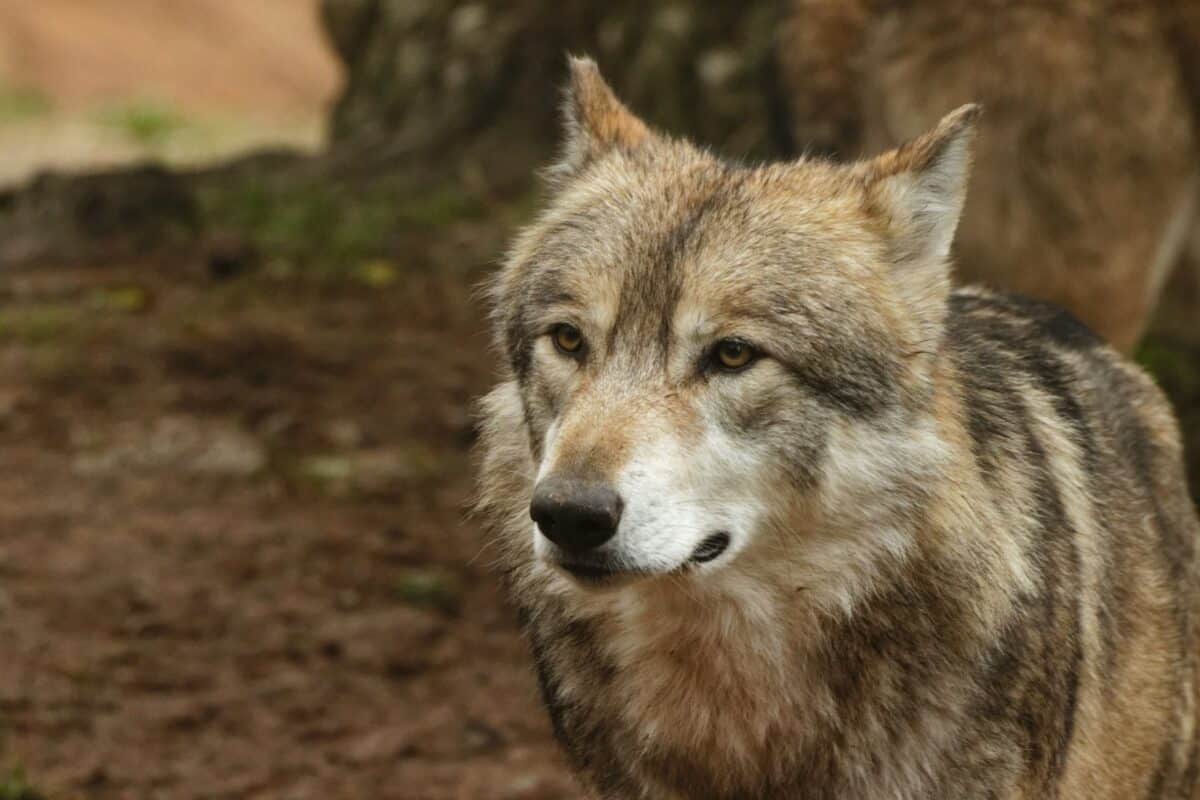
Wolves feature prominently across numerous Native American spiritual traditions, typically embodying qualities of loyalty, perseverance, success through cooperation, and enduring family bonds. Among the Pawnee, wolves were considered sacred animals associated with the evening star and celestial powers. Many tribes observed wolf social structures and hunting strategies, noting their sophisticated pack communication and their ability to bring down much larger prey through teamwork. These observations informed human social organization and hunting practices. The Cherokee tell stories of how wolves helped create the first fire for humans, while Shoshone traditions describe Wolf as an original teacher who guided humans in proper relationship with other animals.
Unlike European traditions that often demonized wolves, most Native American cultures viewed them with respect and even kinship. The Ojibwe consider wolves (ma’iingan) as brothers who once walked with the first man, separating to follow parallel paths but sharing a common destiny. Many tribes believed that wolves possessed supernatural powers, including the ability to heal the sick or communicate with the spirit world. Wolf ceremonies and societies existed among tribes including the Pawnee and Blackfoot, while wolf imagery adorned sacred objects and ceremonial clothing. Even today, as wolves recover in parts of their former range, many Native Americans support their protection as essential relatives whose presence maintains ecological and spiritual balance within their ancestral territories.
Turtle: Bearer of the Earth
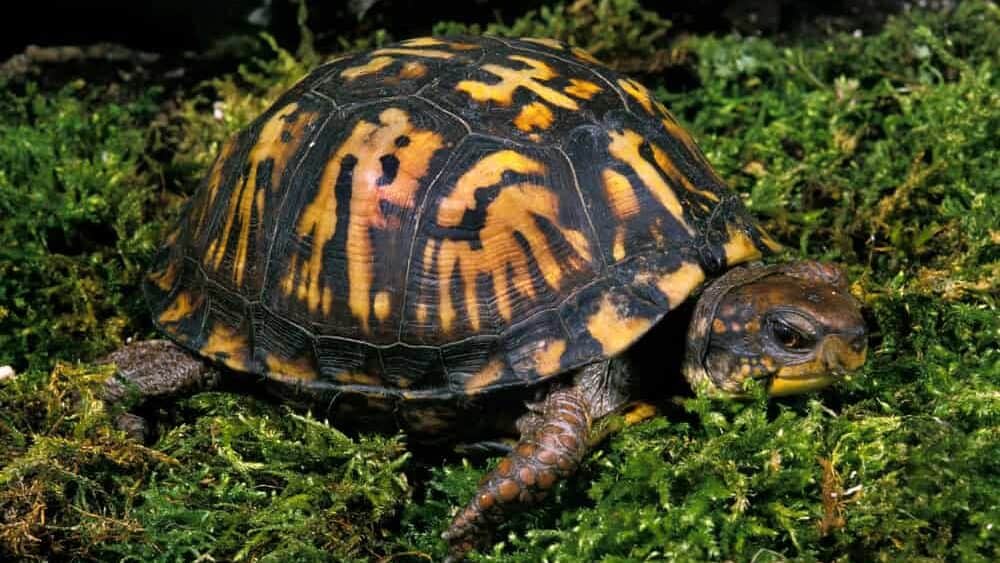
The turtle holds profound cosmological significance across numerous Native American traditions, particularly among Northeastern Woodland tribes like the Lenape, Iroquois, and Anishinaabe. In many creation stories, Turtle offers its back as the foundation upon which the earth is formed, giving rise to the common indigenous name for North America: Turtle Island. The Iroquois Confederacy tells how Sky Woman fell from the heavens, and muskrat brought mud from the ocean depths to place on Turtle’s back, which grew into the land where humans would live. This portrayal of Turtle as the earth-bearer reflects indigenous understanding of the creature’s stability, patience, and enduring nature.
Beyond its cosmological role, Turtle symbolizes longevity, protection, fertility, and persistence. The thirteen sections on a turtle’s shell corresponded to the thirteen moons of the yearly cycle for many tribes, connecting Turtle to time-keeping and seasonal wisdom. Turtle imagery appears frequently in tribal art, particularly in carved fetishes, wampum belts, and pottery. The creature’s ability to withdraw into its protective shell when threatened offers teachings about self-protection and establishing boundaries. Among the Anishinaabe, the Midewiwin Medicine Society uses the turtle shell as a symbol in its sacred scrolls. Today, the turtle remains a powerful emblem of indigenous identity and environmental stewardship, reminding Native peoples of their responsibility to care for Turtle Island and maintain balance with all creation.
Eagle: Messenger to the Creator
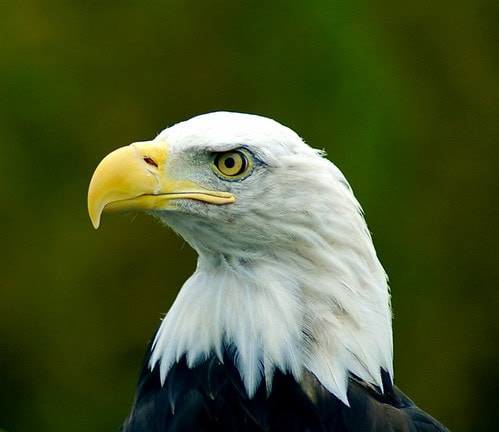
Revered across virtually all Native American cultures, the eagle occupies the highest position among bird beings, considered the primary messenger between the human world and the Creator. With its ability to fly higher than any other bird, the eagle can carry prayers directly to the spiritual realm. The golden and bald eagles are considered especially sacred, with strict protocols surrounding the handling of eagle feathers, which are used in the most important ceremonies and regalia. These feathers are believed to connect the bearer to spiritual power and are traditionally earned through acts of courage, wisdom, or healing service to the community.
Eagle medicine represents clarity of vision, spiritual connection, and the courage to face life’s challenges. The Zuni people associate eagles with the six sacred directions, while Cherokee traditions tell of eagles helping to create the first fire. The eagle’s exceptional eyesight—able to spot prey from great distances—symbolizes foresight and perspicacity in human affairs. Many tribes maintain eagle dances that honor this powerful bird and seek to invoke its protective qualities. Even today, the Eagle Feather Law acknowledges the bird’s sacred status by allowing only enrolled tribal members to possess eagle feathers for religious purposes. When an eagle appears during important events or ceremonies, it is widely interpreted as a powerful spiritual affirmation across tribal nations, reinforcing the bird’s enduring significance in Native American spiritual life.
Snake: Guardian of Knowledge

Snakes hold complex symbolic significance across Native American cultures, often associated with transformation, renewal, and hidden knowledge. Unlike the negative connotations in Judeo-Christian traditions, serpents frequently appear as benevolent or ambivalent forces in indigenous stories. The snake’s ability to shed its skin represents rebirth and renewal, making it a powerful symbol of transformation and healing. Among Southwestern tribes like the Hopi and Pueblo peoples, the horned serpent Avanyu or Palulukon guards underground water sources and brings beneficial rain when properly honored. The Lakota speak of Unktehi, a powerful water serpent that maintains balance in aquatic ecosystems.
Snake symbolism appears prominently in mound-building cultures of the Southeast and Midwest, where the Great Serpent Mound in Ohio represents one of the most significant ancient earthworks in North America. The Southeastern Ceremonial Complex featured numerous snake motifs in its iconography, connecting serpents to agricultural fertility and cosmic order. The movement of snakes—seemingly without limbs—was considered mysterious and indicative of supernatural power. Medicine people in various tribes studied snake behavior to learn about healing plants, as certain snakes were observed seeking specific herbs after injury. Snake dances remain important ceremonial practices in some tribes, particularly among Pueblo peoples, where the sinuous movements of dancers mimic serpentine undulation to invoke rain and fertility. The rattlesnake’s warning before striking was particularly respected as an example of fair dealing, teaching humans to give clear warnings before taking defensive action.
Salmon: Symbol of Abundance

For tribes of the Pacific Northwest, including the Coast Salish, Chinook, and Tlingit peoples, salmon represent far more than mere sustenance—they embody a sacred covenant between humans and the natural world. According to traditional stories, Salmon were originally people who transformed themselves into fish, voluntarily sacrificing their bodies to feed human communities. This sacrifice came with strict obligations: humans must treat salmon with profound respect, returning their bones to the water after consumption so the fish could regenerate and return the following year. The First Salmon Ceremony, practiced with variations among coastal tribes, honors the first salmon catch of the season with ritual, prayer, and communal sharing, establishing the proper relationship for the fishing season ahead.
Salmon symbolize persistence, determination, and the circular nature of existence. Their remarkable journey—born in freshwater, migrating to the ocean to mature, then returning to their exact birthplace to spawn and die—represents the cycle of life, death, and renewal. Totem poles and ceremonial objects frequently feature salmon imagery, recognizing their central importance to coastal cultures. Traditional ecological knowledge regarding salmon habitat, behavior, and conservation was sophisticated and sustainable, maintaining healthy populations for thousands of years before European contact. Today, many Northwest tribes lead salmon restoration efforts, fighting for dam removal, habitat protection, and treaty fishing rights. These efforts represent not just environmental activism but spiritual obligation—maintaining the ancient covenant with Salmon People who continue to offer themselves for human survival when properly respected.
Deer: The Sacrifice

Deer hold a special place in numerous Native American spiritual traditions, embodying gentleness, sensitivity, and the capacity for self-sacrifice. For woodland tribes like the Cherokee, Muscogee (Creek), and Lenape, deer represented one of the most important food sources, providing not only meat but also hides, sinew, bones, and antlers for practical and ceremonial use. This dependence fostered deep spiritual connections, with many tribes performing specific ceremonies before hunting to request the deer’s willing sacrifice. The Cherokee tell stories of how Deer won the race to become the chief of animals but chose to sacrifice this position to feed the people, establishing a sacred covenant between humans and deer.
Deer medicine teaches alertness, grace under pressure, and the balance between vulnerability and survival. Many tribes observe taboos against wasting any part of the deer or speaking disrespectfully about them, as such behavior could cause the deer spirits to withhold themselves from future hunters. The Deer Dance remains an important ceremony among tribes including the Yaqui and various

- The Secret Language of Dolphins Decoded by Researchers - July 20, 2026
- 7 Animals That Can Survive Extreme Environments You Couldn’t - July 20, 2026
- The Longest Snake Ever Found in the U.S. - July 20, 2026