

Throughout history, humans have observed animals behaving strangely before earthquakes, tsunamis, storms, and other natural disasters. These behaviors were often dismissed as coincidence or superstition. However, modern science has confirmed what ancient cultures have long believed: many animals possess sensory capabilities that allow them to detect environmental changes long before our most sophisticated technology. From subtle shifts in air pressure to imperceptible ground vibrations, these animals serve as nature’s early warning systems.
The ability of animals to predict natural disasters isn’t mystical—it’s biological. Many species have evolved highly specialized sensory organs that far surpass human capabilities. These adaptations allow them to detect minute environmental changes that signal impending disasters. As climate change increases the frequency and severity of natural disasters worldwide, understanding these animal warning systems has never been more valuable. This article explores 13 remarkable animals with the ability to sense disasters before they strike, potentially saving countless human lives.
Elephants: The Seismic Sensors

Elephants possess an extraordinary ability to detect seismic vibrations through their feet, making them exceptional at sensing earthquakes and tsunamis before they arrive. Their sensitivity is so acute that they can detect these vibrations from distances exceeding 100 miles. This remarkable capability stems from specialized fat pads in their feet that transmit ground vibrations to their inner ears and brain. During the devastating 2004 Indian Ocean tsunami, numerous accounts described elephants in Thailand and Sri Lanka moving to higher ground hours before the waves struck, saving both themselves and, in some cases, tourists who followed them.
Scientists have discovered that elephants also communicate using low-frequency infrasound that travels through the ground—sounds too low for human ears to detect. This natural “seismic communication network” makes them particularly attuned to unusual vibrations that precede earthquakes. Research conducted at Stanford University has shown that elephants can distinguish between different types of vibrations, allowing them to differentiate between natural phenomena like distant thunderstorms and the more threatening seismic activity of an impending earthquake or tsunami.
Dogs: Detecting More Than We Realize

Dogs’ remarkable sensory capabilities extend far beyond their well-known sense of smell. With hearing that detects frequencies up to 65,000 Hz (compared to humans’ 20,000 Hz), dogs can perceive the initial compression waves of earthquakes that precede the more destructive shear waves. This gives them precious minutes of warning before humans notice anything amiss. Their behavior often changes dramatically before disasters—becoming anxious, barking unusually, refusing to enter buildings, or attempting to lead their owners outside. During the 1975 Haicheng earthquake in China, officials partially based their decision to evacuate the city on reports of unusual dog behavior, potentially saving thousands of lives.
Beyond earthquakes, dogs have demonstrated sensitivity to impending weather disasters. Their ability to detect drops in barometric pressure and changes in static electrical fields helps them sense approaching tornados and hurricanes. Some service dogs are now specifically trained to alert their owners to impending seizures, diabetic episodes, and even certain types of cancer—suggesting their disaster-sensing abilities may stem from a broader capacity to detect subtle physiological and environmental changes that escape human perception.
Snakes and Lizards: Fleeing Before the Shaking
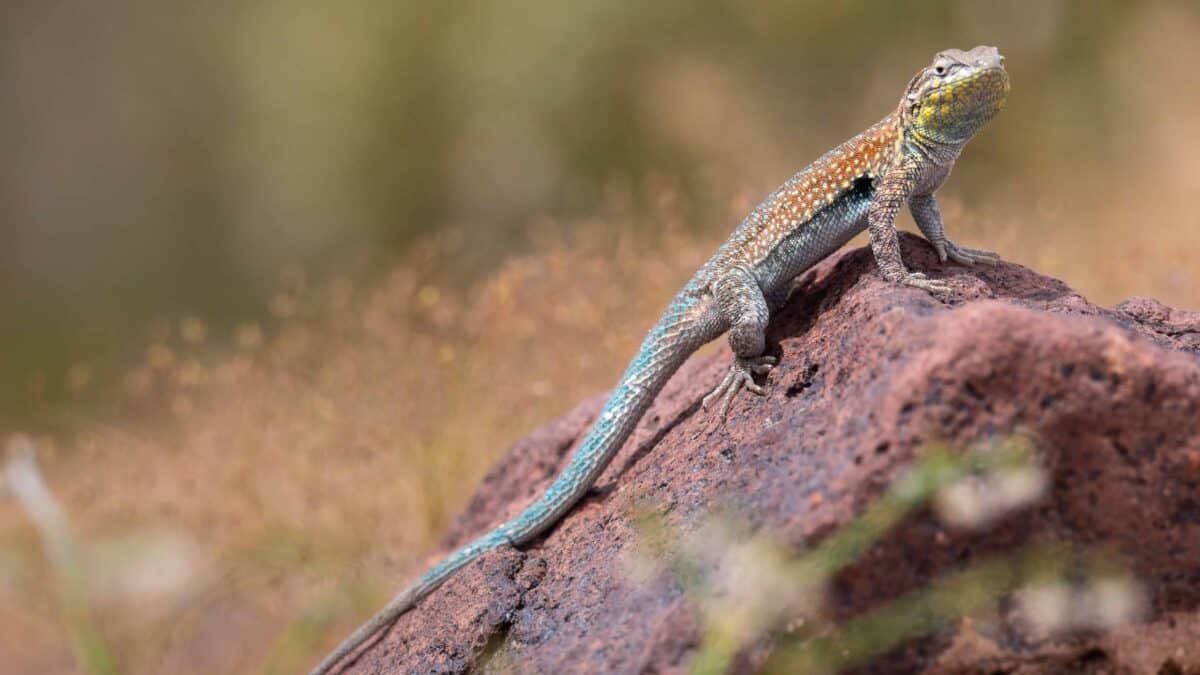
Reptiles like snakes and lizards possess specialized organs that make them particularly sensitive to seismic activity. Snakes rely on their jawbones, which directly contact the ground, to detect vibrations. This unique adaptation allows them to perceive minute ground movements days before major earthquakes occur. During the devastating 2008 Wenchuan earthquake in China’s Sichuan province, witnesses reported seeing large numbers of snakes emerging from hibernation and slithering across roads in freezing weather three days before the 7.9 magnitude quake struck—behavior completely contrary to their normal patterns.
Lizards demonstrate similar predictive abilities through different mechanisms. Many species have specialized sensory cells in their feet that can detect subtle ground vibrations and electromagnetic changes. Studies conducted after major earthquakes have consistently shown that reptile populations often abandon their habitats en masse before disaster strikes. In areas near active fault lines, monitoring unusual reptile movements has become part of some early warning protocols. The Chinese seismological bureau has even experimented with snake behavior observation stations as part of their earthquake prediction efforts, demonstrating the growing scientific recognition of these animals’ predictive capabilities.
Birds: The Atmospheric Monitors
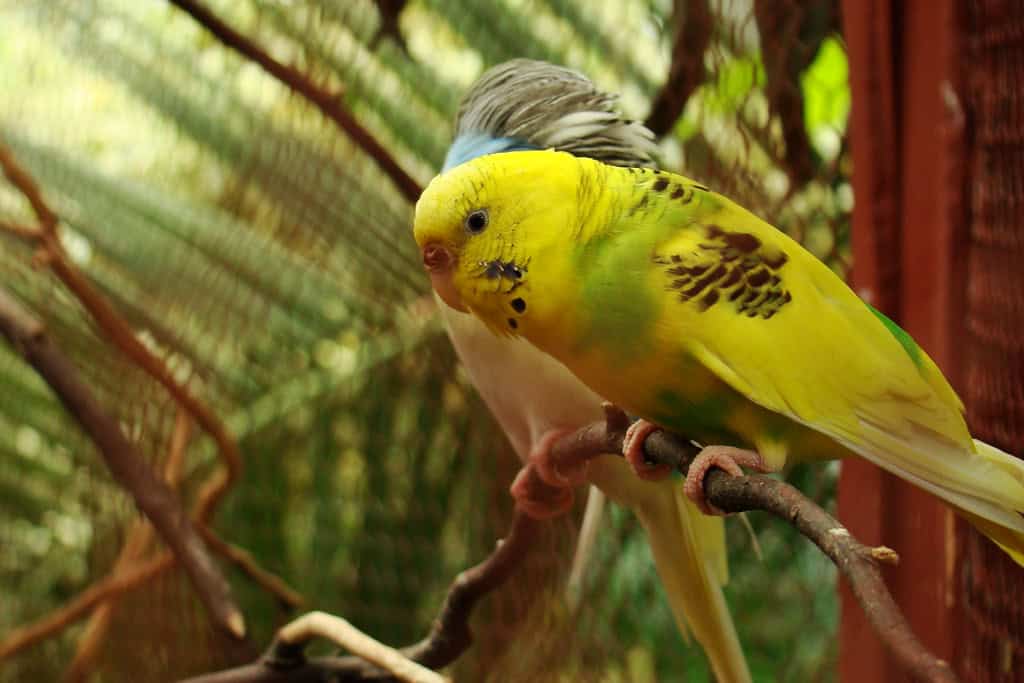
Birds’ unique sensory adaptations make them exceptional detectors of atmospheric changes preceding storms, hurricanes, and other weather disasters. Their ability to sense shifts in barometric pressure, detect infrasound (low-frequency sound waves), and perceive changes in air and water currents provides them with advance warning of approaching weather systems. Researchers have observed that many bird species will suddenly disappear from an area 24-48 hours before major storms, as they detect and respond to environmental signals imperceptible to humans. During Hurricane Irma in 2017, weather radar captured massive flocks of birds evacuating Florida days before the hurricane made landfall.
Beyond weather detection, birds may also sense impending seismic activity. Unusual bird behavior—including disorientation, abandoning nests, or flying in confused patterns—has been documented before earthquakes throughout history. Scientists believe birds may detect changes in the Earth’s magnetic field that occur before seismic events, thanks to magnetoreceptor cells containing magnetite in their upper beaks. These cells, which help birds navigate during migration, may also alert them to the magnetic anomalies that often precede earthquakes. In parts of Japan and China, abnormal bird behavior is considered a traditional warning sign of impending earthquakes.
Bees and Insects: Tiny Detectors

Honey bees and other insects possess extraordinary sensitivity to environmental changes that often precede natural disasters. Bees can detect minute variations in air ionization, electromagnetic fields, and vibrations through specialized receptors on their antennae and legs. Before earthquakes, they exhibit distinctive behaviors: becoming unusually agitated, stopping foraging flights, and remaining in their hives even during optimal weather conditions. A 2019 study published in Scientific Reports documented how bee colonies in Northern California showed measurable behavioral changes 24 hours before several moderate earthquakes, suggesting their potential value as biological earthquake monitors.
Other insects demonstrate similar predictive abilities through different mechanisms. Ants, with their complex underground networks, often evacuate their colonies en masse before floods and earthquakes, carrying their eggs and larvae to safer ground. This behavior stems from their sensitivity to changes in soil moisture, vibration, and potentially even gas emissions that precede these events. Scientists have also observed butterflies and moths exhibiting unusual migratory patterns before major storms. These tiny creatures’ disaster-sensing abilities highlight how the most sophisticated environmental monitoring systems sometimes come in the smallest packages, utilizing sensory mechanisms that evolved over millions of years.
Sharks and Deep-Sea Fish: Oceanic Forecasters
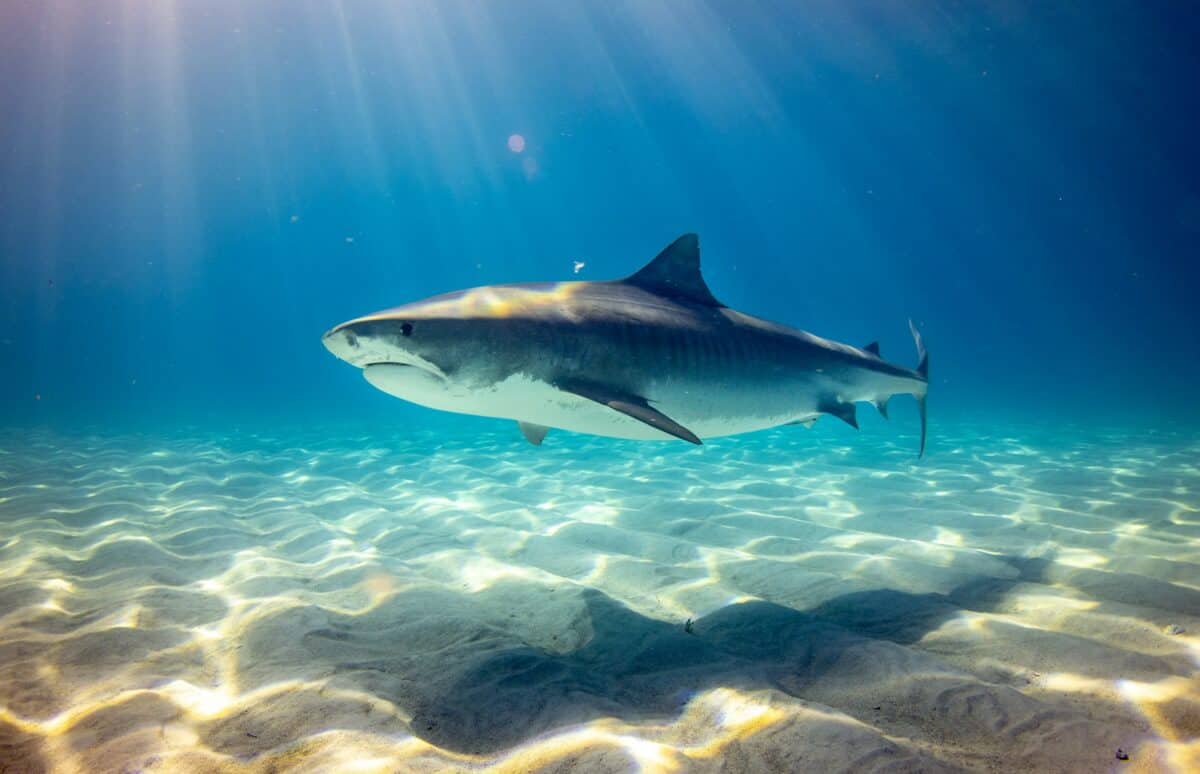
Sharks possess one of nature’s most sophisticated sensory systems for detecting environmental changes in ocean conditions. Their bodies contain specialized electroreceptor organs called ampullae of Lorenzini that can detect minute electrical fields generated by muscular contractions of other creatures and, significantly, by seismic activity on the ocean floor. Before underwater earthquakes and tsunamis, sharks often exhibit unusual behavior, such as swimming into deeper waters or moving away from coastlines. During the 2004 Indian Ocean tsunami, fishermen reported seeing unusually large numbers of deep-sea fish and sharks in shallow waters days before the disaster—creatures that normally remain in deeper ocean regions.
Other deep-sea fish demonstrate similar predictive behaviors through different mechanisms. Catfish, particularly in Japan, have historically been associated with earthquake prediction due to their heightened sensitivity to electrical changes in water. They become noticeably more active, swimming erratically and sometimes even jumping out of the water before seismic events. This phenomenon is so well-documented in Japanese culture that catfish appear in traditional art depicting earthquakes. Modern research has validated these observations, with studies showing that certain fish species can detect P-waves (the first, faster-moving seismic waves) that precede the more destructive S-waves of an earthquake, giving them crucial advance warning.
Toads and Frogs: Amphibian Alarms
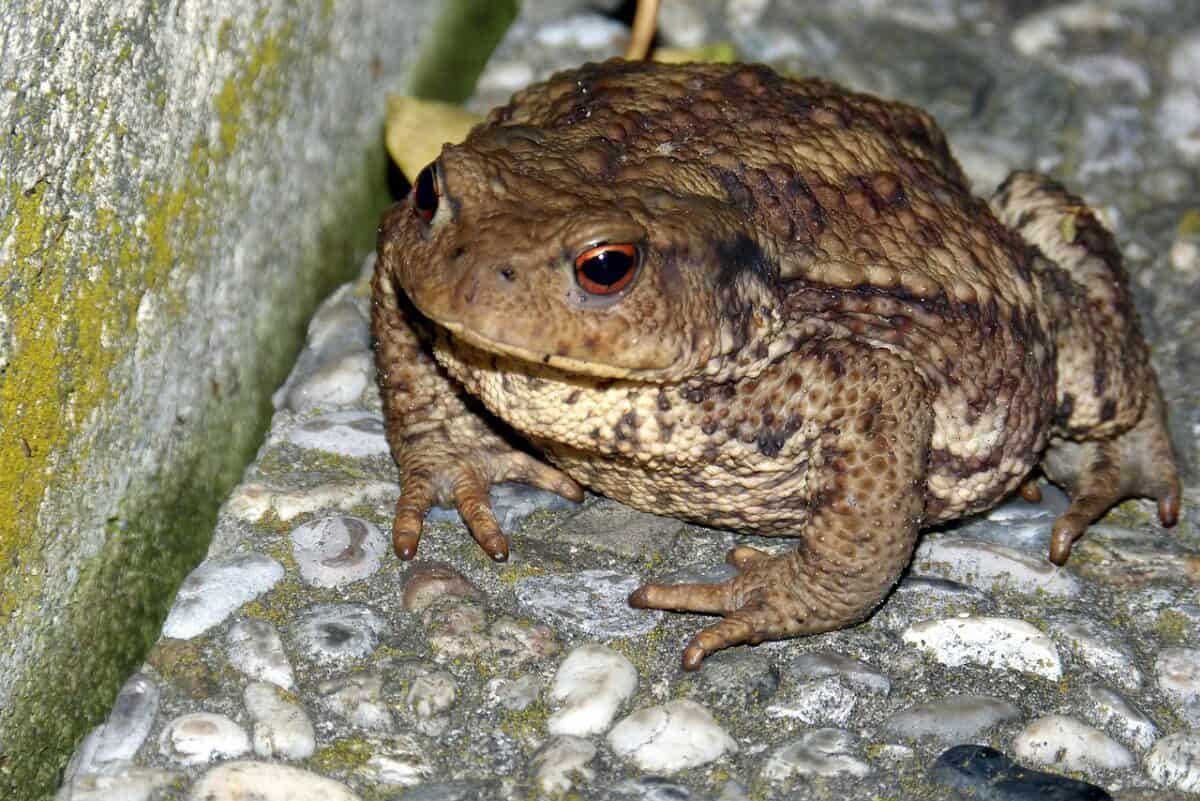
Amphibians like toads and frogs serve as exceptional biological indicators of environmental changes preceding disasters due to their permeable skin and dual aquatic-terrestrial lifestyle. Their skin absorbs water and air directly, making them highly sensitive to chemical changes in both environments. A groundbreaking study published in the Journal of Zoology documented the mass exodus of common toads from their breeding site in L’Aquila, Italy, five days before a devastating 6.3 magnitude earthquake struck the region in 2009. Remarkably, the toads didn’t return to their breeding ponds until several days after the last significant aftershock, demonstrating a precise awareness of when the danger had truly passed.
Scientists believe amphibians may detect changes in groundwater chemistry that occur when rocks are under stress before earthquakes. During this pre-seismic period, charged particles called ions are released from compressed rocks, potentially altering groundwater composition in ways that amphibians can detect through their sensitive skin. Additionally, frogs and toads can sense minute changes in air pressure and humidity that precede storms and hurricanes, often changing their characteristic croaking patterns or seeking shelter well before humans detect approaching weather systems. Their remarkable sensitivity makes them living barometers and seismographs, with behaviors that indigenous communities have interpreted as natural warning signs for centuries.
Horses and Other Hoofed Animals: Ground Vibration Specialists
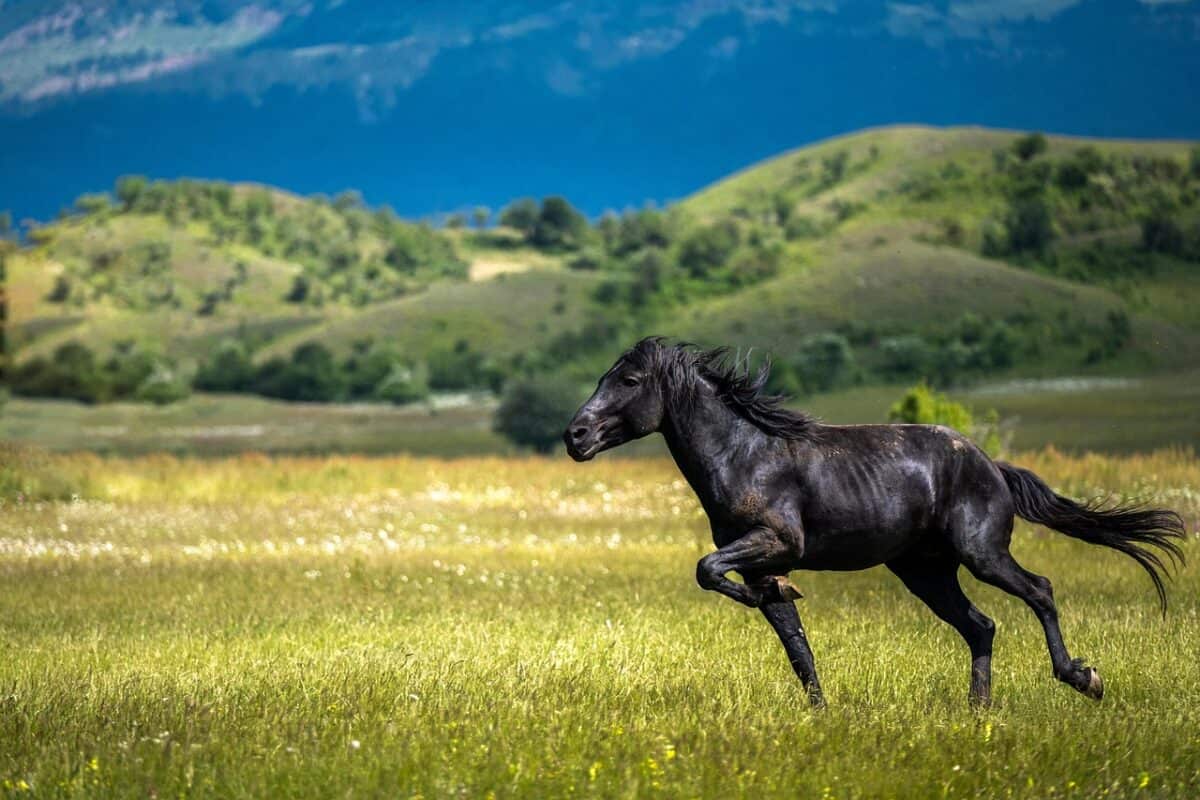
Horses, with their large body mass and sensitive hooves, excel at detecting ground vibrations and changes in air pressure that precede earthquakes and severe storms. Their hooves contain structures called laminae that are filled with blood vessels and nerve endings, creating a sophisticated vibration detection system. Historical accounts from ancient China to modern California describe horses becoming increasingly agitated, refusing to enter stables, and attempting to break free from enclosures hours before major earthquakes. During the 1906 San Francisco earthquake, numerous reports documented horses showing extreme distress the night before the disaster, with some refusing to cross bridges that would later collapse.
Other hoofed animals demonstrate similar predictive behaviors. Cattle often align themselves in north-south directions before storms, possibly responding to changes in the Earth’s magnetic field. Goats and sheep have been observed moving to higher ground before landslides and floods, sometimes days before visible warning signs appear. Wildlife biologists studying ungulates (hoofed mammals) in earthquake-prone regions have noted that these animals appear to perceive the P-waves of earthquakes—the primary compression waves that travel faster than the destructive S-waves—giving them crucial minutes or even hours of warning. Their evolutionary adaptation to detect predators through ground vibrations has inadvertently equipped them to sense natural disasters long before human technology can.
Flamingos: The Pink Predictors
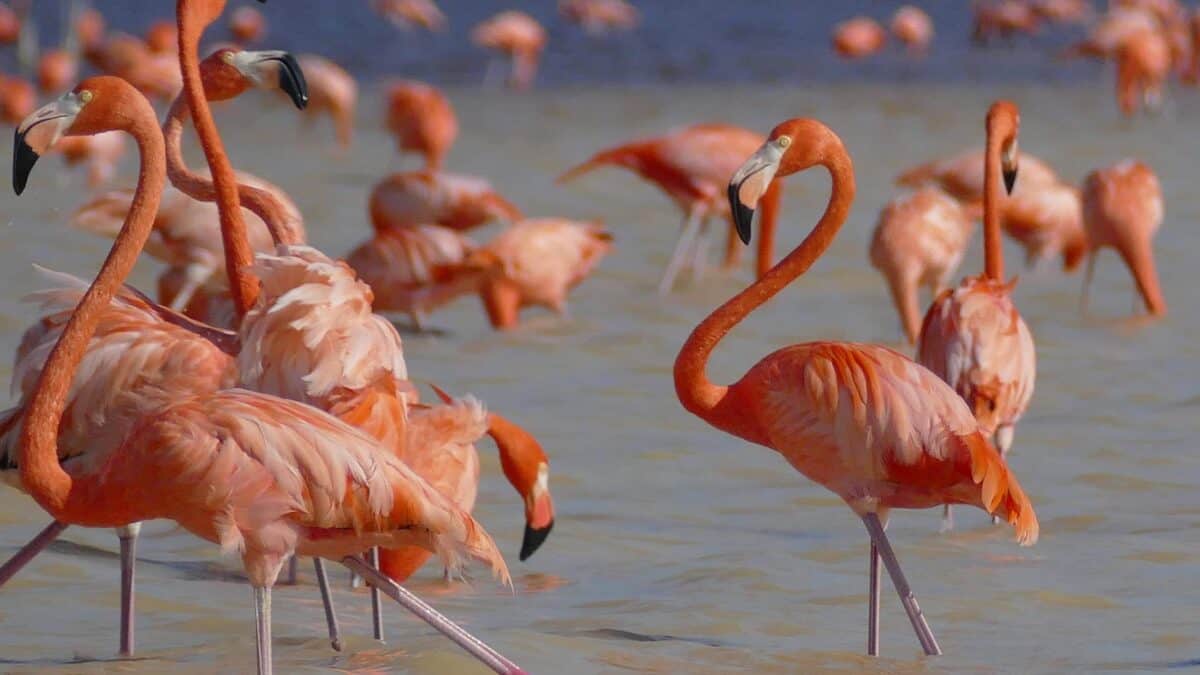
Flamingos exhibit remarkable predictive behaviors before hurricanes and severe storms, often abandoning their coastal habitats 12-24 hours before human meteorologists issue warnings. These distinctive birds possess specialized sensory mechanisms that allow them to detect subtle barometric pressure changes and alterations in water currents that precede major weather events. During Hurricane Andrew in 1992, researchers at Zoo Miami observed their flamingo flock huddling together in protective formations nearly a full day before the hurricane’s arrival, displaying an innate understanding of the coming danger. Similar behaviors have been documented in wild flamingo populations throughout the Caribbean and Gulf Coast regions.
Beyond weather prediction, flamingos demonstrate sensitivity to seismic activity affecting their shallow water habitats. Their long legs, constantly in contact with the ground beneath shallow water, may function as vibration detectors. Studies in the Rift Valley lakes of East Africa, where flamingos gather in massive numbers, have documented sudden mass departures from certain lakes days before nearby volcanic activity or earthquakes. Scientists hypothesize that these birds may detect chemical changes in the water caused by pre-seismic gas releases or subtle temperature fluctuations that humans cannot perceive. Their pink coloration, ironically, comes from carotenoid pigments in the algae and small crustaceans they consume—the very food sources that might change in composition before geological events, potentially serving as another indicator that triggers their predictive behaviors.
Dolphins and Whales: Acoustic Masters

Dolphins and whales possess perhaps the most sophisticated underwater detection systems in the animal kingdom, making them exceptional at predicting oceanic disasters. Their echolocation abilities allow them to perceive sound waves traveling through water at frequencies far beyond human hearing, potentially detecting seismic activity hundreds of miles away. Before tsunamis, these marine mammals often seek deeper waters or different coastal areas, behaviors that fishermen in tsunami-prone regions have learned to recognize as warning signs. During the 2004 Indian Ocean tsunami, numerous reports described dolphins and whales moving to deeper waters hours before the waves struck, with some even appearing to herd smaller marine creatures away from danger.
Cetaceans’ predictive abilities extend beyond tsunamis to include hurricanes and major storms. Their sensitivity to barometric pressure changes and water current shifts allows them to detect developing tropical storms days before they intensify. Scientists studying dolphin and whale populations have noted consistent patterns of movement away from areas about to experience severe weather events. Additionally, these animals can detect subtle changes in ocean chemistry that may precede underwater volcanic eruptions or seismic events. Some researchers believe that monitoring the movements of tagged dolphins and whales could provide valuable data for developing more effective early warning systems for coastal communities vulnerable to oceanic disasters.
Rats and Rodents: The First to Flee

The expression “like rats leaving a sinking ship” has a scientific basis in rodents’ exceptional ability to predict disasters. Rats possess highly developed senses that make them particularly attuned to environmental changes preceding earthquakes and floods. Their whiskers can detect minute air pressure variations, while their acute hearing captures infrasound vibrations traveling through the ground. These capabilities explain why rats are often observed fleeing buildings and underground burrows en masse before earthquakes. In Haicheng, China, a mass exodus of rats in the winter of 1975 was one of several animal behaviors that prompted officials to evacuate the city hours before a 7.3 magnitude earthquake, potentially saving thousands of lives.
Other rodents demonstrate similar predictive behaviors through different mechanisms. Squirrels have been observed gathering extra food and reinforcing their nests days before severe storms that human meteorologists hadn’t yet detected. Prairie dogs seal the entrances to their burrows before floods, often well before water levels visibly rise. Scientists believe these behaviors stem from rodents’ evolutionary adaptations to survive in vulnerable underground habitats where early detection of threats is essential. Their nervous systems are particularly sensitive to environmental stressors, causing measurable physiological changes when they detect signals of impending disasters. This combination of sensory acuity and instinctual response makes rodents some of nature’s most reliable disaster predictors, despite their often-maligned reputation.
Cows: Barnyard Barometers

Cattle demonstrate surprising sensitivity to environmental changes that precede natural disasters, particularly weather-related events. Research published in the journal Applied Animal Behaviour Science has documented how cows consistently lie down when rain is approaching, contrary to the folk belief that they do so to keep a dry spot for themselves. Scientists believe this behavior relates to their ability to detect decreasing air pressure that precedes storms. Additionally, dairy farmers have reported noticeable decreases in milk production 24-48 hours before major weather events, suggesting physiological responses to environmental changes humans cannot perceive. During tornado seasons in the American Midwest, unusual cattle clustering or restlessness has been documented before destructive storm systems develop.
Beyond weather prediction, cows show sensitivity to seismic activity through their specialized hoof structure. Like horses, their hooves contain numerous nerve endings that detect ground vibrations. Before earthquakes, cattle often refuse to enter barns, demonstrate circular movement patterns, or vocalize more frequently than normal. A study conducted by the United States Geological Survey found that cattle fitted with GPS trackers showed measurable changes in movement patterns up to 20 hours before earthquakes greater than magnitude 3.0. Their large body mass may make them particularly sensitive to the subtle ground movements that precede seismic events, functioning as living seismographs. Some agricultural regions in earthquake-prone areas now include cattle behavior monitoring in their disaster preparedness protocols.
Jellyfish: The Transparent Indicators

Jellyfish possess extraordinary sensitivity to changes in water pressure, temperature, and chemistry, making them exceptional indicators of oceanic disturbances. Their populations often surge in response to environmental stressors such as warming waters, overfishing of predators, and nutrient pollution that triggers algal blooms. These blooms create low-oxygen zones where many marine species cannot survive, but jellyfish thrive. As a result, their increasing abundance can signal broader ecosystem imbalances and declining ocean health. Scientists study jellyfish distribution and behavior as an early-warning system for climate change impacts and human-induced disruptions in marine environments.

- The Secret Language of Dolphins Decoded by Researchers - July 20, 2026
- 7 Animals That Can Survive Extreme Environments You Couldn’t - July 20, 2026
- The Longest Snake Ever Found in the U.S. - July 20, 2026