
California’s diverse ecosystems harbor a fascinating array of wildlife, including several venomous species that have evolved remarkable defense mechanisms. From the sun-drenched deserts of the south to the lush forests of the north, the Golden State is home to creatures that can deliver potentially dangerous venom through bites or stings. While the word “venomous” often triggers fear, understanding these animals and their behaviors is key to safe coexistence.
In this comprehensive guide, we’ll explore ten venomous animals found in California that deserve your respect and caution, along with five commonly misunderstood creatures that, despite their fearsome reputation, pose little threat to humans. Whether you’re hiking through the Sierra Nevada mountains or simply gardening in your backyard, knowing which animals warrant genuine concern and which are harmless can enhance both your safety and appreciation of California’s remarkable biodiversity.
The Western Diamondback Rattlesnake: California’s Most Notorious Venomous Resident
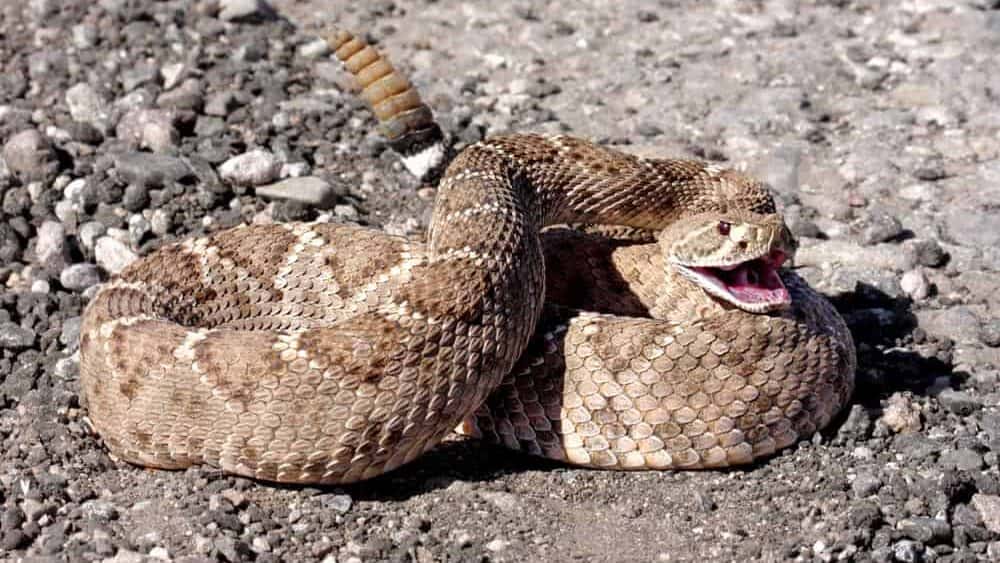
The Western Diamondback Rattlesnake (Crotalus atrox) is perhaps California’s most recognizable venomous reptile, distinguished by its diamond-patterned back, characteristic rattle, and potent hemotoxic venom. Growing up to 6 feet in length, these pit vipers are primarily found in the southeastern deserts and foothills of California. Their venom attacks the bloodstream, potentially causing tissue damage, internal bleeding, and in rare untreated cases, death.
Western Diamondbacks are responsible for more snakebites in the southwestern United States than any other species, though fatalities are rare due to available antivenom. These snakes are not aggressive hunters of humans and prefer to avoid confrontation, typically striking only when threatened or cornered. The distinctive warning rattle is an evolutionary adaptation that benefits both snake and human – it’s a clear signal to keep your distance, which these reptiles would much prefer you do.
The Northern Pacific Rattlesnake: Widespread and Dangerous
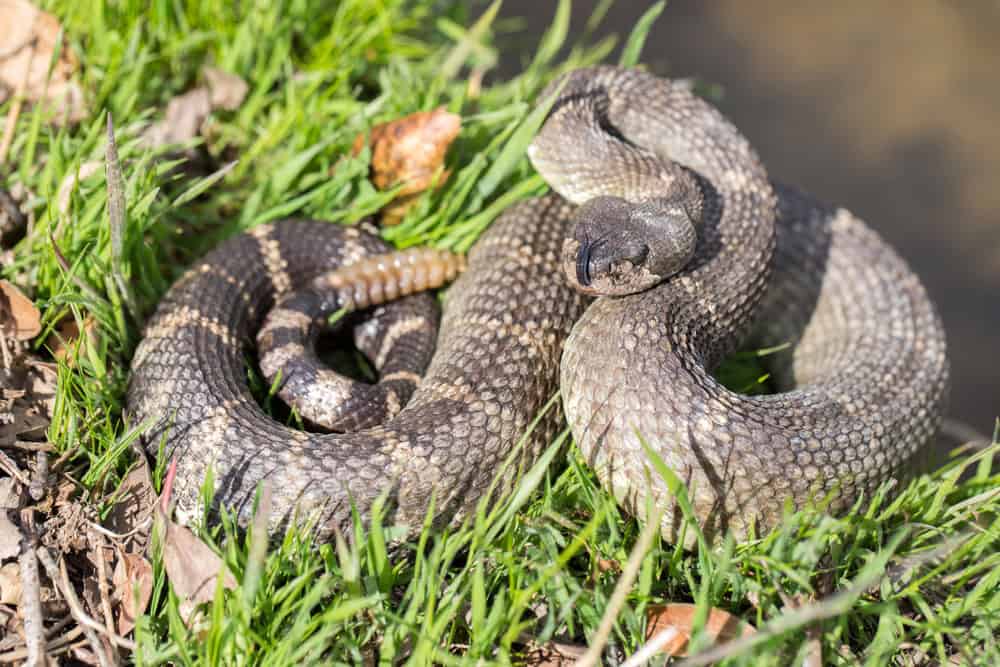
The Northern Pacific Rattlesnake (Crotalus oreganus) is California’s most widely distributed venomous snake, found from the coastal regions to the Sierra Nevada mountains. Smaller than its diamondback cousin, growing to an average of 3-4 feet, this rattlesnake adapts to various habitats including grasslands, forests, and rocky outcrops. Its venom contains a complex mixture of hemotoxins that can cause significant tissue damage, pain, and swelling.
What makes the Northern Pacific Rattlesnake particularly concerning is its wide range and adaptability, increasing the likelihood of human encounters. Hikers in Northern California are more likely to encounter this species than any other venomous snake. Like other rattlesnakes, they prefer to avoid human contact and will use their rattle as a warning system when feeling threatened. Medical attention should be sought immediately after any rattlesnake bite, as the venom can cause serious complications if left untreated.
The Mojave Rattlesnake: A Uniquely Dangerous Venom

The Mojave Rattlesnake (Crotalus scutulatus) stands out among California’s venomous snakes for its exceptionally potent venom, which contains both hemotoxic and neurotoxic components. Found primarily in the southeastern deserts of California, including the Mojave Desert from which it takes its name, this medium-sized rattlesnake appears similar to the Western Diamondback but possesses a venom that can attack both blood and nervous system. The neurotoxic effects can lead to respiratory paralysis, making Mojave Rattlesnake bites particularly dangerous medical emergencies.
Scientists have discovered that Mojave Rattlesnake populations have varying venom compositions, with some individuals producing predominantly neurotoxic venom and others primarily hemotoxic venom. This variation makes treatment more complex and underscores the importance of seeking immediate medical attention following any rattlesnake bite in Mojave Desert regions. Despite their dangerous venom, Mojave Rattlesnakes follow the typical rattlesnake behavior pattern of avoiding human contact when possible and using their rattle as a warning before striking.
The Black Widow Spider: California’s Notorious Arachnid

The Western Black Widow Spider (Latrodectus hesperus) is instantly recognizable by its glossy black body and distinctive red hourglass marking on the underside of its abdomen. Found throughout California in dark, undisturbed areas like wood piles, underneath stones, and in cluttered garages, these spiders have earned their fearsome reputation. Their venom contains alpha-latrotoxin, a powerful neurotoxin that can cause intense pain, muscle cramping, and in severe cases, respiratory difficulties.
Despite their dangerous reputation, black widow spiders are not aggressive and typically bite only when disturbed or threatened. Only female black widows possess venom dangerous to humans, and modern medical treatment means fatalities are extremely rare. Black widow bites require medical attention but are rarely life-threatening to healthy adults. People working in areas where these spiders are common should wear gloves and exercise caution when reaching into dark spaces where these reclusive arachnids might be hiding.
The Brown Recluse Controversy in California

The Brown Recluse Spider (Loxosceles reclusa) is often cited as a dangerous venomous resident of California, but this represents a common misidentification that deserves clarification. True brown recluse spiders are not native to California, despite numerous reported sightings. What California does have are several species of desert recluse spiders (particularly Loxosceles deserta in southern regions), which are related but generally less dangerous than their midwestern cousins.
These native recluse species do possess necrotic venom that can cause tissue damage, but documented bites are extremely rare. Many suspected “brown recluse bites” in California are actually other conditions misdiagnosed due to the spider’s notorious reputation. The desert recluse is found primarily in the southeastern desert regions of California and seldom encounters humans. Other harmless spiders like the folding-door spider or male hololena spiders are often mistakenly identified as brown recluses, perpetuating unnecessary fear. When in doubt, spider specimens should be identified by arachnology experts rather than assumed to be recluse spiders.
The Yellow-Faced Bumble Bee: A Beneficial Venomous Insect
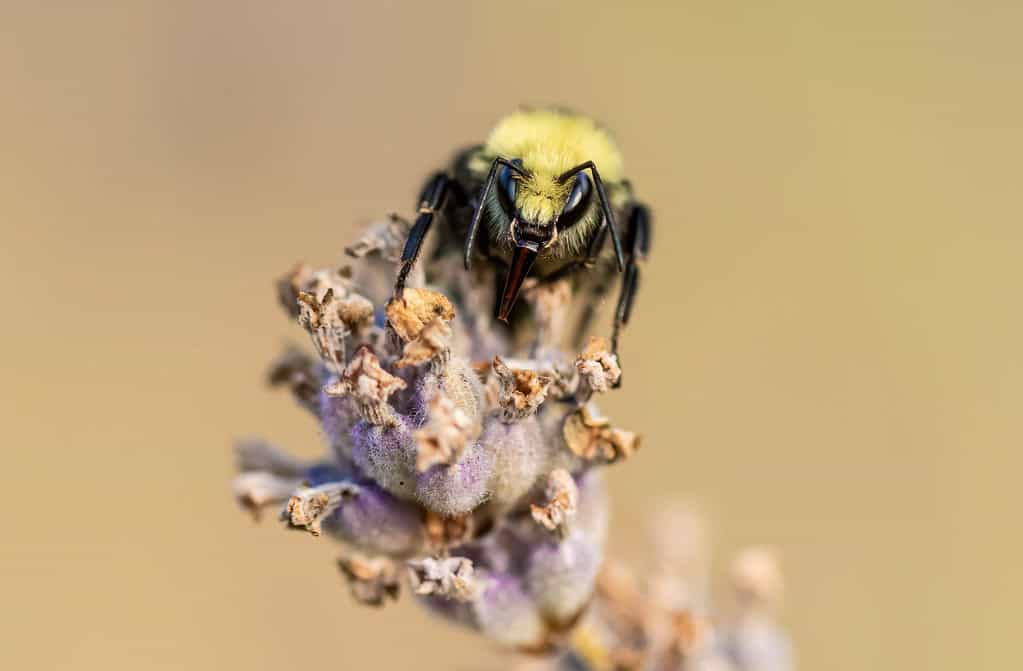
The Yellow-Faced Bumble Bee (Bombus vosnesenskii) represents an important reminder that venomous doesn’t always mean dangerous. These native California bees possess venom delivered through their stingers, primarily as a defense mechanism. Unlike honeybees, bumble bees can sting multiple times without dying, but they rarely sting humans unless directly threatened or handled. Their venom typically causes temporary pain, redness, and swelling in most people, though those with bee venom allergies may experience more severe reactions.
What makes these venomous insects remarkable is their critical ecological role as pollinators in California’s ecosystems. Yellow-faced bumble bees are among the most important native pollinators in the state, helping to sustain both wild plant populations and agricultural crops. Their ability to “buzz pollinate” – vibrating their bodies to release pollen from flowers – makes them particularly effective pollinators for certain plant species. Despite possessing venom, these bees exemplify how venomous animals can be beneficial rather than threatening, playing an essential role in maintaining California’s biodiversity and food production.
The Scorpions of Southern California

California is home to approximately 20 species of scorpions, with the majority found in the southern desert regions. The most medically significant is the Arizona Bark Scorpion (Centruroides sculpturatus), found in southeastern California along the Colorado River. Its venom contains neurotoxins that can cause intense pain, numbness, and in rare cases, more serious symptoms like difficulty breathing. While fatalities are extremely rare in the United States with modern medical care, their sting requires medical attention, especially for children and elderly individuals.
Other California scorpion species, such as the common Striped Scorpion (Centruroides vittatus) and the Desert Hairy Scorpion (Hadrurus arizonensis), possess less potent venom that typically causes only localized pain and swelling similar to a bee sting. Scorpions are nocturnal predators that feed primarily on insects and other small arthropods. They prefer to avoid human contact, stinging only when threatened or accidentally disturbed. Residents in scorpion-prone areas should shake out shoes and bedding before use, wear gloves when moving rocks or wood, and seal gaps in home foundations to prevent these venomous arachnids from entering living spaces.
The Cone Snails of California’s Coast

California’s coastal waters harbor some of the ocean’s most sophisticated venom delivery systems in the form of cone snails. The California Cone Snail (Conus californicus), the only cone snail species native to the state’s waters, possesses a modified radula tooth that acts like a harpoon to inject venom into prey and potential threats. Their complex venom contains numerous peptides that can cause pain, swelling, numbness, and in severe cases, muscle paralysis. While not as dangerous as some tropical cone snail species, the California Cone Snail deserves respect from beachcombers and tidepoolers.
Cone snail venom has gained significant attention in the medical community for its potential therapeutic applications. Researchers have discovered that certain compounds in cone snail venom can be more potent than morphine for pain relief without causing addiction. In fact, the FDA has approved ziconotide, a synthetic version of a cone snail venom compound, for treating severe chronic pain. This demonstrates how venomous animals often contribute valuable compounds to medical science even as their venom poses potential dangers to humans who handle them carelessly. Beach visitors should admire these beautiful mollusks from a distance and never pick up live cone snails with bare hands.
Stingrays: Hidden Dangers at the Beach
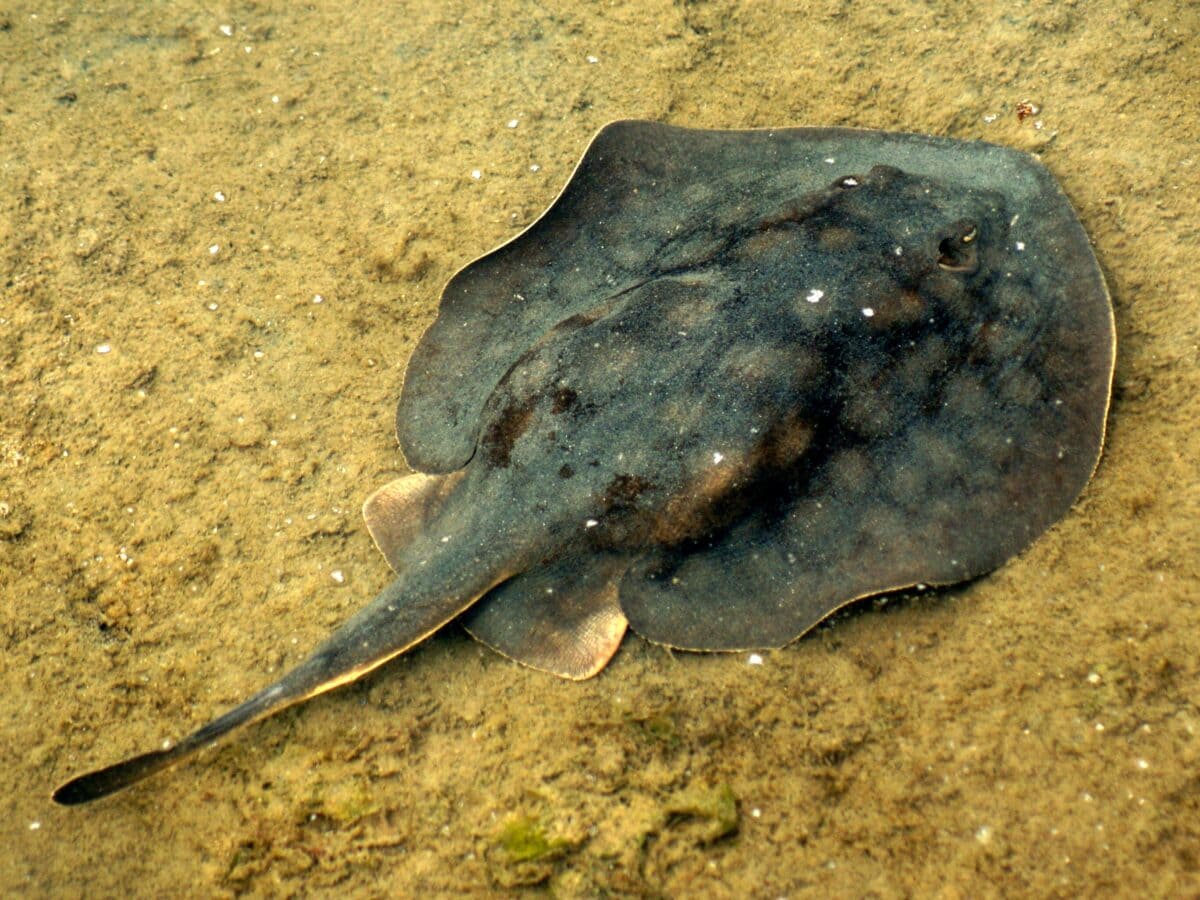
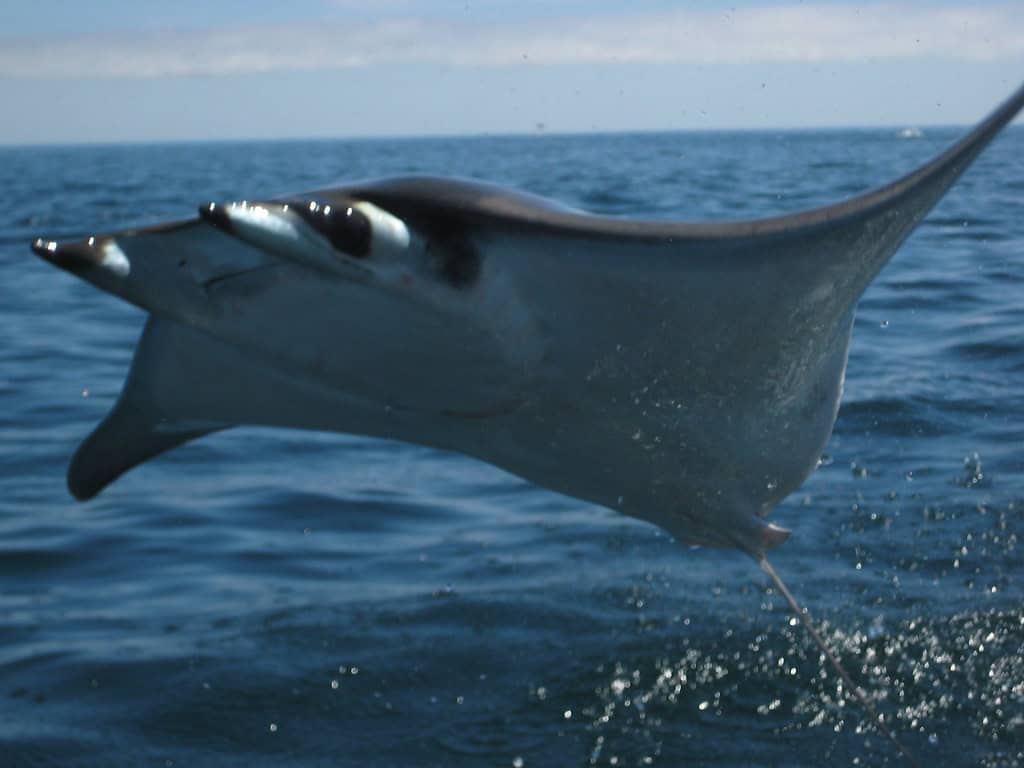
California’s coastal waters are home to several species of stingrays, including the Round Stingray (Urobatis halleri) and the Bat Ray (Myliobatis californica). These cartilaginous fish possess venomous spines at the base of their tails that deliver a painful defensive sting when stepped on or handled. Stingray venom causes intense pain, swelling, and in some cases, muscle cramps or allergic reactions. While rarely life-threatening, stingray injuries are among the most common marine venomous injuries along California beaches, with hundreds reported annually.
Stingrays typically lie partially buried in sandy bottoms in shallow waters, making them difficult to spot by waders and swimmers. The “stingray shuffle” – dragging feet through the sand rather than stepping down – is recommended to alert rays of human presence, giving them time to swim away. If stung, victims should rinse the wound with clean water and immerse the affected area in hot water (as hot as can be tolerated without burning) for 30-90 minutes to help neutralize the venom proteins. Medical attention should be sought for proper wound cleaning and treatment, as secondary infections are common complications of stingray injuries.
The Portuguese Man-of-War: An Occasional Visitor
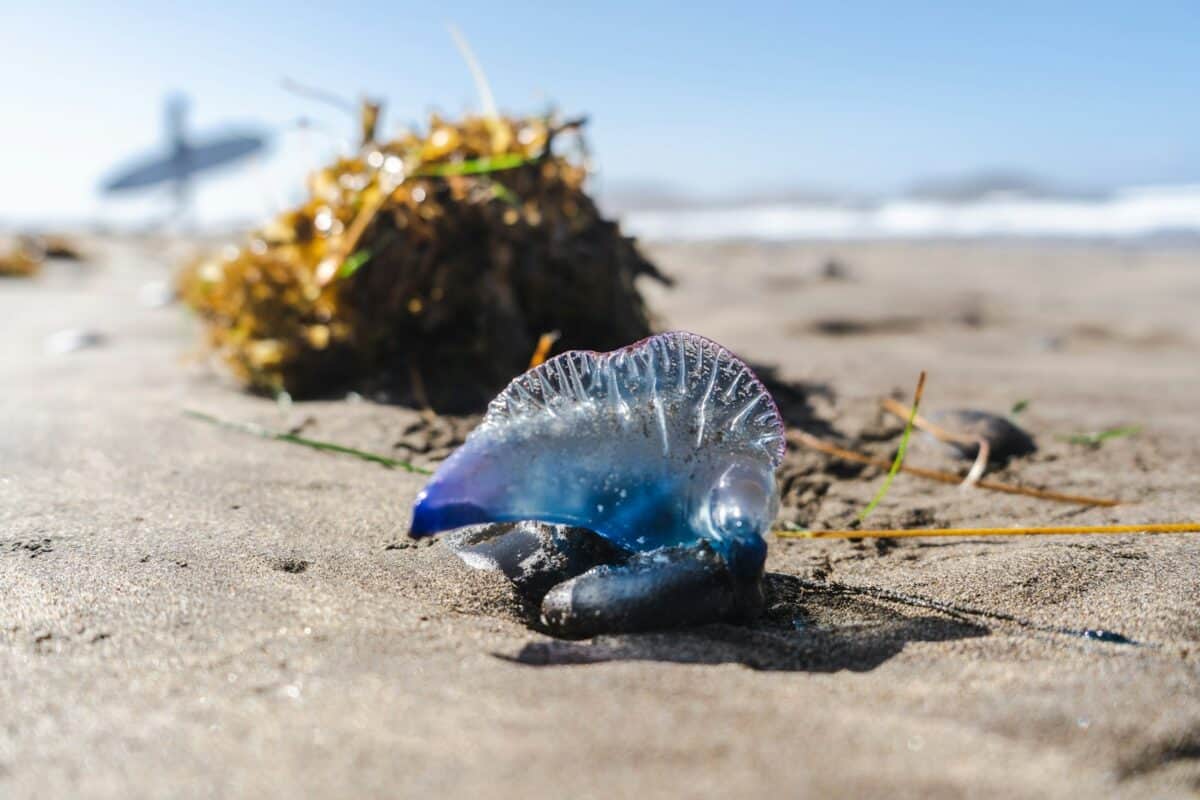
Though not a permanent resident of California waters, the Portuguese Man-of-War (Physalia physalis) occasionally drifts into the state’s coastal areas, particularly during El Niño years when warmer water currents push these dangerous cnidarians northward from their typical tropical habitats. Often mistaken for jellyfish, the Portuguese Man-of-War is actually a colonial organism composed of specialized individuals working together. Its distinctive purple-blue gas-filled float allows it to travel on ocean currents while trailing long venomous tentacles that can extend up to 100 feet below the surface.
The venom from a Portuguese Man-of-War contains neurotoxins and other compounds that cause intense pain, welts, and in severe cases, difficulty breathing, chest pain, or allergic reactions. What makes these organisms particularly hazardous is that their tentacles can sting even when separated from the main body and after washing up on beaches. Beachgoers should exercise extreme caution during reported Man-of-War sightings, avoiding swimming and keeping children and pets away from beach areas where these organisms or their detached tentacles might be present. Treatment for stings includes rinsing with seawater (never freshwater, which can trigger unfired stinging cells) and removing tentacles carefully with tweezers or a stick.
Five California Animals You Don’t Need to Fear
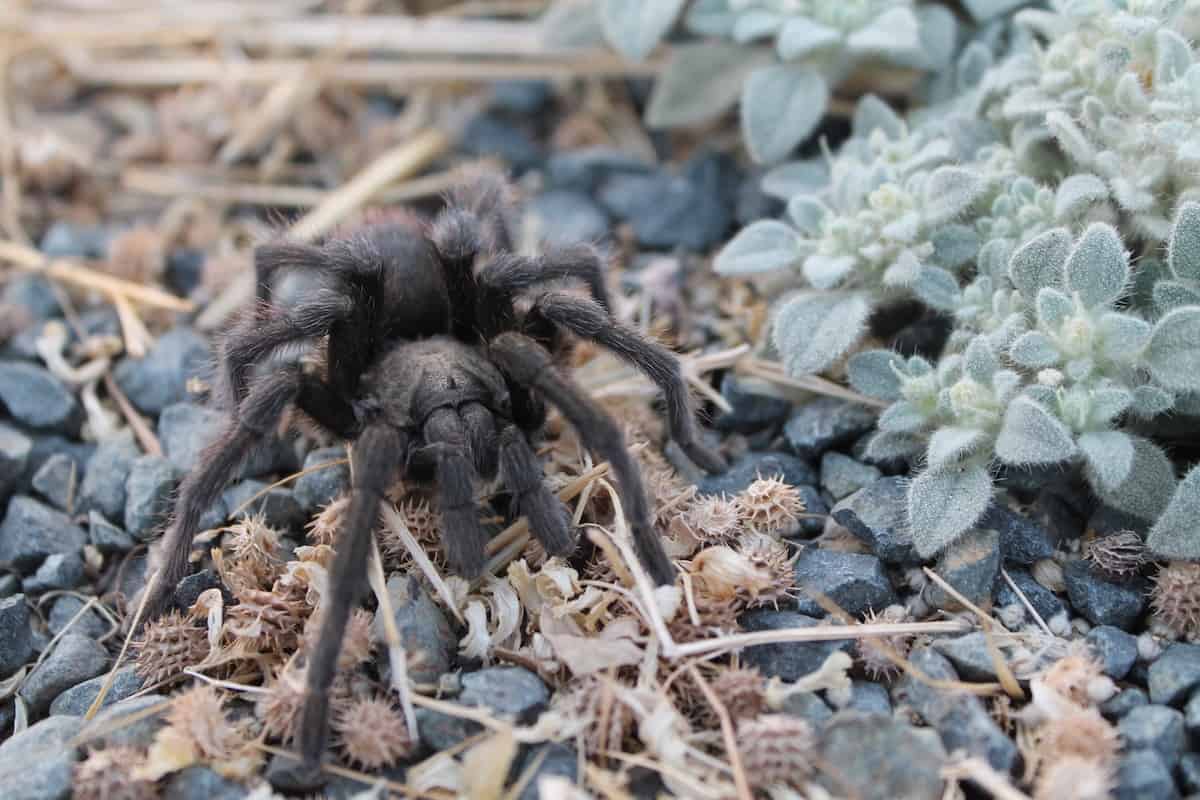
Despite their fearsome reputations, many California animals pose little actual threat to humans. The Tarantula, often feared for its large size and hairy appearance, possesses very mild venom that causes effects similar to a bee sting for most people. These gentle giants would much rather retreat than bite, using their impressive appearance as their primary defense. California is home to several species, including the California Ebony Tarantula, which males of can often be spotted crossing roads during mating season in the fall.
The California Kingsnake (Lampropeltis californiae) is frequently mistaken for venomous species due to its bold banded pattern, but these snakes are completely harmless to humans and actually benefit us by preying on rodents and venomous snakes, including rattlesnakes. The Alligator Lizard, with its aggressive defensive display and willingness to bite when handled, is often feared but possesses no venom. Similarly, the Pacific Gopher Snake may mimic rattlesnakes by flattening its head, hissing loudly, and vibrating its tail, but it’s a harmless and beneficial predator of rodents. Finally, the Daddy Longlegs or Harvestman, rumored to be extremely venomous but unable to bite humans, actually possesses no venom glands at all – completely debunking this persistent urban myth.
Conclusion: Respecting California’s Venomous Wildlife

California’s venomous animals represent an important aspect of the state’s rich biodiversity, playing crucial ecological roles as predators, prey, and even pollinators. While some species like rattlesnakes and black widow spiders deserve genuine caution, many others pose minimal risk when treated with appropriate respect. Understanding the actual rather than perceived dangers of these animals allows Californians to safely enjoy the state’s natural areas while appreciating these remarkable creatures from a respectful distance.
Education remains the best tool for coexisting with venomous wildlife, helping to replace fear with understanding and unnecessary killing with conservation. Many venomous species are facing population pressures from habitat loss, climate change, and direct persecution based on misunderstandings about their danger. By learning to identify venomous species, understanding their behaviors, and taking simple precautions, Californians can significantly reduce their already low risk of dangerous encounters.
Perhaps most importantly, the distinction between “venomous” and “dangerous” is crucial to remember. Many venomous animals rarely inject venom into humans or possess venom too mild to cause serious harm. Even medically significant venomous animals like rattlesnakes cause very few fatalities in the United States today thanks to available medical care. By maintaining a healthy respect without irrational fear, we can better appreciate these fascinating animals for what they truly are – remarkable evolutionary success stories and integral parts of California’s natural heritage.

- The Secret Language of Dolphins Decoded by Researchers - July 20, 2026
- 7 Animals That Can Survive Extreme Environments You Couldn’t - July 20, 2026
- The Longest Snake Ever Found in the U.S. - July 20, 2026