
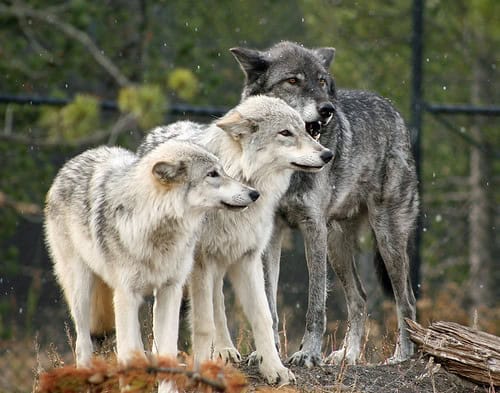
Wolves, the apex predators of the northern hemisphere, have developed sophisticated hunting strategies over thousands of years of evolution. Their coordinated hunting techniques aren’t merely instinctual—they involve complex social interactions, strategic planning, and adaptability. Before wolves embark on a hunt, they engage in specific behaviors that increase their chances of success. These preparations are fascinating glimpses into the intelligence and social structure that have made wolves such successful predators. However, even the most prepared wolf pack can face challenges when hunts don’t go according to plan. Understanding both their pre-hunt rituals and their contingency behaviors provides valuable insight into the remarkable adaptability of these iconic predators.
The Pack Gathering: Social Bonding Before the Hunt
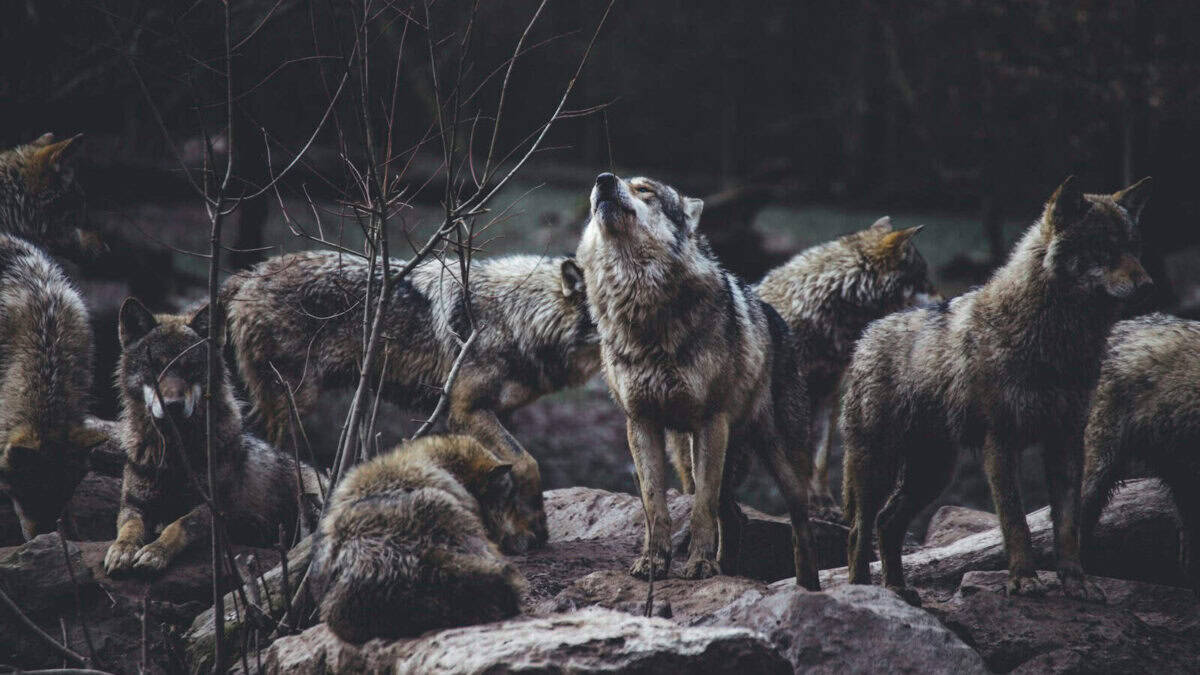
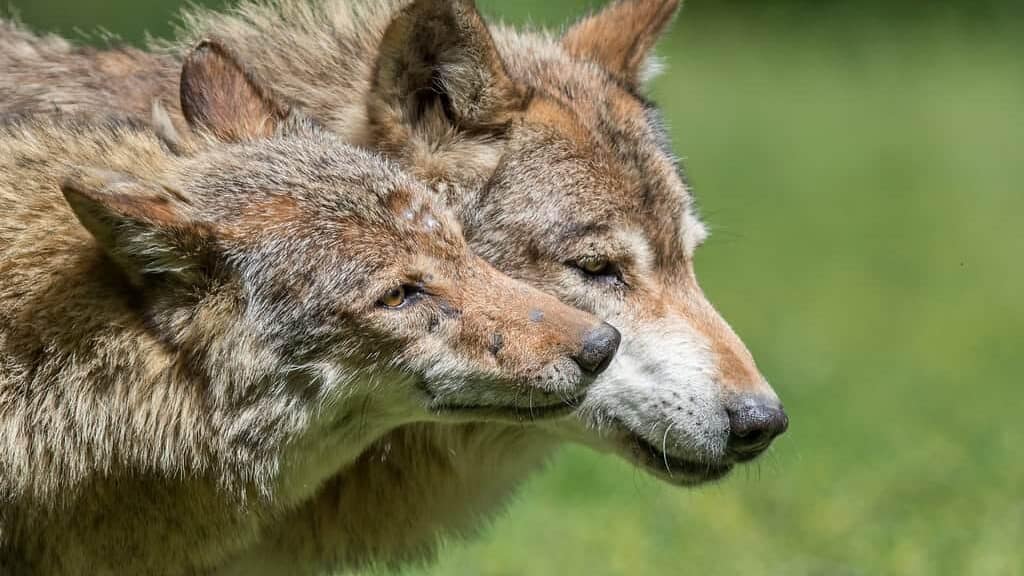
Before a hunt begins, wolves engage in elaborate social bonding rituals that strengthen pack cohesion. These gatherings typically involve the entire pack coming together in what researchers call a “rally”—a series of behaviors including face-licking, tail-wagging, and playful interactions. During these sessions, wolves reaffirm their social bonds through physical contact, vocalizations, and body language that serves to strengthen their collective identity.
These pre-hunt gatherings have a practical purpose beyond social bonding. They help synchronize the pack’s energy levels and establish the hunting hierarchy for that particular outing. The alpha pair—typically the breeding male and female—will take more central positions during these rallies, reinforcing their leadership before the physically demanding hunt begins. Research shows that packs that engage in longer pre-hunt bonding sessions tend to hunt more efficiently, demonstrating the crucial role that social cohesion plays in wolf hunting success.
Scouting the Territory: Strategic Planning
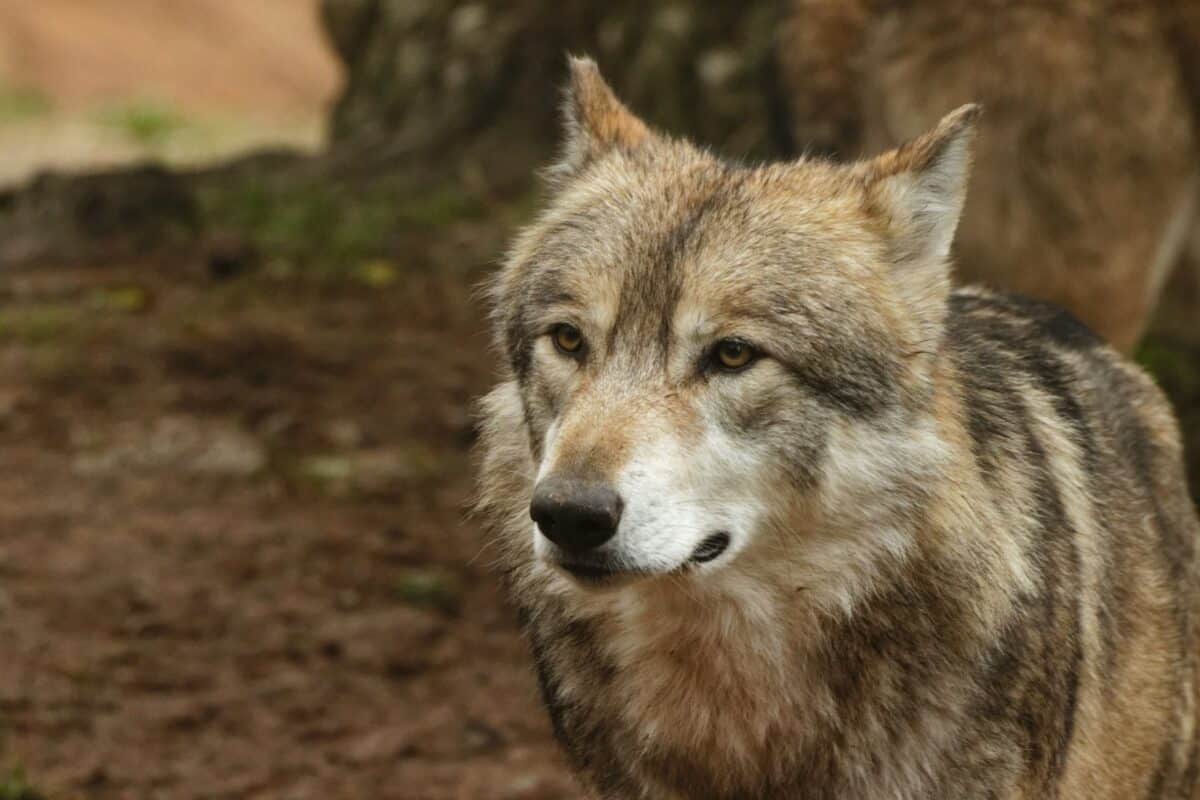
Wolves are methodical in their approach to hunting, and this begins with careful territory assessment. Before committing to a hunt, wolves will scout their hunting grounds extensively. The alpha wolves often lead this reconnaissance, using their experience to identify promising areas where prey might be vulnerable. They rely on their acute senses—particularly their extraordinary sense of smell, which is estimated to be up to 100 times more sensitive than a human’s—to detect prey that may be miles away.
During this scouting phase, wolves pay careful attention to environmental conditions like wind direction, terrain features, and weather patterns. They prefer to approach prey from downwind to prevent their scent from alerting potential targets. Wolves also identify potential ambush locations, escape routes, and natural barriers that could be used to their advantage during the hunt. This strategic planning demonstrates the remarkable cognitive abilities of wolves and their capacity for what some researchers describe as rudimentary tactical thinking.
Target Selection: Identifying Vulnerable Prey
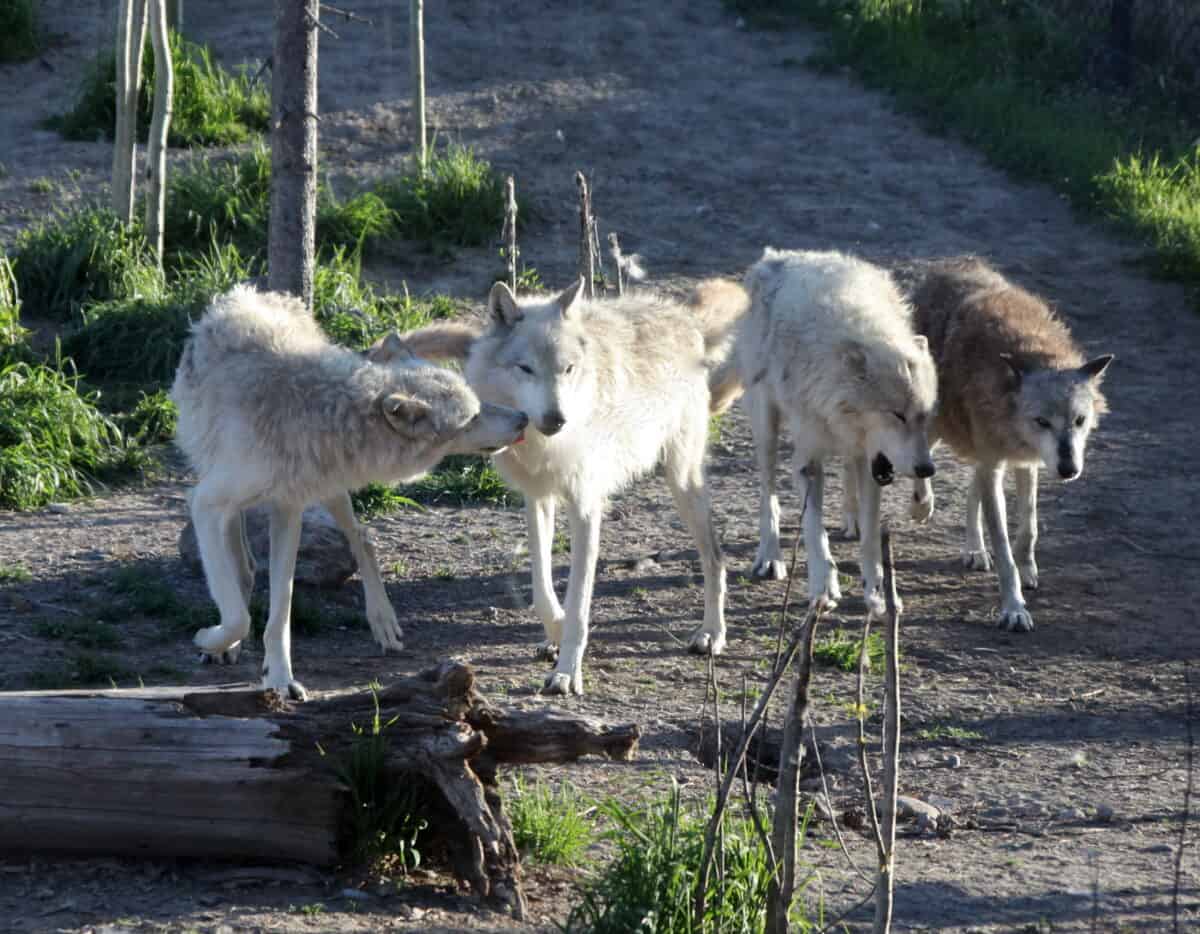
Wolves are selective predators, and a crucial pre-hunt behavior involves identifying the most vulnerable targets within a prey herd. Rather than randomly attacking any available animal, wolves spend time observing potential prey, looking for specific indicators of weakness. They target animals that show signs of illness, injury, advanced age, or youth—individuals that will require less energy to take down and pose less risk of injury to the pack members.
This selection process involves sophisticated assessment skills. Wolves can detect subtle signs of weakness, such as slightly irregular gaits, labored breathing, or animals that lag slightly behind the herd. Research from Yellowstone National Park has shown that wolf-killed elk are significantly more likely to have been suffering from arthritis, lung infections, or other debilitating conditions compared to the overall elk population. This selective predation actually benefits prey populations by removing genetically weaker individuals, demonstrating the ecological importance of wolves’ discriminating pre-hunt assessment.
Role Assignment: Delegating Hunt Responsibilities
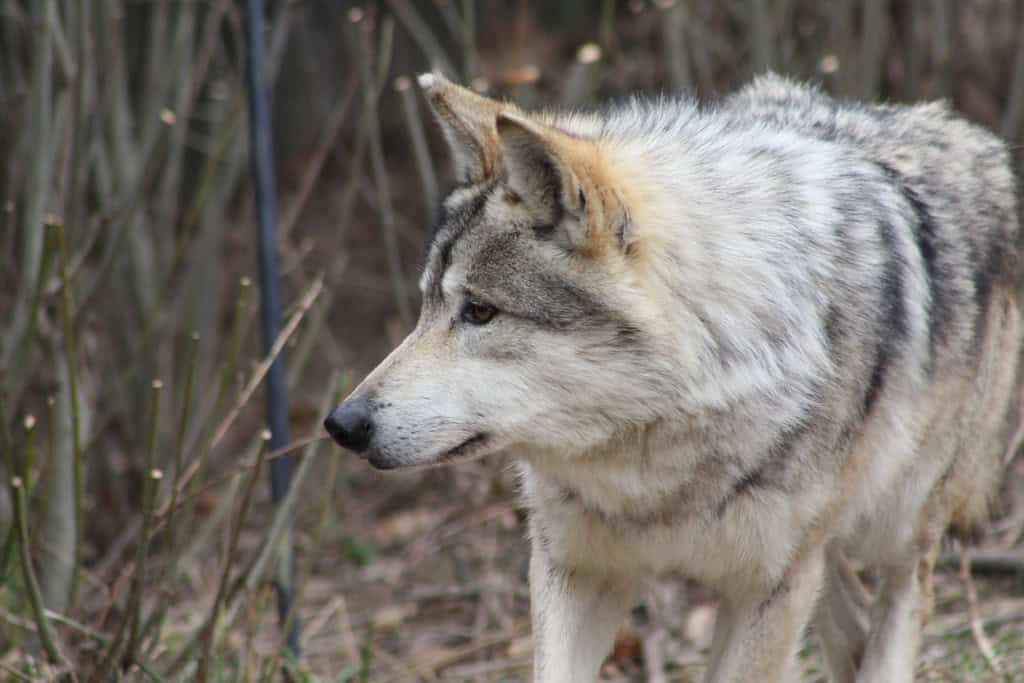
Before the actual chase begins, wolves engage in subtle but important role assignments within the pack. Different pack members take on specialized roles that maximize the group’s hunting efficiency. These roles aren’t randomly assigned but are based on each wolf’s individual strengths, experience, and position within the pack hierarchy. The alpha pair typically coordinates these assignments through body language and vocalizations that researchers are still working to fully decode.
Common hunting roles include “scouts” who track and locate prey, “ambushers” who position themselves to intercept fleeing animals, and “drivers” who flush prey toward waiting pack members. Younger or less experienced wolves may be assigned observer roles, allowing them to learn hunting techniques while minimizing risk. This division of labor represents one of the most sophisticated cooperative hunting strategies in the animal kingdom and significantly increases hunting success rates—studies show that hunting success can increase from about 14% for a lone wolf to over 40% for a coordinated pack.
Energy Conservation: Strategic Rest Periods

Wolves are remarkably efficient with their energy expenditure, and a critical pre-hunt behavior involves strategic rest periods. Before embarking on hunts that may require sustained chases over difficult terrain, wolves will often rest for extended periods, conserving their energy for the physically demanding pursuit ahead. These rest periods typically occur during daylight hours, as wolves are primarily crepuscular and nocturnal hunters who prefer to pursue prey in low-light conditions.
During these rest periods, wolves will often find sheltered locations where they can remain hidden while minimizing exposure to extreme temperatures. This energy conservation strategy is especially important in winter months when prey may be scarce and each hunting attempt represents a significant caloric investment. Research on wolf metabolic rates indicates that a hunting wolf expends approximately five times the energy of a resting wolf, underscoring the importance of these pre-hunt rest periods for successful predation. This calculated approach to energy management distinguishes wolves from many other predators and contributes to their hunting efficiency.
Synchronized Movement: Practicing Coordinated Approaches
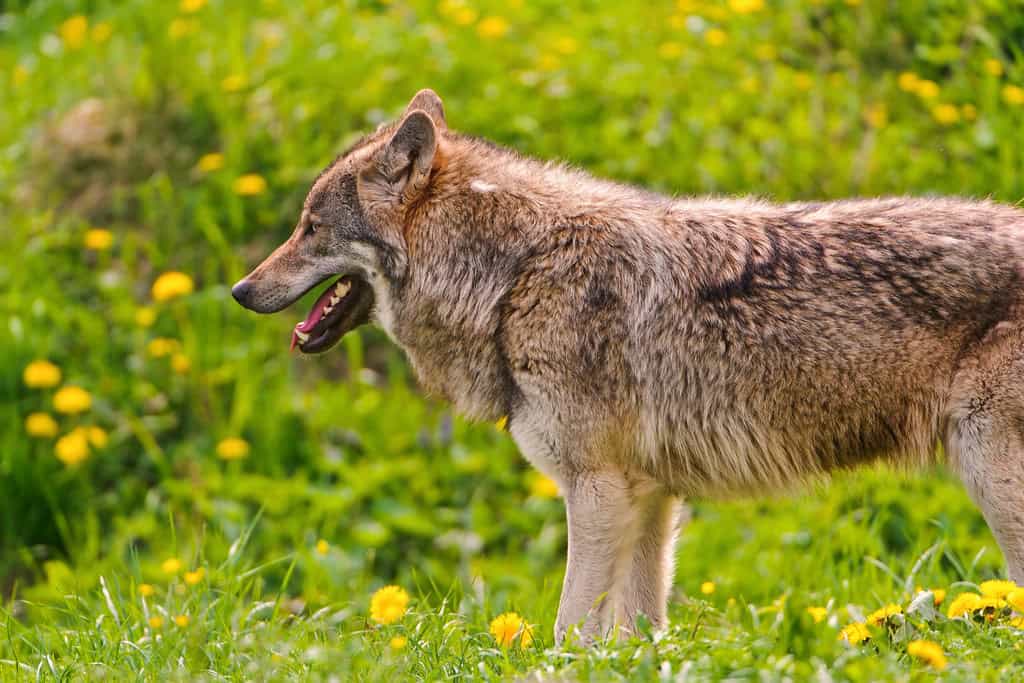
Before initiating the actual hunt, wolves engage in synchronized movement patterns that prepare them for the coordinated pursuit to come. Pack members will begin moving in increasingly harmonized ways, mirroring each other’s pace and direction as they transition from rest to active hunting. This behavior serves as both a physical warm-up and a way to establish the rhythmic coordination that will be essential during the chase phase of hunting.
Researchers studying wolf movement patterns have documented how packs will often practice specific formation movements before encountering prey. These formations vary based on terrain and prey type but typically involve spreading out in strategic patterns that maximize coverage while maintaining visual contact with other pack members. High-speed camera footage of hunting wolves shows remarkable synchronization in their movements, with split-second adjustments being communicated through subtle body language. This pre-hunt coordination is particularly important when wolves target larger prey like bison or moose, where precise positioning can mean the difference between a successful hunt and a dangerous confrontation.
Vocal Communication: Hunt-Specific Howling
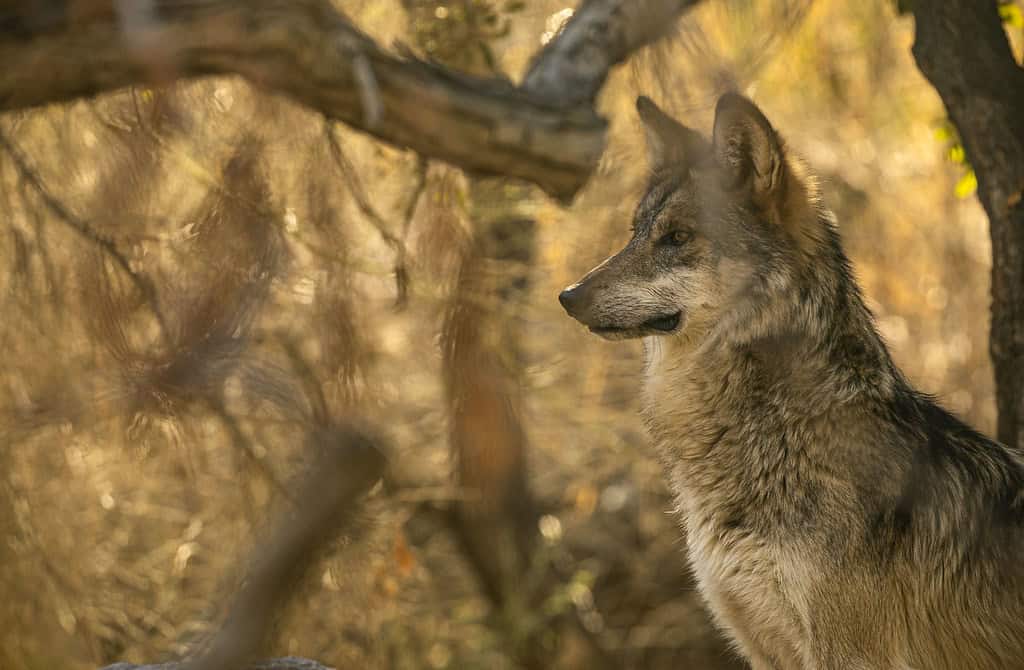
Wolves use distinct vocalizations as part of their pre-hunt preparation, with howling serving several practical purposes. Before a hunt, the pack’s howling pattern often changes subtly, becoming more frequent and taking on specific tonal qualities that experienced researchers can distinguish from other types of howls. These pre-hunt howls help coordinate pack members spread across their territory and communicate important information about prey location and movement.
Interestingly, wolves will often go silent immediately before approaching prey, switching to more subtle communication methods including body language and facial expressions. Studies using audio recording devices placed throughout wolf territories have revealed that packs develop distinctive “hunting dialects” with unique vocal patterns used specifically during pre-hunt organization. These vocalizations differ from territorial howls or social bonding sounds and appear to contain specific information about the type of prey being targeted and the intended hunting strategy. This sophisticated acoustic communication system represents one of the most advanced vocal repertoires among non-human mammals.
Scent Masking: Reducing Detection Risk

One of the most fascinating pre-hunt behaviors wolves engage in is active scent masking to reduce their detectability. Before approaching prey, wolves will sometimes roll in strong-smelling substances—including decomposing plant material, animal droppings, or even human-related scents like motor oil from roads. This behavior, which might appear odd to casual observers, serves the practical purpose of masking the wolves’ natural odor, making it harder for prey animals with keen senses of smell to detect their approach.
Research on wolf scent chemistry indicates that their natural body odor contains compounds that trigger immediate fear responses in prey species like deer and elk. By temporarily masking these telltale scent signatures, wolves can get significantly closer to prey before being detected. Tracking studies using GPS collars show that wolves employing scent-masking behaviors typically get an average of 30% closer to prey herds before being detected. This sophisticated understanding of olfactory dynamics demonstrates the remarkable adaptability of wolves and their ability to modify their hunting strategies based on their understanding of prey sensory capabilities.
Weather Assessment: Hunting in Favorable Conditions
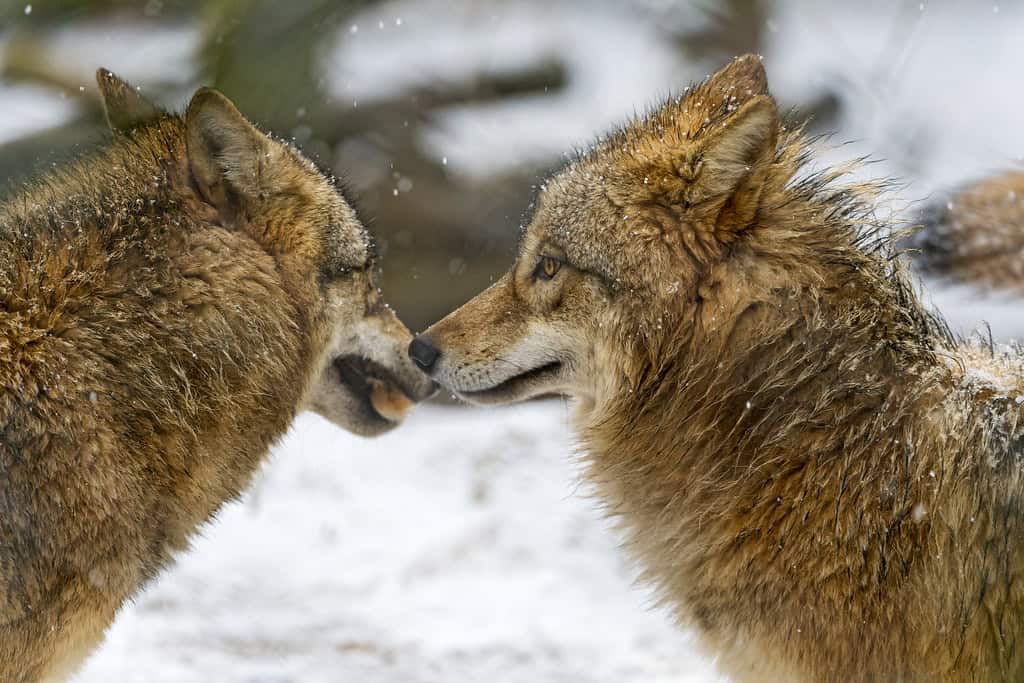
Wolves display remarkable sensitivity to weather conditions before initiating hunts, showing a clear preference for specific environmental circumstances that provide hunting advantages. They are particularly attuned to conditions that impair their prey’s primary defenses: vision, hearing, mobility, and stamina. Snow depth, precipitation, wind direction, and ambient temperature all factor into wolves’ pre-hunt decision-making, with packs often delaying hunts until conditions shift in their favor.
Studies tracking wolf hunting patterns in diverse environments from Alaska to Minnesota have shown that wolves are significantly more likely to initiate hunts during snowstorms, heavy rain, or extreme temperature conditions that stress prey animals. For example, deep snow dramatically increases wolves’ success rates against ungulates like deer, whose long legs and relatively narrow hooves sink deeply into snow, limiting their escape speed and endurance. Similarly, wolves often hunt during high winds, which not only mask the sounds of their approach but also interfere with prey animals’ ability to detect scents. This sophisticated weather assessment demonstrates wolves’ ability to integrate complex environmental factors into their hunting strategies.
Final Approach Positioning: The Pre-Strike Formation
In the final moments before initiating a hunt, wolves adopt specific pre-strike formations designed to maximize their chances of success. These formations vary based on terrain, prey type, and pack size, but they all share the common goal of optimizing the wolves’ initial attack position. The most common formation is a rough semicircle or crescent shape that allows wolves to simultaneously converge on prey from multiple angles, significantly reducing escape opportunities.
Wolves will often “freeze” in these pre-strike positions for several minutes, becoming almost stationary while maintaining intense focus on their targets. During this phase, even their breathing patterns change, becoming shallower and more controlled to reduce detectability. Thermal imaging studies of hunting wolves show that their body temperatures actually rise during this pre-strike positioning, indicating increased physiological readiness for the burst of activity to come. Pack members communicate their readiness through subtle ear positions and tail signals that are nearly imperceptible to human observers but clearly understood within the pack. This final positioning phase represents the culmination of all previous pre-hunt behaviors and sets the stage for the explosive action of the actual hunt.
When Hunts Fail: Strategic Retreat and Regrouping

Despite careful preparation, wolf hunts don’t always succeed—in fact, success rates typically range from 10-25% depending on prey type and environmental conditions. When a hunt goes wrong, wolves engage in a strategic retreat behavior that minimizes energy waste and reduces injury risk. Unlike some predators that may persist in failed hunts to the point of exhaustion, wolves are remarkably pragmatic, quickly recognizing when a hunt has failed and immediately terminating the chase.
After a failed hunt, wolves will regroup at a designated meeting area, often the same location where they gathered before the hunt. This regrouping serves multiple purposes: it allows the pack to account for all members, assess any injuries, and begin planning their next hunting attempt. Researchers have observed that wolves rarely show signs of frustration or aggression toward pack members after failed hunts—instead, the pack often engages in renewed social bonding behaviors, suggesting that maintaining group cohesion takes precedence over dwelling on hunting failures.
When Hunts Fail: Switching Prey Selection

A second adaptive response wolves display when hunts go wrong is rapidly switching their prey selection strategy. If a pack fails in an attempt to take down their primary target—such as an adult elk or moose—they will quickly reassess available prey options and often shift their focus to smaller, less challenging prey like beaver, hare, or small deer. This flexibility allows wolves to balance the energy expenditure of hunting against the nutritional return, ensuring the pack’s survival even when preferred prey proves too difficult to capture.
GPS tracking studies combined with field observations have documented cases where wolf packs shifted hunting strategies multiple times within a single night after failed attempts. This rapid tactical adaptation demonstrates the wolves’ remarkable cognitive flexibility and their ability to make complex cost-benefit calculations. Interestingly, research indicates that younger wolves learn this adaptive behavior by observing experienced pack members, highlighting how hunting knowledge is culturally transmitted within wolf societies. The ability to quickly pivot to alternative prey sources has been crucial to wolves’ success across widely varying ecosystems and seasonal conditions.
When Hunts Fail: Territorial Adjustment

The third major adaptation wolves make when hunting repeatedly fails is a more long-term strategy: territorial adjustment. If a pack experiences sustained hunting difficulties within their current territory, they will begin systematic exploration of new areas. This behavior typically starts with extended scouting missions by the most experienced pack members, who assess prey density, competing predator presence, and overall habitat suitability in adjacent areas. If these scouting missions identify more promising hunting grounds, the entire pack may gradually shift their core activity area.
Long-term studies of wolf movement patterns in places like Yellowstone National Park and the Superior National Forest have documented how packs adjust their territories in response to changing prey availability. These adjustments aren’t random—wolves preferentially expand toward areas with higher prey density while avoiding territories of stronger neighboring packs. The decision to shift territory represents a significant investment, as wolves must learn new landscape features, hunting routes, and safe denning areas. This capacity for territorial flexibility has been essential to wolves’ resilience in the face of habitat changes and has allowed them to successfully recolonize areas where they were previously extirpated.
Understanding the Remarkable Hunting Adaptations of Wolves

The elaborate pre-hunt behaviors of wolves reveal the remarkable intelligence and social sophistication that have made these predators so successful across diverse environments. From their strategic planning and role assignment to their ability to adapt when hunts fail, wolves demonstrate cognitive abilities that go far beyond simple instinct. These behaviors represent thousands of years of evolutionary refinement and are passed down through generations through observation and practice. The hunting strategies of wolves exemplify how social cooperation can create predatory capabilities far exceeding what individual animals could achieve alone. As we continue to study and understand these fascinating behaviors, we gain not only insight into wolf ecology but also a deeper appreciation for the complex intelligence of these iconic predators and their critical role in maintaining healthy, balanced ecosystems.

- The Secret Language of Dolphins Decoded by Researchers - July 20, 2026
- 7 Animals That Can Survive Extreme Environments You Couldn’t - July 20, 2026
- The Longest Snake Ever Found in the U.S. - July 20, 2026