


The Lone Star State’s diverse ecosystems harbor a fascinating array of wildlife, including several species equipped with potent venom. From the arid deserts of West Texas to the lush Piney Woods of the east, venomous creatures have adapted to thrive in various habitats across the state. While encountering these animals can be concerning, understanding their behaviors and identifying characteristics is crucial for both safety and appreciation of Texas’s natural heritage.
Not every intimidating creature poses a genuine threat, however. Several harmless species have evolved to mimic their more dangerous counterparts as a survival strategy. In this comprehensive guide, we’ll explore ten truly venomous animals that call Texas home, as well as five imposters that might give you a scare but pose little actual danger. Whether you’re hiking through Texas state parks, gardening in your backyard, or simply curious about local wildlife, this knowledge will help you navigate encounters with greater confidence and respect.
Western Diamondback Rattlesnake: Texas’s Infamous Serpent
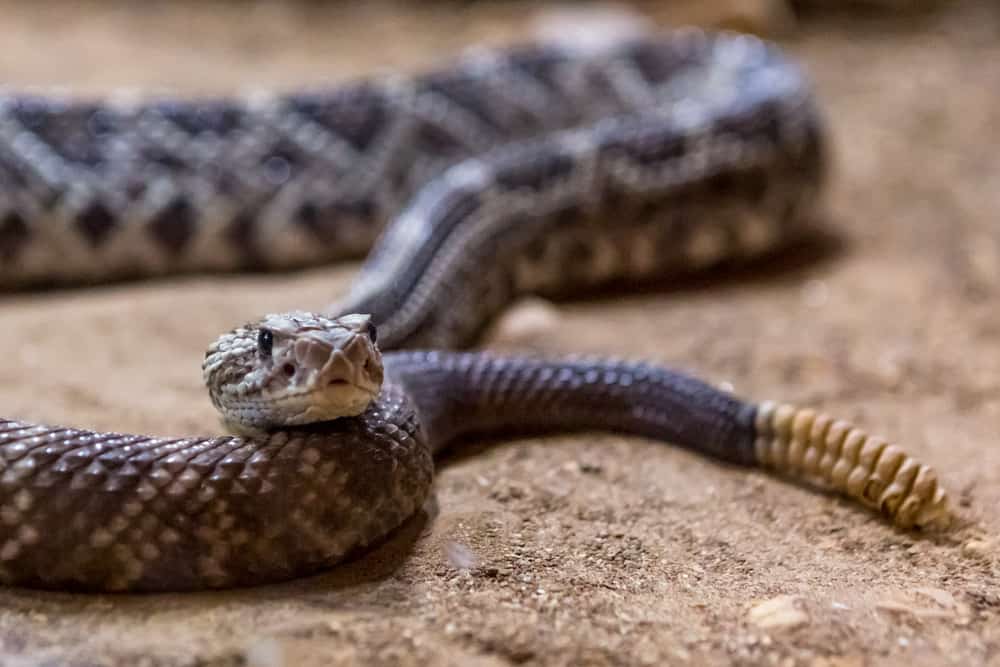
The Western Diamondback Rattlesnake (Crotalus atrox) stands as perhaps the most recognizable venomous reptile in Texas. Growing up to 7 feet long, this pit viper is identified by its distinctive diamond-patterned back, triangular head, and the namesake rattle at the tip of its tail. Its habitat spans nearly the entire state, from desert scrublands to rocky hillsides and grasslands, making it the most commonly encountered venomous snake in Texas.
What makes the Western Diamondback particularly dangerous is the combination of its aggressive temperament when threatened and its hemotoxic venom, which destroys tissue and prevents blood from clotting. According to Texas Parks and Wildlife Department data, this species is responsible for the majority of snakebite incidents in the state. Despite their fearsome reputation, rattlesnakes prefer to avoid human contact, using their iconic rattle as a warning system before striking defensively. Most bites occur when people accidentally step on these snakes or deliberately provoke them.
Coral Snake: Beautiful but Deadly

The Texas Coral Snake (Micrurus tener) represents one of the most visually striking yet dangerous reptiles in the state. Belonging to the same family as cobras and mambas, this elapid snake is instantly recognizable by its vibrant pattern of red, yellow, and black bands that encircle its slender body. The old rhyme “red touch yellow, kill a fellow” serves as a useful (though not infallible) reminder of the coral snake’s color pattern versus its harmless mimics.
Unlike pit vipers, coral snakes possess neurotoxic venom that attacks the nervous system, potentially causing respiratory failure. Fortunately, their reclusive nature and specialized fangs (which are shorter and fixed at the front of the mouth rather than hinged) make bites relatively rare. Most encounters occur when people are moving logs, garden debris, or leaf litter where these secretive snakes hide. Despite their potent venom, coral snakes are typically non-aggressive and will usually attempt to flee rather than confront perceived threats.
Copperhead: The Camouflage Expert

The Southern Copperhead (Agkistrodon contortrix) presents a particular danger due to its exceptional camouflage abilities. With a pattern resembling fallen leaves or forest floor debris, these medium-sized pit vipers blend remarkably well into their woodland habitats across eastern and central Texas. Their copper-colored head and hourglass-shaped crossbands on a tan or pinkish-brown body make them distinctive up close, but notoriously difficult to spot in their natural environment.
Copperheads account for more venomous snakebites in the United States than any other species, though their venom is less potent than that of rattlesnakes. These snakes typically employ a “freeze” defense mechanism when threatened, rather than fleeing, which increases the likelihood of accidental encounters. Unlike rattlesnakes, copperheads give no audible warning before striking, though they often exhibit defensive displays including vibrating their tails and emitting a musk. They’re commonly found in suburban areas, particularly around woodpiles, garden edges, and overgrown areas.
Cottonmouth (Water Moccasin): Danger in Texas Waterways

The Western Cottonmouth (Agkistrodon piscivorus leucostoma), also known as the water moccasin, inhabits the eastern half of Texas in swamps, marshes, streams, and ponds. This semi-aquatic pit viper has earned a fearsome reputation among Texas anglers and water enthusiasts. Adult cottonmouths are typically dark olive, brown, or nearly black, with younger specimens displaying more prominent banding patterns. Their most distinctive feature is the white mouth lining they expose during threat displays, giving them their common name.
Cottonmouths possess potent cytotoxic venom that can cause significant tissue damage and complications if left untreated. Unlike many other snakes that flee into water when threatened, cottonmouths are excellent swimmers that often stand their ground, making them seem more aggressive to human observers. They’re frequently confused with several harmless water snake species, leading to unnecessary fears about “water moccasins” throughout Texas. True cottonmouths have vertical pupils, heat-sensing pits between their eyes and nostrils, and hold their head at an angle above the water when swimming, unlike their non-venomous counterparts.
Timber Rattlesnake: The Woodland Viper

The Timber Rattlesnake (Crotalus horridus), also called the canebrake rattlesnake, represents one of Texas’s most endangered venomous snakes. This large pit viper inhabits the eastern forested regions of Texas, particularly in areas with dense vegetation and fallen logs. Timber rattlesnakes are identified by their rusty brown or black chevron patterns on a tan, yellow, or gray background, often with a distinctive rust-colored stripe running down their back. Their rattle is proportionally smaller than that of western diamondbacks.
Despite their potent hemotoxic venom, timber rattlesnakes are typically docile compared to other rattlesnake species. They prefer to remain motionless when encountered, relying on their exceptional camouflage and will often rattle only as a last resort before striking. Due to habitat loss and persecution, timber rattlesnakes have declined significantly across their range, receiving protected status in many eastern states. In Texas, they remain an important part of forest ecosystems, controlling rodent populations that can carry disease and damage native plant communities.
Brown Recluse Spider: The Hidden Threat
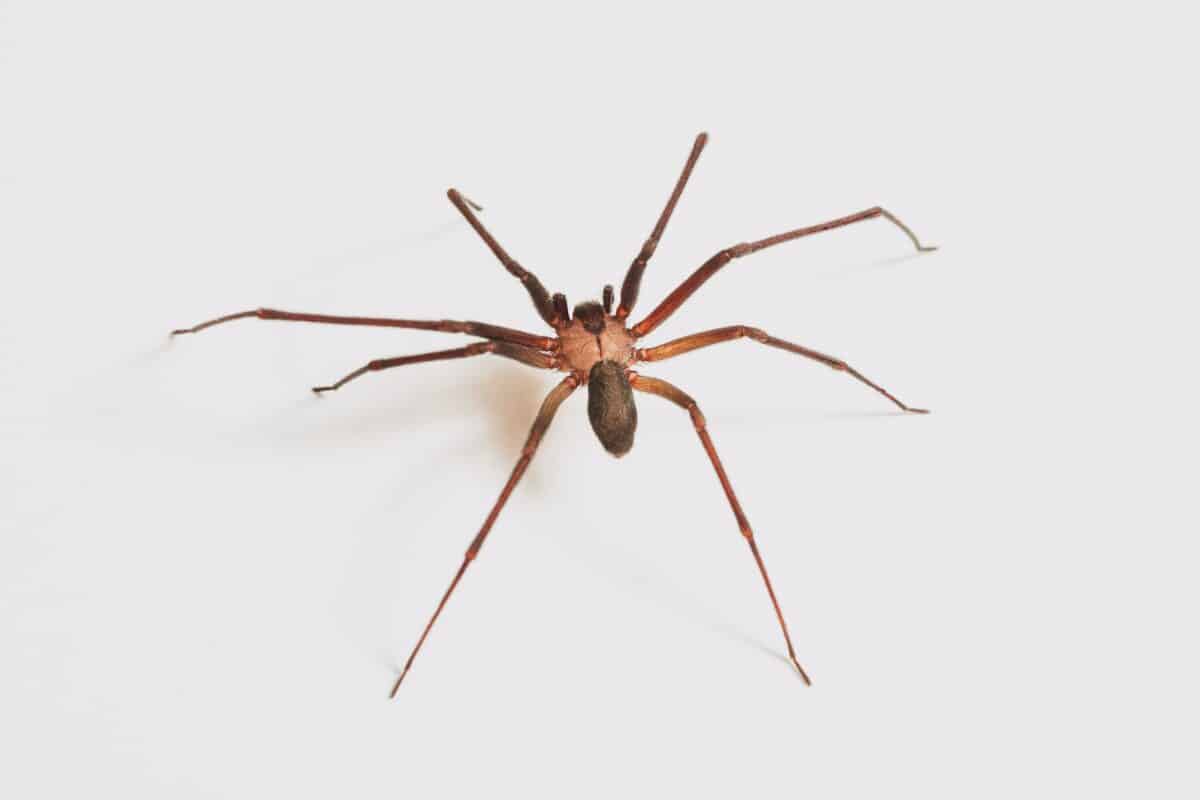
The Brown Recluse Spider (Loxosceles reclusa) might be small, but it’s one of the most medically significant venomous arachnids in Texas. Often called “fiddlebacks” due to the violin-shaped marking on their cephalothorax, these light to medium brown spiders typically measure just 1/4 to 1/2 inch in body length. Unlike most spiders that have eight eyes, brown recluses have only six arranged in pairs, though this feature requires close inspection to observe.
True to their name, these spiders are reclusive, preferring undisturbed areas like woodpiles, storage boxes, closets, and attics. Their venom contains a rare cytotoxic agent that destroys cell membranes, potentially causing necrotic lesions that develop slowly and can take months to heal in severe cases. However, many suspected brown recluse bites are misdiagnosed, as their populations are more limited than commonly believed. Prevention focuses on reducing clutter, sealing cracks in buildings, and shaking out stored clothing or shoes before use. Despite sensationalized stories, fatalities from brown recluse bites are extremely rare.
Black Widow Spider: The Iconic Venomous Arachnid

The Southern Black Widow (Latrodectus mactans) represents the most recognizable venomous spider in Texas. Female black widows are glossy black with a distinctive red hourglass marking on the underside of their globular abdomen, while males are smaller and rarely encountered. These spiders construct irregular, tangled webs in dark, protected locations such as woodpiles, underneath outdoor furniture, inside meter boxes, and around home foundations throughout the state.
Black widow venom is neurotoxic, primarily affecting the nervous system rather than causing local tissue damage. Bites typically produce immediate sharp pain followed by muscle cramping, abdominal rigidity, and potential systemic symptoms including elevated blood pressure and heart rate. Despite their fearsome reputation, black widows are not aggressive and typically bite only when directly threatened or accidentally pressed against the skin. The introduction of effective antivenom and supportive medical care has made fatalities extremely rare in the United States, though bites should always be considered a medical emergency, particularly for children and the elderly.
Scorpions: Desert Stingers

Texas hosts several scorpion species, with the Striped Bark Scorpion (Centruroides vittatus) being the most common and widespread. These light brown or tan arachnids feature two distinctive dark stripes running down their backs and grow to about 2.5 inches in length. Unlike the potentially lethal Arizona bark scorpion, Texas scorpions generally deliver painful but medically insignificant stings, comparable to wasp stings for most healthy adults.
Scorpions are nocturnal predators that hide during daylight hours under rocks, logs, and bark, or within the cracks and crevices of buildings. They’re particularly common in the arid western regions of Texas but can be found throughout the state. Their venom primarily serves to immobilize their insect prey, though it can cause localized pain, swelling, and numbness in humans. Allergic reactions are possible but rare. Most scorpion encounters occur when people accidentally disturb their hiding places or when the arachnids enter homes seeking moisture, particularly during drought conditions.
Fire Ants: Tiny Terrors
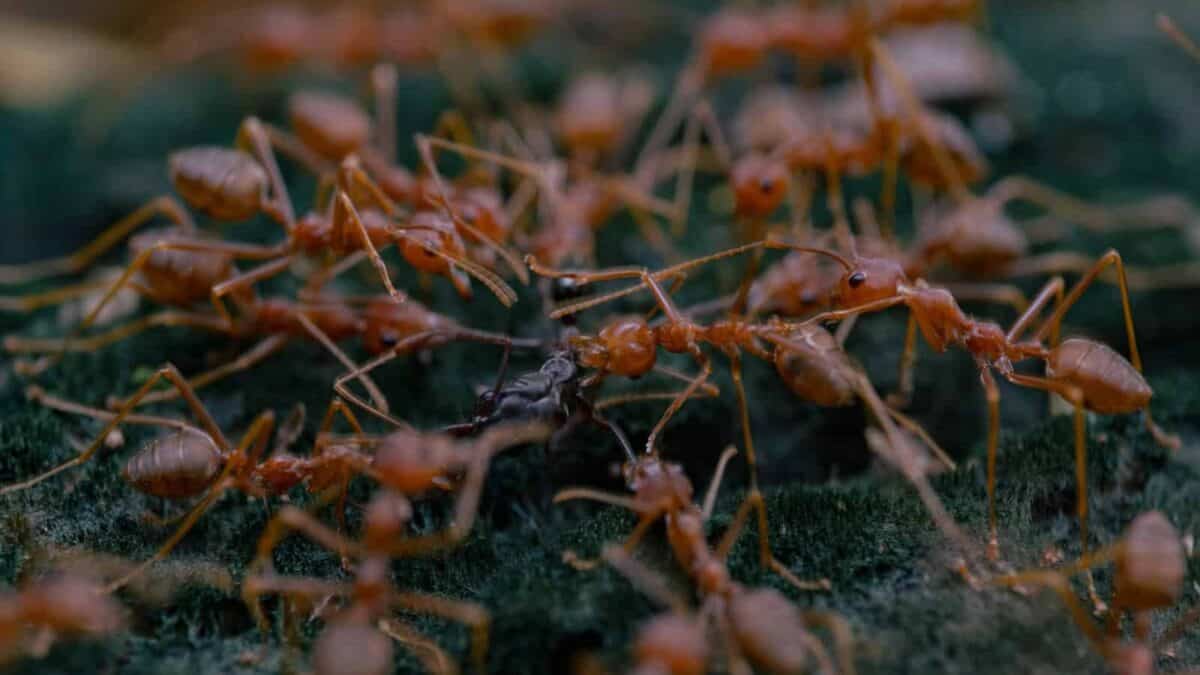
The Red Imported Fire Ant (Solenopsis invicta) represents one of the most impactful venomous invasive species in Texas. Since their introduction from South America in the 1930s, these aggressive insects have spread throughout the southeastern United States, dramatically altering ecosystems. Fire ants construct distinctive dome-shaped mounds in open areas and respond rapidly and aggressively when their colony is disturbed, with workers swarming up vertical surfaces to attack perceived threats.
What makes fire ants particularly problematic is their method of attack. They first grip the skin with their mandibles, then pivot their bodies to inject venom through a stinger at their abdomen’s tip. This venom contains alkaloid compounds that cause an immediate burning sensation followed by the formation of white pustules that can become infected if scratched. For the approximately 1% of the population with severe allergies to fire ant venom, encounters can trigger potentially life-threatening anaphylaxis. Beyond human impacts, these ants harm native wildlife, damage crops, and disrupt outdoor activities across Texas, with annual economic impacts estimated in the hundreds of millions of dollars.
Kissing Bugs: Vectors of Disease
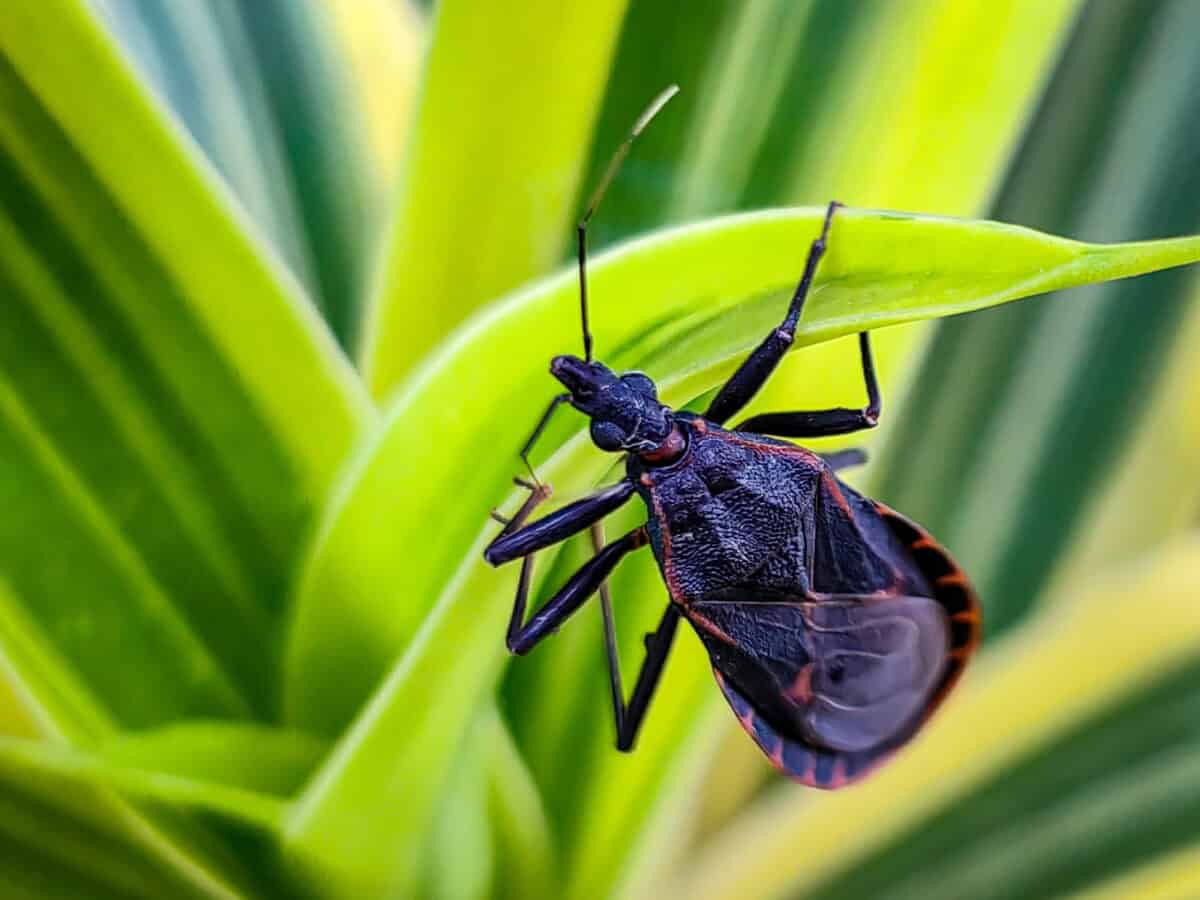
Kissing bugs (Triatoma species) represent a unique category of venomous insects native to Texas. These blood-feeding insects belong to the assassin bug family and are named for their tendency to bite humans around the mouth area while they sleep. Several species occur in Texas, typically measuring about an inch long with distinctive cone-shaped heads and thin, segmented legs. Their bodies are dark brown to black with orange or red stripes along the edges of their abdomen.
While their bites can cause allergic reactions ranging from mild to severe, the primary concern with kissing bugs is their role as vectors of Chagas disease, caused by the parasite Trypanosoma cruzi. Unlike most venomous animals that inject toxins through bites or stings, kissing bugs defecate near the bite site, and the parasite enters the wound when the victim scratches the area. According to Texas A&M University research, approximately 50-60% of kissing bugs in Texas carry the parasite. While acute Chagas disease is rare in the United States, chronic infection can lead to serious cardiac and digestive complications decades later. Preventive measures include sealing cracks in homes, using fine-mesh screens on windows, and reducing outdoor lights that attract these nocturnal insects.
Texas Rat Snake: Intimidating but Harmless

The Texas Rat Snake (Pantherophis obsoletus lindheimeri) represents one of the state’s most frequently misidentified reptiles. These large constrictors can grow up to six feet long and display variable coloration, typically with a pattern of dark blotches on a gray, tan, or yellowish background. When threatened, rat snakes can flatten their heads into a triangular shape, hiss loudly, and vibrate their tails against leaves or debris, creating a convincing rattlesnake impression that often leads to their unnecessary destruction.
Despite their intimidating defensive displays, Texas rat snakes are completely non-venomous and actually beneficial predators that help control rodent populations around homes and farms. They’re excellent climbers often found in barns, attics, and trees. While they may bite if cornered or handled roughly, their teeth are designed for gripping prey rather than delivering venom, resulting in minor scratches rather than serious injury. These adaptable snakes have learned to thrive in suburban environments throughout Texas, making them one of the most commonly encountered snake species in the state.
Tarantulas: Gentle Giants

Texas is home to several tarantula species, with the Texas Brown Tarantula (Aphonopelma hentzi) being the most widespread. These large, hairy spiders can have a leg span of up to 5 inches and are particularly visible during late summer and early fall when males wander in search of mates. Their imposing appearance and portrayal in horror movies have given tarantulas an undeserved fearsome reputation that belies their docile nature.
Contrary to popular belief, Texas tarantulas possess relatively mild venom that poses little medical threat to humans—about equivalent to a bee sting in most cases. They rarely bite, preferring to retreat or flick irritating urticating hairs from their abdomen as a primary defense mechanism. These hairs can cause skin irritation and are particularly problematic if they contact the eyes. Tarantulas play beneficial ecological roles as predators of insects and other small invertebrates. With lifespans reaching 30 years for females, these misunderstood arachnids represent one of the longest-lived spider groups in North America.
Hognose Snake: The Dramatic Bluffer

The Eastern Hognose Snake (Heterodon platirhinos) and Western Hognose Snake (Heterodon nasicus) put on perhaps the most dramatic defensive performances among Texas reptiles. These medium-sized snakes are identified by their upturned snouts, which they use for digging, and their ability to flatten their necks and heads like cobras when threatened. This impressive display, accompanied by loud hissing and mock strikes with a closed mouth, often convinces people they’ve encountered a highly venomous species.
If their initial bluff fails to deter a potential predator, hognose snakes employ an even more remarkable strategy—they roll onto their backs, convulse, and then lie still with mouth open and tongue hanging out, essentially “playing dead.” While they do possess enlarged rear fangs and mild venom used to subdue their preferred prey of toads, this venom has negligible effects on humans beyond possible local swelling or irritation. Despite occasionally being called “spreading adders” or “puff adders” in rural areas, these harmless theatrical snakes bear no relation to the truly dangerous African adders that share these common names.
Conclusion: Fear, Facts, and a Healthy Respect for Nature

Texas is home to a wide range of venomous animals, from rattlesnakes and coral snakes to scorpions, spiders, and even marine species like stingrays. While encounters with these creatures can be dangerous, they are rarely fatal—and most bites or stings occur when animals are accidentally threatened or handled. Knowing how to identify venomous species, where they’re commonly found, and how to respond if bitten or stung is key to staying safe while enjoying the great outdoors.
At the same time, not every scary-looking critter is a true threat. Several harmless animals—like the hognose snake or the bold jumping spider—get a bad reputation based on appearance alone. Learning to distinguish between danger and myth allows us to replace fear with knowledge, and panic with awareness. By respecting wildlife and understanding their role in the ecosystem, Texans and visitors alike can explore the state’s natural beauty more safely—and with a greater sense of wonder at the creatures that call it home.

From exploring the marine wonders in the Azores and witnessing the vast savannas of Kenya, to delving deep into the rich biodiversity of South Africa and traversing iconic landscapes in Australia and the US like Yellowstone, Chris's experiences are vast.
With a penchant for diving alongside sharks, the ocean holds a special place in his heart.
Through his academic insights, he champions wildlife conservation, striving with 'Animals Around The Globe' to cultivate a profound connection between humans and animals, enhancing our mutual appreciation.
Connect with him at Feedback@animalsaroundtheglobe.com.
- A Bear Journey Through The USA: 18 Best Bear Photos from 18 US States - July 19, 2026
- Elephant Matriarchs Know Every Waterhole for Miles - July 19, 2026
- Top 10 Dinosaur Relatives Still Roaming Earth Today - July 19, 2026