


Beneath the sparkling surface of our oceans dwells one of nature’s most extraordinary minds—the dolphin. For centuries, humans have been captivated by these charismatic marine mammals, whose playful leaps and seemingly perpetual “smiles” have endeared them to cultures worldwide. Yet beyond their charming appearance lies an intellectual capacity so remarkable that it challenges our understanding of intelligence itself. Dolphins possess cognitive abilities that in many ways parallel our own, despite evolving along a completely different evolutionary path in an alien aquatic environment. This convergent evolution of intelligence raises profound questions about the nature of consciousness and our place in the animal kingdom.
The relationship between humans and dolphins spans thousands of years, appearing in ancient artwork, mythology, and modern scientific inquiry alike. Today, as research technology advances and our understanding deepens, we continue to uncover astonishing aspects of dolphin cognition and social complexity. This exploration not only reveals the sophisticated mental lives of these ocean dwellers but also provides a mirror through which we might better understand our own intelligence. Join us as we dive deep into the extraordinary world of dolphin intelligence and the unique connection these remarkable beings share with humanity.
The Evolutionary Journey of Dolphin Intelligence
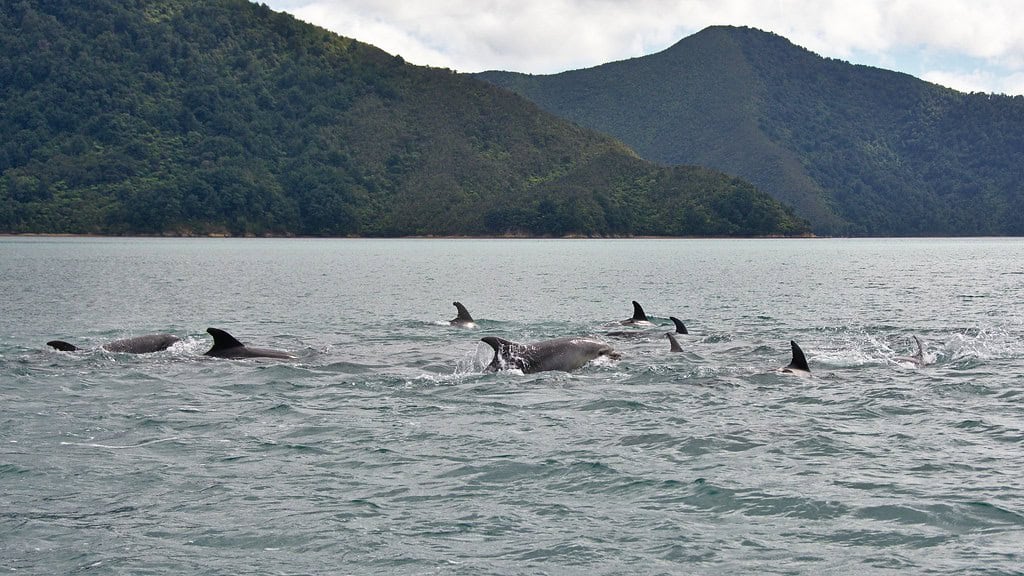
Dolphins’ impressive cognitive abilities didn’t develop overnight but emerged through millions of years of evolution. Approximately 50-55 million years ago, the ancestors of modern dolphins were terrestrial mammals that gradually returned to the sea. This evolutionary U-turn created a fascinating scenario where intelligence evolved independently from primates, representing a case of convergent evolution. The aquatic environment presented unique challenges that shaped dolphin cognition in specific ways, including the need for complex social cooperation, hunting strategies, and three-dimensional spatial navigation.
The dolphin brain evolved to become remarkably large relative to body size, with a brain-to-body mass ratio second only to humans among larger animals. Their brains feature an intricate neocortex with substantial folding that increases surface area—a characteristic associated with higher cognitive function. What makes this particularly interesting is that dolphins achieved this neural complexity through a different brain structure than primates, demonstrating that intelligence can evolve through various neurological pathways. Their evolution represents a powerful example of how cognitive sophistication can develop in response to environmental pressures regardless of evolutionary lineage.
Brain Architecture: The Neural Basis of Dolphin Intelligence
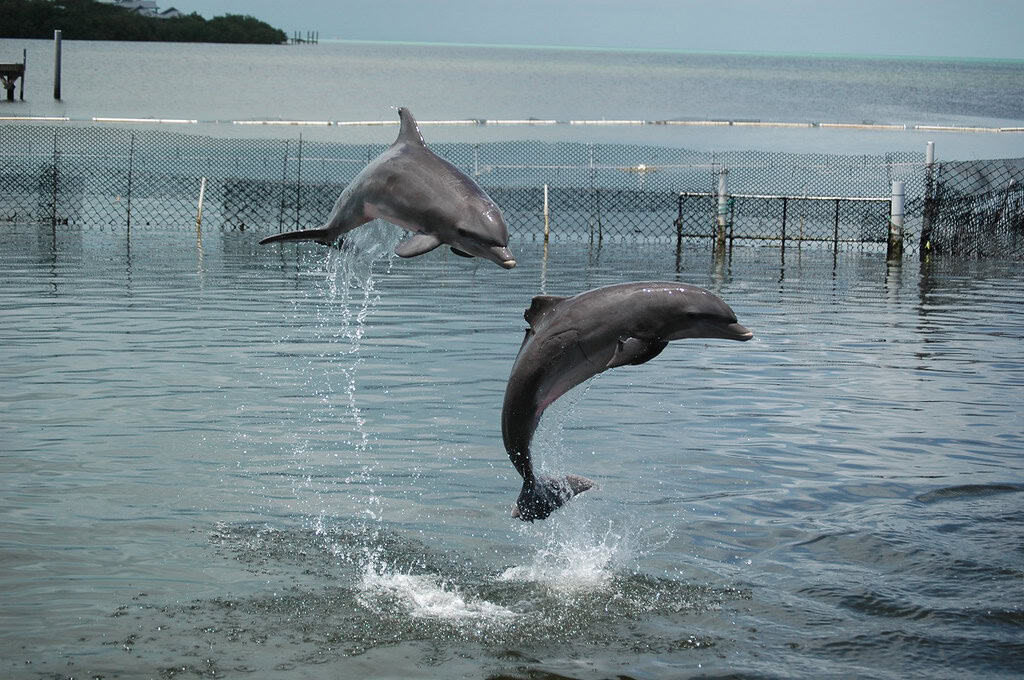
The dolphin brain is a marvel of biological engineering. An adult bottlenose dolphin possesses a brain weighing approximately 1600 grams—larger than the human brain, which averages around 1300-1400 grams. While absolute size isn’t everything, the encephalization quotient (EQ)—a measure comparing brain size to what would be expected for an animal of similar body mass—reveals dolphins’ exceptional neural development. Bottlenose dolphins have an EQ of approximately 4.0-4.5, second only to humans (who score around 7.0) among larger mammals.
What truly distinguishes the dolphin brain is its structural complexity. Their brains contain a highly developed neocortex with extensive folding, similar to humans. However, the organization differs significantly, with dolphins having a paralimbic lobe that humans lack. This region may be involved in processing acoustic information, crucial for echolocation. Additionally, dolphins possess von Economo neurons (VENs)—specialized brain cells previously thought to exist only in humans and great apes that are associated with social awareness, empathy, and intuition. These neurological adaptations provide the hardware for complex cognition within an underwater world, enabling sophisticated problem-solving and social behaviors without requiring the same brain architecture as terrestrial mammals.
Language and Communication: Decoding Dolphin Dialogue

Dolphin communication represents one of the most sophisticated acoustic systems in the animal kingdom. Their primary vocalizations include clicks for echolocation, burst-pulsed sounds for social interaction, and whistles that function as unique identity signals—essentially, names. Each dolphin develops a distinctive “signature whistle” within its first year of life, which serves as a personal identifier throughout its lifetime. Research has demonstrated that dolphins recognize and respond to the signature whistles of familiar individuals even after decades of separation, suggesting exceptional long-term memory for acoustic signals.
Beyond simple identification, dolphins appear to communicate complex information through combined acoustic signals. Studies conducted by researchers like Dr. Denise Herzing of the Wild Dolphin Project have documented what appears to be contextual communication, where specific whistle combinations correlate with particular behaviors. While we haven’t yet “cracked the code” of dolphin language, growing evidence suggests they possess a sophisticated communication system potentially capable of conveying abstract concepts. In controlled environments, dolphins have demonstrated understanding of artificial languages created by humans, comprehending not only individual symbols but also basic syntax—the order in which symbols appear to create different meanings. This receptive linguistic ability hints at cognitive processes similar to those underlying human language comprehension.
Self-Awareness and Consciousness: The Mirror Test and Beyond
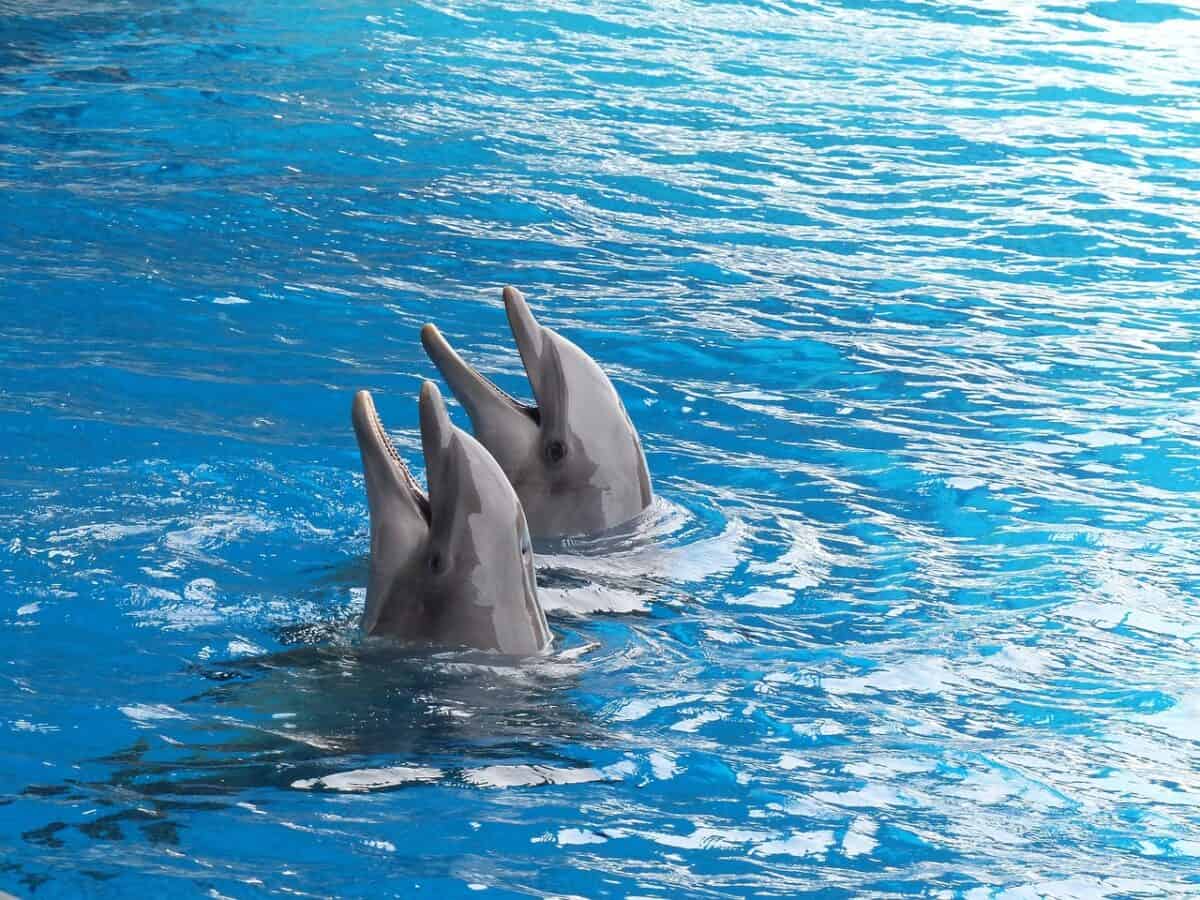
One of the most compelling indicators of advanced cognition in dolphins is their confirmed self-awareness, demonstrated through the mirror self-recognition test. When presented with mirrors, dolphins initially investigate the “other dolphin,” but quickly progress to using the mirror to examine parts of their bodies they cannot normally see. Researchers like Diana Reiss and Lori Marino have documented dolphins examining markings placed on their bodies in locations only visible in mirrors, suggesting they recognize the reflection as themselves rather than another animal. This capacity for self-recognition is exceptionally rare in the animal kingdom, previously confirmed only in great apes, elephants, magpies, and a few other species.
Self-awareness likely extends beyond mirror recognition to a broader sense of self-consciousness. Dolphins show evidence of metacognition—the awareness of their own knowledge states—by indicating uncertainty when presented with difficult tasks. In experimental settings, they can communicate confidence levels about their answers by selecting options that represent “I know” or “I don’t know” responses. This suggests dolphins maintain not just awareness of their physical selves but also their mental states. Such metacognitive abilities provide compelling evidence for a form of consciousness that shares fundamental properties with human consciousness, despite evolving in a completely different environmental context and through a separate evolutionary lineage.
Social Intelligence: The Complexity of Dolphin Societies
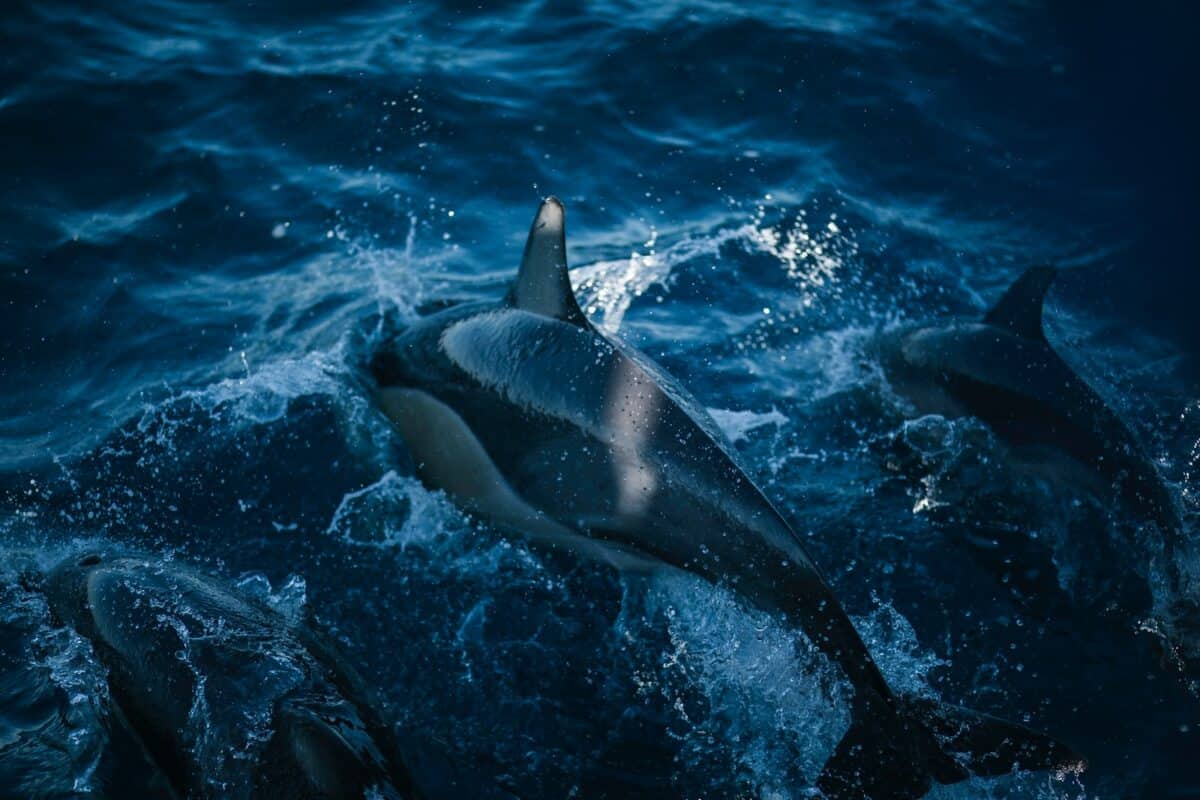
Dolphin social structures rival human societies in their complexity and dynamism. Many species, particularly bottlenose dolphins, live in “fission-fusion” societies where group composition changes fluidly while maintaining long-term relationships. Within these fluid communities, dolphins form multiple levels of alliances that can last decades. Male bottlenose dolphins, for instance, create primary alliances of 2-3 individuals who cooperate to court females, while also participating in secondary alliances of 4-14 males that compete with or defend against other groups. This multilevel alliance formation requires sophisticated social cognition to track numerous relationships, remember past interactions, and predict future behavior—cognitive demands similar to those that may have driven the evolution of human intelligence.
The social intelligence of dolphins extends to recognizing and responding to the emotional states and needs of others. They demonstrate prosocial behavior—actions that benefit others without direct advantage to themselves—including supporting injured pod members by helping them surface to breathe and sharing hunting techniques through cultural transmission. Dolphins have been observed engaging in what appears to be cooperative problem-solving, coordinating their actions to achieve shared goals. These behaviors suggest not just social awareness but a potential form of empathy and perspective-taking that enables them to understand the mental states of others—a cognitive ability once thought unique to humans and a few other primates.
Problem-Solving and Tool Use: Dolphin Ingenuity

Dolphins demonstrate remarkable problem-solving abilities both in controlled environments and the wild. In experimental settings, they quickly master novel tasks and show evidence of insightful problem-solving—the sudden comprehension of solutions without trial-and-error learning. When faced with challenges requiring sequential steps, dolphins can plan ahead and demonstrate understanding of cause-and-effect relationships. Perhaps most impressively, they exhibit “behavioral flexibility”—the capacity to rapidly develop new strategies when familiar approaches fail, suggesting adaptable rather than rigid cognitive processes.
Tool use, once considered a hallmark of human uniqueness, has been well-documented in wild dolphin populations. In Shark Bay, Australia, researchers have observed dolphins of the Tursiops aduncus species using marine sponges as protective nose covers while foraging on the seabed—a behavior known as “sponging.” This culturally transmitted technique is predominantly passed from mother to daughter, representing a form of material culture. Other documented tool uses include carrying shells to extract food from otherwise inaccessible areas and using objects for social play. These examples of spontaneous tool use in their natural environment demonstrate dolphins’ ability to conceptualize objects as potential implements, further blurring the cognitive boundaries once thought to separate humans from other animals.
Cross-Species Connection: The History of Dolphin-Human Interaction
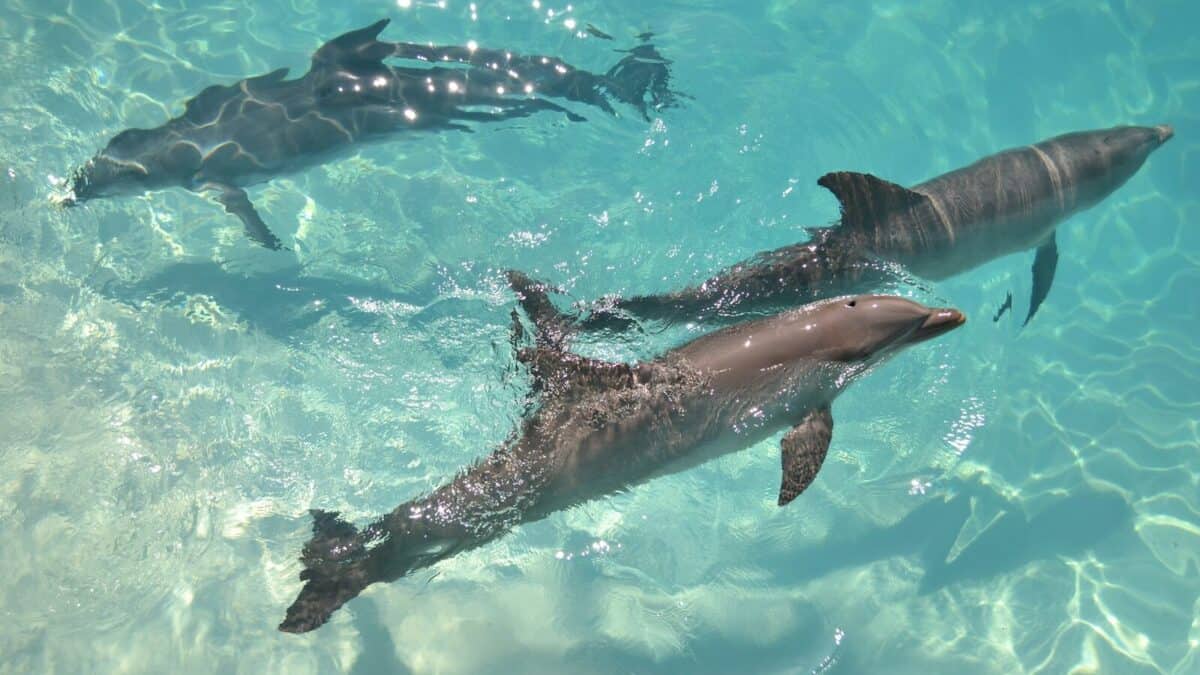
The relationship between humans and dolphins extends deep into our collective history. Ancient civilizations from Greece to Polynesia incorporated dolphins into their mythology and art, often attributing them with divine qualities or special connections to humanity. The Greek historian Plutarch noted as early as the 1st century CE that dolphins seemed drawn to humans in ways unlike other wild animals. Historical accounts across cultures describe dolphins rescuing drowning sailors and guiding ships through dangerous waters. While some tales were likely embellished, they reflect a persistent pattern of positive interactions that transcended cultural boundaries.
Modern scientific investigation of dolphin-human connections began in earnest during the mid-20th century. Pioneering researchers like John Lilly conducted some of the first formal studies of dolphin cognition and communication, though his more speculative work has been criticized. The development of marine parks and aquariums in the 1960s and 70s created unprecedented opportunities for close human-dolphin interaction, leading to discoveries about their learning abilities and social responsiveness. These settings, while controversial from an animal welfare perspective, revealed dolphins’ remarkable capacity to understand human communicative cues and engage cooperatively with human partners—abilities that suggested a unique interspecies affinity and cognitive compatibility that continues to fascinate researchers today.
Therapeutic Connections: Dolphins in Human Healing

The field of dolphin-assisted therapy (DAT) emerged in the 1970s and has since grown into a global phenomenon, with programs claiming benefits for conditions ranging from depression to developmental disorders. Proponents suggest that interaction with dolphins produces therapeutic effects through multiple mechanisms, including increased motivation for participation, the multisensory stimulation of the aquatic environment, and the unique quality of dolphin social engagement. Some research indicates that swimming with dolphins may influence human brainwave patterns and trigger the release of endorphins and other neurochemicals associated with positive mood states.
Despite its popularity, the scientific community remains divided on DAT’s efficacy. Critical reviews point to methodological limitations in many studies, including small sample sizes and inadequate controls that make it difficult to distinguish dolphin-specific effects from the benefits of being in water or receiving special attention. Ethical concerns have also been raised about the welfare implications for captive dolphins. Nevertheless, the persistence of anecdotal reports describing profound emotional experiences and apparent breakthroughs during dolphin interactions suggests there may be unique aspects to these cross-species encounters that warrant further rigorous investigation. The dolphin-human connection appears to tap into something deeply resonant in human psychology, whether through the dolphins’ perceived intelligence, their apparent social openness, or some combination of factors still not fully understood.
Wild Encounters: Spontaneous Dolphin-Human Connections
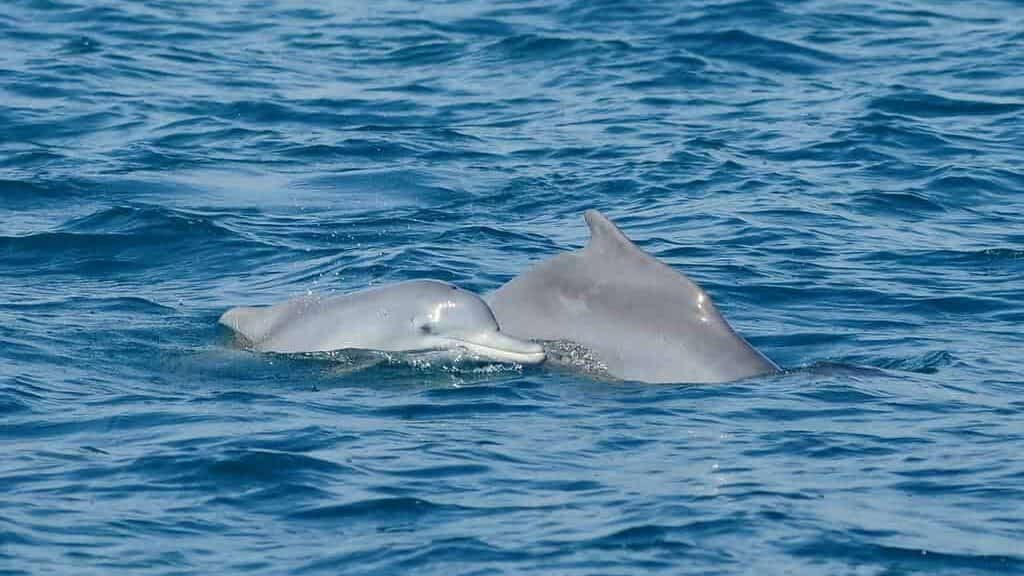
Some of the most compelling evidence for a special dolphin-human affinity comes from documented cases of wild dolphins initiating and maintaining long-term relationships with humans. Perhaps the most famous example is JoJo, a wild bottlenose dolphin who has interacted with people in the Turks and Caicos Islands since the 1980s, choosing to spend time with specific individuals without food rewards or training. Similar cases have been documented worldwide, including “Fungie” in Ireland, who maintained regular human interactions for nearly 40 years, and the dolphins of Monkey Mia in Australia, who have voluntarily approached shorelines to interact with humans since the 1960s.
What makes these spontaneous relationships particularly intriguing is that they occur without the conditioning factors present in captive settings. Wild dolphins appear to distinguish between individual humans, showing preferences for specific people and adjusting their behavior based on the human’s actions and familiarity. Marine biologists have documented cases where wild dolphins bring “gifts” (typically items from the seabed) to favored human companions and display protective behaviors toward them. These interactions suggest a form of interspecies social recognition and bonding that challenges simplistic explanations. While we must be careful not to anthropomorphize these connections, the voluntary nature and apparent selectivity of these relationships hint at cognitive and emotional capacities in dolphins that allow for meaningful cross-species social engagement.
Ethical Considerations: Respecting Dolphin Intelligence
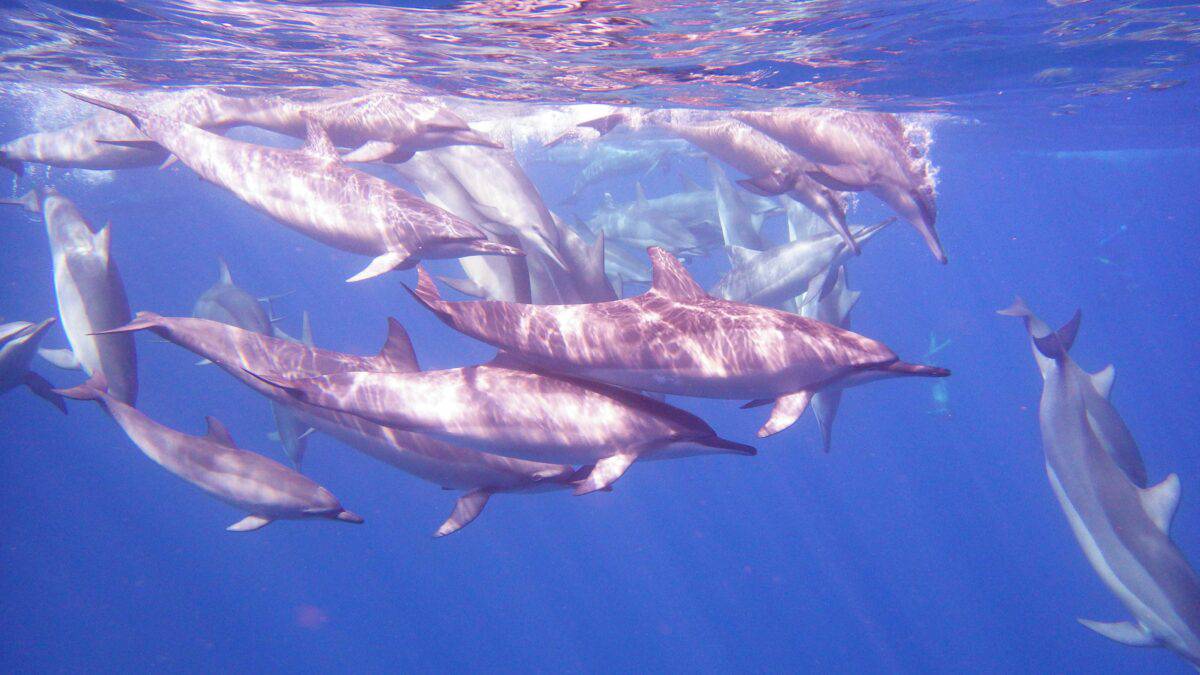
The growing scientific consensus regarding dolphin cognitive abilities has profound ethical implications. Recognizing that dolphins possess self-awareness, complex emotions, and sophisticated social understanding challenges traditional ethical frameworks that place sharp distinctions between humans and other animals. Several nations, including India and Chile, have legally recognized dolphins as “non-human persons” deserving special protections based on their cognitive status. This perspective suggests that certain practices—including dolphin hunts, drive fisheries like those in Taiji, Japan, and some forms of captivity—may constitute ethical violations against beings capable of suffering in ways similar to humans.
The ethics of dolphin captivity has become particularly contentious as our understanding of their intelligence has grown. Dolphins in the wild typically travel dozens of kilometers daily in socially complex groups—conditions impossible to replicate in even the largest artificial environments. Their advanced cognition may make them particularly vulnerable to the psychological effects of confinement and social disruption. While some facilities emphasize their educational and conservation roles, critics argue that the cognitive needs of dolphins render most captive settings fundamentally inadequate. This evolving ethical conversation reflects a broader societal reconsideration of human responsibilities toward cognitively complex species, suggesting that our connection with dolphins may ultimately need to be based on respect for their autonomy rather than their utility or entertainment value for humans.
Conservation Challenges: Protecting Dolphin Intelligence
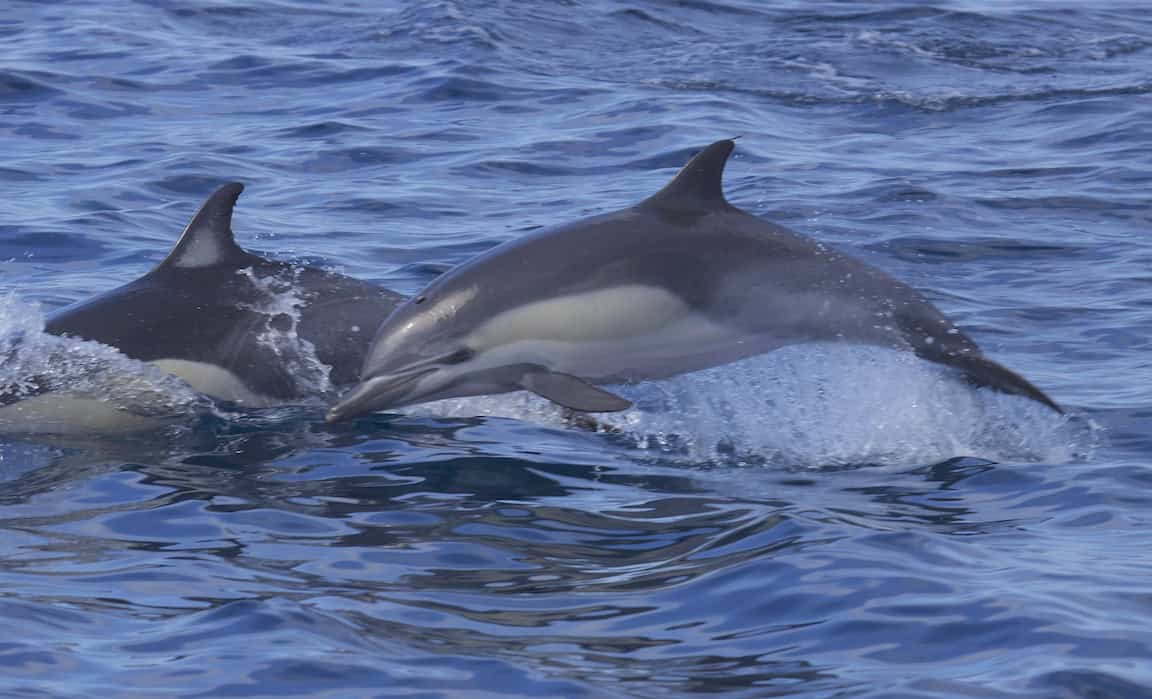
The survival of dolphin intelligence faces unprecedented threats from human activity. Entanglement in fishing gear claims hundreds of thousands of cetacean lives annually, with some populations experiencing unsustainable losses. Chemical pollution presents another insidious danger, as dolphins’ position at the top of marine food chains exposes them to high concentrations of contaminants. PCBs, heavy metals, and other persistent toxins can impair immune function and reproductive success while potentially damaging the neurological systems that underpin their cognitive abilities. Recent studies have found alarming contaminant levels in dolphins worldwide, with some individuals carrying concentrations hundreds of times above thresholds known to cause health effects.
Noise pollution represents a particularly serious threat to dolphins, whose lives revolve around sound. Military sonar, shipping traffic, seismic exploration, and underwater construction create acoustic environments that can disrupt communication, impair echolocation, and in severe cases cause physical trauma. Some mass stranding events have been linked to intense noise exposure. Climate change compounds these challenges by altering prey distribution, increasing ocean acidification, and disrupting the ecosystems dolphins depend upon. The combined effect of these stressors threatens not just individual dolphins but the cultural knowledge transmitted within their societies—including specialized hunting techniques and communication dialects developed over generations. Protecting dolphin intelligence requires addressing these threats through international cooperation, innovative fishing practices, marine protected areas, and policies that recognize the special cognitive status these remarkable beings represent.
The Future of Dolphin-Human Connection: Toward Deeper Understanding
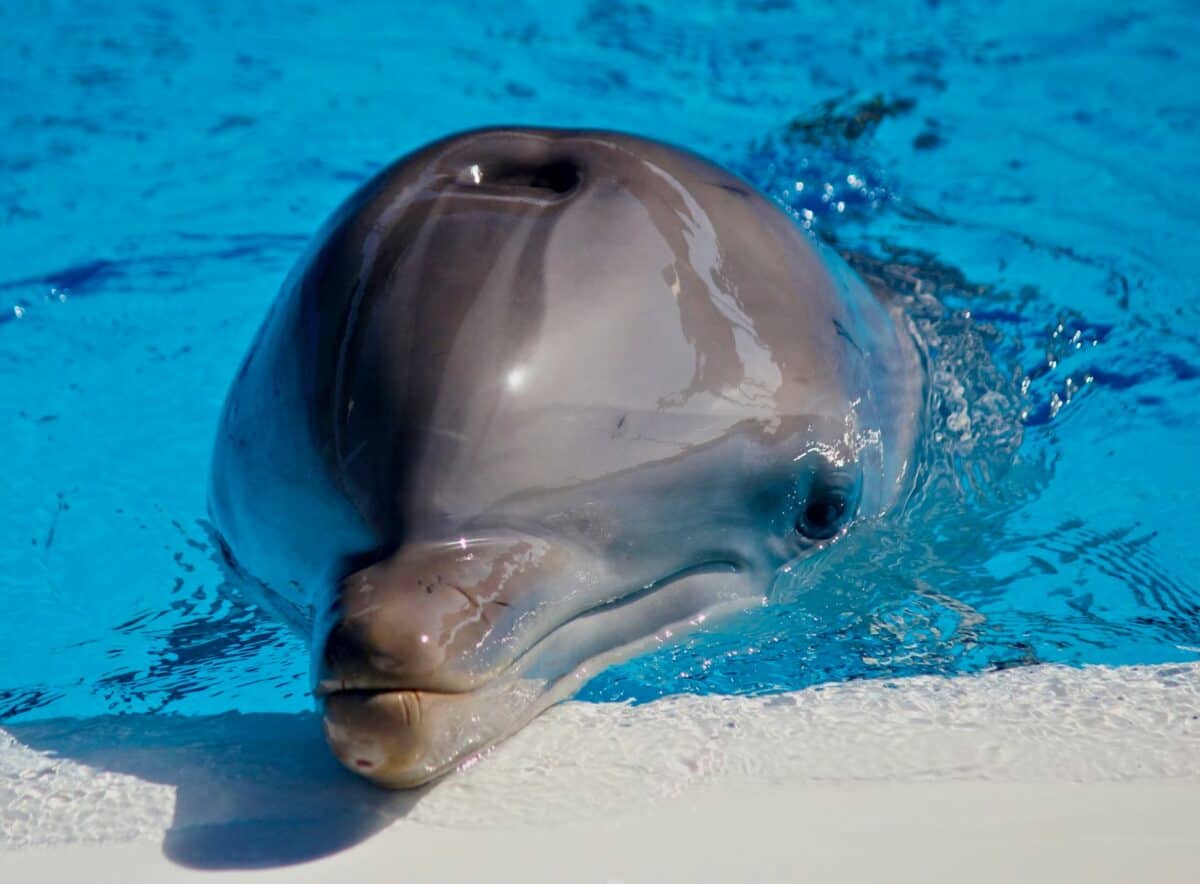
The frontier of dolphin-human connection lies in developing more sophisticated approaches to cross-species communication. Recent technological advances offer unprecedented opportunities to bridge the communicative gap between our species. CHAT (Cetacean Hearing and Telemetry), developed by Dr. Denise Herzing’s Wild Dolphin Project, represents an innovative attempt to establish two-way communication with wild dolphins using wearable underwater computers that can detect and produce dolphin-like whistles. Meanwhile, artificial intelligence and machine learning are being applied to decode the patterns in dolphin vocalizations, potentially unlocking aspects of their natural communication system that have remained inaccessible to human understanding.
As our understanding deepens, the relationship between humans and dolphins continues to evolve toward a model of mutual respect and cooperation. Conservation efforts increasingly incorporate local communities and traditional knowledge, recognizing that protecting dolphins requires human engagement rather than exclusion. Responsible wild dolphin tourism, when properly managed, can create economic incentives for protection while providing opportunities for meaningful interspecies connection. The most promising vision for the future involves neither the romanticized anthropomorphism that projects human qualities onto dolphins nor the reductive view that dismisses their cognitive complexity, but rather a balanced appreciation of dolphins as intelligent, socially complex beings with their own cultures, perspectives, and ways of life. This perspective encourages a more ethical and scientifically grounded approach—one that values dolphins not merely for their entertainment or curiosity value, but as fellow sentient inhabitants of our planet with intrinsic worth.
Looking ahead, the true potential of dolphin-human connection lies in deepening empathy, fostering stewardship, and allowing both science and compassion to guide our interactions. As we refine our tools for understanding dolphin behavior and communication, we also refine our moral responsibilities. By treating dolphins as partners in discovery rather than subjects of study, we move closer to a future in which our species interacts with theirs not from a position of dominance, but of mutual curiosity, care, and coexistence.

From exploring the marine wonders in the Azores and witnessing the vast savannas of Kenya, to delving deep into the rich biodiversity of South Africa and traversing iconic landscapes in Australia and the US like Yellowstone, Chris's experiences are vast.
With a penchant for diving alongside sharks, the ocean holds a special place in his heart.
Through his academic insights, he champions wildlife conservation, striving with 'Animals Around The Globe' to cultivate a profound connection between humans and animals, enhancing our mutual appreciation.
Connect with him at Feedback@animalsaroundtheglobe.com.
- This Monkey Has a Mustache - July 21, 2026
- How Steve Irwin Changed the World’s View of Wildlife - July 21, 2026
- The Catfish That Caused Earthquakes in Japanese Folklore - July 21, 2026