
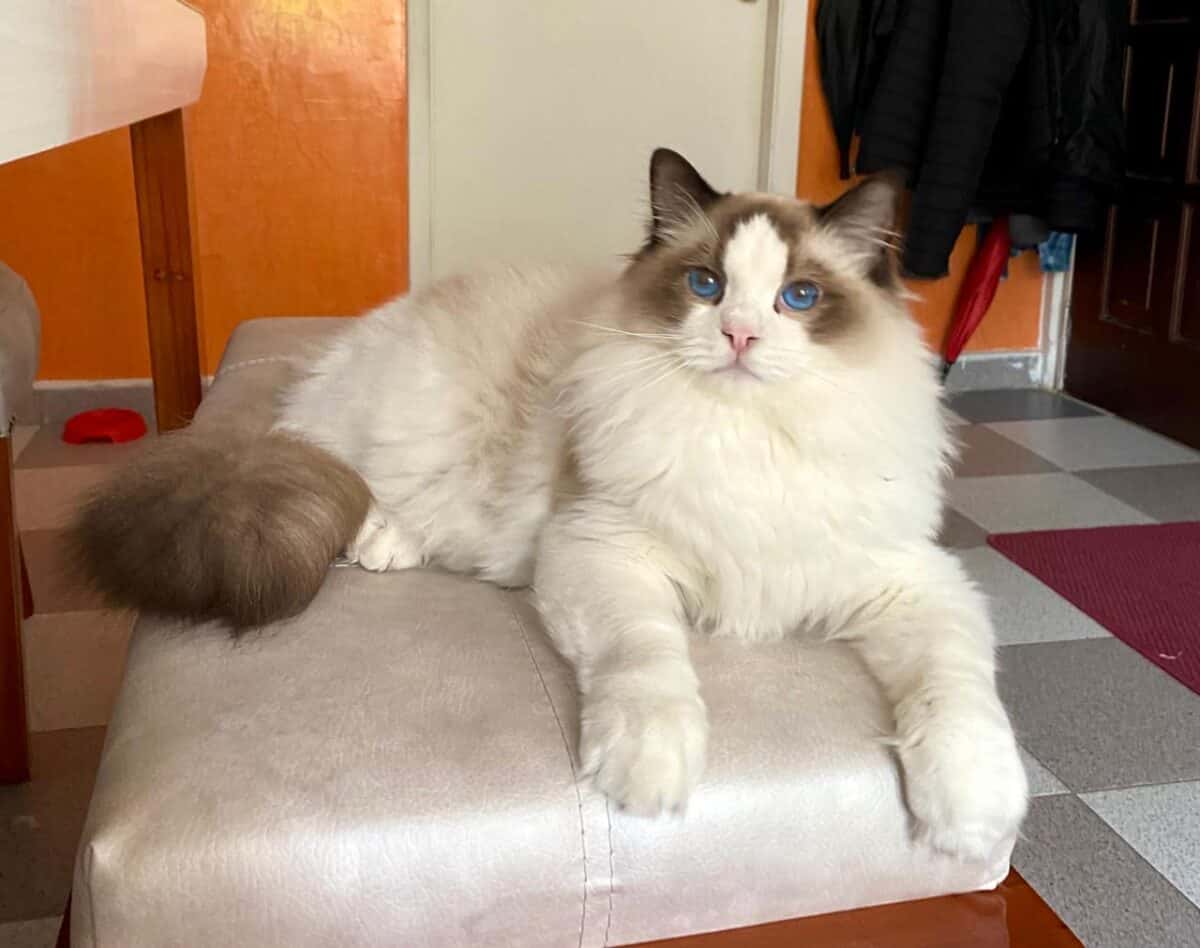
The age-old rivalry between cats and dogs has been the subject of countless cartoons, movies, and jokes. But in reality, many cats and dogs can form deep bonds and live harmoniously together. The success of these interspecies friendships often depends on factors like proper introductions, individual personalities, and—perhaps surprisingly—breed characteristics. Some cat breeds are naturally more sociable and adaptable, making them more likely to welcome a canine companion into their lives. Others, however, tend to prefer a dog-free household. This comprehensive guide explores nine cat breeds known for their dog-friendly nature and three that typically prefer to keep their distance from canine companions.
Abyssinian: The Playful Adventurer

Abyssinians are known for their curious, playful nature and high energy levels that often match those of many dog breeds. These intelligent cats are always up for an adventure and typically enjoy having a companion to join in their escapades. With their ticked coats and slender, athletic bodies, Abyssinians are not only beautiful but also highly social cats who form strong bonds with their family members—humans and animals alike.
What makes Abyssinians particularly compatible with dogs is their confident disposition and lack of timidity. They’re rarely intimidated by a dog’s size or energy, and they often engage in interactive play that dogs enjoy. Many Abyssinian owners report that their cats will join in fetch games, follow their dogs around the house, and even initiate play with their canine companions. Their adaptability and social nature make them excellent candidates for multi-pet households, especially those with equally active and friendly dogs.
Maine Coon: The Gentle Giant

Maine Coons are among the largest domestic cat breeds, but their size is matched by their gentle and friendly temperament. Often referred to as “gentle giants,” these cats are known for their dog-like personalities—they’re loyal, follow their owners around, and some can even be taught to play fetch or walk on a leash. Their easygoing nature makes them exceptionally compatible with dogs, as they’re rarely threatened by canine energy and can often match larger dogs in size.
Maine Coons are also highly intelligent and adaptable, qualities that help them understand and respect the boundaries of their dog housemates. Their thick, water-resistant coats and tufted paws developed as adaptations to harsh New England winters, giving them a robust constitution that helps them stand their ground in playful interactions with dogs. Many Maine Coon owners find their cats forming special bonds with family dogs, often sleeping cuddled together or grooming one another—clear signs of interspecies friendship that make this breed a top choice for dog-loving households.
Ragdoll: The Laid-Back Companion

True to their name, Ragdolls are famous for their tendency to go limp when picked up, demonstrating their remarkably relaxed temperament. This placid nature extends to their interactions with other animals, making them particularly well-suited to homes with dogs. Ragdolls typically don’t startle easily and maintain their composure even around energetic canines, which helps prevent the chase response that can trigger a dog’s prey drive.
Ragdolls are also highly affectionate and social cats who crave companionship. Rather than being territorial or solitary, they often seek out the company of their family members—including dogs. Their large size (with males weighing up to 20 pounds) also helps them interact with dogs on more equal footing. Many Ragdoll owners report that their cats develop special relationships with the family dog, sharing sunny spots for napping, engaging in mutual grooming, and even playing gentle games together. Their patient, tolerant nature makes them excellent companions for well-mannered dogs of all sizes.
Norwegian Forest Cat: The Fearless Viking

The Norwegian Forest Cat, with its mythical origins in Norse legends, brings a bold and adventurous spirit to multi-pet households. These semi-longhaired cats evolved in the harsh Scandinavian forests, developing both physical and temperamental traits that make them excellent companions for dogs. Their muscular build, substantial size, and thick weather-resistant coat give them the confidence to interact with dogs without feeling intimidated or threatened.
Norwegian Forest Cats are known for their sociable yet independent nature—they enjoy company but don’t demand constant attention. This balanced temperament allows them to establish healthy boundaries with dogs while still forming strong bonds. They’re playful well into adulthood and often appreciate having a dog playmate who can match their energy levels. Their natural climbing abilities also give them an escape route when they need a break from canine companions, making cohabitation smoother. Many owners find that Norwegian Forest Cats and dogs become inseparable friends, with the cats often taking the lead in establishing the rules of their relationship.
Birman: The Sacred Companion
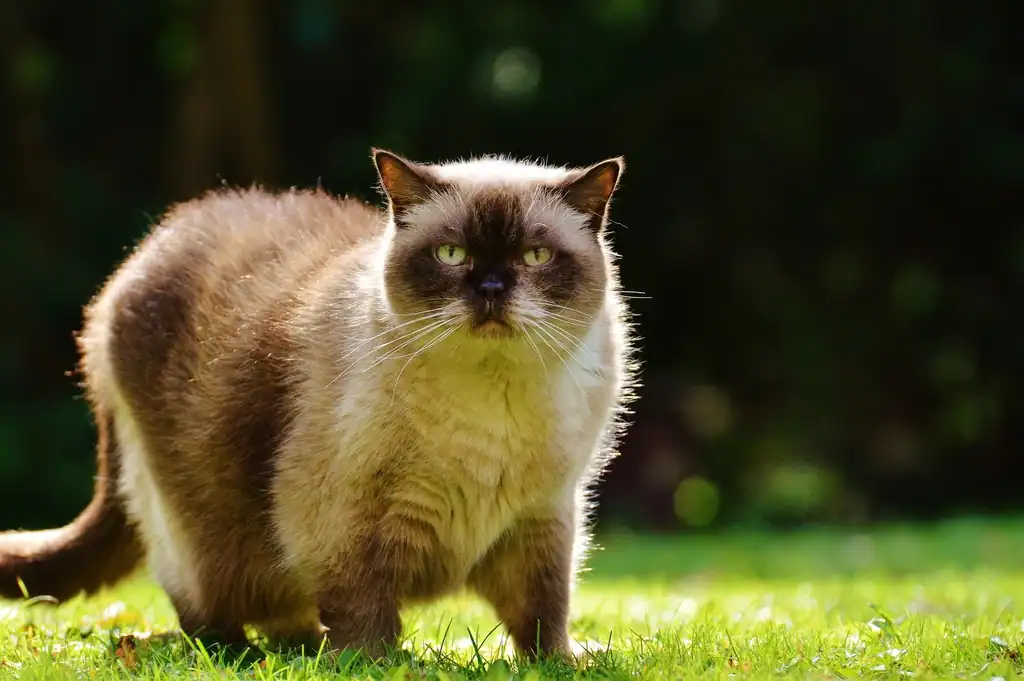
Birmans, known historically as the “Sacred Cat of Burma,” carry themselves with a gentle dignity that translates well to multi-pet households. These medium-sized cats with striking blue eyes and distinctive white “gloves” on their paws are renowned for their sweet, patient temperament. Birmans form deep attachments to their family members and typically extend this affection to other pets, including dogs. Their calm, non-aggressive nature means they rarely provoke or challenge dogs, leading to peaceful coexistence.
What makes Birmans particularly compatible with dogs is their social intelligence—they seem to understand and adapt to the dynamics of mixed-species households. They’re playful without being overwhelming and can match their energy level to that of their canine companions. Birmans also tend to be quite vocal and communicative, which can help them establish clear boundaries with dogs. Many Birman owners report that their cats actively seek out the company of family dogs for warmth, play, and companionship, often forming bonds that last a lifetime. Their adaptable nature makes them excellent additions to homes with gentle, respectful dogs.
Siberian: The Hypoallergenic Friend
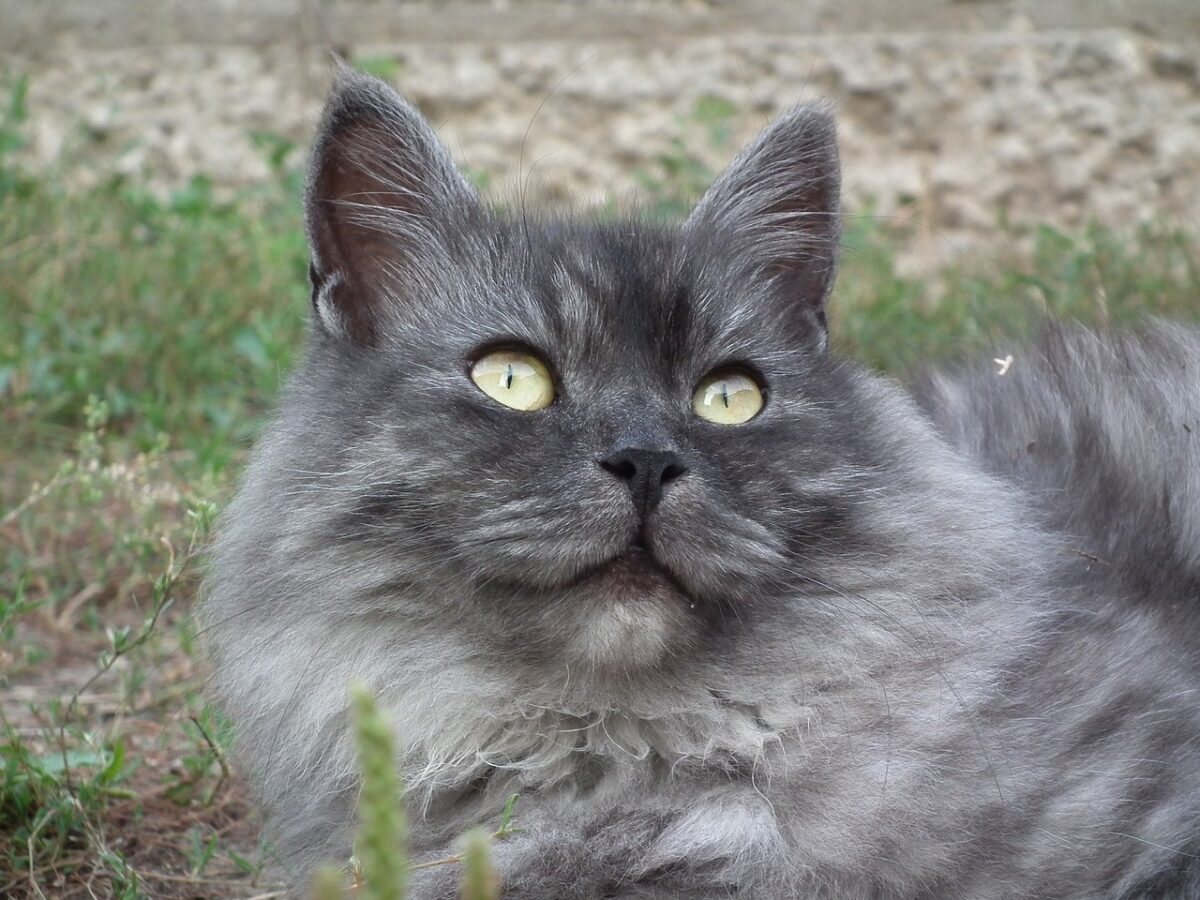
Siberians are robust, triple-coated forest cats from Russia who bring a joyful, playful energy to any household. Despite their wild appearance with tufted ears and luxurious coat, Siberians are remarkably people-oriented and sociable with other animals. Their natural confidence and lack of timidity make them excellent companions for dogs, as they’re unlikely to run (triggering chase instincts) and more likely to stand their ground or even initiate play with canine housemates.
One of the Siberian’s most remarkable traits is their problem-solving intelligence, which helps them navigate complex social situations like those in multi-pet households. They’re also one of the few breeds with lower levels of the Fel d 1 protein, making them potentially less allergenic for some dog owners who also suffer from cat allergies. Siberians mature slowly, retaining their kitten-like playfulness for years, which makes them wonderful playmates for equally energetic dogs. Their water fascination—they often enjoy playing with water bowls or even joining their humans in the shower—can lead to amusing shared moments with water-loving dog breeds like Retrievers or Spaniels.
American Shorthair: The Adaptable Classic

American Shorthairs represent one of the most balanced and adaptable cat breeds, with centuries of history as working cats on farms and ships where they often interacted with various dogs. This heritage has produced a breed with an even temperament, moderate energy levels, and excellent social skills. American Shorthairs typically exhibit a friendly but not overly demanding personality that works well in households with dogs of similar temperament.
These cats are known for their good health, sturdy build, and practical nature—they’re neither too shy nor too aggressive, striking a perfect middle ground that allows for peaceful coexistence with canine companions. American Shorthairs maintain their hunting instincts but channel them appropriately, usually through play rather than aggression. Many owners find that their American Shorthairs and dogs develop mutual respect and comfortable routines, sharing territory without conflict. Their adaptability extends to accepting new pets, including dogs, when introduced properly, making them an excellent choice for growing families who may add more animals over time.
Sphynx: The Warm-Hearted Extrovert

The hairless Sphynx might seem like an unlikely companion for dogs, but these unique cats possess extraordinarily social and affectionate personalities that make them wonderful friends for canines. Sphynx cats are known for their dog-like tendency to greet visitors, follow their owners from room to room, and seek physical contact for both attention and warmth. Their need for companionship and play makes them natural allies for social, friendly dogs who can provide both interaction and body heat.
Sphynx cats are notably energetic, mischievous, and intelligent—traits that often align well with many dog breeds. Their lack of fur means they don’t trigger as strongly the prey drive that some dogs experience when seeing furry animals move quickly. Additionally, Sphynx cats are generally confident and outgoing rather than skittish, reducing the likelihood of chase scenarios. Many Sphynx owners report that their cats form especially close bonds with family dogs, often sleeping curled up against them for warmth and engaging in interactive play that both species enjoy. Their extroverted nature makes them one of the most dog-compatible cat breeds available.
Japanese Bobtail: The Lucky Charmer

Japanese Bobtails, distinguished by their rabbit-like pom-pom tails and considered lucky in Japanese culture, bring a winning combination of intelligence, athleticism, and sociability to multi-pet households. These cats are known for their active, vocal nature and strong bonds with family members—including canine ones. Japanese Bobtails are typically confident and curious rather than fearful, which helps prevent the predator-prey dynamic that can complicate cat-dog relationships.
What makes Japanese Bobtails particularly compatible with dogs is their playful, interactive nature that extends well into adulthood. They enjoy games that many dogs also appreciate, such as fetch and chase (when they’re the ones initiating it). Their distinctive chirping and singing vocalizations seem to help them communicate effectively with both humans and other animals. Japanese Bobtails are also highly intelligent and can learn boundaries and appropriate behavior with dogs. Many owners find that these cats quickly establish friendly relationships with family dogs, sharing toys, sleeping spaces, and even participating in mutual grooming sessions.
Persian: The Solitude Seeker

Persians, with their luxurious long coats and distinctive flat faces, typically prefer quiet, predictable environments that contrast sharply with the energy many dogs bring to a household. These cats are known for their sweet, gentle dispositions but also for their preference for calm, controlled interactions. The Persian’s laid-back nature might seem compatible with dogs at first glance, but their sensitivity to disruption and dislike of loud noises or sudden movements can make living with energetic dogs stressful for them.
The Persian’s physical characteristics also contribute to their general incompatibility with dogs. Their long, dense coats require significant maintenance and can be easily damaged during rough play that many dogs enjoy. Their brachycephalic (flat-faced) structure can cause breathing difficulties when they’re stressed or need to exert themselves quickly to escape unwanted attention. While exceptions certainly exist—especially with extremely gentle, calm dogs and properly socialized Persians—most breed experts recommend that Persian cats be placed in quiet households without canine companions. For families committed to having both, extensive preparation, proper introductions, and creating separate safe spaces for the Persian are essential steps.
Russian Blue: The Sensitive Aristocrat
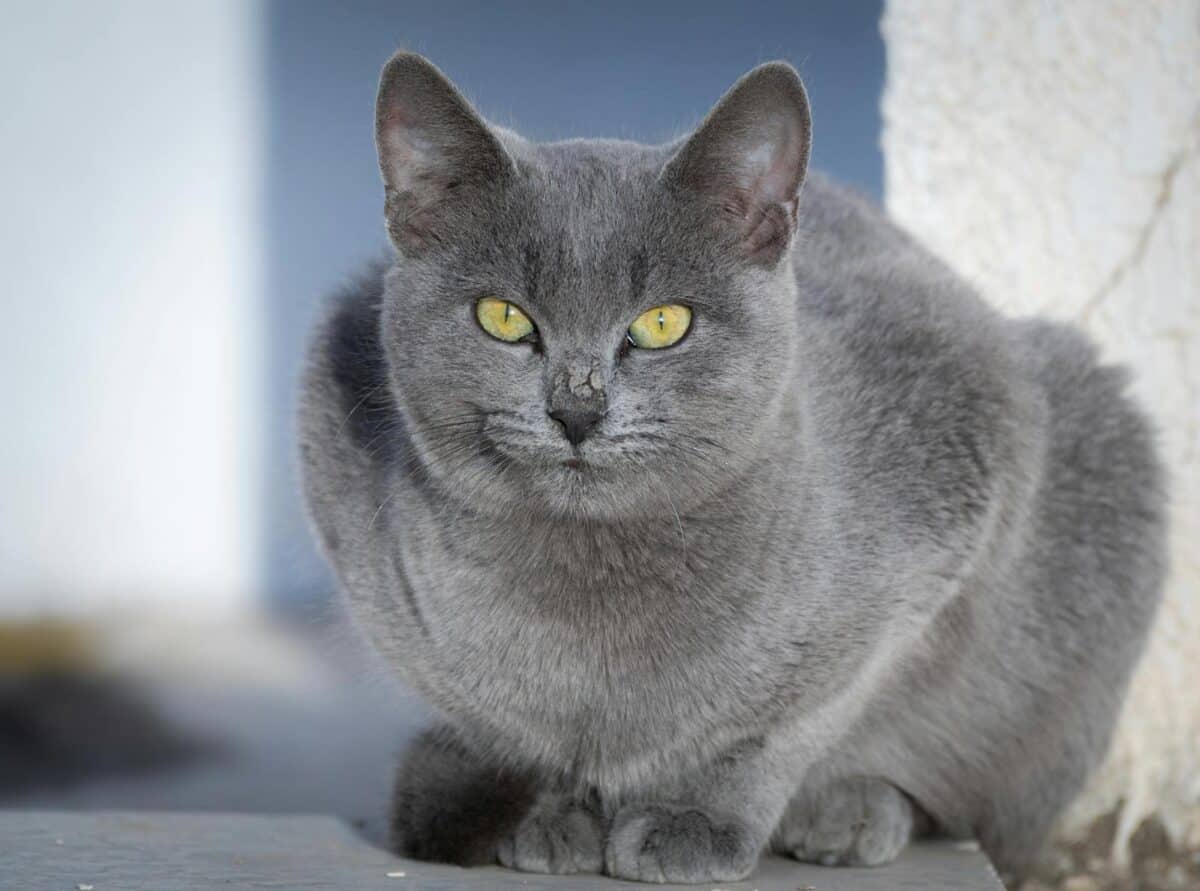
Russian Blues are elegant, silver-blue cats known for their intelligence and sensitive nature. While they form deep bonds with their human family members, they typically approach new relationships—including those with dogs—with caution and reserve. Russian Blues are not naturally sociable with other animals and often prefer a predictable, quiet environment where they can maintain control over their interactions. Their tendency toward shyness and startling easily can trigger chase responses in many dogs, creating a potentially stressful living situation.
These cats possess a dignified, somewhat aristocratic temperament that doesn’t always mesh well with the boisterous nature of many dog breeds. Russian Blues typically prefer observation over participation and may become stressed by a dog’s direct approach to social interaction. Their territorial nature means they often struggle with sharing space, resources, and attention with canine housemates. While Russian Blues raised with gentle dogs from kittenhood may develop tolerance, adult cats of this breed rarely welcome the introduction of a new dog to their established territory. For families committed to both, providing the Russian Blue with elevated spaces, secure retreats, and careful, extended introductions is essential.
Singapura: The Territorial Miniature
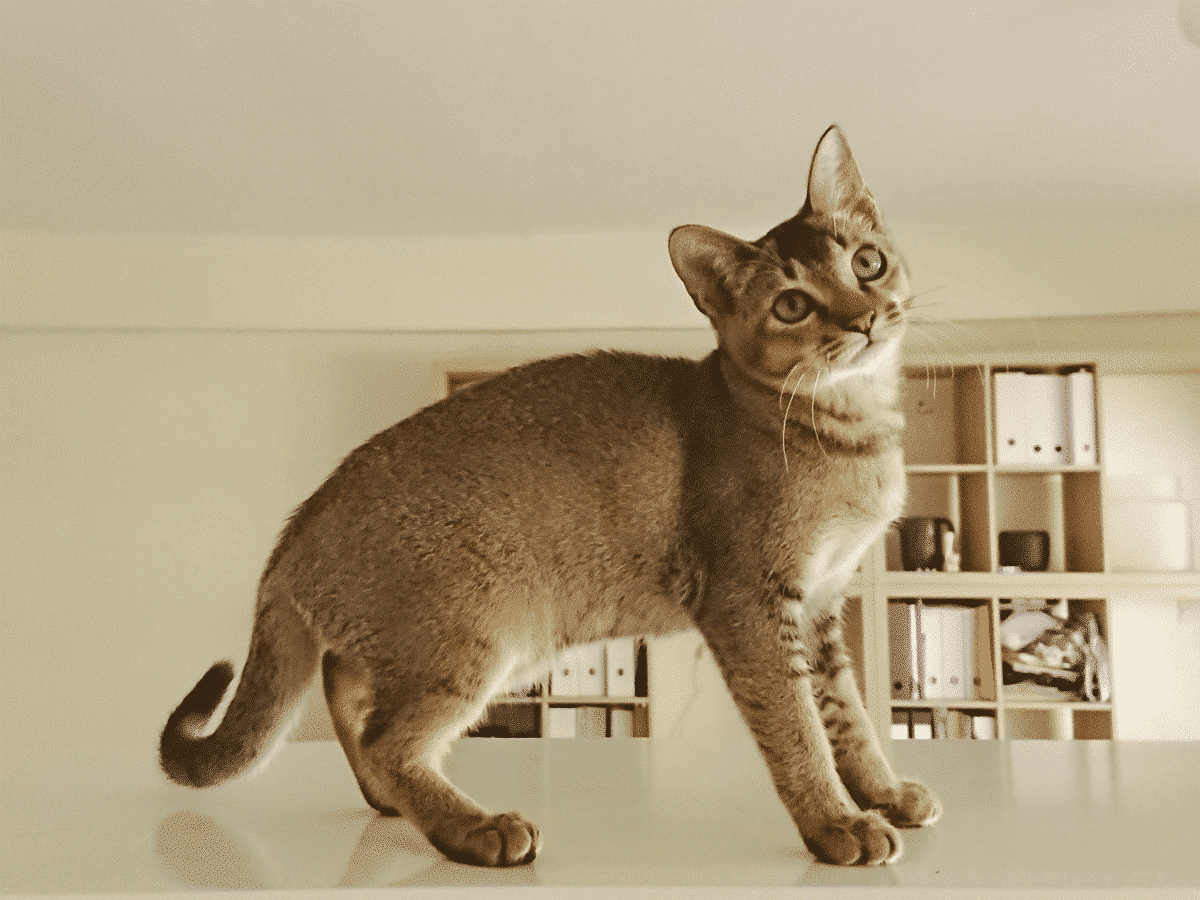
Singapuras are one of the world’s smallest cat breeds, but their diminutive size belies a strong personality and territorial nature that often conflicts with canine companionship. These cats, originating from Singapore, typically form strong bonds with their human family members but can be possessive of both people and space. Their small size (typically 4-8 pounds) makes them vulnerable in interactions with all but the smallest, gentlest dogs, creating a natural power imbalance that can lead to stress and anxiety for the cat.
Despite their playful, kitten-like energy that persists throughout their lives, Singapuras generally prefer the company of humans or other cats rather than dogs. Their territorial instincts can manifest as resource guarding—protecting food, toys, sleeping spots, and even preferred humans—which can create tension with dogs sharing the same space. Their quick, darting movements often trigger prey drive in dogs, potentially leading to chase scenarios that stress the cat. While individual exceptions exist, particularly with Singapuras raised alongside specific dogs from kittenhood, most breed experts recommend Singapuras for households without canine companions or with only very small, extremely gentle dogs who respect feline boundaries.
Creating Harmony Between Cats and Dogs: Beyond Breed Considerations

While breed tendencies provide helpful guidelines for potential cat-dog compatibility, individual personality, proper introductions, and thoughtful management are equally important factors in creating harmonious multi-species households. Even cats from typically dog-friendly breeds may struggle with certain canine personalities, while some cats from less compatible breeds may form exceptional bonds with the right dog companions. Understanding that successful relationships depend on more than genetics is essential for any family considering a mixed pet household.
Creating separate safe spaces, providing vertical escape routes for cats, supervising early interactions, and respecting each animal’s unique needs are crucial steps in fostering positive relationships. Proper introductions conducted gradually over weeks rather than days can significantly improve outcomes for cats and dogs of any breed. Perhaps most importantly, owners should recognize that some cats and dogs may never become best friends—peaceful coexistence with mutual respect might be the most realistic goal in some cases. By selecting compatible breeds, honoring individual temperaments, and managing introductions carefully, families can create loving homes where both cats and dogs thrive together, defying the stereotypical rivalry and forming bonds that enrich the lives of all family members.

- How Penguins Navigate Without a Compass - August 18, 2026
- Why You Should Always Respect a Lone Bison - August 18, 2026
- The Secret World of Animals That Glow - August 18, 2026
Leave a comment
You must be logged in to post a comment.