


In the vast ocean depths, among the countless marine creatures with extraordinary abilities, one stands out for its almost supernatural power: the sea squirt, scientifically known as Ciona intestinalis. This unassuming invertebrate possesses what might be considered a superpower in the animal kingdom – the ability to regenerate its entire brain. While many animals can regrow limbs or repair damaged tissues, completely regenerating a complex organ like the brain represents one of nature’s most astounding feats of biological engineering.
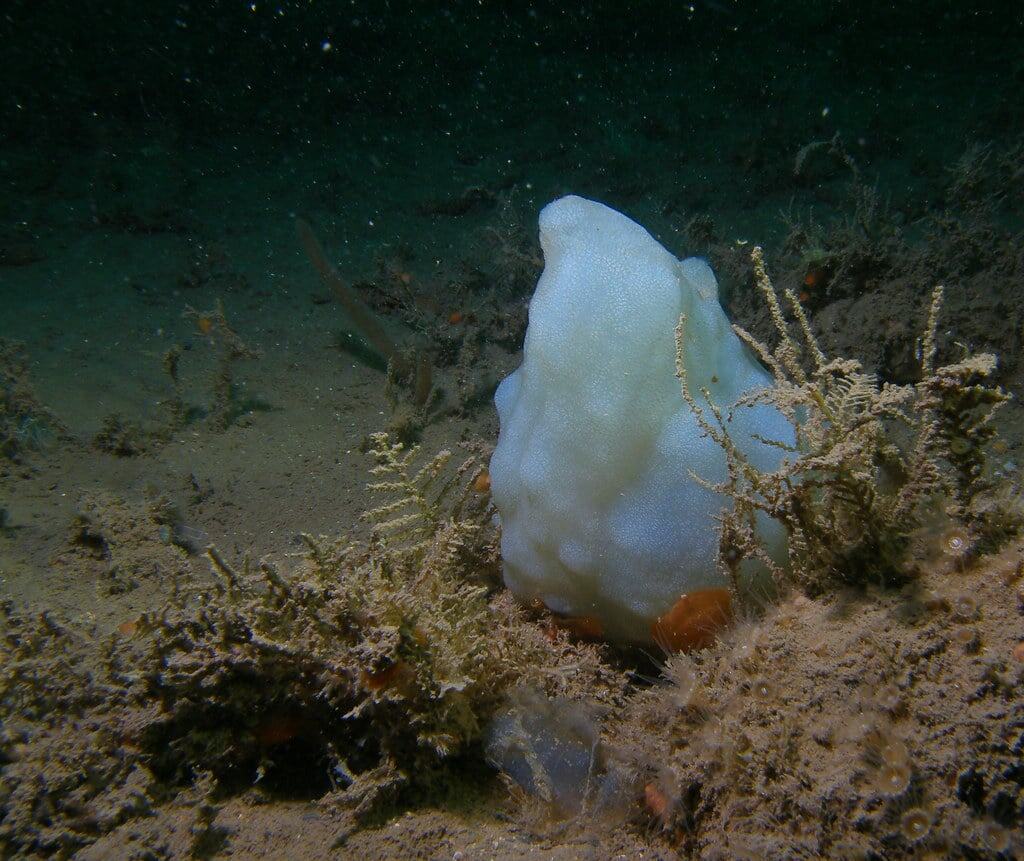
Sea squirts belong to the subphylum Tunicata within the phylum Chordata, making them distant relatives to vertebrates including humans. These sedentary filter-feeders might appear simple, resembling nothing more than small, tubular sacs attached to underwater surfaces, but their regenerative capabilities challenge our understanding of neural development and repair. Scientists have documented that when significant portions of their cerebral ganglion (their brain-like central nervous system) are removed, sea squirts can rebuild these complex neural structures completely, restoring both form and function.
Understanding Sea Squirt Biology
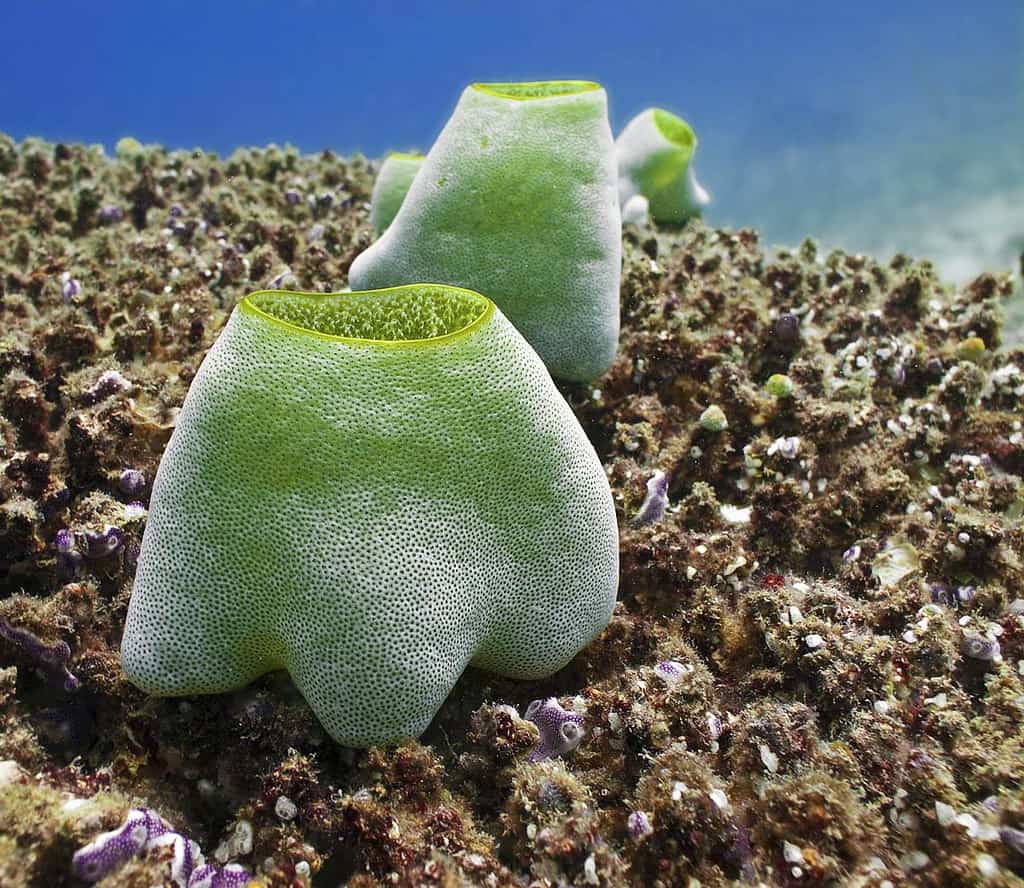
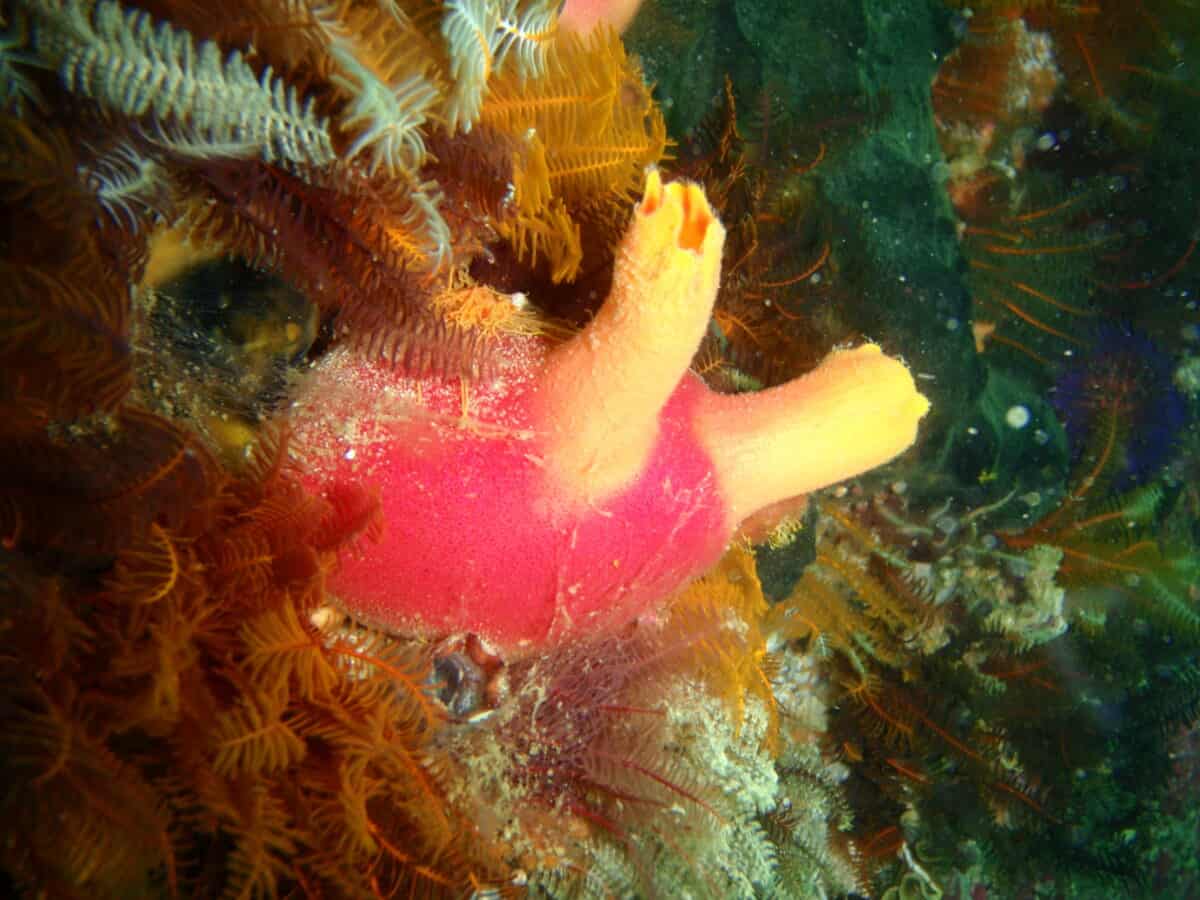
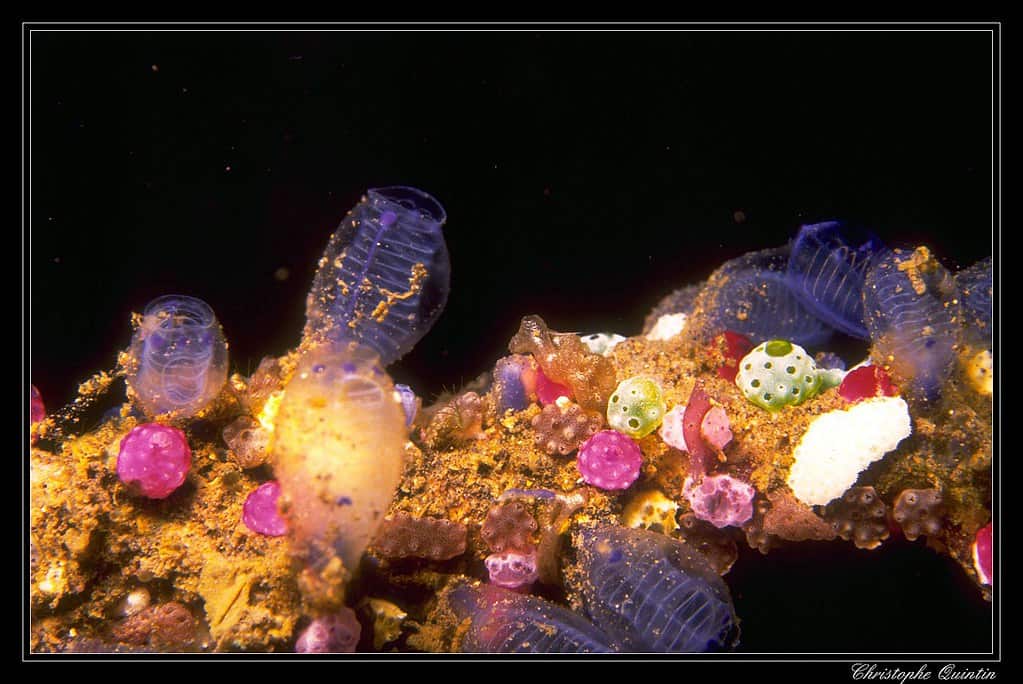
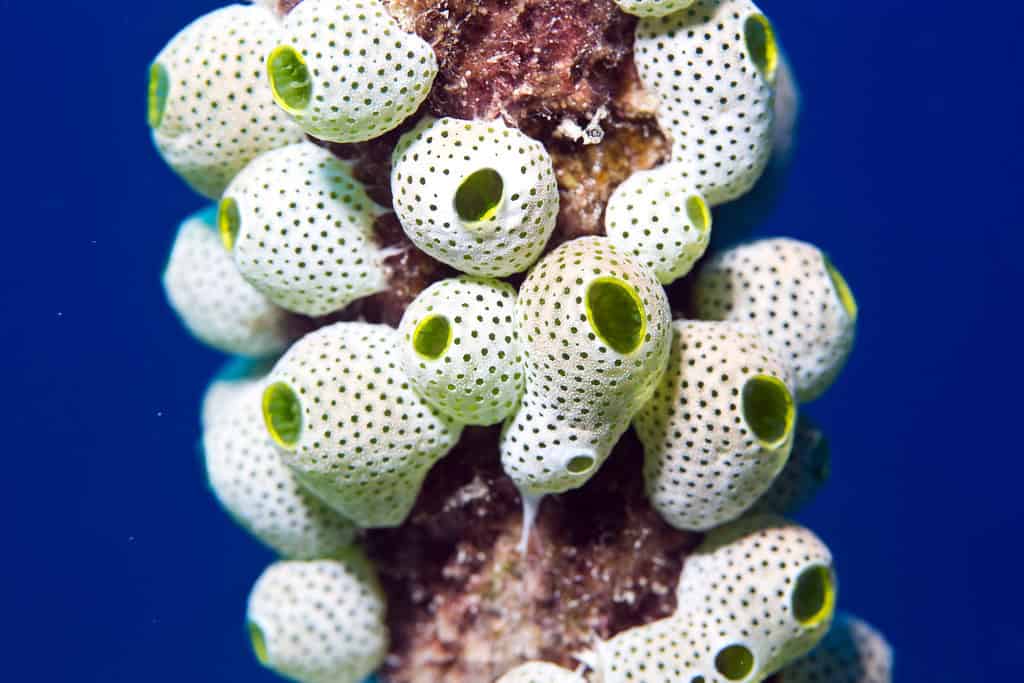
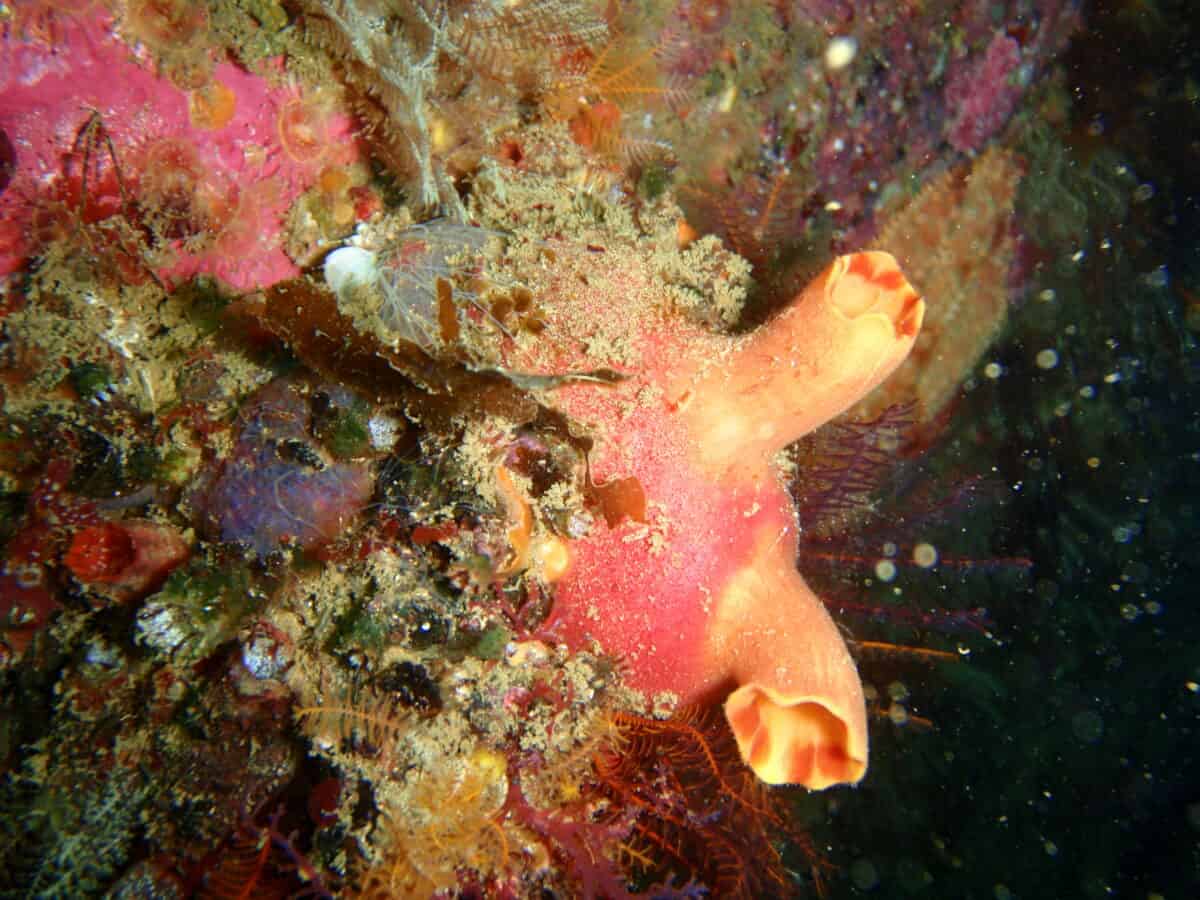
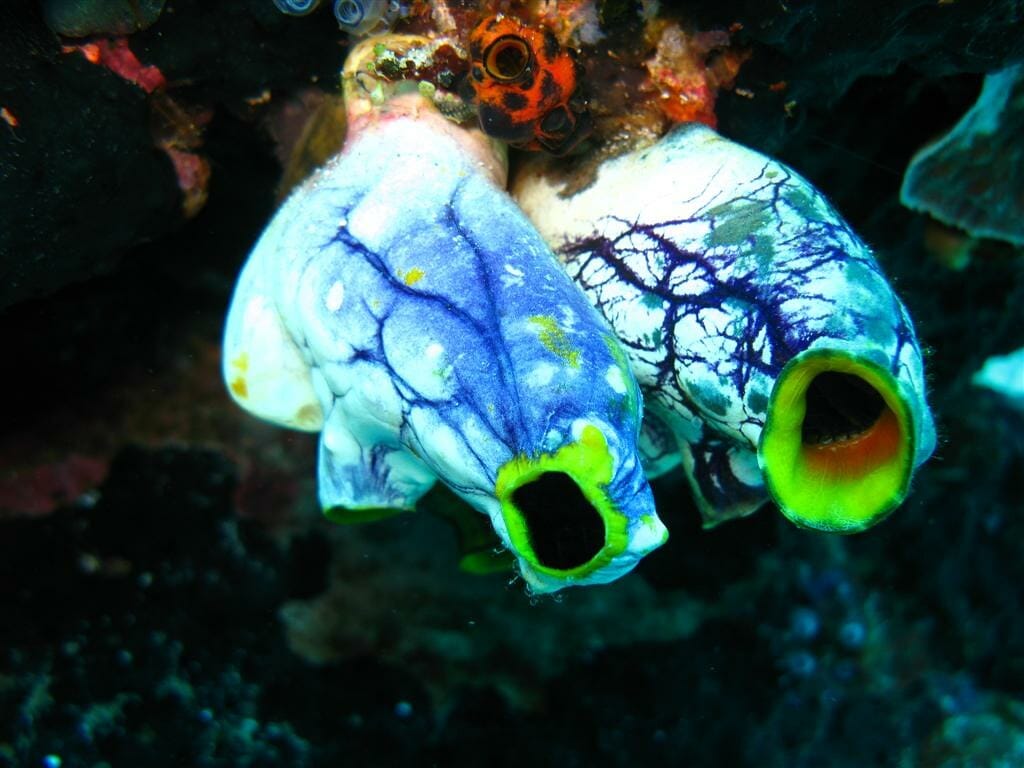
Sea squirts are marine invertebrates that belong to the class Ascidiacea. Despite their seemingly simple adult form, they share a surprising evolutionary connection with humans and other vertebrates. As larvae, sea squirts possess a notochord, dorsal hollow nerve cord, and gill slits – all defining characteristics of chordates. After a brief swimming stage, the larva settles on a suitable surface and undergoes a dramatic metamorphosis, transforming into a sessile (immobile) adult that looks nothing like its juvenile form or its vertebrate relatives.
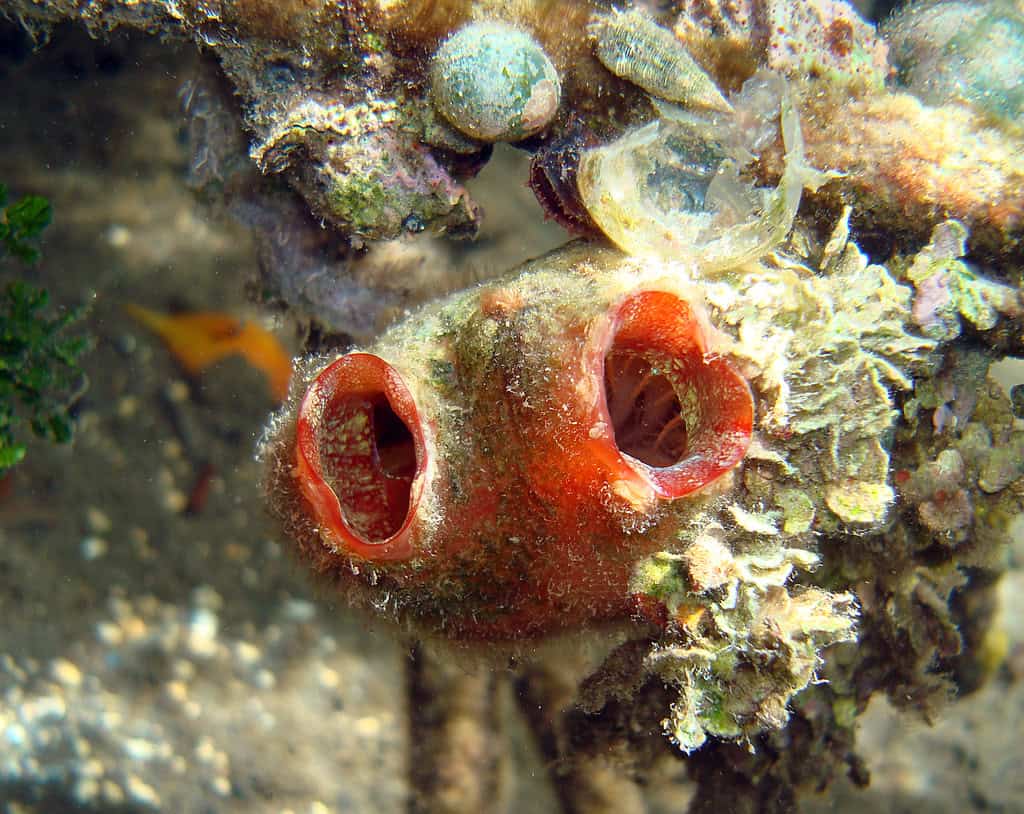
Adult sea squirts typically measure between 1-15 cm in length, depending on the species, and have two siphons that allow water to flow in and out of their bodies. Their name comes from their habit of “squirting” water when disturbed. They filter seawater for food particles using a mucous net in their pharyngeal basket. Their body is covered by a protective tunic made of cellulose-like material called tunicin – a remarkable feature as cellulose is typically found in plants, not animals. This unique biology makes sea squirts fascinating subjects for scientific study beyond just their regenerative abilities.
The Brain of a Sea Squirt
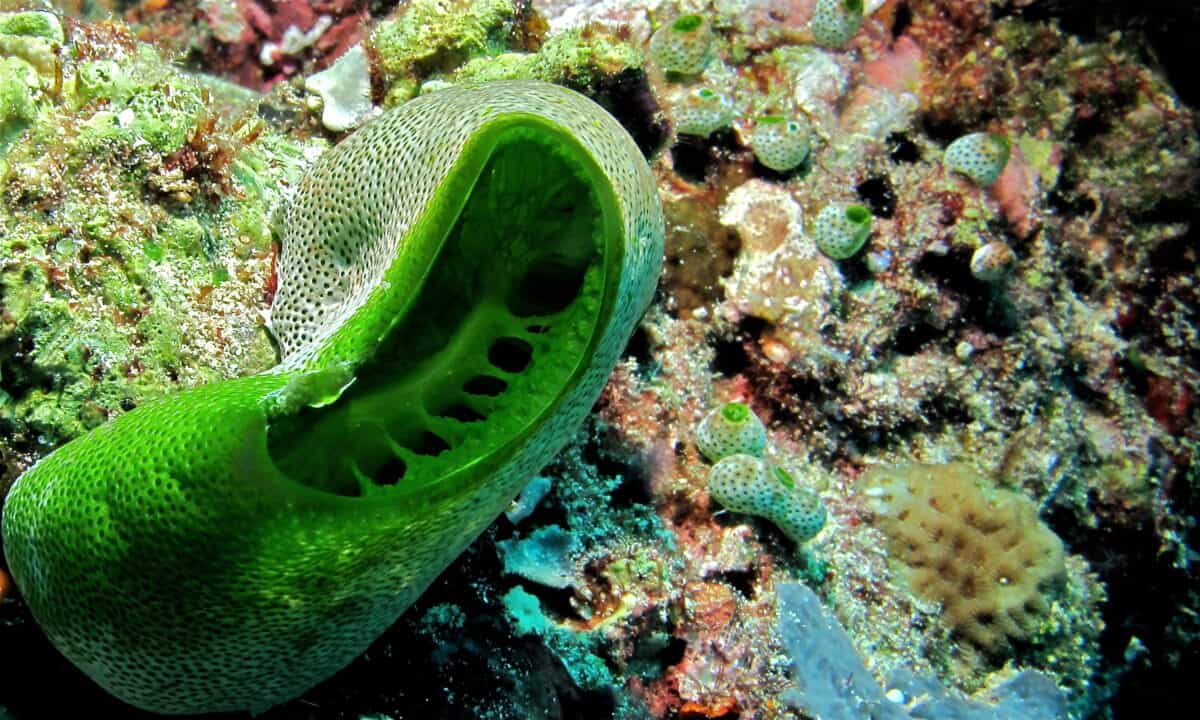
While not a brain in the traditional vertebrate sense, the sea squirt’s cerebral ganglion serves as its central nervous system hub. Located between the animal’s two siphons, this neural structure processes sensory information and coordinates basic behaviors. The cerebral ganglion contains approximately 100-200 neurons (compared to the billions in human brains), arranged in a relatively simple network. Despite this simplicity, it manages vital functions including water filtration, contraction responses, and spawning behaviors.
The sea squirt’s neural structure is particularly interesting because it represents a primitive form of the centralized nervous system that would later evolve into the complex brains of vertebrates. Scientists study these ganglia to understand the evolutionary roots of brain development. The neural system includes peripheral nerves that extend throughout the body, connecting to sensory cells that detect changes in the environment. This relatively straightforward organization makes the sea squirt an ideal model for studying fundamental principles of neural function and regeneration.
The Discovery of Brain Regeneration
The remarkable brain regeneration abilities of sea squirts were first documented comprehensively in the early 2000s, though observations of their general regenerative capabilities date back much further. Researchers at Stanford University School of Medicine conducted pioneering work by surgically removing substantial portions of the cerebral ganglion in Ciona intestinalis specimens and then observing the subsequent recovery process. To their astonishment, the animals completely rebuilt their neural control centers within just a few weeks.
This discovery sent ripples through the scientific community, as complete brain regeneration had rarely been observed in animals with centralized nervous systems. Follow-up studies confirmed these findings and expanded our understanding of the process. Unlike partial repair or compensatory growth seen in some vertebrates, sea squirts demonstrate true regeneration – building new neural tissue that functionally replaces what was lost. This ability is particularly remarkable considering that most animals, especially those more closely related to humans, have extremely limited central nervous system regenerative capabilities.
The Regeneration Process Explained
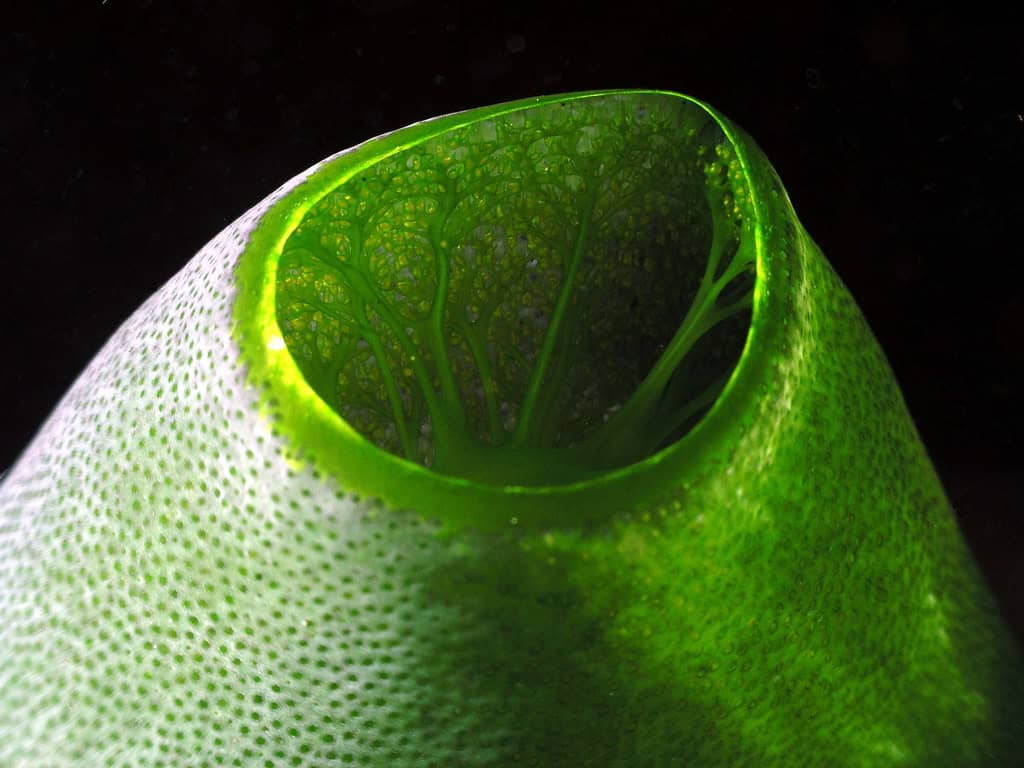
The brain regeneration process in sea squirts follows a remarkable sequence of cellular events. After injury or removal of the cerebral ganglion, specialized cells called neuronal precursors rapidly mobilize to the damaged area. Within hours, these cells begin proliferating, creating a mass of undifferentiated cells at the injury site. Unlike in mammals, where scar tissue often forms after brain injury and impedes regeneration, sea squirts create an environment conducive to neural regrowth.
Over the following days, these undifferentiated cells begin to specialize, forming new neurons and supporting cells that organize themselves into functional neural circuits. Gene expression studies show that this process activates developmental pathways similar to those used during embryonic development, effectively recapitulating brain formation. By days 10-14, the basic structure of the ganglion is restored, and by around day 21, the regenerated brain appears functionally complete. Amazingly, behavioral studies confirm that the sea squirt regains normal responses and capabilities, suggesting the regenerated neural tissue successfully reestablishes appropriate connections.
Genetic Factors Behind Brain Regeneration
The genetic mechanisms enabling sea squirts to regenerate their brains have become a focus of intensive research. Scientists have identified several key genes that activate during the regeneration process, including members of the Wnt and Notch signaling pathways – molecular signals that guide embryonic development across many animal species. In sea squirts, these developmental pathways remain accessible throughout adulthood, unlike in humans where they become largely inactive after development is complete.
Another crucial genetic factor appears to be the expression of pluripotency genes – genes that maintain cells in a stem-like state with the potential to develop into many different cell types. Sea squirts maintain populations of these versatile cells into adulthood, providing a ready reserve of cellular building material for regeneration. Comparative genomic studies between sea squirts and vertebrates with limited regenerative abilities are helping scientists identify the specific genetic differences that enable brain regeneration. Understanding these mechanisms could potentially inform future therapeutic approaches for human brain injuries and neurodegenerative diseases.
Evolutionary Significance of Brain Regeneration
The sea squirt’s ability to regenerate its brain raises fascinating evolutionary questions. Why did these animals retain this remarkable ability while more complex vertebrates, including humans, lost it? The answer likely relates to evolutionary trade-offs between regenerative capacity and other biological functions. As vertebrate nervous systems became more complex and specialized, they may have sacrificed regenerative potential for increased processing power and efficiency.
From an evolutionary perspective, sea squirts occupy an interesting position as primitive chordates. They represent a branch of evolution that diverged before the emergence of vertebrates but after the development of basic chordate characteristics. This makes them valuable for understanding which traits were present in our common ancestors and which developed later. The retention of robust regenerative abilities in sea squirts suggests these capabilities were present in early chordates but were subsequently reduced or lost in the vertebrate lineage. This understanding helps scientists trace the evolutionary history of regeneration and potentially identify why and how these abilities were compromised in our own evolutionary past.
Comparison with Other Regenerative Marine Animals

While sea squirts stand out for their brain regeneration abilities, they’re not the only marine creatures with impressive regenerative capabilities. Starfish can regrow entire arms containing portions of their decentralized nervous system. Certain flatworms can regenerate their entire bodies from tiny fragments, including their simple brain-like ganglia. Axolotls, though freshwater creatures, can regenerate limbs, portions of vital organs, and even parts of their brain and spinal cord. Each of these animals employs different cellular and molecular mechanisms to achieve regeneration.
What makes sea squirts particularly significant is their evolutionary position as primitive chordates. Unlike starfish or flatworms, which have very different body plans from vertebrates, sea squirts share developmental pathways and basic anatomical features with our own evolutionary lineage. This makes their regenerative abilities more directly relevant to understanding the potential for regeneration in vertebrates. By comparing regeneration across these diverse marine animals, scientists can identify both unique and common mechanisms, helping to distinguish fundamental regenerative processes from species-specific adaptations.
Implications for Medical Science
The sea squirt’s ability to regenerate its brain holds tremendous potential for medical applications. Human brain and spinal cord injuries remain among the most devastating and treatment-resistant medical conditions. By understanding how sea squirts activate and control their regenerative processes, scientists hope to identify molecular pathways that could potentially be reactivated in human neural tissues. While direct application remains distant, these studies are informing new approaches to treating neurodegenerative diseases and traumatic brain injuries.
Several research institutions are conducting studies that translate findings from sea squirt regeneration to mammalian models. Early experiments have identified compounds that promote neural regrowth in laboratory settings by mimicking molecular signals found in regenerating sea squirt tissues. Other researchers are exploring gene therapy approaches that might reactivate dormant regenerative pathways in human cells. While the complexity of the human brain presents significant challenges, the fundamental cellular mechanisms of neural development and repair show surprising conservation across species, offering hope that some aspects of sea squirt regeneration might eventually inform human therapies.
Challenges in Studying Sea Squirt Regeneration
Despite their promising regenerative abilities, studying sea squirts presents several challenges for researchers. Maintaining proper laboratory conditions for these marine animals requires specialized equipment to replicate their ocean environment. Additionally, their small size and delicate tissues make precise surgical interventions technically demanding. Researchers must develop micromanipulation techniques and specialized tools to perform experimental procedures without causing collateral damage that might confound their results.
Another significant challenge lies in the limited genetic and molecular tools available for sea squirt research compared to more established model organisms like mice or fruit flies. However, this situation is rapidly improving as interest in sea squirts grows. Complete genome sequences are now available for several sea squirt species, and new techniques for genetic manipulation are being developed. Imaging living neural tissues during regeneration presents another technical hurdle, though advances in microscopy are gradually overcoming these limitations. Despite these challenges, the potential insights into fundamental biological processes continue to drive innovation in sea squirt research methodologies.
Current Research Frontiers
The cutting edge of sea squirt regeneration research spans multiple scientific disciplines. Developmental biologists are mapping the precise cellular lineages that contribute to brain regeneration, tracking individual cells as they proliferate and differentiate during the rebuilding process. Molecular biologists are conducting comprehensive gene expression analyses to identify the full suite of genes involved in neural regeneration and how they’re regulated. These studies employ advanced techniques like single-cell RNA sequencing to capture the genetic activity of individual cells throughout the regeneration timeline.
Neuroscientists are developing new methods to record neural activity in regenerating ganglia to determine how functional circuits reestablish themselves. This includes tracking the formation of synapses and the reemergence of coordinated neural firing patterns. Evolutionary biologists are conducting comparative studies across related species with varying regenerative abilities to identify the genetic changes that accompany gains or losses in regenerative potential. Some researchers are even attempting to induce similar regenerative responses in more complex vertebrate models by introducing genetic factors identified in sea squirts. These diverse approaches reflect the multifaceted significance of sea squirt regeneration as a biological phenomenon.
Conclusion: The Future of Regenerative Medicine
The sea squirt’s remarkable ability to regenerate its entire brain represents one of nature’s most profound examples of biological resilience and adaptability. By unraveling the molecular and cellular mechanisms behind this regenerative feat, scientists are not only gaining insights into fundamental biological processes but also potentially opening new avenues for medical treatments. While we may never achieve complete brain regeneration in humans, the lessons learned from these humble marine creatures could lead to significant advances in treating neurological injuries and diseases.
As research tools continue to advance and our understanding deepens, the gap between observing regeneration in sea squirts and applying similar principles to human medicine gradually narrows. The journey from basic biological discovery to clinical application is invariably long and filled with challenges, but history has repeatedly shown that nature’s most extraordinary capabilities often inspire medical breakthroughs. In the delicate tissues of the sea squirt, continuously rebuilding its neural command center, we may find answers to questions that have perplexed neuroscientists for generations and hope for patients suffering from currently irreparable neural damage.
Perhaps most importantly, the sea squirt reminds us of how much we still have to learn from the seemingly simple creatures that share our planet. In an unassuming marine invertebrate that most people have never encountered lies a biological capability that outstrips our most advanced medical technologies. This humbling reality encourages scientific curiosity and reinforces the importance of basic research across the tree of life. The future of regenerative medicine may well be influenced by these ancient evolutionary innovations that have persisted in organisms like the sea squirt while being lost in our own lineage.

From exploring the marine wonders in the Azores and witnessing the vast savannas of Kenya, to delving deep into the rich biodiversity of South Africa and traversing iconic landscapes in Australia and the US like Yellowstone, Chris's experiences are vast.
With a penchant for diving alongside sharks, the ocean holds a special place in his heart.
Through his academic insights, he champions wildlife conservation, striving with 'Animals Around The Globe' to cultivate a profound connection between humans and animals, enhancing our mutual appreciation.
Connect with him at Feedback@animalsaroundtheglobe.com.
- This Monkey Has a Mustache - July 21, 2026
- How Steve Irwin Changed the World’s View of Wildlife - July 21, 2026
- The Catfish That Caused Earthquakes in Japanese Folklore - July 21, 2026