

In the complex world of arthropods, evolutionary adaptations have led to fascinating survival strategies. Among these, mimicry stands out as one of nature’s most ingenious defenses. Certain spider species have evolved to mimic ants in appearance and behavior, a phenomenon known as myrmecomorphy. This remarkable adaptation helps these spiders avoid predation, hunt more effectively, and navigate environments where ants thrive. The resemblance isn’t merely superficial—these spiders have undergone significant morphological changes and developed behavioral patterns that convincingly disguise them as ants, fooling both predators and prey alike. This article explores the fascinating world of ant-mimicking spiders, their evolutionary journey, and the remarkable adaptations that allow them to survive in a world where being a spider can be dangerously conspicuous.
The Evolutionary Advantage of Ant Mimicry

Ant mimicry has evolved independently in spiders at least 13 times across multiple families, demonstrating its significant evolutionary advantage. Ants are generally avoided by many predators due to their aggressive defense mechanisms, including powerful mandibles, formic acid sprays, and coordinated group attacks. By resembling ants, spiders gain protection from predators that have learned to avoid ants through negative experiences or innate aversion. This form of mimicry, called Batesian mimicry, allows a harmless species to imitate a dangerous one, benefiting from the dangerous species’ reputation without having to develop costly defense mechanisms.
Research has shown that ant-mimicking spiders experience significantly lower predation rates compared to non-mimicking relatives. In controlled experiments, predators such as jumping spiders and birds consistently avoid ant mimics while readily attacking non-mimicking spiders of similar size. This protection is particularly valuable for small spiders, which would otherwise be vulnerable to a wide range of predators including larger spiders, birds, lizards, and insectivorous mammals. The evolutionary investment in mimicry pays dividends in survival rates, allowing these specialized spiders to occupy niches that would otherwise be too dangerous.
Physical Adaptations for Ant Resemblance
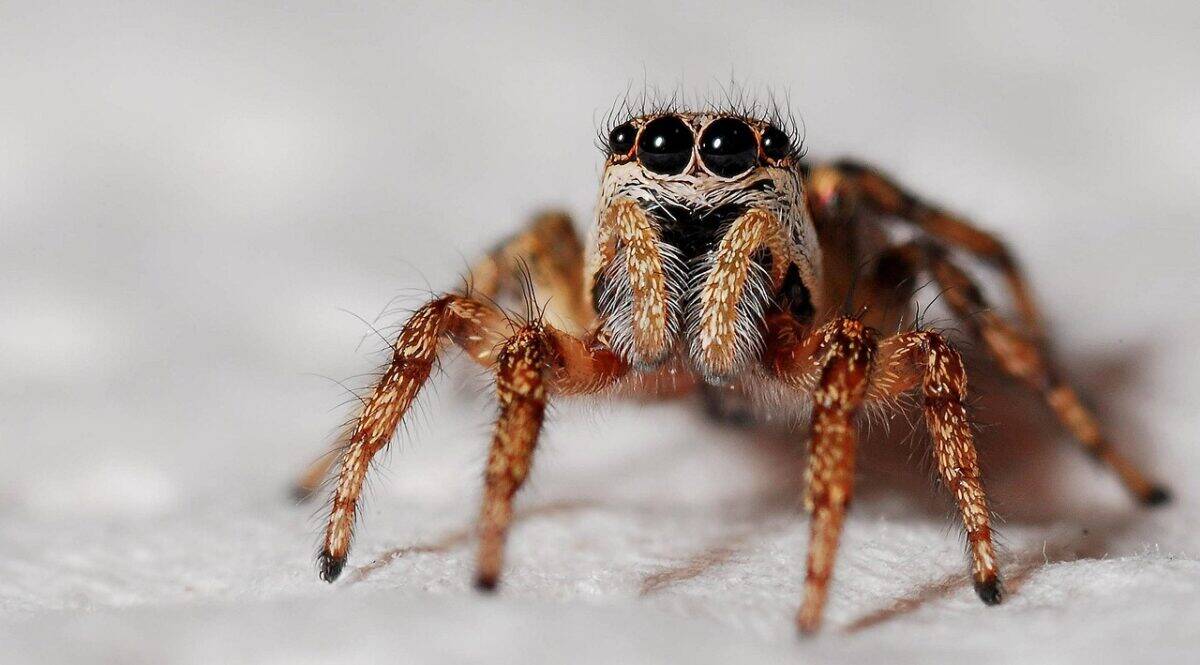
The physical transformation that ant-mimicking spiders have undergone is remarkable. While typical spiders have two body segments (cephalothorax and abdomen), ants have three distinct segments (head, thorax, and abdomen). To overcome this fundamental difference, many ant-mimicking spiders have evolved a constriction in their cephalothorax or abdomen, creating the illusion of an extra body segment. Some species have developed bulbous sections on their legs to mimic the appearance of an ant’s head when viewed from certain angles. Their bodies are typically slender and elongated, matching the general profile of ants rather than the rounder form of typical spiders.
The legs of ant-mimicking spiders also display significant adaptations. Many species hold their front pair of legs aloft while walking, using them as fake antennae—a behavior called antennal illusion. Their remaining six legs are used for locomotion, matching the six-legged gait of ants. Coloration plays a crucial role as well, with many mimics displaying the red, black, or brown patterns common in local ant species. Some even have reflective body parts that mimic the shiny exoskeleton of ants, and specialized hairs or scales that alter their appearance to match the texture of ant cuticles.
Behavioral Mimicry: Moving Like an Ant
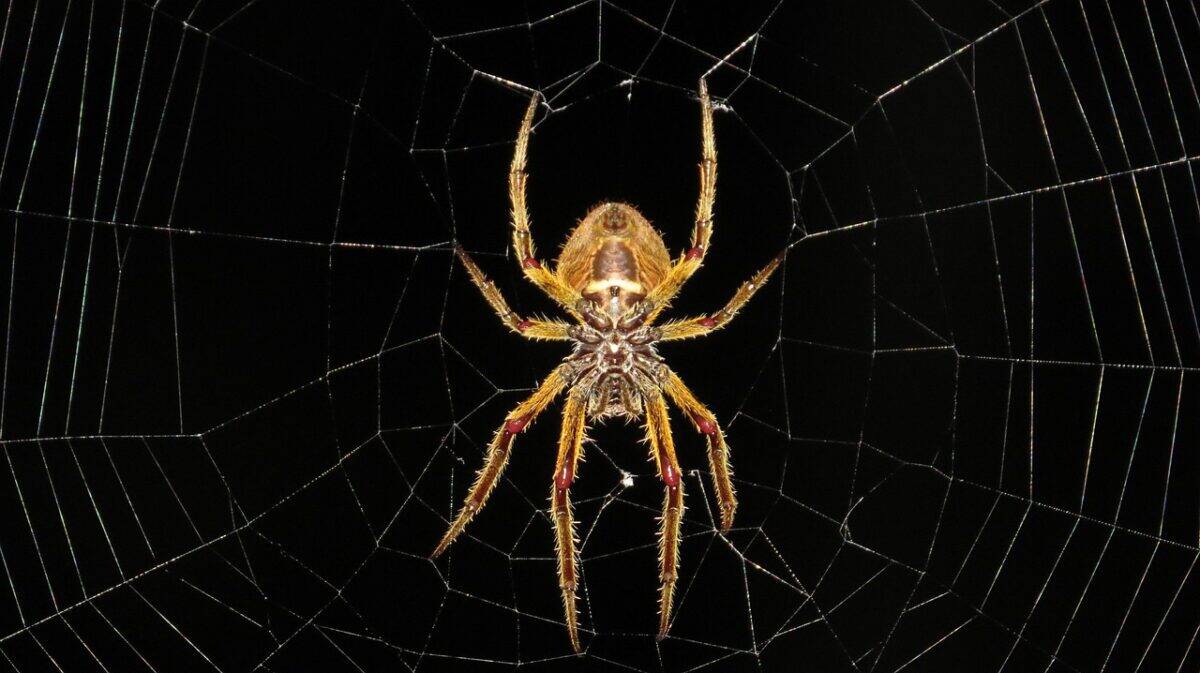
Physical resemblance is only part of the deception—ant-mimicking spiders have also mastered behavioral mimicry that makes their disguise even more convincing. Unlike the typically smooth, direct movements of spiders, ant mimics adopt the jerky, zigzagging patterns characteristic of foraging ants. This erratic movement pattern is so distinctive that researchers can often identify ant mimics simply by observing their locomotion. Some species have even abandoned the silk-producing behaviors typical of spiders, as spinning webs would immediately give away their true identity.
The commitment to the ant disguise extends to social behavior as well. Many ant-mimicking spiders will follow ant trails and integrate themselves into ant columns, moving alongside real ants without detection. Species like Myrmarachne formicaria have been observed stopping periodically to touch the ground with their front legs, mimicking the way ants communicate through antennae contact and pheromone detection. During threatening situations, some mimics will even adopt defensive postures similar to those of the ants they resemble, further reinforcing their disguise when it matters most—in the presence of potential predators.
The Myrmarachne Genus: Masters of Deception
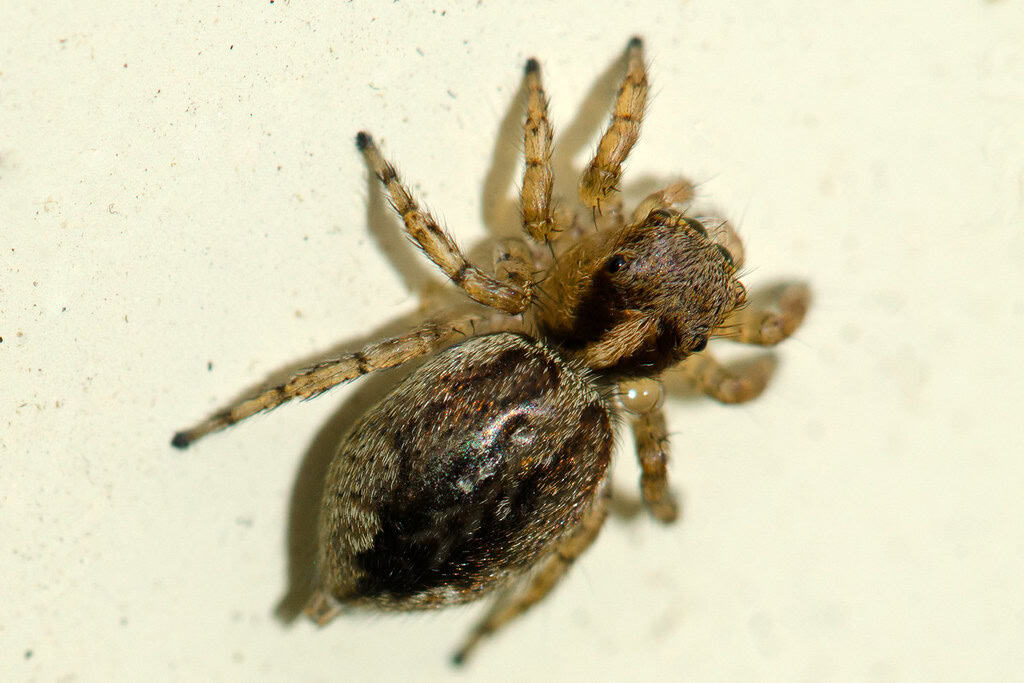
The genus Myrmarachne represents perhaps the most successful and diverse group of ant-mimicking spiders, with over 200 species found across tropical and subtropical regions worldwide. These jumping spiders (family Salticidae) have evolved some of the most convincing ant disguises in the arachnid world. Their cephalothorax is elongated and often constricted to create the appearance of a separate head and thorax, while their abdomen frequently features another constriction to resemble an ant’s segmented body. The males of many Myrmarachne species have dramatically elongated chelicerae (jaws) that they hold horizontally beneath their bodies, disguising these distinctly spider-like features while maintaining their functionality.
What makes Myrmarachne particularly fascinating is their species-specific mimicry—different species mimic different ant models with remarkable precision. Myrmarachne plataleoides from Southeast Asia mimics weaver ants (Oecophylla smaragdina), adopting their distinctive golden-green coloration. Myrmarachne melanotarsa from East Africa mimics cocktail ants of the genus Crematogaster, even living in close proximity to their model and benefiting from the protection of ant colonies. This specialized mimicry demonstrates how evolution has fine-tuned these spiders to match specific models in their local environments, maximizing the effectiveness of their disguise.
Predatory Advantages of Ant Mimicry
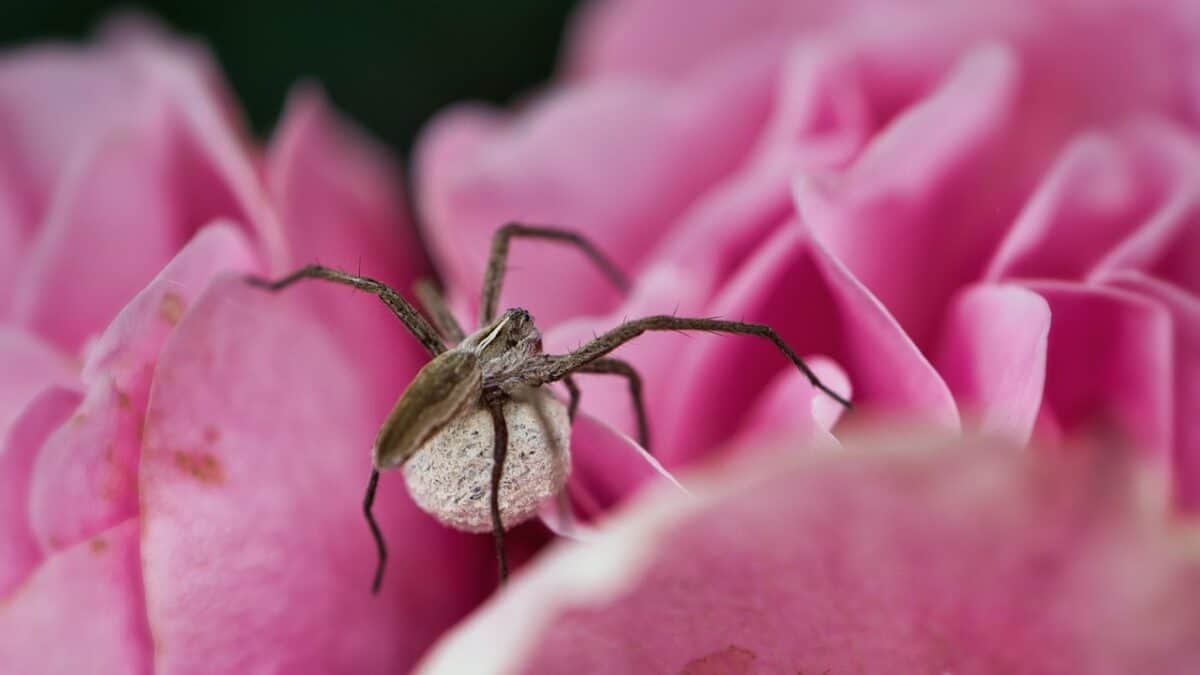
Beyond avoiding predation, ant mimicry offers certain spiders significant advantages when hunting. Some ant-mimicking spiders are myrmecophagous—they specialize in preying on ants themselves. By resembling ants, these predators can approach their prey without triggering defensive responses. The spider Zodarion rubidium, for example, lives among ant colonies and feeds exclusively on ants, using its disguise to get close enough to attack. Its mimicry is so effective that ants often fail to recognize it as a threat until it’s too late.
Other ant mimics prey on insects that have evolved to coexist peacefully with ants. Many aphids and other sap-feeding insects have mutualistic relationships with ants, providing honeydew in exchange for protection. Ant-mimicking spiders can exploit this relationship, approaching these insects without causing alarm. Some species of Myrmarachne have been observed feeding on aphids that were simultaneously being tended by the ants they mimic. This infiltration strategy allows these spiders to access food sources that would normally be protected by aggressive ant guardians, expanding their dietary options and reducing competition with other predators.
Chemical Camouflage: The Invisible Disguise
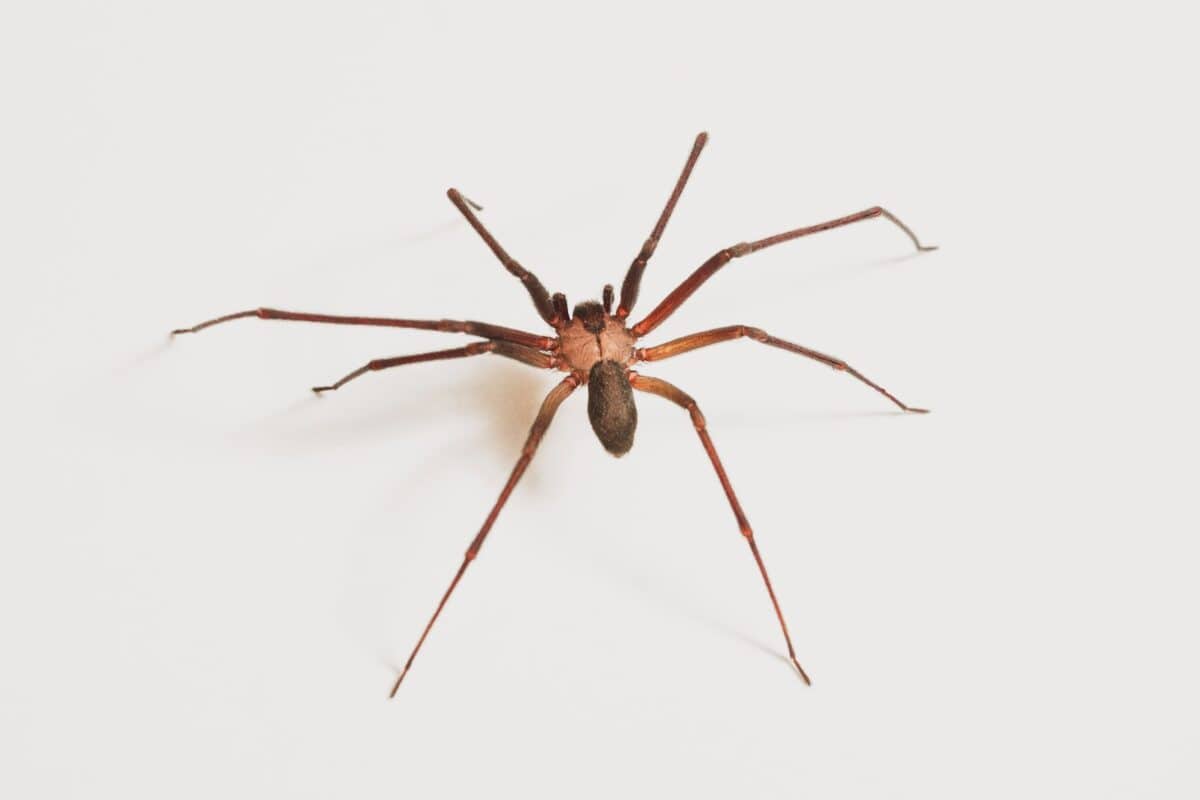
The most sophisticated ant mimics employ not only visual and behavioral disguises but chemical camouflage as well. Ants communicate and recognize colony members primarily through chemical signals—complex mixtures of hydrocarbons on their cuticles that serve as a colony-specific “scent signature.” Some ant-mimicking spiders have evolved the ability to produce or acquire chemical profiles similar to their ant models, making their disguise virtually undetectable even to the ants themselves.
Research on spiders of the genus Cosmophasis has revealed that these ant mimics acquire the cuticular hydrocarbons of their host ants by rubbing against them or feeding on ant larvae. This chemical disguise is so effective that they can move freely within ant colonies, protected not only from external predators but from the ants themselves. Similarly, some Myrmarachne species have been observed grooming themselves after contact with ants, potentially transferring chemical compounds to enhance their disguise. This multilayered mimicry—visual, behavioral, and chemical—represents one of the most comprehensive deceptive strategies in the animal kingdom.
Sexual Dimorphism in Ant-Mimicking Spiders

One of the most interesting aspects of ant-mimicking spiders is the pronounced sexual dimorphism observed in many species, particularly in the genus Myrmarachne. Males often bear enlarged chelicerae that can be as long as their cephalothorax, used in male-male combat and courtship displays. This presents a significant challenge to effective ant mimicry, as these distinctly spider-like features could potentially compromise their disguise. Remarkably, evolution has solved this problem through behavioral adaptations—males typically hold their chelicerae horizontally under their bodies, maintaining the ant-like appearance while retaining these important sexual structures.
This sexual dimorphism creates different mimicry challenges for males and females. Female ant mimics generally achieve a more perfect resemblance to their ant models, while males often mimic specific ant forms like those carrying objects in their mandibles. In some species, males mimic ants carrying seeds or prey items, with their enlarged chelicerae resembling the burden carried by worker ants. This specialized mimicry demonstrates the remarkable plasticity of these adaptations, allowing spiders to maintain effective disguises despite the constraints imposed by their reproductive biology. It also highlights how natural selection for mimicry interacts with sexual selection, creating complex evolutionary compromises.
Geographic Distribution and Diversity
Ant-mimicking spiders are found worldwide but reach their greatest diversity in tropical and subtropical regions, where ant populations are most abundant and diverse. The highest concentration of ant-mimicking spider species occurs in Southeast Asia, Central and South America, and tropical Africa. These regions harbor numerous ant species with strong defenses, creating ideal conditions for the evolution of Batesian mimicry. Each geographic region tends to have ant mimics specifically adapted to local ant species, demonstrating parallel evolution across different continents.
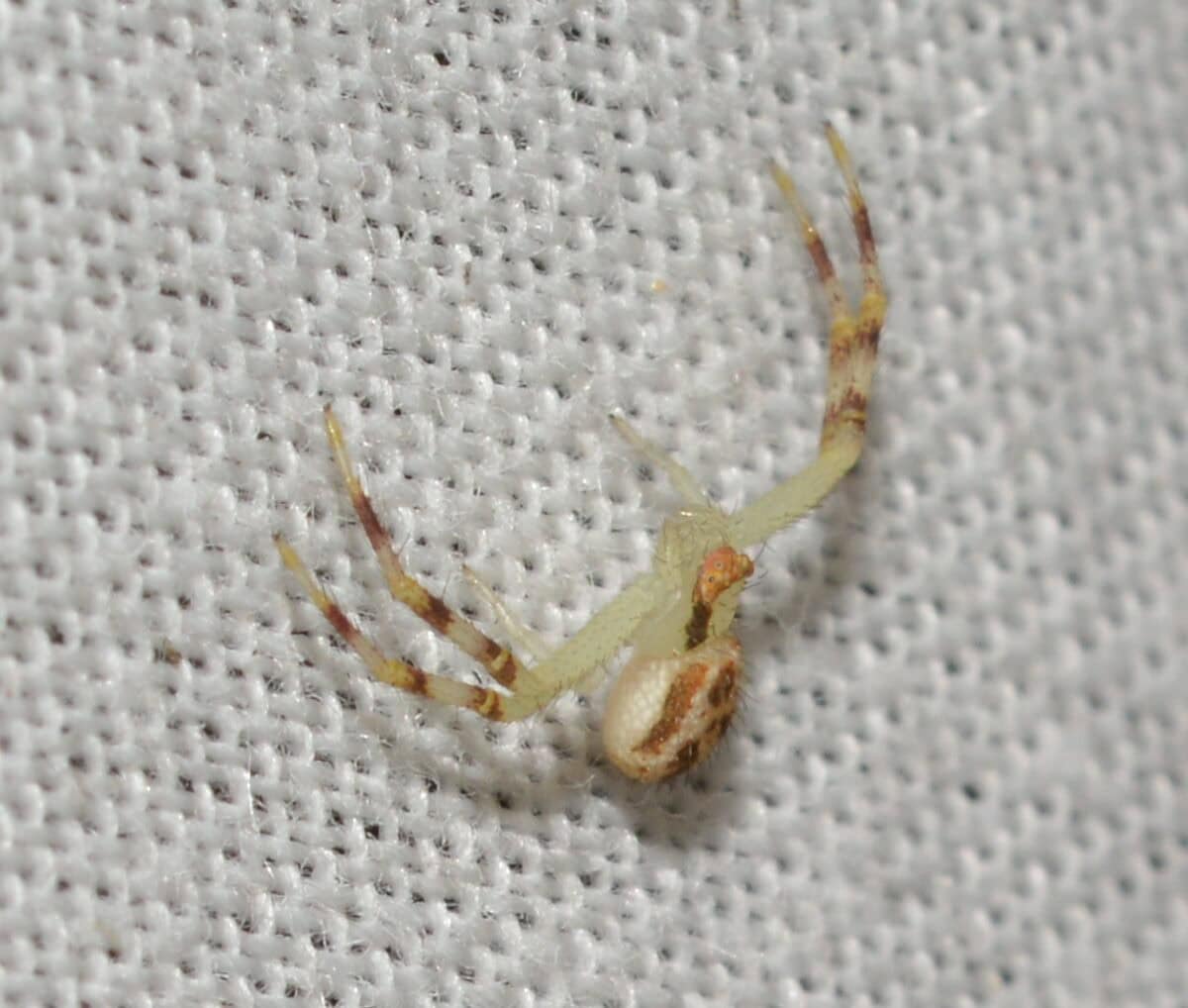
The diversity of ant-mimicking spiders is remarkable, with representatives in at least 13 spider families including Salticidae (jumping spiders), Corinnidae, Zodariidae, Thomisidae (crab spiders), and Clubionidae. The family Salticidae contains the most ant mimics, with over 300 described species exhibiting some degree of myrmecomorphy. This wide phylogenetic distribution underscores how powerful the selective pressure for ant mimicry has been, driving convergent evolution across distantly related spider lineages. Each family has evolved unique solutions to the challenge of ant mimicry, resulting in diverse morphological adaptations that achieve the same functional outcome.
Famous Examples of Ant-Mimicking Spiders
Among the most well-studied ant-mimicking spiders is Myrmarachne formicaria, a Eurasian species that has become established in North America. This spider mimics common garden ants of the genus Lasius and has been the subject of numerous behavioral studies demonstrating its complex mimicry. Another remarkable example is Aphantochilus rogersi, a crab spider that mimics turtle ants (genus Cephalotes) so convincingly that it can live directly on the same tree trunks as its models. This spider has evolved a flattened, disc-shaped body that perfectly matches the unique morphology of turtle ants.
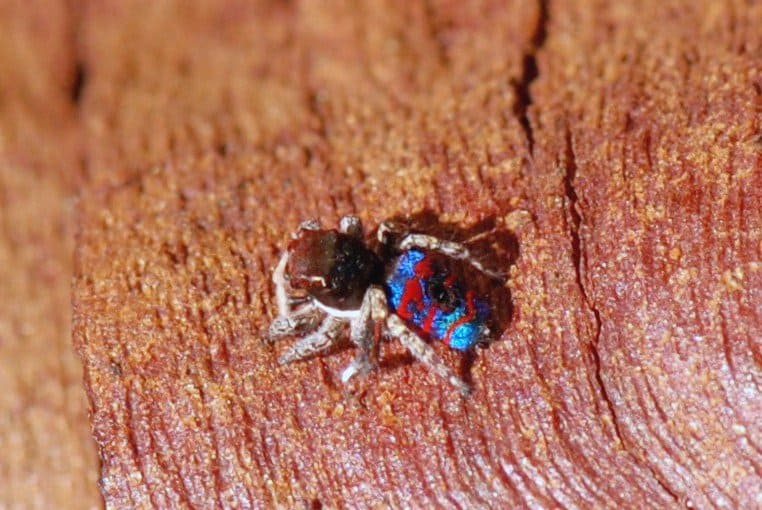
In Australia, the peacock spider Maratus speciosus presents an unusual case—male spiders mimic ants only when not displaying to females. During courtship, they reveal brilliant iridescent abdominal flaps, but when searching for prey or avoiding predators, they tuck these away and adopt ant-like movements. The Southeast Asian jumping spider Toxeus magnus mimics weaver ants so effectively that it took scientists decades to recognize it was not an ant. This species has even evolved maternal care behaviors rare among spiders, with mothers nursing their young with a milk-like substance—a trait that might be connected to their ant-mimicking lifestyle, as it keeps vulnerable juveniles protected within small colonies of their own kind.
Evolutionary Arms Race with Predators

The evolution of ant mimicry in spiders represents just one side of an ongoing evolutionary arms race with predators. As spiders become better ant mimics, predators that specialize in eating spiders develop more sophisticated methods for distinguishing genuine ants from mimics. Some jumping spiders that hunt other spiders have evolved the ability to detect subtle differences in movement patterns between ants and their mimics. Research has shown that experienced jumping spider predators can learn to distinguish between ant mimics and real ants after repeated encounters, suggesting that mimicry must continually improve to remain effective.
This dynamic creates selection pressure for increasingly perfect mimicry, explaining why some ant-mimicking spiders have evolved such comprehensive disguises incorporating visual, behavioral, and chemical elements. Interestingly, some predators have evolved counter-adaptations specifically to exploit ant mimics. Certain wasps, for instance, specialize in hunting ant-mimicking spiders while avoiding real ants. These specialized predators can distinguish subtle differences invisible to most other animals, driving further refinement of mimicry. This arms race has been ongoing for millions of years, producing the remarkably sophisticated mimicry systems we observe today.
Conservation Challenges for Specialized Mimics
The highly specialized nature of ant-mimicking spiders creates unique conservation challenges. Many species have co-evolved with specific ant models in particular habitats, making them vulnerable to ecological changes that affect their model species. Habitat destruction in tropical regions threatens both ants and their spider mimics, potentially disrupting these intricate evolutionary relationships before they can be fully understood. Climate change presents additional challenges, as it may create mismatches between the distributions of ant species and their mimics, potentially rendering the mimicry less effective if spiders find themselves in environments where their model species is rare or absent.
Additionally, the specialized nature of many ant mimics makes them difficult to maintain in captivity or relocate to new habitats. Conservation efforts for these spiders must consider not just the spider itself but the entire ecological context including their ant models. Many ant-mimicking species remain poorly studied, with new species still being discovered regularly. This knowledge gap complicates conservation efforts, as it’s difficult to protect species whose basic biology, distribution, and ecological requirements remain largely unknown. Protecting intact ecosystems where these evolutionary relationships can continue to unfold represents the best strategy for conserving these remarkable examples of evolutionary adaptation.
Conclusion: Nature’s Master Illusionists

Ant-mimicking spiders represent one of nature’s most sophisticated examples of evolutionary adaptation, demonstrating how powerful selective pressures can reshape organisms to exploit ecological opportunities. These arachnids have undergone remarkable transformations in body shape, coloration, behavior, and even chemical signatures—all to convincingly portray an entirely different arthropod. Their success is evidenced by the multiple independent origins of this adaptation across the spider family tree, a testament to the effectiveness of ant mimicry as a survival strategy. The comprehensive nature of this mimicry, incorporating visual, behavioral, and chemical elements, showcases the extraordinary precision with which natural selection can craft adaptations.
Beyond their evolutionary significance, ant-mimicking spiders offer fascinating insights into predator-prey dynamics, sensory perception, and the complex interplay between different selective pressures. They demonstrate how organisms can exploit the reputations of dangerous species, turning other animals’ learned or innate aversions to their advantage. As research continues to uncover the mechanisms and diversity of ant mimicry in spiders, we gain not only a deeper appreciation for these remarkable arthropods but a better understanding of the fundamental processes that generate biodiversity. In the grand theater of evolution, ant-mimicking spiders stand out as some of nature’s most accomplished performers, their convincing disguises the product of millions of years of evolutionary refinement.

- This Tiny Insect Can Survive in Outer Space—Here’s How - July 21, 2026
- Could the Tasmanian Tiger Be Brought Back to Life? - July 21, 2026
- Why You Should Never Approach a Sleeping Hippo - July 21, 2026