
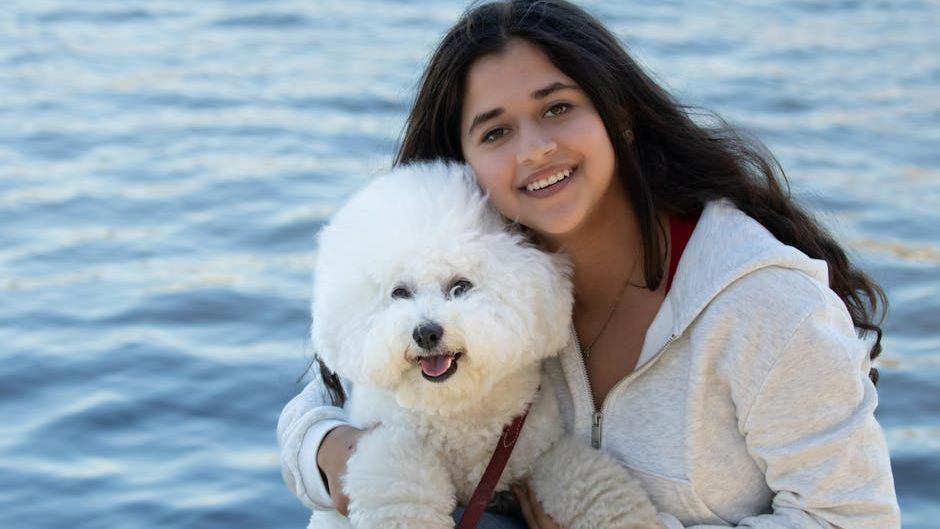
You close your bedroom door. Ten seconds pass. Then comes the whimper, the paw scratching at the wood, and eventually, the full theatrical performance outside your room that could rival a soap opera. If you’ve lived with a deeply attached dog, none of that sounds unfamiliar. Some dogs genuinely cannot settle into sleep unless their person is nearby, and it goes far deeper than being spoiled.
For certain breeds, separation from their owner isn’t just an inconvenience. Their entire sense of security is tied to the physical presence of that person, and the resulting panic is a physiological response, not a behavioral choice. These aren’t bad dogs. They’re wired differently, and understanding why makes all the difference in how you live with them and love them.
#1. The Hungarian Vizsla

If there’s one breed that has practically trademarked the concept of sleeping next to its owner, it’s the Vizsla. The Hungarian Vizsla tops most lists of velcro dog breeds, and for good reason. These elegant, rust-colored hunting dogs were bred to work closely with their handlers and have earned the nickname “velcro Vizslas” due to their exceptional clinginess. At nighttime, that clinginess reaches its peak.
Vizslas are known for their intense need for physical contact. They don’t just want to be in the same room as their owners – they want to be touching them at all times. Many Vizsla owners report their dogs constantly leaning against them or sitting on their feet. Bedtime is no exception. Of all velcro dog breeds, Vizslas typically have one of the lowest tolerances for being left alone. Many cannot handle more than a few hours of solitude without showing signs of distress.
#2. The Cavalier King Charles Spaniel

The Cavalier King Charles Spaniel hails from a lineage dating back to the 16th century in the UK. Originally, these dogs were lap pets for the aristocracy and served as companions for royals. Centuries later, that instinct hasn’t faded by a single degree. These dogs were literally bred to be close to a human body, and bedtime is simply an extension of that ancient purpose.
Separation anxiety is a common behavioral issue in Cavalier King Charles Spaniels. They get very attached to their owners and hate being alone, which can lead to barking and whimpering. At night, this attachment becomes especially apparent. They are recognized for their versatility, perfectly blending into the daily routines of their human companions. They frequently match their owners’ sleep habits, resulting in shared times of rest and activity. When you’re not in the room, they notice immediately.
#3. The German Shepherd

Owning a German Shepherd Dog is akin to embracing a full-time shadow that not only follows you everywhere but also demands your constant attention and care. This breed, known for its intelligence, loyalty, and protective instincts, thrives on being an integral part of their owner’s life. Whether it’s following you from room to room or sitting by your side as you work from home, a GSD’s need for companionship is profound.
The intensity of that bond shows up most clearly when the lights go off. Separation, even for short periods, can be challenging. Owners frequently report their GSDs exhibiting signs of separation anxiety, such as whining or scratching at doors, the moment they’re left alone or placed in another room. The breed’s protective instincts actually fuel this behavior. They’re not just attached to you out of affection – they consider it part of their job to know where you are at all times.
#4. The Border Collie
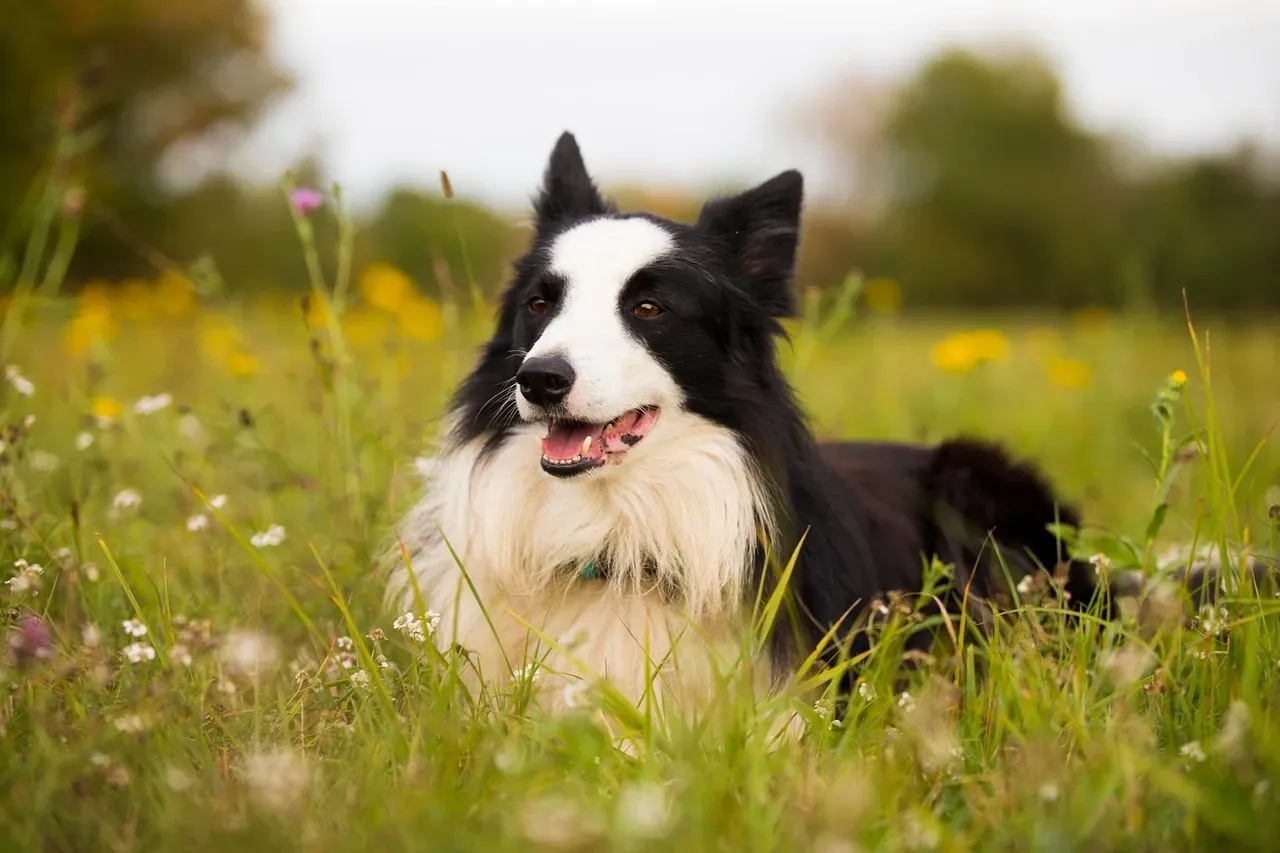
The Border Collie is a working breed with a lot of intelligence and energy. These dogs are hard workers and need a lot of exercise and stimulation. If they don’t get it, boredom, destructive behaviors, and separation anxiety can develop. In addition, Border Collies were bred to work alongside humans and have a strong bond with their owners.
That bond doesn’t switch off at bedtime. Border Collies can perform amazing tricks and are highly trainable dogs. They can get bored easily and may indulge in destructive behaviors, and they are highly prone to suffering from separation anxiety. If ignored for long, they can even suffer from depression. The bedroom door closing is, for many Border Collies, a source of genuine distress rather than mild inconvenience. Their minds are always running, and without your presence as an anchor, settling into sleep becomes nearly impossible.
#5. The Labrador Retriever

Labs are famous for their boundless enthusiasm and desire to be involved in every family activity. These social butterflies were bred to work closely alongside hunters, developing a strong need for human interaction. Your Lab would happily follow you everywhere if given the choice, from the kitchen to the backyard and back again. Their friendly, outgoing personality means Labs often struggle with being left alone for long periods.
At night, this plays out in predictable fashion. You get woken up by your Lab crying every hour or so until you eventually give in and let them join you. Training a Labrador puppy to sleep through the night is essential. If you don’t, they may find it far harder to spend time away from you when they grow up. If they develop separation anxiety, leaving them to go work each day will be incredibly tough on them. The warmth, enthusiasm, and loyalty that make Labs so beloved are the very same traits that make solo sleeping a genuine struggle for them.
#6. The Golden Retriever
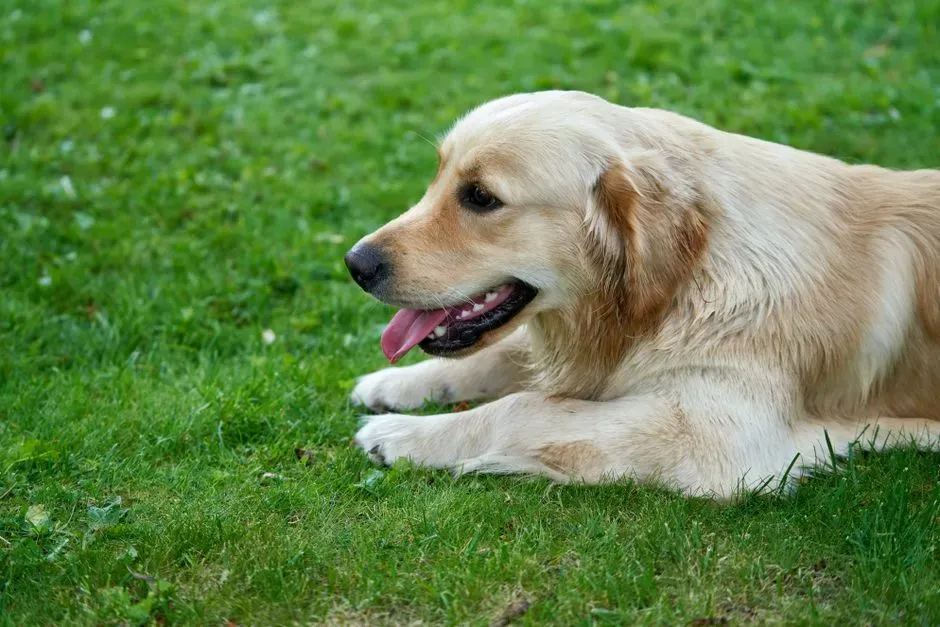
Golden Retrievers are incredibly loyal and affectionate dogs who are bred to be part of the family. This makes them more prone to separation anxiety than most large dog breeds. If they are struggling with being left alone, ensuring that they have plenty of mental and physical stimulation can help, as can gradually increasing the time they spend alone to build their confidence.
The golden retriever’s behavior – serene, agreeable, and clearly devoted – resonates with the breed’s reputation as one of America’s most-beloved family companions. Golden retrievers are known for their calm demeanor, intelligence, and loyalty. The American Kennel Club describes the breed as “friendly, intelligent, and devoted,” noting their natural desire to be close to their human companions, even if that means squeezing into a shared bed. For many Golden owners, the question isn’t whether the dog will sleep with them – it’s how much of the mattress will remain.
#7. The Bichon Frise

Don’t let their fluffy, independent appearance fool you – Bichon Frises are among the most devoted and clingy small velcro dog breeds. These charming little companions were bred specifically to be lapdogs and companions, and they take this job very seriously. They’ve been doing it for centuries, and the drive to stay close to their human is genuinely hardwired into them.
The Bichon Frise is a perfect companion that loves to cuddle up in your lap. They are happy-go-lucky dogs and love to be the apple of your eye. However, as soon as you leave them alone, they can become aggressive and destructive. Their anxiety, when overlooked, can quickly change into depression. At bedtime, a Bichon denied access to their person’s room can and will make their displeasure loudly known. While slightly more independent than some larger velcro dog breeds, Bichons still struggle with extended periods alone. Many can handle only a few hours maximum before becoming distressed.
What This Means for Life With These Breeds

Some breeds suffer from separation anxiety due to their breeding history, high energy levels, and their natural disposition. Breeds that were specifically bred for companionship or for jobs that require close human interaction may find it harder to be alone. This isn’t a flaw in the dog – it’s the predictable outcome of generations of selective breeding toward closeness.
Separation anxiety can develop in any dog, but it’s a greater possibility with clingy breeds. It’s important for puppies to be well-socialized and understand how to spend time alone. Otherwise, they become overly attached or dependent on family members and develop anxiety and distress when they’re left alone. Early exposure to short, calm periods of separation is the most reliable way to prevent the worst of the nighttime drama.
Managing separation anxiety in dogs involves establishing a routine that provides security, creating a safe space at home where the dog can feel comfortable, and considering professional advice from a veterinarian or an animal behaviorist if the anxiety is severe. Training techniques like desensitization and counter-conditioning can help dogs associate their owner’s absence with something positive. These approaches take time, but they genuinely work.
In the end, a dog that can’t sleep without you isn’t a problem to be fixed so much as a personality to be understood. The same depth of attachment that keeps them glued to your bedroom door is what makes them such extraordinary companions during every waking hour. It’s a trade-off most owners, honestly, wouldn’t change.
