

In the vast world of insects, few creatures can match the extraordinary defensive capabilities of the bombardier beetle. These remarkable insects, belonging to the family Carabidae and subfamily Brachininae, have evolved what is arguably the most explosive defense mechanism in the animal kingdom. When threatened, bombardier beetles unleash a hot, noxious chemical spray from their abdomen with a loud popping sound that can startle and repel predators. This chemical warfare system is not only incredibly effective but represents one of nature’s most sophisticated biochemical innovations.
There are more than 500 known species of bombardier beetles distributed across various habitats worldwide, with the most studied species coming from the genera Brachinus and Stenaptinus. Despite their small size, typically measuring between 5-20mm in length, these beetles have garnered significant scientific attention due to their unique defensive chemistry. The complex mechanism they employ has even inspired human technological innovations, demonstrating how nature’s solutions can inform our own engineering challenges.
The Chemistry Behind the Explosion

The bombardier beetle’s defensive spray is the result of a sophisticated two-chamber reaction system within its abdomen. The beetle stores two separate chemical precursors: hydrogen peroxide (H₂O₂) and hydroquinones, which are kept in a reservoir chamber. When threatened, the beetle contracts muscles that force these chemicals into a second chamber called the reaction chamber, which contains catalytic enzymes – primarily catalases and peroxidases. These enzymes trigger an extremely rapid exothermic chemical reaction, causing the mixture to heat up dramatically and vaporize.
This reaction produces benzoquinones, highly irritating compounds that can cause burning sensations and temporary blindness in potential predators. The reaction generates enough heat to bring the solution to near boiling point (around 100°C or 212°F) and creates sufficient pressure to expel the spray with considerable force. Scientists have measured the temperature of this spray and confirmed it reaches temperatures between 55°C and 100°C (131-212°F) – hot enough to seriously deter most predators from making a second attempt at capturing the beetle.
The Mechanics of Delivery

What makes the bombardier beetle’s defense truly remarkable is not just the chemistry but the precision delivery system it has evolved. The reaction chamber opens into a hardened, movable exhaust port called the deflection tube. This specialized structure allows the beetle to aim its spray with remarkable accuracy in virtually any direction – including forward over its head, to the sides, or directly backward. Some species can rotate this nozzle-like structure nearly 270 degrees, giving them excellent coverage against attacks from multiple angles.
High-speed photography and X-ray imaging studies have revealed that the spray is not released as a continuous stream but rather as a rapid series of pulses – up to 500 pulses per second. This pulsing mechanism helps conserve the beetle’s chemical resources while maintaining defensive effectiveness. The spray can reach distances of up to 20-30 centimeters (8-12 inches) – quite impressive for an insect only a fraction of that size. The force and range of this defensive spray provide the beetle with a significant advantage against predators many times its size.
Evolutionary Marvel

The bombardier beetle’s defensive system represents an evolutionary marvel that has fascinated scientists for decades. The complexity of this mechanism raises questions about how such an intricate system could have evolved. Research suggests that the system likely developed gradually through a series of evolutionary steps, with each intermediate stage providing some adaptive advantage. Earlier ancestors likely had less sophisticated chemical defenses that became increasingly complex over millions of years of natural selection.
This defense mechanism didn’t appear overnight but evolved incrementally. Scientists theorize that early versions may have involved less reactive chemicals and simpler delivery systems. Over time, mutations that enhanced the potency of the chemicals or improved the delivery mechanism would have been naturally selected for as they provided better protection against predators. The modern bombardier beetle represents the culmination of this evolutionary process – a highly specialized chemical defense system that few predators can overcome.
Diverse Family of Explosive Defenders

While all bombardier beetles share the same basic defensive chemistry, there is considerable diversity within this group. The subfamily Brachininae contains numerous genera distributed across multiple continents, with species adapted to various habitats ranging from tropical forests to temperate woodlands and even some desert environments. Different species have evolved variations in their spray mechanisms, chemical compositions, and behavioral adaptations suited to their particular ecological niches.
For example, some species in the genus Stenaptinus produce particularly forceful sprays with greater range, while others in different genera might produce slightly different chemical compounds with varying effects on different predators. Some species are primarily nocturnal, while others are active during daylight hours. This diversity showcases how a single innovative defense mechanism can be adapted and refined in multiple directions as species evolve to occupy different ecological roles and face different predatory threats.
Predators and Counter-Adaptations

Despite its formidable defense, the bombardier beetle is not invulnerable. Over evolutionary time, certain predators have developed counter-adaptations to overcome or avoid the beetle’s chemical spray. Some spiders and praying mantises, for instance, have learned to attack the beetle from positions that minimize their exposure to the spray. Other predators may have developed physiological resistance to the beetle’s chemicals, allowing them to withstand the normally deterrent effects of the hot spray.
Particularly notable are certain species of frogs that have evolved to tolerate the bombardier beetle’s defensive chemicals. These frogs can consume the beetles without apparent discomfort, having developed digestive systems that can neutralize or tolerate the irritating compounds. This ongoing evolutionary arms race between the bombardier beetle and its predators illustrates the dynamic nature of adaptation and counter-adaptation in ecological systems – a continuous process that drives biological diversity and specialization.
Scientific Research and Discoveries

The bombardier beetle has been the subject of intensive scientific research since the mid-20th century. In 1961, German entomologist Hermann Schildknecht first described the complex chemistry involved in the beetle’s defense mechanism. Since then, increasingly sophisticated techniques have allowed scientists to study this phenomenon in remarkable detail. High-speed photography capturing up to 2,000 frames per second has revealed the pulsed nature of the spray, while X-ray imaging and micro-computed tomography have provided insights into the internal anatomy of the reaction chambers.
In 2015, researchers at MIT, the University of Arizona, and Brookhaven National Laboratory published groundbreaking research using synchrotron X-ray imaging to capture the internal dynamics of the spray mechanism in real-time. Their work confirmed that the spray is ejected in a rapid series of pulses rather than a continuous stream, revealing previously unknown details about the physical mechanism of spray generation. These studies continue to refine our understanding of how this remarkable defense system functions at microscopic scales.
Inspiring Technological Innovation
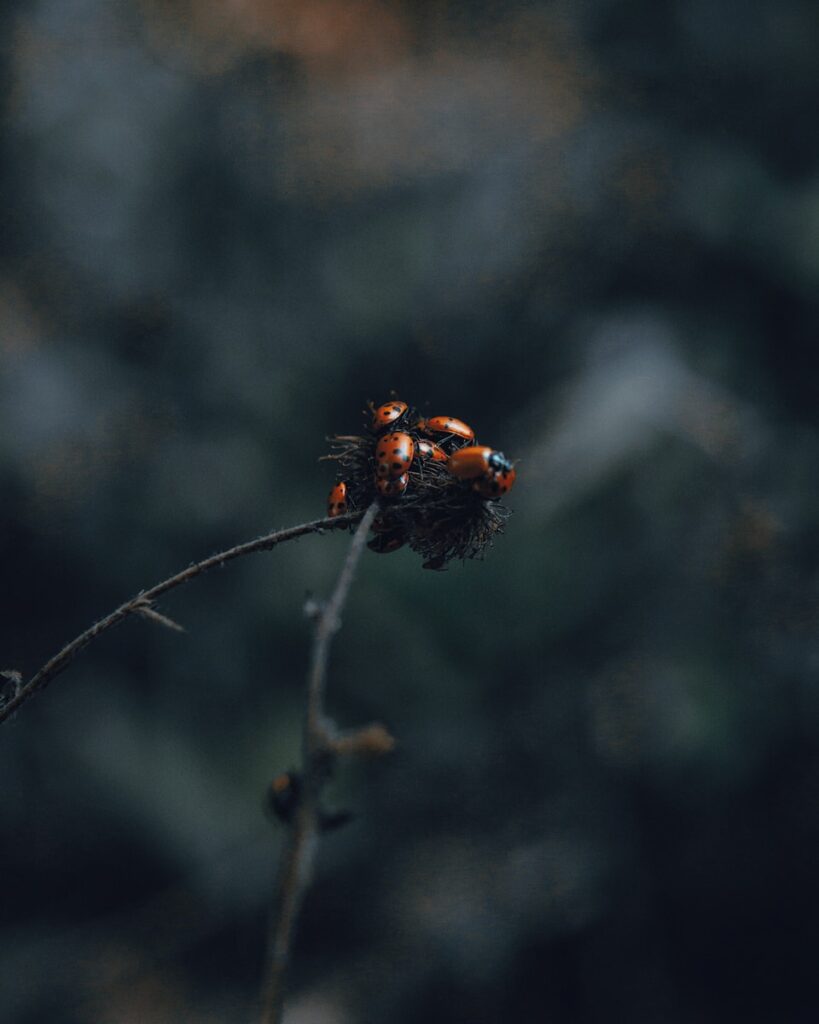
The bombardier beetle’s explosive defense mechanism has inspired various technological innovations. Engineers have studied the beetle’s two-chamber system as a model for developing new types of fuel-injection systems, spray technologies, and propulsion mechanisms. The beetle’s ability to store reactive chemicals separately and mix them precisely when needed has particular relevance for applications where controlled chemical reactions are important – from fire extinguishers to pharmaceutical delivery systems.
One notable example is research into micro-propulsion systems for small spacecraft and satellites. The beetle’s efficient method of generating thrust through controlled chemical reactions has informed designs for miniature thrusters that could help position small satellites in orbit. Additionally, the heat-resistant properties of the beetle’s reaction chamber have inspired materials scientists developing containers for highly reactive chemicals. These biomimetic applications demonstrate how natural solutions, refined over millions of years of evolution, can inform human engineering challenges.
Behavioral Adaptations
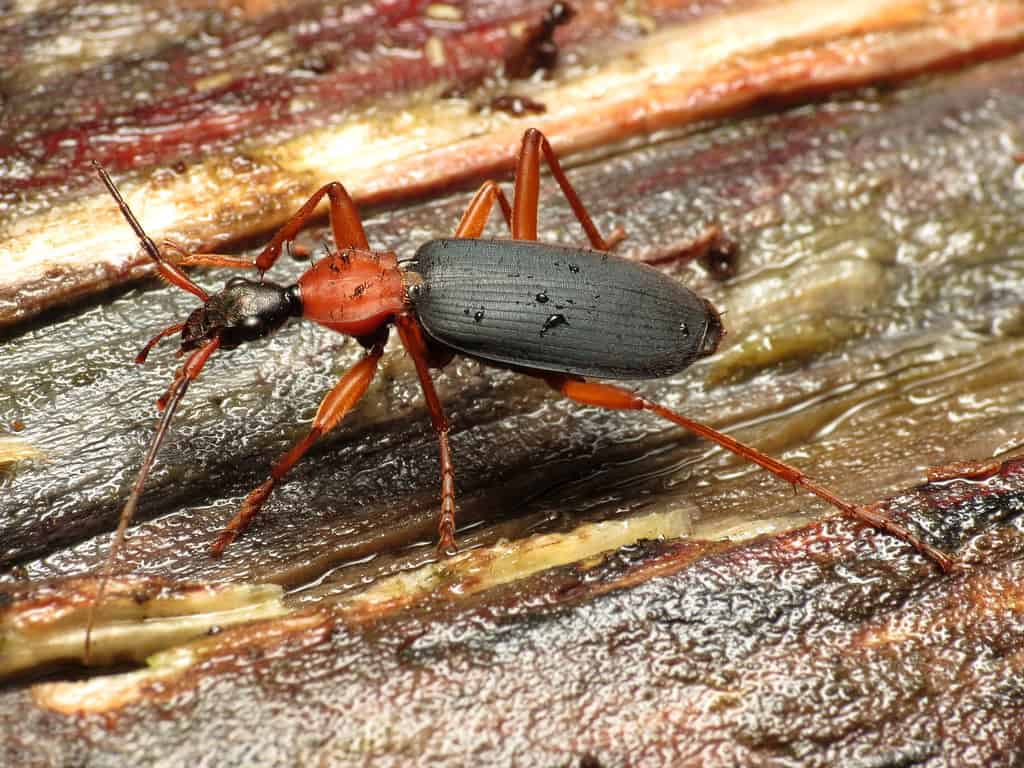
Beyond their chemical defenses, bombardier beetles have evolved behavioral adaptations that enhance their survival. Many species are nocturnal, reducing their exposure to visual predators. They typically have excellent sensory capabilities, allowing them to detect potential threats quickly and respond with their chemical defense before being captured. Some species exhibit thanatosis – playing dead when initially disturbed – only deploying their chemical spray if the threat persists or if they are physically handled.
Social behavior varies among bombardier beetle species. Some are solitary hunters, while others form loose aggregations, particularly during inactive periods or in favorable microhabitats. This social behavior may provide additional protection, as multiple beetles can create a more substantial defensive response when threatened. The beetles are generally predatory themselves, feeding on smaller insects and other arthropods, which they capture using their strong mandibles. Their powerful defense mechanism allows them to occupy predatory roles that might otherwise expose them to too much risk from larger predators.
Conservation Status and Threats
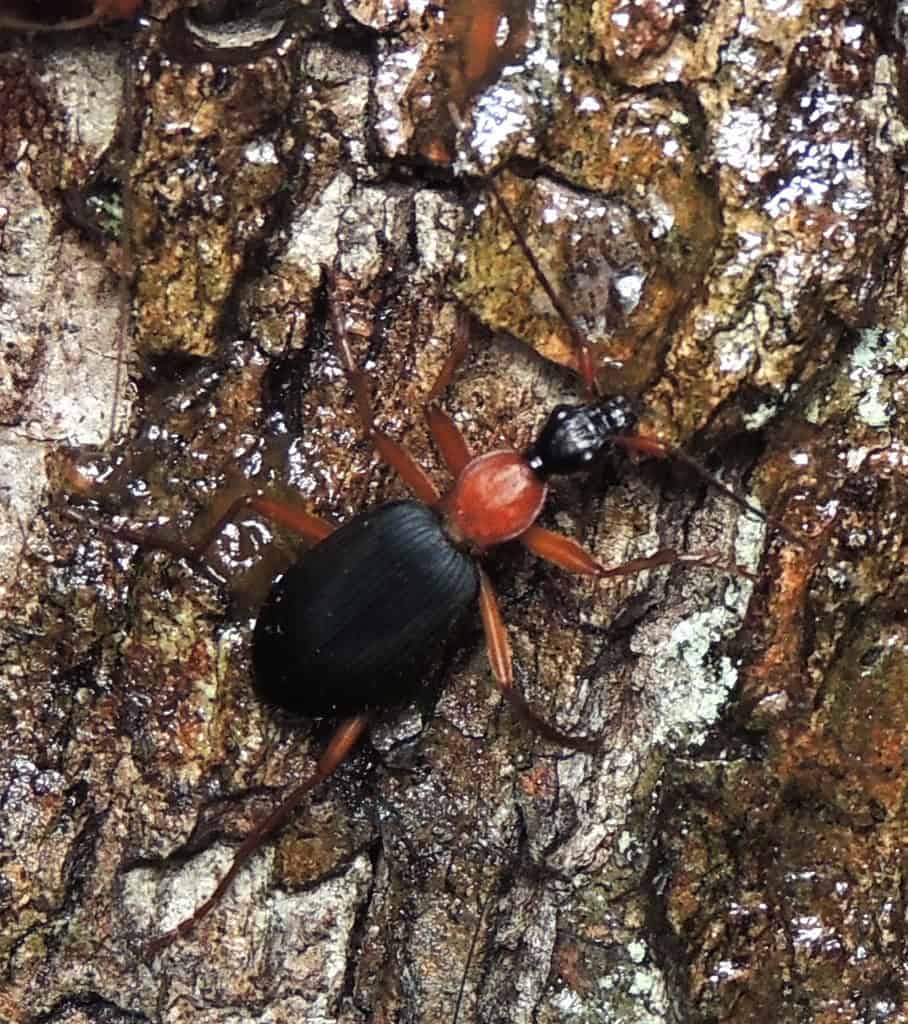
While bombardier beetles as a group are not considered globally threatened, many individual species face localized threats from habitat destruction, pesticide use, and environmental changes. These beetles typically require specific habitat conditions, including appropriate moisture levels, prey availability, and suitable microhabitats for shelter. The fragmentation of natural habitats due to human activities can isolate populations and potentially lead to local extinctions of certain species.
Climate change represents another potential threat, as it may alter temperature and precipitation patterns in ways that affect the beetles’ habitats and life cycles. Additionally, the use of broad-spectrum insecticides in agriculture and for mosquito control can harm non-target insects, including bombardier beetles. Conservation efforts focusing on preserving natural habitats and reducing pesticide use can help protect these remarkable insects and the ecosystems they inhabit.
Cultural and Historical Significance
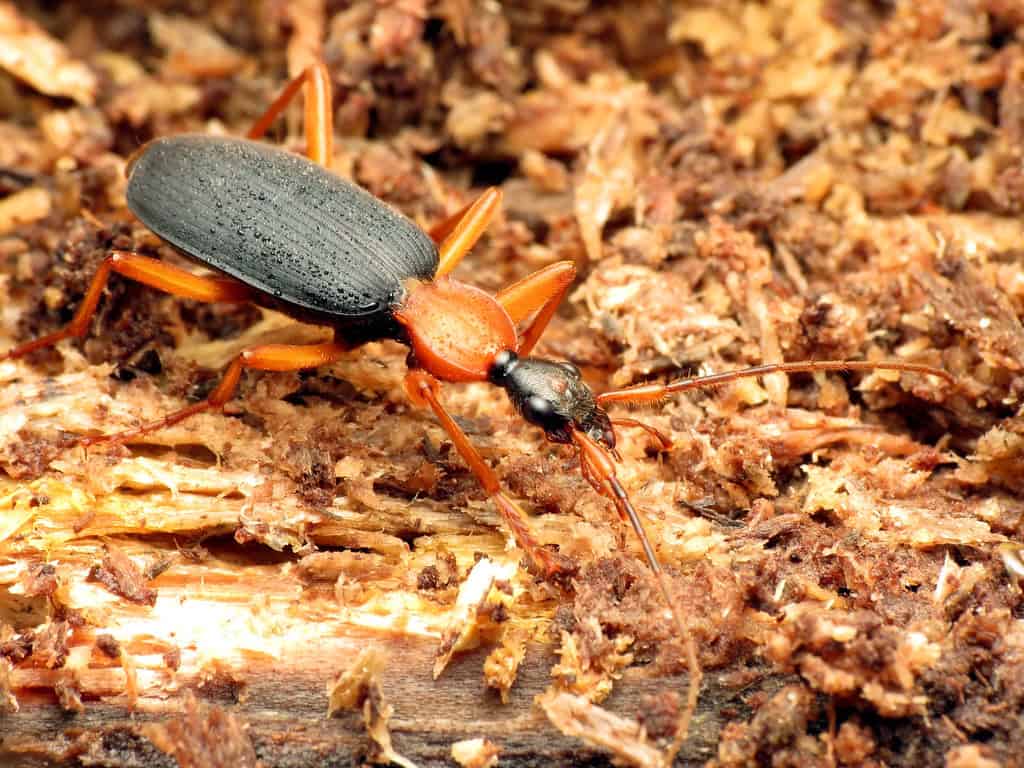
The bombardier beetle has featured prominently in various cultural and scientific contexts throughout history. Its unique defense mechanism has made it a fascinating subject for nature documentaries, educational materials, and popular science writing. The beetle has also been referenced in debates about evolutionary processes, with some arguing that its complex defense system represents an example of “irreducible complexity” that challenges gradual evolutionary explanations – though most biologists maintain that the system could have evolved through a series of adaptive intermediates.
In some cultures, particularly those with strong entomological traditions, bombardier beetles have been subjects of folklore and traditional knowledge. Various indigenous groups have developed names and stories for these insects based on their explosive capabilities. In modern times, the bombardier beetle has become something of an icon in entomology – a dramatic example of the extraordinary adaptations that can evolve through natural selection, demonstrating how even small organisms can develop sophisticated solutions to survival challenges.
Conclusion: Nature’s Chemical Engineer
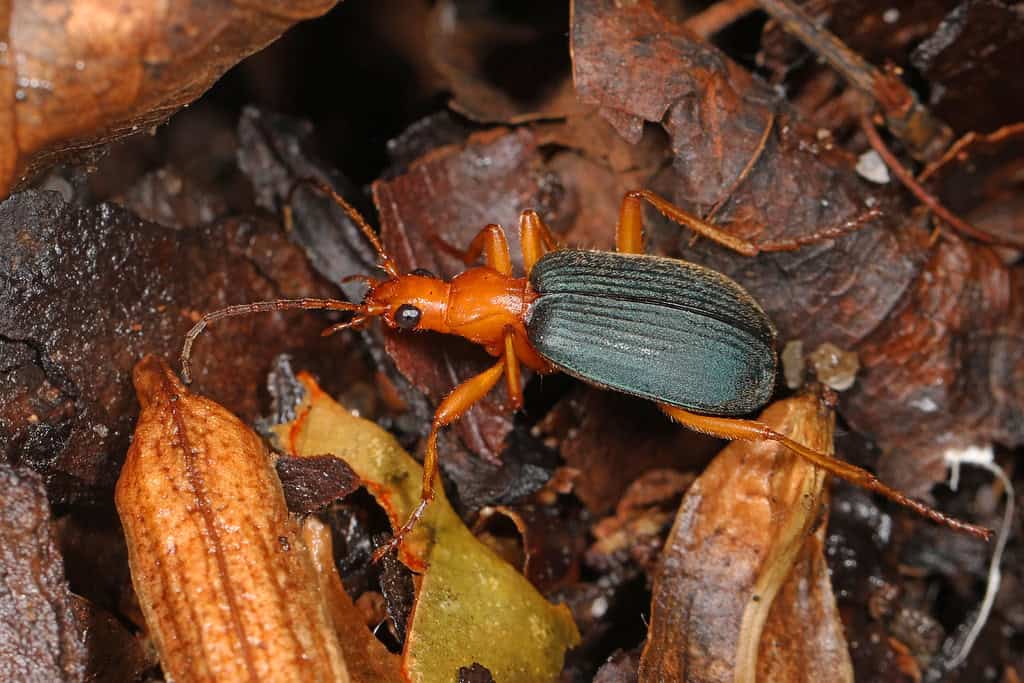
The bombardier beetle stands as one of nature’s most remarkable examples of biological innovation, demonstrating how evolutionary processes can produce extraordinarily complex and effective adaptations. Its explosive defense mechanism represents a pinnacle of chemical engineering in the natural world, combining sophisticated chemistry, precise mechanical delivery, and effective behavioral strategies into a unified defense system. The continuing scientific interest in these beetles underscores their importance as models for understanding evolutionary processes and as inspiration for technological innovations.
As we continue to explore and understand the natural world, creatures like the bombardier beetle remind us of the incredible diversity and ingenuity of life on Earth. They highlight how even small organisms can evolve solutions to survival challenges that rival or exceed human engineering capabilities. By studying and protecting these remarkable insects, we not only preserve an extraordinary example of natural adaptation but potentially gain insights that could inform future technological developments. The bombardier beetle’s explosive defense remains one of nature’s most impressive achievements – a testament to the power of natural selection to produce seemingly impossible biological innovations.

- The Secret Language of Dolphins Decoded by Researchers - July 20, 2026
- 7 Animals That Can Survive Extreme Environments You Couldn’t - July 20, 2026
- The Longest Snake Ever Found in the U.S. - July 20, 2026