
Wyoming’s rugged wilderness is home to a diverse array of wildlife, from majestic elk to elusive mountain lions. While the Equality State offers breathtaking natural beauty, it also harbors creatures that can pose significant threats to humans. Understanding which animals present the greatest risks is crucial for residents and visitors alike. This ranking considers factors such as aggression, venom potency, likelihood of encounters, and historical attack data to provide a comprehensive assessment of Wyoming’s most dangerous animal inhabitants. Whether you’re hiking in Grand Teton National Park or exploring the plains of Thunder Basin, knowledge about these potentially dangerous animals can help ensure your safety in Wyoming’s wild spaces.
1. Grizzly Bears (Ursus arctos horribilis)

Topping the list as Wyoming’s most dangerous animal is the grizzly bear. These massive omnivores can weigh up to 700 pounds and stand 7 feet tall when on their hind legs. The Greater Yellowstone Ecosystem, encompassing northwest Wyoming, is home to approximately 700-1,000 grizzlies, representing one of the densest populations in the lower 48 states. What makes grizzlies particularly dangerous is their unpredictable nature and incredible strength—capable of flipping a 700-pound dumpster with ease.
Between 2000 and 2020, Wyoming recorded 8 fatal grizzly attacks, with dozens more non-fatal encounters resulting in serious injuries. Grizzlies become especially dangerous when surprised, when females are with cubs, or when defending a food source. Their speed—capable of reaching 35 mph over short distances—means humans cannot outrun them. The National Park Service reports that bear spray is effective in deterring attacks 92% of the time, making it an essential safety item for backcountry travelers in grizzly territory.
2. Rattlesnakes (Crotalus viridis)

The prairie rattlesnake, Wyoming’s only venomous snake, ranks second on our list. These reptiles can be found throughout the state, particularly in rocky outcroppings, sagebrush plains, and grasslands. Growing to lengths of 3-5 feet, they deliver a hemotoxic venom that destroys tissue and causes internal hemorrhaging. Wyoming hospitals report an average of 5-10 rattlesnake bites annually, though fatalities are rare due to available antivenom treatments.
What makes rattlesnakes particularly dangerous is their excellent camouflage and the fact that they don’t always rattle before striking. While typically non-aggressive unless threatened, their presence in popular hiking areas increases the likelihood of encounters. The Wyoming Game and Fish Department notes that most bites occur between May and September when the snakes are most active. Medical treatment should be sought immediately after a bite, as complications can include permanent tissue damage, loss of limb function, and in rare cases, death if left untreated.
3. Black Bears (Ursus americanus)

Although less aggressive than their grizzly cousins, black bears still pose a significant threat to humans in Wyoming. With a population estimated at over 6,000 across the state, black bears are more numerous and have a wider distribution than grizzlies. They typically weigh between 200-300 pounds but can reach up to 500 pounds in exceptional cases. While they prefer to avoid human contact, black bears can become dangerous when habituated to human food or when females are protecting cubs.
Statistics show that fatal black bear attacks are less common than those involving grizzlies, with Wyoming recording only 2 deaths in the past two decades. However, property damage and non-fatal encounters are much more frequent, with the Wyoming Game and Fish Department responding to over 100 black bear conflict calls annually. Black bears are excellent climbers, unlike grizzlies, meaning that tree-climbing is not an effective escape strategy. Their keen sense of smell—about seven times more powerful than a bloodhound’s—draws them to improperly stored food, making proper food storage essential in bear country.
4. Mountain Lions (Puma concolor)

Mountain lions, also known as cougars or pumas, rank fourth on our list of Wyoming’s most dangerous animals. These stealthy predators can be found throughout Wyoming’s mountainous regions and forests, with an estimated population of 2,000-2,500 statewide. Adult males typically weigh 130-150 pounds and can leap up to 40 feet horizontally and 15 feet vertically. Their hunting strategy relies on ambush, making them particularly dangerous as they can attack with little warning.
Though mountain lion attacks on humans are rare in Wyoming, with no recorded fatalities in recent decades, several serious injuries have occurred. What makes these cats particularly dangerous is their tendency to stalk prey—sometimes humans—without detection. Children and solitary hikers are at greatest risk. The Wyoming Game and Fish Department reports an average of 5-7 confirmed mountain lion encounters annually where humans felt threatened. Unlike bears, mountain lions are recommended to be fought off aggressively if they attack, as appearing large, loud, and aggressive can deter these predators who prefer vulnerable prey.
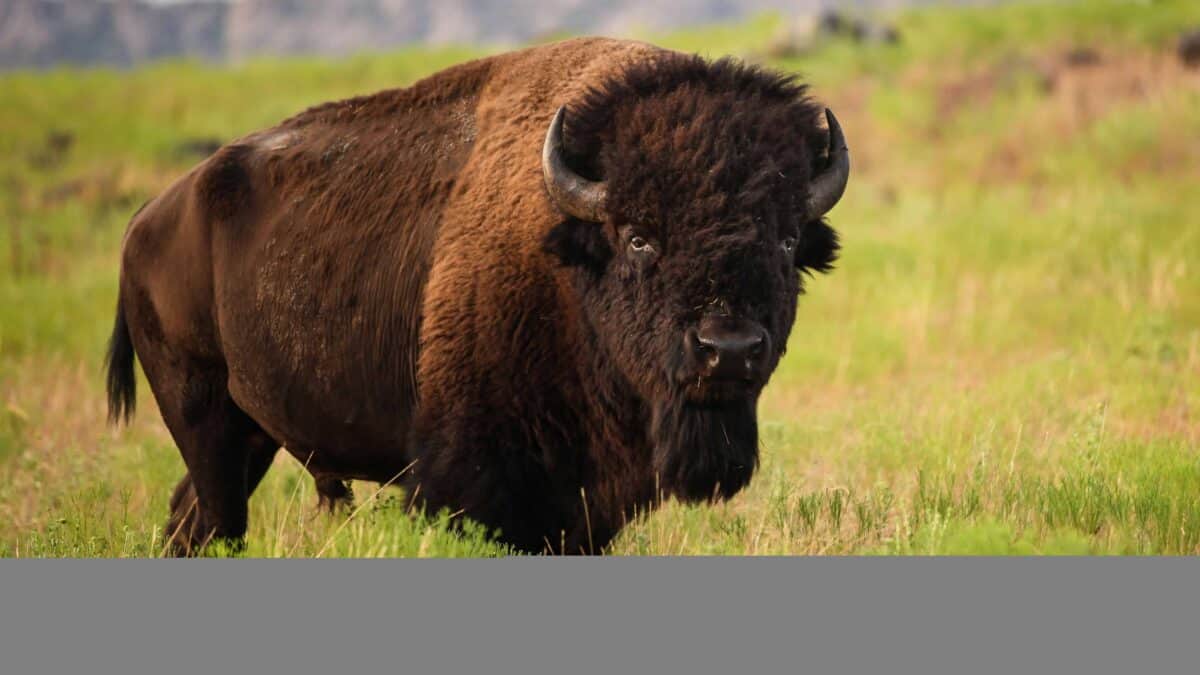
5. Bison (Bison bison)

Despite their seemingly docile nature, American bison are responsible for more human injuries in Yellowstone National Park than any other animal. Wyoming is home to several thousand bison, with the largest concentration in Yellowstone. These massive animals can weigh up to 2,000 pounds and run at speeds exceeding 35 mph. Their unpredictable temperament, especially during mating season (July-August) and calving season (April-May), makes them particularly dangerous.
Park statistics reveal an average of 2-4 bison-related injuries annually, some resulting in severe trauma or hospitalization. Many incidents occur when tourists approach bison too closely for photographs, ignoring the recommended safe distance of at least 25 yards. A bison can change from apparent calm to charging in seconds, and their horns and massive heads become formidable weapons. In 2022, three separate goring incidents occurred within a single month in Yellowstone, highlighting the ongoing risk these animals pose despite public education efforts. Unlike predatory animals, bison don’t give warning signs like growling or bearing teeth before charging, making their attacks particularly sudden and dangerous.
6. Moose (Alces alces)
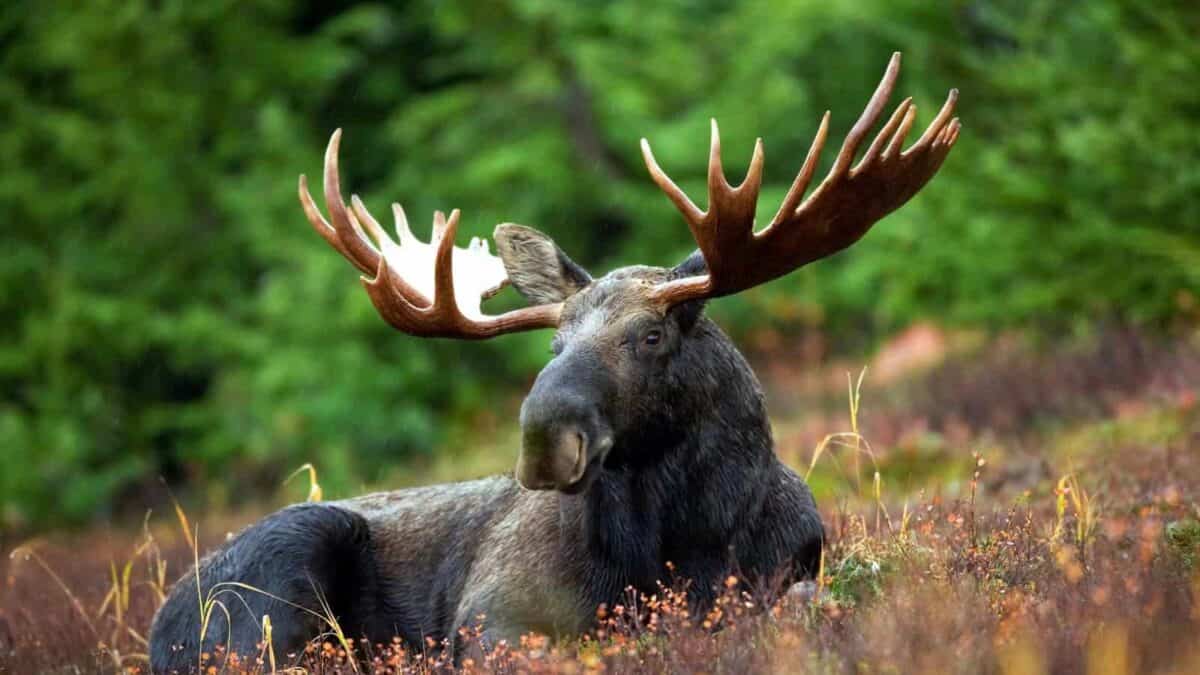
Moose represent a significant but often underestimated danger in Wyoming’s wilderness areas. Standing 6-7 feet at the shoulder and weighing up to 1,200 pounds, moose are the largest members of the deer family. Wyoming’s moose population of approximately 3,500 animals is concentrated in the state’s western mountain ranges and river bottoms. While generally not aggressive, moose become extremely dangerous during certain circumstances: bulls during the fall rut (September-October), cows protecting calves in spring, and any moose that feels cornered or threatened.
The Wyoming Game and Fish Department documents an average of 5-8 moose attacks annually, typically resulting in serious injuries from trampling or goring with their antlers. Most attacks occur when people inadvertently come between a cow and her calf or approach too closely for photographs. Unlike other dangerous wildlife that may flee from humans, moose often stand their ground and may charge with little provocation. Their long legs can deliver powerful kicks in any direction, and their size means they can easily knock down and trample an adult human. The recommended safe distance from moose is at least 50 yards, greater than for most other wildlife.
7. Wolves (Canis lupus)

Gray wolves were reintroduced to the Greater Yellowstone Ecosystem in the mid-1990s and have since established a population of approximately 300-350 animals in Wyoming. Adult wolves typically weigh 70-130 pounds and live in packs of 4-11 individuals. While their presence is ecologically significant, they rank seventh on our list due to their potential danger, though actual attacks on humans are extremely rare. Their inclusion is based on their predatory nature, pack hunting behavior, and physical capabilities rather than statistical threat.
The Wyoming Game and Fish Department has recorded very few wolf-human conflicts resulting in injury—in fact, there have been no documented fatal wolf attacks in the state’s modern history. However, wolves have been known to attack domestic dogs and livestock, with over 60 confirmed livestock depredations annually in Wyoming. While healthy wild wolves typically avoid humans, they may become more dangerous if habituated to human presence, if rabid, or if protecting a den site with pups. The real risk from wolves remains extremely low for humans, but their ecological impact as apex predators and their occasional conflicts with rural residents and ranchers keep them on this list.
8. Black Widow Spiders (Latrodectus hesperus)
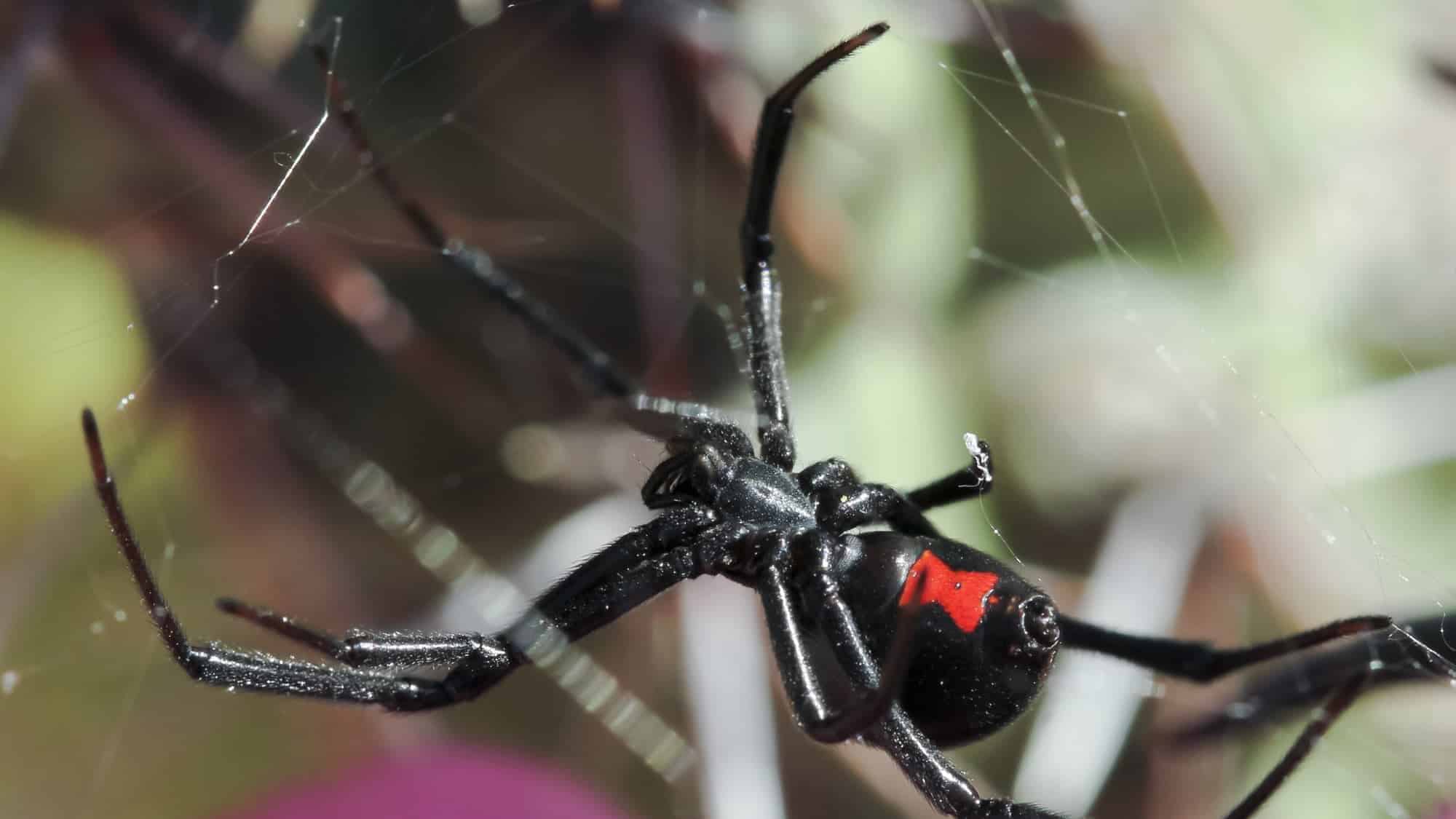
The western black widow spider is Wyoming’s most dangerous arachnid, recognizable by its glossy black body and distinctive red hourglass marking on the underside of its abdomen. These spiders are found throughout Wyoming, particularly in dark, undisturbed areas like woodpiles, outbuildings, and rocky outcroppings. Females, which are the dangerous sex, measure about half an inch in body length with legs extending to 1.5 inches. Their venom is neurotoxic and approximately 15 times more potent than a rattlesnake’s, though delivered in much smaller quantities.
Wyoming’s poison control centers report 10-20 black widow bites annually, though fatalities are extremely rare, with no deaths recorded in recent decades. Most at risk are children, elderly individuals, and those with compromised immune systems. Symptoms of black widow bites include intense pain, muscle cramping, sweating, elevated blood pressure, and in severe cases, respiratory difficulties. While potentially dangerous, black widows are not aggressive and typically bite only when directly threatened or accidentally pressed against the skin. Modern medical treatment has made these bites manageable in most cases, though they remain painful and can require hospitalization.
9. Elk (Cervus canadensis)
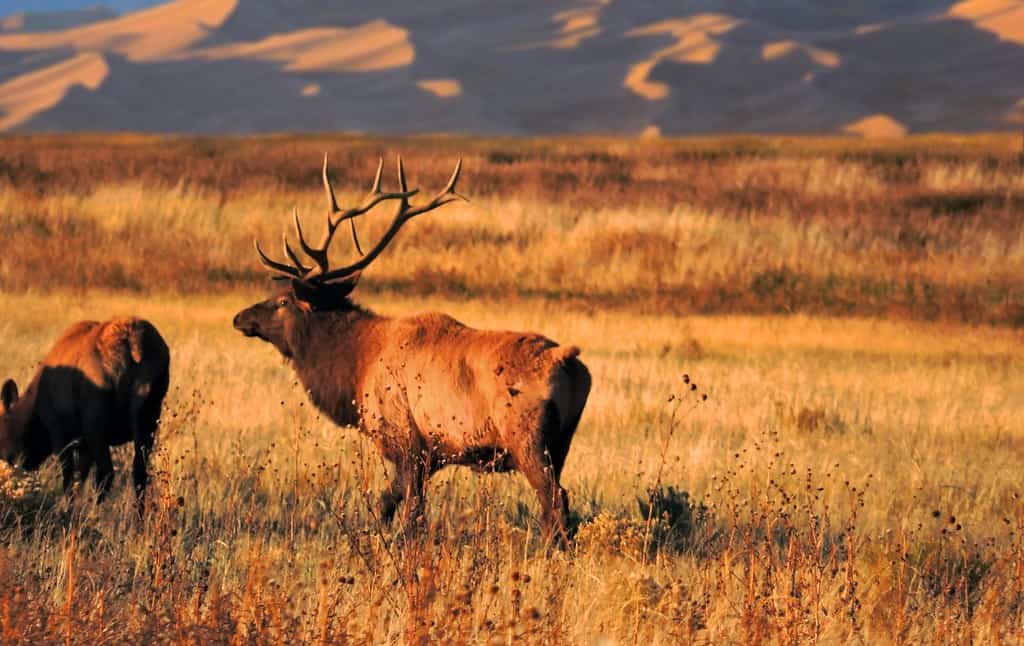
Wyoming hosts approximately 110,000 elk, one of the largest populations in the United States. These magnificent animals can weigh up to 700 pounds for bulls and 500 pounds for cows, with bulls sporting impressive antler racks that can span 4 feet. While generally wary of humans, elk become dangerous during specific periods: the fall rut (September-October) when bulls are aggressively competing for mates, and the calving season (May-June) when cows are protective of their young.
The National Park Service and Wyoming Game and Fish Department document 3-5 elk attacks on humans annually, primarily in areas where elk and humans frequently interact, such as Yellowstone and Grand Teton National Parks. Most incidents involve bulls charging or cows protecting calves. In 2018, a woman in Yellowstone was seriously injured when a cow elk charged her after she inadvertently approached a hidden calf. Unlike some wildlife that give warning signs before attacking, elk can switch from apparent calm to charging in seconds. Their sharp hooves and massive antlers (on bulls) can cause severe injuries. Officials recommend maintaining at least 25 yards distance from elk, increasing to 50 yards during sensitive seasons.
10. Coyotes (Canis latrans)
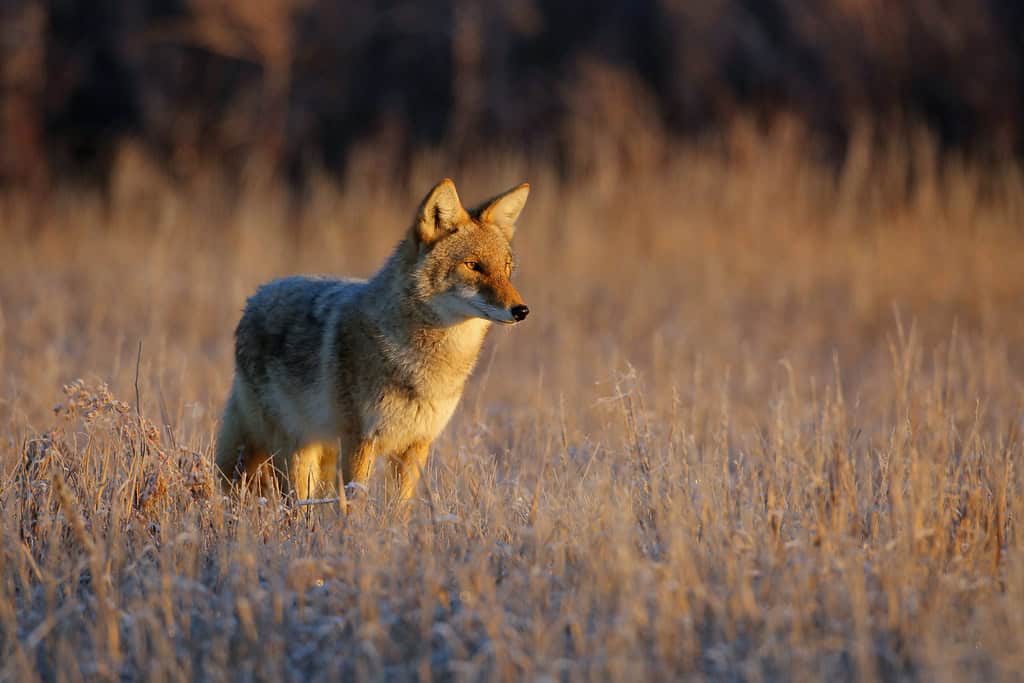
Coyotes are abundant throughout Wyoming, with population estimates ranging from 50,000 to 70,000 statewide. These adaptable canids typically weigh 20-35 pounds and have expanded their range as wolf populations were historically reduced. While generally avoiding human contact, coyotes rank tenth on our list due to their increasing adaptation to human environments and occasional aggressive behavior, particularly toward small children and pets.
Wyoming Game and Fish records indicate fewer than 5 reported coyote attacks on humans annually, with most being minor and none fatal in recent history. However, pet attacks are much more common, with dozens reported each year. Coyotes become most dangerous when habituated to human food sources, when protecting dens during whelping season (April-May), or when infected with rabies. Their intelligence and adaptability make them increasingly common in suburban and urban interfaces throughout Wyoming, increasing potential human encounters. Unlike wolves, coyotes are more likely to approach human settlements and may lose their natural fear of humans when regularly exposed to them, creating greater risk of conflict.
11. Hobo Spiders (Eratigena agrestis)
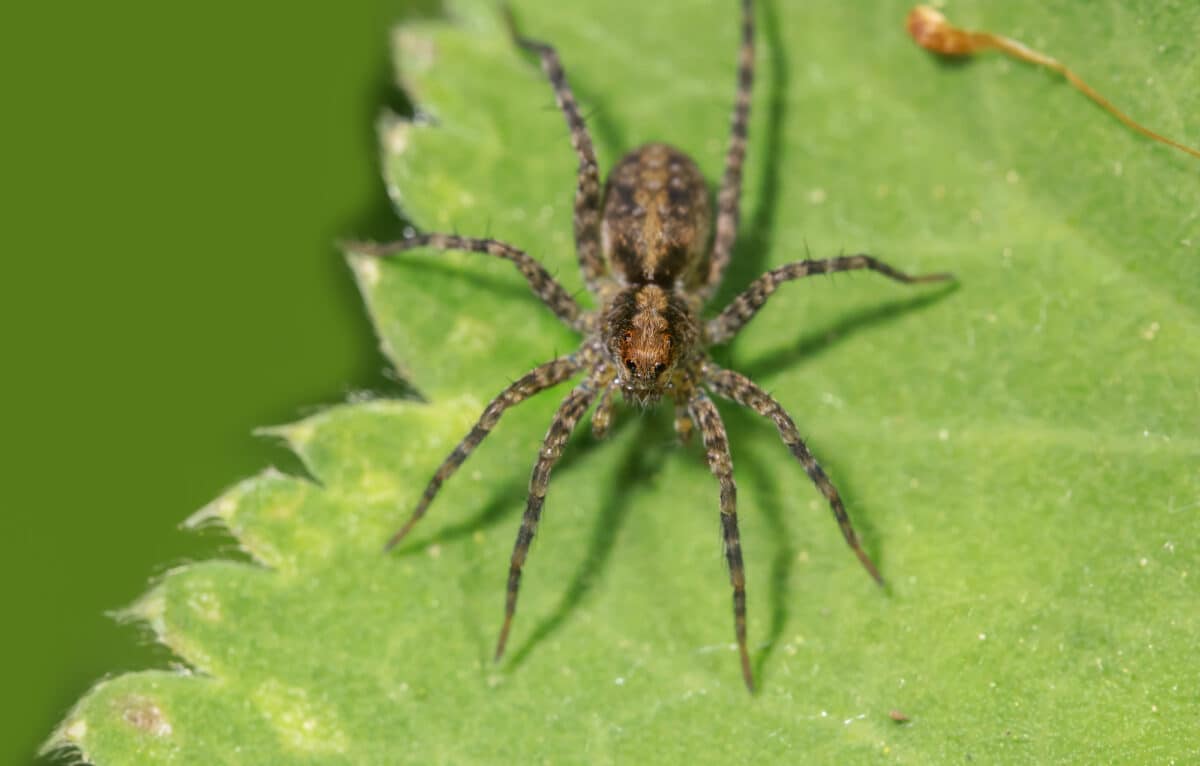
Hobo spiders, sometimes incorrectly called “aggressive house spiders,” have established populations throughout Wyoming, particularly in the more humid eastern regions of the state. These brown spiders measure about 1/2 to 2 inches in leg span and build funnel-shaped webs in dark, moist environments like basements, crawl spaces, and woodpiles. For years, hobo spiders were thought to produce necrotic venom similar to brown recluse spiders, though recent research has called this into question.
The Wyoming Department of Health records approximately 15-25 suspected hobo spider bites annually, though positive identification is often lacking. Current medical understanding suggests their bites typically cause pain, redness, and swelling, but rarely the severe tissue death once attributed to them. Their danger ranking is based partially on their prevalence in human dwellings and the anxiety they cause rather than confirmed medical severity. They remain on this list because they are one of the few spiders in Wyoming that will bite defensively when cornered or threatened, and because their bites, while not usually medically significant, can cause discomfort and in rare cases, allergic reactions requiring medical attention.
12. Deer (Odocoileus spp.)

While deer might seem an unusual addition to this list, both mule deer and white-tailed deer represent significant dangers to Wyoming residents—though not typically through direct attacks. Wyoming’s deer population exceeds 400,000 animals, and they’re found throughout the state. Adult bucks can weigh up to 300 pounds and does around 150 pounds. Their primary danger comes from vehicle collisions, with the Wyoming Department of Transportation reporting over 4,000 deer-vehicle accidents annually, resulting in approximately 100 human injuries and 1-3 fatalities each year.
Beyond collision risks, deer can become directly dangerous during rutting season (November-December) when bucks are territorial and aggressive, or during fawning season (May-June) when does protect their young. The Wyoming Game and Fish Department records several incidents each year of deer charging, kicking, or goring humans who approach too closely. Bucks with antlers are particularly dangerous, capable of inflicting puncture wounds or blunt force trauma. Urban deer populations have increased in many Wyoming towns, leading to more frequent human-deer interactions and conflicts. Despite their gentle appearance, deer rank on this list due to the combined threat of vehicle collisions and occasional direct aggression.
Understanding Wildlife Risks in Wyoming

Wyoming’s wildlife contributes immensely to the state’s natural heritage and attracts millions of visitors annually, but understanding the potential dangers these animals present is crucial for safety. The risks outlined in this ranking should inform precautions rather than discourage exploration of Wyoming’s magnificent wilderness. Most dangerous encounters with wildlife result from human behaviors that place animals under stress or invade their space. The Wyoming Game and Fish Department emphasizes that maintaining proper distances, securing food and garbage, making noise while hiking, and carrying bear spray in appropriate areas can significantly reduce the likelihood of dangerous wildlife encounters.
It’s worth noting that statistically, the most dangerous animal in Wyoming remains the domestic dog, with hundreds of bites reported annually, though these rarely result in fatalities. Weather conditions like blizzards and lightning strikes actually claim more lives than wildlife attacks. Ultimately, respecting wildlife means understanding that these animals are wild, unpredictable, and deserve space to behave naturally. By following established safety guidelines, visitors and residents can minimize risks while enjoying Wyoming’s remarkable biodiversity. Remember that wildlife viewing should always prioritize the safety and well-being of both humans and animals.

- The Secret Language of Dolphins Decoded by Researchers - July 20, 2026
- 7 Animals That Can Survive Extreme Environments You Couldn’t - July 20, 2026
- The Longest Snake Ever Found in the U.S. - July 20, 2026