

Nestled in the heart of Indonesia’s Lesser Sunda Islands, Komodo National Park stands as a testament to nature’s extraordinary diversity and evolutionary marvels. Established in 1980 and declared a UNESCO World Heritage Site in 1991, this park encompasses three major islands—Komodo, Rinca, and Padar—along with numerous smaller islets. What makes this 1,733 square kilometer paradise truly exceptional is not just its rugged savannah landscapes and pristine waters, but the remarkable array of wildlife that calls it home. From the iconic Komodo dragon to the vibrant marine creatures beneath its waves, the park offers wildlife enthusiasts an unparalleled opportunity to witness some of the planet’s most fascinating animals in their natural habitat.
The park’s unique position at the junction of the Indian and Pacific Oceans creates a biodiversity hotspot where species from both realms converge, resulting in an ecosystem unlike any other on Earth. This convergence, combined with the area’s geographical isolation, has fostered the evolution of species found nowhere else. As we embark on this exploration of Komodo’s most stunning inhabitants, prepare to discover creatures that have adapted to this archipelago’s challenging conditions through millions of years of evolution, creating a living laboratory that continues to astonish scientists and visitors alike.
The Legendary Komodo Dragon

The Komodo dragon (Varanus komodoensis) reigns as the undisputed king of Komodo National Park and stands as the world’s largest living lizard species. Growing up to 3 meters (10 feet) in length and weighing up to 70 kilograms (154 pounds), these prehistoric-looking reptiles command both fear and fascination. Their massive size, powerful limbs, and muscular tails make them formidable predators that have dominated their island ecosystem for millions of years. What makes these dragons particularly remarkable is their hunting strategy—combining ambush tactics with a deadly bite that delivers both venom and bacteria-laden saliva, capable of bringing down prey much larger than themselves, including water buffalo and deer.
Seeing a Komodo dragon in its natural habitat is an experience unlike any other wildlife encounter. Their ancient appearance—scaly skin, forked tongues flicking to sample the air, and prehistoric gait—creates the impression of witnessing a living fossil. Despite their fearsome reputation, Komodo dragons face their own survival challenges. Currently listed as vulnerable on the IUCN Red List, their population of approximately 3,000 individuals exists almost exclusively within the protected confines of the national park. Conservation efforts are crucial to ensure the continued existence of these magnificent creatures that have walked the Earth since the age of dinosaurs.
Timor Deer: The Dragon’s Primary Prey

The Timor deer (Rusa timorensis) plays a pivotal role in the ecological balance of Komodo National Park as the primary prey species for the Komodo dragon. These elegant ungulates, also known as Javan rusa, display a reddish-brown coat that helps them blend into the park’s dry savannah landscape. Males sport impressive antlers that can grow up to 75 centimeters (30 inches) in length, which they shed and regrow annually. Weighing between 40 to 120 kilograms (88 to 265 pounds), these medium-sized deer have adapted to the park’s harsh conditions, where water is scarce and predation pressure is high.
Observing Timor deer in the park offers visitors insight into the precarious balance of predator-prey relationships. These vigilant animals display constant awareness, with their large ears perpetually rotating to detect the slightest sounds that might signal a lurking dragon. They’ve developed remarkable strategies to survive, including the ability to go without drinking water for extended periods by obtaining moisture from the vegetation they consume. Their presence throughout the islands not only sustains the Komodo dragon population but also shapes the vegetation through their grazing patterns, making them a keystone species in this unique ecosystem.
The Elusive Long-Tailed Macaque

Among the more charismatic mammals inhabiting Komodo National Park, the long-tailed macaque (Macaca fascicularis) brings a playful energy to the forests and coastal areas. These highly intelligent primates are easily recognized by their characteristic long tails—often exceeding their body length—which serve as balancing organs during their acrobatic movements through the trees. With their grayish-brown fur, expressive faces, and remarkably human-like behaviors, these macaques create entertaining spectacles for visitors lucky enough to encounter them. Highly adaptable, they’ve mastered life in the park’s varied habitats, from mangrove forests to inland wooded areas.
Long-tailed macaques live in complex social groups of 10 to 100 individuals, with clear hierarchical structures that visitors can observe through their interactions. What makes these primates particularly fascinating is their problem-solving abilities and cultural behaviors—different groups within the park have been observed using unique techniques for finding and processing food. Some coastal populations have even developed specialized foraging behaviors during low tide, collecting shellfish and crustaceans from exposed reef flats. While not as famous as the park’s reptilian stars, these macaques represent an important component of the terrestrial ecosystem and provide glimpses into primate intelligence and social dynamics in a natural setting.
Majestic Manta Rays of the Deep

Beneath the surface of Komodo National Park’s crystal-clear waters glide some of the ocean’s most graceful giants—manta rays (Mobula alfredi and Mobula birostris). With wingspans reaching up to 7 meters (23 feet), these magnificent filter-feeders create an unforgettable sight as they soar effortlessly through the water column. The park is home to both reef mantas and the larger oceanic manta rays, making it one of the few places on Earth where divers and snorkelers can reliably encounter these gentle giants. Their distinctive appearance—characterized by their flattened bodies, triangular pectoral fins, and cephalic lobes that channel plankton into their mouths—has earned them the nickname “sea angels” among marine enthusiasts.
Komodo National Park serves as a critical habitat for these vulnerable species, offering both cleaning stations where smaller fish remove parasites from their skin and plankton-rich feeding grounds. Manta Point near Makassar Reef represents one of the world’s premier manta ray observation sites, where visitors can witness spectacular feeding behaviors as groups of mantas barrel roll through nutrient-dense waters. Beyond their beauty, these rays play a vital ecological role by regulating plankton populations and serving as indicators of ocean health. With global manta populations threatened by fishing pressure for their gill plates, the protection afforded by Komodo National Park provides an essential sanctuary for these majestic creatures.
Vibrant Coral Reef Ecosystems

While not a single animal but rather an ecosystem, Komodo National Park’s coral reefs demand inclusion for their breathtaking diversity and the multitude of stunning creatures they support. The park’s waters host over 260 species of reef-building corals, creating underwater landscapes of unparalleled beauty and complexity. These living structures, built by tiny colonial organisms called polyps, form the foundation for one of the richest marine ecosystems on the planet. The park’s position at the confluence of two major ocean currents creates ideal conditions for coral growth and diversity, resulting in formations that range from massive brain corals to delicate branching varieties that sway with the currents.
These coral cities provide habitat for over 1,000 species of fish and countless invertebrates, many displaying colors and patterns that seem almost otherworldly. Among the most spectacular residents are the lionfish, with their fan-like pectoral fins and venomous spines; the clownfish, made famous by animated films and known for their symbiotic relationship with anemones; and the ornate ghost pipefish, masters of camouflage that perfectly mimic the corals and seagrasses they inhabit. For visitors exploring the underwater realm of Komodo, each dive or snorkel session becomes a treasure hunt, revealing new and increasingly beautiful creatures against the backdrop of these living rainbows.
The Graceful Sea Turtles

Komodo National Park serves as a crucial habitat for several species of sea turtles, including the green turtle (Chelonia mydas) and the hawksbill turtle (Eretmochelys imbricata). These ancient mariners, having navigated Earth’s oceans for over 100 million years, find sanctuary in the park’s protected waters and nesting beaches. Green turtles, which can reach lengths of 1.5 meters (5 feet) and weights of 190 kilograms (420 pounds), are primarily herbivorous as adults, grazing on seagrass beds that flourish in the park’s shallow waters. In contrast, hawksbill turtles, recognized by their distinctive pointed beaks and beautiful amber and brown shell patterns, specialize in feeding on sponges found among the coral reefs.
Encountering a sea turtle while snorkeling or diving in Komodo offers a magical moment of connection with one of the ocean’s most ancient and threatened creatures. Visitors might observe the graceful underwater flight of these reptiles, their powerful flippers propelling them through the water with surprising agility despite their bulky appearance. The park’s conservation efforts include monitoring nesting sites, particularly on the smaller, less-visited islands where turtles return to lay their eggs. These protection measures are vital, as all sea turtle species face multiple threats globally, from habitat destruction to accidental capture in fishing gear. For the patient and respectful observer, witnessing a female turtle laboriously making her way up a beach to nest, or tiny hatchlings scrambling toward the sea, provides an unforgettable wildlife experience.
Flying Foxes: The Sky Giants
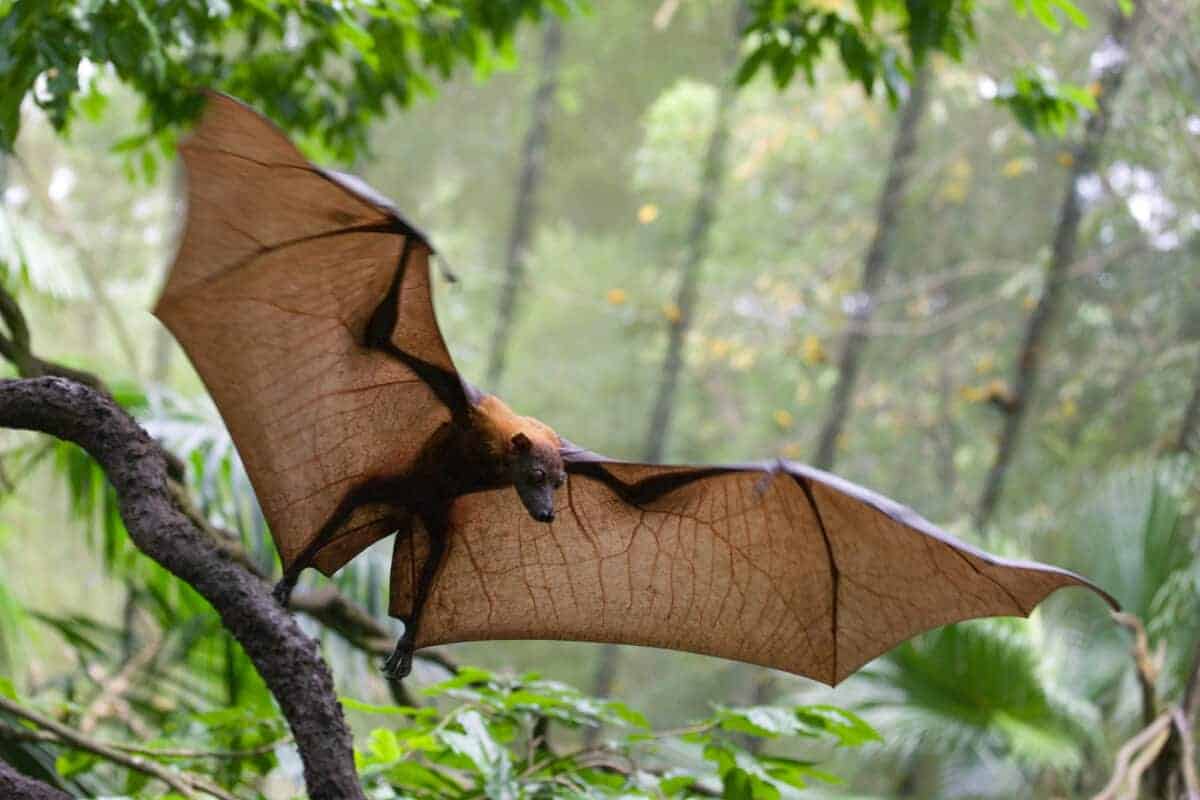
As the sun begins to set over Komodo National Park, one of its most spectacular wildlife displays unfolds when thousands of flying foxes (Pteropus vampyrus) take to the skies. These large fruit bats, also known as Kalong, possess wingspans reaching up to 1.5 meters (5 feet), making them among the largest bats in the world. During daylight hours, these magnificent mammals roost in large colonies among the mangrove forests of Kalong Island, creating an extraordinary sight as they hang upside down in their thousands, wrapping themselves in their wing membranes. Unlike their smaller microchiropteran relatives, flying foxes rely on excellent vision rather than echolocation to navigate, with large expressive eyes that have earned them the nickname “fox bats.”
The evening exodus of flying foxes from their roosting sites ranks among the park’s most memorable wildlife spectacles. As darkness approaches, the sky fills with these giant bats, streaming out in continuous ribbons as they head to neighboring islands to feed on fruit, flowers, and nectar. Beyond their impressive appearance, flying foxes serve as crucial ecological engineers within the park’s ecosystem. Their feeding habits make them important pollinators and seed dispersers, helping to maintain forest diversity and regeneration across the archipelago. For visitors hoping to witness this remarkable sight, boat trips to Kalong Island in the late afternoon offer front-row seats to one of nature’s most impressive mass movements of wildlife.
Colorful Tropical Birds

Komodo National Park hosts a diverse avian population with over 250 bird species, creating a paradise for birdwatchers and wildlife photographers. Among the most striking residents is the yellow-crested cockatoo (Cacatua sulphurea), critically endangered due to habitat loss and illegal trapping for the pet trade. These beautiful white parrots, adorned with distinctive sulfur-yellow crests that they raise when excited or alarmed, can occasionally be spotted in the park’s deciduous forests. Their raucous calls echo through the canopy, announcing their presence long before they come into view. The park represents one of the last strongholds for this increasingly rare species, making each sighting particularly special.
The white-bellied sea eagle (Haliaeetus leucogaster) provides another spectacular avian highlight as it soars above the coastlines and islands. With its contrasting white head and underparts against dark gray wings, this impressive raptor can be seen perched on coastal trees or circling high above, scanning the waters for fish. Other notable birds include the elegant great-billed heron stalking the shorelines, the colorful rainbow bee-eater flashing its iridescent plumage as it hawks for insects, and the rare Flores hawk-eagle that sometimes ventures into the park’s boundaries. For visitors, the early morning hours offer the best opportunities to observe these feathered treasures, when birds are most active and vocal, adding their colors and calls to the already rich tapestry of Komodo’s wildlife.
The Vibrant World of Nudibranchs
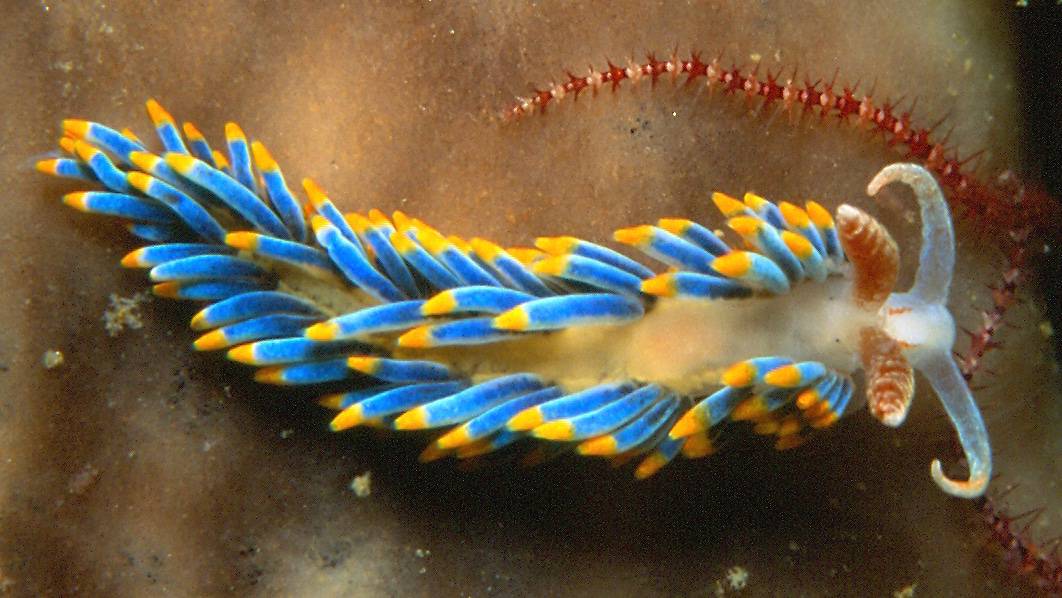
Beneath the waves of Komodo National Park lies a miniature world of extraordinary beauty—the realm of nudibranchs. These shell-less mollusks, often called “sea slugs,” might be small in size (typically 2-6 centimeters long) but compensate with some of the most vibrant colors and intricate patterns found in nature. The park’s waters host hundreds of nudibranch species, each seemingly more fantastical than the last, with combinations of electric blues, vivid oranges, neon greens, and psychedelic patterns that serve both as warning coloration and camouflage. Their flamboyant appearance, coupled with the feathery gills that adorn many species’ backs (from which they get their name “nudibranch,” meaning “naked gills”), makes them favorite subjects for underwater photographers.
What makes nudibranchs particularly fascinating is not just their appearance but their remarkable adaptations. Many species have evolved the ability to incorporate the stinging cells from their cnidarian prey (such as corals and anemones) into their own tissues for defense. Others produce powerful chemicals that deter predators, often advertised by their bright coloration. For visitors exploring Komodo’s underwater environments, spotting these living jewels becomes an addictive treasure hunt, with each dive potentially revealing new species. Though often overlooked in favor of larger marine life, these tiny creatures represent some of the most stunning examples of evolution’s artistic capabilities, demonstrating how even the smallest residents contribute to the park’s reputation as a biodiversity hotspot.
The Reef Sharks: Ocean Sentinels

The clear waters surrounding Komodo National Park serve as patrolling grounds for several species of reef sharks, adding an element of primordial excitement to any underwater excursion. The most commonly encountered are the blacktip reef sharks (Carcharhinus melanopterus) and whitetip reef sharks (Triaenodon obesus), both recognizable by the distinctive white or black tips on their dorsal and caudal fins. These sharks, typically ranging from 1.5 to 2 meters (5 to 6.5 feet) in length, are regular fixtures around the park’s vibrant coral reefs, where they play crucial roles as apex predators maintaining the health and balance of marine ecosystems. Unlike their pelagic cousins, reef sharks tend to have smaller territories and display less migratory behavior, making them relatively predictable encounters for divers at sites like Castle Rock and Batu Bolong.
For many visitors, encountering these sleek predators represents a highlight of their Komodo experience—a chance to observe these perfectly evolved hunters that have remained largely unchanged for millions of years. Despite their fearsome reputation, reef sharks pose minimal threat to humans when treated with appropriate respect and distance. Their presence indicates a healthy reef system, as these predators require abundant prey populations to sustain themselves. Unfortunately, even within the protected boundaries of the park, these sharks face threats from illegal fishing targeting their fins. Conservation efforts focus on patrol and enforcement to ensure these magnificent creatures continue to fulfill their ecological role as sentinels of Komodo’s underwater realm, where their graceful movements and streamlined forms have captivated divers for generations.
Conclusion: Preserving Komodo’s Natural Wonders

Komodo National Park stands as one of our planet’s most remarkable wildlife sanctuaries, where evolutionary processes have created a menagerie of creatures that inspire awe and wonder in all who visit. From the ancient Komodo dragons that give the park its name to the microscopic nudibranchs adorning its reefs, each species contributes to an intricate ecological tapestry unlike anywhere else on Earth. The rugged islands and pristine waters of the park provide a sanctuary not only for these iconic reptiles but also for a dazzling array of marine life, including manta rays, sea turtles, and vibrant coral gardens teeming with fish. The park’s unique blend of terrestrial and marine ecosystems highlights the delicate balance between predator and prey, survival and adaptation. Recognized as a UNESCO World Heritage Site, Komodo National Park is a living laboratory of biodiversity and a powerful reminder of the importance of conservation efforts in preserving the natural wonders that define our planet.

- This Tiny Insect Can Survive in Outer Space—Here’s How - July 21, 2026
- Could the Tasmanian Tiger Be Brought Back to Life? - July 21, 2026
- Why You Should Never Approach a Sleeping Hippo - July 21, 2026