


New York City, often characterized by its towering skyscrapers and bustling streets, might seem like an unlikely sanctuary for wildlife. Yet beneath this urban facade lies a network of green spaces that are increasingly becoming vital havens for local fauna. From the iconic Central Park to the lesser-known community gardens scattered throughout the five boroughs, New York’s parks are playing a crucial role in helping local wildlife populations recover and thrive. Through deliberate conservation efforts, habitat restoration, and community engagement, these urban oases have become beacons of biodiversity in one of the world’s most densely populated metropolitan areas. This remarkable revival of wildlife within the concrete jungle not only enhances the city’s ecological resilience but also offers New Yorkers a unique connection to nature amidst urban life.
The Historical Context of New York’s Wildlife Decline

New York’s relationship with wildlife has undergone dramatic shifts since the city’s founding. Before European settlement, the area was a thriving ecosystem of forests, wetlands, and meadows that supported diverse species including wolves, bears, mountain lions, and countless bird species. The rapid urbanization that followed saw the wholesale destruction of natural habitats, with over 90% of the region’s wetlands filled in or drained by the early 20th century.
By the mid-1900s, pollution compounded these habitat losses. The Hudson River became so contaminated with industrial waste that it was essentially devoid of fish in many sections. Air pollution from factories and vehicles further stressed wildlife populations, while pesticides like DDT decimated bird populations, including the peregrine falcon which was completely extirpated from the eastern United States. This environmental degradation reached its nadir in the 1970s, setting the stage for the conservation efforts that would follow as environmental awareness grew among citizens and policymakers alike.
The Park System of New York: An Overview

New York City boasts an impressive network of over 30,000 acres of parkland, comprising more than 2,000 parks, playgrounds, and recreation facilities. This system includes iconic spaces like the 843-acre Central Park in Manhattan, the 585-acre Prospect Park in Brooklyn, and the sprawling 2,765-acre Pelham Bay Park in the Bronx—the city’s largest park, which is more than three times the size of Central Park. Beyond these major parks, the city maintains countless smaller neighborhood parks, community gardens, and natural areas.
The NYC Parks Department, officially known as the New York City Department of Parks & Recreation, manages this vast network with an annual budget exceeding $500 million. The system includes diverse ecosystems from forests and wetlands to meadows and coastal areas. Additionally, the city is home to the 28,000-acre Jamaica Bay Wildlife Refuge and seven designated Wildlife Management Areas. This extensive green infrastructure serves not only recreational purposes for the city’s 8.8 million residents but also provides critical habitat corridors and refuges for wildlife in an otherwise heavily developed landscape.
Central Park: An Urban Wildlife Sanctuary

Despite being surrounded by skyscrapers and visited by approximately 42 million people annually, Central Park has emerged as a surprising wildlife hotspot in Manhattan’s heart. The park’s 843 acres host more than 230 bird species throughout the year, making it a renowned birding destination. The park’s waterbodies, including the Jacqueline Kennedy Onassis Reservoir and the Lake, provide habitat for numerous waterfowl species and support fish populations that have rebounded since water quality improvements began in the 1990s.
The Central Park Conservancy has implemented strategic habitat management practices, including the creation of the 4-acre Hallett Nature Sanctuary, where limited human access has allowed for the development of a thriving woodland ecosystem. The park’s Ramble area serves as crucial stopover habitat for migratory birds along the Atlantic Flyway. Recent wildlife surveys have documented increasing populations of red-tailed hawks, with 12-15 nesting pairs now established in the park, up from just one pair in the early 1990s. Eastern gray squirrels, raccoons, and even the occasional red fox make their homes in this urban oasis, demonstrating the park’s vital role in supporting Manhattan’s wildlife.
Brooklyn’s Green Revival: Prospect Park and Beyond
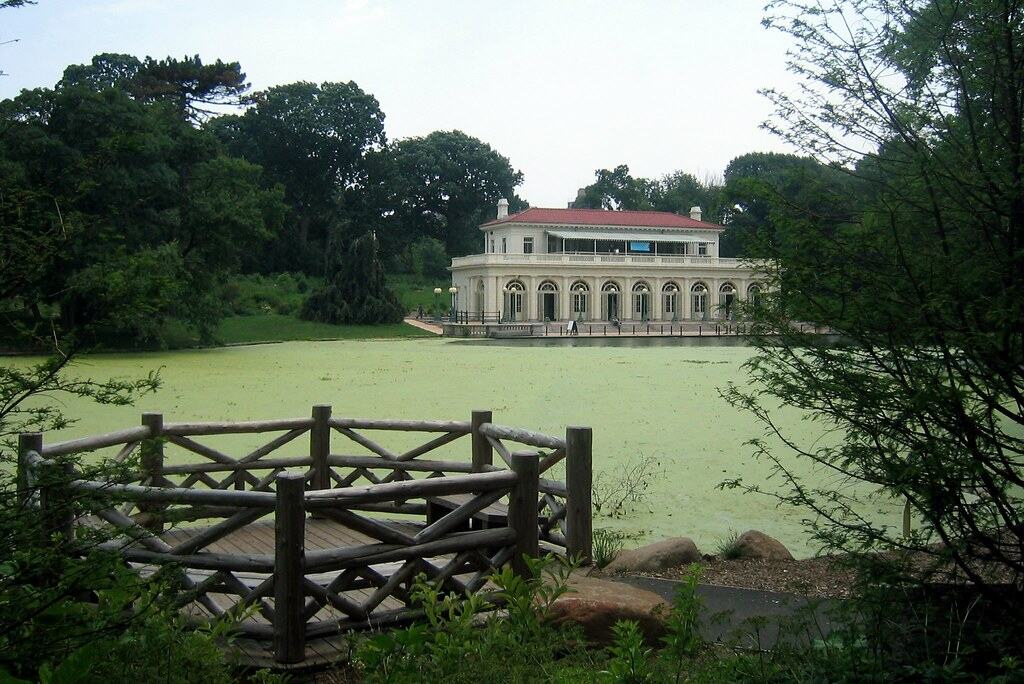
Brooklyn’s flagship Prospect Park, designed by Frederick Law Olmsted and Calvert Vaux after their work on Central Park, has undergone significant ecological restoration in recent decades. The Prospect Park Alliance has led efforts to restore the park’s 250-acre woodland area, the borough’s last remaining forest, by removing invasive species and planting over 500,000 native trees, shrubs, and wildflowers since 1987. These efforts have created habitat that supports more than 200 bird species, including recently returned breeding populations of great horned owls and red-shouldered hawks.
Beyond Prospect Park, Brooklyn’s network of green spaces includes the innovative Brooklyn Bridge Park, created from former shipping piers along the East River. This park incorporated native plantings and habitat features from its inception, resulting in documented increases in butterfly diversity, with 24 species now regularly observed compared to just 7 in 2010. Marine life has also benefited, with the park’s “eco-piers” providing habitat for over 50 species of fish in the East River, including striped bass and American eel. Additionally, Brooklyn’s community gardens network, comprising over 300 sites across the borough, creates vital stepping-stone habitats for pollinators and birds, demonstrating how even small green spaces contribute significantly to urban wildlife conservation.
Queens: The Borough of Ecological Diversity
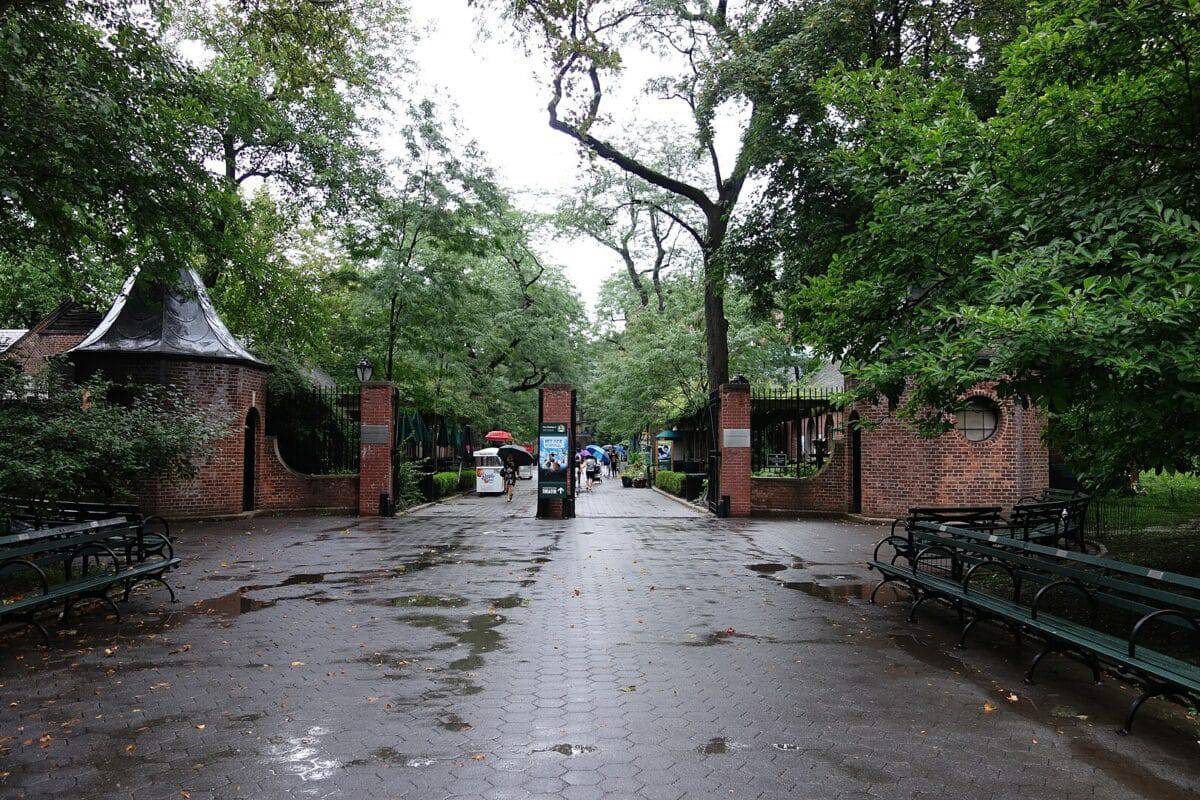
Queens holds the distinction of hosting New York City’s most ecologically diverse parklands. The crown jewel is Jamaica Bay Wildlife Refuge, part of the Gateway National Recreation Area, which provides over 9,000 acres of protected salt marsh, upland field, and woodland habitats. This internationally recognized bird sanctuary hosts more than 330 bird species annually, including significant populations of horseshoe crabs whose eggs provide crucial nutrition for migratory shorebirds. Recent restoration efforts have rebuilt over 180 acres of salt marsh habitat that had been degraded by pollution and sea-level rise.
Elsewhere in Queens, Forest Park preserves 538 acres of original forest that once covered the terminal moraine of Long Island. Its mature oak-hickory forest supports a remarkable diversity of wildlife, including the return of eastern coyotes first documented in 2013. Alley Pond Park contains Queens’ largest remaining freshwater wetland complex, where a concerted restoration program has improved habitat for the spotted salamander, which has seen population increases of approximately 40% since monitoring began in 2009. The borough’s Flushing Meadows-Corona Park, though highly developed for recreation, includes restored wetland areas along the Flushing River that now support breeding populations of night herons and egrets, species that had disappeared from the area by the 1950s but began returning in the early 2000s.
The Bronx’s Wild Side: Pelham Bay Park and Bronx River
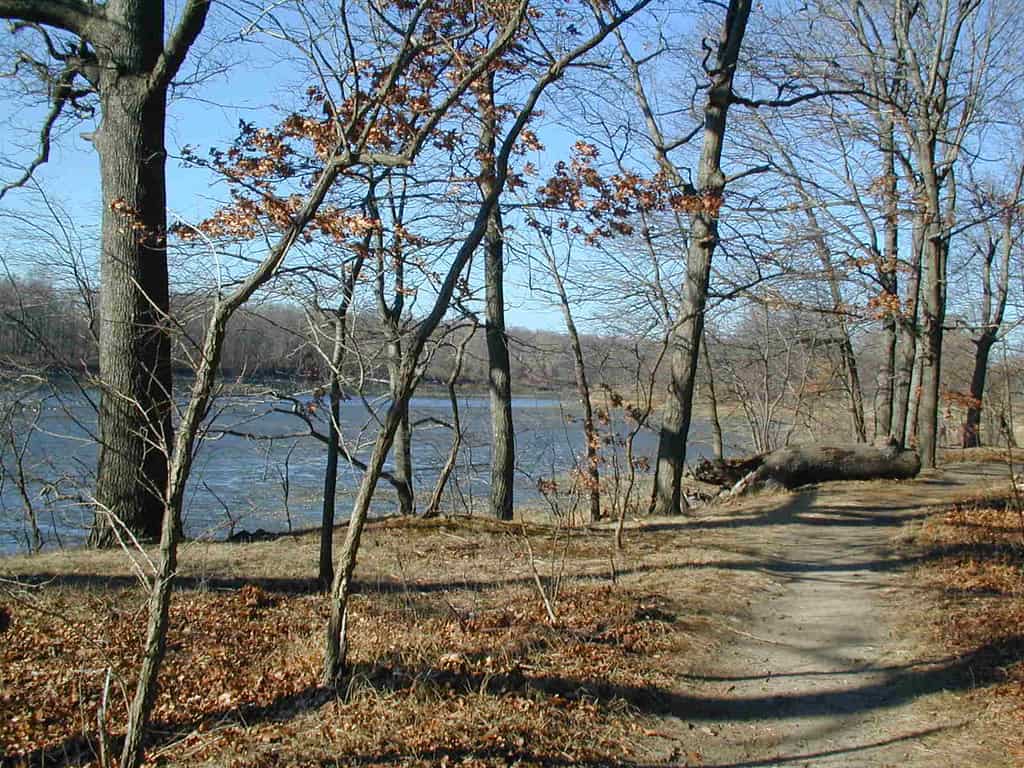
The Bronx, New York City’s greenest borough by percentage of park space, houses the city’s largest park—Pelham Bay Park. This 2,765-acre expanse includes diverse ecosystems from salt marshes to forests that support remarkable biodiversity. Hunter Island’s mature oak-hickory forest within the park harbors one of the city’s largest breeding populations of great horned owls, with eight confirmed nesting pairs documented in 2021. The park’s protected coastline along Long Island Sound provides critical habitat for diamondback terrapins, whose nesting population has increased by approximately 35% since protection measures were implemented in 2009.
The Bronx River, New York’s only freshwater river, has undergone a dramatic transformation from an industrial waste channel to a wildlife corridor. The Bronx River Alliance has coordinated the removal of over 100,000 pounds of debris annually and planted thousands of native trees and shrubs along its banks. These efforts have yielded remarkable results: alewife herring have returned to spawn after a 350-year absence following the construction of fish ladders at former dam sites. River otters were documented in the Bronx River in 2017 for the first time in over a century, signaling the improving ecological health of this urban waterway. Additionally, the creation of the Bronx River Forest and the restoration of adjacent parklands have expanded habitat for woodland birds, with 26 species now nesting in these areas compared to just 14 species in 1990.
Staten Island: The Borough of Natural Areas
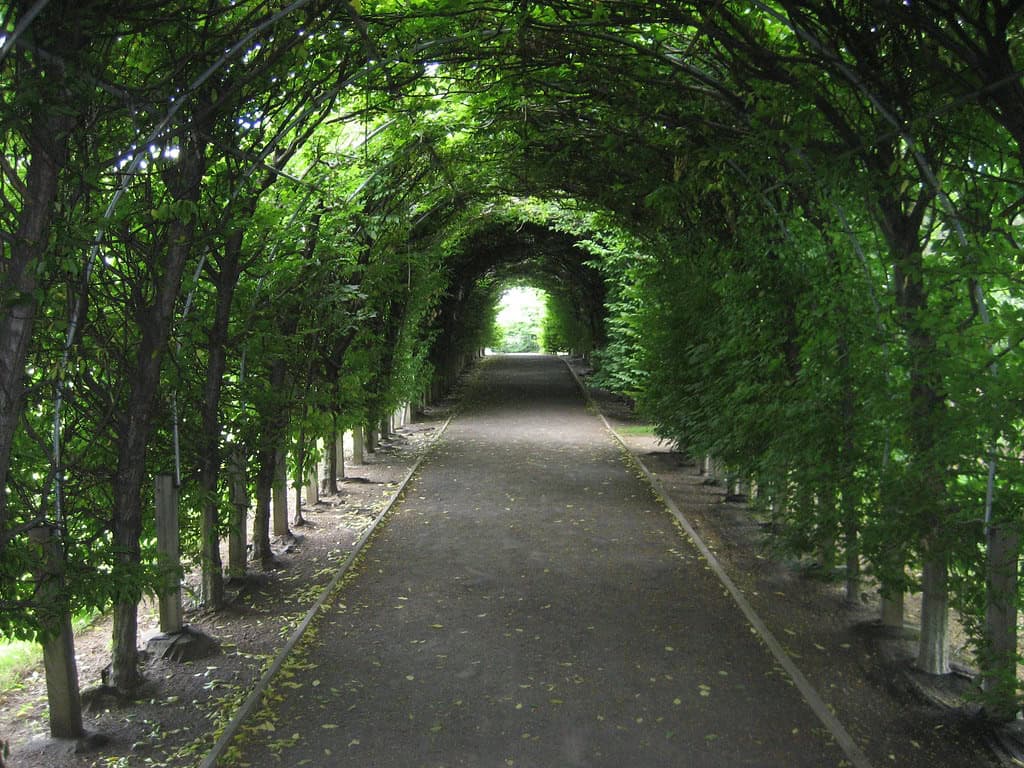
Staten Island stands as New York City’s least developed borough, containing the largest percentage of protected natural areas. The Staten Island Greenbelt, a 2,800-acre network of parks and natural areas, represents one of the largest areas of contiguous protected forest in any American city. This extensive green space has allowed for wildlife recovery unseen in other boroughs, including documented increases in white-tailed deer populations from fewer than 50 individuals in the 1990s to current estimates exceeding 2,000. The Greenbelt’s mixed hardwood forests provide habitat for red foxes, flying squirrels, and over 150 bird species.
Freshkills Park represents one of the most ambitious ecological restoration projects globally, transforming what was once the world’s largest landfill into a 2,200-acre park with diverse habitats. Since closure of the landfill in 2001 and subsequent restoration efforts, wildlife monitoring has documented 177 bird species using the site, including 26 state-listed species of concern. The park’s restored wetlands now support river otters, muskrats, and a growing osprey population, with nine active nesting platforms established as of 2022. Staten Island’s extensive coastline and protected areas have also facilitated the return of harbor seals, with winter haul-out sites now regularly hosting 20-30 individuals during peak season—a phenomenon not documented since the early 1900s before recent conservation efforts.
Wetland Restoration: Bringing Back Critical Ecosystems
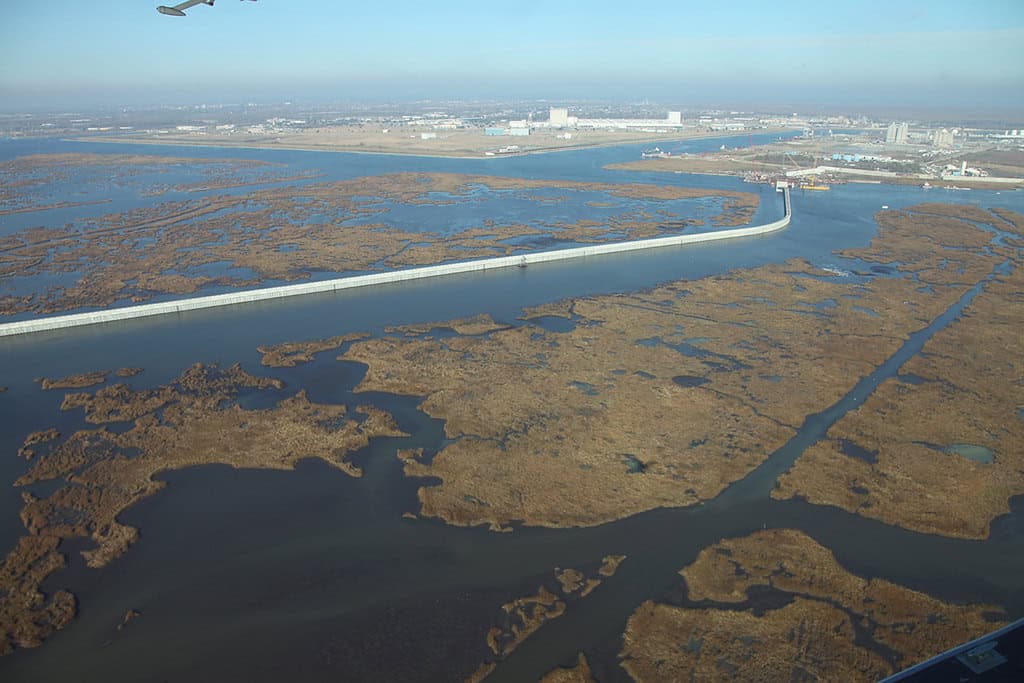
Wetlands represent some of New York City’s most ecologically valuable yet historically degraded habitats, with over 90% lost to development since colonial times. Recent decades have seen concentrated efforts to reverse this trend through ambitious restoration projects. In Brooklyn’s Marine Park, the Salt Marsh Nature Center has overseen the restoration of 530 acres of salt marsh through removal of fill, reconstruction of tidal channels, and replanting of native Spartina grasses. This project has resulted in the return of breeding clapper rails and seaside sparrows, specialist marsh birds that had disappeared from the city by the 1950s.
The restoration of Meadow Lake in Queens’ Flushing Meadows-Corona Park demonstrates successful freshwater wetland recovery. Implementation of bioswales, constructed wetlands, and native plantings around this 93-acre lake has dramatically improved water quality, reducing nitrogen levels by 42% since 2010. This improved habitat now supports 24 species of dragonflies and damselflies, important indicators of ecosystem health, up from just 8 species documented in 1999. Citywide, the NYC Department of Environmental Protection has constructed over 11,000 green infrastructure installations that manage stormwater while creating small wetland habitats throughout the urban landscape, contributing to increases in amphibian populations including spring peepers and gray treefrogs in areas where they had been locally extirpated.
Birds of Prey: The Return of Urban Raptors

Perhaps no wildlife recovery story better symbolizes New York’s ecological rebirth than the return of birds of prey. The peregrine falcon, extirpated from the eastern United States by 1964 due to DDT poisoning, now maintains 25 nesting pairs in New York City—the highest urban concentration in the world. These birds have adapted to use skyscrapers and bridges as surrogates for their natural cliff nesting sites, with successful breeding pairs documented on iconic structures including the Verrazano Bridge and the Statue of Liberty. Their recovery began with reintroduction efforts in the 1980s but has accelerated thanks to improved park habitats supporting their prey base.
Red-tailed hawks have increased from fewer than 10 nesting pairs in the 1990s to over 55 pairs today across all five boroughs. Central Park alone hosts 3-4 breeding pairs annually, with the famous “Pale Male” hawk demonstrating the species’ adaptability by nesting on a Fifth Avenue building ledge since 1991, producing over 40 offspring. Other raptor species making remarkable comebacks include American kestrels, Cooper’s hawks, and bald eagles, which returned to nest in New York City for the first time in over a century when a pair established territory on Staten Island in 2017. This proliferation of raptors indicates healthy ecosystems with robust food webs extending from plants to insects to small mammals and birds—ecological relationships supported by the city’s expanding and improving park network.
Community Science and Public Engagement
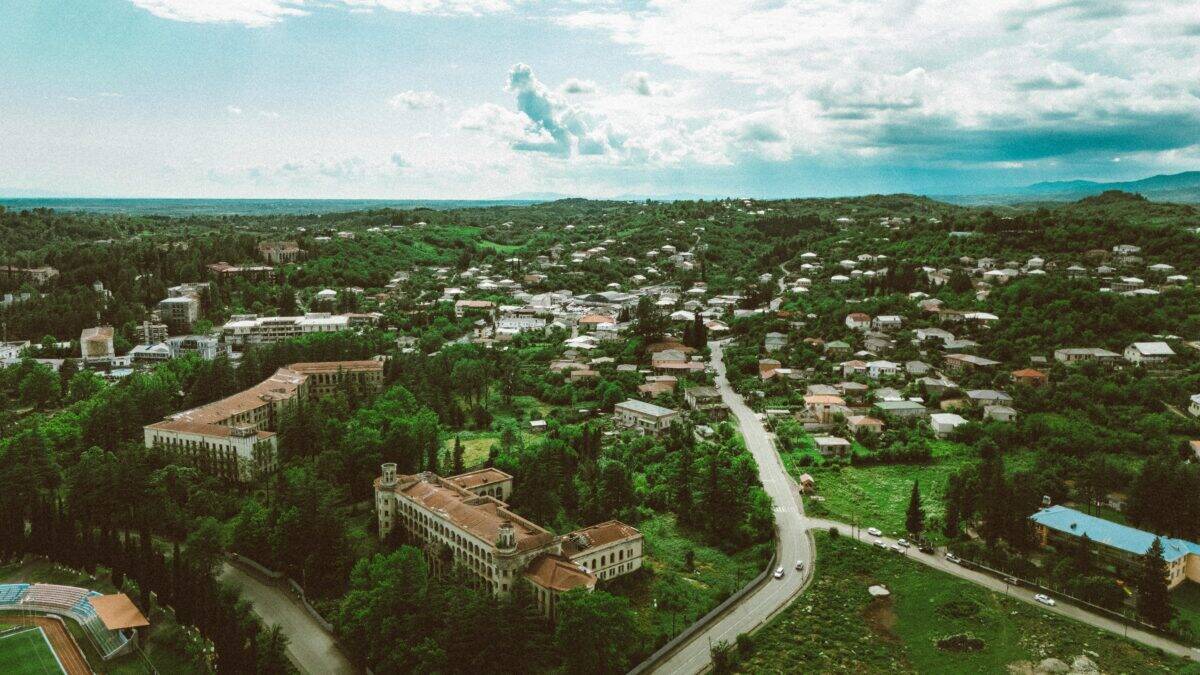
New York’s wildlife recovery has been accelerated by unprecedented levels of community involvement in monitoring and conservation efforts. The NYC Parks Department’s Wildlife Unit coordinates programs engaging thousands of volunteers in data collection, with initiatives like the Christmas Bird Count drawing over 400 participants annually across the five boroughs. These community science efforts have documented important trends, including the 36% increase in overwinter bird diversity in city parks since monitoring began in the 1970s. The iNaturalist platform has revolutionized wildlife documentation, with New York City observations exceeding 1.2 million records from over 30,000 users, creating an unprecedented database of urban biodiversity.
Educational programs centered on parks and wildlife reach approximately 275,000 New York City schoolchildren annually through partnerships between the Parks Department, the Department of Education, and organizations like the Wildlife Conservation Society. Studies show that students participating in these programs demonstrate increased knowledge of local ecosystems and greater environmental stewardship behaviors. Community engagement extends to direct conservation action through volunteer initiatives like the Million Trees NYC program, which achieved its goal of planting one million new trees across the city between 2007 and 2015, with 70% of plantings occurring in parks and natural areas. These trees now provide critical habitat while community ownership of the plantings ensures their maintenance, demonstrating how public participation creates sustainable conservation outcomes.
Challenges and Threats to Wildlife Recovery
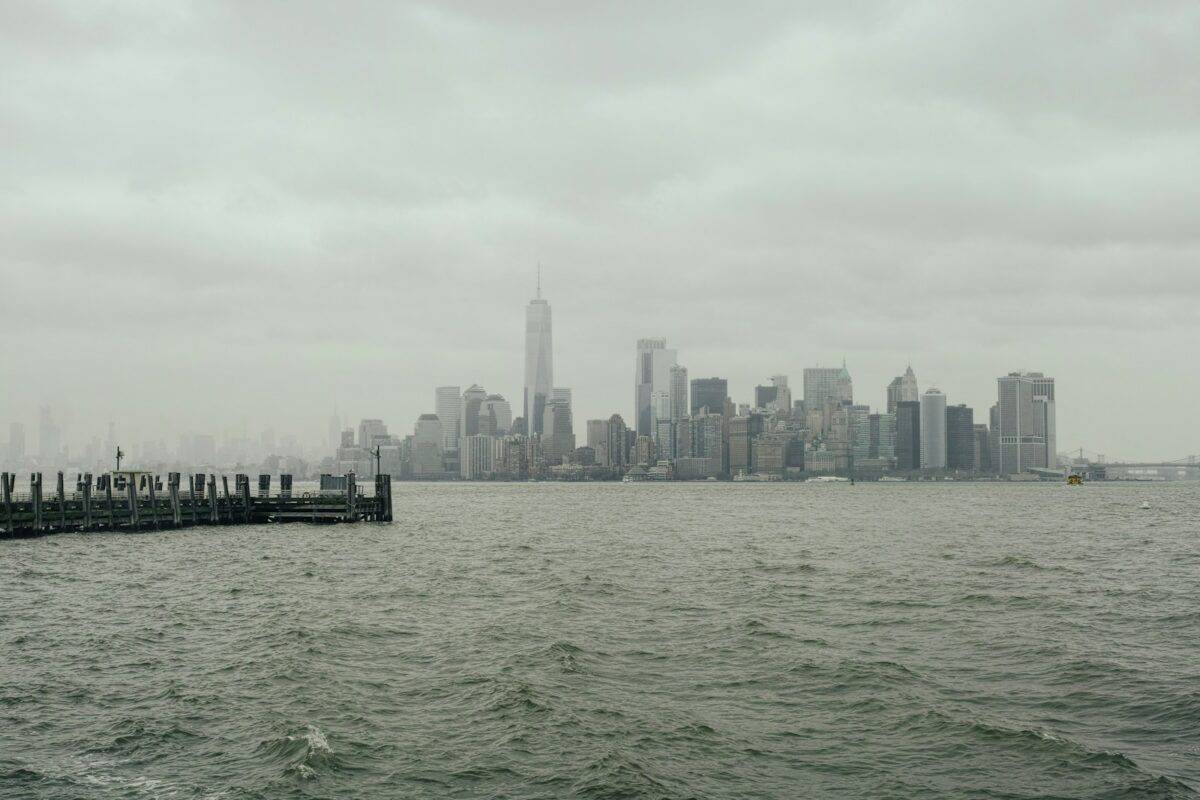
Despite significant successes, New York’s wildlife recovery faces substantial challenges. Climate change impacts are already evident, with sea-level rise threatening coastal habitats and changing precipitation patterns affecting freshwater ecosystems. Modeling suggests that up to 30% of salt marsh habitat in Jamaica Bay could be lost by 2050 without intervention. Invasive species pose another significant threat, with over 42% of plant species in the city’s natural areas being non-native. Recent arrivals like the spotted lanternfly threaten native trees, while invasive mugwort crowds out native plants that support specialist pollinators.
Human-wildlife conflicts increase as species return to urban environments, creating management challenges. White-tailed deer populations on Staten Island have grown exponentially, causing ecological damage through overbrowsing that reduces understory habitat for ground-nesting birds. The increasing presence of coyotes, documented in all five boroughs since 2015, raises concerns among some residents, though actual conflicts remain rare. Light pollution from the urban environment continues to disrupt wildlife behavior, particularly affecting migratory birds—an estimated 90,000-230,000 birds die annually from building collisions in New York City during migration periods. Managing these challenges requires balanced approaches that consider both ecological needs and human concerns within the complex urban ecosystem.
The Future of Wildlife Conservation in New York’s Parks
Looking ahead, New York City has developed ambitious plans to further enhance wildlife habitat in its parks. The NYC Parks Department’s Natural Areas Conservation Plan aims to protect and manage 10,000 acres of natural areas by 2030, representing a significant expansion of managed wildlife habitat. This includes the Forever Wild initiative, which has designated 51 preserves totaling over 8,700 acres specifically for wildlife conservation across the five boroughs. The NYC Biodiversity Strategy, launched in 2018, coordinates conservation efforts across multiple city agencies with specific targets for habitat improvement and species recovery.
Technological innovations are enhancing wildlife management capabilities. Acoustic monitoring stations installed in 23 parks allow for automated detection of bat and bird species, providing data on species previously difficult to document. Environmental DNA sampling in waterways can now detect the presence of elusive species like brook trout and American eels without direct observation. Climate adaptation strategies include living shoreline projects that create salt marsh habitat designed to migrate inland as sea levels rise, with pilot projects at Randall’s Island and Bush Terminal Park demonstrating promising results. These forward-looking approaches, combined with growing public support for urban biodiversity, suggest a hopeful future for wildlife in New York City’s parks. By integrating cutting-edge science with community engagement and long-term ecological planning, the city is reimagining what urban conservation can achieve. Initiatives like citizen science programs, native plant restorations, and green infrastructure projects are not only enhancing habitat but also deepening residents’ connection to the natural world around them.
Ultimately, New York’s evolving conservation strategy reflects a broader recognition that thriving urban ecosystems are essential—not optional—for a sustainable future. As cities around the world grapple with biodiversity loss and climate change, New York’s multifaceted approach could serve as a model for balancing development with ecological responsibility. With continued investment and public involvement, the parks of tomorrow may not just be refuges for people, but flourishing habitats for an extraordinary range of wildlife.

From exploring the marine wonders in the Azores and witnessing the vast savannas of Kenya, to delving deep into the rich biodiversity of South Africa and traversing iconic landscapes in Australia and the US like Yellowstone, Chris's experiences are vast.
With a penchant for diving alongside sharks, the ocean holds a special place in his heart.
Through his academic insights, he champions wildlife conservation, striving with 'Animals Around The Globe' to cultivate a profound connection between humans and animals, enhancing our mutual appreciation.
Connect with him at Feedback@animalsaroundtheglobe.com.
- This Monkey Has a Mustache - July 21, 2026
- How Steve Irwin Changed the World’s View of Wildlife - July 21, 2026
- The Catfish That Caused Earthquakes in Japanese Folklore - July 21, 2026