

In a groundbreaking paleontological find that has stunned the scientific community, researchers have confirmed the discovery of a jellyfish fossil dating back over 500 million years. This extraordinary specimen was uncovered in the Burgess Shale formation in the Canadian Rockies, one of the world’s most productive sources of Cambrian fossils. The remarkable preservation of this ancient cnidarian provides an unprecedented glimpse into the evolutionary history of one of Earth’s oldest animal groups.
What makes this discovery particularly significant is the exceptional level of detail preserved in the fossil. Soft-bodied organisms like jellyfish rarely fossilize due to their lack of hard structures, making this specimen a true scientific treasure. The fossil displays not only the distinctive bell-shaped body characteristic of jellyfish but also traces of tentacles and even internal structures that have remained intact for half a billion years.
Dating the Ancient Specimen

Using multiple radiometric dating techniques and stratigraphic analysis, scientists have confidently dated the jellyfish fossil to approximately 505-515 million years ago, placing it firmly in the middle Cambrian period. This timeframe is particularly significant as it corresponds with the Cambrian Explosion, a pivotal moment in Earth’s history when multicellular life rapidly diversified and the foundations for modern animal phyla were established.
The dating process involved analyzing the sedimentary layers surrounding the fossil and measuring the decay of radioactive isotopes in nearby volcanic ash beds. These complementary approaches have provided a robust age estimate that situates this jellyfish among the earliest known members of its phylum. The fossil’s age makes it not just a specimen of scientific interest but a genuine window into a critical period of evolutionary history.
The Challenges of Soft-Bodied Fossilization
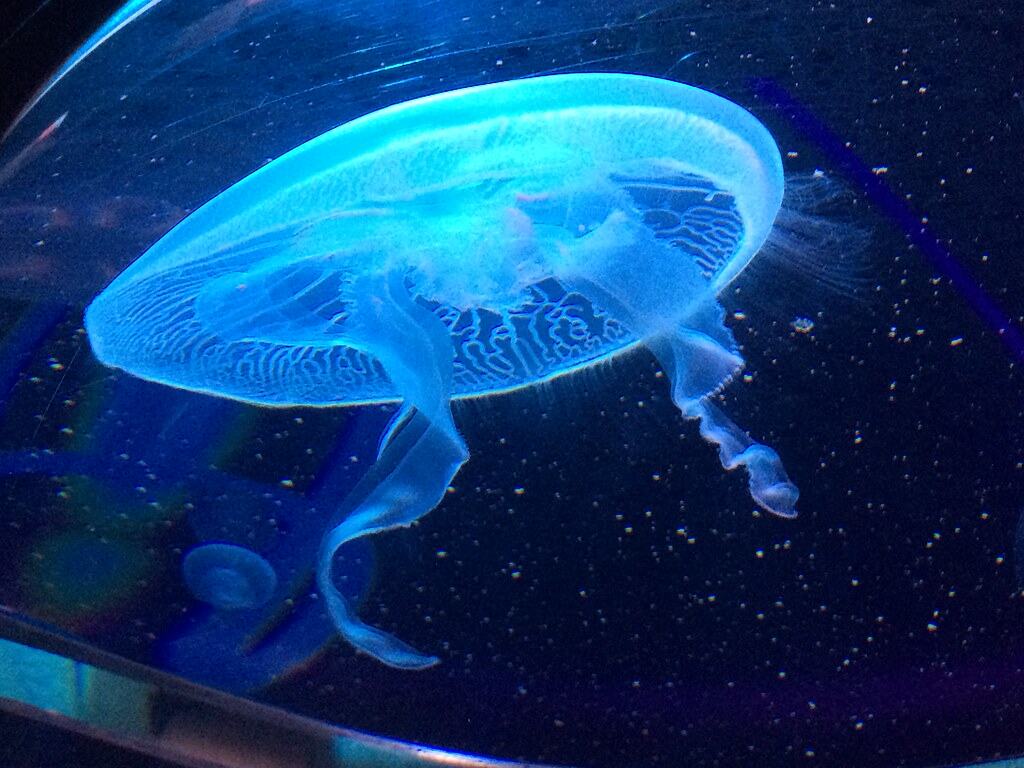
The preservation of jellyfish in the fossil record is exceedingly rare due to their gelatinous composition, which typically decomposes rapidly after death without leaving traces. Unlike animals with shells, bones, or other hard parts, jellyfish bodies contain no structures that readily fossilize. For this 500-million-year-old specimen to survive to the present day required a perfect storm of preservation conditions that scientists refer to as “exceptional preservation.”
In this case, researchers believe the jellyfish was rapidly buried in fine-grained sediment in an oxygen-poor environment, preventing decomposition and allowing mineral replacement of the organic tissues. The sediment was then compacted and transformed into shale over millions of years, protecting the delicate impression. This fortuitous sequence of events has granted paleontologists a precious opportunity to study a creature that would normally leave no trace in the geological record.
Anatomical Features Preserved
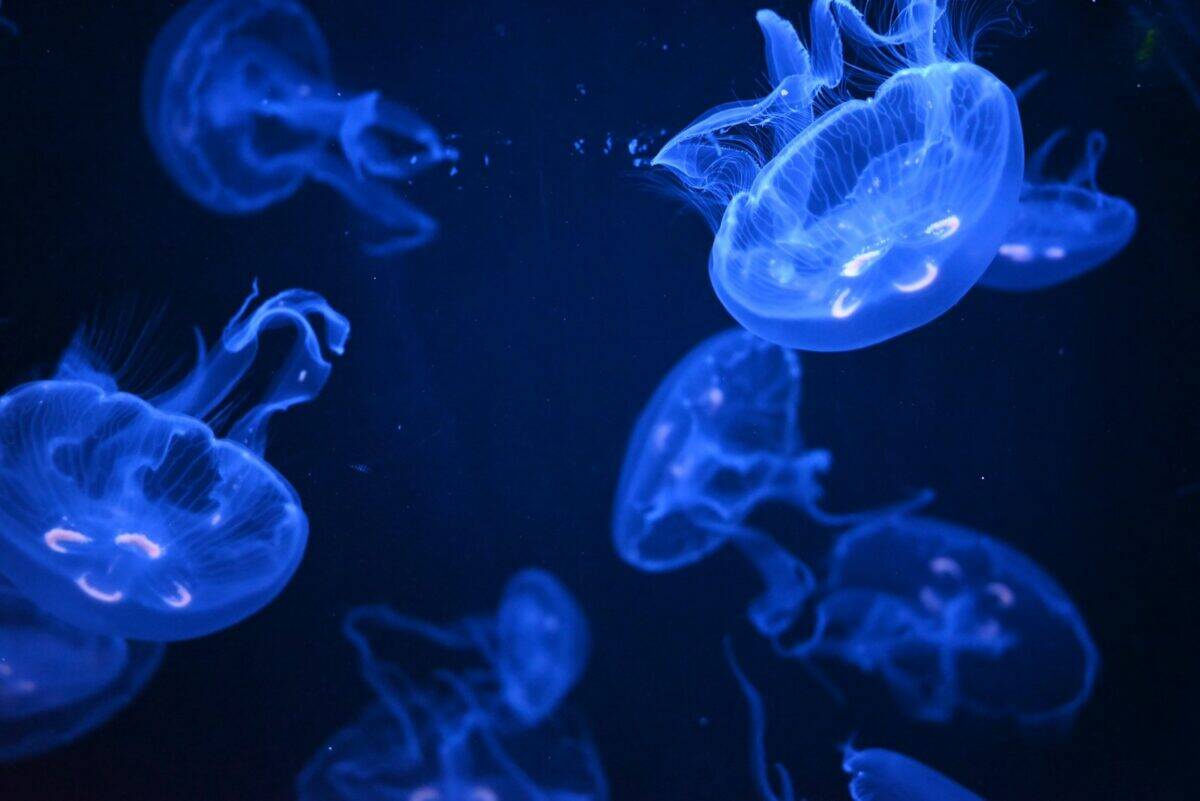
Despite its immense age, the fossil displays remarkably well-preserved anatomical features that allow scientists to identify it definitively as an ancient cnidarian. The specimen shows a clear bell-shaped medusa form measuring approximately 4 centimeters in diameter. Radiating from the central body are impressions of what appear to be tentacles, complete with evidence of the stinging cells (nematocysts) that are characteristic of modern jellyfish.
Perhaps most extraordinary is the preservation of internal structures, including traces of what researchers believe to be a primitive digestive cavity and rudimentary nerve ring. These details provide invaluable insights into how early jellyfish anatomy was organized and suggest that many of the basic biological systems found in modern jellyfish were already established over 500 million years ago. The fossil also shows evidence of radial symmetry, a fundamental body plan that has persisted in jellyfish throughout their evolutionary history.
Evolutionary Significance
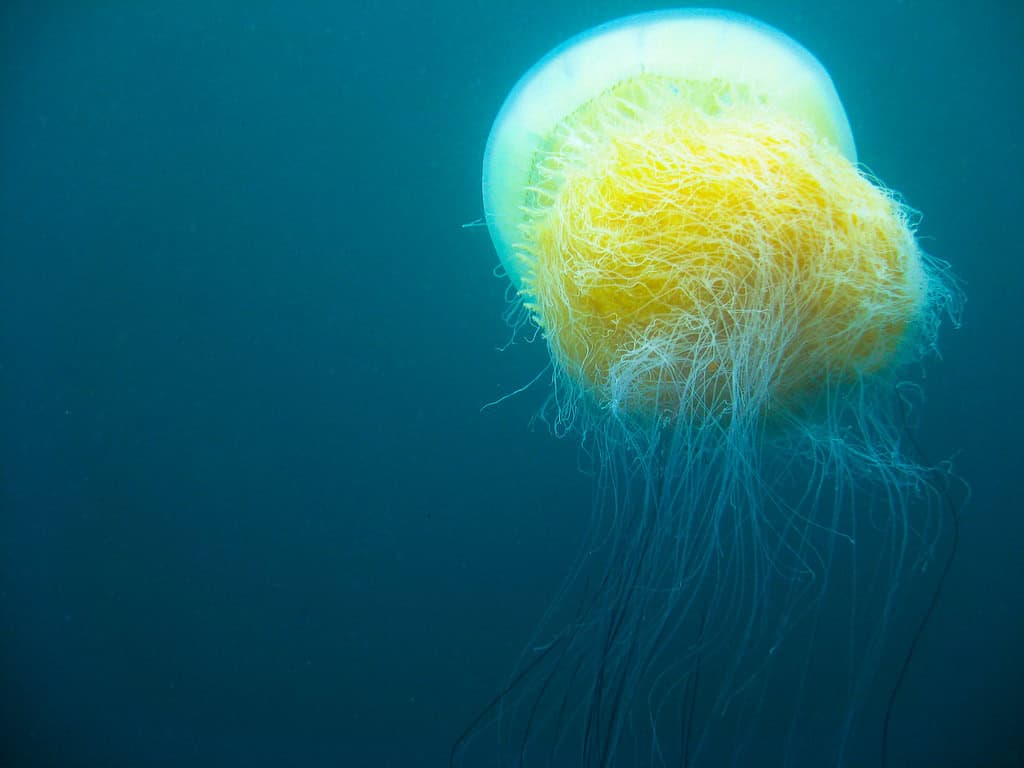
This ancient jellyfish fossil represents a critical piece in the puzzle of metazoan evolution. Cnidarians, the phylum that includes jellyfish, corals, and sea anemones, are among the most basal animal groups, having diverged from other animals very early in evolutionary history. This fossil helps confirm that jellyfish had already evolved their distinctive body plan by the mid-Cambrian period and suggests that the basic cnidarian body structure has remained remarkably stable over hundreds of millions of years.
The discovery provides compelling evidence for the antiquity of the jellyfish lineage and strengthens our understanding of early animal evolution. It indicates that the fundamental anatomical features that define modern jellyfish—the bell-shaped body, tentacles, and radial symmetry—were already established during the Cambrian Explosion. This evolutionary conservatism across such vast timescales highlights the extraordinary success of the jellyfish body plan in adapting to changing marine environments throughout Earth’s history.
Comparison to Modern Jellyfish

When comparing this 500-million-year-old fossil to contemporary jellyfish species, scientists have noted both striking similarities and subtle differences. The ancient specimen shares the same basic body architecture as modern jellyfish, with a bell-shaped umbrella and trailing tentacles, suggesting remarkable evolutionary stability. The radial symmetry evident in the fossil is identical to that found in today’s jellyfish, demonstrating that this fundamental organizational pattern has persisted for half a billion years.
However, researchers have also identified several primitive characteristics that distinguish this Cambrian jellyfish from its modern relatives. The tentacle structure appears less complex, and the digestive system shows signs of being more rudimentary. The fossil specimen is also relatively small compared to many modern jellyfish species, which can grow to much larger sizes. These differences provide valuable insights into how jellyfish have gradually evolved while maintaining their basic body plan over geological timescales.
The Burgess Shale Connection
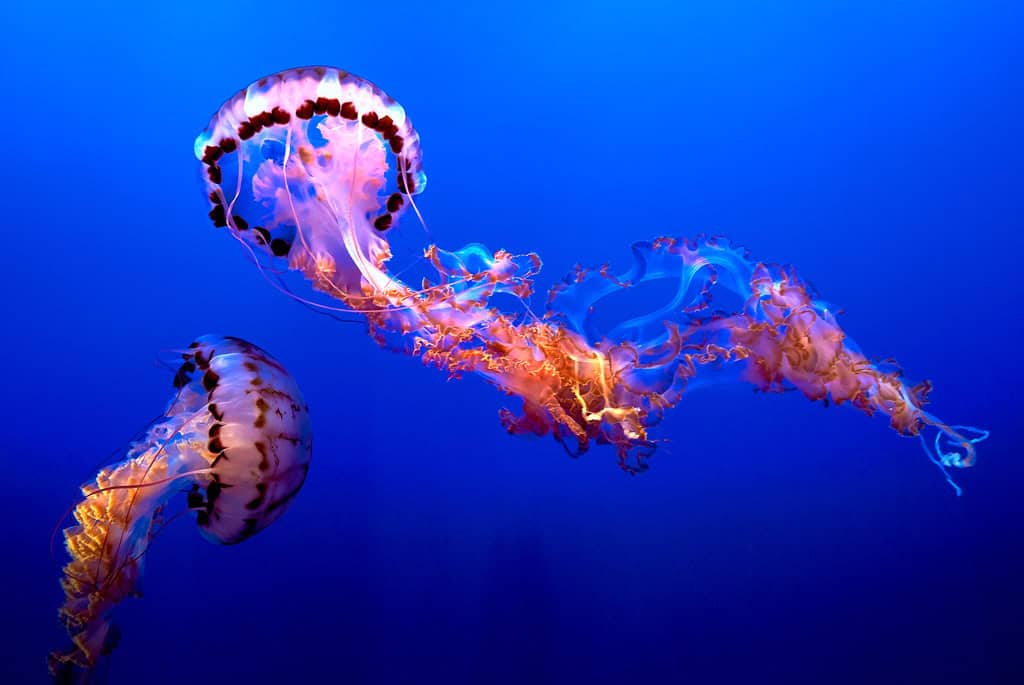
The Burgess Shale formation, where this extraordinary jellyfish fossil was discovered, represents one of the most important paleontological sites in the world. Located in British Columbia, Canada, this UNESCO World Heritage site has yielded countless well-preserved fossils from the middle Cambrian period. The exceptional preservation conditions at this site have allowed for the fossilization of soft-bodied organisms that would typically decay without a trace, making it an invaluable resource for understanding early animal evolution.
What makes the Burgess Shale particularly special is the quality of preservation, which extends to details as fine as muscle fibers, digestive tracts, and nerve tissues. The jellyfish fossil joins other remarkable Burgess Shale specimens like Anomalocaris, Hallucigenia, and Pikaia in illuminating the diversity of life during the Cambrian period. The geological conditions that created this preservation miracle involved rapid burial in fine sediments and minimal oxygen, effectively creating a time capsule of Cambrian marine life that scientists continue to study and marvel at today.
Research Methods and Technologies
Studying a delicate fossil of this antiquity requires cutting-edge scientific techniques that were unavailable just a few decades ago. Researchers employed a combination of advanced imaging technologies to analyze the specimen without damaging it. X-ray microtomography allowed scientists to create detailed three-dimensional reconstructions of the fossil, revealing features that would be invisible to the naked eye. Scanning electron microscopy provided ultra-high-resolution images of surface details, including the impressions of cellular structures.
Chemical analysis techniques such as energy-dispersive X-ray spectroscopy helped identify the mineral composition of the fossilized tissues, providing clues about the preservation process and original biological materials. Additionally, researchers used specialized photography techniques with polarized light to enhance the contrast between the fossil and surrounding rock matrix. These non-destructive methods have revolutionized paleontology, allowing scientists to extract maximum information from precious specimens while ensuring their preservation for future research.
Cambrian Ocean Ecosystems

The jellyfish fossil offers valuable insights into the marine ecosystems of the Cambrian period when Earth’s oceans were undergoing unprecedented ecological diversification. During this time, approximately 541-485 million years ago, marine environments witnessed an explosion of animal diversity and complexity, with the emergence of most major animal phyla that exist today. This ancient jellyfish would have been swimming in seas teeming with strange and wonderful creatures, many with body plans that no longer exist.
As predators and prey, jellyfish would have played important roles in these early marine food webs. Their presence indicates that complex ecological relationships, including predator-prey dynamics and competition for resources, were already well-established in Cambrian oceans. The fossil record suggests that these ancient seas supported diverse communities of organisms, from filter-feeding sponges and primitive arthropods to more active swimmers like this jellyfish. Understanding the place of cnidarians in these early ecosystems helps scientists reconstruct the complex web of interactions that shaped the evolution of marine life.
Implications for Understanding Biodiversity
This remarkable fossil has profound implications for our understanding of biodiversity through deep time. The discovery demonstrates that jellyfish, and by extension the phylum Cnidaria, have exhibited extraordinary evolutionary stability despite numerous mass extinctions and dramatic environmental changes over the past 500 million years. This evolutionary resilience challenges scientists to reconsider what factors contribute to the long-term survival of animal groups through Earth’s tumultuous history.
The presence of recognizable jellyfish so early in the animal fossil record also underscores the rapid pace of evolution during the Cambrian Explosion. Within a relatively brief geological window, fundamental animal body plans emerged that would persist for hundreds of millions of years. This pattern suggests that once successful biological innovations evolve, they can demonstrate remarkable staying power. The jellyfish fossil thus represents not just an individual organism but evidence of the enduring success of a particular evolutionary solution to the challenges of marine life.
Future Research Directions

The discovery of this ancient jellyfish fossil has opened up numerous avenues for future research. Scientists plan to conduct more detailed comparative analyses between this specimen and other Cambrian fossils to better understand the relationships between early animal groups. Molecular clock studies, which estimate when different lineages diverged based on genetic differences, can now be calibrated more accurately using this fossil as a reference point for cnidarian evolution.
Researchers also hope to identify additional jellyfish specimens from the same time period, which would allow them to assess the diversity of cnidarians during the Cambrian. The preservation methods that made this fossil possible might be applicable to other sites around the world, potentially leading to more discoveries of soft-bodied organisms from this crucial period in Earth’s history. Additionally, advanced genetic studies of modern jellyfish could be informed by this fossil evidence, helping scientists identify which genes are responsible for the remarkable evolutionary stability of the jellyfish body plan.
Conclusion: A Window Into Deep Time

The discovery of a jellyfish fossil more than 500 million years old represents one of the most significant paleontological finds in recent decades. This extraordinary specimen provides tangible evidence of the antiquity of the cnidarian lineage and offers unprecedented insights into the biology of animals that lived during the formative stages of multicellular life on Earth. The remarkable preservation of soft tissues that normally decay without a trace has given scientists a privileged glimpse into a world that existed long before the dinosaurs, flowering plants, or even the first fish.
This ancient jellyfish stands as testimony to the power of exceptional preservation in revealing life’s distant past. It reminds us that beneath the surface of our planet lies a rich historical record that continues to yield surprises and reshape our understanding of evolution. As researchers continue to study this fossil and search for others like it, we can expect our picture of early animal life to become increasingly detailed and nuanced. The 500-million-year journey from this ancient cnidarian to the jellyfish that populate today’s oceans tells a compelling story of evolutionary success and biological continuity across vast expanses of geological time.

- The Secret Language of Dolphins Decoded by Researchers - July 20, 2026
- 7 Animals That Can Survive Extreme Environments You Couldn’t - July 20, 2026
- The Longest Snake Ever Found in the U.S. - July 20, 2026