

Deep in the forest, when darkness falls and most creatures rely on their vision, one silent hunter navigates the night using an extraordinary sense of hearing. The barn owl (Tyto alba) possesses what scientists consider the sharpest hearing of any animal in the woodland ecosystem. This nocturnal predator can detect and precisely locate prey hidden beneath leaves, snow, or even soil, using solely its auditory capabilities. While many forest inhabitants have evolved keen senses to survive the challenges of nighttime hunting, the barn owl stands apart with hearing abilities so precise they border on the supernatural.
The barn owl’s auditory system represents one of the most specialized adaptations in the animal kingdom. Research has demonstrated that these birds can pinpoint the exact location of prey making sounds as faint as a mouse’s footsteps from up to 75 meters away in complete darkness. Their hearing is so acute that they can detect the difference between sounds reaching each ear at time intervals of just 30 microseconds—an ability that allows for three-dimensional sound mapping with astonishing precision. This remarkable adaptation has made the barn owl not just a successful hunter but also a subject of intense scientific study.
Anatomy of Excellence: The Barn Owl’s Specialized Ear Structure

Unlike humans, whose ears sit symmetrically on either side of the head, barn owls possess asymmetrically positioned ear openings—with one ear higher than the other. This unusual arrangement creates a vertical disparity that allows the owl to triangulate sound in three dimensions with extraordinary accuracy. The right ear opening typically sits higher on the skull and is angled slightly downward, while the left ear is positioned lower and angled upward. This asymmetry provides the owl with critical information about a sound’s vertical location, complementing the horizontal positioning information that comes from comparing the timing of sounds reaching each ear.
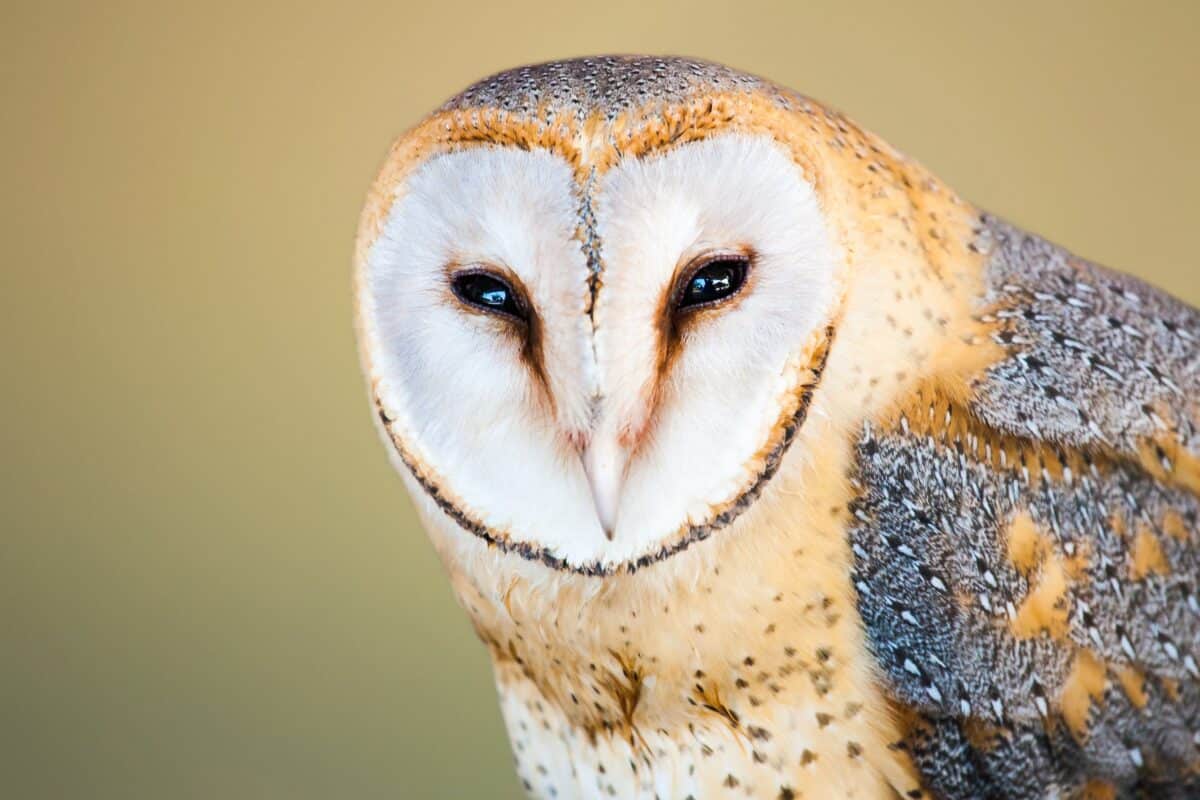
Additionally, the barn owl’s facial disk—the distinctive heart-shaped face—serves as a sophisticated sound-gathering apparatus. This facial structure functions like a satellite dish, collecting and channeling sound waves toward the ear openings. The stiff feathers that form this disk can be adjusted subtly to focus on particular sounds, much like turning a satellite dish to capture a specific signal. These anatomical specializations work in concert to create what researchers consider the most precise sound-localization system in the natural world.
Evolutionary Advantages of Superior Hearing
The barn owl’s extraordinary hearing capabilities didn’t develop overnight but evolved over millions of years as an adaptation to nocturnal hunting. In the competitive nighttime environment, vision becomes less reliable, creating strong evolutionary pressure for alternative hunting methods. While some nocturnal predators developed enhanced night vision, the barn owl’s lineage specialized in auditory hunting, allowing these birds to exploit a niche that few other predators could access—hunting purely by sound in complete darkness.
This evolutionary strategy provides barn owls with distinct advantages. They can hunt effectively on the darkest nights, during heavy rain, or in dense vegetation where visual hunting would be impossible. They can detect prey moving beneath snow or leaf litter—environments where prey animals might feel protected from visual predators. This specialization also minimizes competition with diurnal raptors that rely primarily on vision, allowing barn owls to thrive in habitats shared with eagles, hawks, and falcons by hunting during different hours and using different sensory modalities.
The Silent Flight Advantage

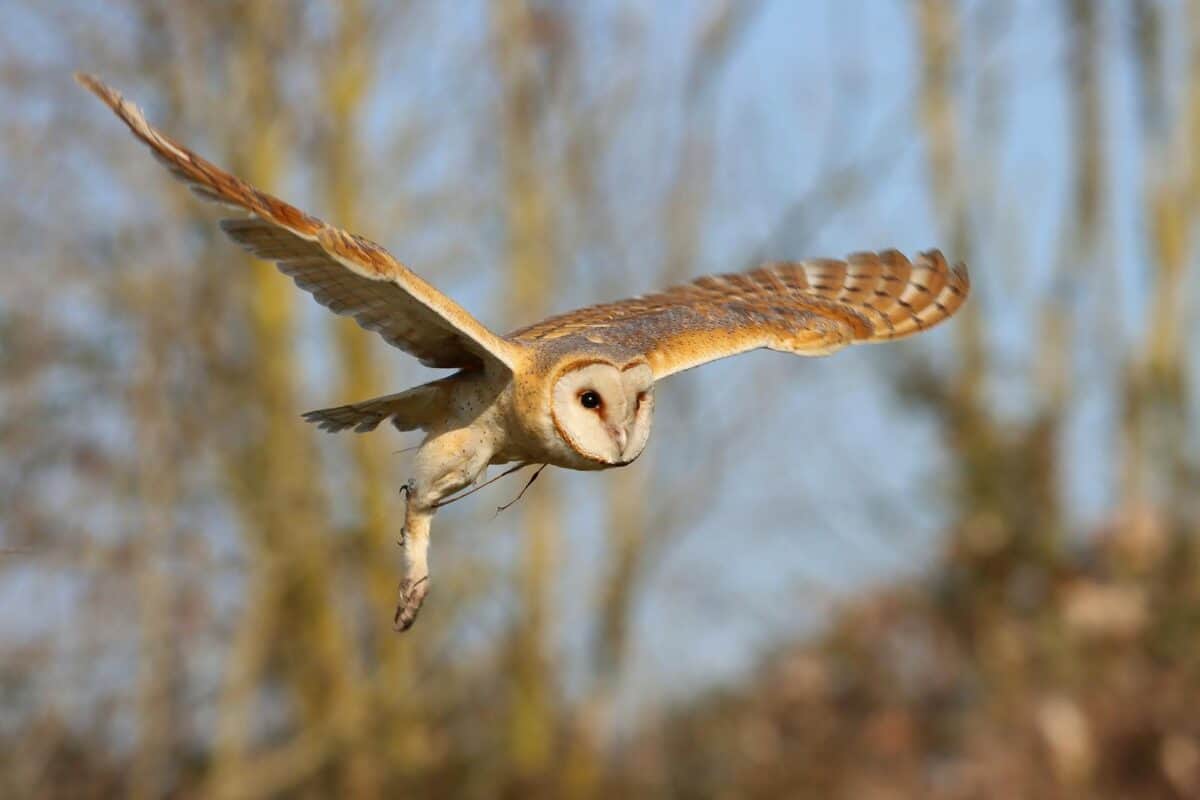
The barn owl’s auditory prowess is complemented by another remarkable adaptation: nearly silent flight. The leading edges of their primary flight feathers feature unique serrations that break up the turbulence that normally creates noise as air flows over wings. Additionally, the surface of their flight feathers is covered with a velvety down that further dampens sound. This silent approach allows the owl to listen continuously during its hunting flight without the interference of self-generated noise that would otherwise mask the subtle sounds of prey.
Scientists studying this silent flight have measured the sound produced by barn owls in flight and found it to be below the threshold of hearing for most of their prey species, including mice and voles. This acoustic stealth, combined with their exceptional hearing, creates a deadly combination—prey animals receive no warning of the approaching predator until it’s too late. Human engineers have studied this silent flight mechanism extensively, leading to innovations in fan blade design, wind turbine technology, and even aircraft development that aims to reduce noise pollution.
Neural Processing: The Brain Behind the Ears

The barn owl’s auditory superiority isn’t limited to its physical ear structure; the neural processing that occurs in its brain is equally specialized. A disproportionately large part of the barn owl’s brain is dedicated to processing auditory information. These specialized neural networks create detailed auditory maps that are integrated with visual information in the optic tectum, allowing for precise coordination between what the owl hears and where it strikes.
Researchers using modern neuroimaging techniques have identified specialized neurons in the barn owl’s midbrain that respond only when sounds arrive at specific time differences between the two ears. These “coincidence detector neurons” form the basis of the owl’s ability to pinpoint sound with microsecond precision. The barn owl’s auditory neural system has become a model for understanding how brains process sensory information and has even inspired algorithms for sound localization in artificial intelligence applications, demonstrating how natural adaptations can inform human technological development.
Hunting Behavior and Techniques

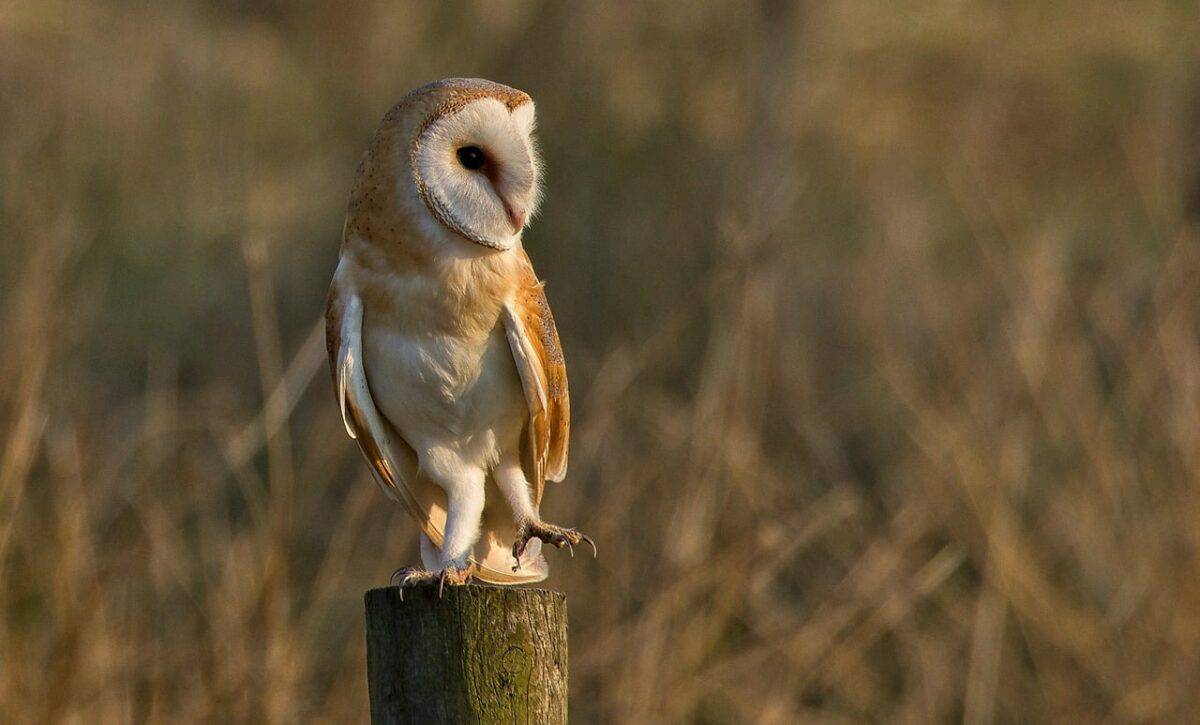
Barn owls typically hunt using one of two primary methods, both heavily dependent on their superior hearing. The first technique involves perch-hunting, where the owl sits motionless on an elevated position—such as a tree branch or fence post—and rotates its head to scan the surrounding environment with its ears. Once prey is detected, the owl launches into silent flight, approaching on a precise trajectory guided by continuous auditory updates about the prey’s location.
The second hunting method involves quartering flight, where the owl flies slowly and methodically over open ground at a height of 1-3 meters, constantly listening for prey movements below. When prey is detected, the barn owl executes a remarkable maneuver: it hovers briefly, adjusts its position based on auditory cues, then drops feet-first with deadly accuracy. Field studies have demonstrated success rates as high as 85% for barn owl hunting attempts in complete darkness—an efficiency rate that exceeds most visual predators hunting in daylight. This remarkable success rate underscores the effectiveness of the owl’s auditory hunting strategy.
Diet and Ecological Impact

The barn owl’s diet consists primarily of small mammals, with a strong preference for rodents such as voles, mice, and shrews. A single barn owl can consume up to 1,000 rodents per year, making these birds extraordinarily effective agents of natural pest control. Farmers who install barn owl nest boxes on their properties often report significant reductions in rodent populations, reducing the need for chemical rodenticides and their associated environmental impacts.
The ecological impact of barn owls extends beyond pest control. As specialized predators, they help maintain the health of prey populations by selectively capturing individuals that are less adept at avoiding detection—often the sick, injured, or genetically less fit members of the population. This selection pressure contributes to the overall fitness of prey species over evolutionary time. Additionally, barn owl pellets—the undigestible fur and bones regurgitated after meals—provide valuable nutrient cycling in forest ecosystems and serve as important research tools for scientists studying small mammal populations in various habitats.
Seasonal Variations in Hunting Success
The effectiveness of the barn owl’s auditory hunting varies seasonally, with environmental conditions significantly impacting hunting success. During winter months, when snow covers the ground, barn owls face both challenges and opportunities. While snow can muffle the sounds of prey movements, it also eliminates visual hiding places for rodents, and the contrast between the warm body of a small mammal and the cold snow creates distinct sound patterns that barn owls can detect with their specialized hearing.
Spring and summer seasons bring different hunting conditions. The increased ground vegetation can make visual hunting more difficult, but it also creates a soundscape rich with rustling movements as small mammals navigate through plants. During breeding season, when barn owls must supply food for hungry nestlings, their hunting intensity increases dramatically. A nesting pair with owlets may make hundreds of hunting trips per night, relying heavily on their auditory superiority to meet the increased food demands. Researchers tracking hunting patterns have noted that barn owls will often shift their hunting territories seasonally to target areas with optimal acoustic conditions for their specialized hunting technique.
Threats to the Forest’s Acoustic Hunter
Despite their remarkable adaptations, barn owl populations face numerous threats in modern environments. Habitat loss remains the primary challenge, as old-growth forests with suitable hunting territories and nesting cavities continue to decline. Agricultural intensification has reduced the field margin habitats that support healthy rodent populations, limiting food availability in many regions. Additionally, the widespread use of rodenticides presents a serious threat through secondary poisoning when owls consume poisoned prey.
Noise pollution represents a particularly insidious threat to these acoustic specialists. Studies have demonstrated that barn owl hunting success decreases significantly in areas with elevated ambient noise levels, such as those near highways, industrial areas, or urban developments. The anthropogenic sounds mask the subtle noises of prey movements that barn owls rely upon, effectively blinding these acoustic predators. Conservation efforts increasingly focus on establishing quiet zones and protected corridors that preserve the acoustic environment these specialized hunters require to survive and thrive in modern landscapes.
Research Applications and Biomimicry

The barn owl’s extraordinary auditory system has inspired numerous applications in fields ranging from robotics to medical technology. Engineers studying the owl’s ability to localize sound have developed advanced microphone arrays that mimic the barn owl’s ear structure and neural processing to create highly directional sound detection systems. These technologies have applications in security systems, search and rescue operations, and wildlife monitoring where identifying the source of sounds is crucial.
Medical researchers have drawn inspiration from barn owl hearing to develop improved hearing aids and cochlear implants that better replicate natural sound localization. The owl’s neural processing of auditory information has informed computational models that help scientists understand human hearing disorders and potential treatments. Additionally, the barn owl’s silent flight has inspired innovations in noise reduction technology for applications ranging from wind turbines to aircraft design, demonstrating how natural selection has produced solutions to engineering challenges that human designers are still working to replicate.
Cultural Significance and Folklore
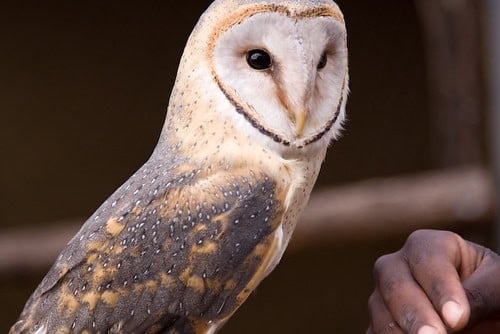
Throughout human history, the barn owl’s nocturnal habits, silent flight, and extraordinary hunting abilities have inspired both fascination and fear. In many Western cultures, owls have been associated with wisdom and knowledge, likely stemming from their seemingly contemplative appearance and hunting strategy that prioritizes patient observation over brute force. However, the barn owl’s pale coloration, heart-shaped face, and eerie screeching calls have also connected these birds with supernatural beliefs in many societies.
In some European traditions, barn owls were believed to be harbingers of death or bad fortune, while in parts of Africa and Asia, they were associated with powerful shamanic abilities, particularly the power to “see” in darkness—a reference to their ability to hunt without visual cues. Native American traditions often viewed owls as messengers between worlds or possessors of night vision that could reveal hidden truths. These cultural associations reflect humanity’s enduring fascination with the barn owl’s seemingly supernatural ability to navigate and hunt in a sensory realm largely inaccessible to humans—the world of sound in darkness.
The Future of Forest Acoustics
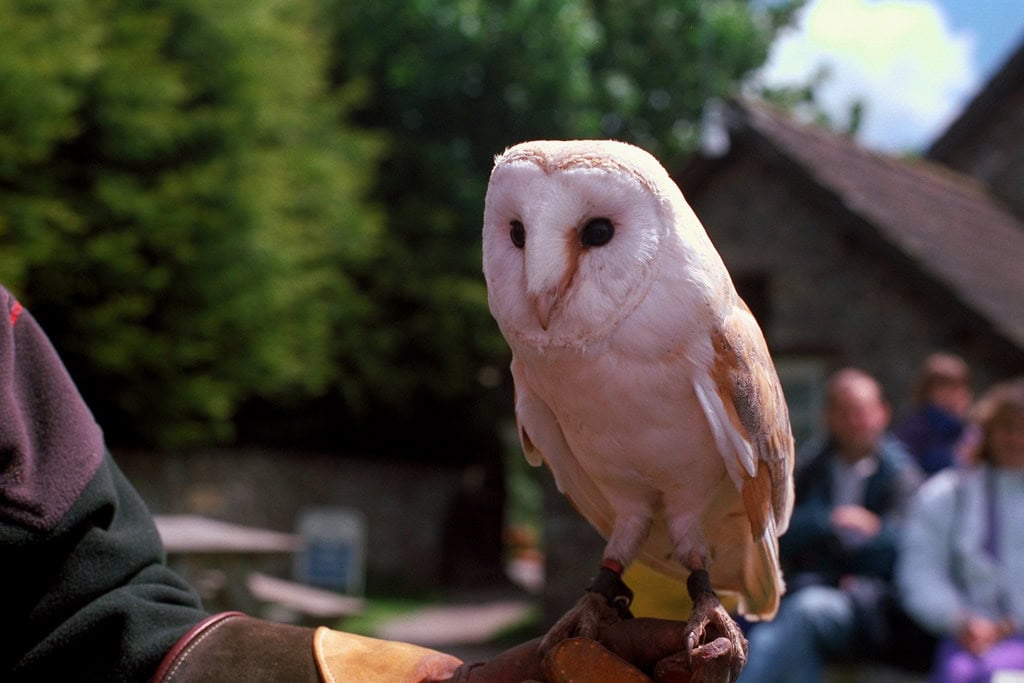
As our understanding of sensory ecology deepens, the barn owl remains at the forefront of research into auditory specialization and acoustic ecology. Conservation biologists increasingly recognize that protecting these specialized hunters requires preserving not just physical habitats but also acoustic environments. The concept of “acoustic conservation” has emerged as researchers document how human-generated noise impacts species that rely on sound for survival. The barn owl, with its extreme specialization in acoustic hunting, serves as a flagship species for these conservation efforts.
Looking ahead, technological advances in bioacoustic monitoring allow scientists to track barn owl populations and hunting success through non-invasive methods, providing valuable data for conservation efforts. Genetic studies examining the evolution of the barn owl’s specialized auditory system continue to reveal insights about how extreme sensory adaptations develop. As climate change alters forest ecosystems and human development transforms landscapes, the future of the forest’s acoustic specialist remains uncertain. However, the remarkable evolutionary success of the barn owl—perfecting an auditory hunting system over millions of years—suggests a resilience that may help these silent hunters adapt to our changing world.
Conclusion: Nature’s Acoustic Marvel
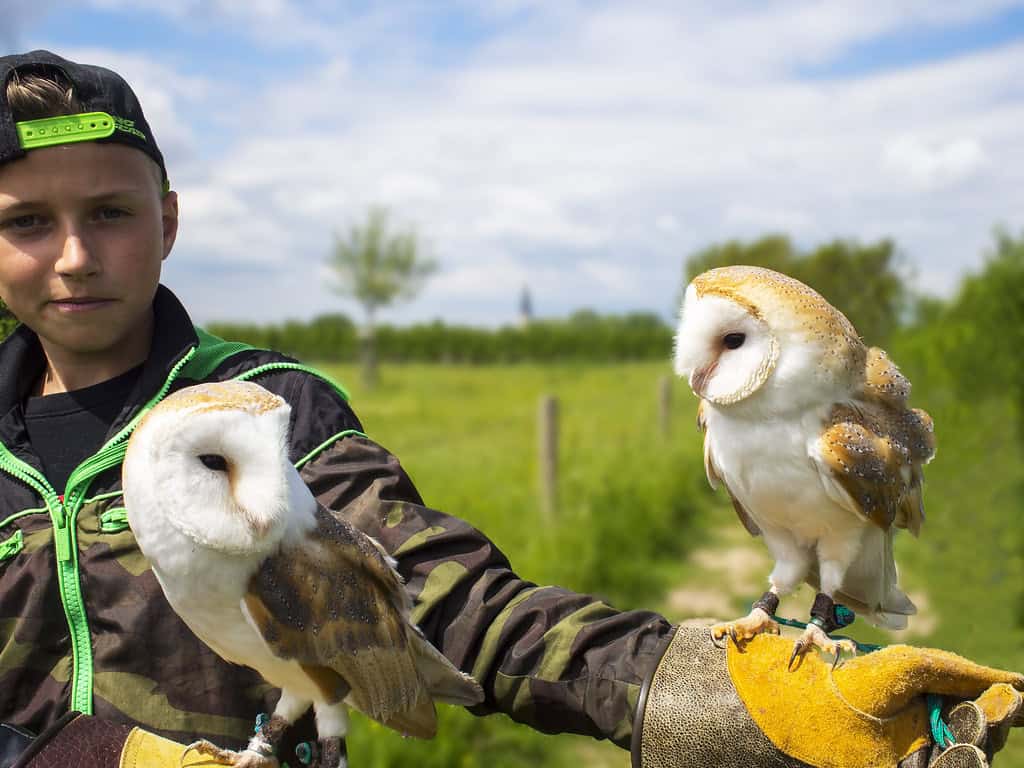
The barn owl stands as nature’s testament to the power of sensory specialization, having evolved perhaps the most precise hearing of any forest predator. Its asymmetrical ears, facial disk, silent flight, and specialized neural processing work in concert to create an acoustic hunting system that allows it to thrive in darkness where most predators would fail. This remarkable adaptation not only ensures the barn owl’s ecological success but also provides invaluable ecosystem services through rodent control and inspires technological innovations across multiple fields.
As we continue to explore and understand the natural world, the barn owl reminds us that different species experience their environments through sensory landscapes that may be profoundly different from our own human perspective. The forest at night, which might seem quiet and inactive to human perception, becomes a rich acoustic environment filled with subtle sounds that guide the barn owl to its prey. In protecting these specialized hunters, we preserve not just a fascinating species but also the integrity of forest ecosystems and a living laboratory that continues to inform our understanding of sensory biology, neuroscience, and evolution.
The barn owl’s extraordinary hearing capabilities represent one of evolution’s masterpieces—a specialized adaptation honed to perfection over millennia. As silent wings carry this acoustic marvel through the darkness of our forests, it continues to captivate scientists and nature enthusiasts alike with its remarkable ability to transform sound into successful hunting. In the barn owl, we witness the pinnacle of auditory evolution—a predator that hears what others cannot, navigating the night forest through a world of sound that remains largely invisible to human perception.

- The Secret Language of Dolphins Decoded by Researchers - July 20, 2026
- 7 Animals That Can Survive Extreme Environments You Couldn’t - July 20, 2026
- The Longest Snake Ever Found in the U.S. - July 20, 2026