

While Disney’s iconic character Mufasa stands as the powerful king of Pride Rock, even the mightiest lion would face formidable adversaries in the real animal kingdom. Despite their reputation as apex predators, lions aren’t invincible, and several creatures could potentially strike fear into even the most majestic of big cats. This article explores 15 wild animals that would make even the mighty Mufasa think twice before engaging, examining their unique defensive and offensive capabilities that can challenge or overpower a male lion. From massive land mammals to surprisingly dangerous smaller creatures, these animals demonstrate nature’s incredible diversity of survival adaptations.
1. African Elephants: The Undisputed Heavyweights
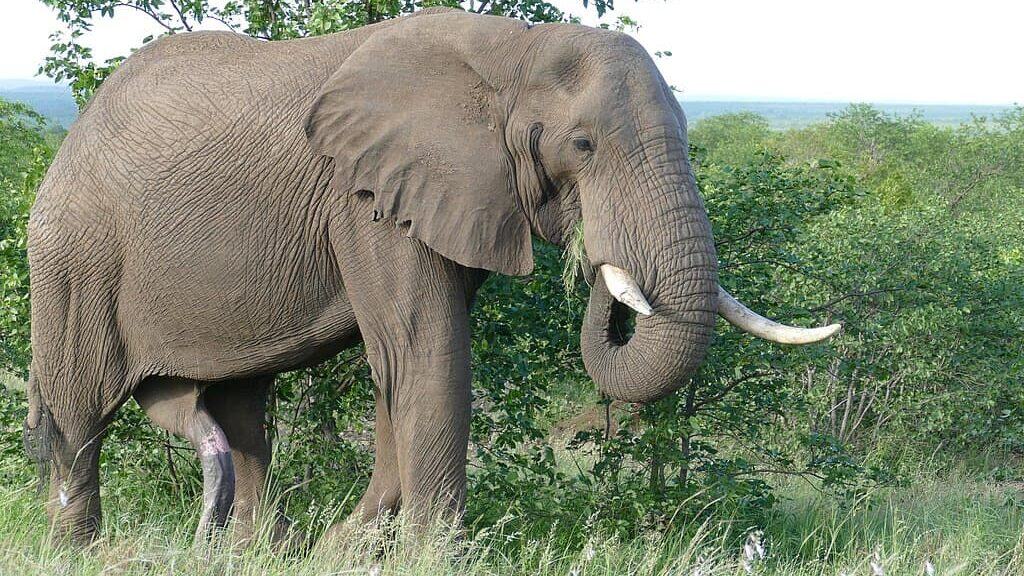
African elephants reign as the largest land mammals on Earth, weighing up to 13,000 pounds—roughly the equivalent of ten male lions. These gigantic creatures possess remarkable intelligence combined with immense physical power that would make any lion, including Mufasa, retreat with caution. A single swing from an elephant’s trunk can deliver a crushing blow, while their massive tusks serve as lethal weapons capable of impaling predators.
Lion prides typically avoid direct confrontation with healthy adult elephants, targeting only vulnerable calves when desperate, and even then, only with the coordinated effort of multiple pride members. Historical observations confirm that elephants frequently chase lions away from waterholes and have been documented killing lions that ventured too close or threatened their young. Their thunderous trumpeting alone would likely send Mufasa seeking safer hunting grounds.
2. Hippos: Deceptively Dangerous River Giants
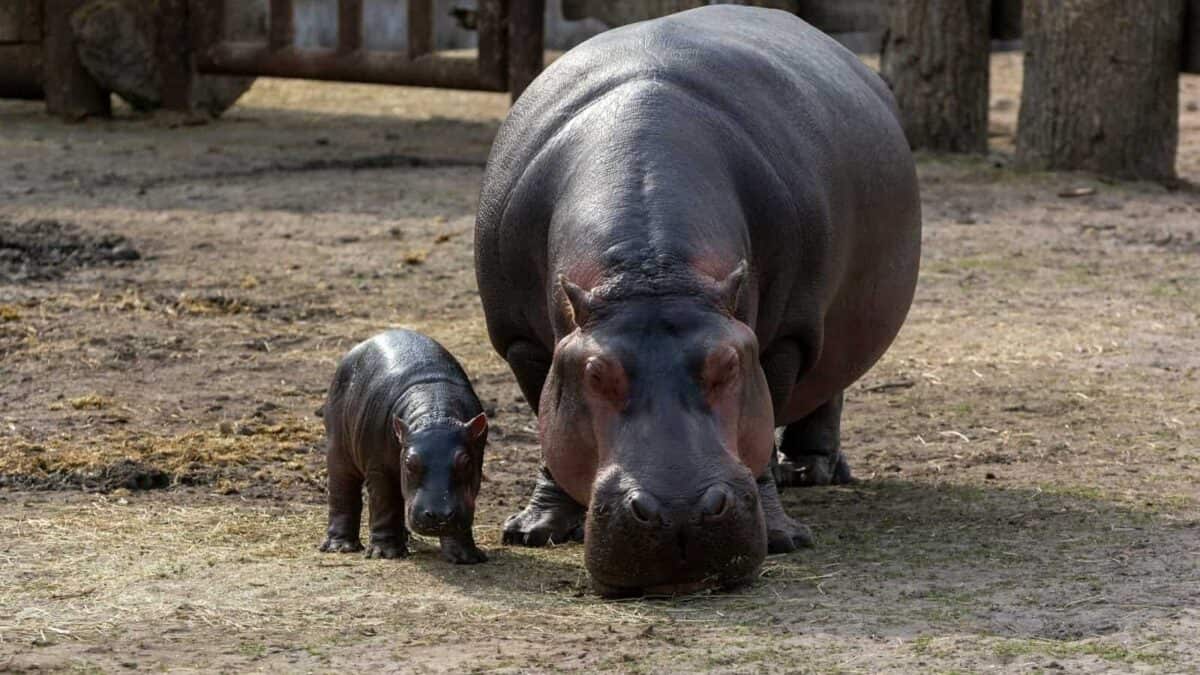
Despite their rotund appearance and herbivorous diet, hippopotamuses are responsible for more human fatalities in Africa than any other large animal. These semi-aquatic giants can weigh up to 9,900 pounds and possess jaws that can open at a 180-degree angle, revealing massive canine tusks measuring up to 20 inches long. With a bite force exceeding 1,800 pounds per square inch—enough to snap a crocodile in half—hippos represent a genuine threat to any lion.
Notoriously territorial and aggressively protective of their water spaces, hippos don’t hesitate to charge at perceived threats, reaching speeds of 30 mph despite their bulky frames. Lions almost universally avoid confrontations with hippos, as the outcome would likely prove fatal for the feline. Even Mufasa, with all his regal power, would wisely maintain a respectful distance from these unpredictable river behemoths.
3. Cape Buffalo: The Black Death

Known among hunters as “the Black Death,” Cape buffalo have earned their fearsome reputation through their unpredictable temperament and remarkable ability to fight back against predators. These massive bovines can weigh up to 1,900 pounds and sport impressive horns that curve outward and then up, creating a bone shield across their forehead called a “boss.” Their herd mentality makes them particularly dangerous—when one buffalo is threatened, the entire herd may respond with a coordinated counterattack.
Wildlife researchers have documented numerous instances where buffalo have not only successfully repelled lion attacks but have turned the tables, killing or seriously injuring the predators. A wounded buffalo is considered one of Africa’s most dangerous animals, capable of circling back to ambush its attacker. Even for Mufasa, a full-grown buffalo represents a high-risk target that could easily end with the lion on the losing side of the encounter.
4. White Rhinoceros: Armored Tanks of the Savannah

The white rhinoceros stands as nature’s tank, with adults weighing between 3,080 and 7,920 pounds and protected by thick, armor-like skin that can reach 1.5 inches thick. Their most distinctive feature—the horn—can grow up to 59 inches long and serves as a formidable weapon against any would-be predator. Though primarily herbivorous and generally non-aggressive unless provoked, a charging rhino can reach speeds of 34 mph and deliver devastating consequences to anything in its path.
Lions, including powerful males like the fictional Mufasa, rarely if ever attempt to hunt adult rhinos. The risk-to-reward ratio simply doesn’t make evolutionary sense—the chances of serious injury or death far outweigh the potential nutritional gain. Historical observations show that rhinos frequently chase lions away from waterholes, asserting their dominance in the savanna hierarchy. Even Mufasa’s impressive roar would likely do little to intimidate these thick-skinned giants.
5. Nile Crocodiles: Ancient Aquatic Predators

Nile crocodiles represent one of Africa’s most successful predators, having remained virtually unchanged for over 200 million years. These ancient reptiles can reach lengths of 20 feet and weights exceeding 1,650 pounds. Their bite force measures a staggering 5,000 pounds per square inch—the strongest of any animal on Earth—allowing them to drag even large prey, including lions, into the water. Their ambush hunting style makes them particularly dangerous, as they can remain nearly invisible beneath the water’s surface before striking with explosive speed.
Lions demonstrate clear avoidance behaviors around crocodile-inhabited waters, drinking quickly and maintaining vigilant watch. Even Mufasa would approach waterways with extreme caution, knowing that crocodiles represent one of the few predators capable of turning the tables on the king of beasts. Numerous documented cases exist of crocodiles successfully preying on lions that ventured too close to the water’s edge, highlighting the very real threat these reptilian hunters pose.
6. Honey Badgers: Small but Fearless

Perhaps the most surprising entry on this list, the honey badger weighs just 20-35 pounds but has earned legendary status for its disproportionate ferocity and tenacity. These small carnivores possess remarkably loose, thick skin that allows them to twist and turn to bite an attacker even when caught. Their skin is also tough enough to resist multiple bee stings, snake bites, and even porcupine quills. Honey badgers can emit a suffocating stench from their anal glands when threatened, and they’re immune to most venoms, including those of highly dangerous snakes.
While a lion could certainly kill a honey badger, the smaller animal’s extraordinary aggression and pain tolerance make it an opponent most predators choose to avoid. Lions have been observed giving honey badgers a wide berth rather than risking painful bites and scratches for minimal nutritional return. For Mufasa, the honey badger represents not a lethal threat but rather an adversary whose ferocity makes it simply not worth the trouble—a rare case where size doesn’t determine the hierarchy of respect in the animal kingdom.
7. Porcupines: Quilled Defenders
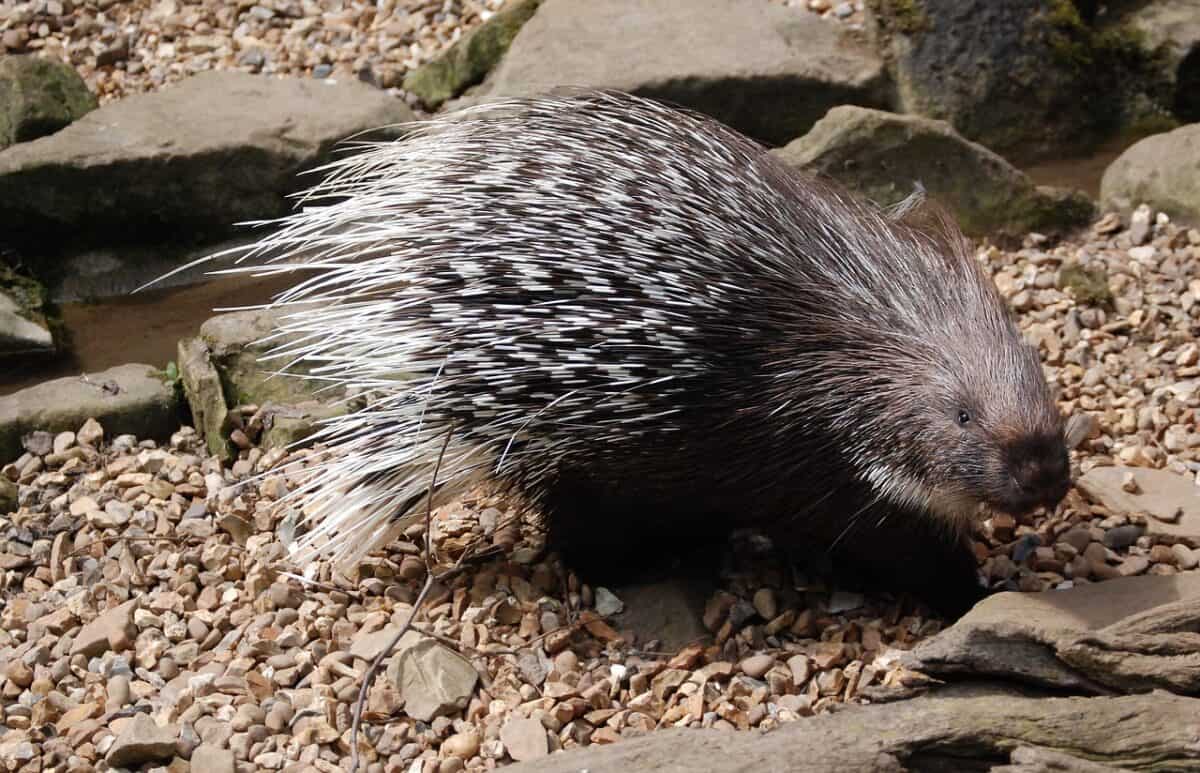
The African crested porcupine presents a uniquely defensive challenge to predators like lions. Weighing up to 66 pounds, these rodents are covered with quills ranging from 1 to 13 inches long. These quills aren’t just passive defenses—when threatened, porcupines can erect and loosen their quills, charging backward into predators. The specialized quills have evolved with barbed ends that lodge in flesh and are extremely difficult to remove, working deeper with movement and potentially causing infection or death.
Lions occasionally attempt to prey on porcupines, but these encounters frequently result in serious injury to the predator. Wildlife researchers have documented numerous cases of lions dying from infected porcupine quill wounds, particularly when quills become embedded in the face or paws, preventing the lion from hunting effectively. Even Mufasa would likely give porcupines considerable space, recognizing that the potential meal isn’t worth the painful, potentially fatal consequences of those defensive quills.
8. African Wild Dogs: Coordinated Pack Hunters
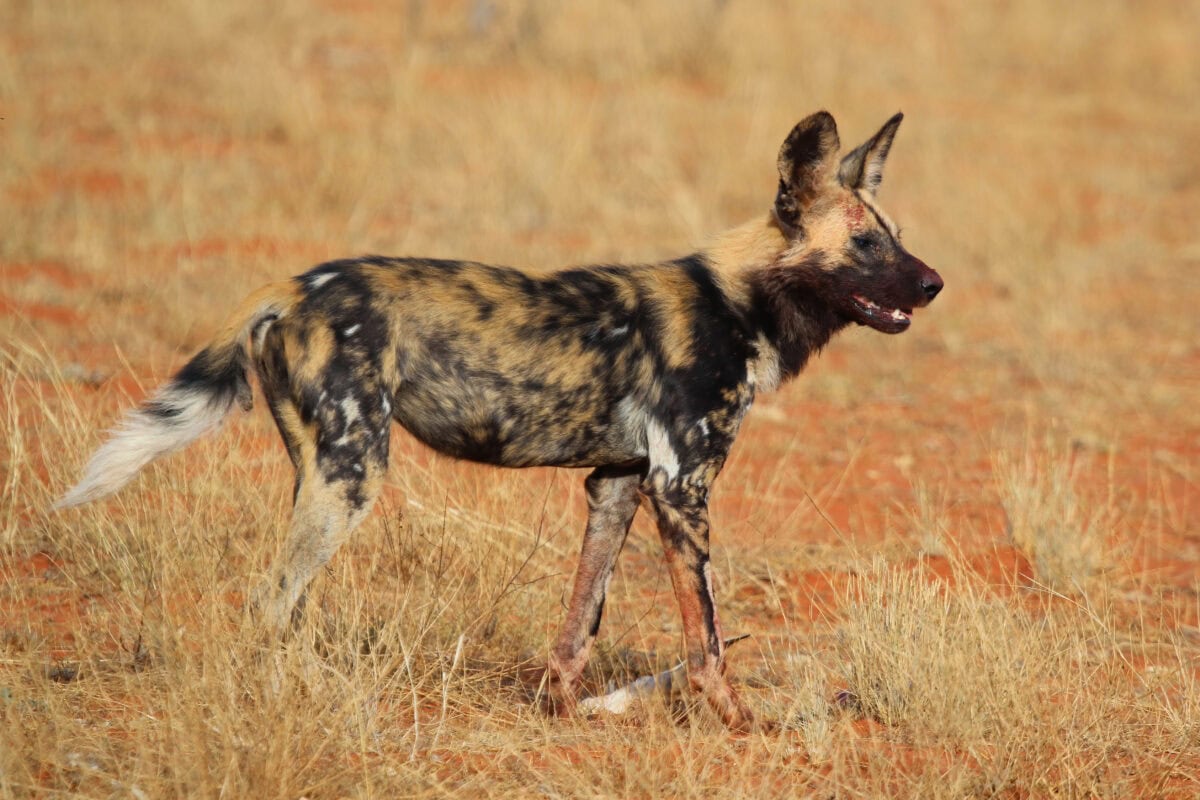
African wild dogs might weigh just 40-80 pounds individually—far smaller than an adult male lion—but they operate with unparalleled coordination in packs of 6 to 20 members. Their hunting success rate exceeds 80%, making them Africa’s most efficient predators. These canids possess specialized shearing teeth that allow them to disembowel and consume prey with remarkable speed, sometimes devouring a gazelle in as little as 15 minutes. Their stamina allows them to pursue prey over long distances, wearing down animals that might initially outpace them.
While lions frequently steal kills from wild dog packs, a confrontation between Mufasa and a full pack of wild dogs would represent a serious threat. When defending their kills or pups, wild dogs have been documented mobbing and driving off lions through coordinated harassment. Their ability to inflict multiple wounds from different angles simultaneously makes them dangerous opponents, and there are recorded instances of wild dog packs killing isolated lions. Even Mufasa would think twice before challenging a unified pack of these tenacious hunters.
9. Hyenas: Formidable Clan Competitors

Contrary to their portrayal in “The Lion King” as mere scavengers, spotted hyenas are sophisticated social predators that hunt approximately 50-95% of their food. Female spotted hyenas outweigh males and dominate their complex social hierarchy, with some clan matriarchs weighing up to 200 pounds. Their massive jaw muscles and specialized bone-crushing teeth generate a bite force of 1,100 pounds per square inch—stronger than lions—allowing them to consume nearly every part of their prey, including bones and hooves.
The competition between lions and hyenas is well-documented, with frequent violent clashes over territory and food. While a single hyena would avoid confrontation with a male lion like Mufasa, a clan of 10-25 hyenas represents a legitimate threat. Researchers have observed hyena clans killing male lions in certain circumstances, particularly when the numerical advantage heavily favors the hyenas. The fictional Mufasa would certainly command respect from hyenas, but a large clan could potentially overwhelm even this mighty lion if they caught him alone.
10. Other Male Lions: Competitive Conspecifics

Perhaps the most realistic threat to a dominant male lion like Mufasa comes from other male lions seeking to take over a pride. Male lions typically operate in coalitions of 2-4 brothers or cousins, working together to claim and defend territory and mating rights. When rival coalitions challenge established males, the resulting battles can be extraordinarily violent, frequently resulting in serious injuries or death. These confrontations represent the primary cause of natural mortality for adult male lions in their prime.
Even the mighty Mufasa would rightfully fear a coalition of younger, hungry male lions intent on seizing his territory. The biological reality of lion society is that no reign lasts forever—most male lions hold territory for just 2-3 years before being displaced by stronger or more numerous rivals. The most common cause of leadership change isn’t noble self-sacrifice as portrayed in fiction, but rather brutal confrontations where the previously dominant male is killed or driven away, unable to hunt due to his injuries.
11. Black Mamba: Lightning-Fast Venom Delivery
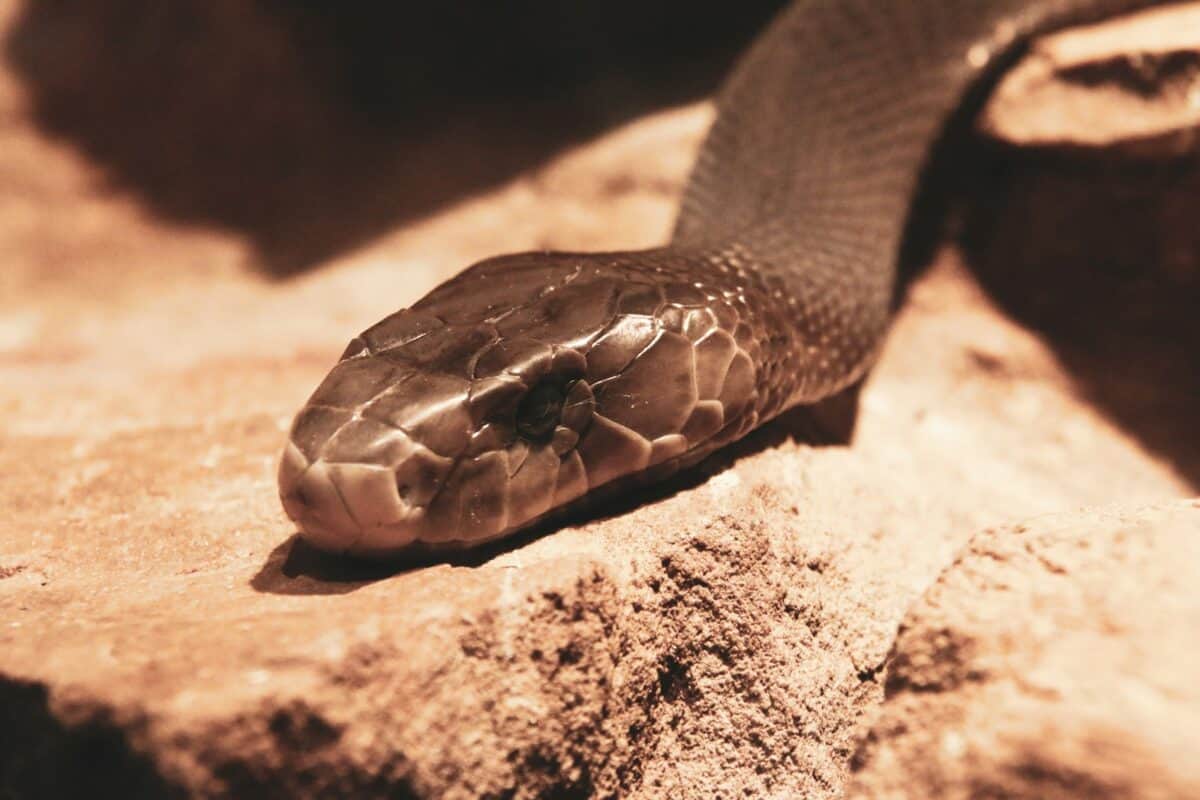
The black mamba represents one of Africa’s most feared serpents, capable of delivering enough neurotoxic venom in a single bite to kill 20-25 adults humans. These snakes can reach lengths of 14 feet and speeds of 12.5 mph, making them not only highly venomous but incredibly fast. When threatened, black mambas raise the front third of their body off the ground, flatten their necks into a hood, and open their inky-black mouths in warning before striking repeatedly if the threat persists.
While lions occasionally kill and eat snakes, the black mamba’s defensive capabilities make it a legitimate threat even to a powerful predator like Mufasa. Without access to antivenom, a mamba bite would likely prove fatal to a lion within hours. The snake’s ability to deliver multiple strikes in rapid succession and its tendency to stand its ground rather than flee makes accidental encounters particularly dangerous. Even the king of Pride Rock would be wise to give these serpents a wide berth.
12. Humans: The Ultimate Apex Predator
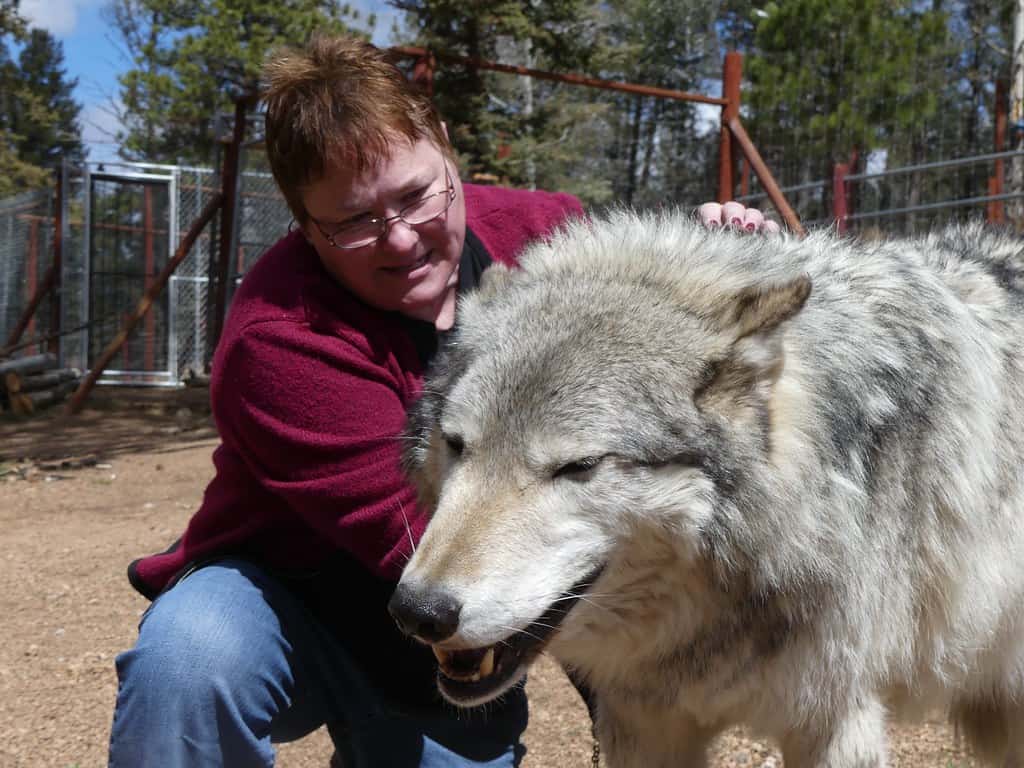
Throughout history, no species has posed a greater threat to lions than Homo sapiens. Armed with weapons, intelligence, and the ability to coordinate in groups, humans have hunted lions for millennia—first for protection and later for sport or trophies. In the last century alone, lion populations have declined by approximately 90%, primarily due to human activities including habitat destruction, poaching, and trophy hunting. The most formidable lion has no defense against a hunter’s rifle or a poacher’s poison.
The fictional Mufasa would have legitimate reason to fear humans more than any other creature in the African ecosystem. Unlike natural predators that kill only for food or defense, human hunting of lions has frequently targeted the largest, most impressive males—precisely the lions with genetic traits like Mufasa’s majestic mane. Trophy hunting continues to remove approximately 600 lions from the wild annually, with male lions being disproportionately targeted. This selective pressure has observable evolutionary impacts, as lions in heavily hunted areas now develop manes later and produce fewer offspring.
13. Baboons: Organized Primate Defense
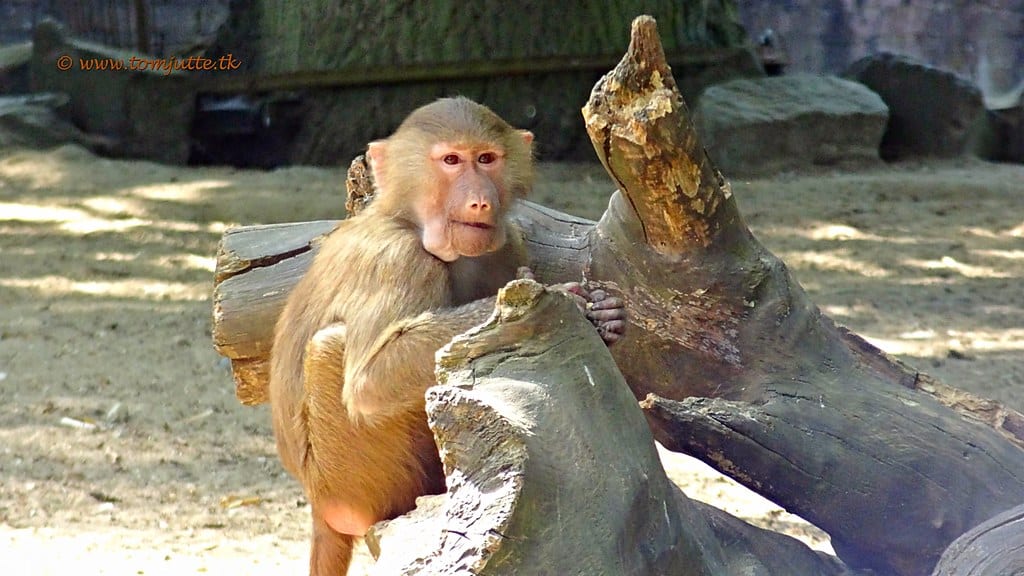
While individual baboons would certainly fall prey to a lion like Mufasa, these highly intelligent primates live in troops numbering 50-250 individuals and have developed sophisticated defensive strategies against predators. Male baboons can weigh up to 100 pounds and possess canine teeth longer and sharper than a lion’s, capable of inflicting serious wounds. When threatened, baboon troops don’t merely flee—the largest males often form a defensive line, facing the predator with aggressive displays while females and young retreat.
Though lions occasionally hunt baboons, particularly at night when the primates are sleeping in trees, a coordinated defense by multiple adult male baboons represents a genuine threat. Wildlife researchers have documented cases where baboon troops have successfully driven off lions through aggressive mobbing behaviors and even instances where baboons have killed lion cubs when finding them unattended. While Mufasa would likely prevail against a single baboon, he would approach a full troop with justified caution, recognizing the potential for serious injury from their powerful jaws and coordinated defense.
14. Disease and Parasites: Invisible Killers
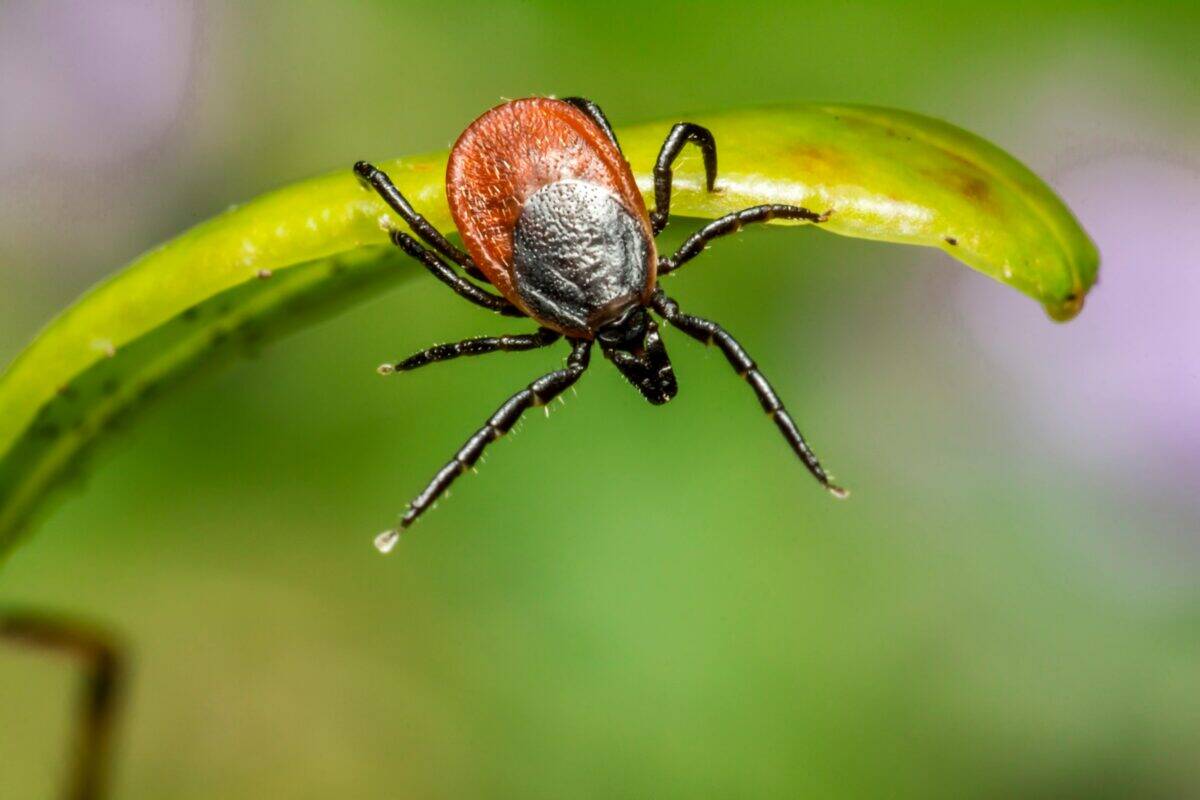
Some of the most significant threats to lions like Mufasa come not from dramatic confrontations with other large animals but from microscopic pathogens and parasites. Canine distemper virus (CDV) has decimated lion populations in several protected areas, most notably in 1994 when an outbreak killed approximately one-third of the lions in Tanzania’s Serengeti National Park. Bovine tuberculosis, feline immunodeficiency virus (FIV), and babesiosis also cause significant mortality in wild lion populations. These diseases can weaken even the strongest lion, making it unable to hunt or defend itself.
Parasites represent another insidious threat, with lions commonly hosting tapeworms, roundworms, flukes, and numerous external parasites. Heavy tick infestations can cause anemia and transmit blood-borne diseases, while mange mites can lead to debilitating skin conditions that result in hair loss, compromised thermoregulation, and secondary infections. Even the fictional Mufasa would be vulnerable to these biological threats that can’t be fought with physical strength or intimidated with a mighty roar.
15. Starvation and Environmental Threats

Perhaps the most realistic threat to any lion, including the mighty Mufasa, is the basic biological need for regular sustenance. Male lions require approximately 15 pounds of meat daily to maintain their impressive physiques. During periods of drought or prey scarcity, even dominant lions can quickly deteriorate physically. A male lion that loses condition due to insufficient nutrition becomes vulnerable to challenges from rivals and may be unable to successfully hunt or defend territory.
Environmental threats extend beyond food scarcity. Extreme weather events like floods can drown lions or separate them from their pride. Wildfires, increasingly common due to climate change, can destroy habitat and drive away prey species. Human-caused habitat fragmentation forces lions into smaller territories with insufficient resources, leading to increased conflict and competition. Even Mufasa, with all his strength and majesty, would be powerless against these environmental pressures. As ecosystems shift and collapse under the weight of climate change and human expansion, no amount of dominance can shield a lion from starvation or displacement. Mufasa’s reign, though mighty, would ultimately be at the mercy of nature’s unpredictability and humanity’s encroachment—forces far more insidious than a rival lion’s challenge.

- The Secret Language of Dolphins Decoded by Researchers - July 20, 2026
- 7 Animals That Can Survive Extreme Environments You Couldn’t - July 20, 2026
- The Longest Snake Ever Found in the U.S. - July 20, 2026