

The animal kingdom is teeming with extraordinary examples of intelligence and problem-solving abilities that often go unnoticed or underappreciated. From the ingenious tool use of corvids to the complex social strategies of primates, animals across diverse habitats demonstrate remarkable cognitive abilities that help them survive and thrive in challenging environments. While humans have long considered themselves the pinnacle of intellectual evolution, research increasingly reveals that many species possess sophisticated mental capacities that blur the lines between human and animal cognition. This exploration of brain power in the wild takes us on a journey through nature’s most impressive problem solvers, revealing how different species tackle complex challenges using their unique cognitive toolkits.
The Evolutionary Roots of Animal Intelligence

Intelligence in the animal kingdom didn’t emerge suddenly but evolved gradually over millions of years in response to specific environmental pressures. The development of problem-solving abilities is closely tied to survival advantages—those individuals better equipped to solve challenges related to finding food, avoiding predators, and securing mates were more likely to pass their genes to the next generation. This evolutionary perspective helps explain why intelligence manifests differently across species, with each animal evolving cognitive specializations suited to their ecological niche.
Contrary to earlier beliefs that positioned intelligence on a linear scale with humans at the top, modern research reveals a more nuanced view of multiple intelligences that evolved independently across diverse lineages. Convergent evolution has produced similar cognitive solutions in distantly related species, while divergent evolution has created unique problem-solving approaches even among closely related animals. This evolutionary tapestry has resulted in a rich diversity of mental abilities across the animal kingdom, with each species possessing cognitive adaptations finely tuned to their specific ecological challenges.
Corvid Ingenuity: Nature’s Feathered Engineers
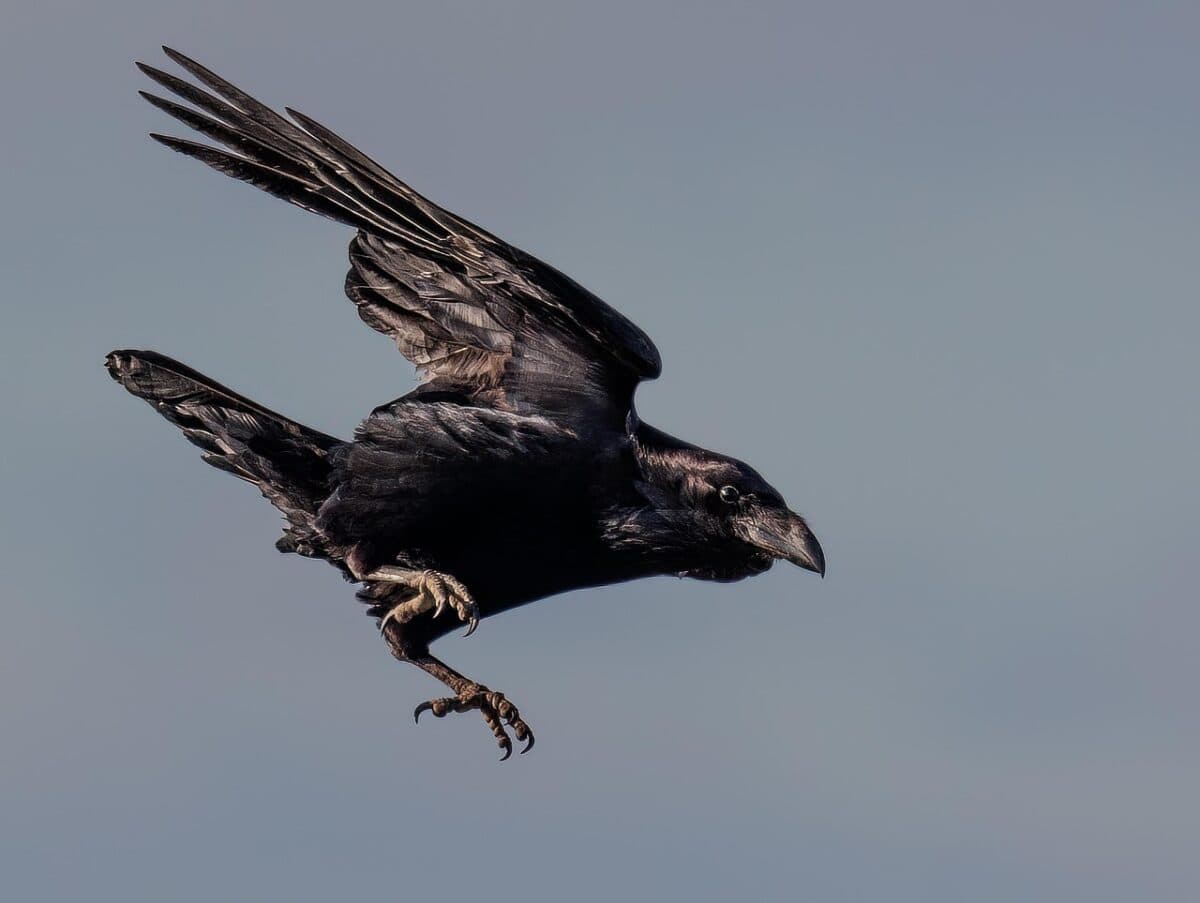
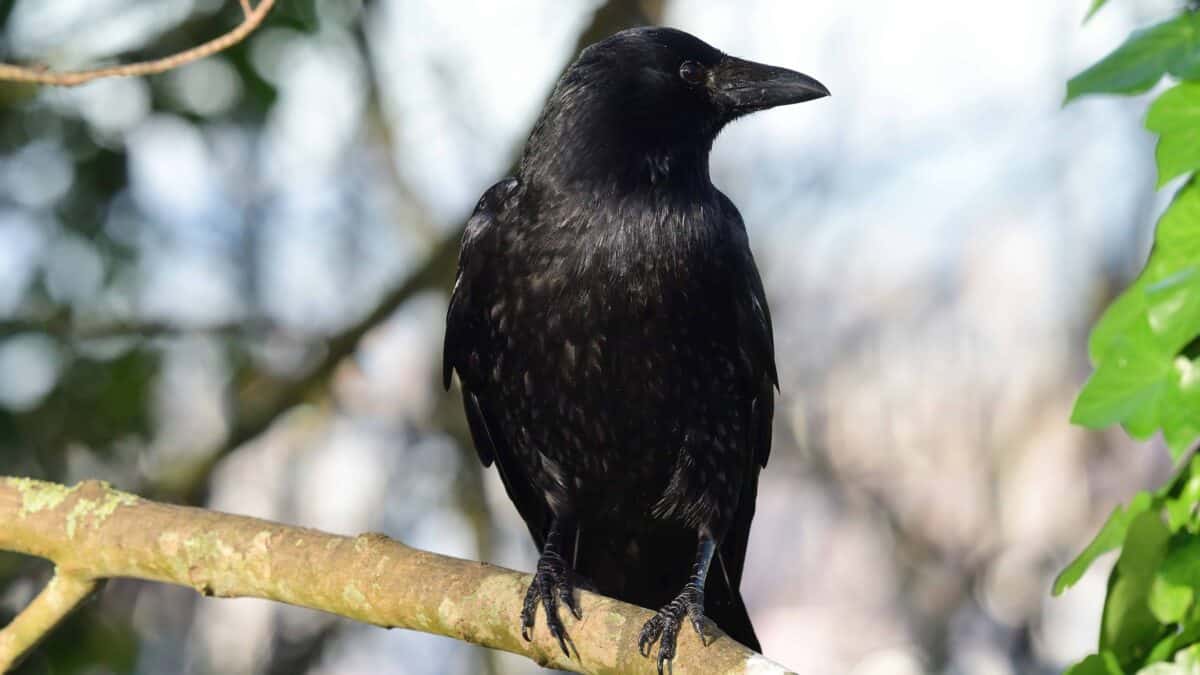
Members of the corvid family—including crows, ravens, and jays—demonstrate some of the most impressive problem-solving abilities in the animal kingdom. New Caledonian crows craft specialized tools from plant materials to extract insects from tight spaces, showing remarkable foresight and planning. They create hooked tools by carefully sculpting twigs and even modify their tools based on specific tasks, demonstrating an understanding of cause and effect that rivals that of great apes. In laboratory settings, these birds have solved multi-step puzzles that require remembering sequences and understanding physical properties of objects.
Ravens display equally impressive cognitive feats, including planning for future events—a skill once thought unique to humans. They can cache food for later use, remembering hundreds of hiding spots, and will even pretend to hide food when they believe they’re being watched by potential thieves. Studies have shown that ravens can solve novel problems without trial and error, suggesting they possess abstract reasoning abilities. Their social intelligence is equally remarkable, as they form complex alliances, engage in tactical deception, and appear to communicate specific information about food sources to their companions, highlighting their sophisticated mental capabilities.
Primate Problem-Solving: Our Intelligent Cousins

As our closest evolutionary relatives, primates demonstrate problem-solving abilities that often parallel human cognition. Chimpanzees are perhaps the most celebrated non-human problem solvers, using tools for various purposes including extracting termites from mounds using carefully prepared sticks, cracking nuts with stone hammers and anvils, and using leaves as sponges to collect drinking water. These tool-using behaviors aren’t merely instinctual but are learned through observation and refined through practice, indicating a sophisticated understanding of cause and effect relationships.
Orangutans display extraordinary innovation in problem-solving, particularly in captive settings where they’ve been observed unlatching complex locks, using sticks to measure water depth before crossing, and even saving tools for future use. In the wild, they create elaborate leaf umbrellas during rainstorms and construct sophisticated nests each night that incorporate multiple architectural features for comfort and stability. This high-level engineering demonstrates not just problem-solving in the moment but anticipation of future needs—a cognitive ability long thought to be uniquely human that is now recognized across various primate species.
The Surprising Intelligence of Cephalopods
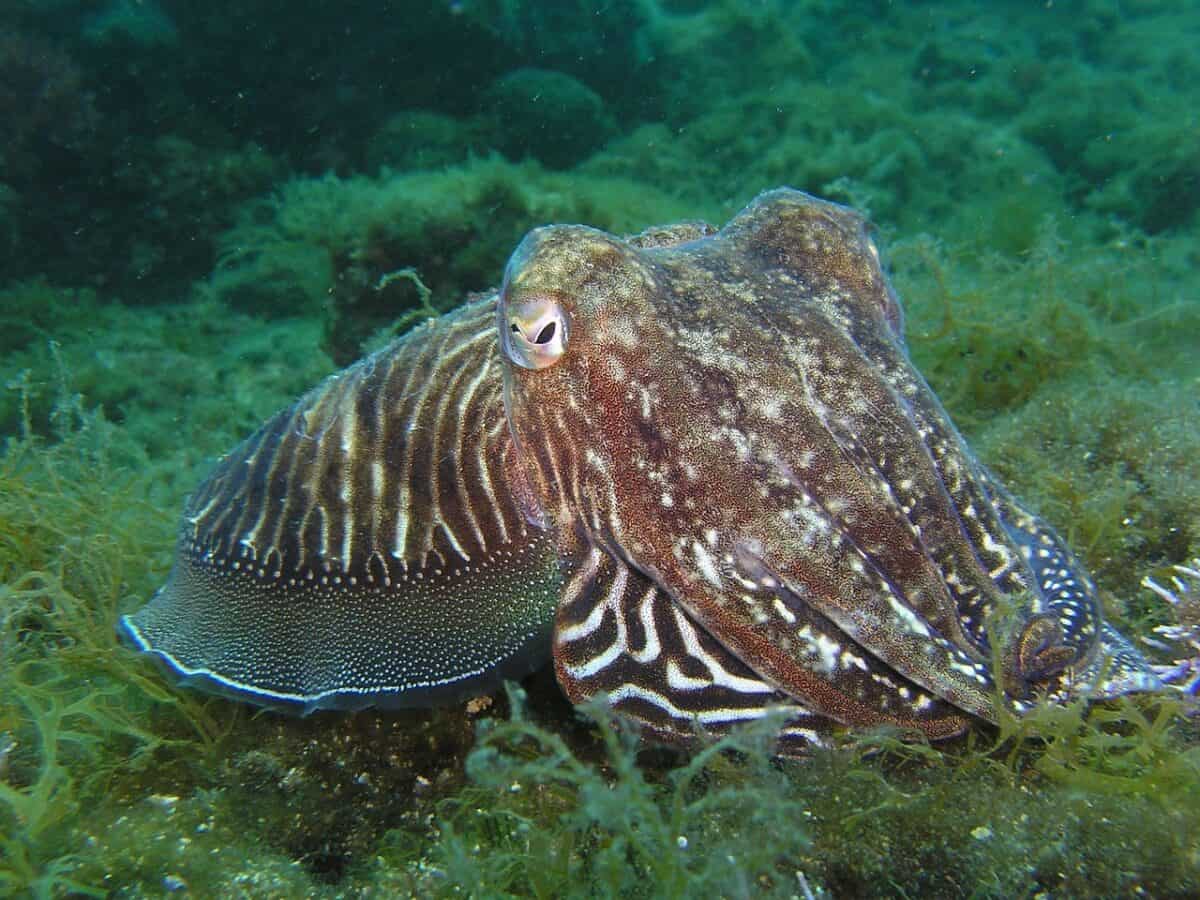
Despite evolving along an entirely different evolutionary path from vertebrates, cephalopods—octopuses, squids, and cuttlefish—display remarkable problem-solving abilities that challenge our understanding of intelligence. Octopuses in particular have astounded researchers with their cognitive capabilities. These eight-armed invertebrates can navigate mazes, unscrew jar lids to reach food, use tools, and even engage in playful behavior—all with a nervous system fundamentally different from mammals. Their distributed nervous system, with two-thirds of their neurons located in their arms, represents a completely different model of intelligence that evolved independently over 500 million years.
Perhaps most impressive is the octopus’s ability to learn through observation and apply that knowledge to novel situations. In laboratory settings, octopuses have watched other octopuses solve puzzles and then replicated the solution without trial and error. They recognize individual human faces, react differently to familiar versus unfamiliar caretakers, and can remember solutions to problems for months. Some species even use coconut shells as portable shelters, collecting and carrying them for future use—a clear example of tool use that demonstrates foresight and planning in a creature whose last common ancestor with humans existed over 750 million years ago.
Elephant Cognition: Intelligence in Earth’s Largest Land Mammals
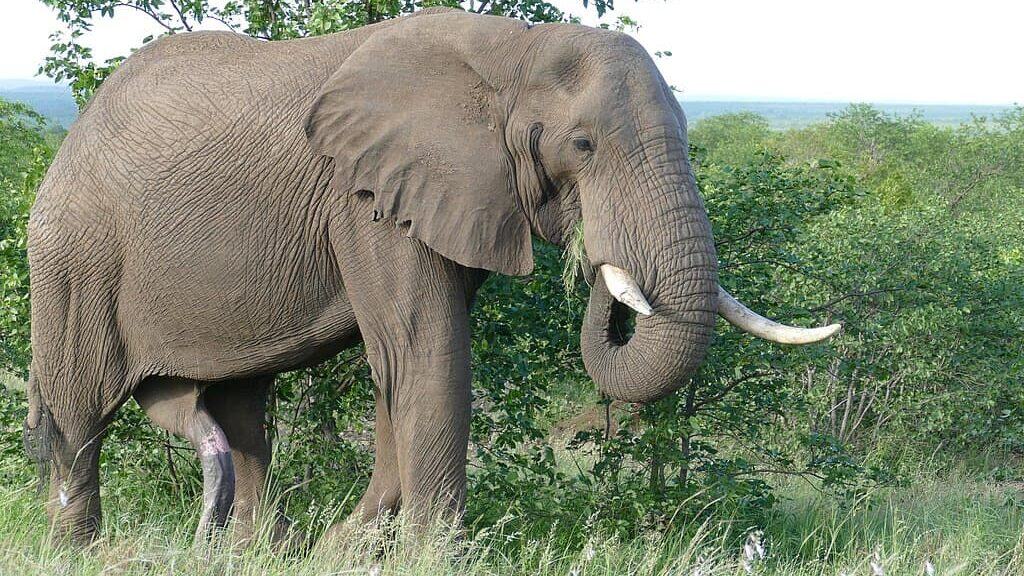
Elephants possess some of the most sophisticated cognitive abilities in the animal kingdom, with problem-solving skills that match their impressive physical stature. Their large brains—containing three times as many neurons as humans—support complex social relationships, long-term memory, and innovative solutions to environmental challenges. Elephants have been observed using branches as fly swatters, modifying sticks to reach itchy spots, and digging wells to access underground water sources that they remember across seasons and years. During droughts, matriarchs lead their herds to water sources they recall from decades earlier, demonstrating exceptional spatial memory spanning vast geographic areas.
Beyond their practical problem-solving, elephants show signs of self-awareness and emotional intelligence. They recognize themselves in mirrors—a rare ability in the animal kingdom that indicates self-consciousness—and engage in consolation behaviors when herd members are distressed. They’ve been documented covering dead conspecifics with branches and soil in what appears to be mourning behavior, and they revisit the bones of deceased family members for years, suggesting a concept of death and loss. These sophisticated cognitive and emotional capacities reflect the complex social challenges that have shaped elephant evolution over millions of years.
Marine Mammal Intelligence: Problem Solving in Aquatic Environments

Dolphin Show. Image by Openverse.
Marine mammals face unique cognitive challenges in their three-dimensional underwater environment, leading to the evolution of impressive problem-solving abilities. Dolphins demonstrate remarkable innovation, using sponges as protective nose covers while foraging on the seabed—a cultural behavior passed from mother to offspring through social learning rather than genetics. They’ve been observed creating mud “nets” to trap fish, working cooperatively to herd prey, and using complex acoustic signals to coordinate hunting strategies. Their ability to plan and execute multi-step hunting sequences demonstrates advanced causal reasoning and the ability to mentally represent future states.
Orcas (killer whales) display perhaps the most sophisticated hunting strategies among marine mammals, with different populations developing specialized techniques adapted to local prey. Some groups create waves to wash seals off ice floes, while others intentionally strand themselves on beaches to capture sea lions before sliding back into deeper water. These population-specific hunting methods constitute cultural traditions transmitted through social learning across generations. Such cultural transmission of knowledge represents a form of non-genetic inheritance that allows rapid adaptation to environmental challenges—a cognitive feat previously thought limited to humans but now recognized as widespread among highly intelligent marine mammals.
Avian Navigation: Cognitive Mapping and Migration

The navigational abilities of migratory birds represent one of nature’s most remarkable problem-solving feats. Species like the Arctic tern travel over 44,000 miles annually between the Arctic and Antarctic, navigating with precision across featureless oceans and continents. This extraordinary wayfinding involves multiple redundant systems, including the ability to detect Earth’s magnetic field through specialized proteins in their eyes, celestial navigation using star patterns, recognition of landmark features, and sensitivity to polarized light patterns in the sky. These complementary systems allow birds to maintain accurate heading even when some navigational cues are obscured.
Perhaps most impressive is the cognitive mapping ability demonstrated by many bird species. Clark’s nutcrackers can remember the locations of up to 10,000 seed caches spread across their territory—a feat requiring sophisticated spatial memory and mental mapping. Homing pigeons released hundreds of miles from their lofts in unfamiliar territory can navigate home with remarkable precision, even when transported in isolation and deprived of visual cues during the journey. Recent research suggests they construct detailed cognitive maps incorporating multiple environmental features, allowing them to calculate efficient routes home even when displaced to entirely novel locations—a level of spatial problem-solving that continues to challenge our understanding of avian cognition.
Social Intelligence: Collective Problem Solving

While individual problem-solving is impressive, many species demonstrate even more sophisticated abilities when working cooperatively. Social insects represent perhaps the most dramatic example of collective intelligence, with colonies of ants, bees, and termites solving complex architectural, logistical, and defensive challenges through distributed cognition. Honeybees make collective decisions about new nest sites through a democratic process involving scout bees, “voting” behaviors, and consensus building. Army ants construct living bridges with their bodies to cross gaps, adjusting the structure’s dimensions based on traffic flow to optimize efficiency—a remarkable feat of collective engineering accomplished without centralized control.
Mammals also demonstrate impressive social problem-solving. African wild dogs coordinate hunting roles spontaneously, with different pack members serving as drivers, blockers, and ambushers to maximize hunting success. Wolves adapt their hunting strategies based on prey type and terrain, showing flexibility in their cooperative approaches. Perhaps most remarkably, spotted hyenas adjust their coalition sizes based on mathematical assessment of their numerical advantage over competitors or prey—they recruit exactly enough allies to achieve numerical superiority, demonstrating an understanding of relative quantities that was once thought unique to primates. These examples illustrate how social challenges have driven the evolution of collective intelligence across diverse animal lineages.
Tool Use Across Species: Extending Physical Capabilities

Tool use represents one of the most visible manifestations of problem-solving in nature, allowing animals to extend their physical capabilities and access resources otherwise unavailable. While primates are well-known tool users, this cognitive ability has evolved independently across numerous lineages. Sea otters use rocks to crack open shellfish, carefully selecting appropriate stones and even storing favorites in underarm pouches for future use. Egyptian vultures drop stones on ostrich eggs to break the thick shells, demonstrating an understanding of gravity and force. Archerfish shoot down insects above the water surface by precisely adjusting their water jets for distance and gravity, solving complex physics problems instinctively.
What makes animal tool use particularly impressive is the cognitive flexibility many species demonstrate in their implementation. Capuchin monkeys adjust their stone hammers based on the hardness of nuts they’re cracking, selecting heavier hammers for tougher nuts. Goffin’s cockatoos, which don’t naturally use tools in the wild, spontaneously create tools from available materials when presented with novel problems in laboratory settings, fashioning sticks to retrieve out-of-reach food. This innovation suggests that tool use isn’t merely a specialized adaptation but reflects broader cognitive abilities that allow animals to mentally represent problems, understand causal relationships, and generate creative solutions—hallmarks of advanced intelligence across the animal kingdom.
Adapting to Human-Modified Environments
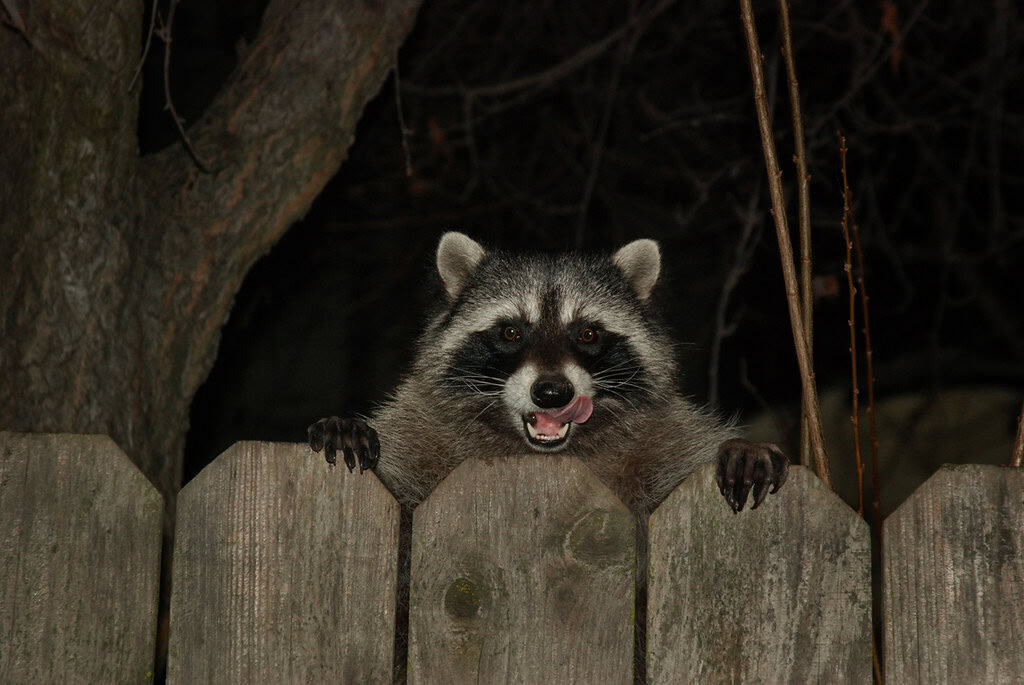
As human activity increasingly transforms natural habitats, animals face novel challenges requiring cognitive flexibility and problem-solving. Urban wildlife demonstrates remarkable adaptability in navigating human landscapes. Raccoons in cities have mastered complex locking mechanisms on trash cans, with individuals learning from each other and passing these skills through social networks. Urban crows in Japan place nuts on roadways for cars to crack, timing their retrieval with traffic signals—a sophisticated use of human infrastructure that combines tool use, timing, and risk assessment. These adaptations showcase how cognitive flexibility allows some species to thrive alongside humans by turning our artifacts into resources.
More troubling examples include elephants learning to disable electric fences by dropping trees on them, wolves figuring out how to defeat various livestock protection measures, and bears mastering increasingly sophisticated food storage containers in wilderness areas. While these behaviors create human-wildlife conflicts, they also demonstrate impressive problem-solving abilities and behavioral flexibility. Animals most successful in human-dominated landscapes typically show high exploratory tendencies, innovation, and social learning—allowing them to rapidly adapt to novel challenges. This cognitive flexibility may become increasingly important for species survival as environmental change accelerates, potentially favoring intelligence as a key adaptation in the Anthropocene.
The Neuroscience Behind Animal Problem-Solving

While behavioral observations reveal what animals can accomplish, neuroscience provides insights into how their brains support these cognitive feats. Different brain structures have evolved across lineages to solve similar problems in different ways. Birds lack the neocortex that supports mammalian cognition yet achieve impressive cognitive abilities through their dense, neuron-packed pallium. Octopuses, with distributed nervous systems and more neurons in their arms than their central brain, represent a radically different neural architecture supporting advanced cognition. These examples demonstrate that intelligence has multiple evolutionary pathways, with different neural solutions emerging to address similar cognitive challenges.
Neuroimaging and recording techniques have revealed surprising similarities in the neural mechanisms underlying problem-solving across species. Working memory, cognitive control, and planning activate homologous brain regions in humans and other mammals. The hippocampus plays a critical role in spatial navigation across vertebrates, from fish to humans. Even invertebrates like bees show specialized neural circuits for learning, memory, and decision-making that parallel mammalian systems in function if not structure. These findings suggest that certain basic computational principles may be fundamental to problem-solving across diverse nervous systems, with convergent evolution producing similar neural solutions despite different evolutionary histories and brain architectures.
The Future of Research in Animal Cognition
Our understanding of animal problem-solving continues to evolve as new research methods emerge and old assumptions are challenged. The field is moving away from anthropocentric perspectives that measure animal cognition against human standards toward approaches that recognize species-specific intelligence adapted to ecological niches. New technologies including miniaturized GPS trackers, animal-borne cameras, and non-invasive neuroimaging are providing unprecedented windows into how animals think and solve problems in their natural environments. These approaches are revealing cognitive abilities previously unrecognized because they didn’t manifest in laboratory settings or weren’t valued in human-centric testing paradigms.
As we develop deeper appreciation for diverse forms of intelligence across the animal kingdom, the ethical implications become increasingly significant. Recognition of sophisticated cognition in species from cephalopods to corvids is leading to revised welfare standards and conservation priorities that acknowledge their mental experiences. Understanding animal problem-solving isn’t merely an academic pursuit but has profound implications for how we interact with other species. The continued exploration of brain power in the wild promises not only to deepen our scientific understanding but also to transform our ethical relationship with the intelligent beings with whom we share our planet. By recognizing and valuing diverse forms of intelligence across species, we gain both scientific insight and ethical perspective that may ultimately benefit all inhabitants of our cognitively rich natural world.

- The Secret Language of Dolphins Decoded by Researchers - July 20, 2026
- 7 Animals That Can Survive Extreme Environments You Couldn’t - July 20, 2026
- The Longest Snake Ever Found in the U.S. - July 20, 2026