

Every day, millions of people turn to search engines with questions about animals they find confusing, frightening, or simply fascinating. Many of these creatures suffer from persistent myths and misconceptions that have shaped public perception for generations. From the supposedly aggressive shark to the allegedly disease-ridden rat, these animals have been unfairly judged based on misinformation and sensationalism. This article aims to shed light on the ten most misunderstood animals that people frequently search about online, exploring the facts behind the fiction and revealing the true nature of these remarkable beings.
1. Sharks: Calculated Predators, Not Mindless Killers

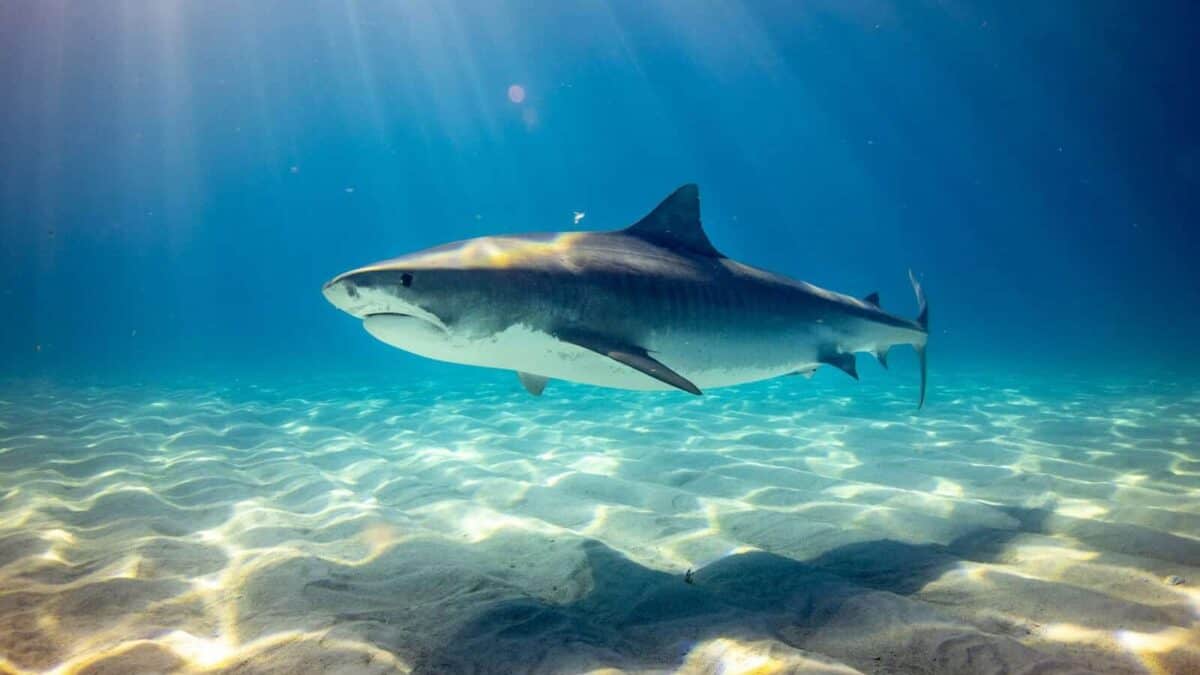
Sharks rank among the most misunderstood animals on the planet, largely due to their portrayal in films like “Jaws” and sensationalized media coverage of shark attacks. The reality is strikingly different from the popular perception. Sharks are incredibly sophisticated predators with complex behaviors and ecological roles. They’ve evolved over 400 million years, developing remarkable sensory systems including electroreception, which allows them to detect tiny electrical fields generated by other animals’ muscle movements.
Contrary to their reputation as human-hunting machines, sharks rarely target people intentionally. Most shark “attacks” are actually investigatory bites, often occurring in murky water where visibility is poor. Humans are not on their preferred menu—most species prefer fish, seals, or other marine creatures. Statistically speaking, you’re more likely to be killed by a falling coconut or a vending machine than by a shark. Meanwhile, humans kill an estimated 100 million sharks annually through fishing practices, dramatically outpacing the approximately five human fatalities from shark encounters worldwide each year.
2. Bats: Essential Pollinators and Pest Controllers

Thanks to vampire legends, horror movies, and their association with dark, mysterious caves, bats have developed an undeserved reputation as creepy, disease-carrying creatures. In reality, these remarkable flying mammals play crucial ecological roles that benefit humans enormously. Of the 1,400+ bat species worldwide, only three feed on blood (vampire bats), and they primarily target cattle, not humans. The vast majority of bat species eat insects, fruits, or nectar, making them vital for pest control and plant pollination.
A single bat can consume up to 1,200 mosquito-sized insects per hour, making them natural pest controllers that reduce the need for chemical pesticides. Meanwhile, fruit and nectar bats serve as primary pollinators for over 500 plant species, including economically important crops like bananas, mangoes, and agave (used for tequila production). While bats can carry diseases like all wild animals, the risk of transmission to humans is minimal with proper precautions. Rather than fearing bats, we should be concerned about their declining populations due to habitat loss, white-nose syndrome, and wind turbine collisions—issues that threaten the valuable ecosystem services they provide.
3. Snakes: Shy Reptiles That Avoid Human Contact

Cultural representations of snakes as evil, deceptive creatures have created a widespread ophidiophobia (fear of snakes) that often leads to unnecessary killing of these remarkable reptiles. In reality, snakes are generally shy, non-aggressive animals that prefer to avoid human encounters whenever possible. Of the approximately 3,900 snake species worldwide, only about 600 are venomous, and fewer than 200 can deliver venom in quantities dangerous to humans. Most snakes will only bite humans as a last resort when they feel cornered or threatened.
Snakes serve as vital ecological controllers, helping to regulate rodent populations that would otherwise destroy crops and spread disease. A single rat snake can consume dozens of disease-carrying rodents annually, providing natural pest control services. Many snake species are also facing population declines due to habitat destruction, road mortality, and deliberate killing based on fear and misunderstanding. Learning to coexist with these important predators involves simple precautions like watching where you step in snake habitat, leaving snakes alone when encountered, and educating yourself about local species—most snake bites occur when people attempt to handle, harm, or kill snakes they encounter.
4. Rats: Intelligent, Clean, and Empathetic Creatures
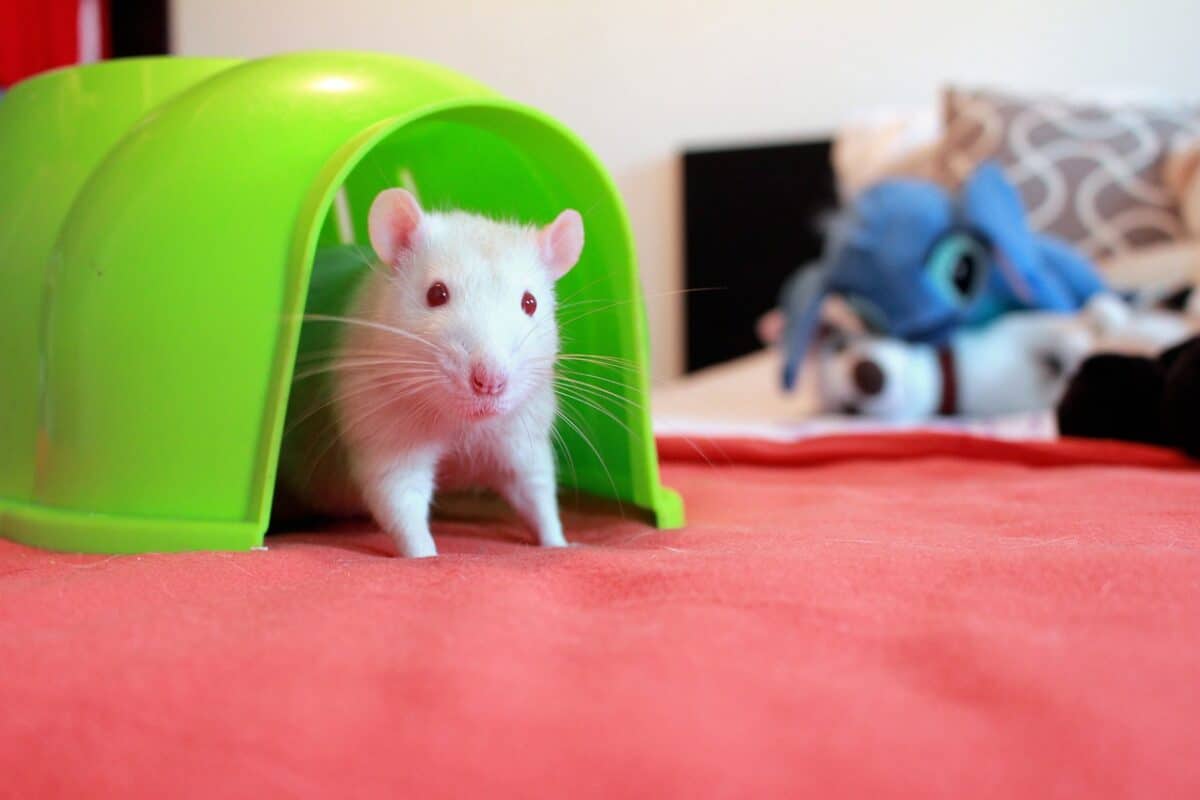
Perhaps no animal suffers from a worse public relations problem than the rat. Associated with filth, disease, and urban decay, rats are widely reviled and persecuted. However, wild rats are actually fastidiously clean animals that spend several hours daily grooming themselves and their social groups. While they can carry diseases, like any wild animal, they’re not inherently filthy—they’re simply trying to survive in environments humans have created. In fact, pet rats are known to be cleaner than many other common pets and rarely transmit diseases to their human caretakers.
Rats display remarkable intelligence that rivals that of dogs. They can learn complex tasks, navigate mazes, recognize their names, and even show empathy—studies have demonstrated that rats will free trapped cage mates even when there’s no reward for doing so, and they’ll even share food with hungry companions. Their intelligence makes them excellent research subjects, contributing to numerous medical advances. Rats are also highly social creatures with complex communication systems, using ultrasonic vocalizations to express emotions from joy (they “laugh” when tickled) to distress. Their bad reputation stems largely from their association with human waste and the historical connection to plague transmission—which was actually spread by fleas, not the rats themselves.
5. Wolves: Family-Oriented Pack Animals

Fairytales and folklore have long depicted wolves as menacing predators prowling forests in search of prey—including humans. This portrayal couldn’t be further from the truth. Wolves are highly social, family-oriented animals with complex pack dynamics built on cooperation rather than constant aggression. The outdated “alpha wolf” concept popularized in early research has been debunked by scientists, including the original researcher who proposed it. Wolf packs are typically family units consisting of a breeding pair and their offspring of different ages, functioning more like human families than military hierarchies.
Contrary to their fearsome reputation, wolves generally avoid human contact and attacks on people are exceedingly rare. Throughout recorded history, healthy wild wolves have been responsible for fewer than two dozen human fatalities in North America. As apex predators, wolves play a critical role in maintaining healthy ecosystems by controlling prey populations and influencing their behavior. The reintroduction of wolves to Yellowstone National Park has demonstrated their ability to trigger trophic cascades that benefit numerous species and even change river patterns. Far from being mindless killers, wolves are intelligent, social animals that communicate through howls, body language, and facial expressions, forming lifelong bonds with pack members and mourning when they lose one of their own.
6. Hyenas: Skilled Hunters, Not Just Scavengers

Popularized as skulking scavengers and “laughing” villains in films like “The Lion King,” hyenas suffer from one of the animal kingdom’s worst reputations. In reality, spotted hyenas are primarily hunters, not scavengers, with up to 95% of their diet coming from prey they kill themselves. Their powerful jaws can crush bones that other predators leave behind, allowing them to extract nutrients from carcasses that would otherwise go unused in the ecosystem. Far from being cowardly, hyenas are formidable predators that hunt in coordinated groups and can successfully chase off lions and other competitors.
The social structure of spotted hyenas is among the most complex in the mammal world, rivaling that of some primates. They live in large clans dominated by females, who are larger and more aggressive than males. Their famous “laugh” isn’t actually an expression of amusement but rather a sound of excitement or nervousness often heard during conflicts. Hyenas are also remarkably intelligent, outperforming chimpanzees in some cooperative problem-solving tests. Their bad reputation has unfortunately contributed to persecution in some areas, despite their important ecological role in controlling prey populations and cleaning up carcasses that might otherwise spread disease. Like many misunderstood animals, hyenas deserve appreciation for their actual biology rather than their mythologized image.
7. Opossums: Nature’s Pest Control and Disease Fighters
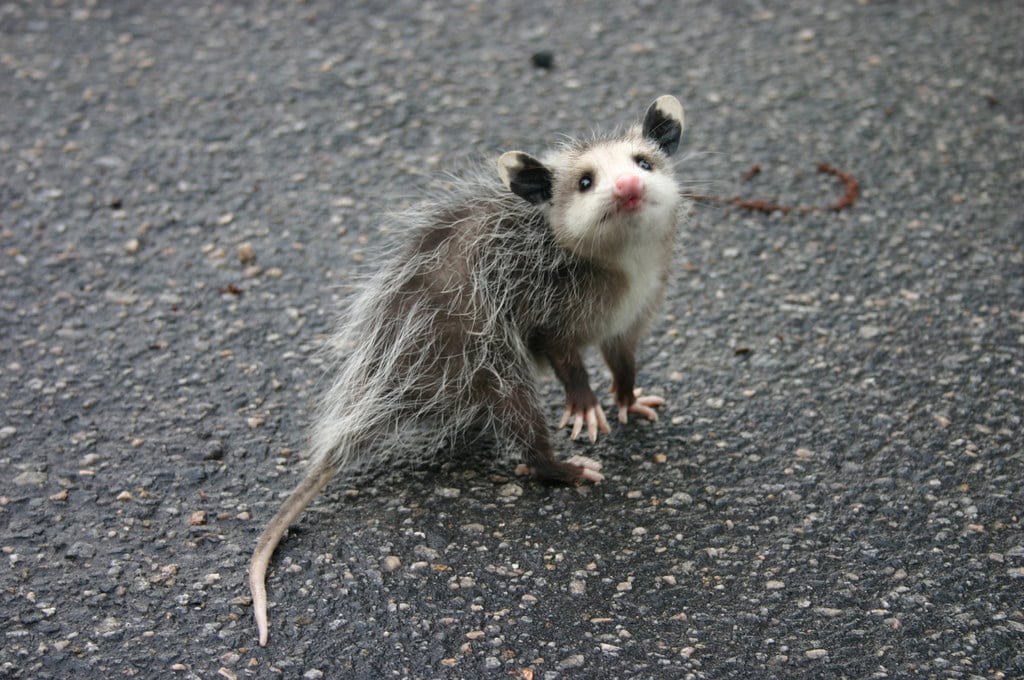
With their rat-like appearance, bare tail, and tendency to “play dead,” opossums often trigger disgust or fear in people who encounter them. Many homeowners consider them pests and worry they carry diseases. However, these marsupials are actually beneficial neighbors that provide free pest control services. A single opossum can consume thousands of ticks in a season, including those carrying Lyme disease. They also eat cockroaches, rats, mice, and even venomous snakes, helping to control populations of actual pest species and potential disease vectors.
Contrary to common belief, opossums rarely carry rabies due to their low body temperature, which creates an inhospitable environment for the virus. Their infamous defensive behavior of “playing possum” is actually an involuntary physiological response to extreme fear—essentially, they faint from stress and emit a corpse-like smell to deter predators. Opossums are also remarkably clean animals that groom themselves frequently, similar to cats. As North America’s only marsupial, they carry their young in a pouch and represent a unique evolutionary lineage that dates back to the time of dinosaurs. Rather than fearing these beneficial creatures, homeowners should appreciate their role in controlling ticks and other nuisance species.
8. Vultures: Essential Sanitation Workers

Often portrayed as sinister harbingers of death, vultures suffer from their association with carrion and their somewhat unsettling appearance. Their bald heads and hunched posture have helped cast them as villainous characters in popular culture. However, vultures are actually nature’s essential sanitation workers, performing the critical ecological service of cleaning up dead animals that might otherwise become breeding grounds for disease. Their highly acidic stomach environment (with a pH of about 1) allows them to safely consume carcasses infected with anthrax, cholera, botulism, and other pathogens that would kill other scavengers.
Without vultures, carcasses would remain in the environment much longer, increasing disease transmission risks to other wildlife and humans. This was dramatically demonstrated in India, where a catastrophic decline in vulture populations (due to the veterinary anti-inflammatory drug diclofenac) led to an increase in rotting carcasses, wild dog populations, and ultimately human rabies cases. Vultures are also attentive parents, with many species forming monogamous pairs that share incubation and chick-rearing duties. Despite their important ecological role, many vulture species worldwide are endangered due to poisoning (both intentional and accidental), habitat loss, and collisions with power lines. These misunderstood birds deserve protection and appreciation rather than the cultural disdain they’ve historically received.
9. Spiders: Beneficial Arachnids That Rarely Harm Humans
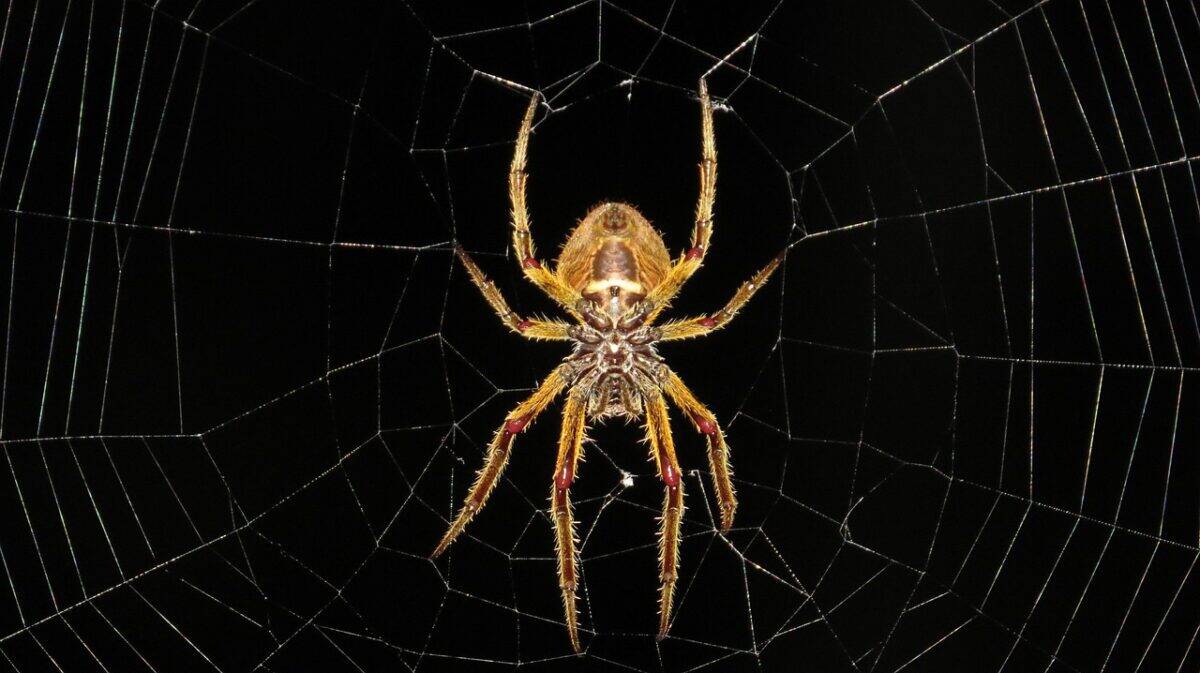
Arachnophobia ranks among the most common animal fears, with many people experiencing anxiety or disgust at the mere thought of spiders. This fear is largely misplaced—of the approximately 45,000 known spider species worldwide, only about 30 have venom capable of causing serious harm to humans. The vast majority of spiders are beneficial predators that help control insect populations, including disease vectors like mosquitoes and agricultural pests. Researchers estimate that spiders consume 400-800 million tons of insects annually, making them one of the world’s most important groups of natural pest controllers.
Most spiders are shy, non-aggressive creatures that only bite humans in self-defense when handled or accidentally pressed against skin. The infamous reputation of species like black widows and brown recluses has been exaggerated through sensationalist media coverage and urban legends. While their bites can certainly cause serious symptoms, they rarely result in fatalities with modern medical care. Many common house spiders couldn’t harm humans even if they tried, as their fangs are too small to penetrate human skin. Rather than killing these beneficial creatures on sight, a more ecological approach is to safely relocate unwanted indoor spiders outside where they can continue their important work of insect control.
10. Pigeons: Intelligent Birds with Remarkable Abilities
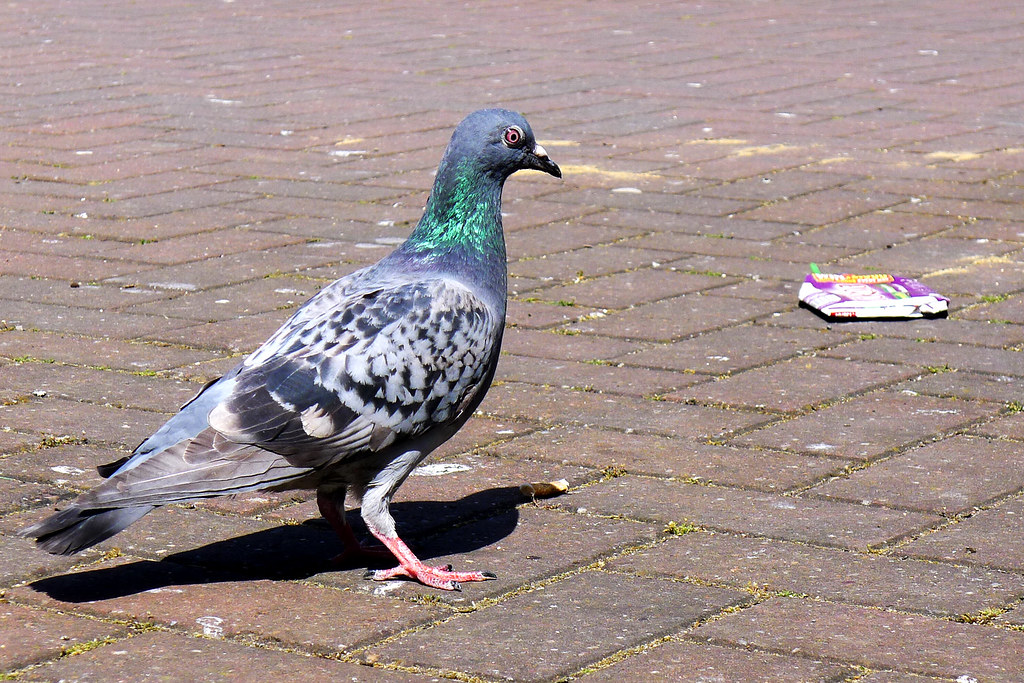
Often dismissed as “flying rats” or urban nuisances, pigeons are among the most maligned birds despite their remarkable cognitive abilities and historical significance. These birds possess extraordinary navigation skills, using a combination of visual landmarks, earth’s magnetic field, infrasound, and even smell to find their way home from unfamiliar locations hundreds of miles away. This natural homing ability made them invaluable message carriers throughout human history, with documented use in ancient Egypt, Greece, Rome, and critical roles in both World Wars, where they saved thousands of lives by delivering messages when other communication methods failed.
Pigeons demonstrate impressive intelligence, capable of recognizing themselves in mirrors (a rare ability in the animal kingdom), distinguishing between different human faces, understanding abstract concepts like space and time, and even appreciating art—studies have shown they can be trained to differentiate between paintings by Monet and Picasso. They form monogamous pairs that often mate for life, with both parents caring for their young by producing “crop milk” to feed their squabs. Their much-maligned droppings, while certainly a nuisance in urban areas, historically served as valuable fertilizer before the development of synthetic alternatives. The negative perception of pigeons is a relatively recent phenomenon; for most of human history, they were respected and valued companions that provided food, entertainment, and communication services.
Conclusion: Understanding Leads to Appreciation and Conservation

Our misconceptions about animals often stem from cultural biases, outdated information, sensationalized media portrayals, and our natural tendency to fear what we don’t understand. Taking the time to learn about these misunderstood creatures reveals their true nature—complex, fascinating beings that play vital roles in their ecosystems. In many cases, the very qualities that trigger our fear or disgust are actually specialized adaptations that help these animals survive and contribute to ecological balance.
Perhaps the greatest tragedy of these misunderstandings is that they often lead to persecution, habitat destruction, and population declines for species that provide valuable ecosystem services. From the disease control offered by bats and vultures to the pest management provided by spiders and opossums, many of these maligned animals benefit humans in ways we rarely acknowledge. By challenging our preconceptions and learning to appreciate these creatures for what they truly are, we can develop a more balanced relationship with the natural world.
The next time you encounter one of these misunderstood animals—whether in person or through media—remember that there’s likely more to the story than popular perception suggests. By approaching wildlife with curiosity rather than fear, we open ourselves to a richer understanding of biodiversity and our place within it. This shift in perspective is not just good for the animals; it’s essential for fostering the kind of ecological awareness that leads to conservation action and a more sustainable future for all species, including our own.

From exploring the marine wonders in the Azores and witnessing the vast savannas of Kenya, to delving deep into the rich biodiversity of South Africa and traversing iconic landscapes in Australia and the US like Yellowstone, Chris's experiences are vast.
With a penchant for diving alongside sharks, the ocean holds a special place in his heart.
Through his academic insights, he champions wildlife conservation, striving with 'Animals Around The Globe' to cultivate a profound connection between humans and animals, enhancing our mutual appreciation.
Connect with him at Feedback@animalsaroundtheglobe.com.
- This Monkey Has a Mustache - July 21, 2026
- How Steve Irwin Changed the World’s View of Wildlife - July 21, 2026
- The Catfish That Caused Earthquakes in Japanese Folklore - July 21, 2026