


You’ve been noticing something different about your furry companion lately. That typical enthusiastic tail wag seems subdued, and those bright, alert eyes appear distant. You’re not imagining things – dogs, just like their human counterparts, can experience unhappiness, stress, and even depression. While they can’t tell us directly how they’re feeling, our canine friends communicate their emotional state through a complex language of body postures, behaviors, and subtle signals that many pet owners miss.
Understanding these signs isn’t just about being a better dog parent – it’s about potentially preventing minor issues from becoming major problems. It’s important to remember that each individual dog will handle stressors uniquely and may experience depression differently. Whether you’re dealing with a massive Great Dane or a tiny Chihuahua, the fundamental signs of an unhappy dog remain surprisingly consistent across breeds and sizes. Let’s dive into the telltale indicators that your dog might be struggling emotionally.
#13 Loss of Interest in Favorite Activities

Similar to humans, a loss of interest in normal activities can be a sign a dog is not feeling like their normal, happy self. If your dog is normally all about their toys and hasn’t been interested lately, they may not be feeling their best emotionally. This change is often one of the most noticeable early warning signs because it directly contradicts your dog’s usual personality.
Picture your Golden Retriever who typically goes wild for fetch suddenly walking away after one throw, or your Border Collie showing zero enthusiasm for their puzzle toys. It’s common for dogs to not want to play from time to time, but if this happens for an extended period of time, it may be worth looking into. This behavioral shift often indicates deeper emotional distress that requires attention and potentially professional intervention.
#12 Changes in Appetite and Eating Habits
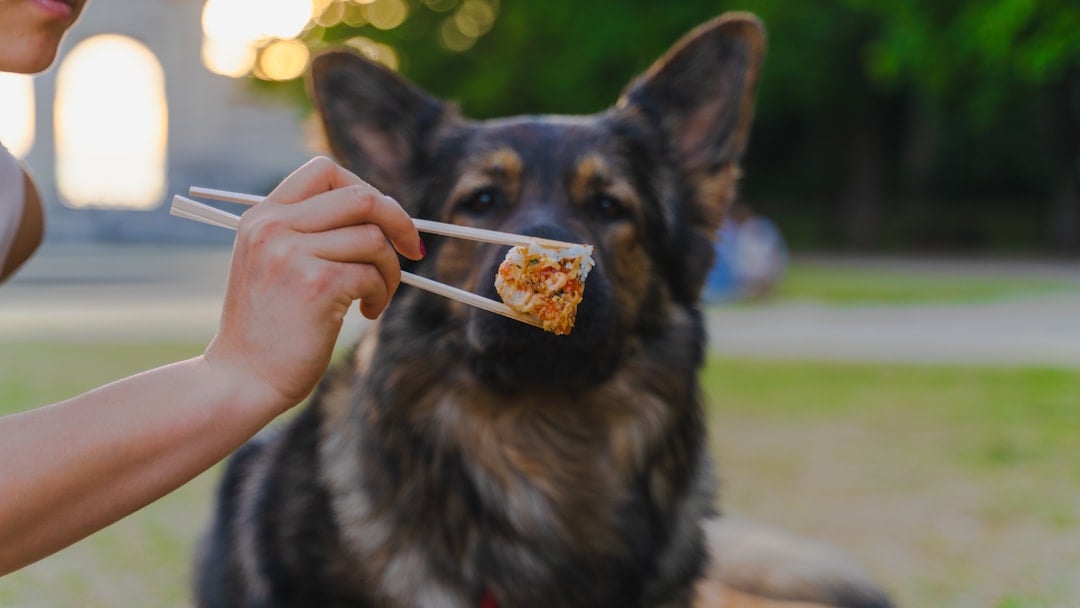
One of the first signs of an unhappy dog can be a noticeable change in their eating habits. If your dog suddenly refuses to eat, skips meals, or shows less enthusiasm for food, it may indicate stress or discomfort. Food has always been a reliable motivator for most dogs, so when that changes, it’s definitely worth paying attention to.
Conversely, some dogs might overeat as a coping mechanism. On the other hand, unhappy dogs may also choose to increase their food intake, as food can serve as a comfort to them. Whether it’s an increase or decrease in appetite, any change can be a clue about a pet’s state of mind. These eating pattern disruptions often accompany other behavioral changes and shouldn’t be dismissed as simple pickiness.
#11 Excessive Panting Without Physical Exertion
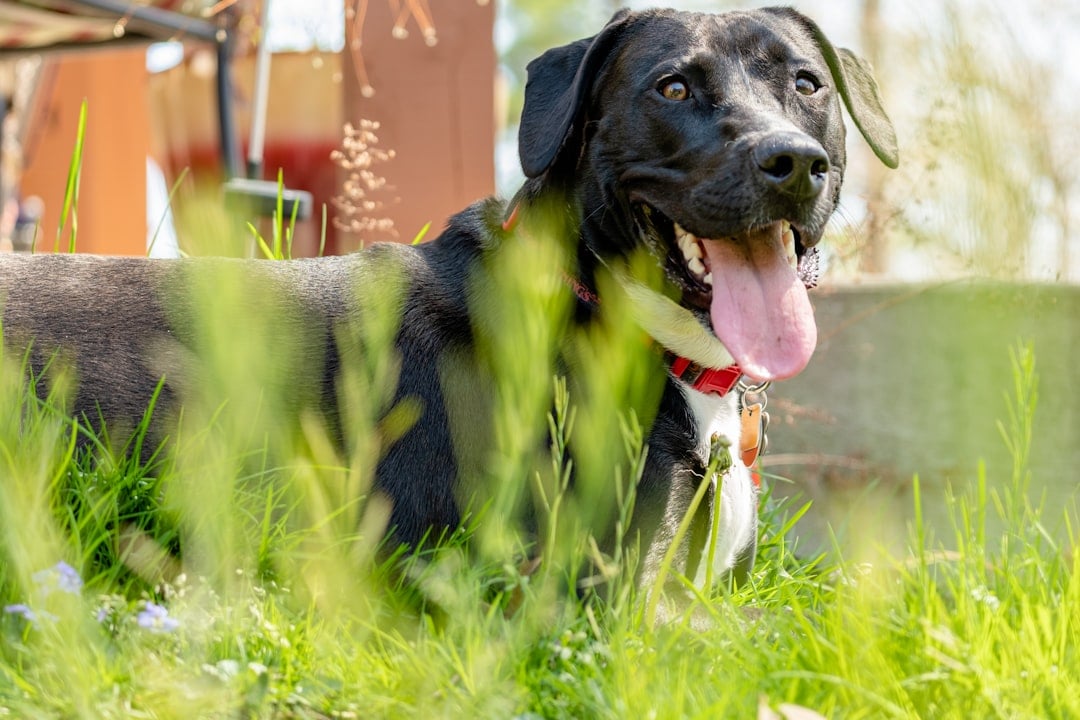
Panting is a normal way for dogs to cool down, but when your pup is panting heavily without heat or exercise, it could be a red flag. Stress, pain, or illness can cause this sudden change in breathing. This type of respiratory distress often catches owners off guard because it seems to come from nowhere.
Imagine seeing your dog pant rapidly while just lying on the couch – it’s not just odd, it’s worrisome. This kind of panting often comes with wide eyes or restlessness, showing they’re not just catching their breath. Both large breeds like German Shepherds and smaller dogs like Jack Russell Terriers can exhibit this stress response, though it might be more noticeable in smaller dogs due to their faster baseline respiratory rate.
#10 Withdrawal and Hiding Behavior
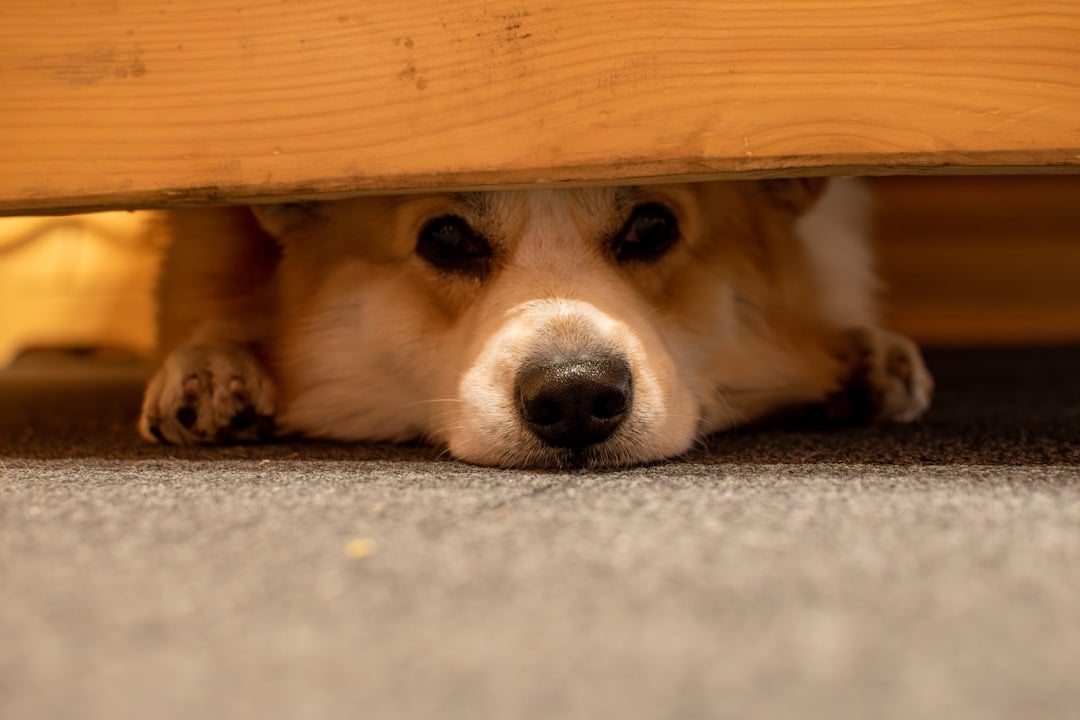
If a dog is unhappy, they may try to seek refuge by hiding around the house. If there’s no clear stimulus that would cause them to hide, such as fireworks, this avoidant behavior can be a sign that they’re not feeling their best. This withdrawal represents a significant departure from normal social behavior, especially troubling in naturally social breeds.
If your dog is unhappy at something or someone making them stressed, they may try to hide behind you or another object, or take themselves off to another area if they can. Let them do this and don’t follow them or push the interaction, as your dog is letting you know they need a time-out. Recognizing and respecting these boundaries is crucial for helping your dog feel safe and supported during difficult times.
#9 Disrupted Sleep Patterns

Dogs sleep more often than humans do, averaging 12-14 hours a day, according to the American Kennel Club. However, if you notice an uptick in your pet’s sleep habits, it could be a sign that they’re unhappy. Sleep disruptions manifest differently in dogs than humans, often showing as either excessive sleeping or inability to settle properly.
Conversely, insomnia can indicate the same thing, so regardless of the amount of sleep they’re getting, if it’s significantly more or less than usual, it could be a sign that they’re feeling blue. It’s important to note that insomnia can also be caused by physical pain, so make sure to rule that out if your pet is having trouble sleeping. These changes are particularly noticeable in dogs with established routines.
#8 Uncharacteristic Aggression or Irritability
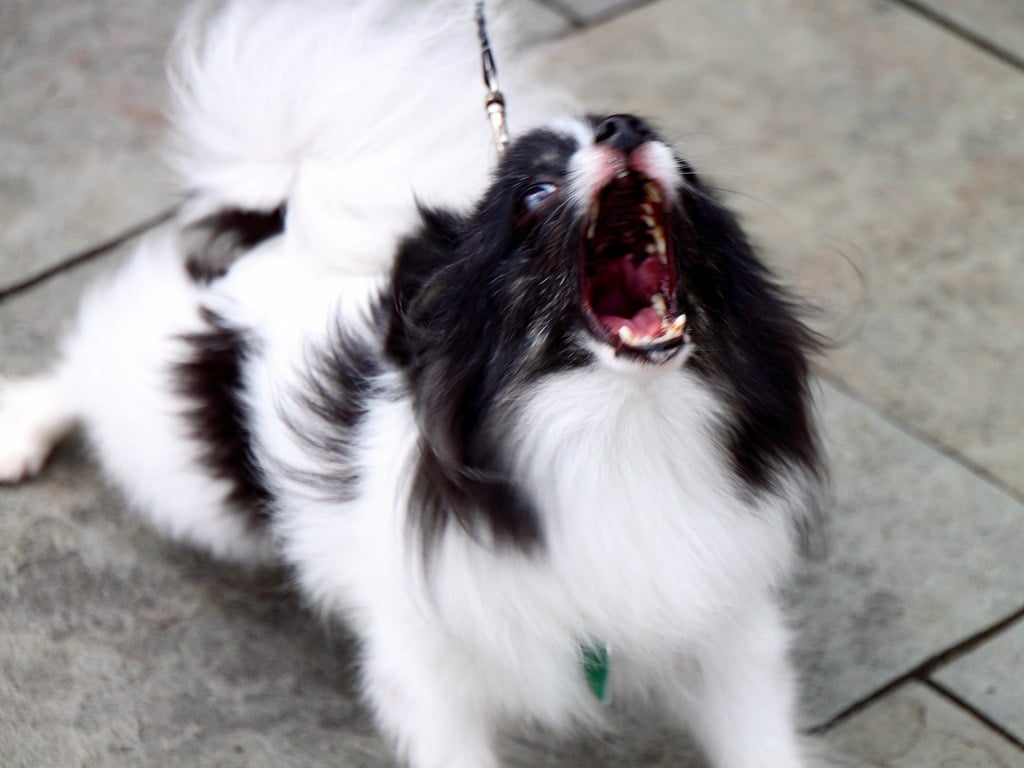
Aggression can be indicative of many issues in dogs, but did you know that the root of a dog’s aggression could simply be depression? If your pet is normally cool as a cucumber and starts to bark, lunge, snap, or growl at anything that comes their way, it could be a sign that they’re unhappy. This behavioral change often shocks owners because it seems so out of character.
This sudden shift in temperament can be particularly concerning in gentle giants like Saint Bernards or typically mellow breeds like Cavalier King Charles Spaniels. A gentle dog that suddenly begins snapping, growling, or showing their teeth is not just “having a bad day.” Uncharacteristic aggression often signals pain, fear, or extreme stress. These behaviors should never be ignored or dismissed as temporary mood changes.
#7 Excessive Licking and Self-Soothing Behaviors
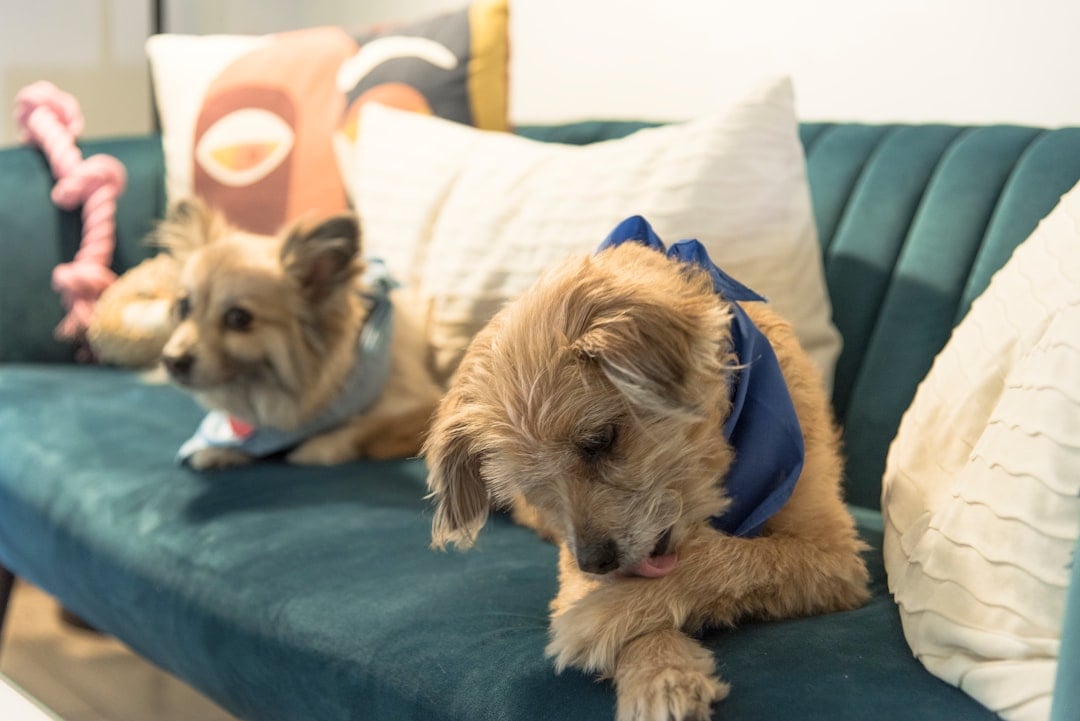
When dogs lick and chew their paws, it may seem like they’re trying to clean themselves or scratch an itch. However, it’s possible that they may be trying to soothe themselves because they’re feeling blue. “Most people are not aware, but excessive licking (or chewing) can be a way of self-soothing,” says veterinary health expert Dr. Gary Richter.
One of the most heartbreaking sights is a dog compulsively licking or chewing their paws, legs, or body. It may look like they’re just grooming, but obsessive licking is often a sign of anxiety, discomfort, or even allergies. For example, a chronically stressed dog might repetitively lick at one or more of their limbs in an attempt to self-soothe. This behavior can escalate quickly and requires immediate attention to prevent physical injury.
#6 Changes in Body Language and Posture
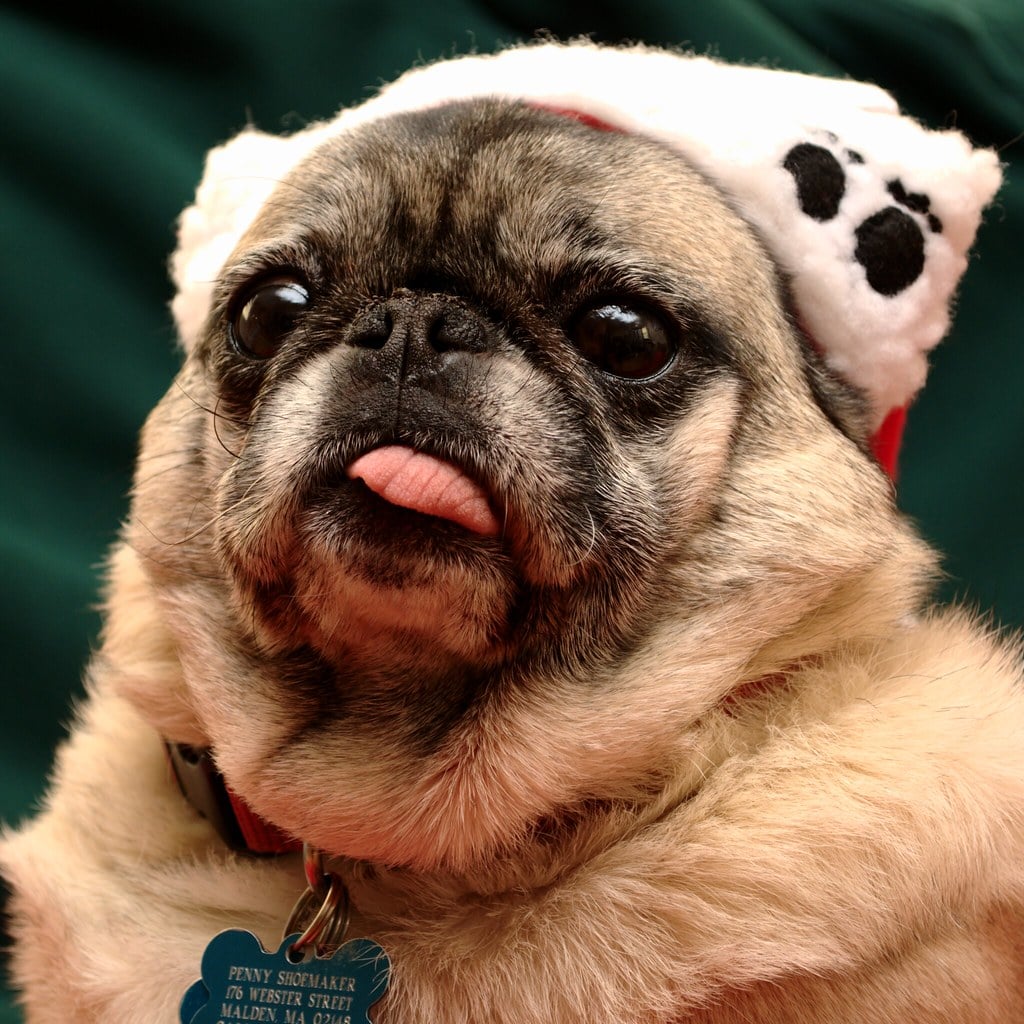
A worried dog will also look tense rather than relaxed in the way that they hold themselves. They might shrink away, hold their head low and avoid eye contact by looking away If your dog goes very still, like a statue, that usually means they’re getting really uncomfortable. These subtle postural changes often precede more obvious signs of distress.
If a healthy dog with no orthopedic problems shifts their weight to the rear legs or cowers, they may be exhibiting stress. When scared, dogs may also tuck their tails or become rigid. “Sad” appearance: A drooping posture, flattened ears, or a visibly downcast facial expression can reflect a dog’s low emotional state. Learning to read these physical cues helps owners intervene before situations escalate.
#5 Vocalization Changes
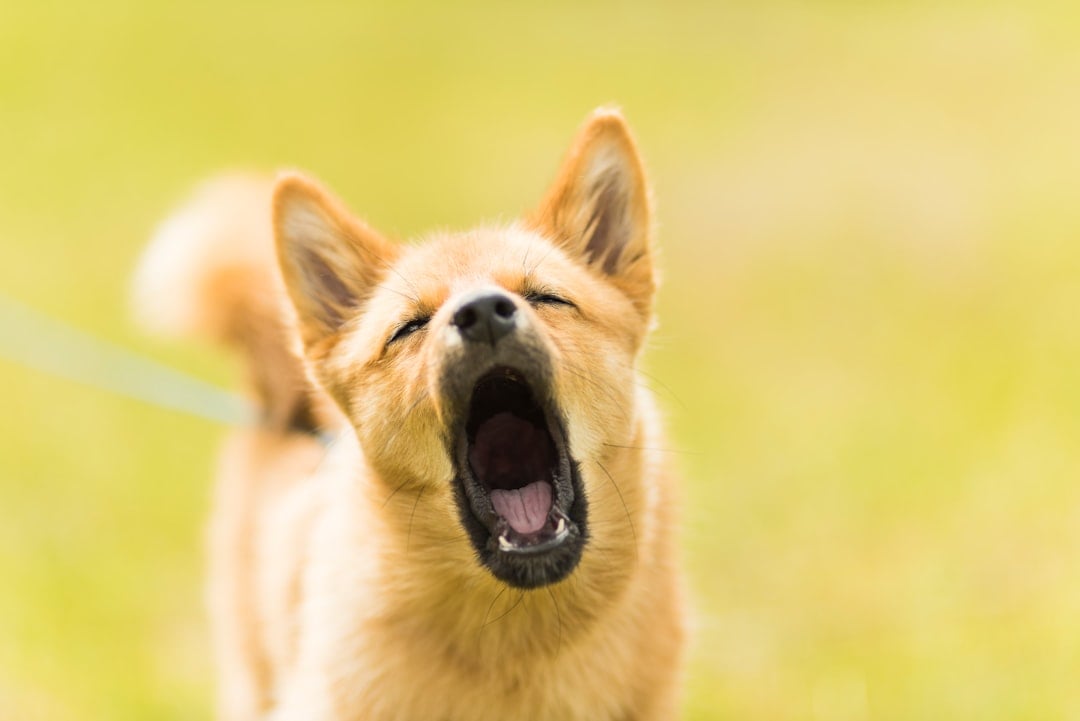
Vocalization is normal self-expression in dogs but may be intensified when they are under stress. It is normal for dogs to vocalize, but whining, howling, and barking may be intensified during periods of stress and anxiety. If your dog suddenly starts vocalizing more often, it’s important to rule out medical causes for their behavior before assuming stress is to blame.
These vocal changes can be particularly pronounced in naturally quiet breeds or, conversely, in typically vocal dogs who suddenly become silent. Increased whining or howling: Frequent vocalizations, especially whining or howling, can be a sign of emotional distress or loneliness. They may whine because they are seeking comfort or expressing sadness, or due to stress or physical discomfort. Pay attention to the context and frequency of these sounds, as they often indicate your dog’s emotional needs.
#4 Destructive Behavior and Acting Out
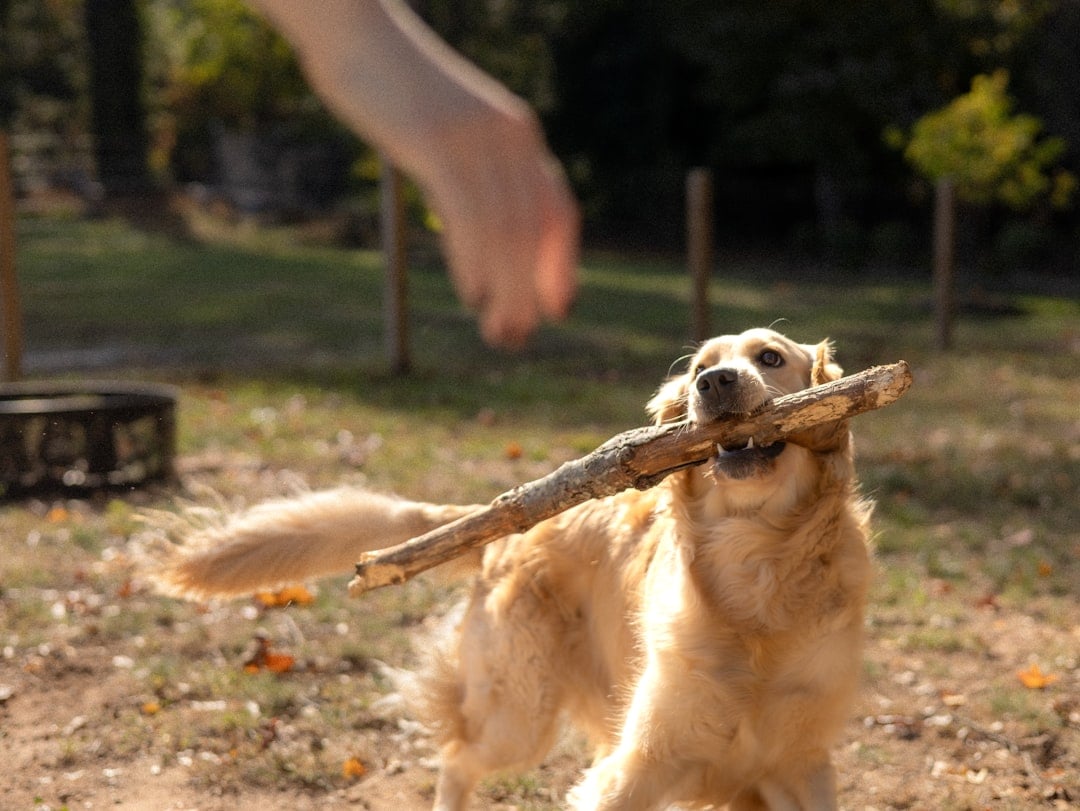
If your dog starts exhibiting destructive behaviors – like chewing furniture, digging, or tearing up household items – it might be a sign of boredom or frustration. Dogs that aren’t getting enough physical exercise or mental stimulation may resort to these behaviours as an outlet for pent-up energy. This destructive tendency often increases during periods of emotional distress.
These behaviors can manifest differently across breeds – a bored Husky might dig up your entire backyard, while an anxious Poodle might shred every pillow in the house. Aggression or destructive behavior: Sudden episodes of irritability, chewing, or other destructive actions may indicate emotional imbalance or frustration. Understanding the root cause helps determine the most effective intervention strategy.
#3 Accidents in House-Trained Dogs
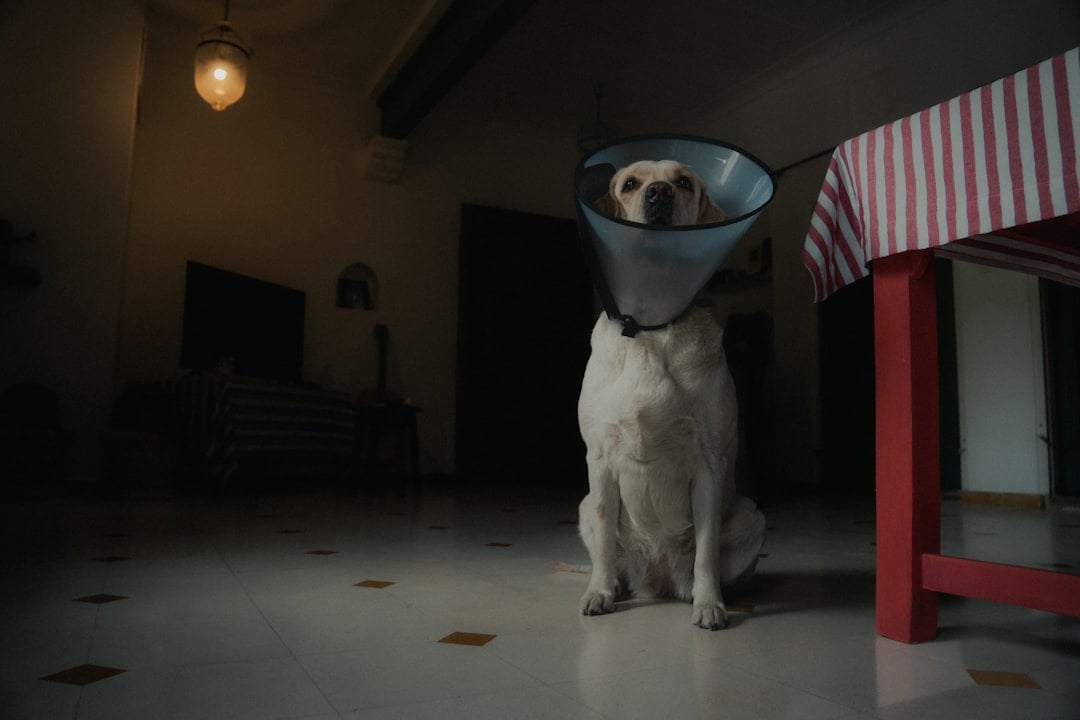
If your once fully housetrained dog starts urinating and defecating indoors, it could be a sign of stress. Some dogs may eliminate in the home due to loss of control when anxious. This regression in training often confuses and frustrates owners who can’t understand why their previously reliable dog is suddenly having accidents.
Sudden changes in bathroom habits – such as urinating or defecating indoors when your dog is normally house-trained – can indicate stress or unhappiness. Factors like changes in routine, environment, or health issues can all contribute to these behaviors. Remember that dogs do not house soil out of “spite,” so punishing your dog might make this behavior worse or lead to other behavioral issues. These accidents are communication, not defiance.
#2 Avoidance of Eye Contact
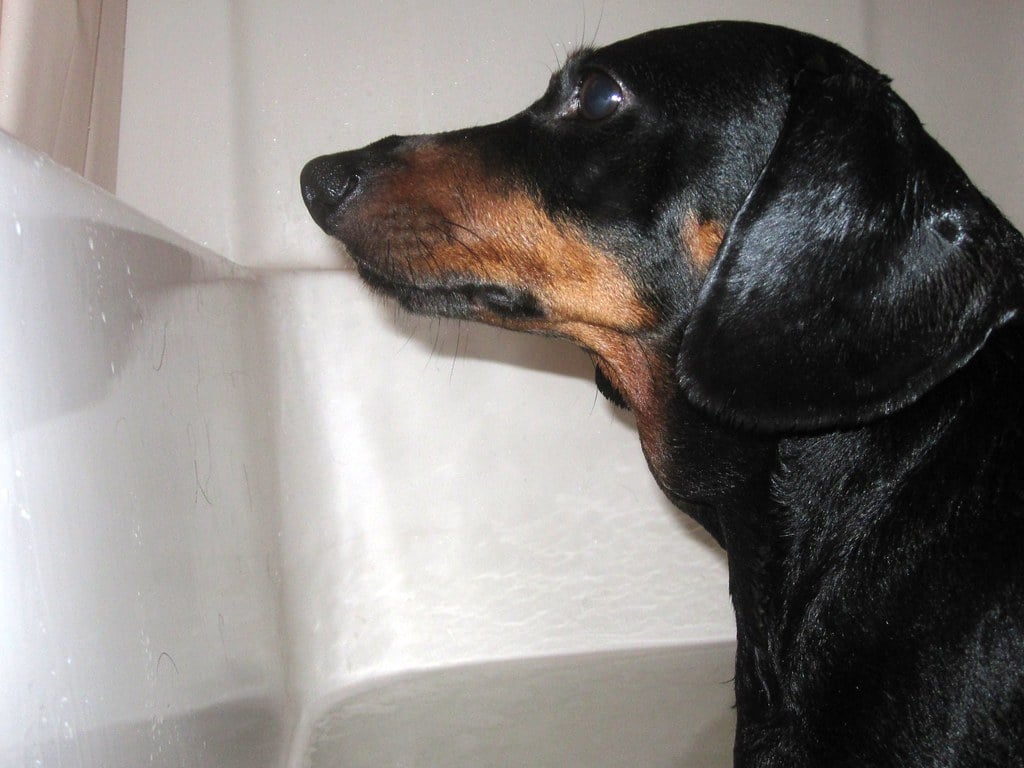
Dogs communicate a lot through body language and avoiding eye contact can be a significant signal. If your dog starts to avoid looking at you or others, it may indicate insecurity or unhappiness. Eye contact often signifies trust, so a shift in this behavior is worth noting. This subtle change in social interaction patterns often goes unnoticed by busy pet parents.
If your dog turns away from you, it is a sign that they may be unhappy. This avoidance behavior can be particularly heartbreaking for owners who are used to their dog’s direct, trusting gaze. Both large and small breeds use eye contact as a primary form of communication with their humans, making its absence especially meaningful.
#1 Loss of Energy and Lethargy

A previously energetic dog that suddenly becomes lethargic or disinterested in play may be experiencing unhappiness. Dogs thrive on activity and engagement, so a decline in energy levels can indicate that something is amiss. Observe your dog’s behavior during walks or playtime to see if they seem less enthusiastic. This energy drop is often one of the most noticeable signs for active breeds.
If their energy is low and they don’t seem to want to go for walks or play with other dogs, it could indicate they’re feeling melancholy. Of course, not all dogs are naturally social and energetic, so it’s important to note changes in what is normal for them. The key is recognizing deviations from your individual dog’s baseline personality and activity level, whether they’re a high-energy Jack Russell or a more sedentary Bulldog.
Conclusion

Recognizing these thirteen signs of an unhappy dog empowers you to be the advocate your furry friend needs. Remember that dogs experience emotions deeply but communicate them differently than humans do. What might seem like simple behavioral quirks could actually be your dog’s way of telling you they need help, comfort, or medical attention.
The beautiful thing about dogs is their resilience and capacity for healing when given proper support and understanding. Whether your companion is a gentle giant or a pocket-sized charmer, paying attention to these subtle and not-so-subtle cues can make the difference between a dog who’s merely surviving and one who’s truly thriving. Trust your instincts as a pet parent – you know your dog better than anyone else, and that intuitive connection is often the first line of defense against prolonged unhappiness.
Most importantly, never hesitate to consult with veterinary professionals when you notice persistent changes in your dog’s behavior or mood. After all, isn’t your four-legged family member worth that peace of mind?
