

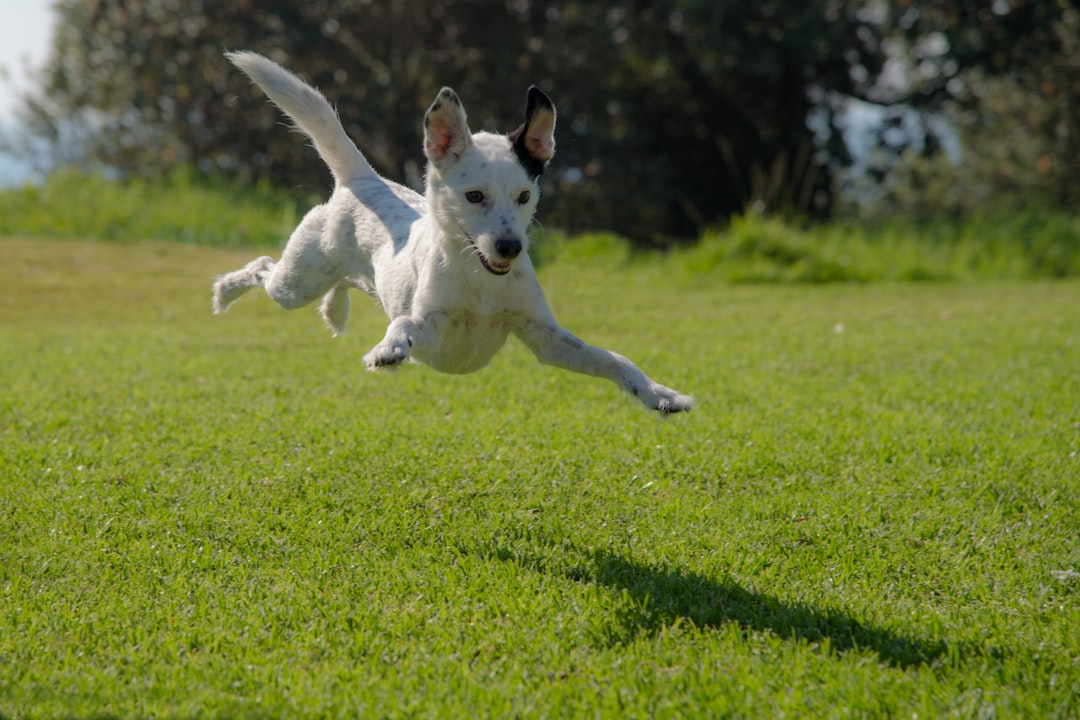
You know that moment when your dog starts acting completely bonkers, and you can’t help but wonder what on earth is going through their furry little head? Trust me, we’ve all been there. Dogs are fascinating creatures with behaviors that seem downright weird to us humans, but here’s the thing – every single quirky action they do actually serves a purpose. These behaviors might leave you scratching your head, but they’re deeply rooted in instinct, biology, and their ancestral past.
From the mysterious midnight zoomies to that adorable head tilt, your beloved pup is constantly communicating with you in ways you might never have considered. Understanding these behaviors isn’t just fun trivia – it can actually strengthen the bond between you and your four-legged best friend.
They Circle Before Lying Down Like They’re Performing a Ritual
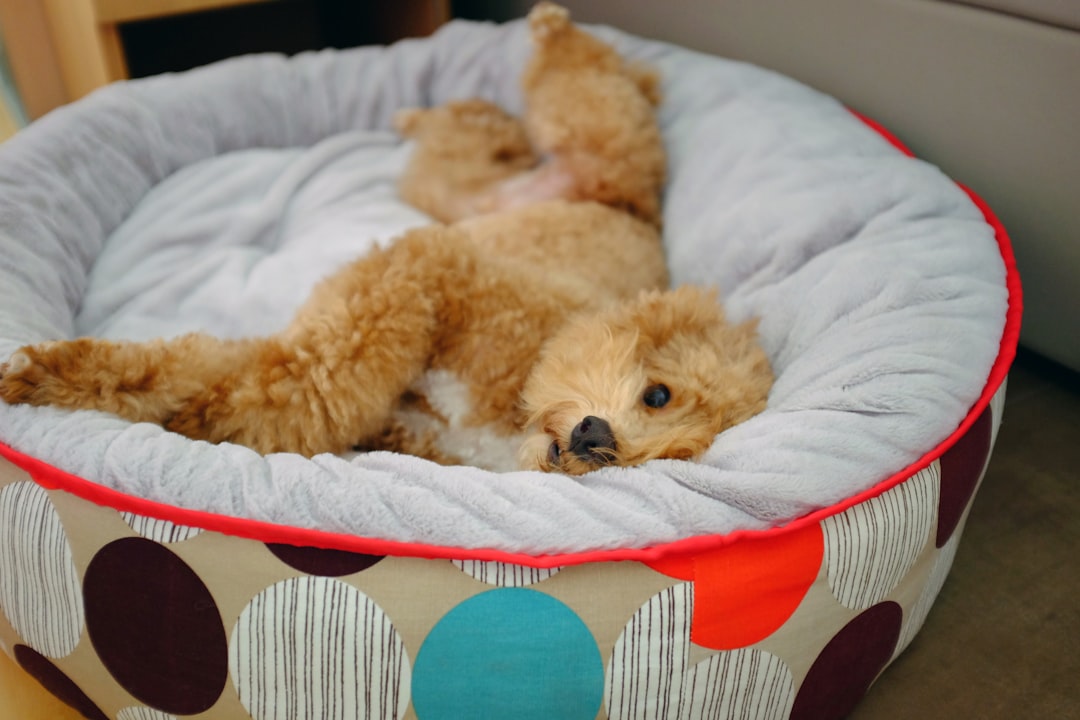
Dogs turn around in circles and do a kind of dance before going to sleep. Dog behaviorists believe that a dog’s need to perform the bedtime ritual of turning around in circles before lying down is inherited. Canine ancestors, such as wild wolves, did the same thing, and domestic dogs retained this genetic predisposition. It’s not just your pup being dramatic – this behavior actually made perfect sense in the wild.
To make their sleeping quarters more comfortable, dogs pat down tall grass and move prickly underbrush before lying down. They root out rocks and fallen tree branches. Even though your dog has a comfy bed now, they’re still following ancient programming that helped their ancestors survive. Dogs that are in pain will circle excessively as they struggle to find a more comfortable position.
The Famous Post-Poop Victory Dance
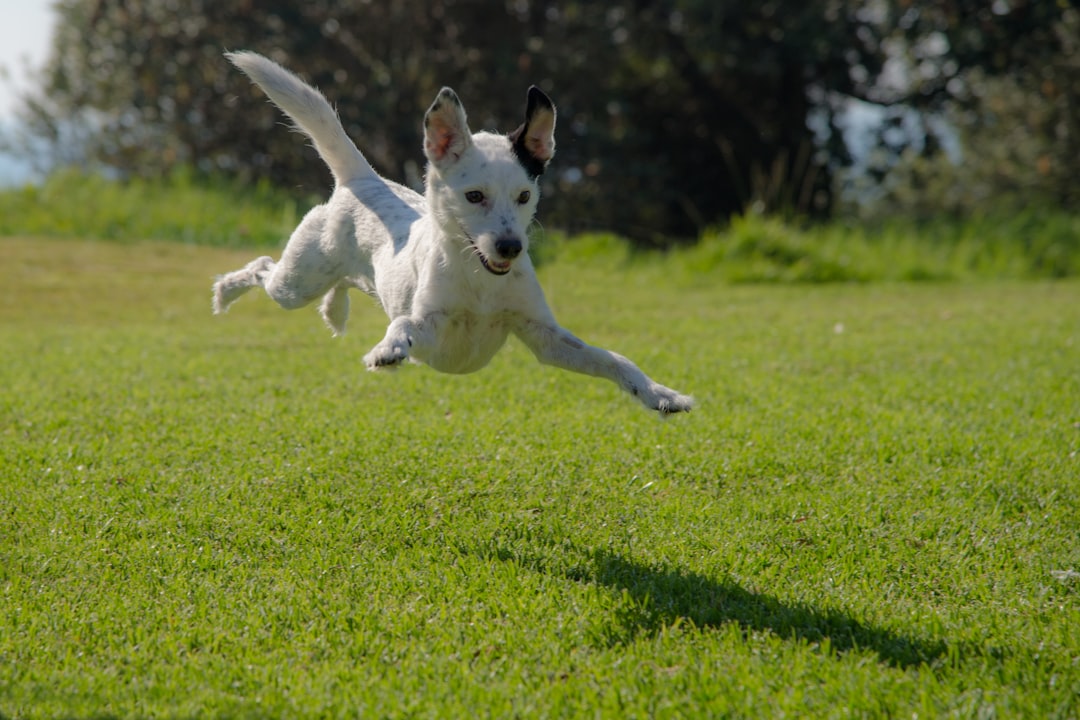
Many pet parents note that their dogs get zoomies after pooping. “It’s like they just unloaded something major, and it’s time for a whacked-out celebration,” says Radosta. This isn’t your dog being gross or celebrating their bodily functions in a weird way – there’s actually science behind this amusing behavior.
Your dog might be marking its territory, as dogs have scent glands in their paws. Or, they might just feel free and relieved, so they get the dog zoomies. Think about it – if you’d been holding it in for hours, you’d probably feel pretty excited about the relief too. Another theory is that this behavior may be instinctual, as though running around helps disperse their scent, as a way for them to mark their territory.
Head Tilting That Melts Your Heart Every Time
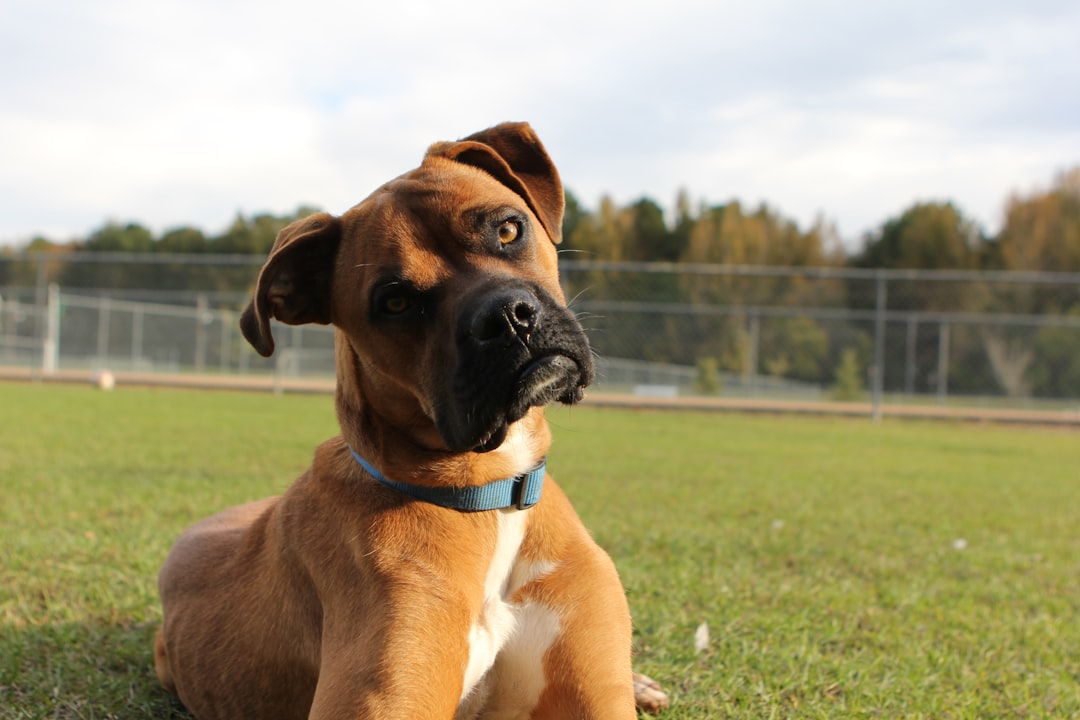
While there are many different explanations for their weird behavior, Semel believes that it means a dog is interested, engaged, or even confused. “Assuming there is no medical issue, they may be paying extra close attention and taking it all in!” she says. That adorable sideways glance isn’t just for Instagram photos – it’s your dog’s way of actively processing information.
Dogs likely tilt their heads adorably sideways to help them locate the source of an interesting sound or because they are listening carefully for words you say that they may recognize. Dogs also tilt their heads while listening to us speak to them as a way to first, let us know they’re paying attention and, second, as an involuntary muscle movement while they’re searching for familiar words or phrases. This is one theory you can test (and prove) right now!
Howling at Sirens Like They’re Part of a Wolf Pack
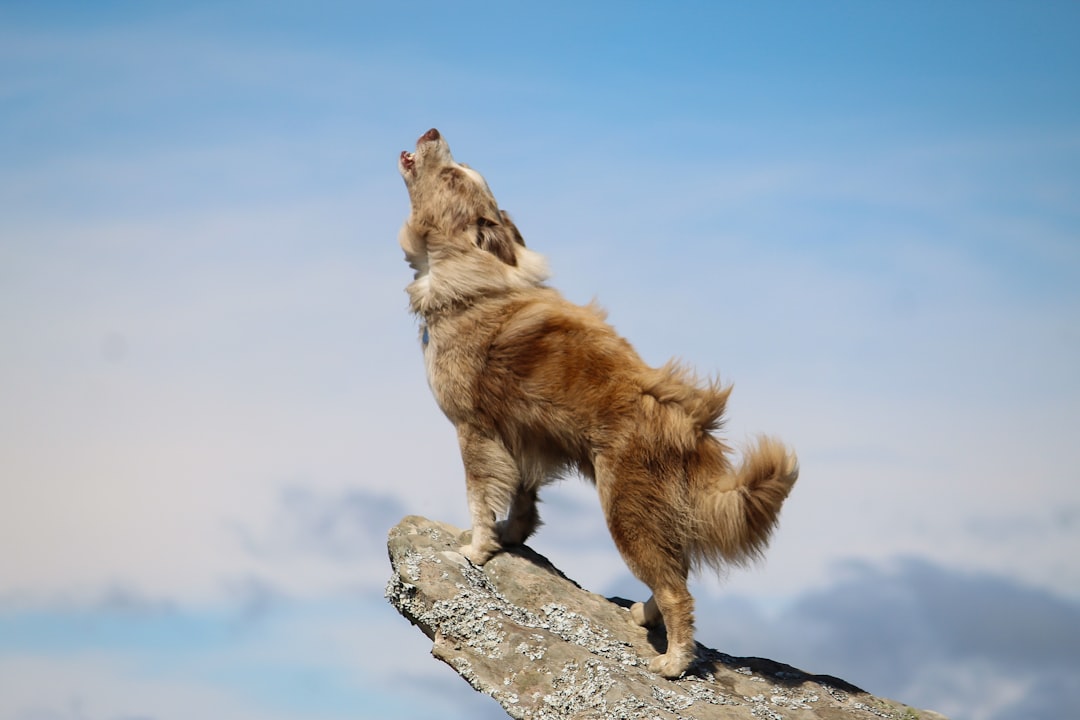
Dogs are descendants of wolves, and howling is a fundamental form of communication in wolf packs. When your dog hears a siren, they might perceive it as another dog howling in the distance, prompting them to join in. This instinctual response is deeply embedded in their DNA. Your dog isn’t trying to annoy the neighbors – they’re actually responding to what they believe is a distant pack member.
The most probable explanation is that the siren sound is similar to the high-pitched vocalizations of their fellow dogs. It’s their way of acknowledging that they heard the noise and letting the other dog (or the fire truck) know they are ready to join in the excitement. Dogs do this as an instinctive response to hearing what they interpret to be another howling dog in the distance. They are not doing this because it hurts their ears.
The Mysterious Leg Shake During Belly Rubs

Your furry friend shaking or kicking their rear legs in response to a belly rub is a common behavior that has a scientific explanation. This peculiar conduct is attributed to a scratch reflex in their belly region, which triggers an involuntary response when stimulated, like the knee-jerk reflex in humans. So that adorable leg wiggle isn’t necessarily your dog enjoying the attention – it’s actually an automatic reflex.
This can happen when they’re stimulated by fleas, bugs or human fingers. It’s usually a response to something irritating, so the jury’s out as to whether or not dogs enjoy it when you scratch that sweet spot that makes their leg shake. If your dog squirms to shift position or tries to get away, that probably means they don’t like it and you should stop.
Eating Grass Like They’re Grazing Cattle
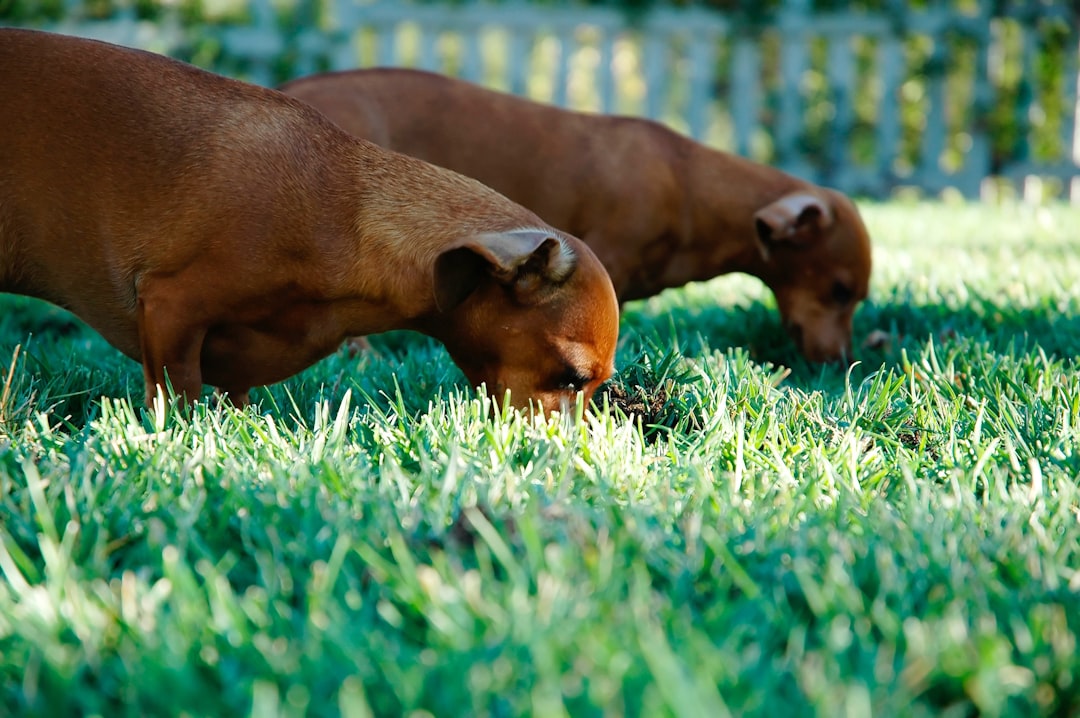
The general consensus is that nobody really knows why dogs eat grass, but scientists’ best guess is that they simply enjoy the taste. The age-old theory that dogs eat grass to vomit doesn’t hold water, because most dogs don’t actually vomit afterward. Your dog isn’t trying to make themselves sick – they might just be enjoying their own version of a salad.
The most likely reason dogs eat grass may also be the simplest: they like the taste! And, considering some of the unsavory things dogs enjoy eating (e.g., poop, garbage, the glob of who-knows-what they found under the stove), the occasional serving of greens doesn’t seem so bad. Regardless of why they do it, most veterinarians believe eating grass is a relatively normal and harmless behavior.
Rolling in Absolutely Disgusting Things
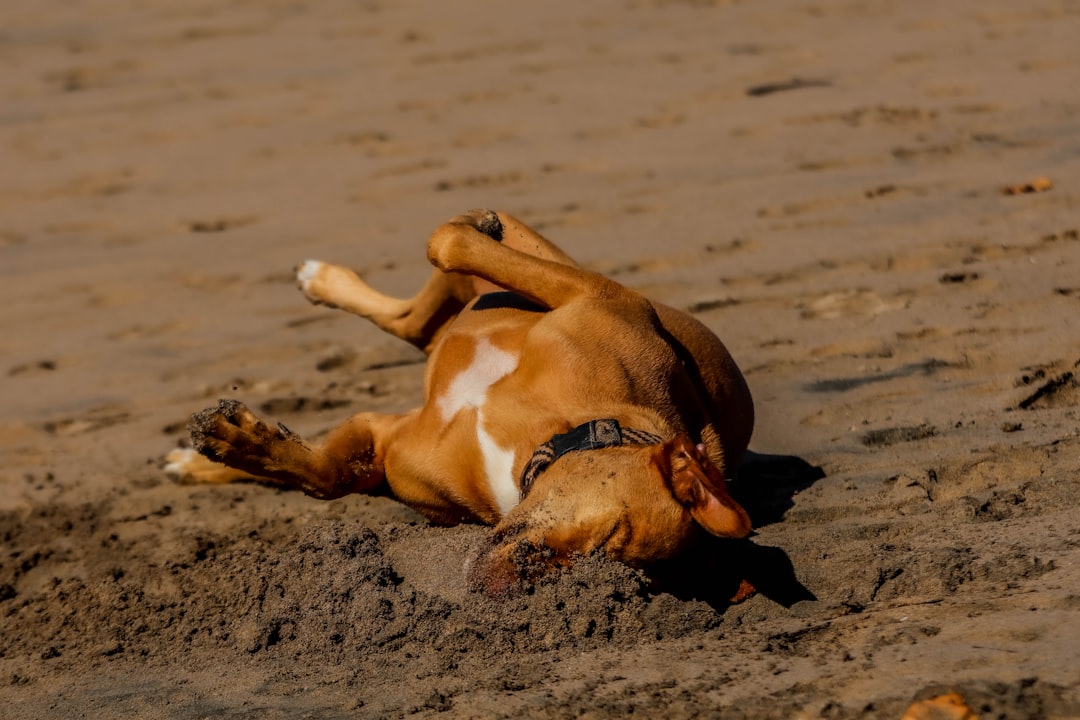
Has your dog ever tried to roll in garbage, feces, or some other pile of stinky items? While it may seem like an unspeakable act to you, rolling in smelly stuff is perfectly natural for dogs. “Some theories suggest that this strange behavior goes back to instinctual behaviors from wolves in the wild,” says Semel. Your dog isn’t trying to torture you with their stench – they’re following ancient survival instincts.
There are two theories as to why dogs roll in stinky things, based on behaviors observed in their wolf cousins: They want to mask their scent so their prey won’t smell them coming. They want to collect interesting scents to bring back to their pack. When it comes to stealing your underwear to roll in it, there might be one other explanation: Your dog may simply want to cover themselves in your pheromones in order to feel closer to you.
The Infamous Butt Scooting Boogie
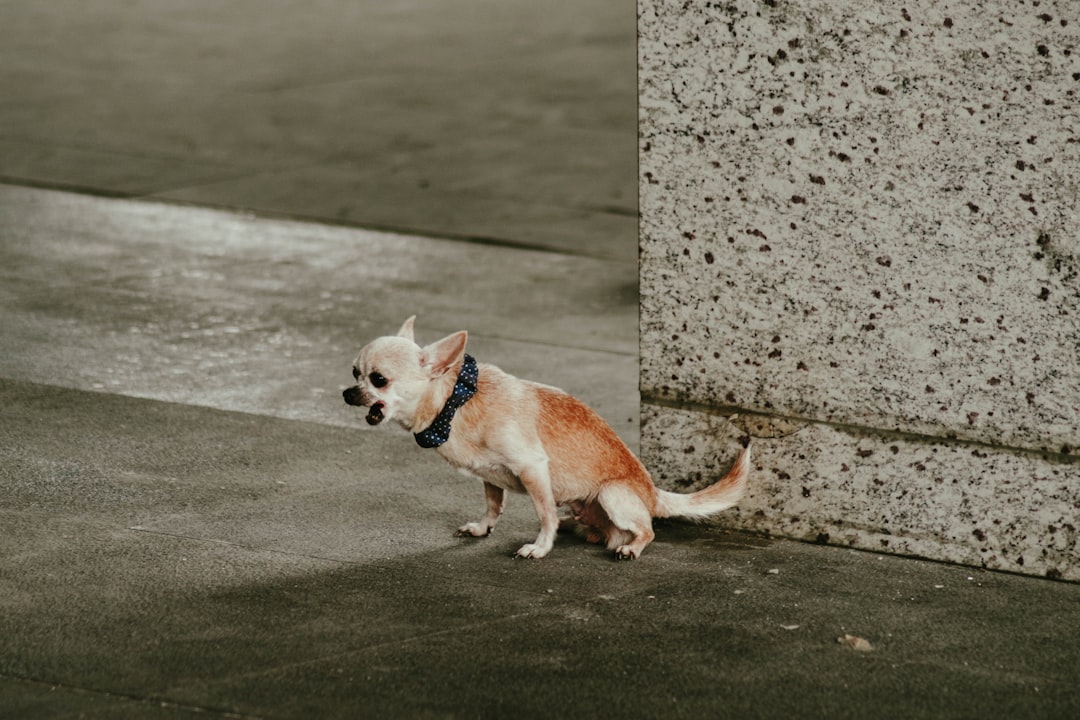
It might look funny when your dog scoots their booty across the floor, but it’s no laughing matter for your pooch. While butt dragging could simply mean your dog is itchy back there or that “things” didn’t come out cleanly, it could also indicate a more serious problem, such as internal parasites or clogged anal glands. This behavior definitely falls into the “not cute” category and usually signals discomfort.
More often than not, this amusing behavior in dogs signals discomfort, often caused by intestinal parasites irritating their anal glands. If you observe your dog scooting or dragging their bottom across the ground, you might want to check in with your vet to address the root cause early and prevent potential complications.
Staring at You Like They Can Read Your Soul
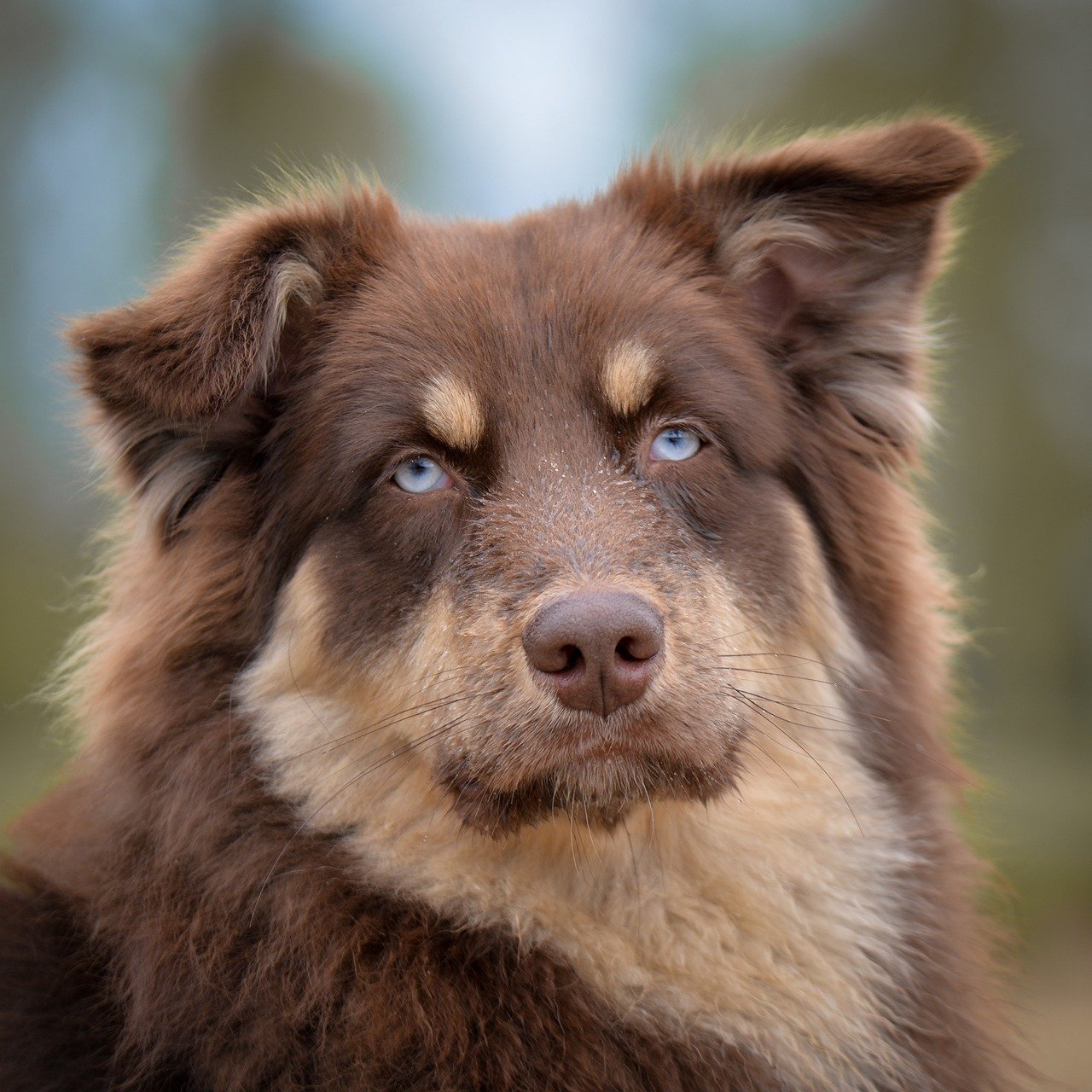
Dogs lick people to seek attention and say “I love you”. Imagine you’re meeting your pet after a long time, you’d see them fall on and give you a bath with their tongue. But sometimes they just stare, and that intense gaze isn’t as creepy as it might seem. Dogs use eye contact as a primary form of communication with humans, something they’ve evolved to do specifically with us.
That unwavering stare is often your dog’s way of trying to communicate their needs or showing affection. Unlike with other animals where direct eye contact can be seen as threatening, dogs have learned that looking directly at humans often gets them what they want – whether that’s food, attention, or a walk.
Hiding Their Favorite Toys Like Precious Treasures
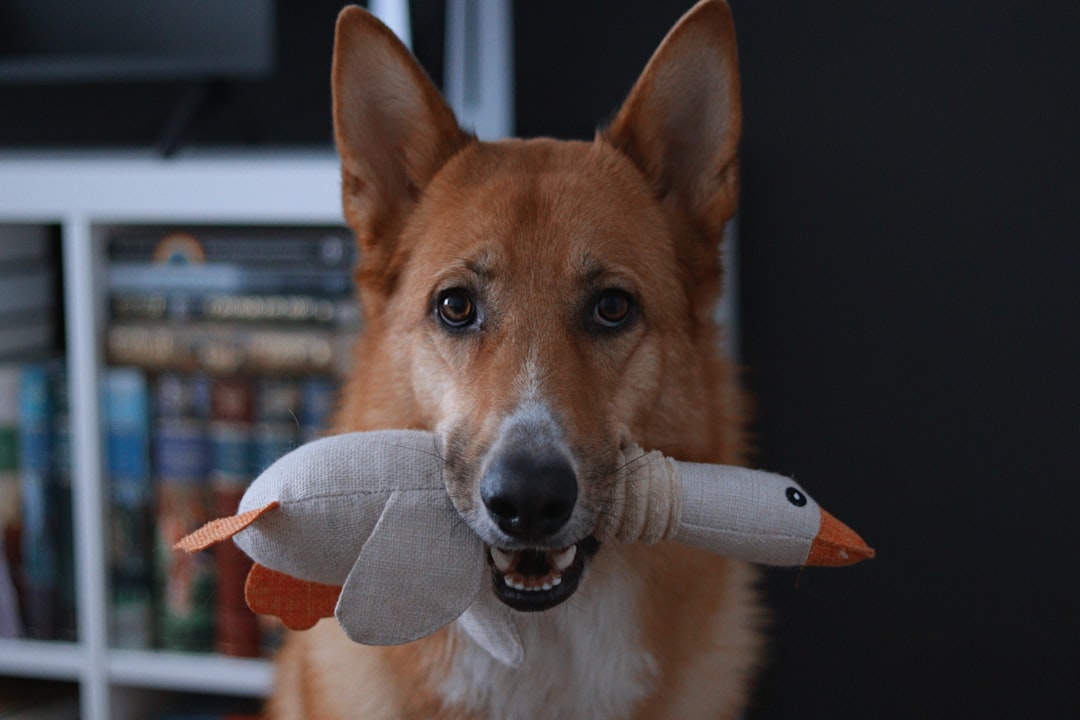
Sometimes dogs just want to keep their stuff to themselves, so they hide it. They may stash it in a hiding spot somewhere in the house, or they might even take it outside and bury it. This could be a sign of anxiety, especially in multi-pet households where dogs may be used to having their treats or favorite toys stolen by other dogs. Your dog isn’t being sneaky for no reason – they’re following resource-guarding instincts.
Many dogs exhibit a penchant for hiding their toys and other items, primarily driven by their possessive instincts. They often relocate their valued items from one place to another as a protective measure, safeguarding them from anyone who may steal them. It’s like they have their own little savings account of special things they want to keep safe.
Carrying Food Away From Their Bowl to Eat Elsewhere
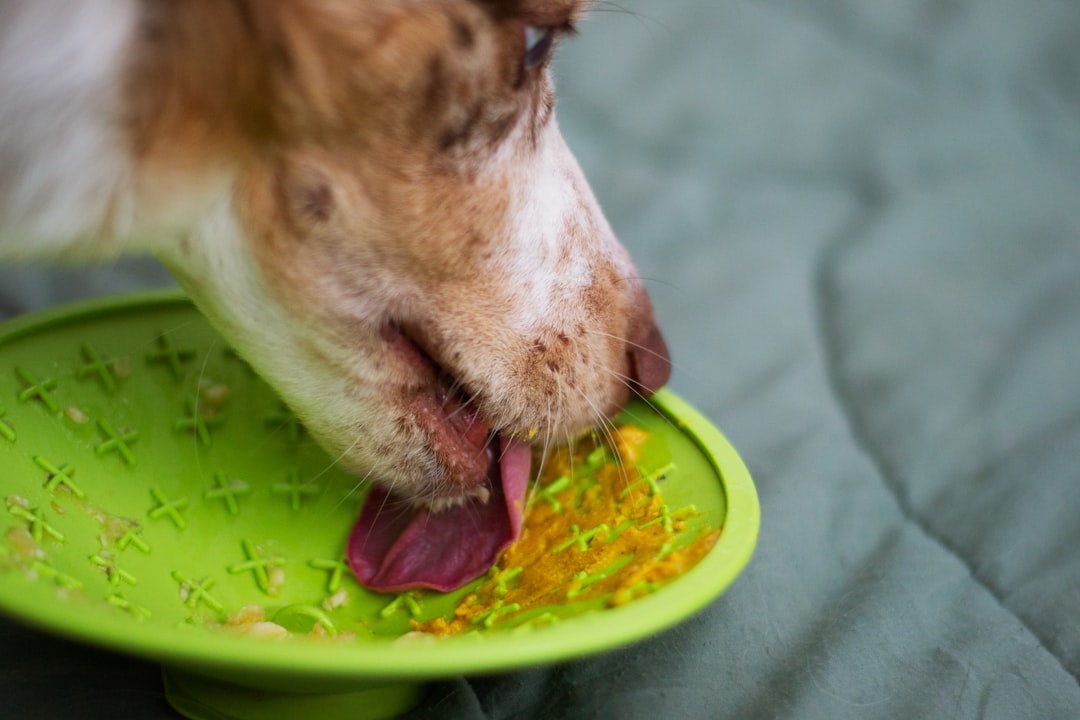
While most dogs love to scarf down their dinner, some pups might opt to carry kibble away from their food bowl before spitting it onto the floor and then eating it. Your pup might simply be stashing his food away for a midnight meal. “They [may be] saving their food for later. This behavior might seem wasteful, but it’s actually rooted in survival instincts.
This can happen if the dog is overfed. Some dogs prefer to eat in a quieter, more private location where they feel safer, or they might be following an ancient instinct to take their food somewhere secure before consuming it. It’s not pickiness – it’s prehistoric programming.
The Zoomies That Turn Your House Into a Racetrack
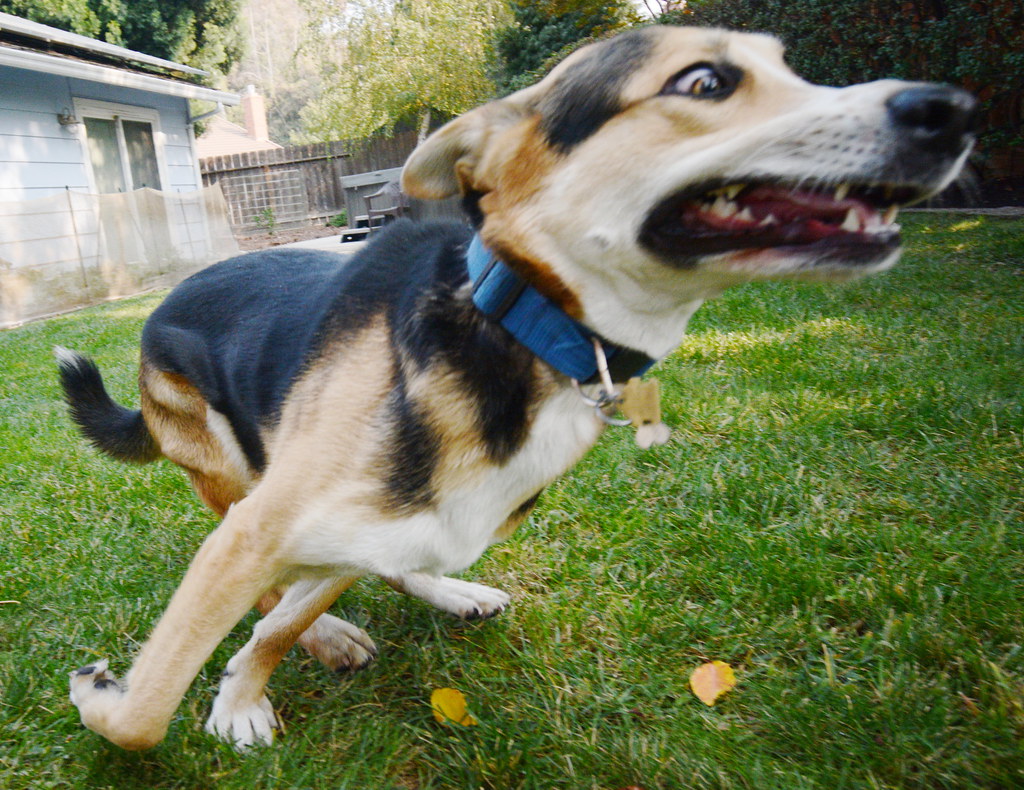
Zoomies are actually a sign that your dog is feeling great, full of energy, and is really happy. Dogs tend to get the zoomies after bath time when they feel fresh and clean, when you get home from work and they’re really excited to see you, or even right before a walk. Those sudden bursts of manic energy aren’t signs of behavioral problems – they’re expressions of pure joy and excitement.
The technical name for dog zoomies is frenetic random activity periods (FRAPs), according to the American Kennel Club. And they’re just another weird canine behavior, like reverse sneezing, that serves a purpose: to release pent-up energy. “Generally speaking, dog zoomies happen when dogs are feeling happy and excited,” says Amelia Wieber, dog behavior consultant, trainer, and Daily Paws Advisory Board member.
Yawning When They’re Not Actually Tired
While yawning may seem like a strange canine behavior, it’s actually something that all dogs do. We assume that yawning means that our dogs are tired or bored, but the research shows yawns have a bigger function for our dogs. That sleepy-looking yawn might not mean what you think it means.
Yawning also has an emotional function for dogs and can be an indicator of stress. For example, if your child is hugging your dog and the dog starts yawning, this is a stress signal that shows the dog is uncomfortable. Unlike humans, dogs often yawn as a response to stress or discomfort rather than tiredness. Fear or Anxiety: Yawning can be a sign of fear, stress, or discomfort, particularly in unfamiliar situations or around strangers.
Digging Holes Like They’re Searching for Buried Treasure
Digging holes is classical dog behavior, although some breeds are more prone to digging than others. Terriers, for instance, were bred to hunt small prey like rats and moles, and may go on a digging frenzy when they sense something moving underground. Your garden might be taking a beating, but your dog is just following their genetic programming.
There are several reasons why a dog is digging, ranging from it simply being fun to a sign of boredom. A dog that lacks toys or playmates will often dig to entertain themselves or will begin to dig into the carpet, couch, or ground if left alone for a long time. During the warmer months of the year, some dogs that spend a lot of time outside will dig holes to lie in and cool down, or they might be digging for small animals or insects – a behavior most common in hunting dogs.
Sniffing Butts Like It’s a Formal Greeting
Dr. Summerfield says dogs collect a lot of vital information via their noses, and the most concentrated sources of pheromones are in the crotch or butt areas, whether you have two legs or four. “Although we might find this behavior socially inappropriate, sniffing the anus or genital areas of another dog is a very polite and normal way to say hello in the canine world, much like shaking hands for humans,” she says.
Dogs have a sense of smell that can be between 10,000 and 100,000 times more sensitive than that of a human. For example, if we walk into a home where someone’s been cooking a pot roast, we’ll recognize that smell as, well, pot roast. A dog, on the other hand, will recognize the beef, the potatoes, the carrots, celery, salt, spices – each individual item as a separate and distinct odor! It’s their version of reading someone’s entire life story in just one sniff.
Eating Poop Like It’s a Delicacy
There are few things dogs do that can make you gag worse than eating poop. But rest assured, this is fairly normal dog behavior. One in four dogs seem to mistake poop nuggets for Tootsie Rolls at least once in their lifetime, and 1 in 6 make a regular habit out of it. While it’s absolutely disgusting to us, this behavior actually has evolutionary roots.
Again, the theory is that dogs simply enjoy the taste of poop. Another potential explanation is that since dogs evolved as scavengers, poop may have helped provide nutrients when food was scarce. It could be a learned behavior, but also a sign that they lack nutrients. Traditional kibble often doesn’t contain easily digestible ingredients, and dogs may not be able to fully absorb the nutrients in their food. So, if they’re eating their poop, it can be an attempt to regain those nutrients.
Conclusion
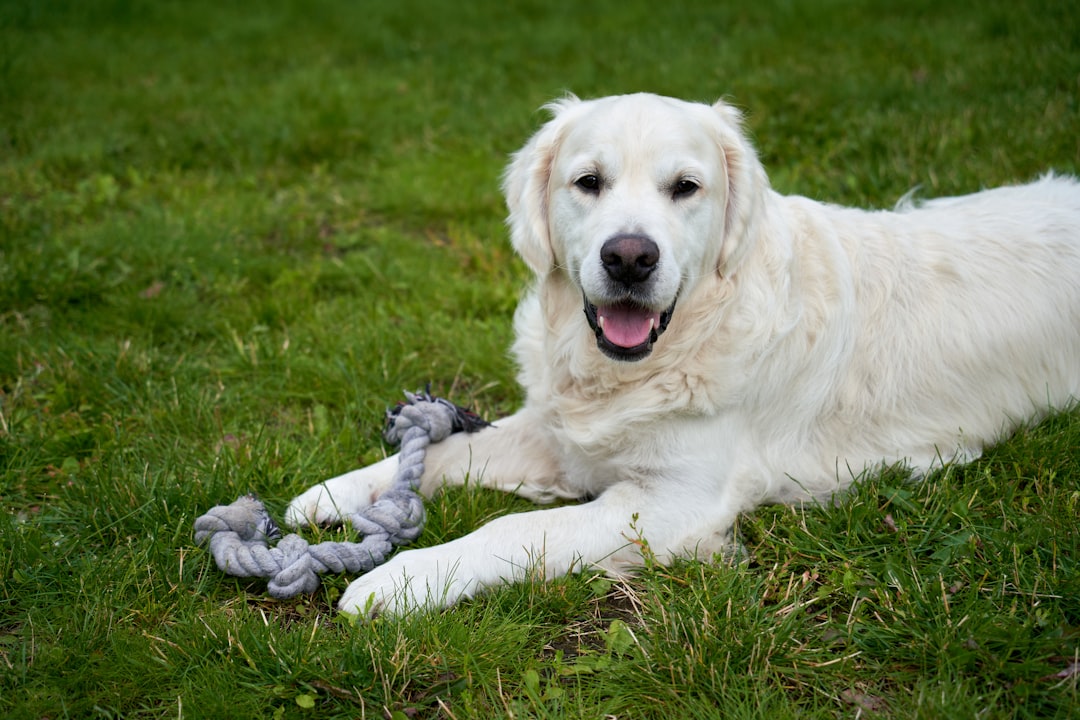
Understanding these peculiar behaviors helps us realize that our dogs aren’t just being weird for the sake of it – they’re complex creatures with deeply ingrained instincts that have kept their species alive for thousands of years. Every circle before lying down, every post-poop celebration, and every adorable head tilt tells a story about their evolutionary past and their current emotional state.
Next time your dog does something that makes you shake your head in bewilderment, remember that they’re probably just being authentically dog. These behaviors connect them to their wild ancestry while helping them navigate their modern world with us. The key is learning to read these signals so we can better understand what our furry friends are trying to tell us.
Who knew your dog’s weirdest habits were actually their way of staying connected to their inner wolf while living their best domesticated life?
