
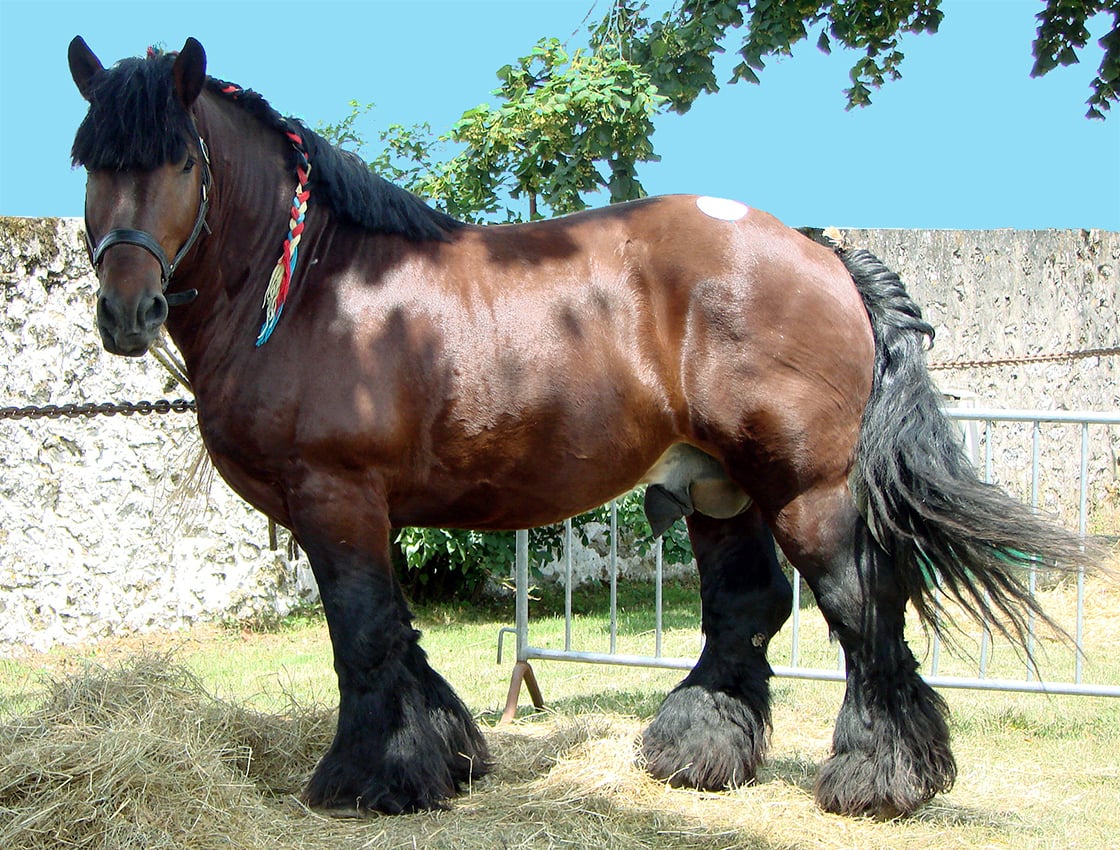
When you think about power, strength, and majesty in the animal kingdom, few creatures command as much respect as the world’s largest horses. These gentle giants have shaped human civilization for thousands of years, from pulling plows across ancient farmlands to carrying knights into battle. Today, they continue to capture our hearts with their incredible size and surprisingly gentle nature. Some of these magnificent beasts tower over six feet tall at their shoulders and weigh as much as a small car – yet they remain among the most docile and willing partners humans have ever known.
#13 The Mighty Shire Horse
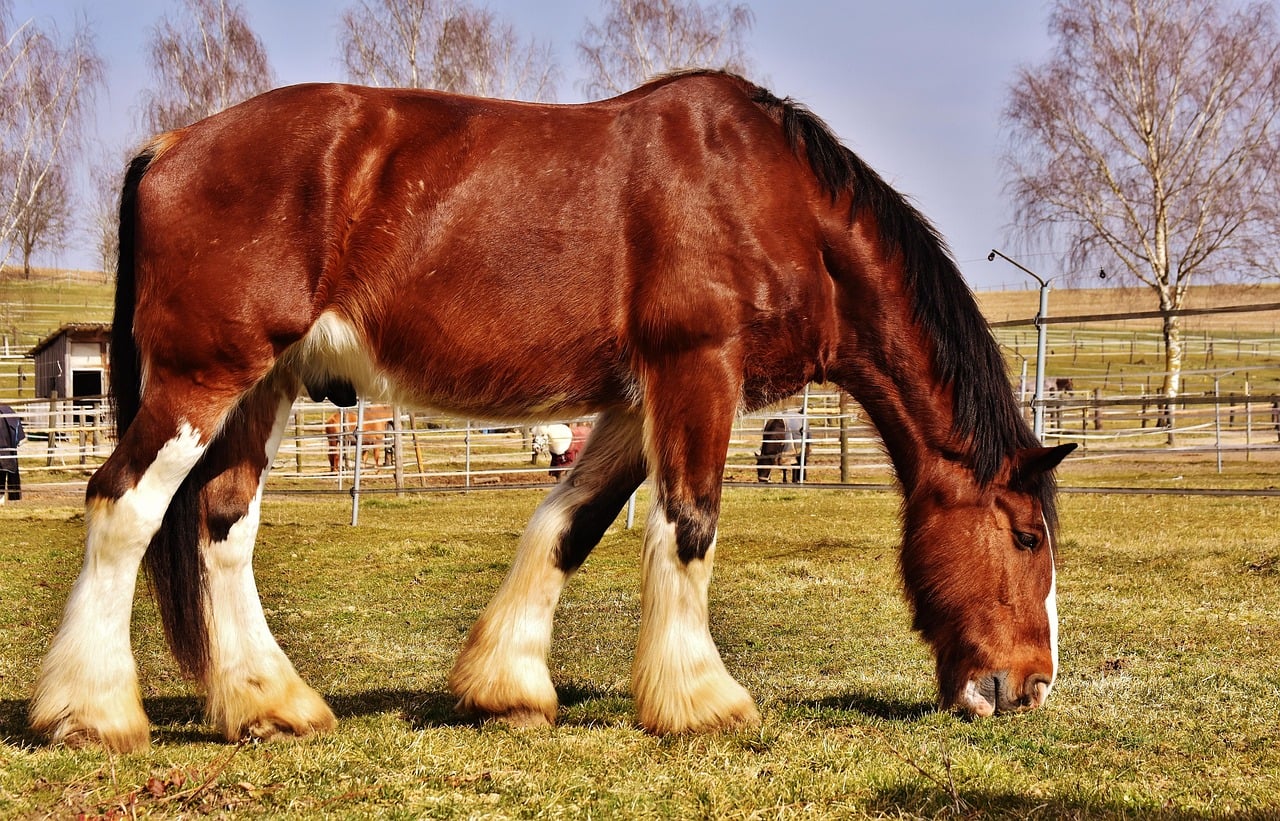
The Shire Horse originates from Great Britain and has held the world record for both the tallest and largest horse breed. The largest horse recorded in history is the Shire ‘Mammoth’, he was 219cm tall (21.2hh), and the largest and tallest horse on record was a Shire gelding called Sampson (later renamed Mammoth), who measured 21.25 hands and approximately 3,359 pounds (1,524 kg) in 1846. The average weight is between 850kg to 1100kg, with weight ranging from 850 to 1100 kg (1870 to 2430 lb) for geldings and stallions.
These remarkable draft horses stand as living monuments to selective breeding and agricultural heritage. They were initially bred for their strength and endurance, playing a crucial role in agriculture and industry, with great capacity for weight-pulling. The Shire’s distinctive feathering around their lower legs adds to their regal appearance, making them instantly recognizable even to those unfamiliar with horse breeds.
#12 The Iconic Clydesdale
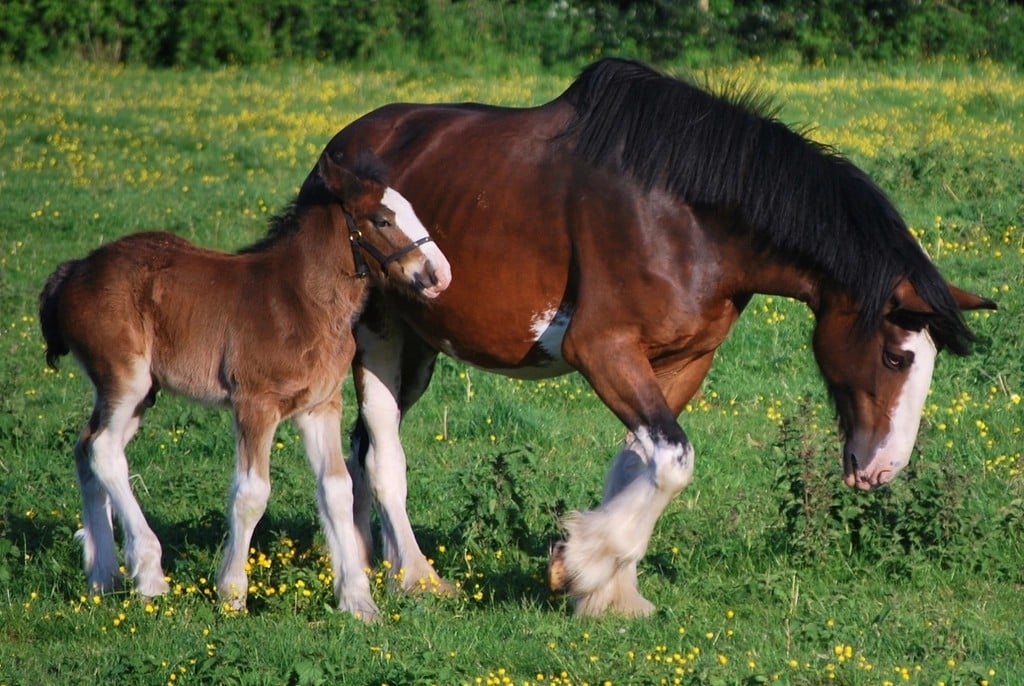
The Clydesdale horses have a unique coloring that helps you recognize them straight away, with their large white socks and extensive feathering. They have become worldwide famous through the Budweiser ads. They stand between 16 and 18 hands high and weighing around 1,800 to 2,000 pounds, with a powerful build, broad chest, and striking white markings on their legs and face.
What makes Clydesdales truly special isn’t just their size – it’s their graceful movement that sets them apart. Unlike some other draft breeds, Clydesdales have a slightly lighter build which contributes to their high-stepping gait and are known for their combination of power and grace. Their flowing manes and theatrical presence have made them natural stars in parades and advertisements, transforming these working horses into cultural icons that represent strength and elegance in equal measure.
#11 The Powerful Belgian Draft Horse
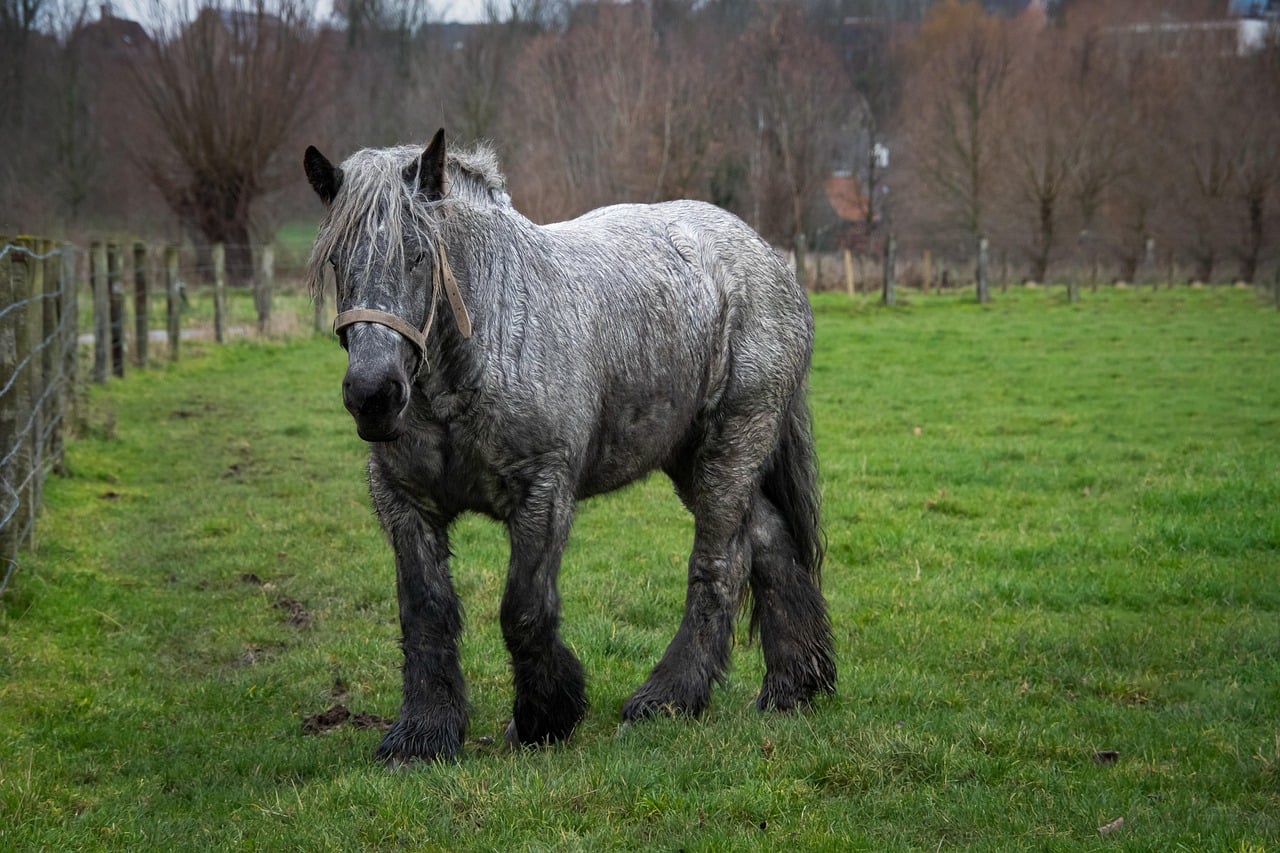
The breed originates from Belgium as its name suggests. The modern belgian draft horse is larger than the breed used to be 100 years ago and they are known to be very calm-natured and intelligent, hence they are more popular amongst the large horse breeds. Breeders first created the Belgian draught horse from Brabant draught horses in Belgium, and on average, they stand 67 inches tall and weigh approximately 1,763 pounds.
These horses represent the perfect blend of power and temperament that farmers have sought for centuries. These animals are often used in heavyweight pulling contests, as they are among the strongest draught horses. A Belgian Draft horse that lived in Wisconsin, named Big Jake, stood 20 hands 2¾ inches, making it into the Guinness Book of World Records as the tallest living horse in 2010. Their compact build and incredible pulling strength continue to make them valuable partners in both agricultural work and competitive events.
#10 The Elegant Percheron
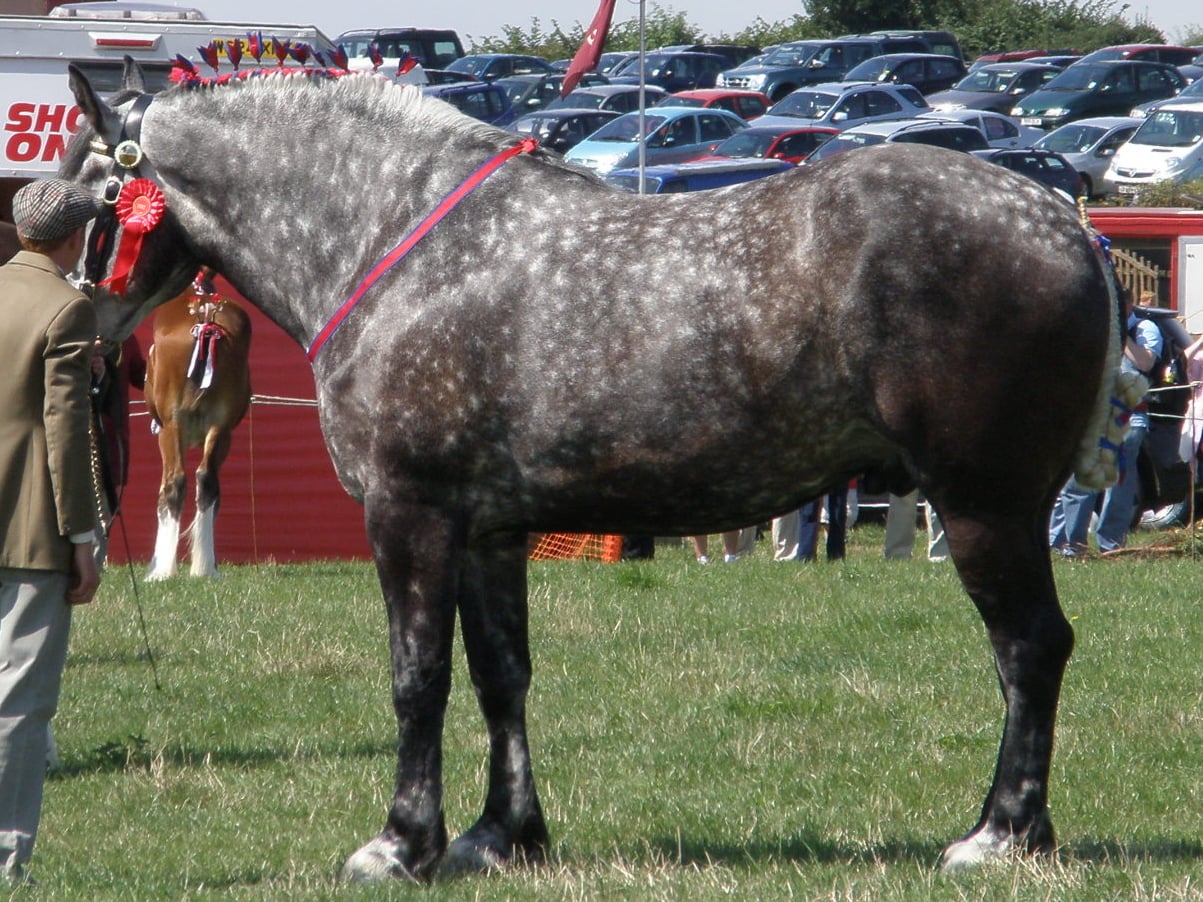
The Percheron horse is the 4th largest horse breed and originates from France. It is the most popular amongst the heavier breeds as it has a more ‘elegant look’ and is used to mix breeds regularly. Height typically ranges from 15 to 19 hands, they usually weigh between 1,900 to 2,000 pounds and are known for their muscular build and generally solid coloration, often gray or black.
The Percheron’s versatility has made it a favorite among horse enthusiasts worldwide. The Percheron Horse Breed has a fascinating history rooted in France, where it initially served as a formidable warhorse before transitioning into a reliable draft horse. This breed’s versatility and strength made it indispensable in many tasks over the centuries. A Percheron mare from Australia holds a record of pulling 1500kg over 4 meters, and another famous Percheron horse is Dr. Le Gear; he reached a height of 2.13m and was the largest horse on earth during his lifetime.
#9 The Rare Dutch Draft Horse
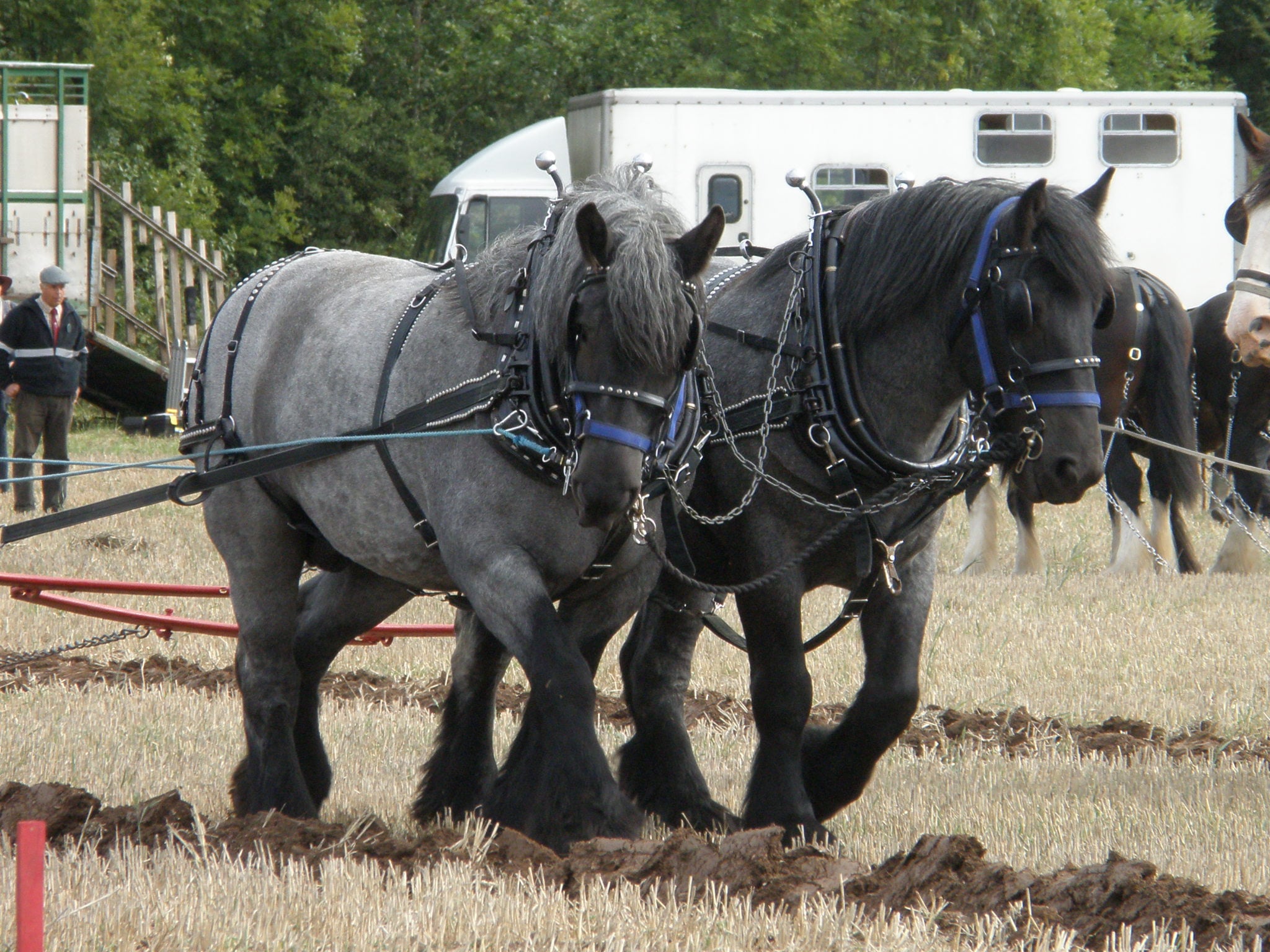
The Dutch draft horse is a heavier breed that originates from the Netherlands. It is known for its chunky body, wide neck, and short legs. The Dutch draft horse has relatively small ears and eyes for its size and they are not widely used today and is quite unusual. Dutch Draft is one of the rarest breeds of horse, but still ranks among the largest horses ever known. It is a crossbreed of the Belgian Draft and the Ardennes.
These remarkable horses showcase the ingenuity of Dutch breeders who created them for specific agricultural challenges. Over the years, Dutch Drafts have excelled at farm work, where they have been used to pull incredibly heavy loads for extended periods of time. They are very intelligent and have a relatively calm demeanor and are also known to walk slower than other draft breeds. Dutch draft horses were developed between World Wars I and II by crossbreeding Zeeland horses with top draft breeds from Belgium. Sadly, this is yet another breed of horse that saw a severe population dip following the mechanization of agriculture, with likely just over a thousand specimens existing in 2009.
#8 The Massive Brabant
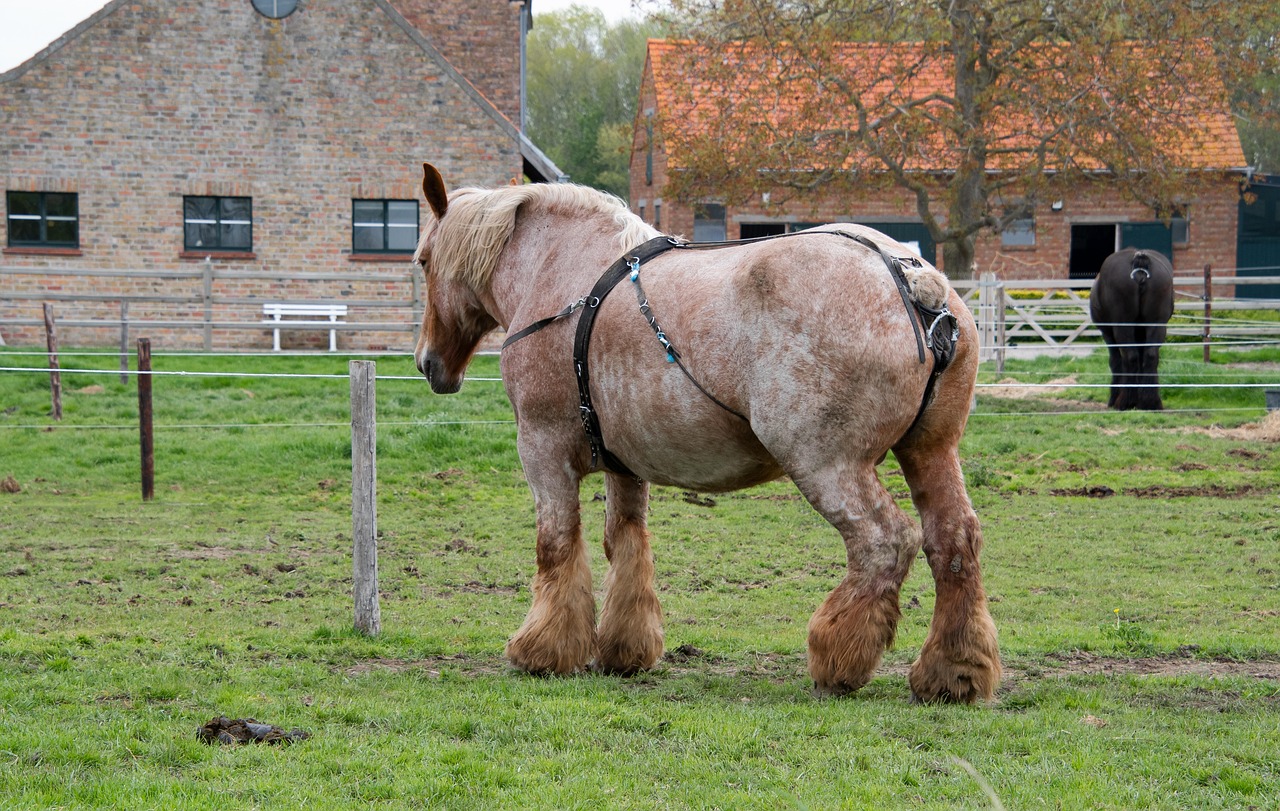
Brabants are heavy, thick horses used for agricultural work and are the heaviest of all draft breeds. Males stand 16-17 hands and weigh between 2,000 and 3,000 lbs. Belgian Draught, also known as Brabant, is a heavy draught breed regarded as one of the strongest breeds in the world. Brooklyn „Brookie” Supreme (1928 – 1948) was a Belgian Draught stallion that could be the heaviest horse in the world. He was 198 cm tall and weighed 1451 kg (3,200 lb)!
The Brabant represents the pinnacle of draft horse development in terms of sheer mass and power. Brabants are a heavy draft breed that originated in the Brabant region of Belgium, were one of the founding influences of the Belgian horse and contributed to many other western European heavy draft horse breeds, including breeds like the Pfalz-Ardenner, Soviet Heavy Draft, Lithuanian Heavy Draft, Swedish Ardennes, and many others. Their influence on modern draft breeding cannot be overstated, having contributed to the development of numerous other large horse breeds across the globe.
#7 The Historic Suffolk Punch

They horses stand 16-17+ hands (64-68″) at the withers and average 1,800 lbs. The Suffolk is the only draft horse breed developed and selected exclusively for farm work. The breed originated in the English counties of Suffolk and Norfolk, where draft horses date back to the 1500s. All Suffolks are chestnut in color – one of seven shades between gold and liver; their color is chestnut, ranging in shade from light golden to dark liver, and no other color is tolerated or is admissible to registry in the Stud Book.
What makes the Suffolk Punch truly unique is its singular focus on agricultural work throughout history. The isolation of the region and the high value of Suffolk horses meant that they were bred pure and changed little over the past three hundred years. The Suffolk is unusual among draft breeds in that it was never selected for anything other than agricultural work. The legs are very stout, and this is the only British draft breed that does not have any featherings on its legs. The average Suffolk is short for a draft breed, generally standing 16.1 to 17.2 hands tall and they typically weigh around 2,000 pounds.
#6 The American Cream Draft
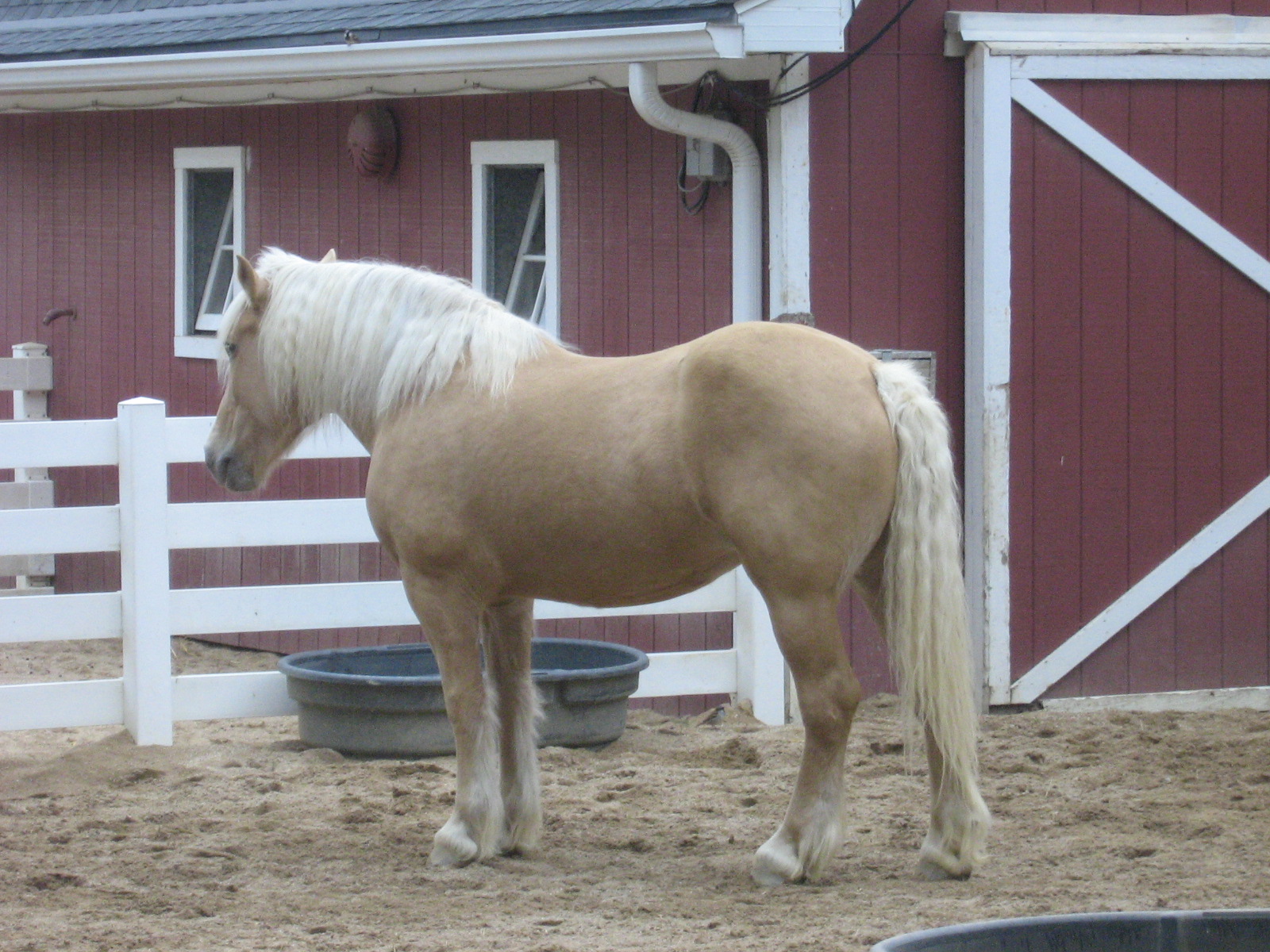
Mares stand 15–16 hands (60–64 inches, 152–163 cm) high and weigh 1,500–1,600 pounds (680–730 kg), while stallions and geldings stand 16–16.3 hands (64–67 inches, 163–170 cm) and weigh 1,800 pounds (820 kg) or more. The American Cream Draft is an American breed of draft horse, characterized by the cream or “gold champagne” color of its coat. It was developed in Iowa during the early twentieth century from a cream-colored mare named Old Granny.
This breed holds a special place in American agricultural history as the nation’s only native draft horse breed. They have three defining traits: a cream-colored coat, amber-colored eyes, and pink skin. American Cream horses are not palominos – they possess the “Champagne” gene which results in a horse with pink skin and amber-colored eyes. It is a rare breed: its conservation status is considered critical by The Livestock Conservancy and the Equus Survival Trust, and similar to the Suffolk Punch, the American Cream is also on the critically endangered breed list.
#5 The Ancient Ardennes
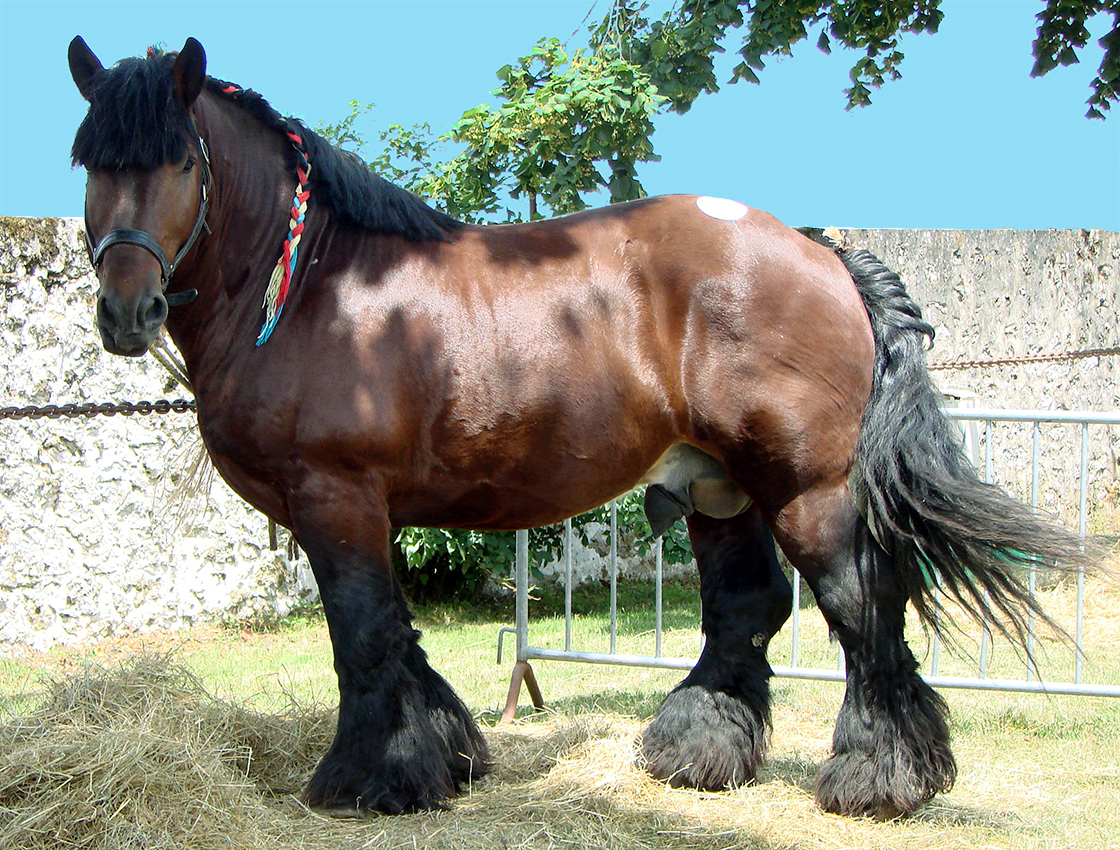
The Ardennais or Ardennes is one of the oldest breeds of draft horse, and originates from the Ardennes area in Belgium, Luxembourg, and France. They are heavy-boned with thick legs and are used for draft work. The Ardennes breed could be a direct descendant of the prehistoric Solutré horse, and is claimed to be descended from the type of horse described by Julius Caesar in his Commentarii de Bello Gallico. Caesar described these horses of Belgium as “rustic, hard and tireless”.
The Ardennes carries with it the weight of over two millennia of history. In the French Revolution, they were considered to be the best artillery horse available, due to their temperament, stamina and strength. Napoleon used large numbers of Ardennes horses to pull artillery and transport supplies during his 1812 Russian campaign and they were said to be the only breed used by Napoleon that was hardy enough to withstand the winter retreat from Moscow. These horses originally stood at only 14 hands tall, but the breed’s strength and size have significantly increased over the past 2,000 years.
#4 The Scandinavian Jutland
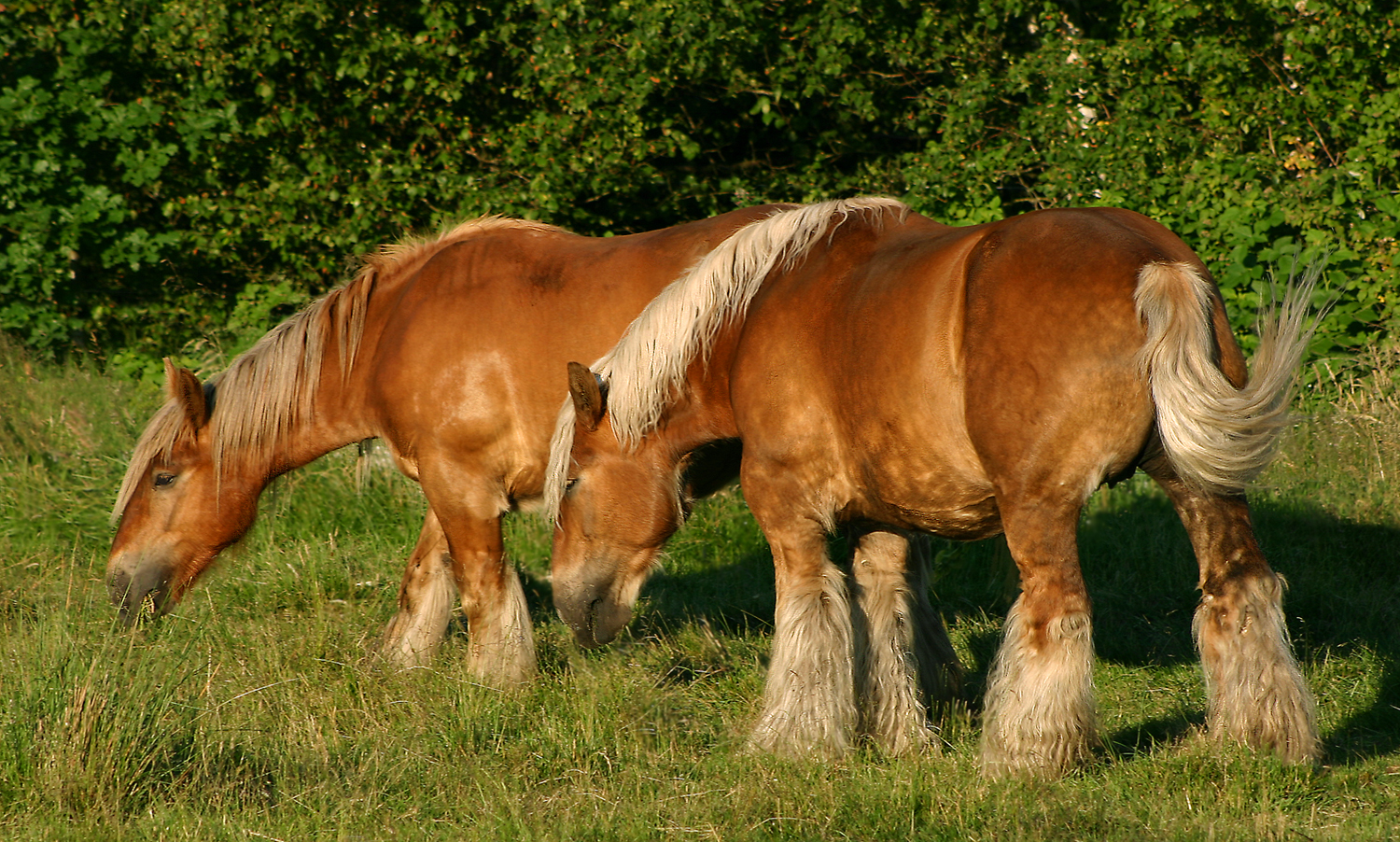
Finally, we have the Jutland, named for the Jutland Peninsula in the breed’s home country of Denmark. Typically chestnut in color, the Jutland only stands between 15 and 16.1 hands high but is so powerfully muscular that the breed weights anywhere from 1,400 and 1,860 pounds. Originally used for hauling brewery wagons, these big horses are known for a gentle, willing temperament.
The Jutland’s compact build belies its incredible strength and endurance. The Suffolk Punch contributed significantly to the creation of the Jutland breed in Denmark. Oppenheimer LXII, a Suffolk Punch imported to Denmark in the 1860s by noted Suffolk dealer Oppenheimer of Hamburg, was one of the founding stallions of the Jutland. The stallion Oppenheimer founded the Jutland breed’s most important bloodline, through his descendant Oldrup Munkedal. The Jutland is closely linked to the Carlsberg brewery, which used the breed to haul brewery wagons in the 20th century. Today, the Jutland can still be found pulling Carlsberg wagons in Copenhagen.
#3 The Mountainous Comtois
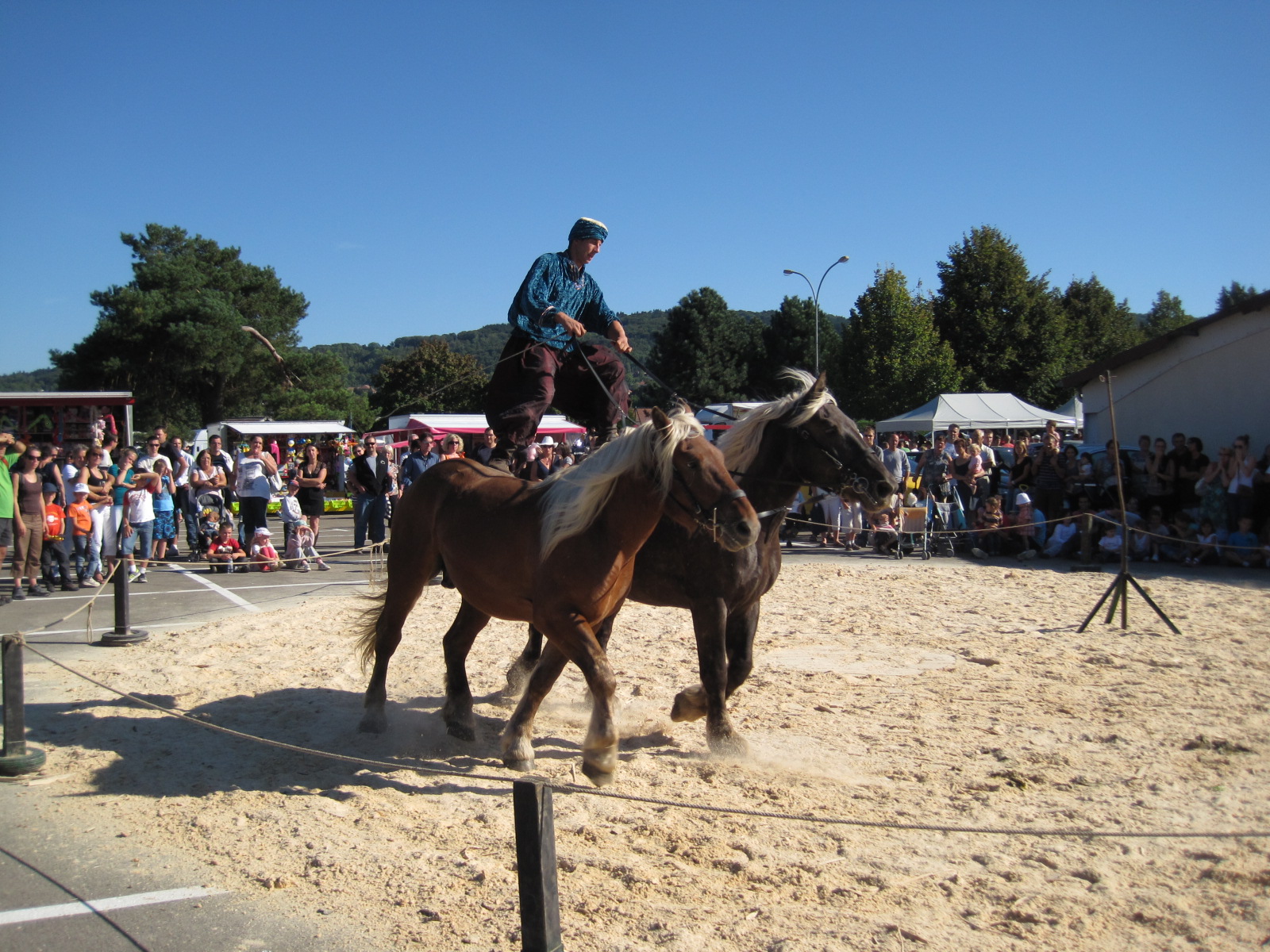
The Comtois horse originated back in the 6th century. Bred in the Jura Mountains during the 6th century, Comtois horses have extremely muscular hindquarters. Hailing from the Jura Mountains on the French/Swiss border, the Comtois was once a prized cavalry and military horse. It’s said Louis XIV used these magnificent beasts in his armies, as did Napoleon when he invaded Russia. Today, the Comtois is one of France’s most popular heavy horse breeds.
These mountain-bred horses developed their remarkable strength from generations of working in challenging alpine terrain. They also have light feathering around their short legs and they can be any color, though most have a silvery tint. These horses stand approximately 60 inches tall and weigh around 1,580 pounds. Comtois horses weigh about 1,400-1,750 pounds, while their height is between 14.3-16.1, and bred and raised as draft animals, Comtois horses are hardy and willing to work. Individuals willing to keep horses with little space will find the breed convenient as they are compact and take little space.
#2 The Australian Draught
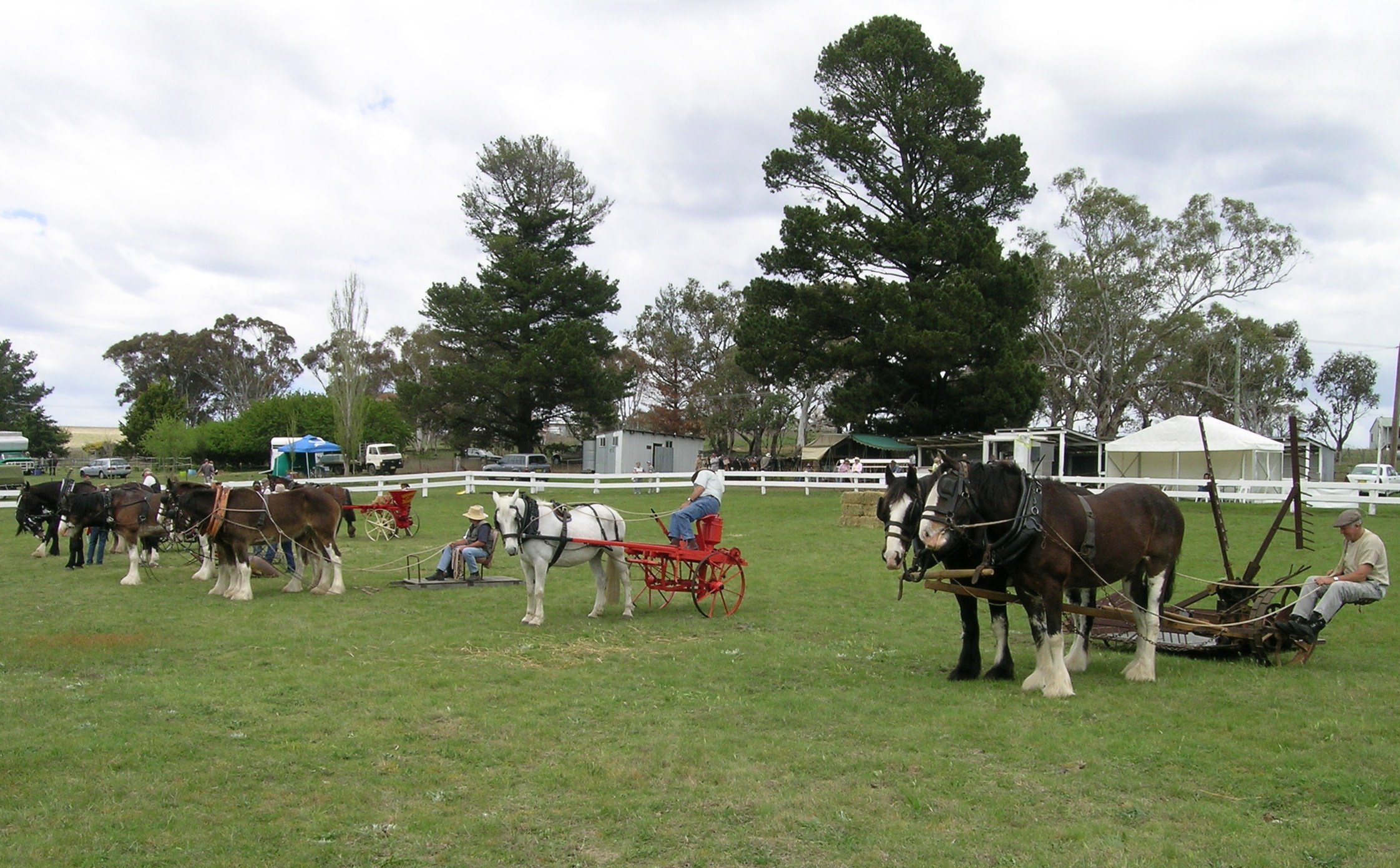
The Australian Draught is a versatile breed that stands between 16 and 17.2 hands tall. Originally developed for heavy draft work, this draft evolved from crossbreeding four of the above breeds – the Shire, Clydesdale, Percheron and Suffolk Punch – after those horses were imported into Australia. To this day, these sturdy horses are recognized for their adaptability and excellent temperament.
This unique breed represents the successful adaptation of European draft horses to Australian conditions. Farmers developed the Australian draught horse around 1850. Breeders see excessive white markings as a fault because of Australia’s harsh weather, and a registration process for Australian draught horses was not established until 1978. The Australian draught can withstand harsh weather conditions and these horses come in all colors, and the legs have feathering.
#1 The Russian Heavy Draft

The Russian draft horse began its development, influenced in particular by the Belgian Ardennes, at the end of the 19th century. They were first called Russian Ardennes but the Russian draft horse officially became a breed of its own in 1952 and is still used to some extent in agriculture as a draught horse. The Russian heavy has short legs but a massive body and has short legs compared to other draft breeds, intended to give it superior traction. This breed weighs approximately 1,420 pounds and stands about 58 inches tall.
What sets the Russian Heavy Draft apart from other breeds is their unique dual-purpose nature. The Russian Heavy Draft Horse is known for its ability to pull a lot in relation to its weight but is also known for its milk-producing ability. The milk is fermented (called Kumys in Russian) and the russians have been drinking this since the 19th century as a health-promoting beverage. This remarkable adaptation shows how different cultures have found innovative ways to maximize the utility of their draft horses beyond traditional work roles.
Conclusion
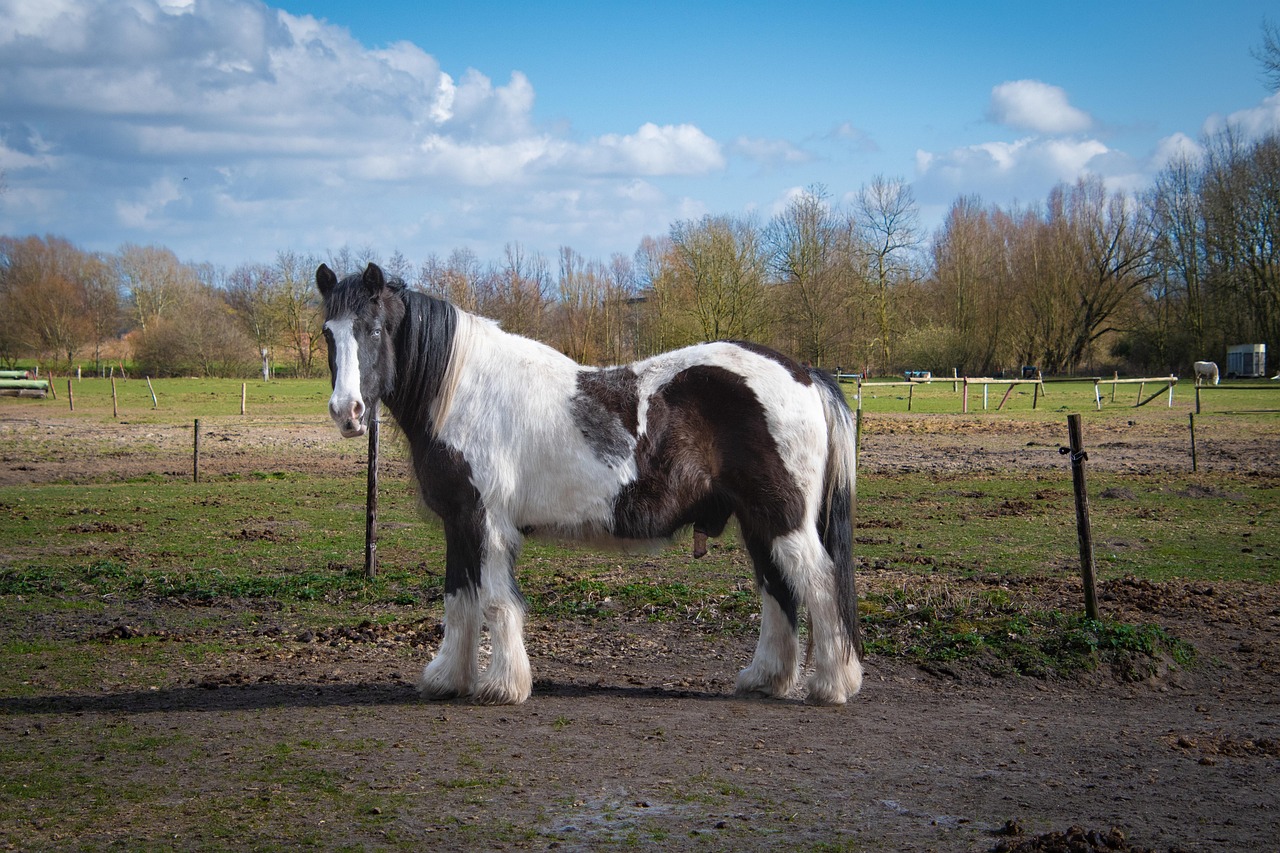
The world’s largest horses represent far more than just impressive statistics and record-breaking measurements. These magnificent creatures embody thousands of years of careful breeding, agricultural innovation, and the unbreakable bond between humans and horses. From the towering Shire horses of England to the compact but mighty Jutland horses of Denmark, each breed tells a unique story of adaptation, purpose, and survival.
What’s perhaps most remarkable about these gentle giants is how they’ve maintained their relevance in our modern world. While mechanization may have reduced their role in agriculture, these horses have found new purposes in recreation, conservation, and as living ambassadors of our shared heritage. Many of these breeds face uncertain futures, with some teetering on the edge of extinction, making their preservation all the more critical.
The next time you encounter one of these magnificent horses, whether at a show, farm, or historic demonstration, take a moment to appreciate the living history standing before you. These aren’t just large animals – they’re the descendants of the horses that built civilizations, fought wars, and fed nations. In a world that moves faster each day, these patient giants remind us of simpler times when horsepower meant something entirely different. Isn’t it amazing how something so massive can touch our hearts so gently?

- This Tiny Insect Can Survive in Outer Space—Here’s How - July 21, 2026
- Could the Tasmanian Tiger Be Brought Back to Life? - July 21, 2026
- Why You Should Never Approach a Sleeping Hippo - July 21, 2026