
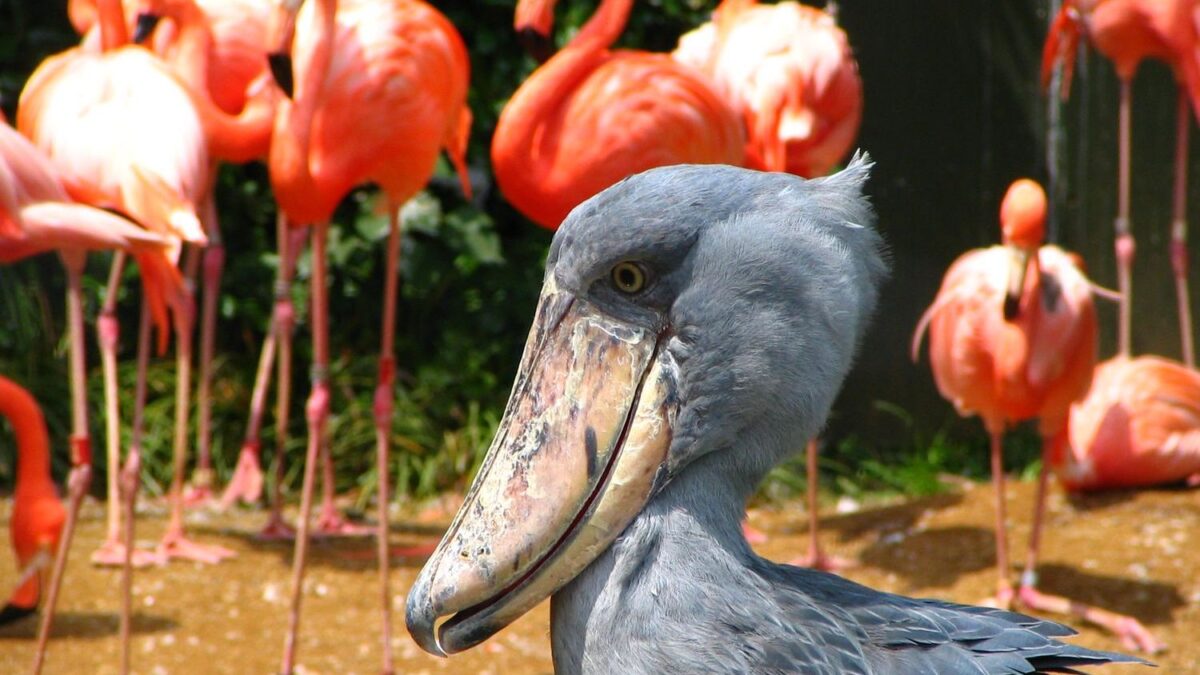
Picture this: a massive bird with a stare that could freeze you in place, lurking in misty African swamps like something from a Jurassic film. Its oversized, clog-shaped beak alone screams ancient origins. You might think it’s harmless at first glance, but there’s way more to this feathered giant.
These creatures hide secrets that make them one of nature’s true oddities. Ready to uncover what sets the shoebill apart? Let’s dive right in.[1][2]
1. A Living Dinosaur Relic
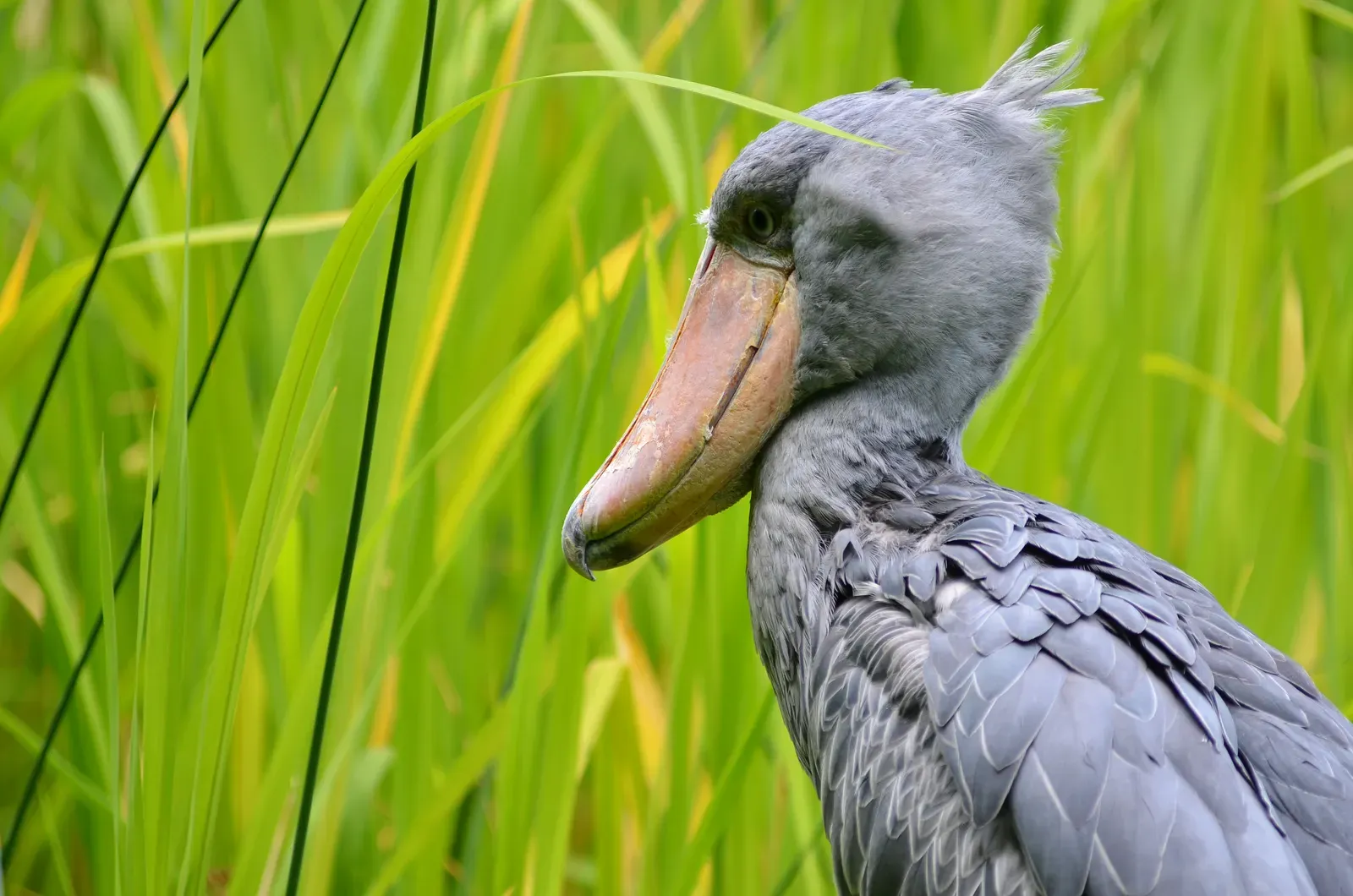
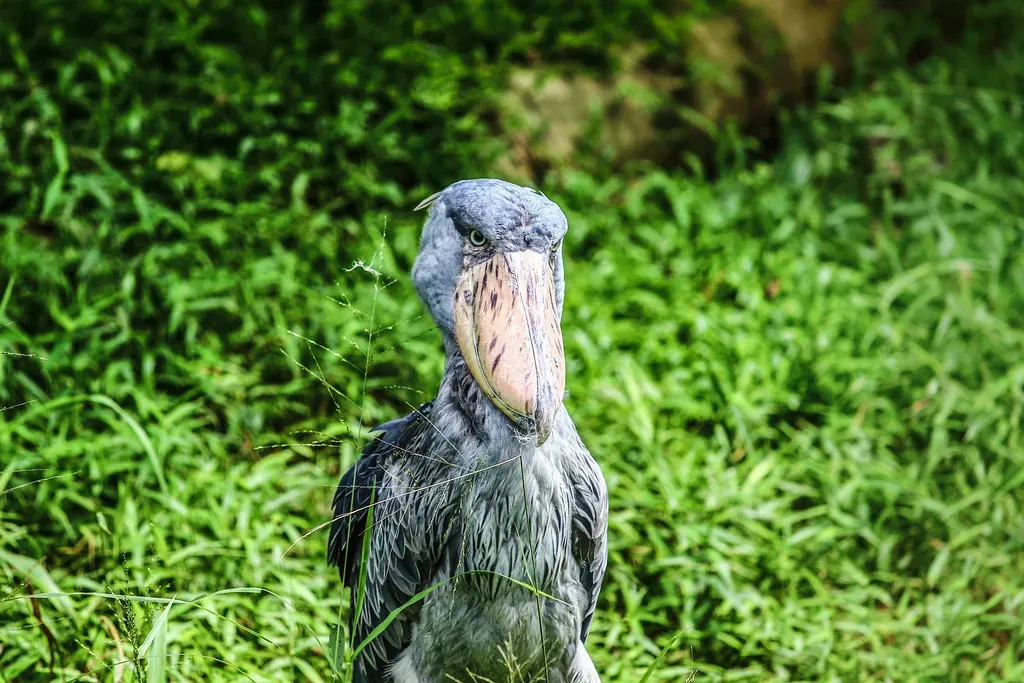
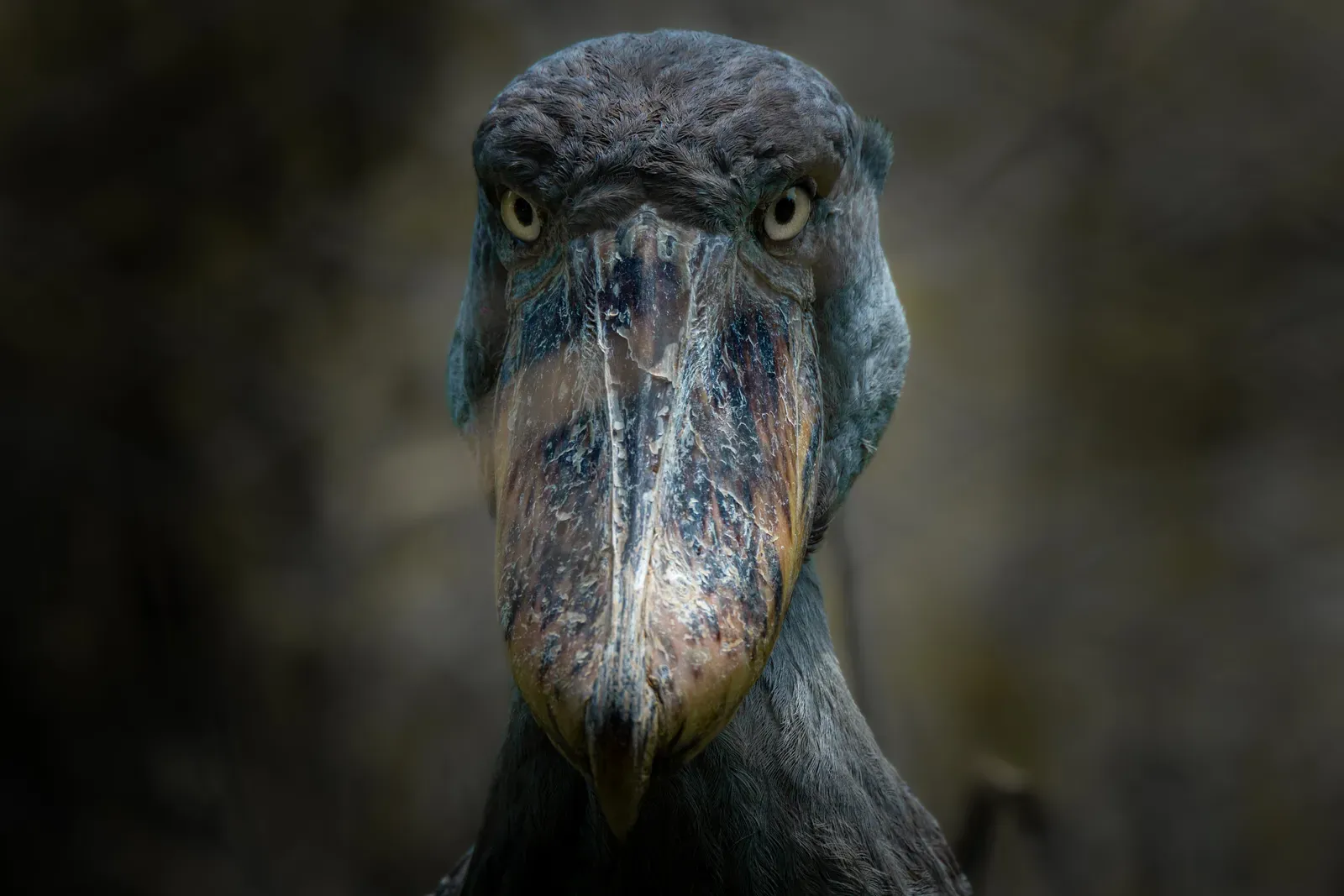
Shoebills boast a prehistoric vibe that turns heads instantly. Gray feathers cover their bulky frames, paired with piercing yellow eyes and that unmistakable massive bill. Chicks even sport a bluish tint, adding to the otherworldly feel.[2]
From certain angles, they look ready to star in a dinosaur documentary. No wonder ancient Egyptians etched them into walls thousands of years ago. Honestly, spotting one feels like time travel.[2]
2. Taller Than Your Average Person
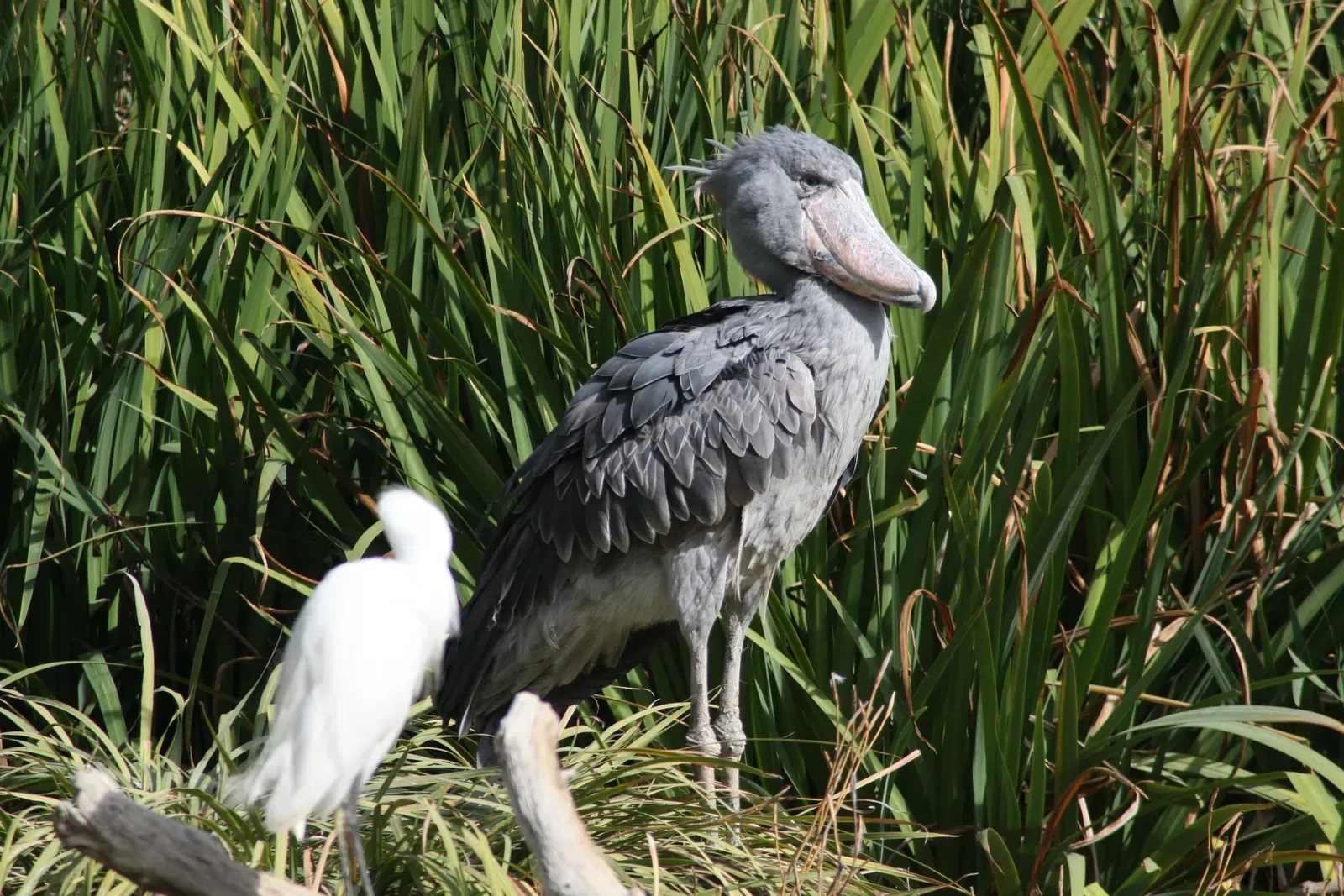
These birds stand up to five feet high, nearly eye-level with many folks. Their wingspan stretches eight feet across, making them giants among avians. Females tip the scales at around eleven pounds, males a bit heavier.[3]
Imagine one looming nearby in the reeds. That sheer size demands respect in swampy territories. It’s no small fry; this bird owns its space.[1]
They even roost in trees sometimes, despite those long legs. Pretty impressive for a swamp dweller.
3. The Bill Built for Battle
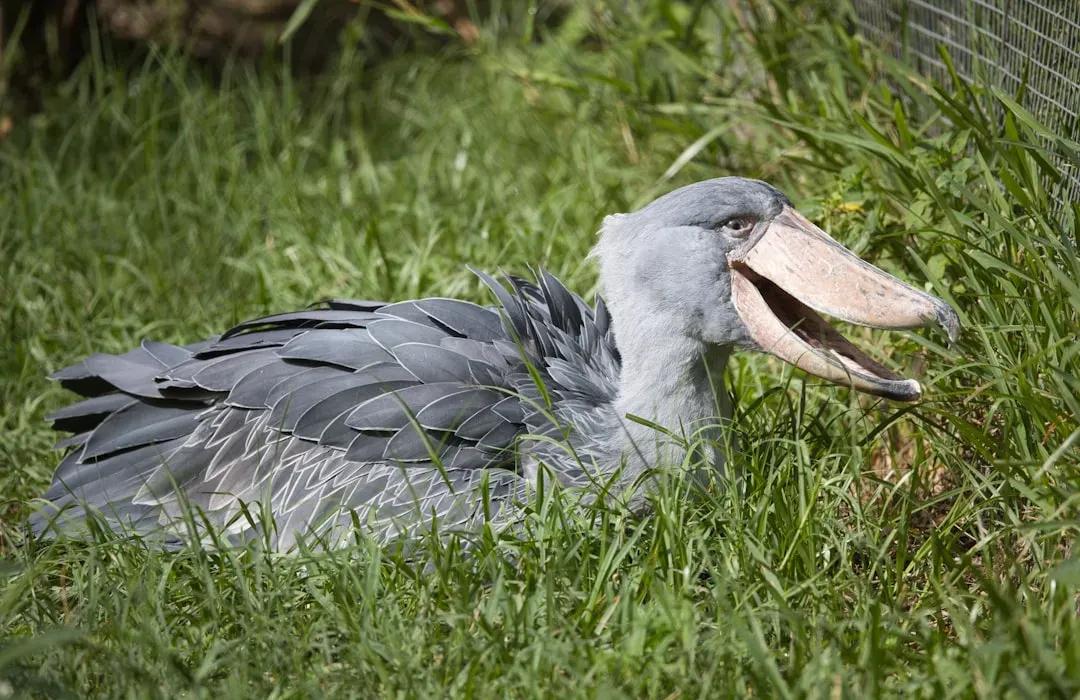
That shoe-shaped beak measures up to a foot long and five inches wide, ranking third longest among birds. Sharp edges slice prey clean, while a hook at the tip grabs hold tight. It doubles as a water carrier for cooling eggs.[4][5]
Pinkish with gray spots, it looks almost comical until you see it decapitate lunch. Here’s the thing: this tool scoops fish amid vegetation effortlessly. Nature’s perfect predator gadget.[2]
4. Flies with Leisurely Flaps

Shoebills flap their wings at just 150 times per minute, slowest rate for flying birds their size. They prefer soaring short distances over long hauls. Those broad wings help them launch nearly straight up from marshy spots.[2][4]
Most time stays grounded, patiently waiting. Flying seems like an afterthought for these heavyweights. Still, they manage when needed.
5. Masters of the Motionless Stare
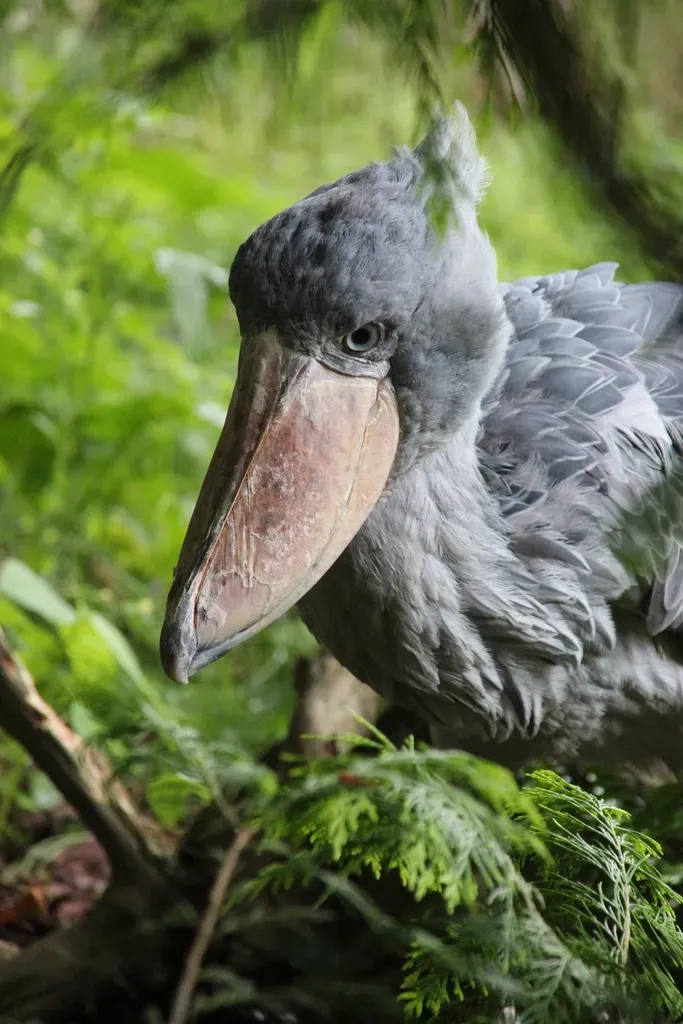
They freeze like statues for hours, barely blinking those intense eyes. Golden or greenish hues lock onto prey below the surface. This ambush style thrives in murky, low-oxygen waters where fish gasp for air.[1][2]
Sudden lunges follow, bill-first collapses that engulf targets. Wings spread for balance during the strike. I know it sounds crazy, but their patience pays off big time.[3]
6. Feasts on Ferocious Fares
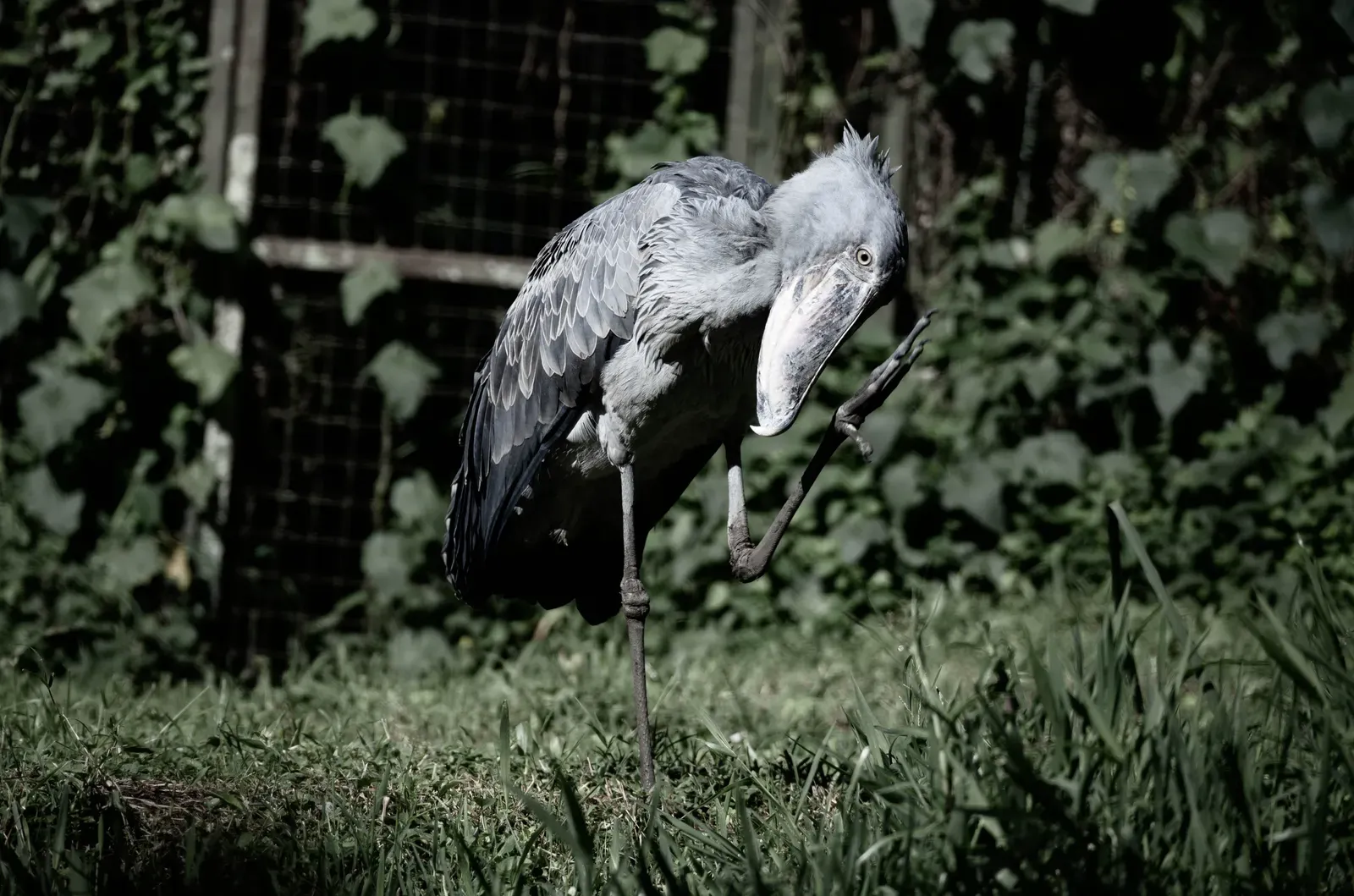
Lungfish top the menu, some stretching six feet long. They snag eels, catfish, snakes, even baby crocs and lizards. Hippos unwittingly help by stirring up fish in the shallows.[1][2]
Prey gets decapitated or gulped whole after meticulous handling. No wonder they tackle items bigger than other waders. Let’s be real, this diet screams apex hunter.[3]
7. Endures for Decades
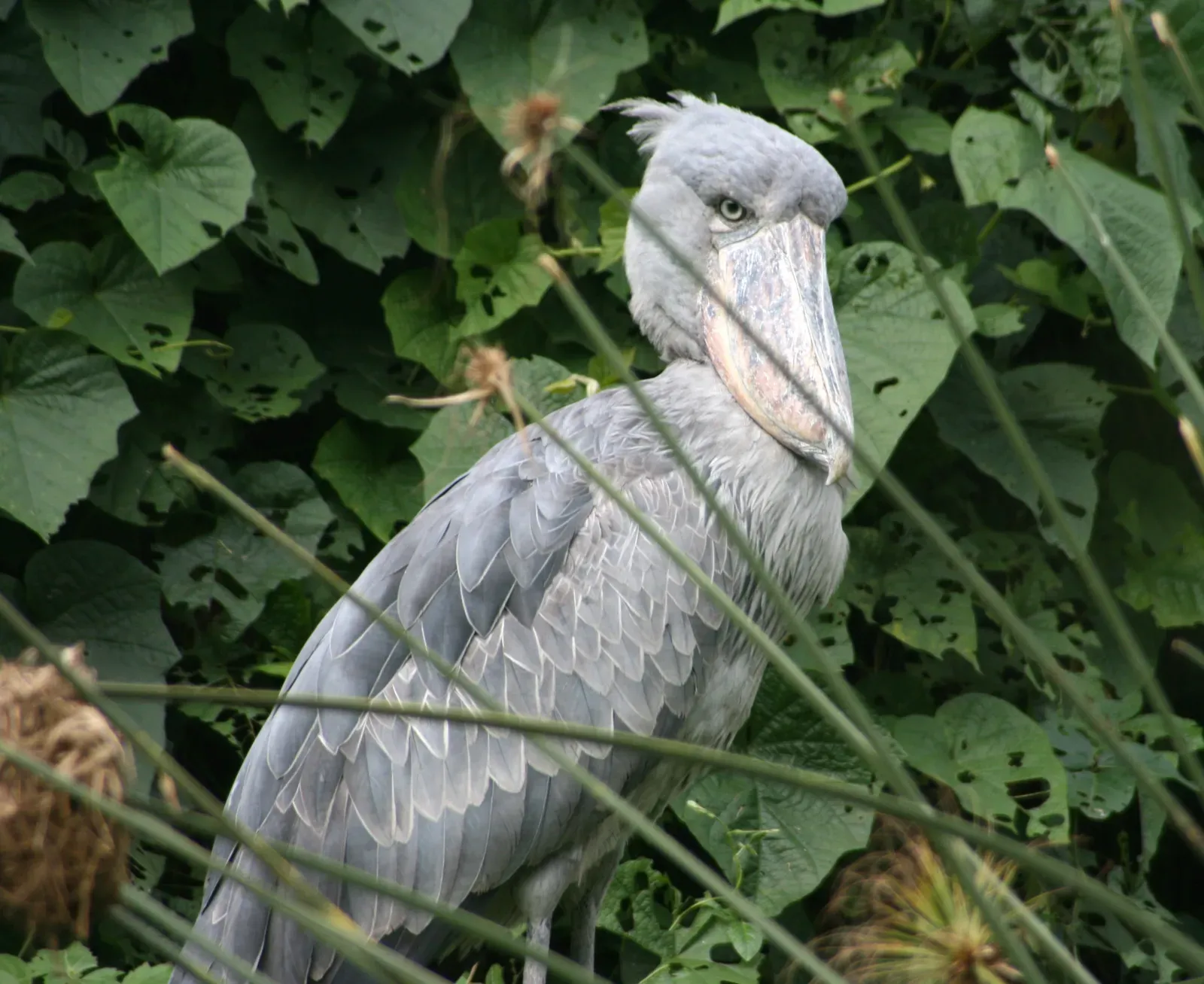
Wild shoebills often surpass 25 years, captives reach 35 or more. That’s exceptional longevity for such a massive bird. They mature around three to four years old.[5]
Solitary lives in harsh swamps demand resilience. Parents fiercely guard nests, ensuring survival odds. Quite the testament to their toughness.
8. Family Ties to Pelicans, Not Storks
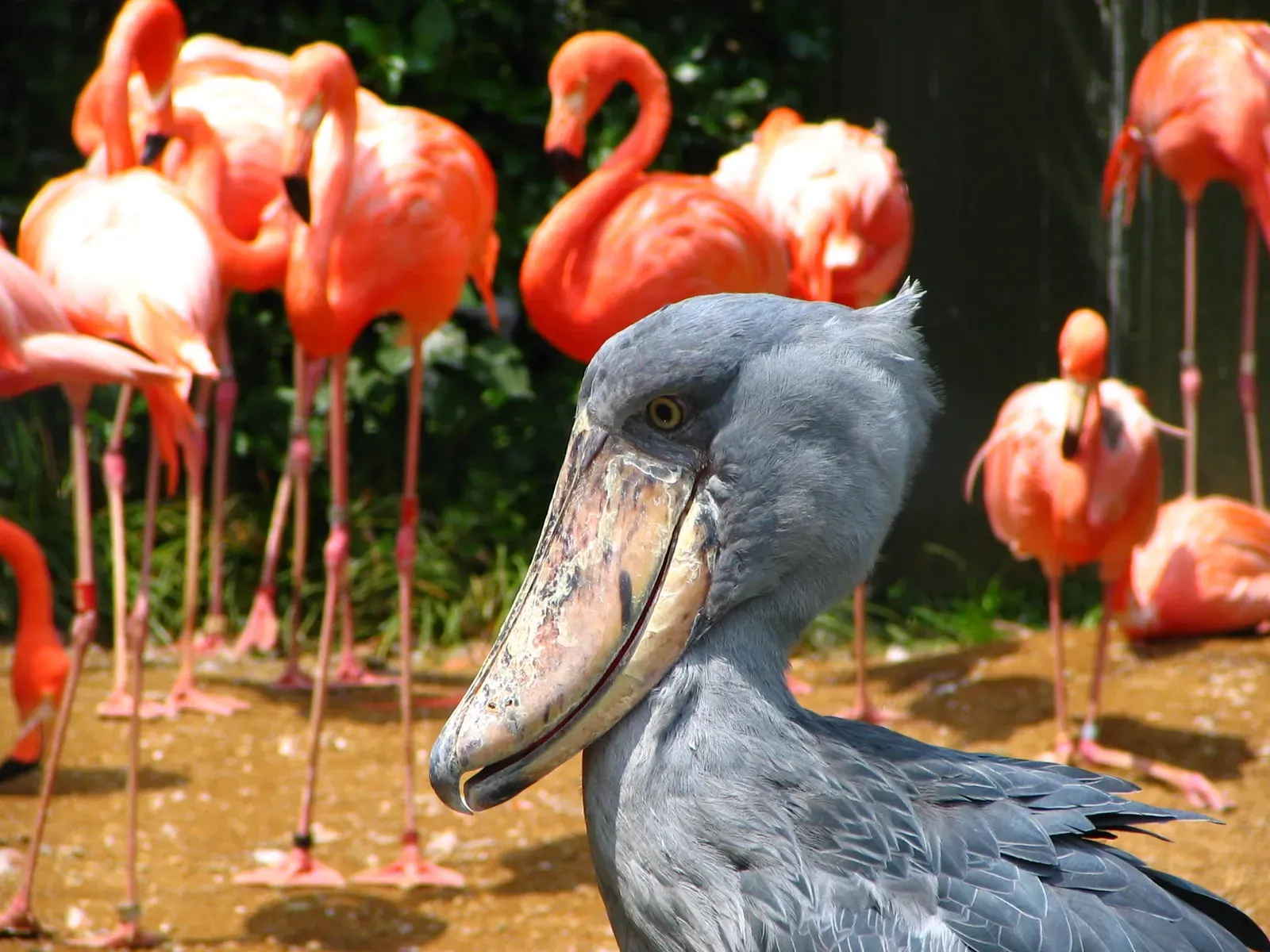
Despite stork looks, DNA links shoebills closer to pelicans and herons. They form their own family, Balaenicipitidae. Powder-down feathers and flight posture seal the relation.[1][4]
That whalehead king name nods to bill resemblance. Taxonomy debates highlight their uniqueness. Evolution’s quirky branch indeed.
9. Sounds Straight Out of a Horror Flick
Bill-clattering echoes like machine-gun fire during greetings or mating. High whines, moo-like calls, even chick hiccups join the chorus. Males and females produce distinct tones.[2][5]
Mostly silent hunters otherwise. This racket defends turf fiercely. Chills run down my spine just thinking about hearing it in the wild.
Final Thoughts on This Swamp Sovereign
The shoebill stands as a vulnerable marvel, with populations dwindling from habitat loss. Yet its raw power and eerie presence endure. These facts barely scratch the surface of its allure.
What astonishes you most about this prehistoric powerhouse? Drop your thoughts in the comments.[3]
