


Imagine walking into your vet’s office and seeing that subtle wince when you mention your beloved dog’s breed. While your veterinarian would never tell you this directly, there are certain breeds that consistently show up with the same preventable health problems, expensive treatments, and shortened lifespans. These aren’t random genetic accidents – they’re the predictable result of decades of breeding for appearance over health. Here’s the truth about seventeen breeds that make veterinarians quietly concerned every time they see them on their appointment books.
#17 Cavalier King Charles Spaniel
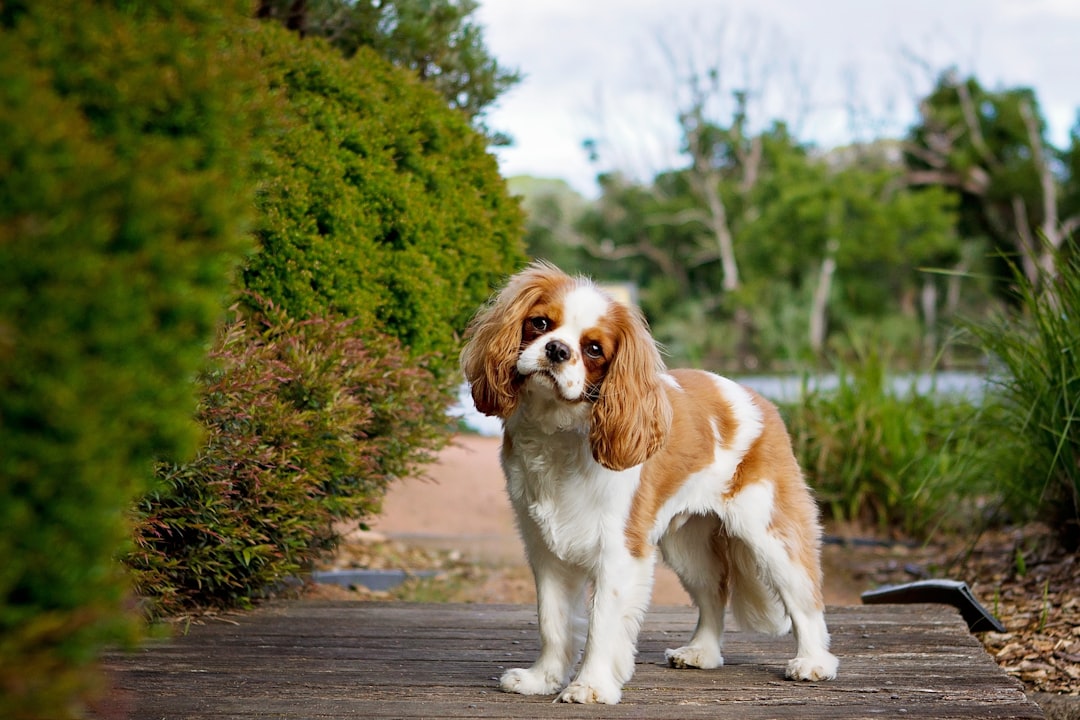
These sweet-faced dogs are beloved for their gentle temperament, but they come with a devastating reality. According to veterinarians, despite being “the loveliest dogs,” they suffer from loads of health issues. The breed faces serious neurological problems including curly coat syndrome and episodic falling, which can make simple activities like walking a nightmare.
Perhaps most heartbreaking is their predisposition to mitral valve disease, affecting nearly every dog in the breed by age ten. The structure of their bodies means that these breeds often suffer from health problems like breathing issues, skin fold infections, eye issues, back and joint issues, mobility issues and heatstroke. Many owners find themselves facing thousands in veterinary bills before their dog reaches middle age.
#16 Great Dane
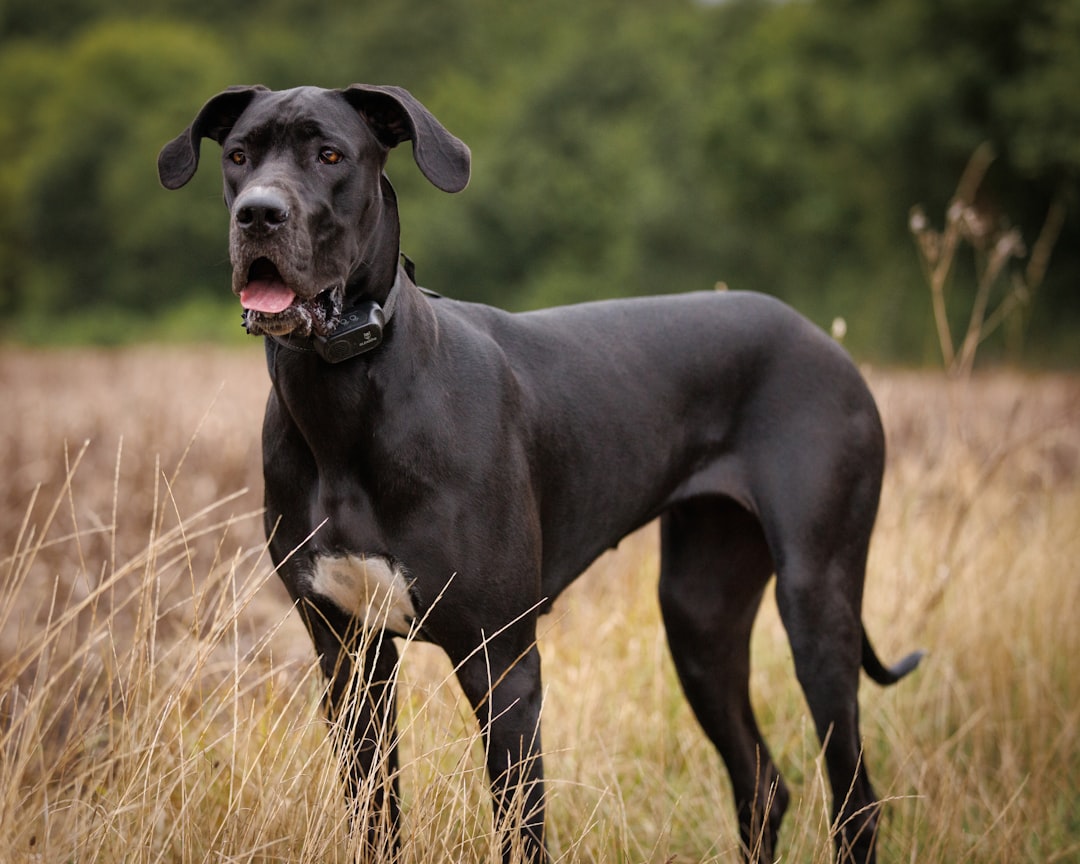
Known for its graceful appearance, large size and hunting skills, Great Danes make well-mannered family companions but are also among those breeds with higher rates of cancer. With an average lifespan of 7 to 10 years, Great Danes may suffer from health conditions, including osteosarcoma, cardiomyopathy and gastric torsion.
Great Danes are prone to hip dysplasia, a genetic condition that causes the hip’s ball and socket to run and grind. Fortunately, three different types of surgeries are available to treat this condition should it worsen. However, the cost of these surgeries can easily reach five figures, and there’s no guarantee of success. The breed’s massive size puts constant strain on their joints and organs, leading to a tragically short lifespan that leaves families devastated.
#15 Saint Bernard
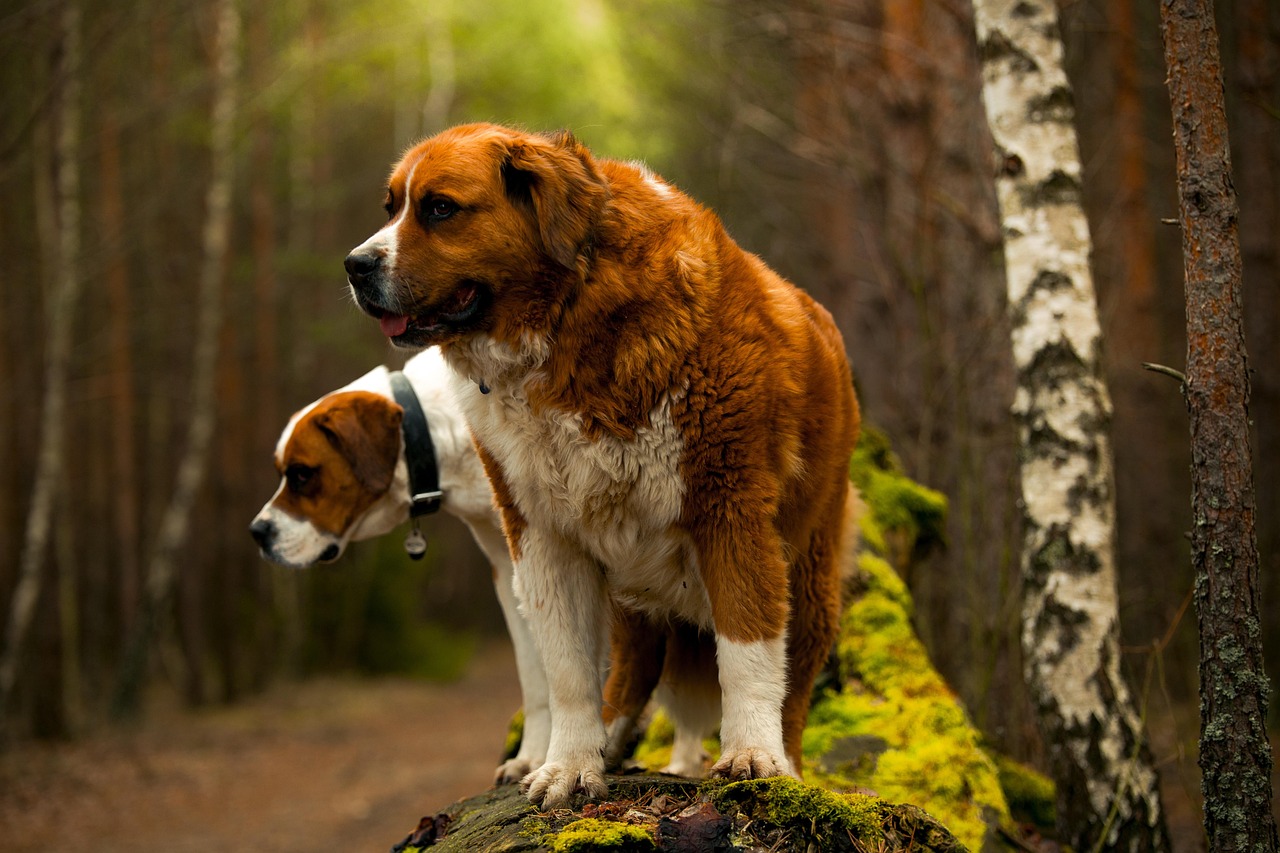
Saint Bernard dogs have a shorter average lifespan than other dog breeds of similar size, less than 10 years. Abnormal heart muscles, known as cardiomyopathy, can be fatal for this breed. They may develop hip and elbow dysplasia as they age and are at a higher risk for bone cancer.
These gentle giants were bred to rescue people in the Swiss Alps, but now they need rescuing themselves from their own genetics. Their massive heads and bodies create breathing difficulties similar to brachycephalic breeds, despite their longer snouts. The combination of joint problems, heart disease, and cancer creates a perfect storm of health issues that can financially and emotionally devastate families who fall in love with these sweet-natured dogs.
#14 Dachshund

Dachshunds are highly loveable. Sadly, they are susceptible to spinal problems, affecting their quality of life. Keep them at a healthy weight to reduce strain on their back and avoid excessive jumping or running. Their elongated spine and short legs create the perfect recipe for intervertebral disc disease, which can lead to paralysis.
Some common health problems in Dachshunds include: Intervertebral Disc Disease (IVDD): Due to their long spines and the unnatural proportions created by selective breeding. Many Dachshund owners find themselves facing emergency surgery costs of thousands of dollars when their dog suddenly can’t walk. Even worse, the success rate of these surgeries isn’t guaranteed, leaving many beloved pets permanently disabled.
#13 Yorkshire Terrier
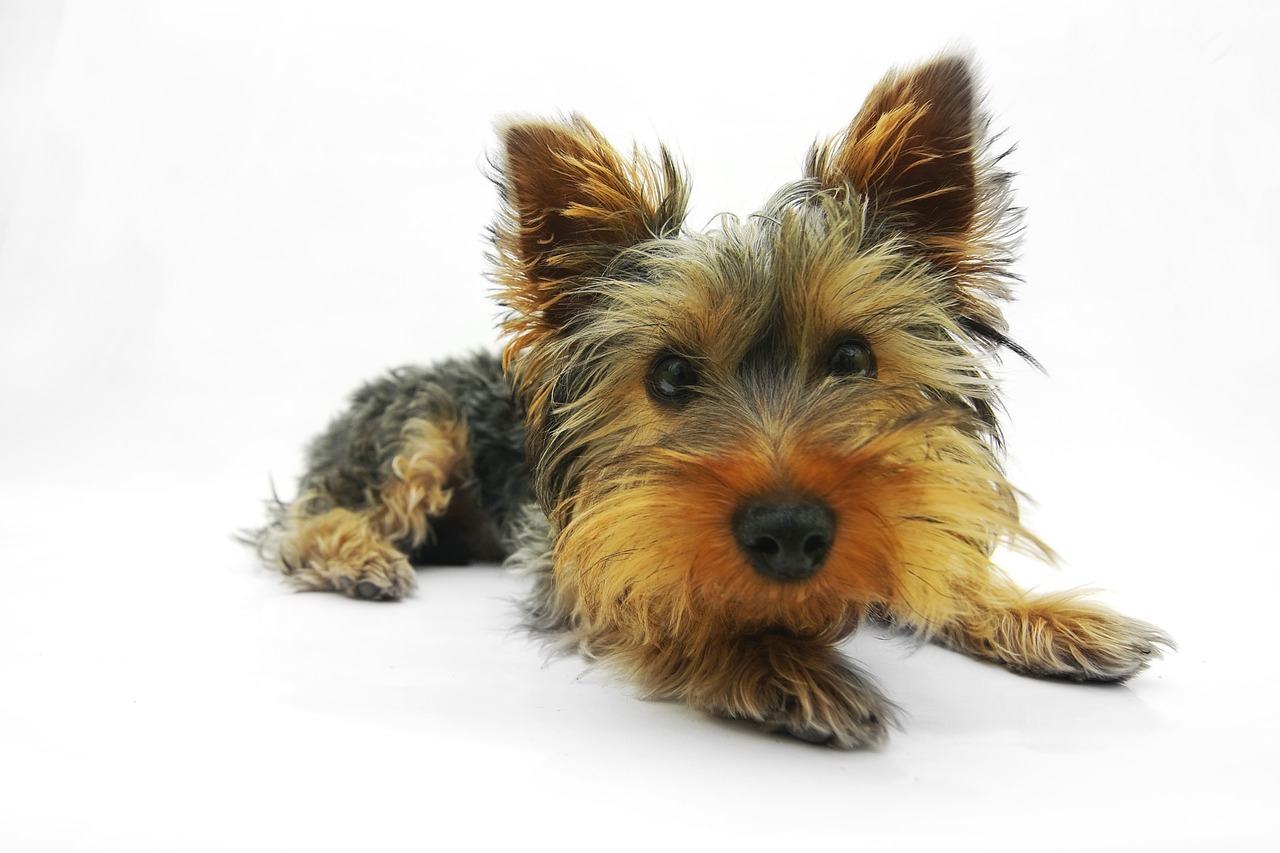
Portosystemic shunt (PSS) is a blood vessel birth defect that’s common in small breeds like the Yorkie. The portal vein carries toxins from the intestines to the liver, which cleans the blood. With PSS, the vein bypasses the liver, and toxins aren’t removed. PSS may cause poor growth, vomiting, confusion, and seizures. Most of the time, PSS can be corrected with surgery, and the dog will go on to live a normal, healthy life.
Yorkshire Terriers also suffer from luxating patella, where the kneecap dislocates frequently, causing pain and mobility issues. Their tiny size makes them vulnerable to trauma from seemingly harmless activities like jumping off furniture. The combination of liver shunts, joint problems, and dental issues creates ongoing veterinary expenses that can quickly add up to tens of thousands over the dog’s lifetime.
#12 Cocker Spaniel
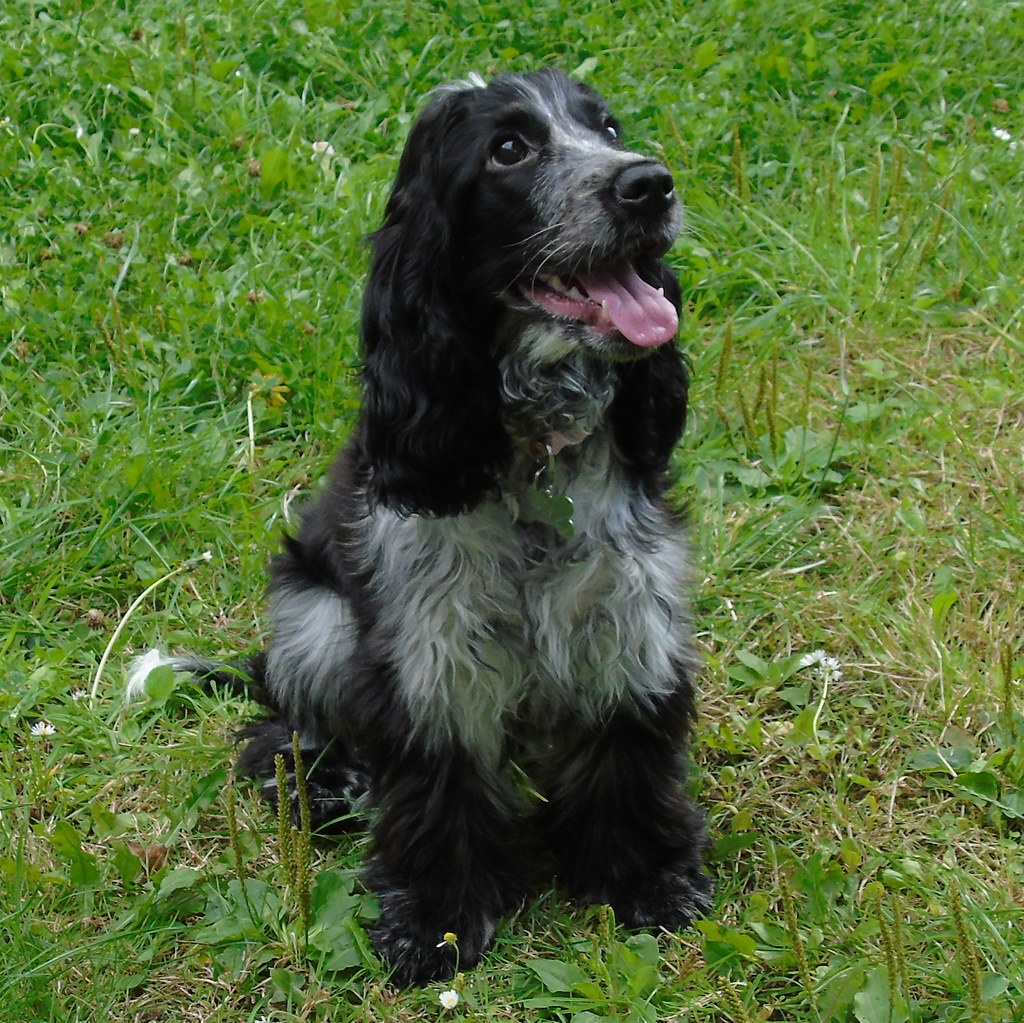
Dogs like cocker spaniels with floppy, furry ears are prone to frequent ear infections. The best way to prevent ear infections is to clean your dog’s ears every couple of weeks and occasionally flip their ears back to let them “breathe.” Also carefully trim any hair growing on the underside of the ears with clippers to help keep the ear canals dry. Minimizing the frequency of ear infections may also prevent major problems down the road.
Cocker Spaniels can have bone diseases, heart issues like cardiomyopathy, and vision problems including progressive retinal atrophy (PRA), cataracts, and glaucoma. These dogs often require frequent grooming and ear cleaning that many owners aren’t prepared for, leading to chronic infections that can result in costly surgical procedures and even deafness.
#11 Shih Tzu
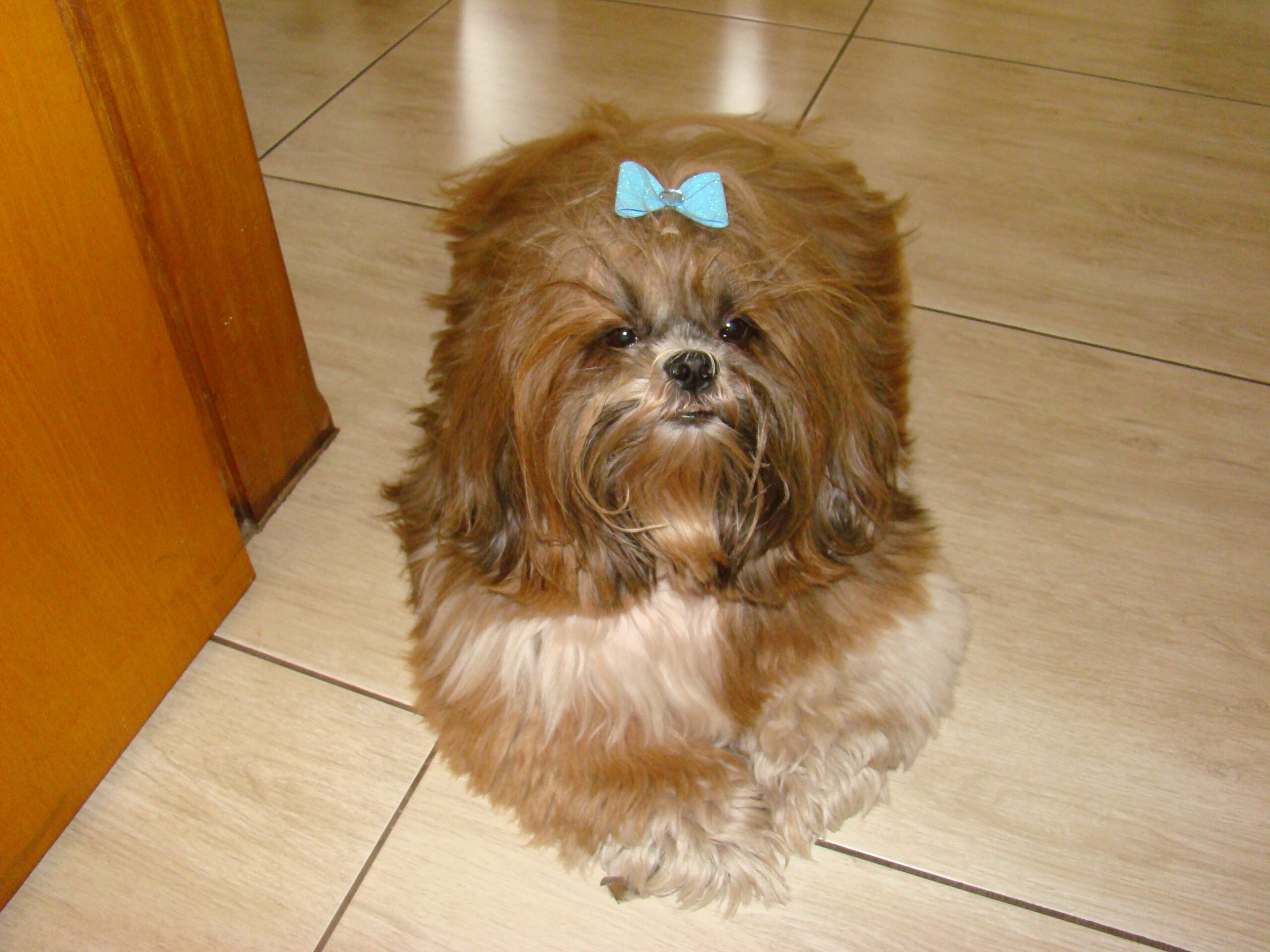
Shih Tzu is likely to develop patellar luxation. It is a condition that causes the dog’s kneecap to move out of place. This breed has the highest risk of developing health problems. They can develop eye, heart, and ear issues. Their flat faces also contribute to breathing problems similar to other brachycephalic breeds.
The breed’s long, flowing coat requires daily maintenance to prevent painful matting, and their prominent eyes are vulnerable to injuries and dry eye syndrome. Wobbly kneecaps, or patellar luxation, are extremely common in toy breeds like shih tzus. In patellar luxation, the kneecap occasionally pops out of place, causing the dog to hobble, skip a step, or limp. Many owners are unprepared for the extensive grooming and medical needs these dogs require.
#10 Golden Retriever
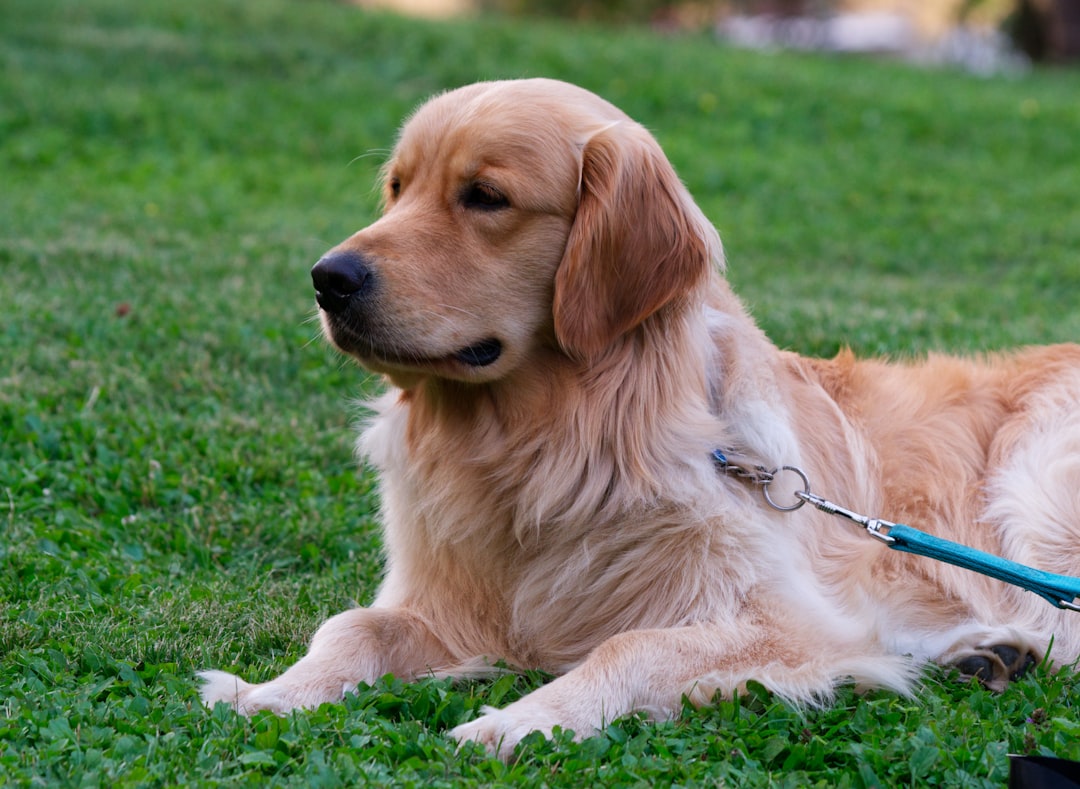
Golden Retrievers are incredibly likely to develop cancer. They are also more likely to develop hip and elbow dysplasia. Despite their reputation as the perfect family dog, Golden Retrievers have one of the highest cancer rates among all dog breeds, with studies showing devastating statistics.
Golden retrievers are adorable, energetic and friendly dogs that are beloved as family pets; however, they are at a higher risk of developing cancer. Lymphoma and hemangiosarcoma (cancer of the blood vessels) are aggressive forms of cancer that are often identified in this breed. In recent studies, researchers have identified two genes that are related to the development of cancer in golden retrievers, which could potentially lead to a method of detecting the genes before cancer has an opportunity to develop. Many families purchase these dogs expecting 12-15 years together, only to face aggressive cancers that strike in the prime of the dog’s life.
#9 Labrador Retriever
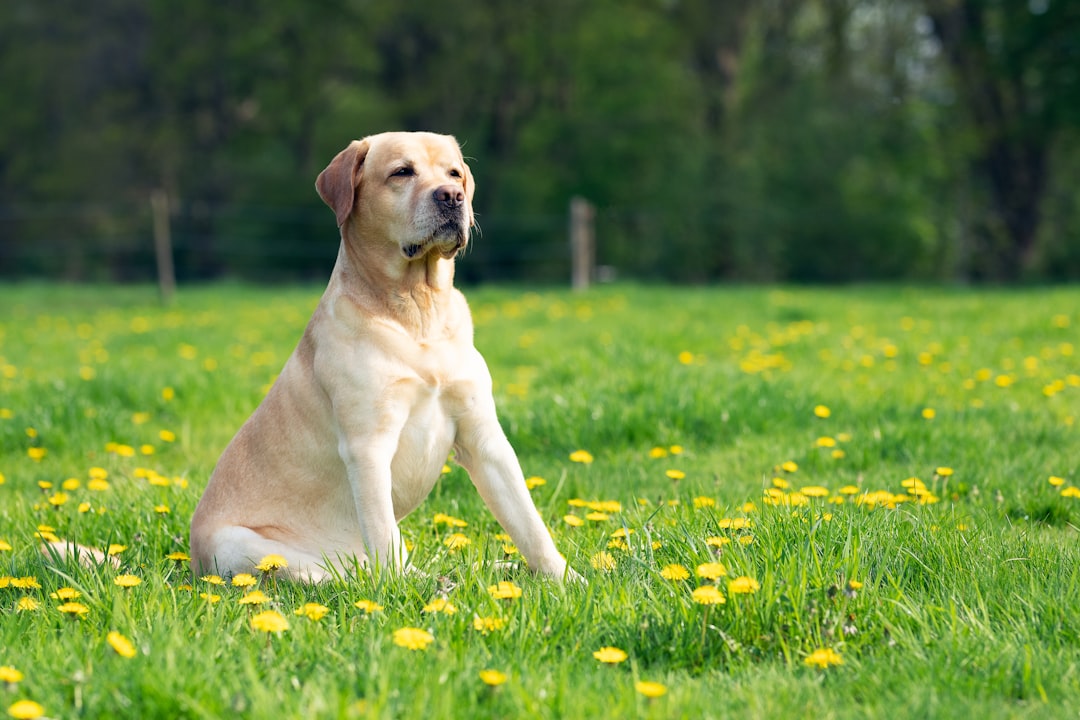
Any dog can become overweight, but labs are especially prone to it. And just like with people, obesity is linked to health problems in dogs. Labs need vigorous daily exercise. If your lab is constantly begging for more food, try giving them raw carrots, green beans, or apples to snack on. Since prevention is easier than weight loss, it’s best to consult with your vet on a diet plan that’s right for your pet.
Labrador Retrievers are prone to bone disorders and dysplasia. Their food-motivated nature makes obesity a constant battle, which compounds their existing joint problems. Many Lab owners underestimate the exercise requirements and end up with overweight dogs suffering from arthritis, torn ACLs, and other expensive orthopedic problems that require costly surgeries and lifelong management.
#8 German Shepherd
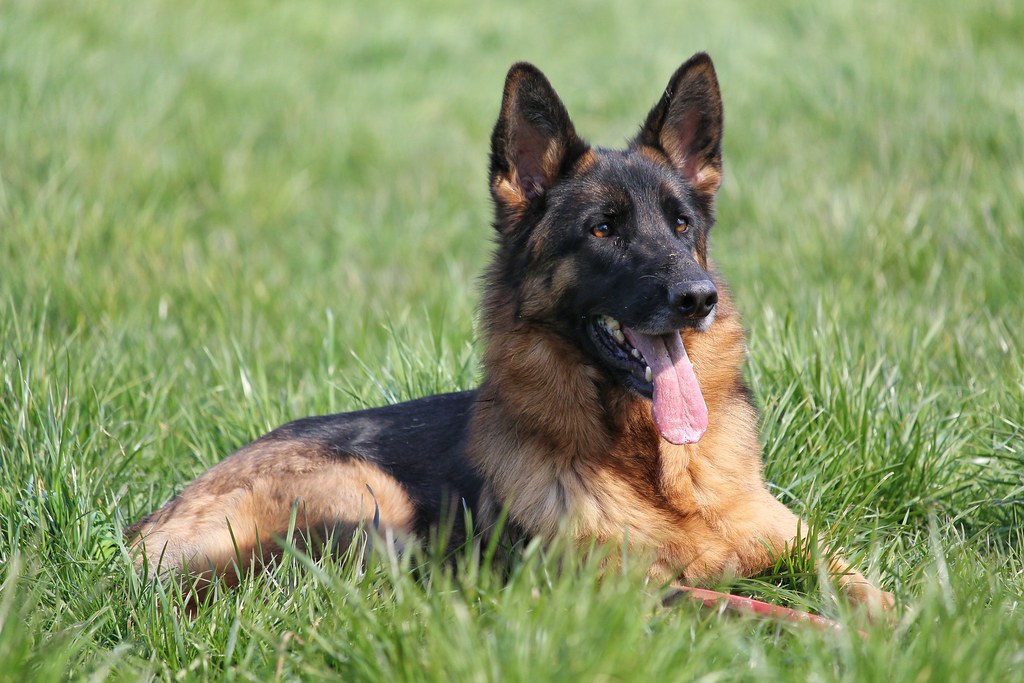
German Shepherds are a popular and intelligent breed prone to specific health issues. Here are some common health problems and ways pet owners can prevent or minimize their occurrence: Hip Dysplasia: This genetic condition occurs when the hip joint doesn’t develop properly, leading to arthritis and pain. This breed also suffers from a condition called degenerative myelopathy, essentially ALS for dogs.
German shepherds have long been a great favorite among dog fans and trainers. Unfortunately, this clever and loyal breed of dog is at high risk of developing cancer, especially hemangiosarcoma (cancer of the blood vessels). The combination of joint problems, neurological disease, and cancer creates a trifecta of health issues that can leave owners facing difficult decisions and enormous veterinary bills throughout their dog’s shortened life.
#7 Rottweiler

A large, powerful dog known for its strength and skills as a guardian, Rottweilers are descendants from Roman military dogs and were developed in Germany. They are among the breeds of dog with high cancer rates. With a lifespan between 8 and 11 years, Rottweilers are prone to major health problems, including canine hip dysplasia, osteosarcoma (or bone cancer), elbow dysplasia and gastric torsion.
Rottweilers are known for their strength and guardian skills. Sadly, when it comes to cancer they have a higher than average risk of developing a number of different cancers including soft tissue sarcomas, osteosarcoma (bone cancer), lymphoma, mast cell tumors, transitional cell carcinomas (bladder cancer), and hemangiosarcomas (cancer of the blood vessels). The breed’s genetic predisposition to multiple types of cancer makes them a heartbreaking choice for families.
#6 Chow Chow
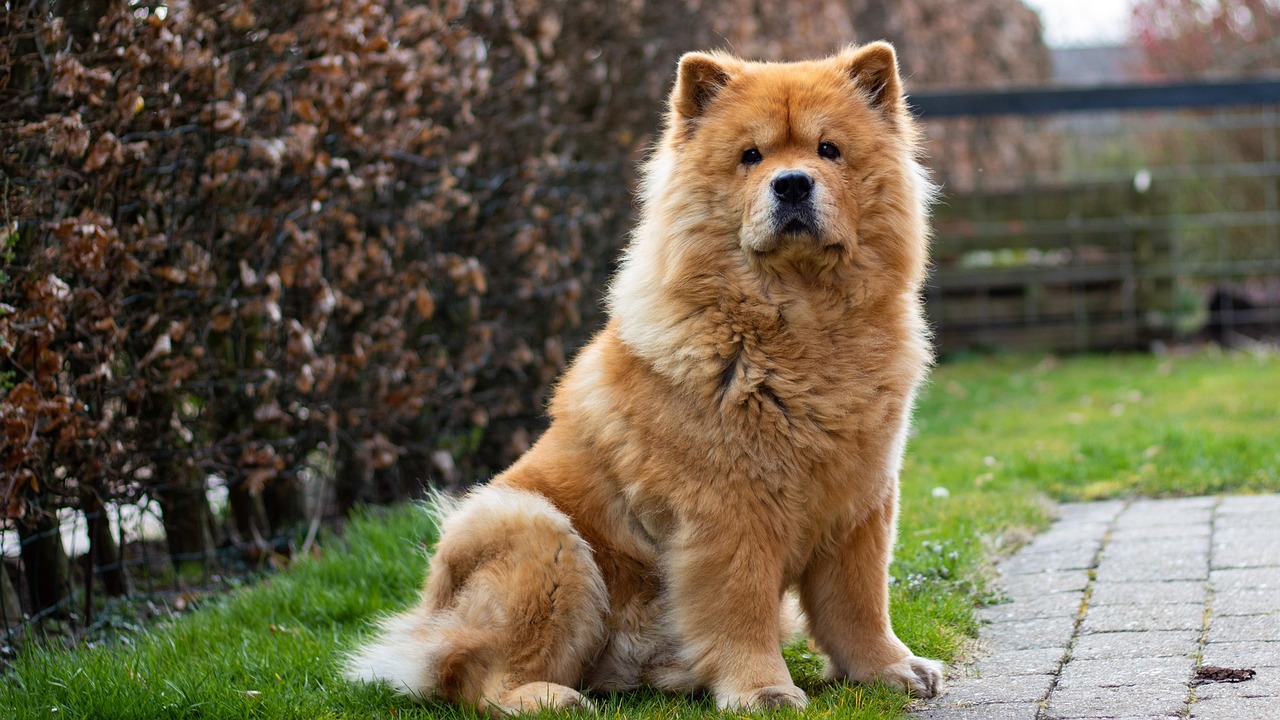
Simpson-Vernon says the Chow Chow is not a good choice for reasons beyond bad health. “I’m sure there are some nice ones, but I just find they often don’t have a very nice temperament,” he says. “They can be really aloof, and they’re often very aggressive at the vets. It’s quite hard to fit a muzzle onto their face. They suffer quite commonly with a ton of eye problems.” Chow dogs are known for developing dry eye and conjunctivitis.
Hip and elbow dysplasia are both likely in Chow Chows, each of which can cause limited mobility. Chow Chows may also have respiratory disorders. If their throat is not wide enough, they may snore when they sleep or cough when awake. Their aggressive temperament makes veterinary care challenging and dangerous, often requiring sedation for routine examinations, adding to their overall cost of care.
#5 Bernese Mountain Dog
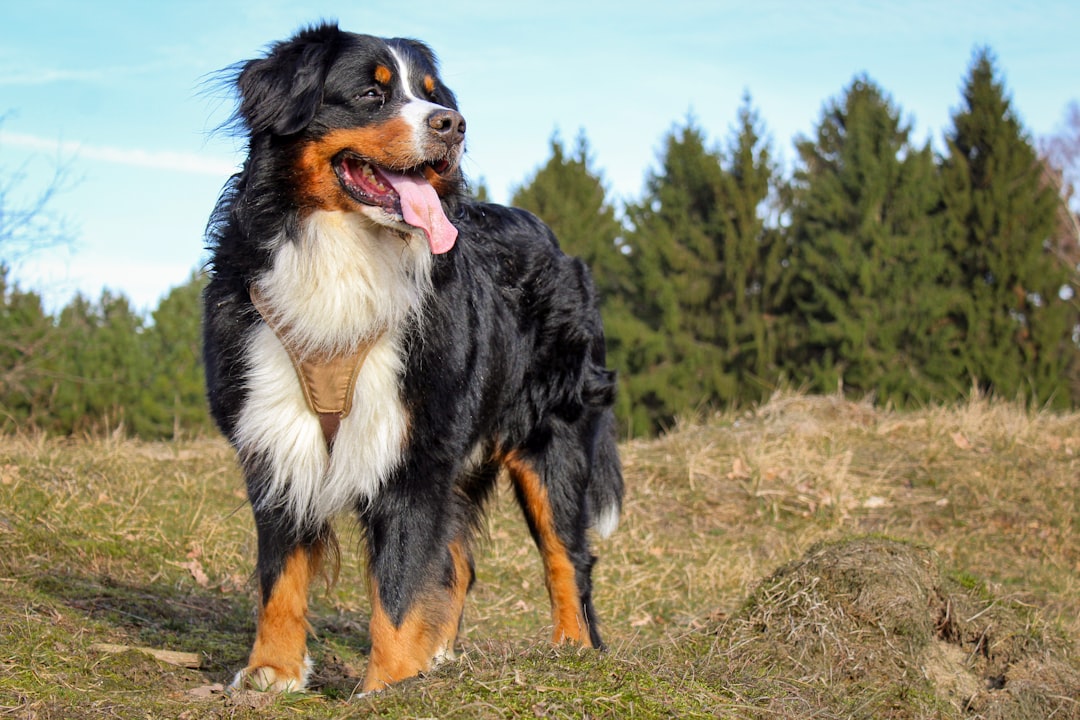
Bernese Mountain Dogs – Also a breed with one of the shortest average lifespans, Bernese Mountain Dogs are prone to several forms of cancer. Studies have reported that half of this breed will succumb to cancer. This statistic is absolutely devastating for families who choose this breed expecting a long-lived companion.
Bernese mountain dogs are confident dogs with a calm disposition that make them wonderful family companions. Sadly, they have a short lifespan and a higher risk of developing a variety of cancers including mast cell tumors and malignant histiocytosis (histiocytic sarcomas). With roughly half of all Bernese Mountain Dogs dying from cancer, often before age eight, this breed represents one of the most heartbreaking examples of how selective breeding has created genetic disasters.
#4 Boxer
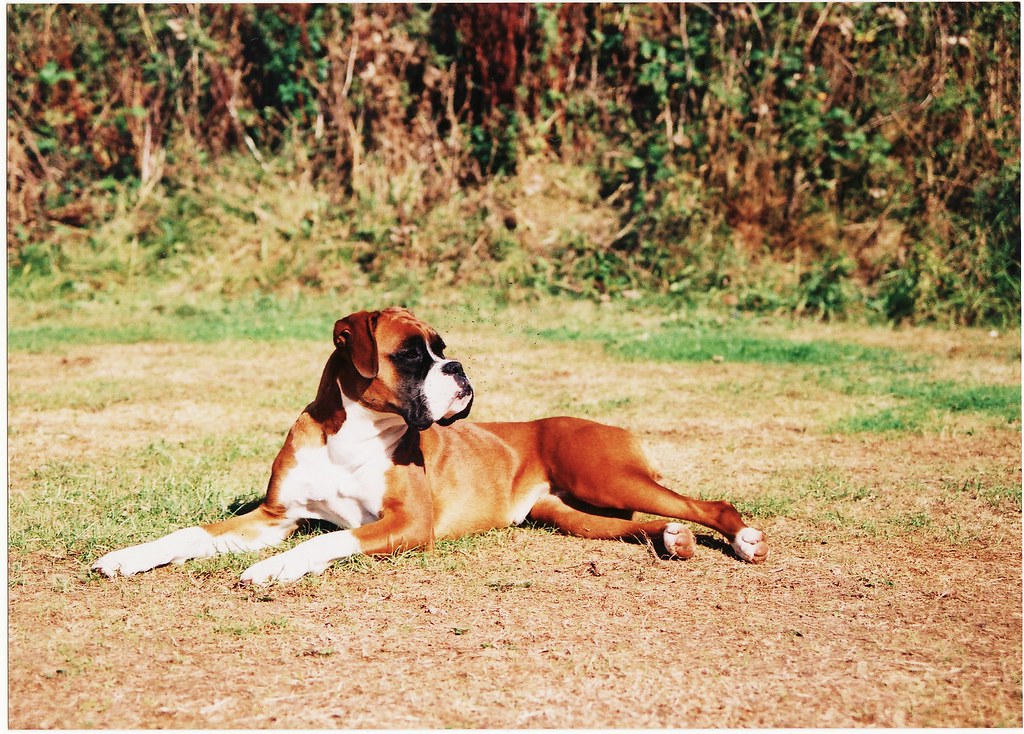
Boxers are prone to cancer, such as brain, skin, and bone cancer. Studies have found that 44% of this breed died from cancer. You may be able to save your dog from this disease if it is diagnosed early. Boxers also suffer from a heart condition called boxer cardiomyopathy, which can cause sudden death.
The dog breed that is most susceptible to cancer is the Boxer. No other breed has a higher rate of mast cell tumors, which are slow-growing and can occur at any age. The combination of cancer predisposition, heart disease, and their brachycephalic features makes Boxers a veterinarian’s nightmare – beloved by families but genetically doomed to suffer.
#3 Pug
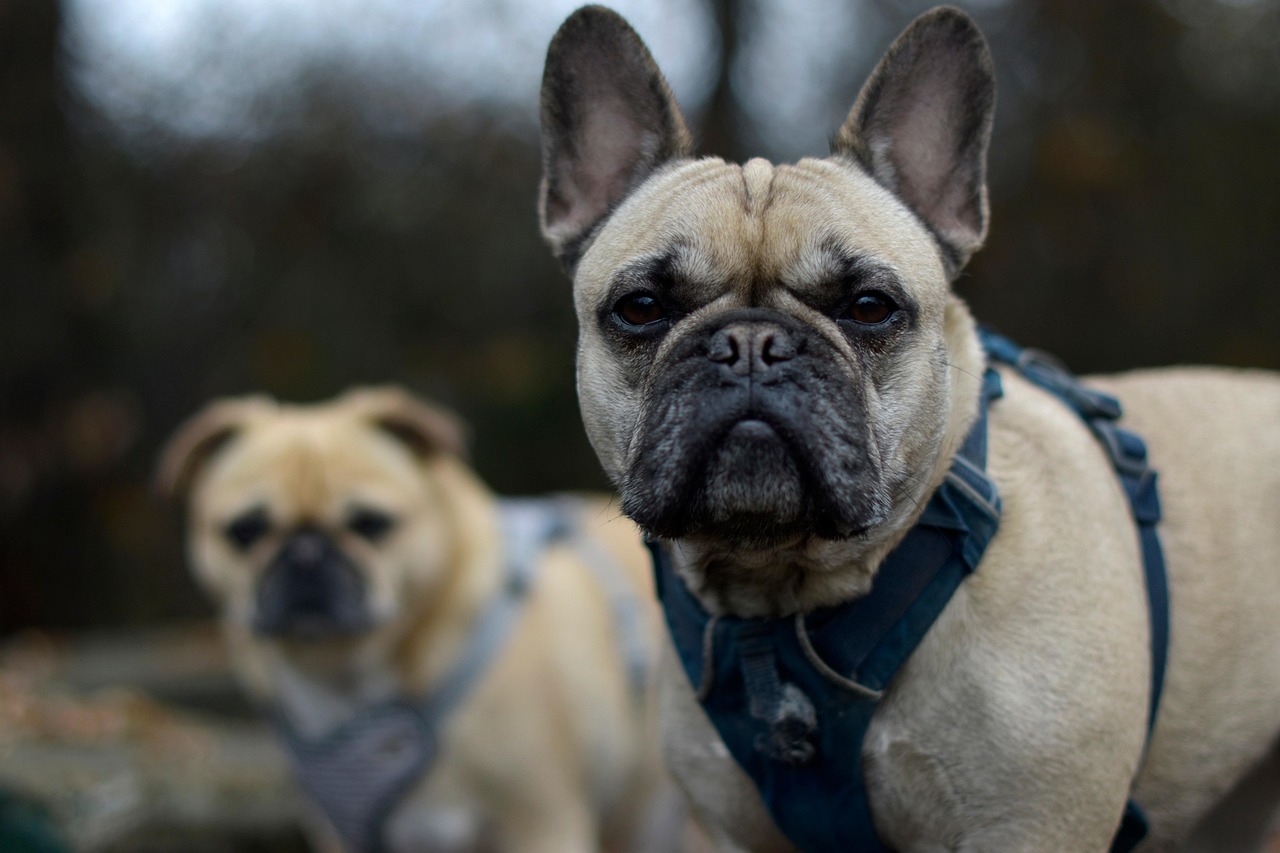
With their squashed faces and bulgy eyes, pugs are at risk for eye problems. The most serious is an eye popping out of its socket. This can happen if a pug gets into an accident or a fight with another dog. If this happens, cover the eye with a damp cloth and rush your dog to the vet. The vet may be able to put the eye back in place, although whether the dog will retain vision in the eye depends on the severity of the damage.
Objective measurements have determined that 50% of pugs and French bulldogs and 45% of bulldogs have clinically significant signs of brachycephalic obstructive airway syndrome (BOAS). In Pugs, eye problems are very common. Bulging eyes are particularly notable, as the eyes can actually “pop” out. This protrusion makes it hard for Pugs to blink and keep their eyes moisturized. This can lead to dryness and infection. Like Bulldogs, Pugs usually require cesarean sections to deliver puppies.
#2 French Bulldog
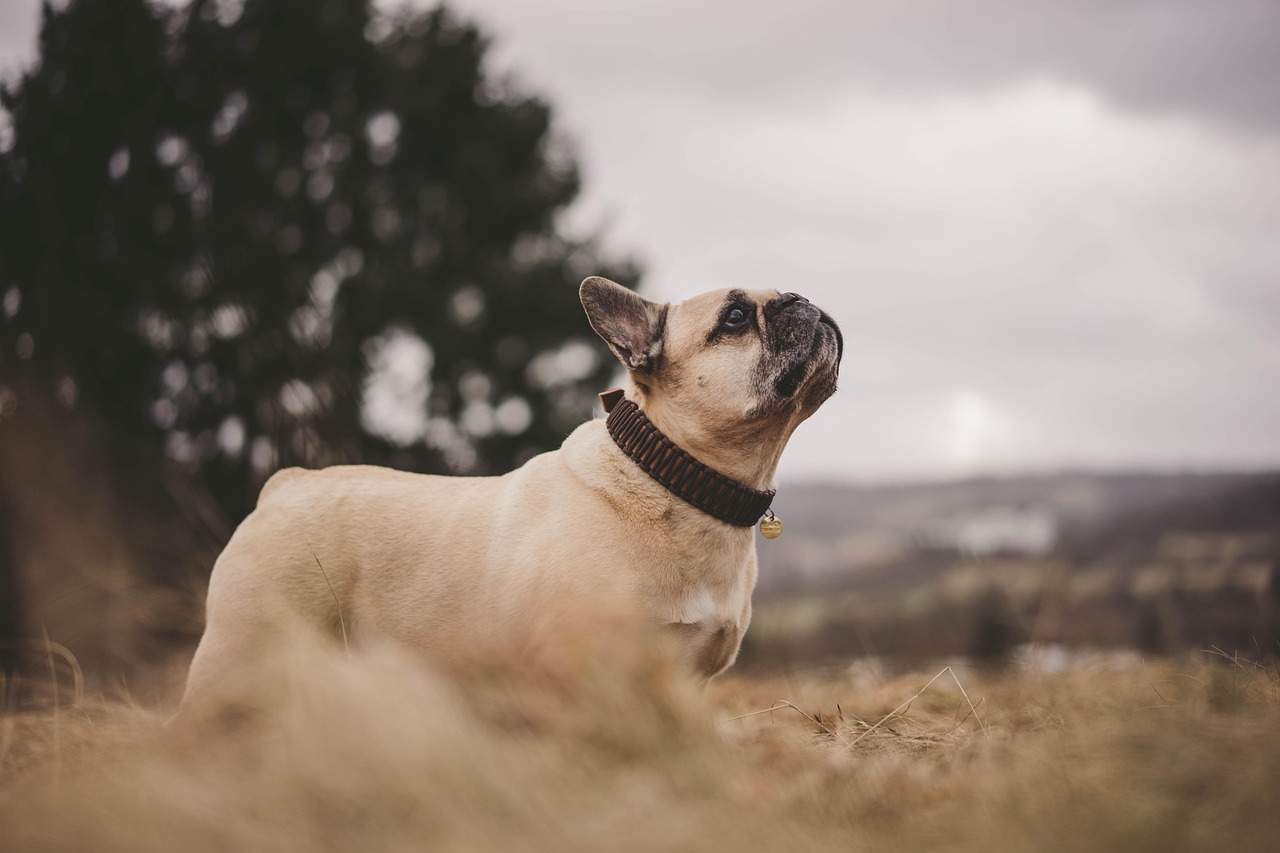
Number one on Simpson-Vernon’s no-go list is any kind of flat-faced breed like the French Bulldog, Bulldog, or a Pug. “Society has normalized the fact that these dogs snorting means that they can’t breathe very well,” he says. “There are specimens of these dogs that are healthier than others, but they are so prone to so many problems. Spinal issues, skin problems, eye problems. The fact that over half of them have to have a cesarean to give birth is enough of an ethical issue for me to never want to have one.
Veterinarian Sean Wensley compares living with their shortened skulls to breathing through a straw – for your entire life. Many owners consider huffing, snorting and other signs of labored breathing as a cute quirk of the breeds, but these dogs are suffering. In some cases, the dogs’ quality of life can be improved through surgeries correcting anatomical abnormalities, but they may cost thousands of dollars. French Bulldogs have become tragically popular despite their severe health problems.
#1 English Bulldog
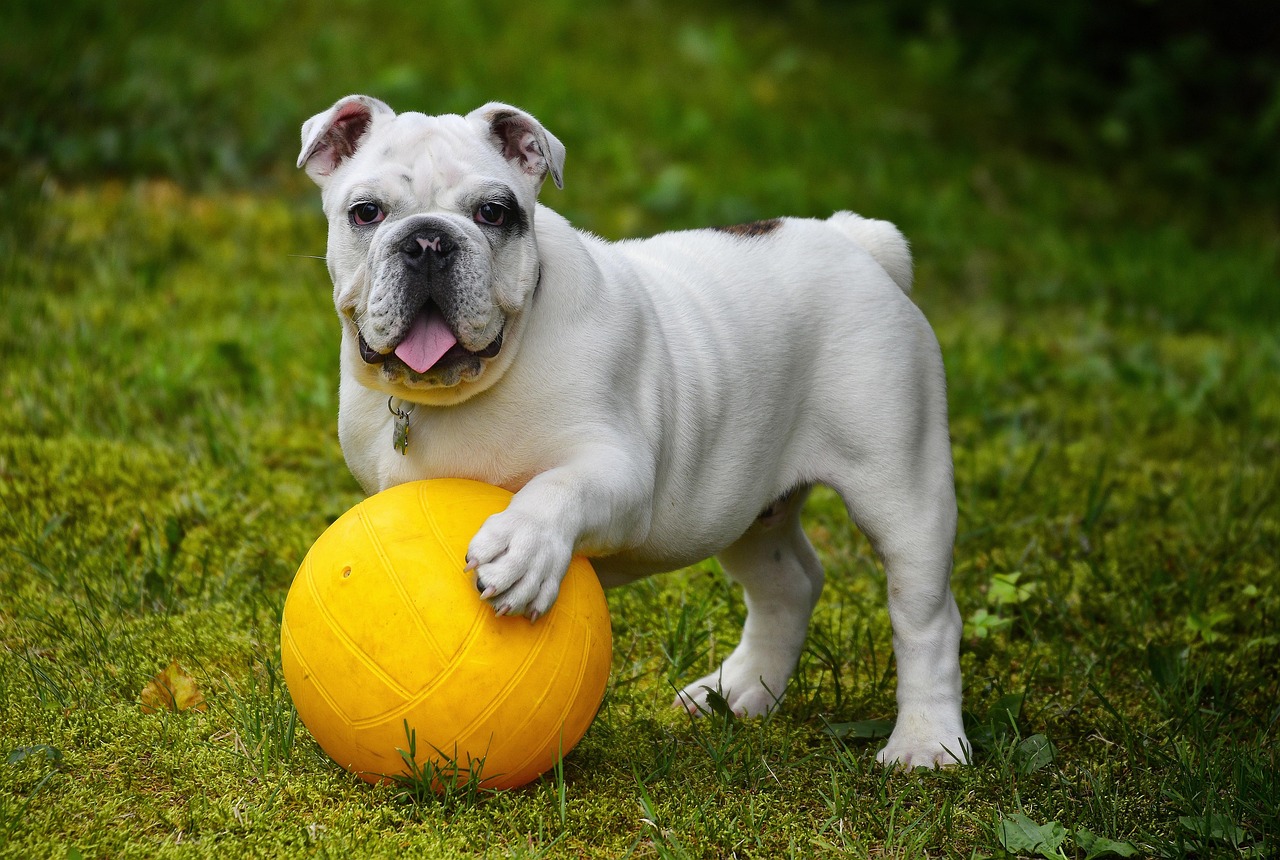
To meet pedigree standards, breeding has resulted in many genetic health problems for Bulldogs. The most common are respiratory due to Bulldogs being selectively bred to display shorter snouts. In some cases, surgery is required to open up the airways and allow the dogs to breathe easier. The body shape of Bulldogs makes natural labor difficult. Most puppies have to be removed with veterinarian assistance via caesarean section.
The lifespan of dogs with extreme brachycephalic conformation is shorter (8.6 years) than all other breeds of dogs (12.7 years). English Bulldogs represent the worst-case scenario of breeding for appearance over health. This syndrome is directly related to the conformation or breed standard for brachycephalic dogs. Dogs with pronounced breathing difficulty or that require surgery to correct airway obstruction should not be used for breeding. Unfortunately, this syndrome has been perpetuated by selecting and breeding dogs for their cosmetic appearance rather than their breathing abilities. They can’t breathe properly, can’t give birth naturally, overheat easily, and live significantly shorter lives filled with medical interventions.
Conclusion
The harsh reality is that many of these breeds exist in their current form because we’ve prioritized appearance over animal welfare. While individual dogs within these breeds can certainly live happy lives with proper care, the systemic health problems are undeniable. So wouldn’t it be great if we placed less focus on what dogs look like, and instead judge them on their behaviour, health and welfare so that ultimately, all dogs are bred with the best chance of living happy healthy lives?
Every veterinarian has seen the heartbreak in owners’ eyes when they realize their beloved companion is suffering from predictable, breed-related health problems. The solution isn’t to shame current owners – these dogs deserve love and the best care possible. Instead, we need to reconsider our breeding priorities and perhaps look toward healthier mixed breeds or breeds selected for health rather than extreme physical features. After all, isn’t a dog’s ability to breathe, run, and live pain-free more important than winning a ribbon at a dog show?

As a little kid, I fell in love with nature, wildlife, and animals. Living in the USA, South Africa, Italy, China and Germany gave me the opportunity to discover the world's Wildlife. My favorite animals are Mountain Gorillas, Siberian Tigers, and Great White Sharks.
I'm a certified PADI Open Water Diver, went to Everest Base Camp and Trekked Gorillas in Uganda. I hold a Master of Science in Economics and Finance.
Please send any feedback to feedback@animalsaroundtheglobe.com
- 12 Creatures That Use Deception to Survive in the Wild - June 26, 2026
- 12 Animals That Can Learn and Mimic Human Speech - June 26, 2026
- 14 Wild Animals That Live Longer Than You had Expect - June 26, 2026