

You’ve probably fallen in love with those adorable flat-faced French Bulldogs on Instagram or melted at the sight of a tiny Chihuahua strutting down the street. But here’s the thing your social media feed won’t tell you – some of the most popular dog breeds are also the ones keeping veterinarians up at night with worry. While every dog deserves love and proper care, certain breeds come with such serious health risks that many vets privately wish people would think twice before bringing them home.
The reality is harsh but simple: decades of selective breeding for “cute” features have created dogs that struggle to breathe, walk, or live pain-free lives. Behind those squishy faces and tiny legs are bodies working overtime just to survive. Let’s dive into the breeds that have vets shaking their heads and reaching for their prescription pads.
French Bulldogs

French Bulldogs officially surpassed the Labrador Retriever as the most popular dog breed in the U.S. in 2022, but one study found that French Bulldogs are more likely to develop over 20 common health disorders compared with other dog breeds. Think of their flat faces as nature’s cruel joke – what looks adorable to us is actually a breathing nightmare for them.
French Bulldogs are predisposed to numerous health issues due to their brachycephalic anatomy, with Brachycephalic Airway Syndrome and allergies being some of the more common health problems, with many of these issues persisting throughout their lifetime and significantly impacting their quality of life while leading to extensive veterinary expenses. Their struggles aren’t just temporary puppy problems – they’re lifelong battles that can drain your wallet and break your heart.
English Bulldogs
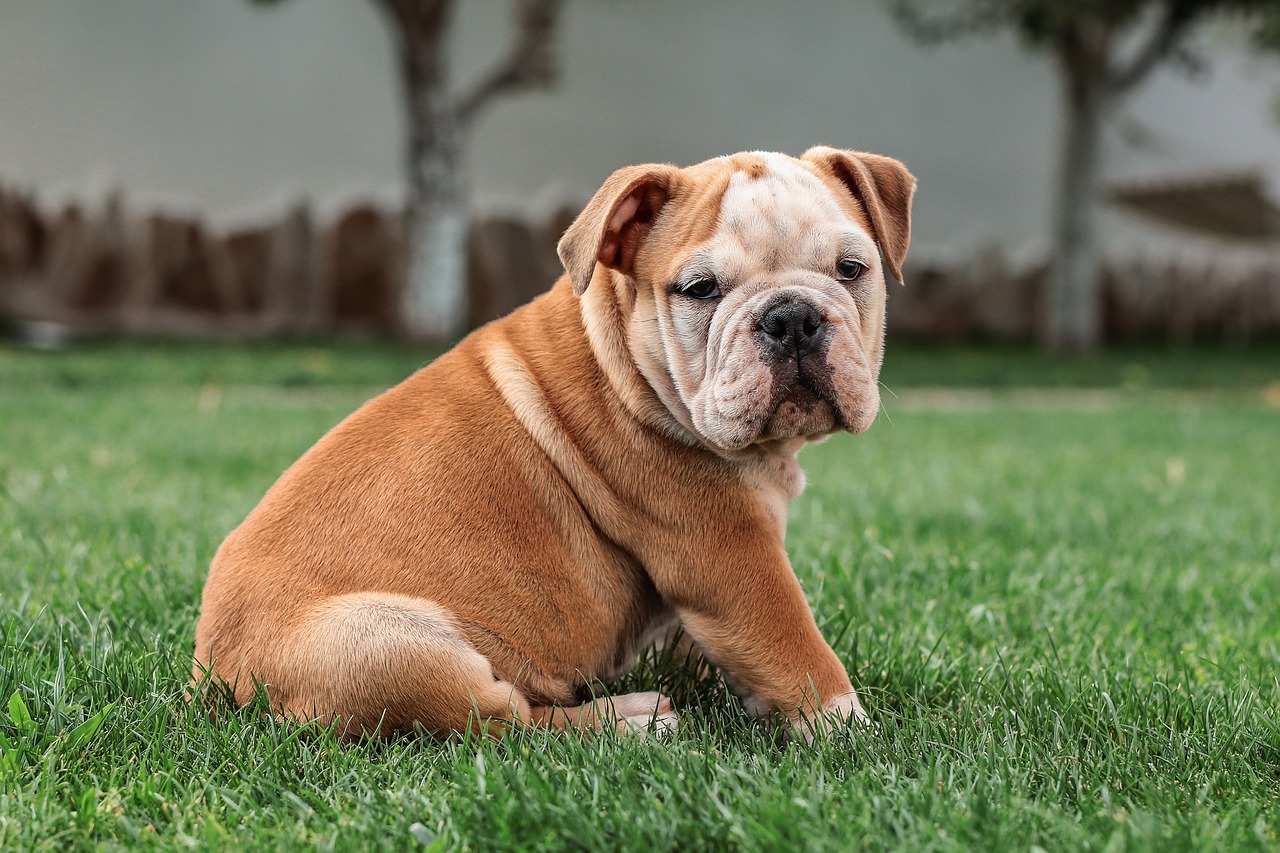
With smushed-in faces and compact bodies, bulldogs are prone to health problems, with their flattened face and shortened airway causing respiratory issues that sometimes require surgery, and the dogs are also prone to skin and spinal problems. Imagine trying to breathe through a straw while running a marathon – that’s essentially what life feels like for many Bulldogs.
As one veterinarian describes it to patients, owning a Bulldog “is like moving from a four bedroom house with all the furniture into a one bedroom apartment, but you have all the same furniture.” A court in Norway ruled against certain breeding practices for bulldogs after an animal welfare group argued that chronic inbreeding and an exaggerated body shape was causing suffering for many dogs, with the court ruling that breeding should stop unless it’s to improve the health of the breeds.
Pugs
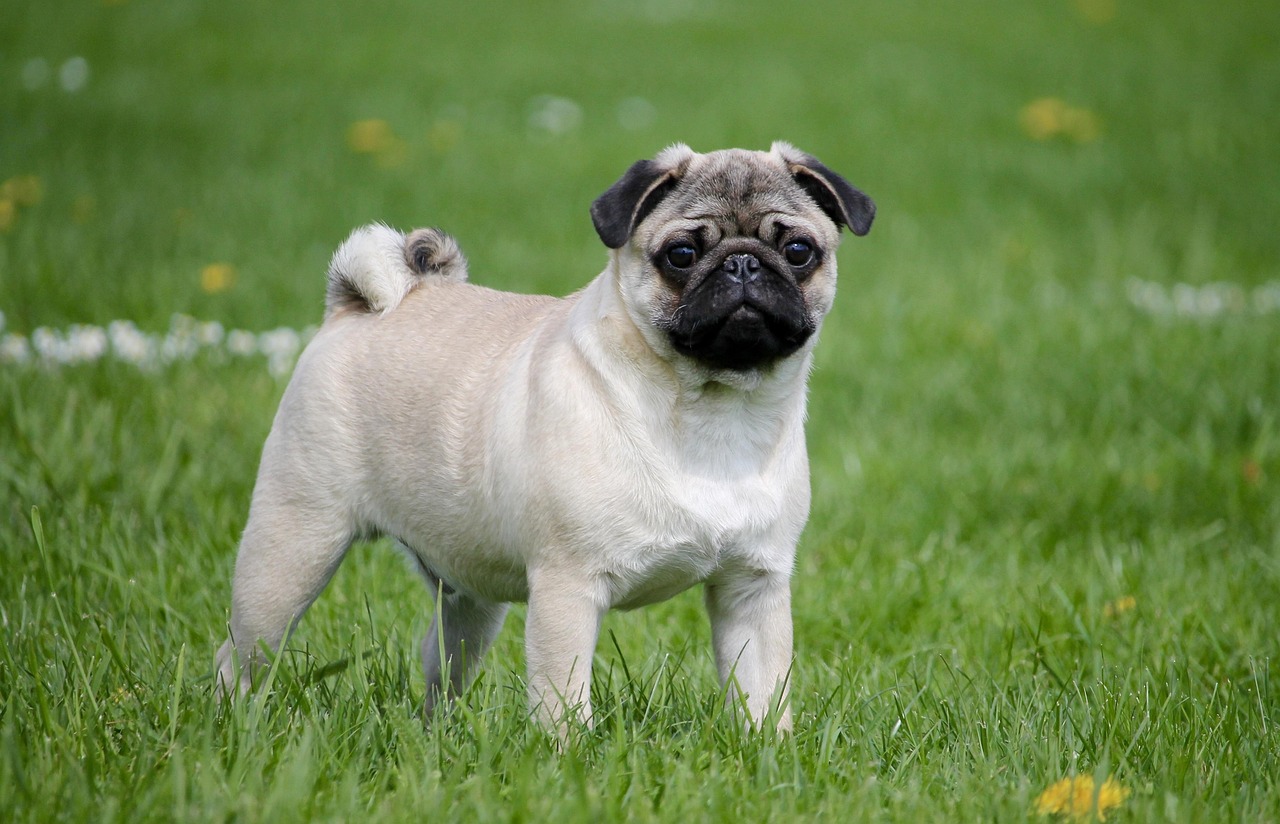
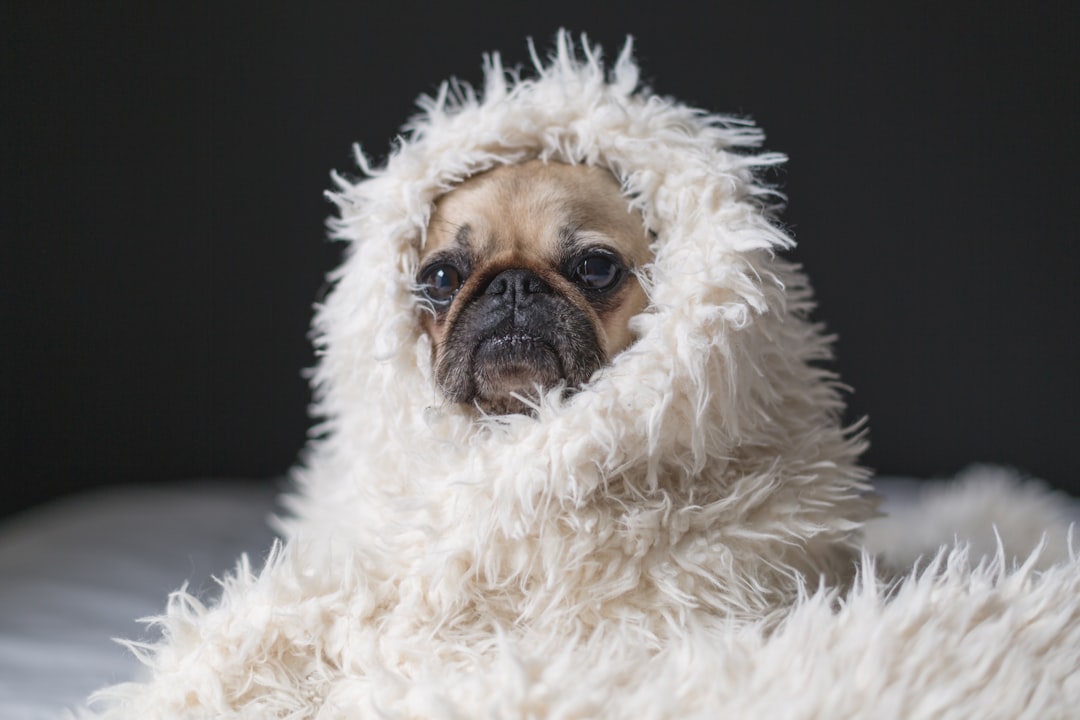
Pugs have a ton of health problems, being brachycephalic means Pugs often have breathing problems that can be physically uncomfortable and distressing, and potentially life-threatening, while Pugs also suffer from skin, eye, and ear problems associated with short snouts. That adorable snorting sound isn’t cute – it’s actually a sign of respiratory distress.
The most recognizable trait of the Pug is their little curly tail, but dogs with tightly curled tails run the risk of developing back problems thanks to this extreme look, with the number of health issues that affect Pugs making them one of the most overrated breeds. What we find endearing about these dogs – their pushed-in faces and curly tails – are actually sources of chronic pain and breathing difficulties.
Dachshunds

Humans have bred dachshunds to have short legs and long, low backs, which leads to chronic, painful health issues and causes 20% to 25% of them to suffer from intervertebral disc disease, with at least one in every four suffering from IVDD and dachshunds being 10 to 12 times more likely to develop IVDD than other breeds. Their sausage-shaped bodies might look hilarious, but they’re actually spinal disaster zones waiting to happen.
A wire-haired dachshund’s top spot at Crufts prompted vets to raise concerns about serious health problems, urging anyone thinking about getting this increasingly popular breed to be aware of spinal issues, with their extreme body shape making all six varieties of dachshunds at risk of serious spinal and neurological issues which usually require surgery to fix. Even simple activities like jumping off furniture can lead to paralysis in these dogs.
German Shepherds
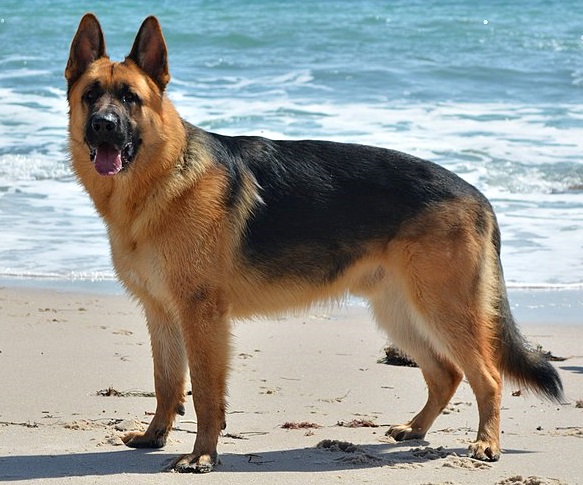
German Shepherds are an “iconic” dog breed but not without issues, with them being often “very protective” of their owners, and in the unfamiliar surroundings of a veterinary practice, they can become “aggressive and reactive,” plus they have “poor genetic health” being predisposed to several conditions including hip and elbow dysplasia. While they look majestic, many German Shepherds are walking on borrowed time with their joints.
Shelters are flooded with German Shepherds, so if you really want this breed, you’ll find many at any shelter. The fact that so many end up abandoned should tell you something about the challenges of owning these dogs. Their behavioral issues combined with expensive health problems create a perfect storm of ownership difficulties.
Cavalier King Charles Spaniels

Mitral valve disease is very common in dogs but especially common in Cavaliers, with Cavaliers being more likely to develop it at younger ages and with higher severity than other breeds, and there aren’t many great treatment options for dogs with the disease. These sweet-faced dogs are essentially ticking time bombs when it comes to heart disease.
Many Cavaliers “spend their last days coughing and spluttering, struggling to breathe, and ultimately dying of heart failure.” Despite their gentle appearance and loving nature, these dogs face a heartbreaking end that’s all too predictable. The very genes that give them their adorable looks also doom them to cardiac suffering.
West Highland White Terriers

“Ask any vet what dog breeds are commonly affected by skin allergies and I guarantee the Westie will be near the top of their list,” with their feet often discolored from continuous licking and the breed struggling with two notable health conditions that are named after them, which is “never a good sign.” When a breed has diseases literally named after it, that should be your first red flag.
These seemingly sturdy little white dogs are actually walking allergen magnets. Their constant scratching and licking isn’t just annoying – it’s a sign of chronic discomfort that often requires lifelong management and expensive treatments.
Italian Greyhounds

Italian Greyhounds are “extremely fragile” and prone to breaking or fracturing bones due to their long limbs, and they also have thin skin, meaning they develop wounds very easily. These dogs are basically made of glass – one wrong move and you’re looking at a vet emergency.
Owning an Italian Greyhound is like caring for a living porcelain figurine. Every jump, every play session, every interaction with other dogs becomes a potential fracture risk. The stress of constantly worrying about your dog breaking a bone isn’t what most people sign up for when they get a pet.
Chow Chows
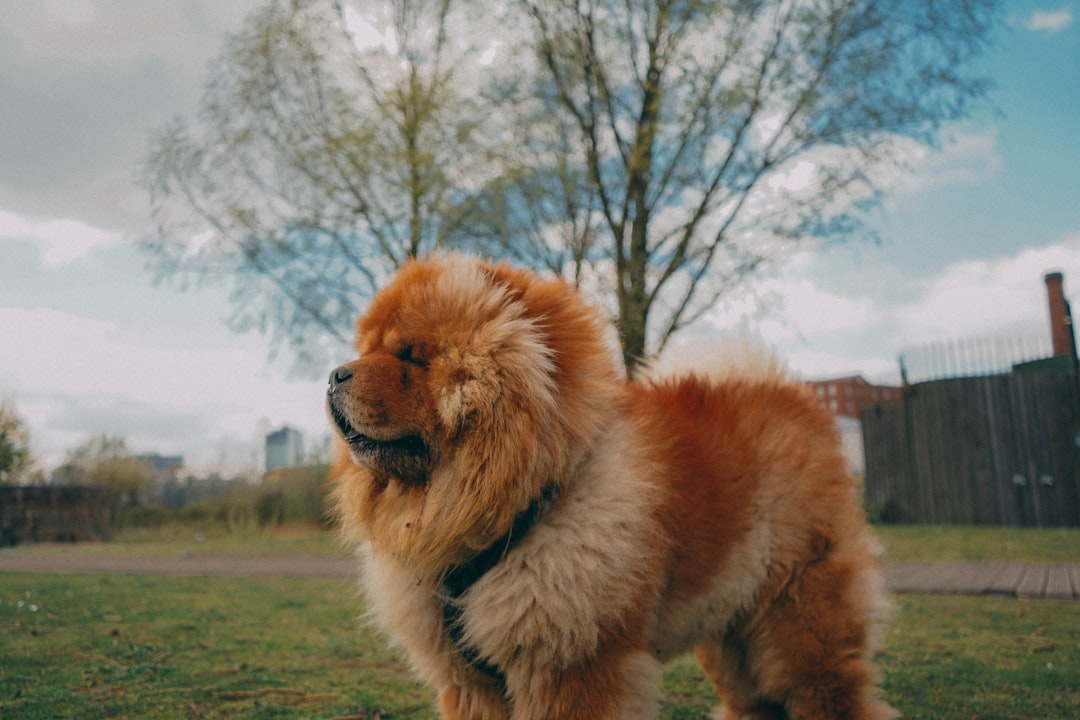
Chow Chows “often don’t have a very nice temperament” and “can be really aloof” while being “often very aggressive at the vet,” with the breed appearing on several “most dangerous” dog breed lists and being involved in multiple serious bite incidents according to various reports. These fluffy teddy bear lookalikes can turn into nightmares in stressful situations.
The combination of health issues and temperament problems makes Chow Chows particularly challenging for veterinary care. When your dog becomes aggressive during medical treatment, it compromises their health care and puts everyone at risk.
Great Danes
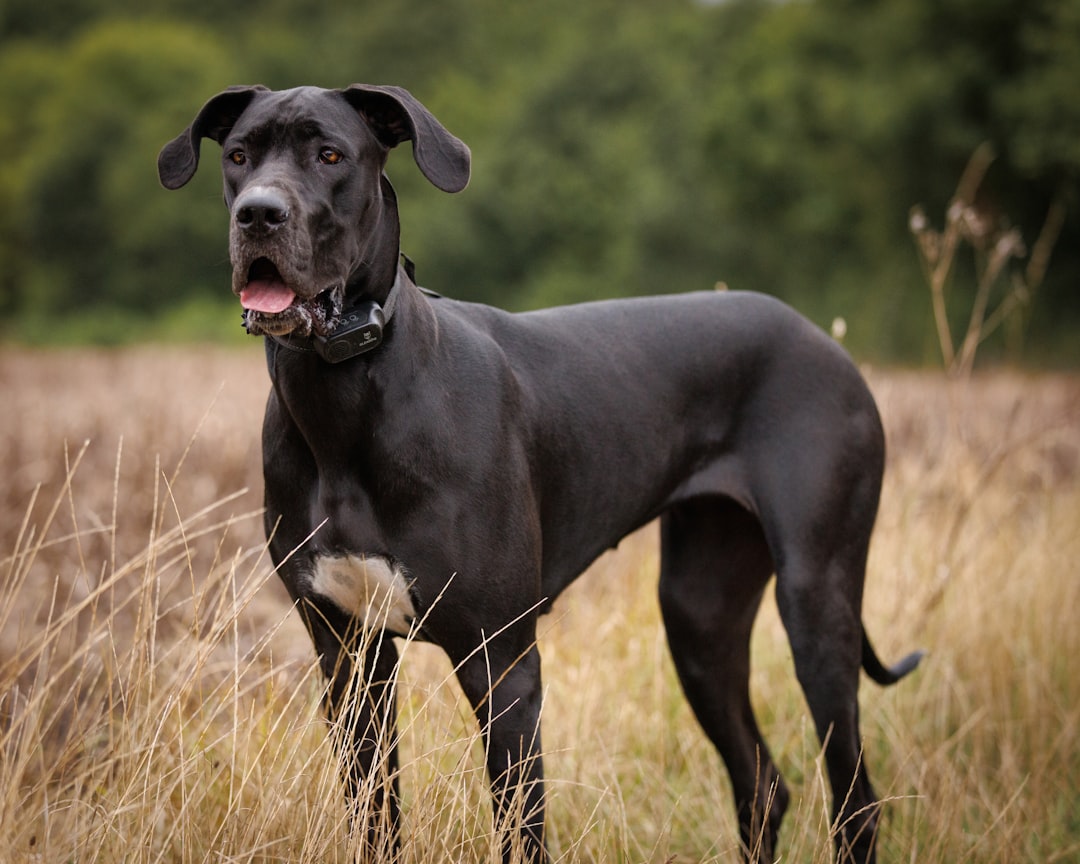
Great Danes have a relatively short life span averaging between 8-10 years and are prone to numerous health issues, including bloating, a dangerous and often fatal condition that results in the stomach twisting and cutting off blood supply, with dogs that suffer from bloat often getting it again and veterinarians often recommending a tacking procedure to minimize future risk. These gentle giants live fast and die young, often from conditions that strike without warning.
Great Danes are described as being “so scared of everything.” Imagine having a 150-pound dog that’s afraid of its own shadow – the irony is both sad and problematic. Their size combined with anxiety issues creates management challenges that many owners aren’t prepared for.
Goldendoodles

Goldendoodles, beloved by dog owners and popular golden retriever poodle crosses, were often described as “crazy neurotic psychopaths” who seemed to always have ear infections. The designer dog craze promised the best of both breeds but often delivered the worst instead.
These supposedly “perfect” hybrid dogs are living proof that mixing two breeds doesn’t cancel out health problems – it often compounds them. The ear infections alone can become a chronic, expensive battle that never truly resolves.
Siberian Huskies
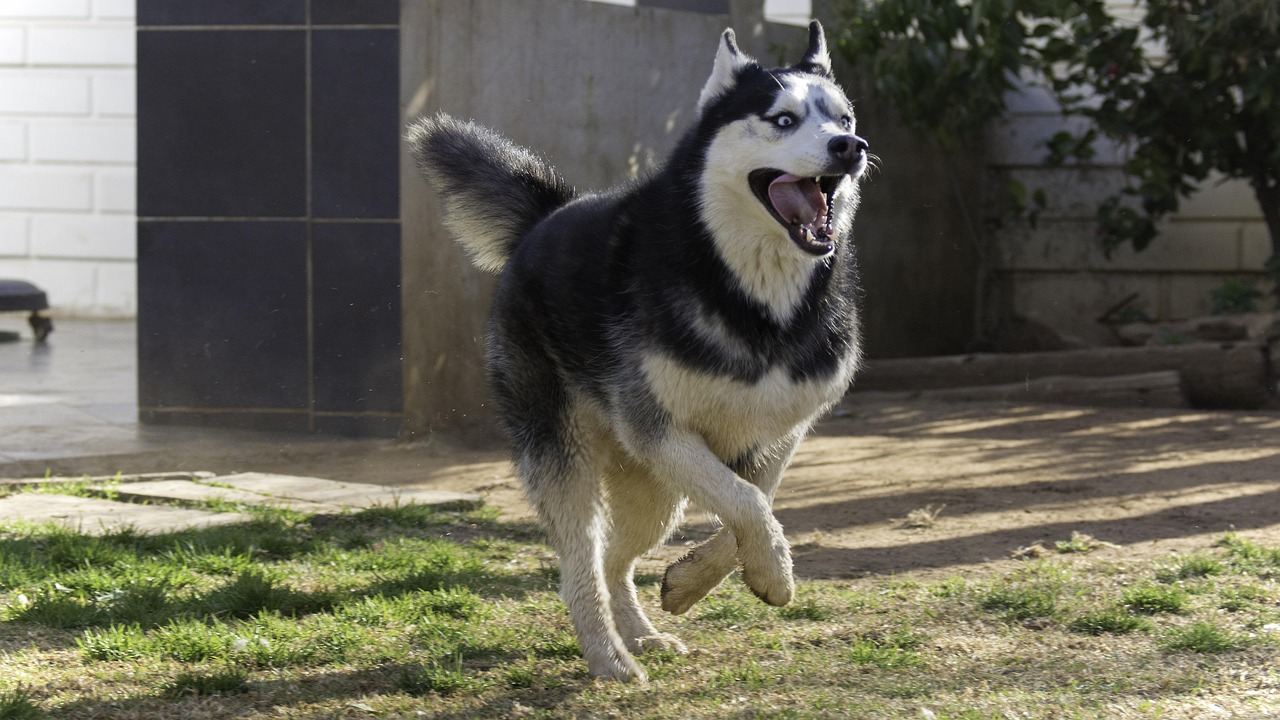
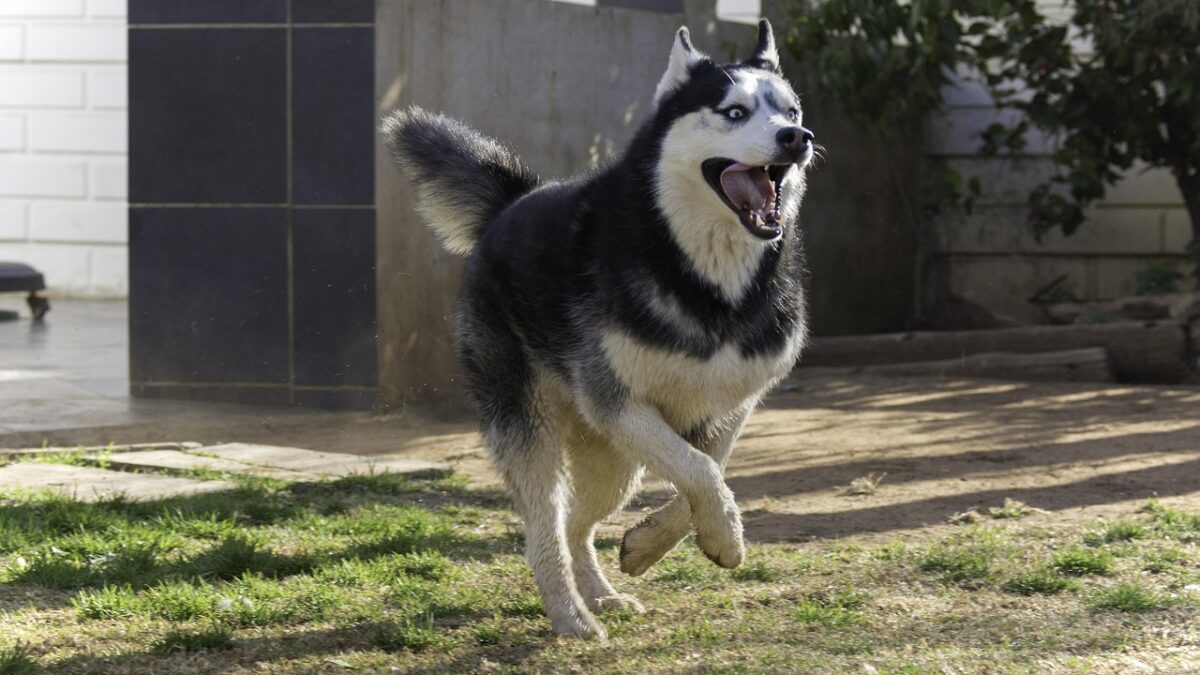
These breeds are often underestimated and come to vet offices with complaints of reactivity, possessive behaviors, and “unmanageable” energy that can’t be satisfied with a quick walk around the block, with few dog owners having the time, energy, experience, space, and resources for these breeds. Huskies aren’t just energetic – they’re escape artists with separation anxiety and destructive tendencies.
Huskies were listed among breeds that vet technicians would never own, alongside French Bulldogs. When veterinary professionals who work with dogs daily put Huskies on their “avoid” list, it speaks volumes about the reality of living with these beautiful but challenging dogs.
Boxers

Boxers are energetic, playful, and forever looking like they’re ready for mischief, but behind all that enthusiasm lies serious health concerns, with one of the biggest threats being cancer, as studies show that nearly half of Boxers may face some form of cancer in their lifetime, with lymphoma and mast cell tumors being the most common, while Boxers are also prone to heart conditions, particularly cardiomyopathy.
These perpetually happy-looking dogs hide a dark secret – they have one of the highest cancer rates of any breed. The heartbreak of watching your energetic, loving Boxer deteriorate from cancer is something nearly half of Boxer owners will face.
Chinese Crested Dogs

Hairless dogs typically have skin problems, especially blackheads and clogged hair follicles if the skin gets too dirty or wet, are prone to allergies that cause itching and scratching that can tear the skin leading to bacterial infections, and the genes that produce hairlessness also tend to produce bad teeth or missing teeth. The lack of hair might seem like less grooming, but it actually creates more problems.
These unique-looking dogs require constant skin care, sun protection, and dental interventions. What appears to be a low-maintenance hairless dog is actually a high-maintenance skin and dental nightmare that requires specialized care most owners aren’t prepared to provide.
Chihuahuas
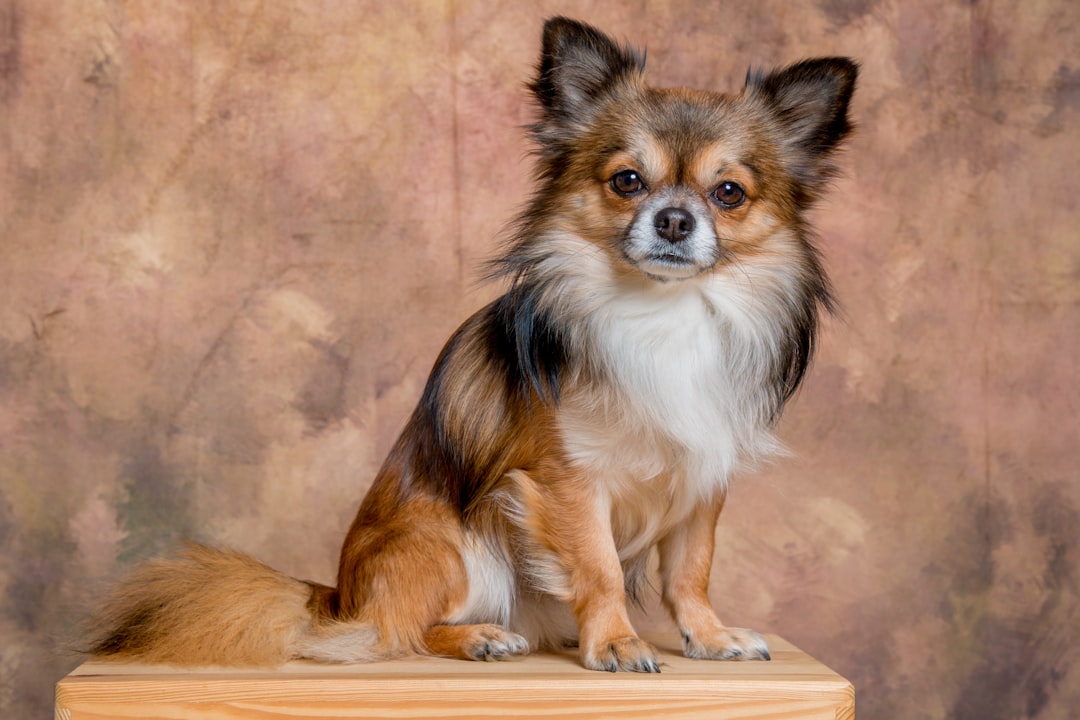
Dislocated knee caps are common in Chihuahuas, with the good news being it’s only painful when the dislocation actually happens, otherwise they just won’t put pressure on that leg, while Chihuahuas are also prone to collapsing trachea where the cartilage supporting the trachea is weakened which results in a collapse. These tiny dogs pack more health problems per pound than almost any other breed.
Hydrocephalus is a congenital abnormality where fluid accumulates within the brain, with clinical signs including seizures, confusion, bulging eyes, weakness, and a “drunken” gait, with mild cases often medically managed while severe cases may require surgery. Their apple-shaped heads aren’t just cute – they’re often filled with excess fluid that can cause neurological nightmares.
Conclusion
The harsh truth is that many of our most beloved dog breeds are suffering from the consequences of human vanity breeding. While individual dogs from these breeds can certainly live happy lives with dedicated care, the statistics don’t lie – these breeds face significantly higher rates of serious health problems that will cost you thousands in vet bills and cause your dog considerable suffering.
Before you fall in love with that flat-faced puppy or long-bodied sausage dog, ask yourself: are you prepared for potentially decades of medical interventions, surgeries, and watching your pet struggle with basic functions like breathing or walking? The most loving thing you can do is choose a healthier breed or adopt a mixed breed from a shelter.
Your future dog’s quality of life – and your bank account – will thank you for making a choice based on health rather than looks. After all, isn’t a dog that can run, play, and breathe freely more beautiful than any Instagram-worthy breed? What matters more to you – how your dog looks in photos, or how they feel every day of their life?

As a little kid, I fell in love with nature, wildlife, and animals. Living in the USA, South Africa, Italy, China and Germany gave me the opportunity to discover the world's Wildlife. My favorite animals are Mountain Gorillas, Siberian Tigers, and Great White Sharks.
I'm a certified PADI Open Water Diver, went to Everest Base Camp and Trekked Gorillas in Uganda. I hold a Master of Science in Economics and Finance.
Please send any feedback to feedback@animalsaroundtheglobe.com
- The Most Bizarre Habits of Americas Wildest Creatures - July 21, 2026
- 15 Horse breeds that can Run like Lightning - July 21, 2026
- 12 Pet Behaviors That Mean Something Serious - July 21, 2026