


Picture this: you’re deep in Wyoming’s untamed wilderness, surrounded by towering peaks and endless sky, when suddenly you spot movement in the distance. Your heart pounds as you realize you’re face to face with one of nature’s most powerful predators – a bear. In that split second, everything you’ve ever heard about bear encounters comes rushing back, but do you really know what to do?
Wyoming isn’t just bear country – it’s the epicenter of bear activity in the American West. With both black bears and grizzlies calling this rugged landscape home, encounters are more than just a remote possibility. Whether you’re hiking through Yellowstone’s backcountry, camping in the Bridger-Teton National Forest, or simply exploring Wyoming’s vast wilderness areas, knowing how to handle a bear encounter could literally save your life.
Know Your Bears – Identification Could Save Your Life
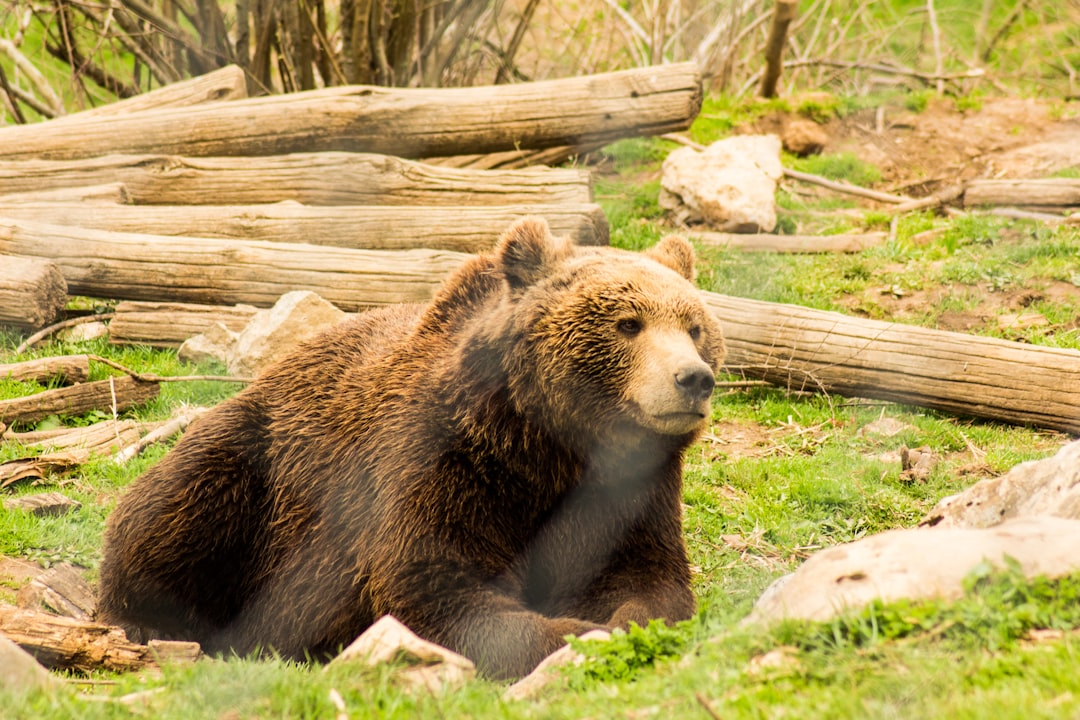
Here in Wyoming we have two species of bears, black bears (Ursus americanus) and grizzly bears (Ursus arctos). These two species differ in their habitat preferences, behaviors, and physical attributes. Understanding which type you’re facing is absolutely crucial because your response strategy needs to be completely different.
Grizzlies have a distinctive hump on their shoulders made of muscles used in foraging and digging. From the side, the face will appear to be dished between the eyes and the end of the nose. A grizzly bear has smaller, more rounded ears, and a black bear has larger, more pointed ears. The facial profile of a grizzly is “dish-shaped” and appears concave between their eyes and nose, while a black bear’s profile appears longer and straighter.
The Fatal Mistake Most People Make
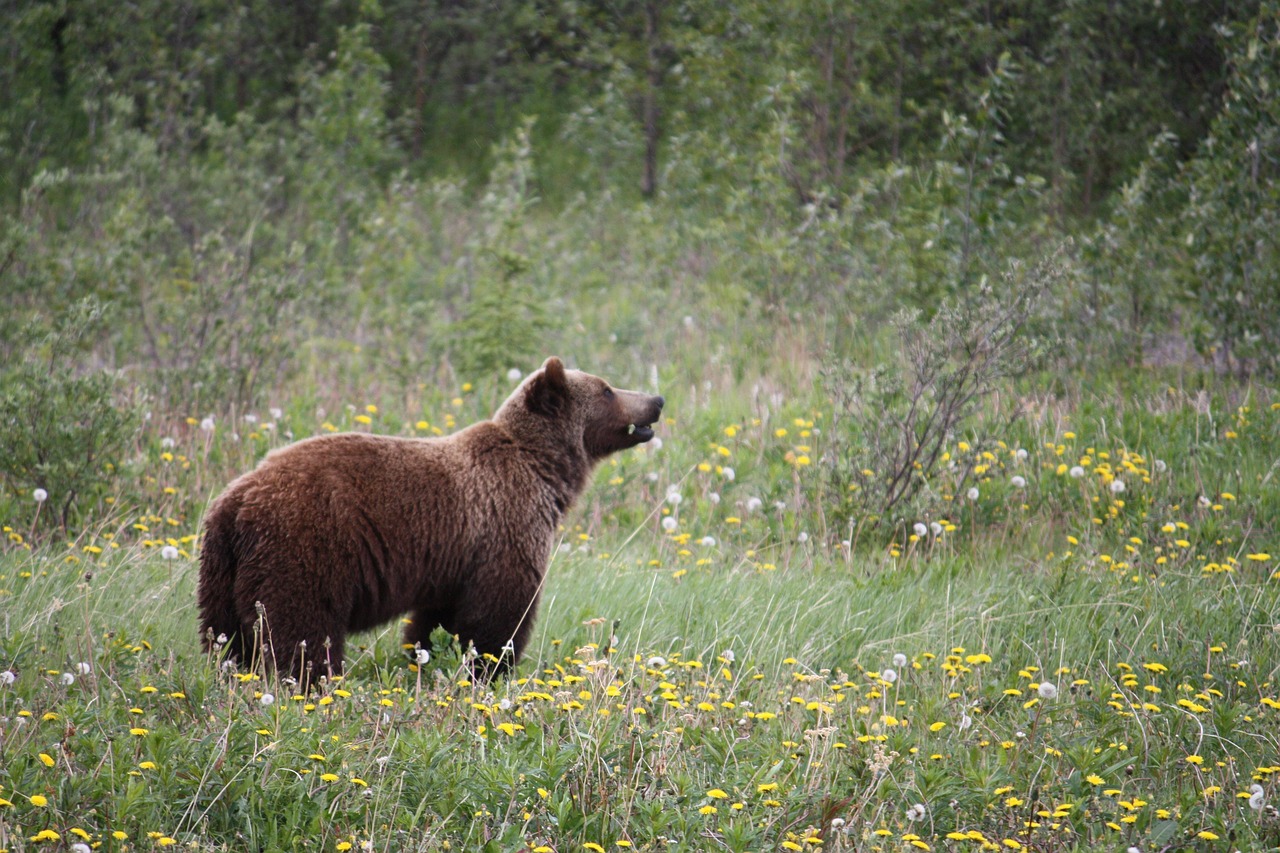
Fur color is not a reliable way to identify a bear species! Never use just color or size to identify a bear. This misconception has led to tragic consequences, with hunters continuing to kill grizzlies, claiming they thought they were black bears. In May a man shot a 530-pound grizzly bear just outside Yellowstone National Park, saying he mistook it for a black bear.
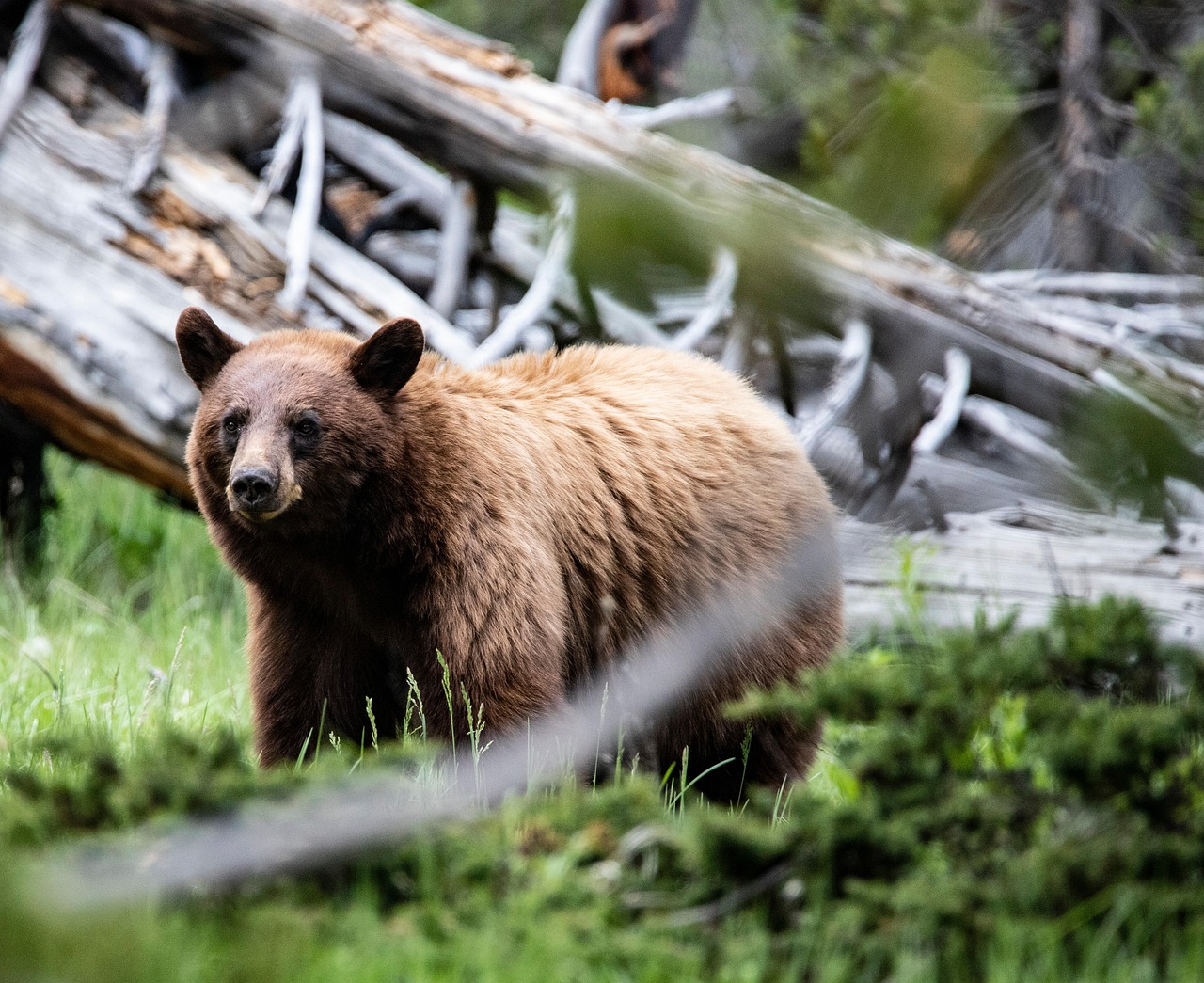
While it may seem counterintuitive, not all black bears are black. Black bears can be black, brown, blonde, or cinnamon – a brown bear is not always a grizzly bear. The key identifiers you need to focus on are the shoulder hump, facial profile, ear shape, and claw length – not color.
Understanding Bear Behavior – Defensive vs. Predatory
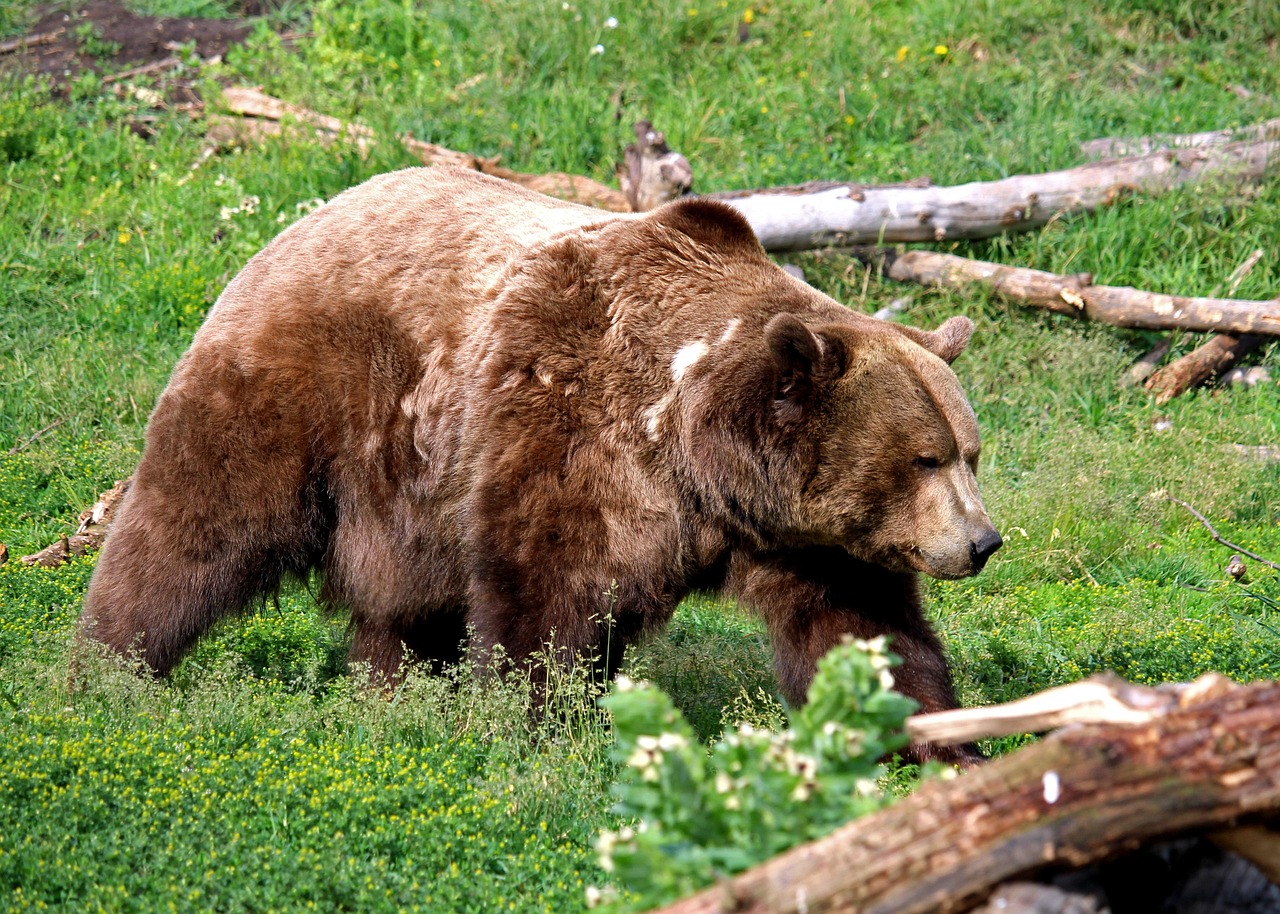
Being able to identify different behaviors can help you stay safe in bear country and know how to react if you ever encounter a predatory or defensive bear. Unlike defensive bear attacks, a bear acting in a predatory manner is not defending anything. Most bear encounters fall into the defensive category, where bears are protecting cubs, food sources, or themselves when surprised.
A predatory bear is often recognized when it appears to be intensely interested in you or deliberately approaches you. A predatory bear comes up to you WITHOUT displaying any stress (like moaning, woofing, jaw popping, or paw swatting). This behavior is extremely rare but represents the most dangerous type of encounter you could face.
The Power of Bear Spray – Your First Line of Defense
Research suggests that, when properly used, bear spray has successfully deterred bears in approximately 90% of encounters. Comparisons between bear spray and firearms have demonstrated that bear spray is often more effective in preventing bear attacks. In incidents where firearms were used, the success rate in deterring a bear attack was lower (around 67%) compared to bear spray.
Bear spray is to be used on a charging bear or in an aggressive encounter. It sprays out 25-30 feet and creates a 6-10 foot wide cloud. Each member of the party should carry bear spray. Bear Spray must be carried where it is readily accessible. Don’t bury it in your backpack – it needs to be within arm’s reach at all times.
What to Do When You First Spot a Bear
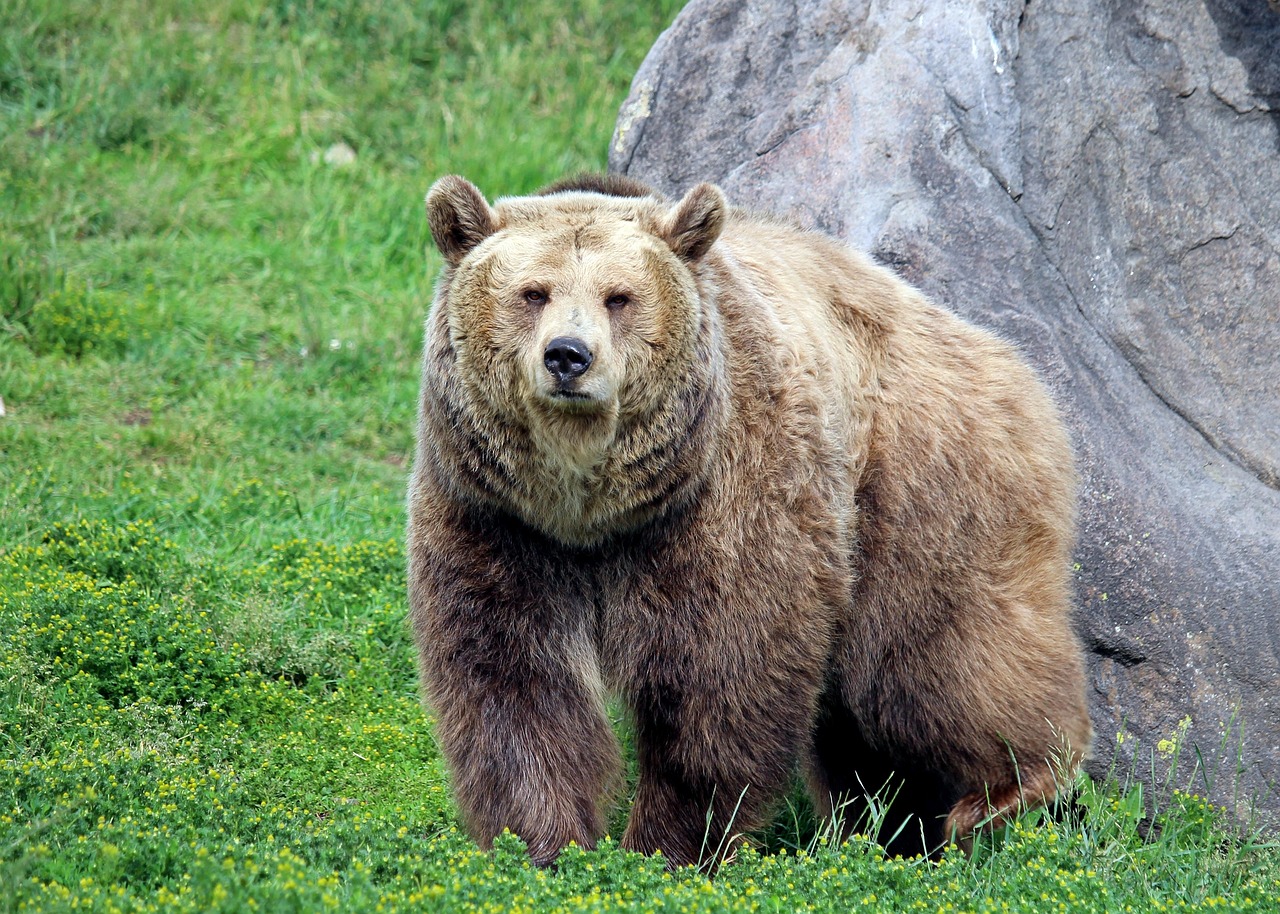
When you do see a bear, respect its personal space. If the bear is at a safe distance (at least 100 yards) and unaware of you, take in this special moment and maybe even shoot some photos. Your first instinct might be excitement or panic, but staying calm and assessing the situation is crucial.
Do not challenge the bear with aggressive body language or direct eye contact. NEVER run away from the bear. If the bear begins to approach, stand your ground and use bear spray if available. Running triggers a chase response in bears, and they can reach speeds of up to thirty-five miles per hour – much faster than any human.
If a Bear Charges – The Critical Seconds
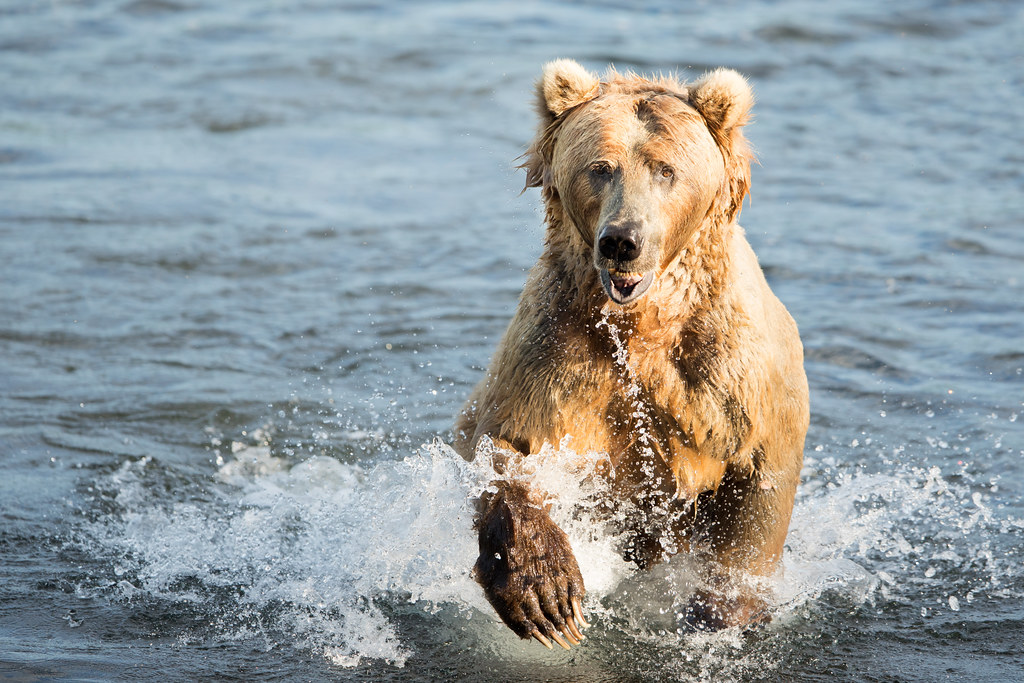
Slowly back away while facing the bear even if it charges, arms raised. Bears frequently bluff charge, stopping short of their target or veering away at the last second. This is one of the most terrifying moments you might ever experience, but many charges are false alarms designed to test your intentions.
If a bear makes contact drop and cover by lying flat on your stomach, inter-lacing your fingers, and placing them on the back of your neck. Do not fight back – once the bear feels the threat is neutralized it will stop attacking. This advice applies specifically to defensive attacks by grizzly bears protecting cubs or territory.
When Fighting Back Is Your Only Option
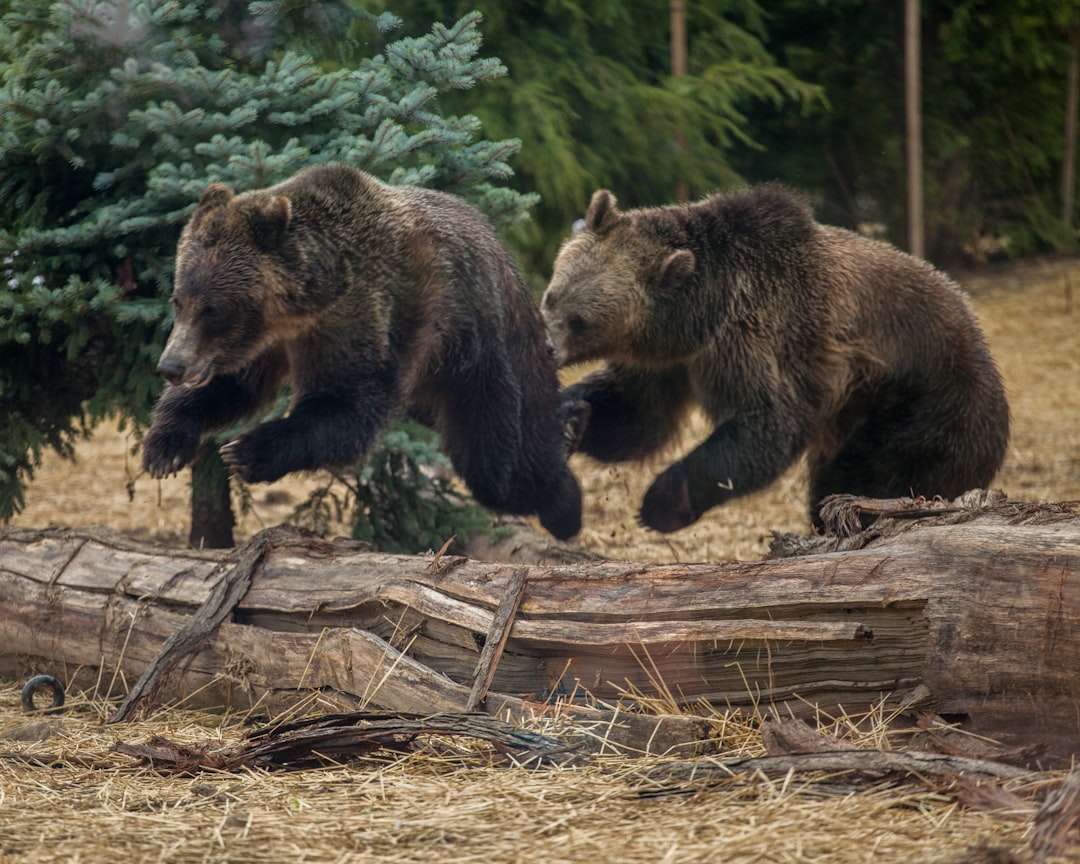
Make yourself look as big as possible. Do not back away from the bear – stand your ground. This guidance applies to predatory attacks, where the bear sees you as potential prey rather than a threat. In these rare but deadly encounters, passivity could cost you your life.
If a bear tries getting into your tent fight back and use your personal defense. Any bear that enters your campsite or tent is likely acting predatorily, and you need to make yourself as difficult a target as possible through noise, aggression, and any weapons at your disposal.
The Shocking Statistics You Need to Know
The state of Wyoming is another hotspot which has some of the highest fatal bear attacks in the country. Yellowstone National Park has seen eight incidents, including attacks in 2015 and 2011. Similarly to the incidents in Montana, all fatalities in Yellowstone were caused by brown bears. These numbers might seem alarming, but context is important.
In fact, the chance of being attacked by a bear is just 1 in 2.1 million. If you camp at a roadside campground, the odds increase to 1 in 26.6 million. While the chance of an attack by bear while hiking in the backcountry is a staggeringly rare 1 in 232,613 individual travel days. You’re statistically more likely to be struck by lightning than attacked by a bear.
Prevention – Making Noise and Traveling Smart
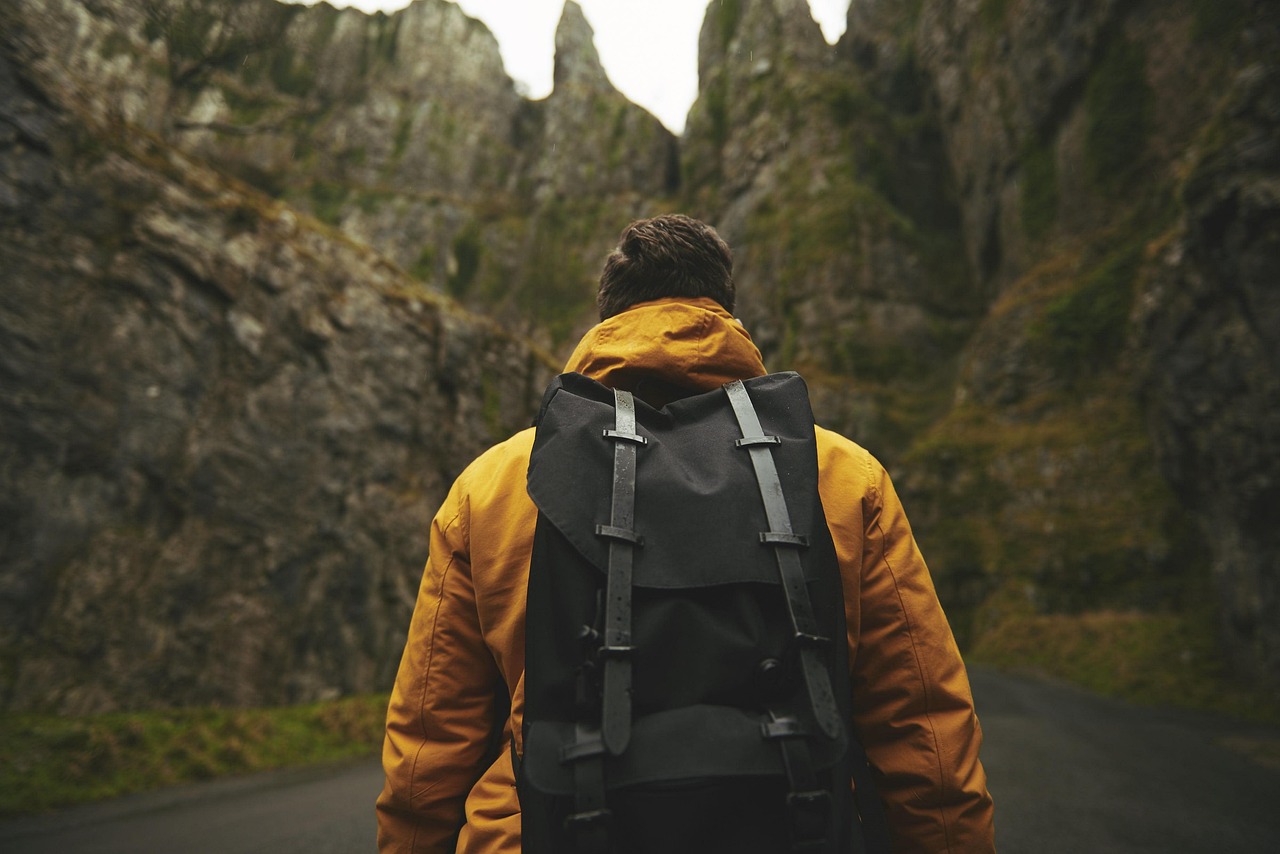
Travel in groups: Bears are less likely to approach larger groups. Make noise when hiking to alert bears of your presence and avoid surprising them. Lee Whittlesey, Yellowstone National Park’s former park historian, advises people to hike in groups of at least three. “Make noise. Don’t hike silently. Carry bear spray,” Whittlesey said.
The goal isn’t to announce your presence to every creature within miles, but to give bears enough warning to avoid you. Most bears want nothing to do with humans and will leave the area if they hear you coming. Consider calling out around blind corners, near streams where your voice might be masked, or in dense vegetation.
Conclusion – Respecting the Wild
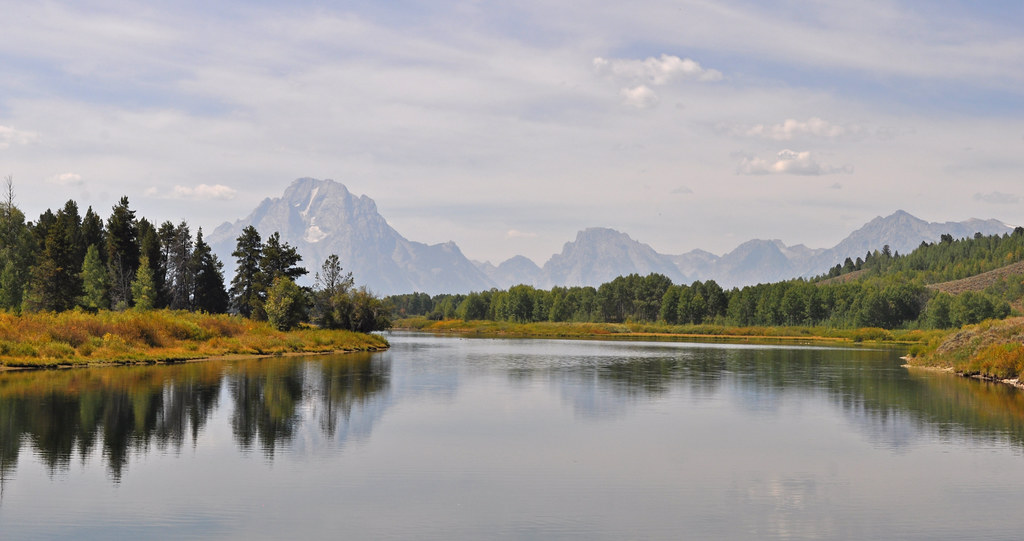
Wyoming’s wilderness offers some of the most incredible outdoor experiences in North America, but it demands respect and preparation. “Living in Wyoming means we are fortunate to be surrounded by wild places and wildlife, including bears,” DeBolt said. “By being vigilant and responsible, we can reduce the risk of bear conflicts and keep our bears wild.” The key isn’t to avoid bear country altogether, but to enter it with knowledge, preparation, and the right equipment.
Remember that every bear encounter is unique, and quick thinking combined with proper preparation gives you the best chance of a safe outcome. “The number one thing that kept me alive during the attack was reading and understanding what to do in the event of a bear attack and being prepared with the bear spray,” as one recent attack survivor emphasized. Your preparation today could make all the difference tomorrow.
What would you do if you rounded a corner on a trail and found yourself staring into the eyes of a grizzly bear?

As a little kid, I fell in love with nature, wildlife, and animals. Living in the USA, South Africa, Italy, China and Germany gave me the opportunity to discover the world's Wildlife. My favorite animals are Mountain Gorillas, Siberian Tigers, and Great White Sharks.
I'm a certified PADI Open Water Diver, went to Everest Base Camp and Trekked Gorillas in Uganda. I hold a Master of Science in Economics and Finance.
Please send any feedback to feedback@animalsaroundtheglobe.com
- $100k+ Hunting Experiences The Most Expensive Animals to Pursue - July 30, 2026
- D.C. Region Gets Drought Relief from Midweek Showers After Warm Winds - July 30, 2026
- 10 Most Puzzling Animal Mysteries Solved in the U.S. - July 30, 2026