

Ever wonder if those legendary creatures your grandfather told you about might actually have some truth behind them? While most people dismiss cryptids as pure fantasy, the reality is far more fascinating. From ancient Native American legends to modern-day viral videos, these mysterious beings might not be as mythical as we think.
Nature has a way of creating creatures so unusual that they blur the line between fact and fiction. Sometimes a glimpse in dim light, a viral infection, or centuries of storytelling can transform ordinary animals into legendary monsters. Let’s dive into the surprising science behind three of America’s most famous cryptids and discover which real animals inspired these enduring myths.
The Bigfoot Mystery: When Bears Walk Upright

The theory that holds the most water is the idea that Bigfoot sightings may in fact be bears. When you think about it, bears can stand on their hind legs, especially when they’re trying to get a better look at something or feel threatened. One of the most common descriptors of Bigfoot includes seeing its eyes shine in the dark, which is not a trait that great apes or humans have, but bears sure do!
Black bears and brown bears are incredibly common throughout the Pacific Northwest, where most Bigfoot sightings occur. These powerful animals can weigh up to 800 pounds and stand over seven feet tall when upright. In poor lighting conditions or through dense forest undergrowth, a bear’s silhouette could easily be mistaken for a large, hairy humanoid creature.
Footprint Evidence Points to Clawed Creatures

The footprints that gave Bigfoot its iconic name have been found with claw marks. This detail is particularly telling because primates, including great apes and humans, don’t have claws. Bears, however, have prominent claws that would definitely leave marks in soft earth or mud.
Many alleged Bigfoot tracks also show characteristics consistent with bear paws, including size and general shape. While some hoaxsters have created fake tracks over the years, the legitimate mysterious prints often display features that align more closely with bear anatomy than any unknown primate species.
Thunderbirds: Ancient Memory of Massive Raptors
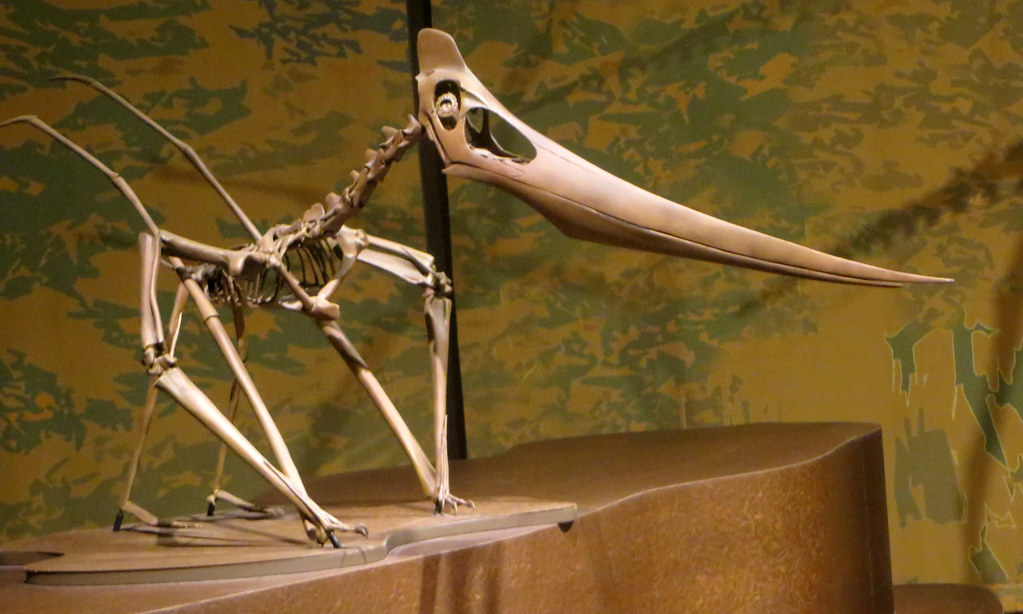
American science historian and folklorist Adrienne Mayor and British historian Tom Holland have both suggested that indigenous thunderbird stories are based on discoveries of pterosaur fossils by Native Americans. This fascinating theory suggests that ancient peoples may have found fossilized remains of these prehistoric flying reptiles and created legends to explain these mysterious bones.
The origin of the legend is not clear, but it may have been influenced by the observation of real birds, such as eagles, condors, or vultures, that have impressive wingspans and can soar high in the sky. Modern California condors can have wingspans reaching ten feet, while golden eagles have wingspans of 6-7.5 feet, which would appear absolutely massive to observers on the ground.
California Condors: Living Giants in the Sky
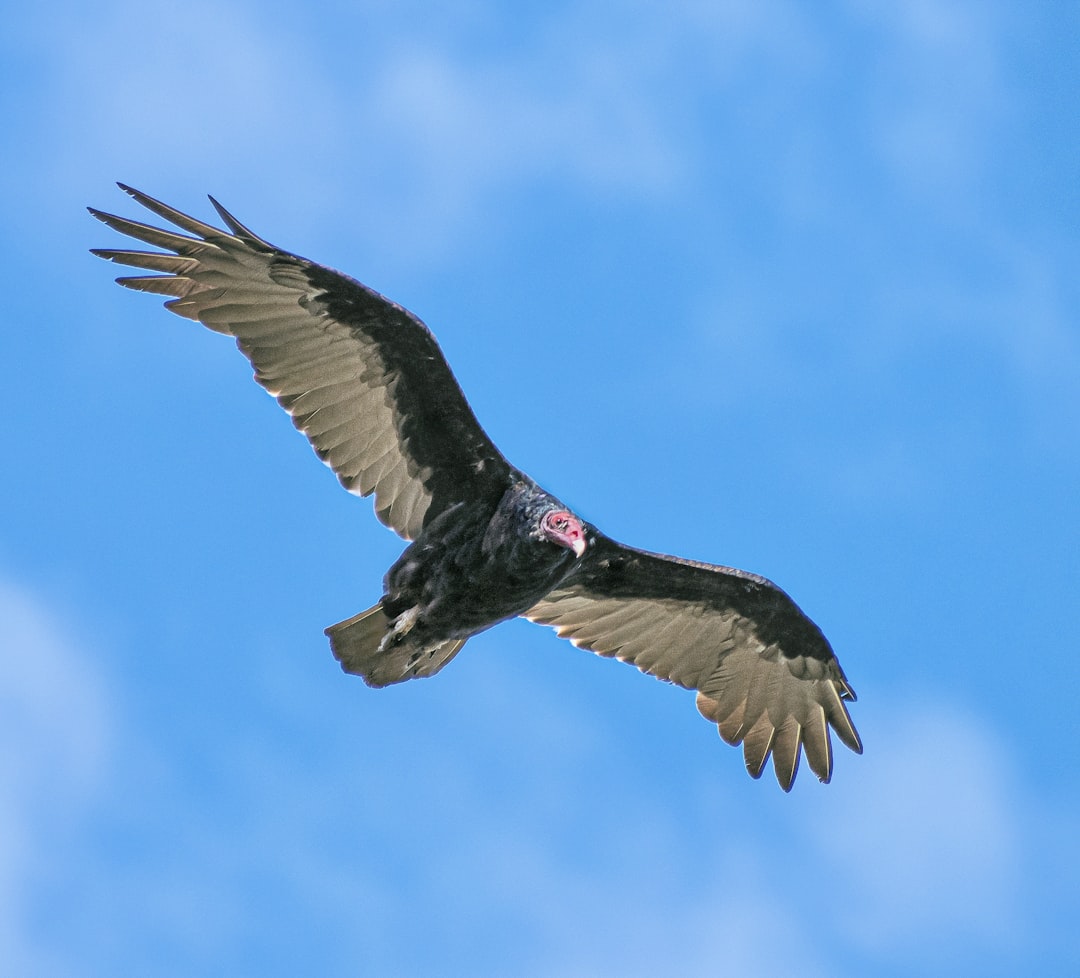
The largest scientifically recognized bird in North America is the California condor, with a wingspan of up to 10 feet. These magnificent scavengers were once more widespread across North America and would have been familiar to many Native American tribes. Their enormous size and distinctive flying patterns could easily inspire stories of supernatural thunderbirds.
California condors are also remarkably long-lived, with some individuals reaching 60 years in the wild. This longevity meant that tribal elders might have encountered the same massive birds repeatedly throughout their lives, reinforcing the legendary status of these aerial giants.
Great Blue Herons: Unexpected Thunder Makers

It’s possible that the original stories came from a much less sinister source, like a great blue heron, stork, crane, or other large bird, possibly with prey in its beak. Herons are known to produce a variety of very loud, alarming sounds when disturbed. Anyone who’s startled a great blue heron knows they can make incredibly loud, almost prehistoric-sounding calls.
These wading birds can stand four feet tall with wingspans over six feet, and when seen in silhouette carrying fish or other prey, they might appear monstrous. Their harsh cries echoing across water at dawn or dusk could easily be interpreted as supernatural sounds, especially by people already primed to believe in thunderbirds.
The Jackalope: A Virus Creates a Legend
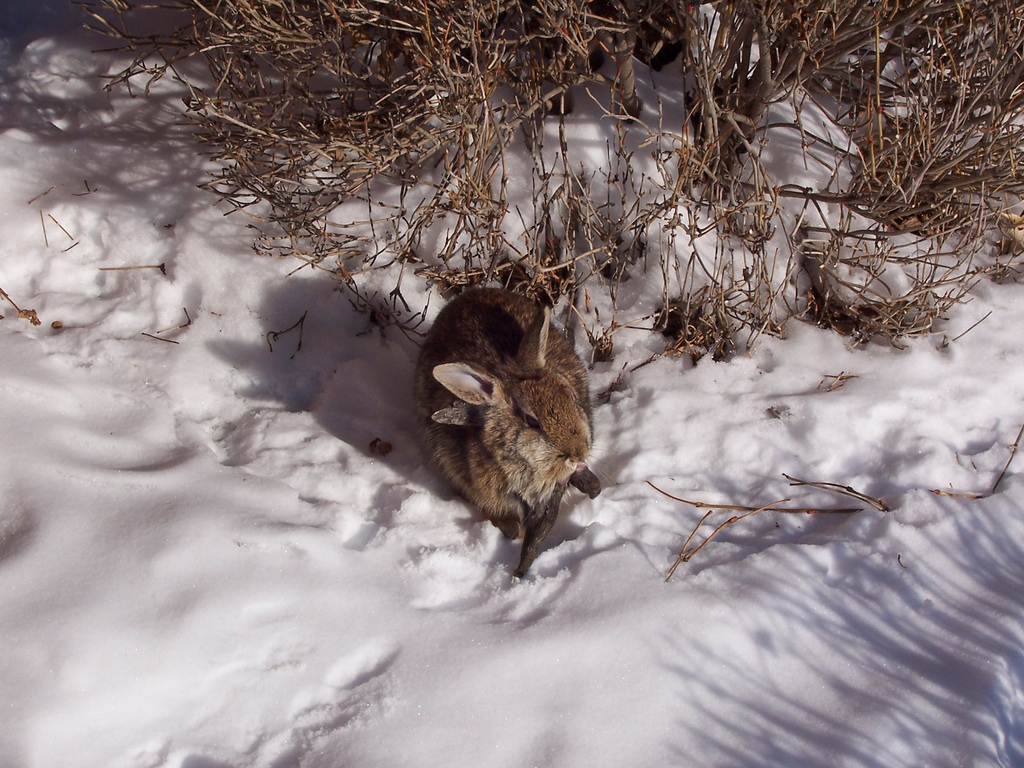
Researchers suggest that at least some of the tales of horned hares were inspired by sightings of rabbits infected with the Shope papilloma virus. It causes horn- and antler-like tumors to grow in various places on a rabbit’s head and body. This viral infection creates exactly what early settlers might have interpreted as a mythical horned rabbit.
The real-life “jackalope” is usually agreed to be rabbits infected with a virus that causes them to have horn-like growths on their bodies. If you saw one off in the distance running away into the underbrush, it wouldn’t be crazy to think it was a rabbit with antlers.
Shope Papillomavirus: The Horn Creator
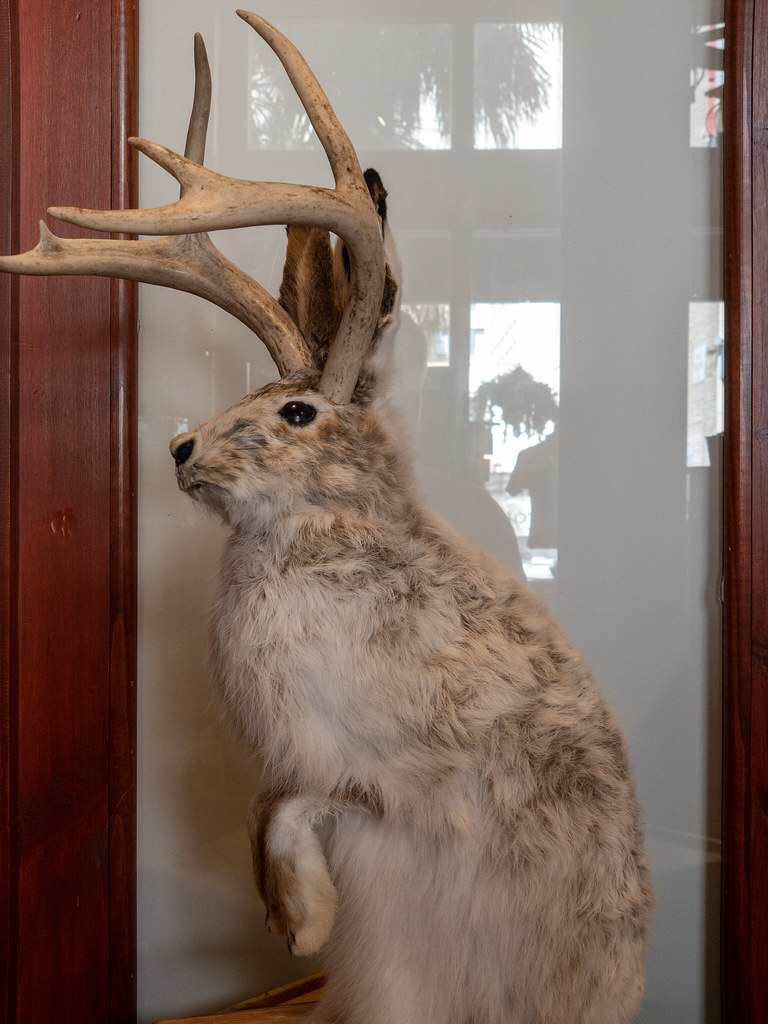
Indeed the rabbit was real, and after conferring with Robert Hoffmann, senior Smithsonian mammologist and world authority on rabbits and hares, Peurach learned that the rabbit was infected by Shope papilloma virus. Although American virologist Richard Shope discovered the virus in the 1930s, its distinctive symptoms in rabbits and hares have mystified and inspired people for centuries.
When the Shope papillomavirus infects a rabbit, it can cause the growth of a benign tumor out of its face or head that sometimes resembles antlers or horns. Sometimes, the tumor – made of keratin, the same protein that forms fingernails and hair – grows on other body parts, but it’s most common on the head. These growths can become quite dramatic, creating rabbit “horns” that would definitely catch the attention of any pioneer wandering through the wilderness.
Medieval Manuscripts Document Horned Rabbits
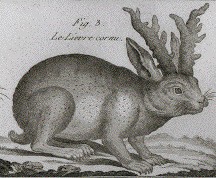
Descriptions of horned hares as real or mythical creatures date back to medieval and early Renaissance times, appearing in Bavarian folklore and early scientific texts. Stories and illustrations of horned rabbits as real animals last appeared in scientific books in the late 1700s, after which the idea of a horned hare as a distinct species was mostly rejected.
European naturalists documented these creatures for centuries before modern science understood what was really happening. From the 16th through the 19th centuries, horned rabbits appeared in the text and illustrations of natural histories produced across Europe, and for more than 200 years the horned hare was taxonomized as Lepus cornutus, which was thought to be a distinct species.
Modern Sightings Continue the Mystery

But their affliction is nothing new, with the virus inspiring ancient folklore and fueling scientific research nearly 100 years ago. The virus likely influenced the centuries-old jackalope myth in North America, which told of a rabbit with antlers or horns, among other animal variations. Even today, wildlife officials in Colorado and other western states occasionally receive reports of “horned rabbits” from puzzled residents.
The cottontails recently spotted in Fort Collins are infected with the mostly harmless Shope papillomavirus, which causes wart-like growths that protrude from their faces like metastasizing horns. Viral photos have inspired a fluffle of unflattering nicknames, including “Frankenstein bunnies,” “demon rabbits” and “zombie rabbits.”
When Science Meets Legend

What makes these discoveries so remarkable isn’t just that science has explanations for legendary creatures, but that these explanations often make the real world seem even more amazing than the myths. Bears that walk like giants, birds massive enough to inspire thunder gods, and viruses that literally grow horns on rabbits – reality proves stranger than fiction.
The cool thing is that a lot of folklore came from some sort of observable phenomenon. Our ancestors weren’t making things up out of whole cloth. They were trying to make sense of unusual encounters with animals displaying extraordinary behaviors or appearances that they couldn’t fully understand with the knowledge available to them.
These real animals behind legendary cryptids remind us that the natural world still holds mysteries worth exploring. While we may have scientific explanations for Bigfoot, Thunderbirds, and Jackalopes, that doesn’t make encountering a bear standing on its hind legs, a California condor soaring overhead, or a virus-afflicted rabbit any less awe-inspiring. Sometimes the truth really is more fascinating than the legend.

- What It Means When You See the Same Deer in Your Yard Every Morning for a Week (Wildlife Experts Explain the Pattern) - July 20, 2026
- Animal Science Says Dolphins Learn Local Hunting Methods From Older Members of Their Social Group - July 20, 2026
- The Zodiac Signs That Hummingbirds Visit at Dawn (And the Message They Could Be Delivering) - July 20, 2026