

Life with a beloved dog feels endless when you’re caught up in daily walks, belly rubs, and those precious moments of pure joy together. But then one day you notice their graying muzzle, maybe a hesitation on the stairs, or perhaps a diagnosis that changes everything. The hardest truth about loving a dog is that their time with us is limited, and eventually, we must face the heartbreaking reality of saying goodbye. This journey doesn’t have to be walked alone, though – there are meaningful ways to support your furry family member through their final chapter while honoring the beautiful bond you’ve shared.
When your dog approaches the end of their life, you have the power to make those remaining days, weeks, or months filled with comfort, dignity, and love. Understanding what lies ahead and knowing your options can transform this difficult time from one of pure sorrow into something more profound – a final gift of compassion to your loyal companion. Let’s explore how you can navigate this sacred journey together.
Recognizing When the End is Near

Sometimes the signs aren’t immediately obvious because our pets don’t always show outward pain like whimpering or crying, and some animals will continue eating despite discomfort. Warning signs can include extreme fatigue, vomiting, difficulty moving, incontinence, shaking, lack of interest in activities, mental confusion, and loss of appetite. Your dog might sleep much more during the day or seem restless at night.
Trust your instincts as a pet parent – you know your dog better than anyone. Dogs nearing end of life often show much less interest in previously beloved activities like retrieving toys, walks, or socializing, and may become more clingy or aloof. Physical changes matter, but emotional shifts are equally telling. If your usually social pup suddenly prefers solitude, or your independent dog becomes unusually needy, these behavioral changes often signal that something profound is happening.
Understanding Quality of Life Assessment

Dr. Alice Villalobos developed a quality-of-life scale that scores seven categories from 1 to 10, with a total score above 35 suggesting acceptable quality of life to continue end-of-life care. The acronym HHHHHMM stands for hurt, hunger, hydration, hygiene, happiness, mobility, and “more good days than bad days”. This isn’t a pass-or-fail test, but rather a tool to help you see patterns over time.
The key question becomes whether your dog has more good days than bad, with bad days potentially including nausea, vomiting, seizures, unrelenting pain, or inability to breathe. Since pets can have fluctuating days, it helps to assess quality of life daily over time – if you find more bad days than good, it may be time to consider end-of-life decisions. Consider keeping a simple journal to track these patterns objectively.
Exploring Palliative and Hospice Care Options

Veterinary palliative medicine involves declining curative therapy for a life-limiting illness and focusing on comfort care as a dog approaches end of life. Pet hospice care is given to pets with incurable, life-limiting illnesses with the goal of making final days as dignified and pain-free as possible. This doesn’t mean giving up – it means shifting focus from fighting the disease to maximizing comfort and quality time.
Hospice care requires active commitment and constant supervision from pet parents, who work with their veterinary team and become their pet’s primary nurse and caregiver. Palliative care can provide extra quality time with your dog by supporting their physical, mental, and nutritional needs while helping you as a pet parent. Many families find this approach allows for deeper bonding and more meaningful final memories together.
Creating a Comfortable Home Environment

Modifying the home environment maximizes mobility and prevents injury, including adding non-skid floor surfaces like area rugs or interlocking foam tiles. Make sure your pet’s bed is comfortable and well-cushioned to prevent pressure sores, and check frequently for incontinence to keep them clean and dry. Simple changes can make an enormous difference in your dog’s daily comfort.
Creating comfortable “hang out” spaces close to family members helps your dog remain engaged with the family they love. Supportive, easy-to-clean bedding is ideal, and keeping potty pads, dog diapers, and cleaning supplies handy helps manage incontinence while maintaining comfort. Think of it as creating a cozy sanctuary where your dog feels safe and loved.
Managing Pain and Discomfort

Pain management is the most important part of palliative care, best achieved using multiple therapies together, both medications and non-pharmacologic approaches for maximum comfort. A comfort care plan might combine prescription pain medications with nutritional supplements and therapies like massage or acupuncture, possibly including subcutaneous fluids to prevent dehydration. Don’t hesitate to advocate for your dog’s comfort – pain management is not about prolonging suffering but about preserving dignity.
Massage can be performed by trained providers or taught for home use, with most dogs finding it comforting, while therapeutic laser can reduce pain and increase circulation. Pain management options include prescription and over-the-counter medicines, dietary supplements, and therapies like hydrotherapy, cold laser therapy, or acupuncture. These complementary approaches often work better together than any single treatment alone.
Maintaining Connection and Quality Time
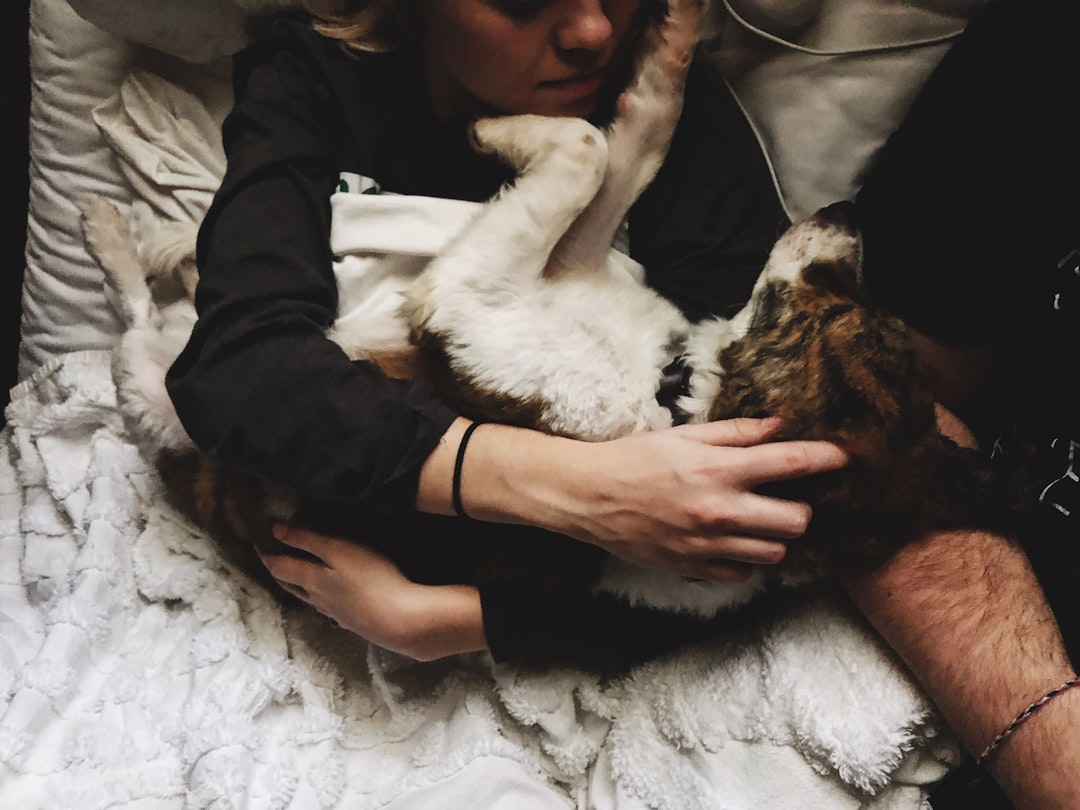
Massage can be a wonderful way to spend time together and make your pet more relaxed – sometimes we get so caught up in nursing that we forget quality time together through talking, cuddling, and stroking. Your presence and voice are often the most powerful comfort you can provide. It’s important to still provide social interaction as long as it’s safe for the dog and guests, though you may need gates or pens for alone time and should monitor children’s interactions.
Focus on activities your dog can still enjoy, even if they’re modified versions of old favorites. Maybe those long hikes become gentle garden strolls, or perhaps fetch becomes simply lying together while you toss a ball nearby. The goal isn’t to recreate the past but to find new ways to share love in the present moment.
Working with Your Veterinary Team
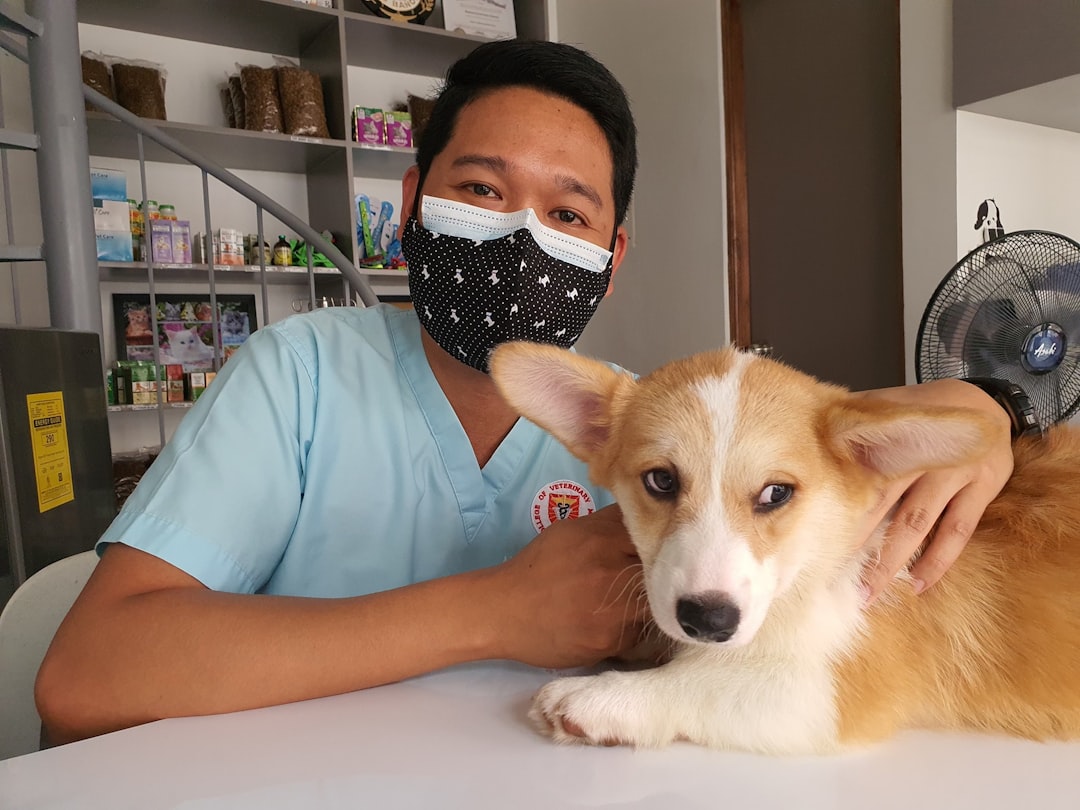
If possible, discuss an end-of-life plan with your veterinarian well before you need it – they can answer questions about health status, provide palliative care options, and explain euthanasia or natural passing. Having meaningful discussions with your vet combines your valuable emotional insight with their objective medical opinion, helping identify aspects that may have been overlooked. This partnership becomes invaluable during such an emotional time.
Understanding the expected course of your dog’s life-limiting disease allows for developing a personalized palliative care plan. Working with your veterinarian to construct an end-of-life plan provides comfort knowing it can be adjusted as your dog’s health changes or your resources shift. Don’t be afraid to ask questions or express concerns – your veterinary team is there to support both you and your dog.
Considering In-Home vs. Clinic Care
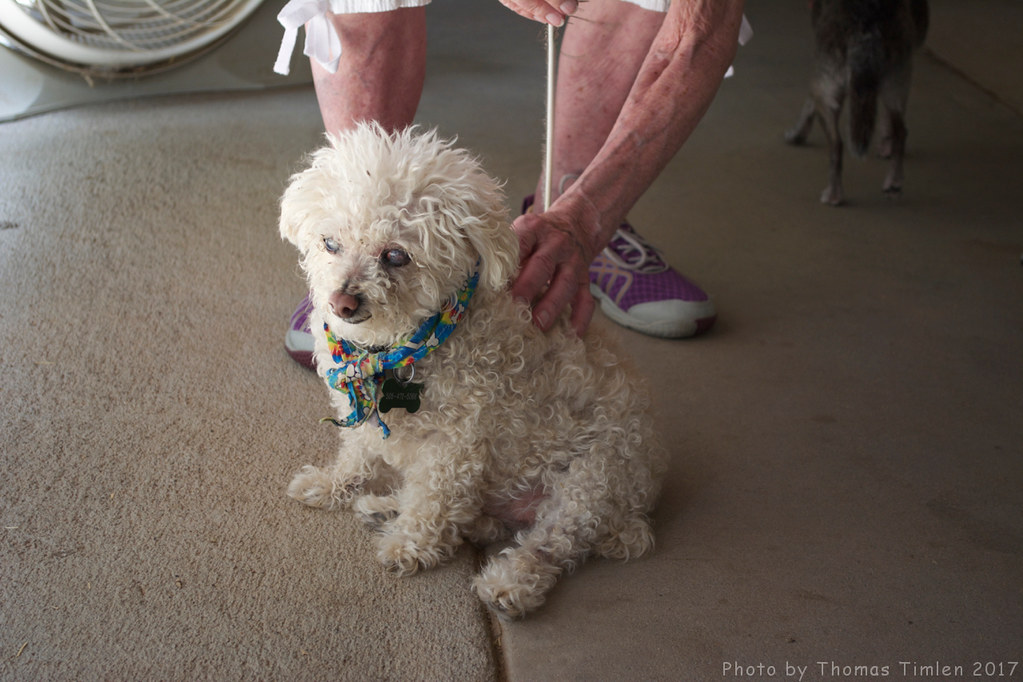
Home pet hospice and euthanasia allow final moments to be in the comfort of home with family, where everything is familiar. Most people find the end of a loved animal companion’s life extremely difficult and heartbreaking, and in-home care can make the experience less painful in comfortable surroundings. Your dog has spent their life making your house a home – returning that gift by letting them pass peacefully there can be deeply meaningful.
Some veterinarians offer mobile services or in-home euthanasia and hospice, providing palliative care and veterinary services at home to save pets and owners the stress of clinic visits. Most veterinarians provide euthanasia services both in clinic and at home, with resources like Lap of Love helping find providers if your vet doesn’t offer in-home services. The choice between home and clinic should be based on what feels right for your family and your dog’s needs.
Understanding the Rainbow Bridge Concept

The Rainbow Bridge is a heartwarming concept describing a mystical place where pets go after they pass away – a peaceful meadow where beloved animals are restored to perfect health and happiness. Based on poetry from the 1980s and 1990s, the Rainbow Bridge speaks of a special place where pets heal and wait in joy with other pets until reuniting with their humans. Whether or not you embrace this specific imagery, the concept represents the enduring nature of the love between you and your dog.
The Rainbow Bridge isn’t tied to any specific religion, containing spiritual elements that allow people of various beliefs to find meaning in its message. Whatever path your grief takes, the love you shared with your pet was real and meaningful – that connection remains one of life’s most precious gifts. For many people, imagining their beloved dog running free from pain while waiting for a joyful reunion provides profound comfort during grief.
Making the Final Decision
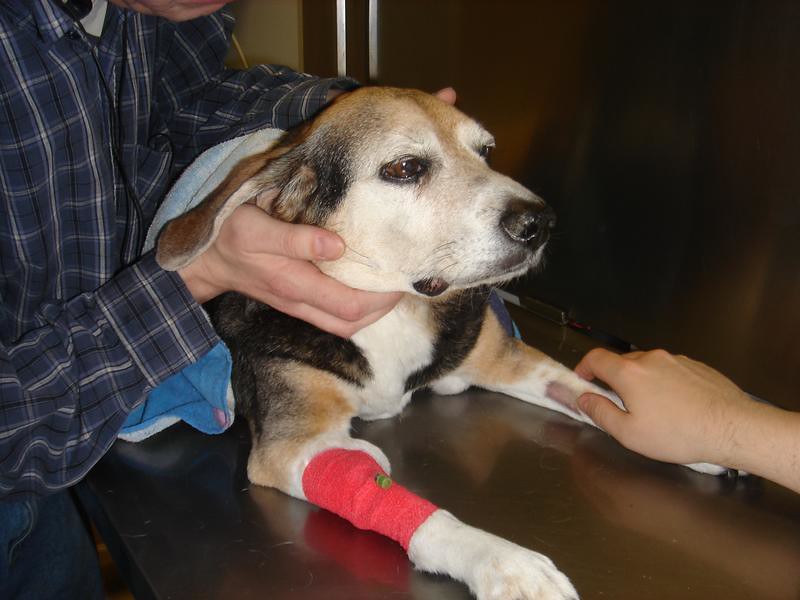
Almost everyone struggles with finding the right time to say final goodbye, and there is no “perfect” time – we always want just one more day, and tremendous guilt can accompany the decision. Many clients have commented that it’s “better to choose euthanasia one day too early, rather than one moment too late”. This decision is ultimately about love – choosing to end suffering rather than prolonging it for our own emotional needs.
Approaching euthanasia decision-making as finding the path of least regret acknowledges that choosing euthanasia is hard, with the physical and emotional condition of the pet and burden of care all playing roles. Owners know their dog best, and if they’re starting to consider euthanasia, it’s very unlikely to be the wrong decision – sometimes we become blinded by trying to keep dogs living as long as possible for our benefit, not theirs. Trust your heart, but also trust your dog to communicate their needs.
Finding Peace in the Final Moments

Euthanasia provides a painless, peaceful end for a pet who would otherwise continue to suffer, with veterinarians specially trained to provide humane and gentle death through sedation followed by special medication. Euthanasia is a painless, gentle way to end suffering, beginning with sedation followed by life-ending medication, with pets feeling no distress in a process where they lose consciousness within seconds and pass peacefully within 30-60 seconds. Being present during these final moments allows you to provide comfort through touch and voice.
If you have a say in planning for euthanasia, it can be a very peaceful experience, and knowing your pet can cross the rainbow bridge in the comfort of home can be very reassuring. Many pet parents find that staying with their dog until the very end, speaking softly and offering gentle touches, helps both them and their beloved companion. This final act of love – choosing peaceful release from suffering – may be the most selfless gift you can give.
Supporting your dog through their final journey across the Rainbow Bridge is perhaps the most profound act of love you’ll ever perform. While this path is never easy, knowing you’ve provided comfort, dignity, and compassion during their transition can bring peace amid the grief. Your dog spent their entire life loving you unconditionally – returning that gift by ensuring their peaceful passage is a sacred responsibility and privilege. The Rainbow Bridge may be the end of their physical presence, but the love you shared transcends that boundary, living on in your heart forever. Did you ever imagine that saying goodbye could also be an act of such deep love?
