

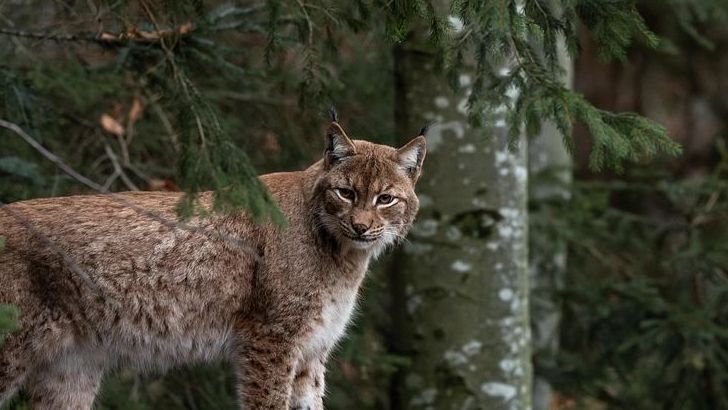
Utah’s wild landscapes hide some of the most elusive hunters in North America. These mysterious spotted cats roam every corner of the state, yet most people never spot one in their lifetime. But don’t let that discourage you – with the right knowledge and a bit of patience, you just might catch a glimpse of these remarkable predators. Every county is known to have bobcats residing in it. These adaptable felines have mastered the art of survival across Utah’s diverse terrain, from scorching desert valleys to snow-covered mountain peaks. Whether you’re an avid wildlife photographer or just curious about Utah’s native creatures, understanding where and when to look can transform an ordinary hike into an unforgettable encounter.
The Desert Southwest – Arizona Strip and Red Rock Country
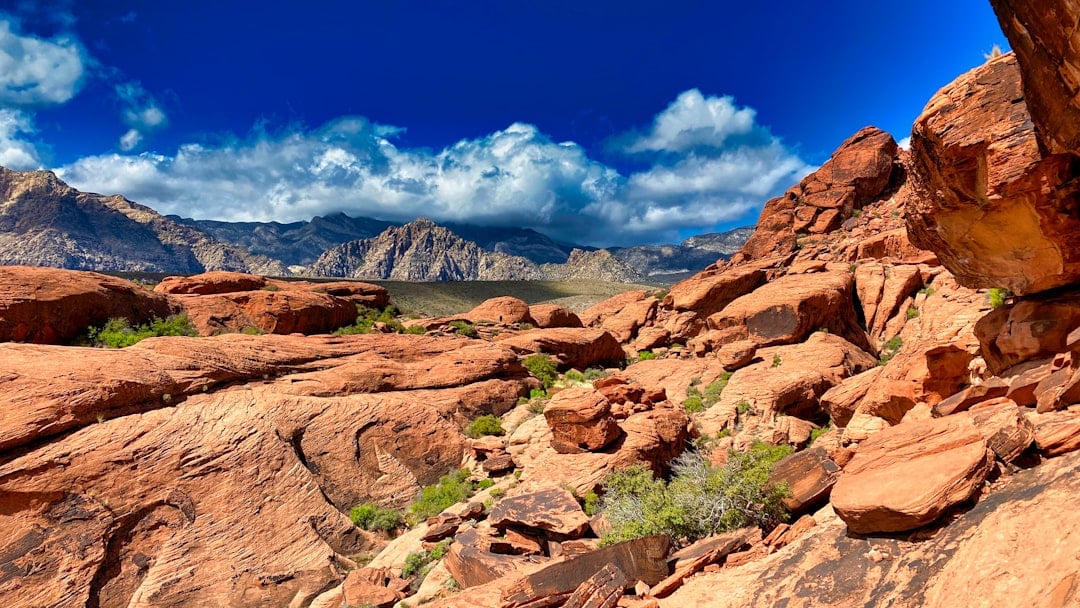
The red rock deserts of southern Utah offer some of the best bobcat habitat in the state. In Utah, they occupy various habitats including broken forested mountains, riparian areas, and rimrock canyon and chaparral country. Picture the dramatic landscapes around Zion National Park and the Arizona Strip – these areas provide perfect hunting grounds for bobcats. In Arches National Park, keep an eye out for lizards, snakes, birds and squirrels during the day, while nighttime offers chances to see kangaroo rats, skunks, ringtails, mountain lions, bobcats, owls and other animals. The rocky outcrops and canyon walls create ideal denning sites, while the abundance of small mammals keeps these cats well-fed year-round.
The Wasatch Front – Urban Edge Encounters
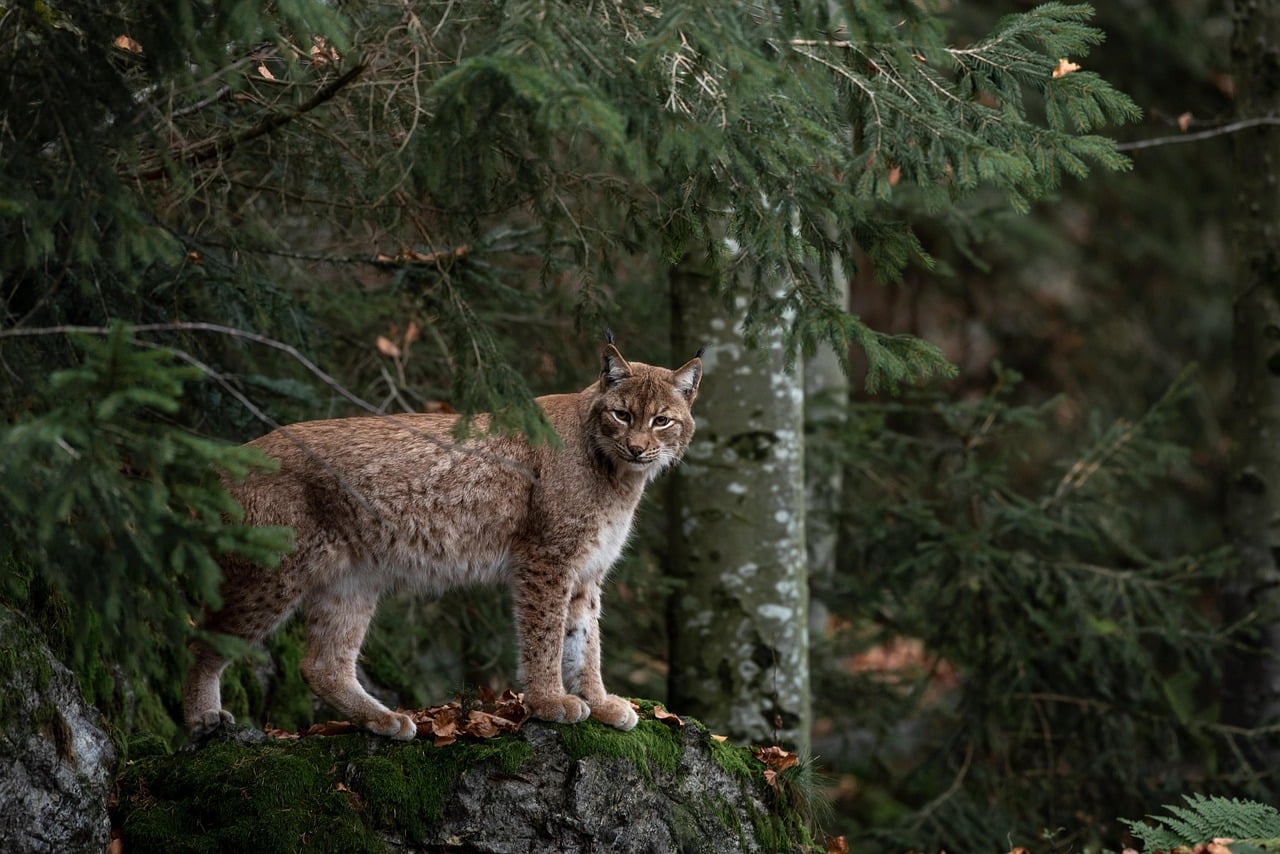
Surprisingly, some of the most frequent bobcat sightings happen right in our backyard. Bobcats have adapted to living in close proximity of humans and can be found near urban areas. They are very elusive and are seldom seen. The foothills along the Wasatch Front, from Salt Lake City to Utah County, have become hotspots for these adaptable predators. A Bountiful resident spotted two bobcats in his yard Monday morning. BOUNTIFUL, Utah (ABC4) – Two bobcats were caught on camera prowling around a Bountiful neighborhood, early Monday. These encounters remind us that bobcats are thriving even as urban development expands into their traditional territories.
Colorado Plateau – High Desert Wilderness
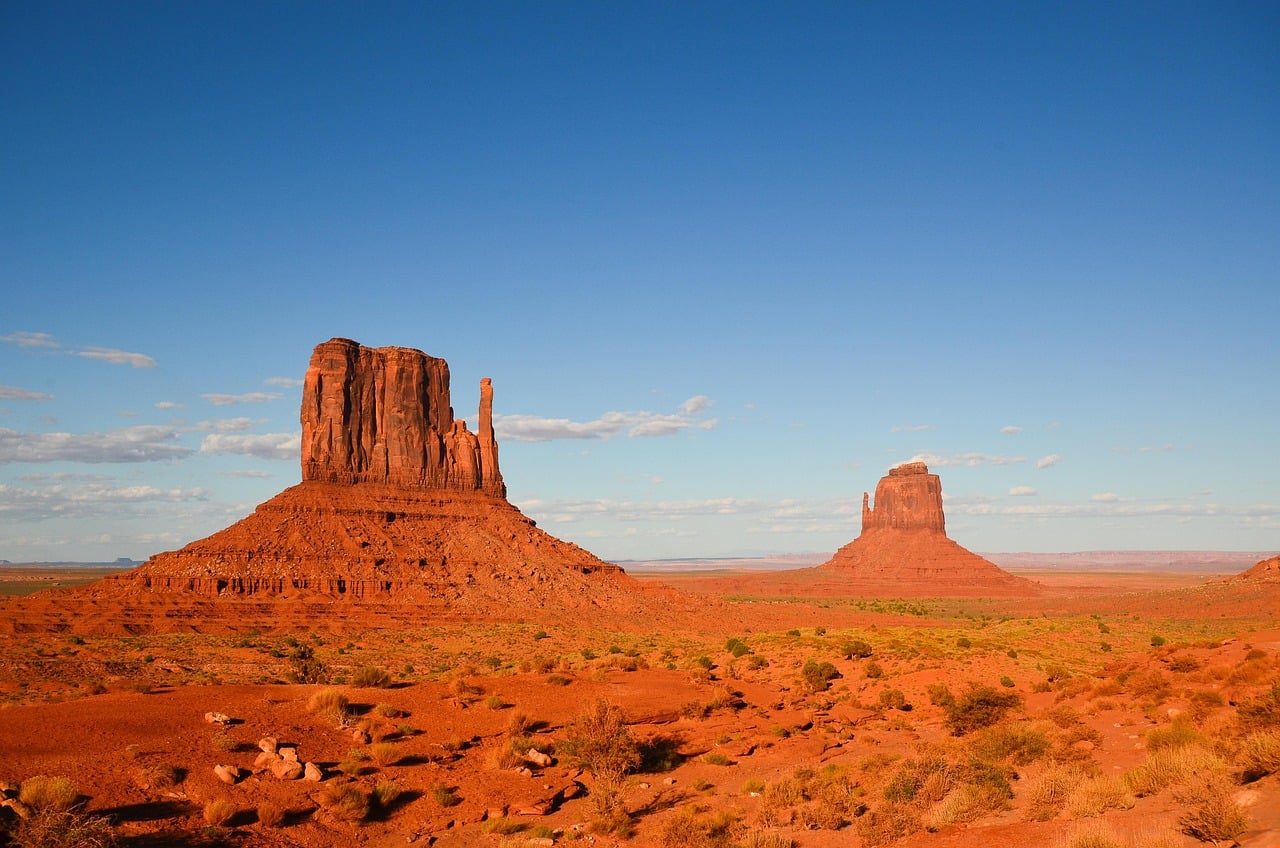
If you hike along the Colorado Plateau, the Great Basin, or the Wasatch Front, you may not realize you’re in bobcat territory. Chances are, they’re aware of you even if you never see them. The Colorado Plateau region encompasses much of eastern Utah, including areas around Canyonlands and Capitol Reef National Parks. This elevated desert landscape provides excellent habitat with its mix of pinyon-juniper forests, sagebrush flats, and rugged canyons. The rocky terrain offers countless hiding spots and denning opportunities, while the diverse ecosystem supports a healthy population of rabbits, rodents, and other prey species that bobcats depend on.
Mountain Forests – Alpine Hideaways
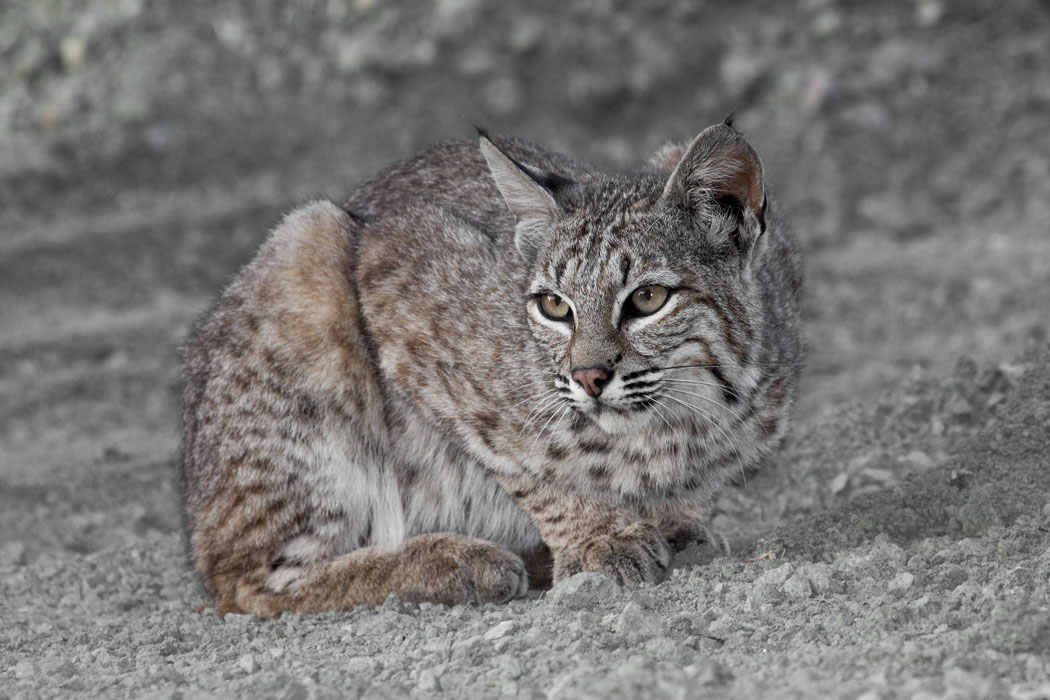
Utah’s mountain forests shouldn’t be overlooked when searching for bobcats. Bobcats prefer areas with thick undergrowth, and can be found in deserts, mountains, and numerous other types of habitat. They are primarily active at night and seek shelter in rocks, trees, or hollow logs when inactive. The Uinta Mountains, Wasatch Range, and other forested areas provide year-round habitat. Our mountains are also home to many other animals including bobcats, coyotes, cougars, and bears. These mountain environments offer thick cover for stalking prey and numerous rocky outcrops for denning sites. During winter months, bobcats may move to lower elevations, making them more likely to be spotted along canyon bottoms and creek beds.
Prime Viewing Times – Dawn and Dusk Magic
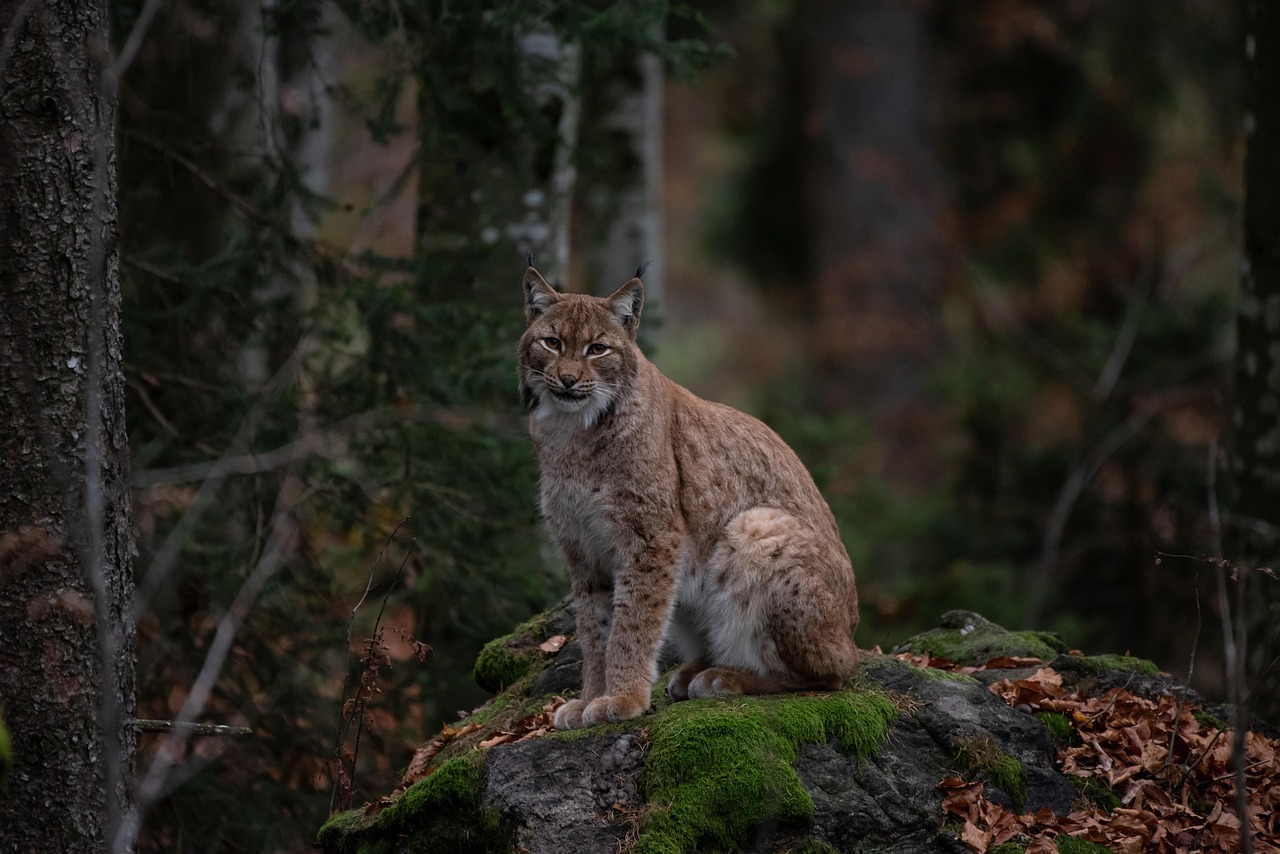
Timing is everything when it comes to bobcat spotting. Bobcats are solitary and mainly active at dawn and dusk but can sometimes be seen during the day. These crepuscular hours offer your best chance for an encounter, as bobcats emerge from their daytime hiding spots to hunt. Bobcats are most often seen at dawn and dusk, when prey is most active. Your best opportunities for hunting or viewing a bobcat are during dawn and dusk, when rabbits and small mammals are most active. Plan your outdoor adventures around these magical hours when the desert comes alive with activity.
Seasonal Patterns – When to Look
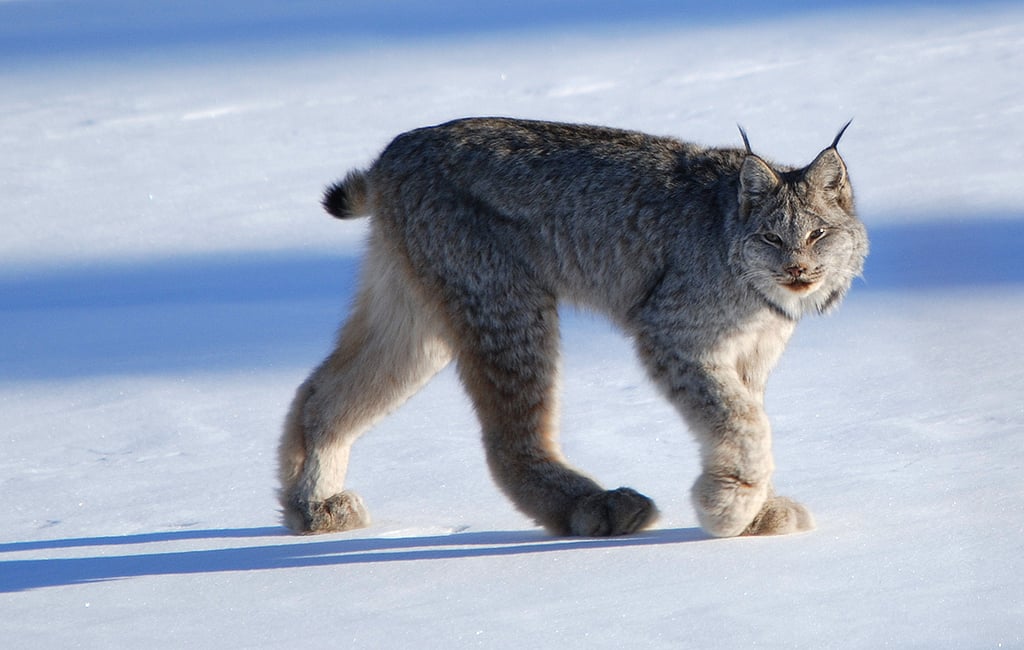
Understanding bobcat behavior throughout the year can dramatically improve your chances of a sighting. Males and females only associate during the breeding season, which typically runs December through April. During winter months, these normally solitary cats become more active and visible as they search for mates. Tracking is easiest after fresh snow or rain. Fresh snow reveals their tracks and hunting patterns, while rain softens the ground, making it easier to spot paw prints. Winter also forces prey animals into more concentrated areas, drawing bobcats to predictable hunting grounds like creek bottoms and canyon mouths.
Following the Signs – Tracks and Evidence
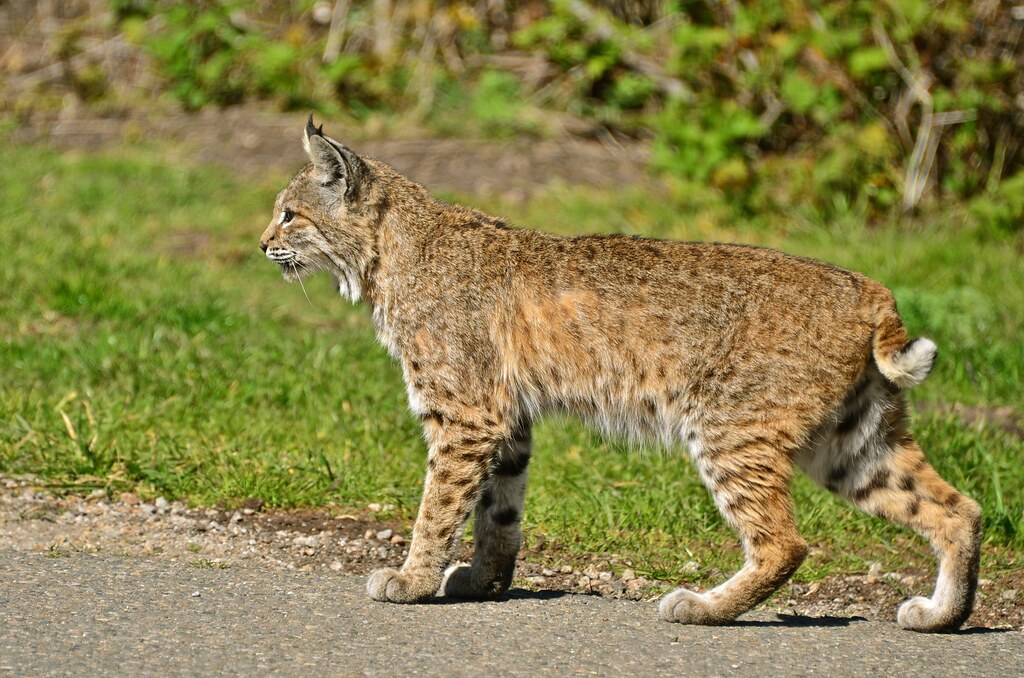
Even when you can’t see the cats themselves, bobcats leave plenty of evidence behind. If you see a bobcat print, note the lack of nail prints in the dirt. Unlike dogs or coyotes, bobcat tracks show no claw marks because they keep their claws retracted while walking. As far as size, a good rule of thumb for felines is the 1-2-3 rule: housecat tracks are typically one inch in diameter, bobcats are two, and mountain lions are three. Also look for the pattern of tracks – a bobcat tends to move in a direct register walk, where the hind feet land directly on top of the front feet, or an overstep walk. Learning to read these signs transforms every hike into a detective story.
Best Viewing Locations – Wildlife Hotspots
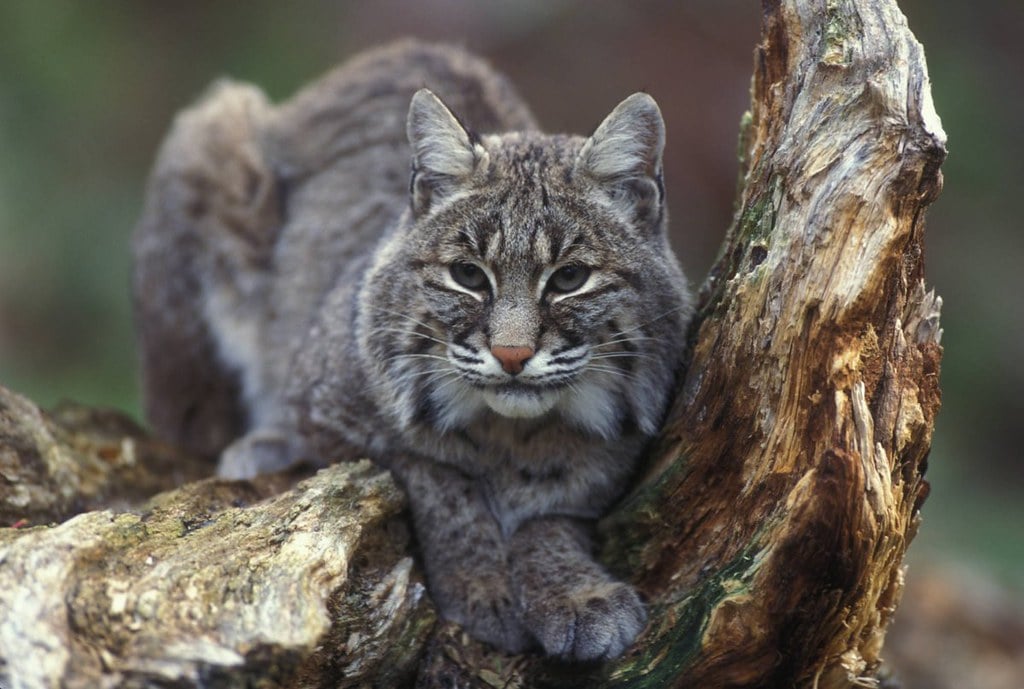
Non-harvest parks, refuges, and low-traffic state lands with water, cover, and prey offer the best chances for spotting a bobcat, though hunting may not be permitted in these areas. State parks, wildlife management areas, and national forest lands provide excellent opportunities for bobcat encounters. Areas like Antelope Island State Park, Fish Springs Wildlife Refuge, and the countless canyons throughout Utah offer prime viewing opportunities. Keep an eye out if you are near riverbanks and thickets, their prime hunting grounds in the hours around dawn and dusk. Water sources act like magnets, drawing both prey animals and the predators that hunt them.
Conclusion – The Patient Observer’s Reward
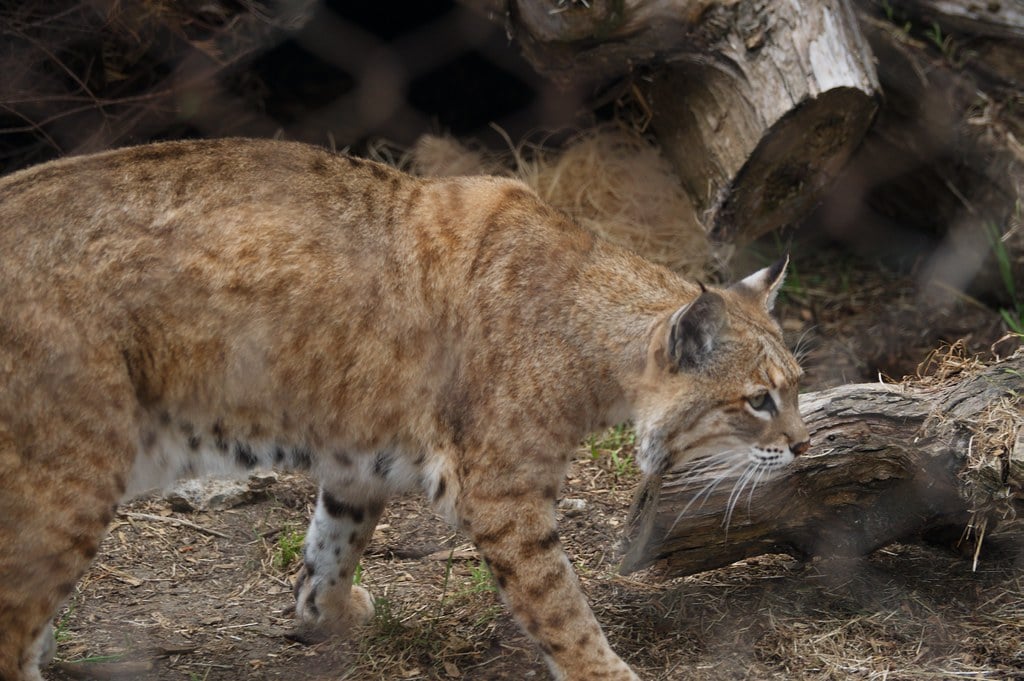
Finding requires patience, persistence, and a deep respect for these remarkable creatures. If you are in Utah, you are in bobcat country. With patient scouting and the right timing, you may just have a chance to view a bobcat in the state of Utah. Every step into Utah’s wilderness puts you in their territory, even if you never see them. Remember that these encounters are special precisely because they’re rare. The thrill of spotting a bobcat in the wild – whether it’s a fleeting glimpse of spotted fur disappearing into the brush or watching one hunt from a distance – creates memories that last a lifetime. In fact, these cats are everywhere and nowhere all at once. Widely distributed across the state, bobcats tend to be so secretive that most residents will go years without seeing one. What’s your most memorable wildlife encounter in Utah’s backcountry? Have you ever spotted the telltale signs of a bobcat on your adventures?

- 17 Popular Dog Breeds Iowa Vets Secretly Wish You’d Stop Choosing - July 13, 2026
- 23 Things Guide Dogs Understand About Their Person That Still Amazes Trainers - July 13, 2026
- 21 Dog Breeds Only Found In America - July 12, 2026