
Ever wondered if the ferocious beasts prowling through the Game of Thrones universe have any basis in reality? While dragons and ice zombies might be pure fantasy, many of the animals roaming George R.R. Martin’s world actually existed or could exist right here on Earth. From massive wolves with bone-crushing jaws to giant polar bears towering thirteen feet tall, the line between fiction and natural history gets surprisingly blurry in Westeros. Let’s get started on a journey through time to meet the real-world creatures that could step right out of our planet’s ancient past and into the Seven Kingdoms.
Direwolves – The Ultimate Ice Age Predators
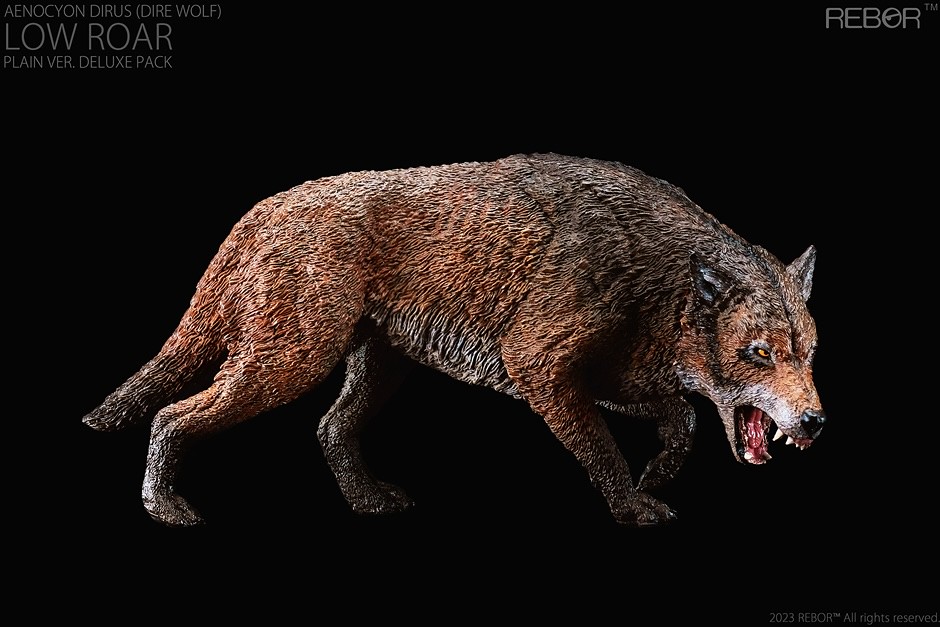
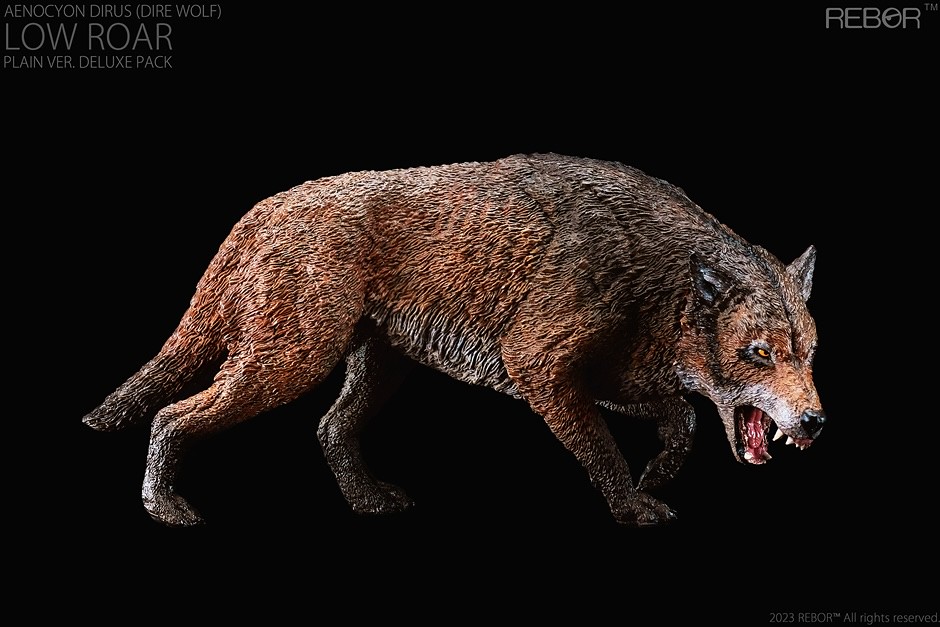
The loyal companions of the Stark children weren’t just figments of Martin’s imagination. The real direwolf is also called a dire wolf (note the space in between the words) or Canis dirus. While they did exist, the dire wolf went extinct around 10,000 years ago. The dire wolf was very similar to today’s gray wolf, with some slight differences. These ancient predators roamed North America during the Ice Age, hunting mammoth-sized prey with jaws that could crack bones like twigs.
The Game of Thrones creatures were inspired by Aenocyon (or Canis) dirus, which lived in North America and Siberia from 100,000 to 4,000 years ago and whose anatomy differs slightly from that of the wolf, having shorter legs and a different skull shape. Picture wolves built like linebackers rather than marathon runners – that was the dire wolf’s specialty. They were perfectly designed for taking down megafauna in a world where everything was super-sized.
Aurochs – The Mighty Ancestors of Modern Cattle
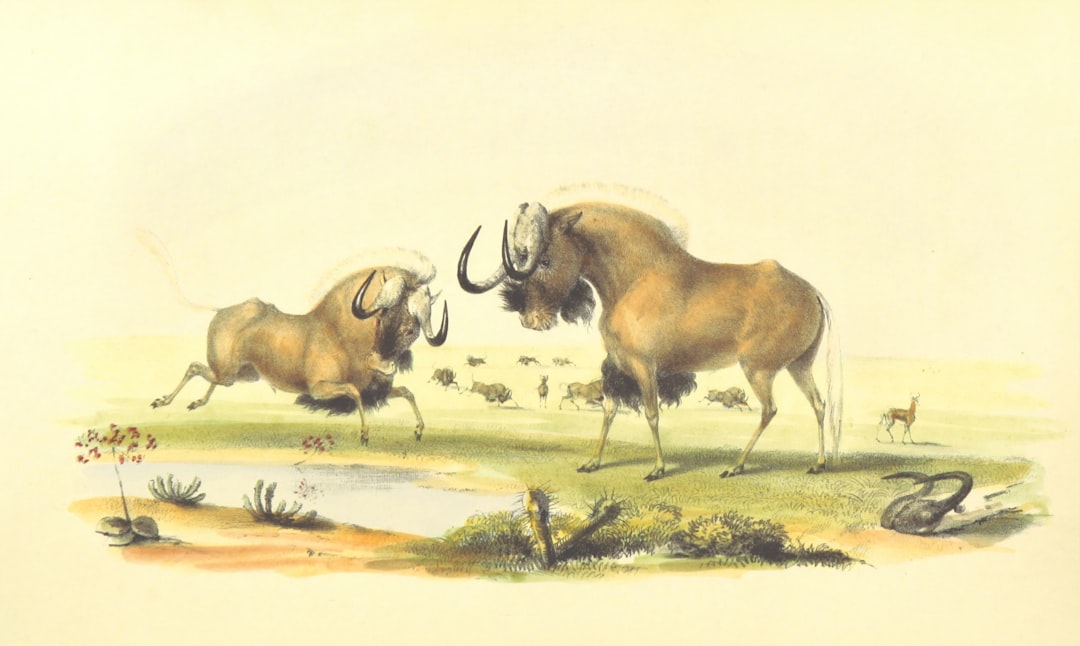
Aurochs did exist in Eurasia, but went extinct in the 1600s; they are an ancestor to domestic cattle. Aurochs were large, wild cattle with huge horns that weighed around 2,000 lbs. They were of much significance to people up to their extinction, which included being depicted in cave paintings. These massive beasts weren’t just bigger cows – they were wild, powerful animals that could easily knock a grown man flat on his back.
What makes aurochs fascinating is their recent extinction date. While most Game of Thrones-inspired animals died out thousands of years ago, aurochs survived until relatively modern times. Scientists today are even trying to bring them back by breeding cattle to be as close to aurochs as they can possibly get. Talk about life imitating art – or in this case, trying to recreate the very animals that inspired fantasy!
Mammoths – Giants of the Frozen North
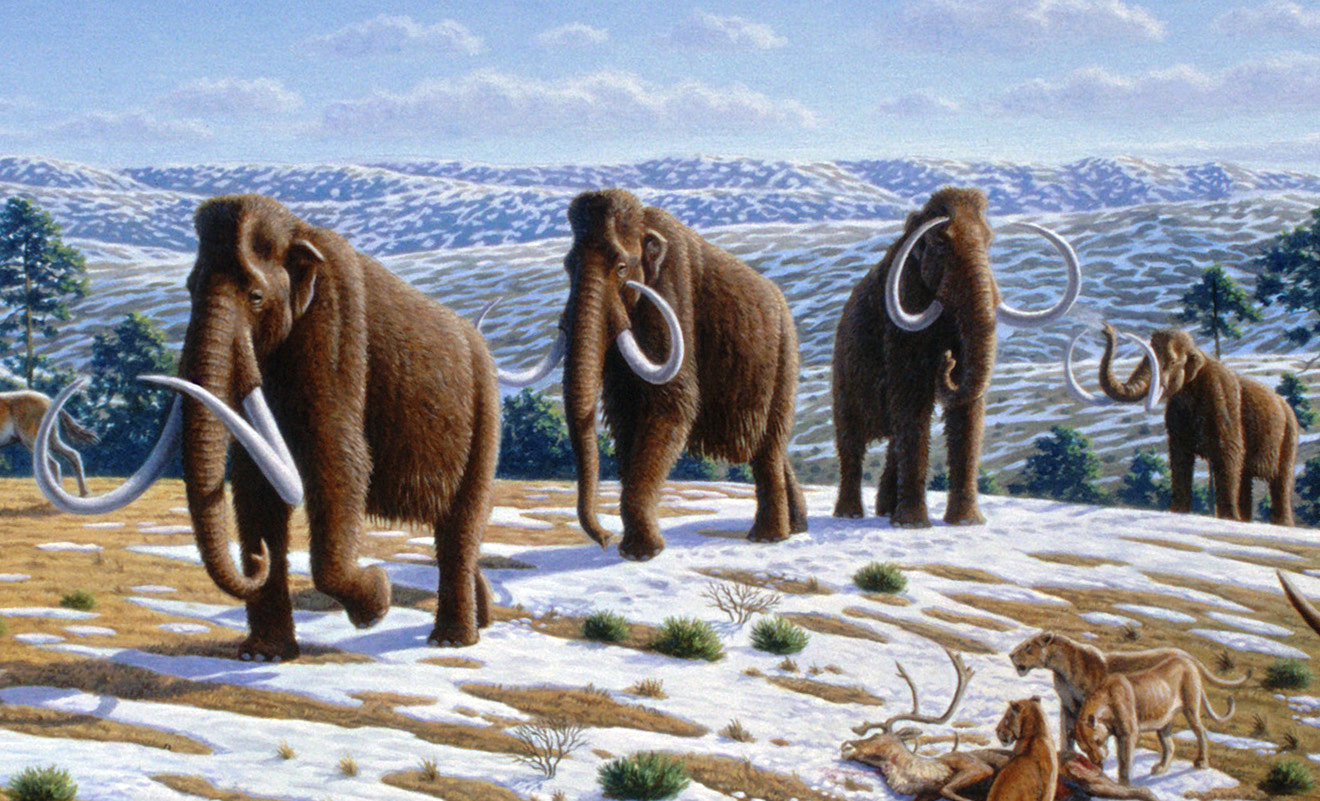
The mammoths in the narrative are essentially similar to the real-life Pleistocene megafauna Mammoths that once existed on real-life Earth. They first evolved about 5 million years ago and spread across both North America and Eurasia. Like real-life direwolves, however, they died out at the end of the last Ice Age, about 10,000 years ago. These weren’t just elephants with fur coats – they were built for survival in one of Earth’s harshest environments.
Mammoths, like dire wolves, grew to large size as an adaptation for maximizing heat retention, which made them stronger but slower than modern elephants. For a time, real-life mammoths did inhabit the same areas as real-life dire wolves, just as both direwolves and mammoths inhabit the same area beyond the Wall in Westeros. The frozen landscapes beyond the Wall are essentially a snapshot of Ice Age Earth, complete with the same cast of megafaunal characters.
Snow Bears – The Real-Life Polar Giants
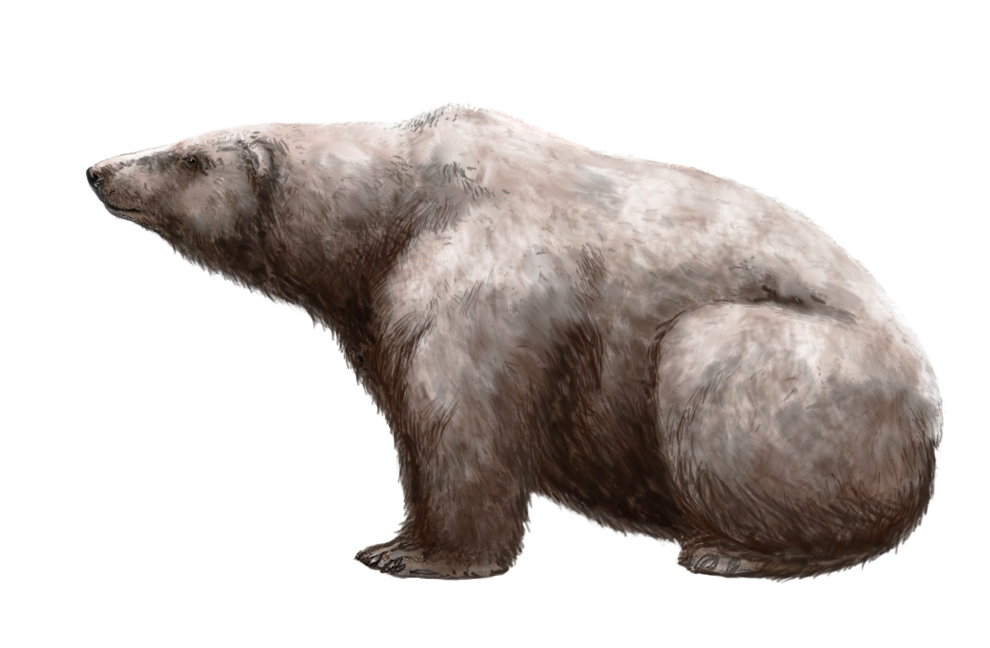
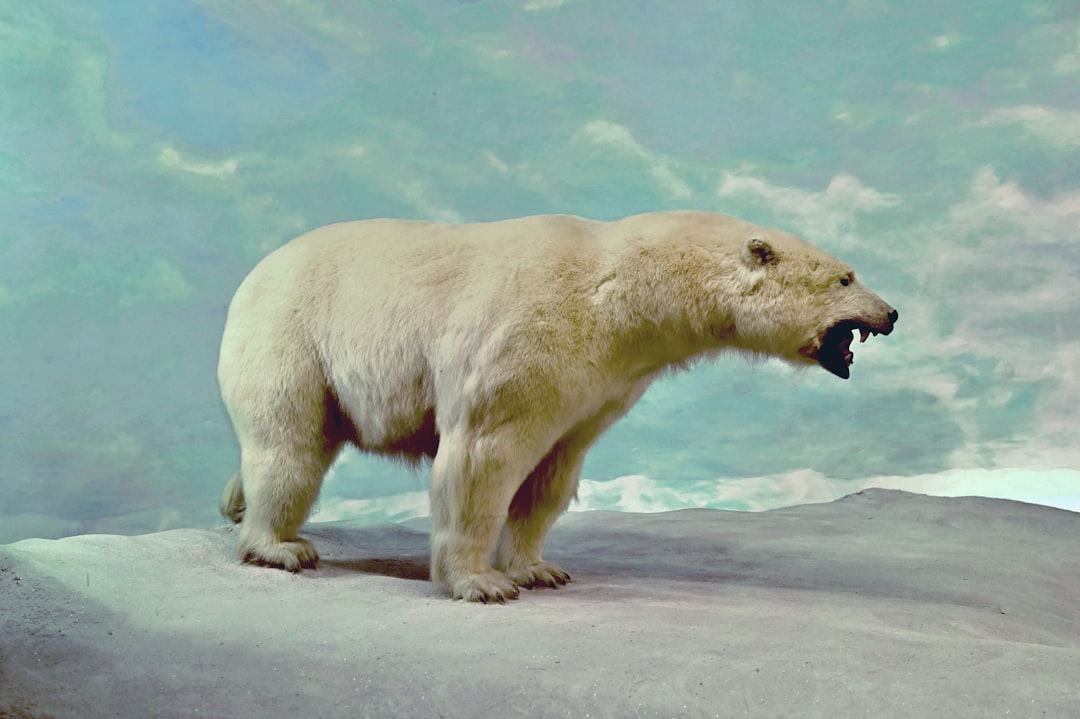
They are similar to real-life polar bears, but much larger. Adapted to the cold climate of the far north, snow bears have white pelts and can grow to massive size, with one described as thirteen feet tall (at the shoulder, even when walking on all four legs, not when rearing up on its hind legs). Snow bears are not exactly the same as “polar bears”, however, because real-life polar bears usually have a maximum size of only five feet tall at the shoulder (still the largest living species of bear).
While today’s polar bears are impressive enough, the ancient world had even more massive bears. The extreme size of these bears is much bigger than any living or even extinct bear species. The world’s largest bears belonged to the extinct genus Arcotherium whose members weighed almost 10 times that of their closest living relatives, the spectacled bears, but would still be dwarfed by the monstrous snow bears. Imagine encountering one of these beasts in the frozen wilderness!
Ravens – Nature’s Brilliant Messengers
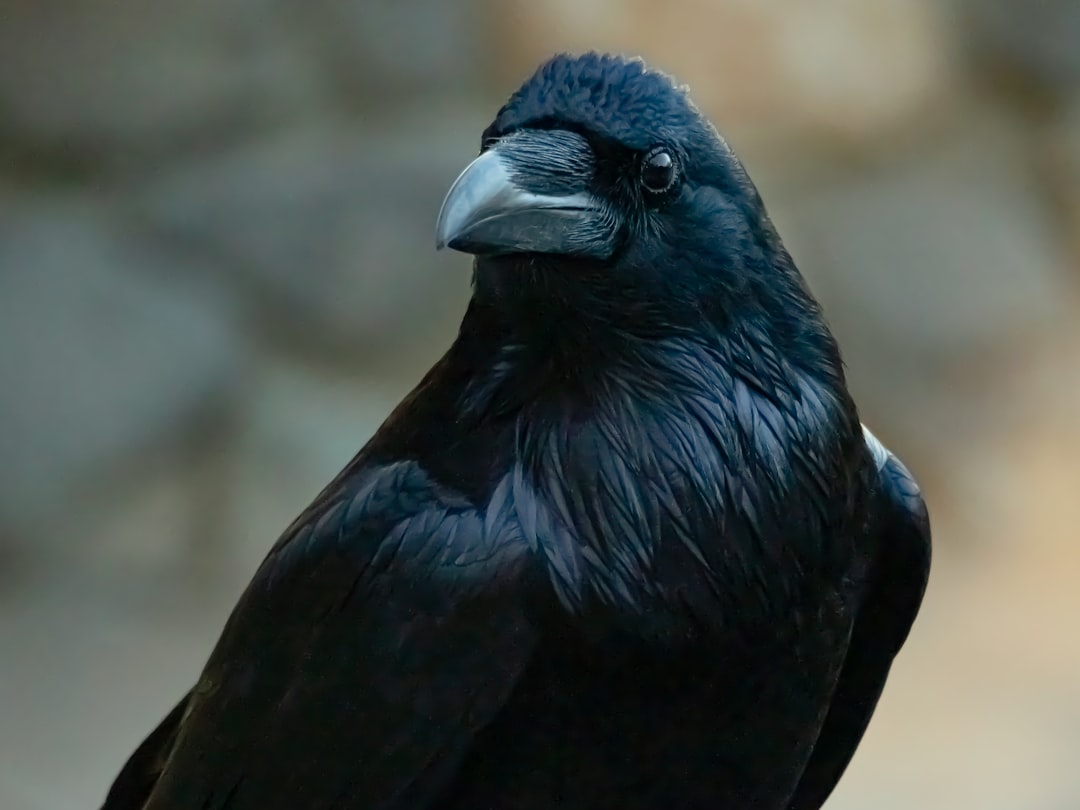
Ravens, and even white ravens, do exist in the real world. They are incredibly intelligent and resourceful, making them one of the most intelligent animals on Earth. What is fake about the ravens in Game Of Thrones is that they were never messenger birds in our history, one of the reasons being that they’d probably take too long to train. These remarkable birds are among the smartest creatures on the planet, capable of solving complex puzzles and using tools.
The intelligence of ravens is truly mind-blowing. They can plan for future events, hold grudges, and even play games with other ravens. While they might not have delivered messages in medieval times, their cognitive abilities are sophisticated enough that the concept isn’t entirely far-fetched. It’s just that pigeons were easier to train and more reliable for the task.
Shadowcats – Based on Ancient Big Cat Predators
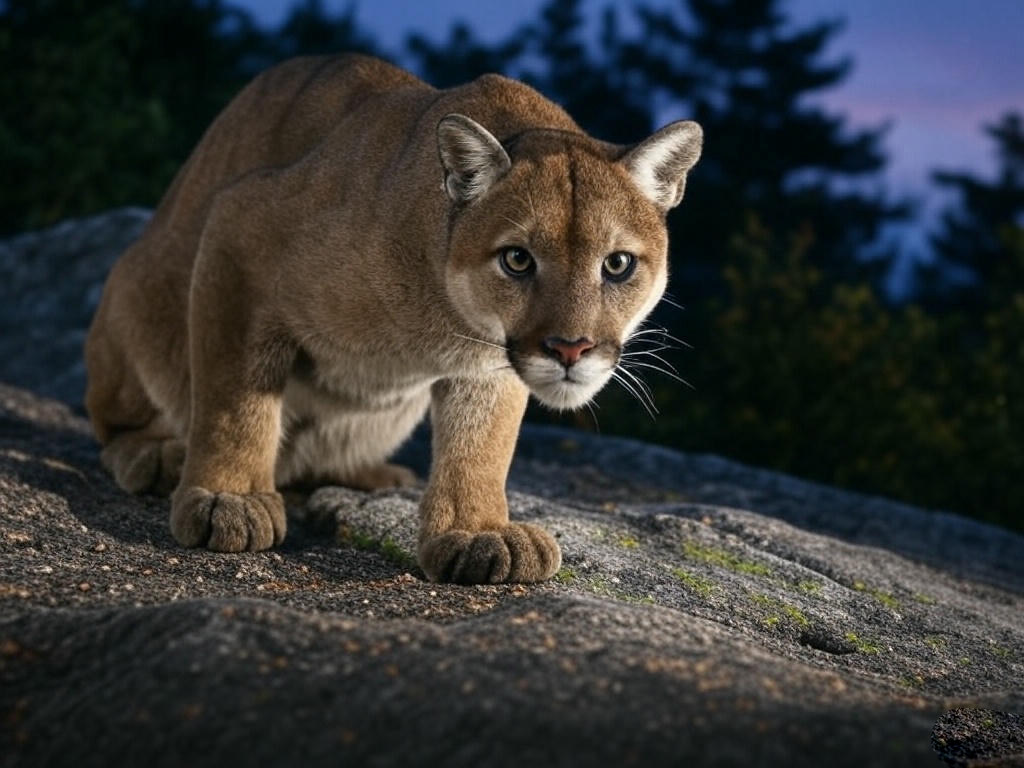
Shadowcats are probably based on large cats from the present and the past, like the cougar, the Eurasian lynx, the tiger, the Smilodon, and the cave lion. Cougars live in North and South America and will stalk prey as small as a squirrel to as large as an elk. These fictional felines draw inspiration from some of history’s most formidable predators, including the infamous saber-toothed cats.
Despite not yet appearing in the TV adaptation, the books describes shadowcats as large feline creatures with a body size between that of a cougar and a tiger but with thick black fur and white stripes. These large felines are very much directly based on our own big cats, but the addition of striped black fur and “glowing eyes” make you question just how well adapted they are to the snowy terrain up in the North of Westeros. Nature has produced some incredibly specialized predators, and shadowcats represent the perfect blend of real evolutionary adaptations with fantasy enhancement.
Krakens – The Ocean’s Legendary Giants
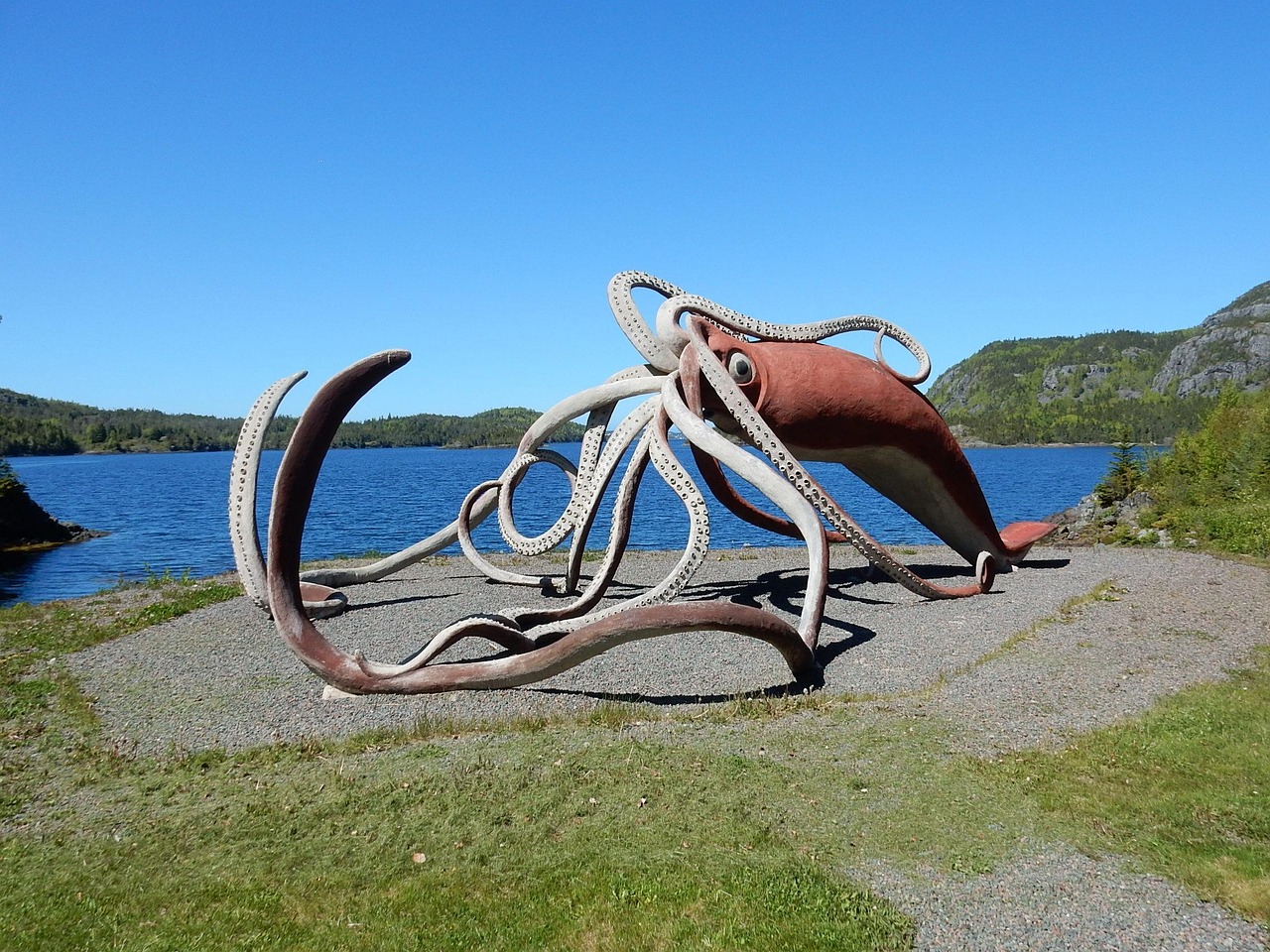
Fake. This answer probably comes as no surprise, but what maybe will surprise you is that like the characters in ASOIAF, we used to believe that the kraken might actually exist, up until a couple hundred years ago. The ocean is still vastly unexplored to this day, and 300 and more years ago, the sea was a treacherous place for sailors. The combination of these facts make the belief pretty understandable.
The kraken myth is probably based on the giant squid, which does not eat people or drag ships to the depths but will defend themselves from sperm whales if sperm whales try to eat them. While giant squids don’t match the ship-destroying monsters of legend, they’re still incredible creatures that can grow to lengths of over forty feet. The deep ocean continues to surprise us with its bizarre inhabitants, making the kraken myth surprisingly grounded in reality.
Thylacines – The Extinct “Tasmanian Tigers”
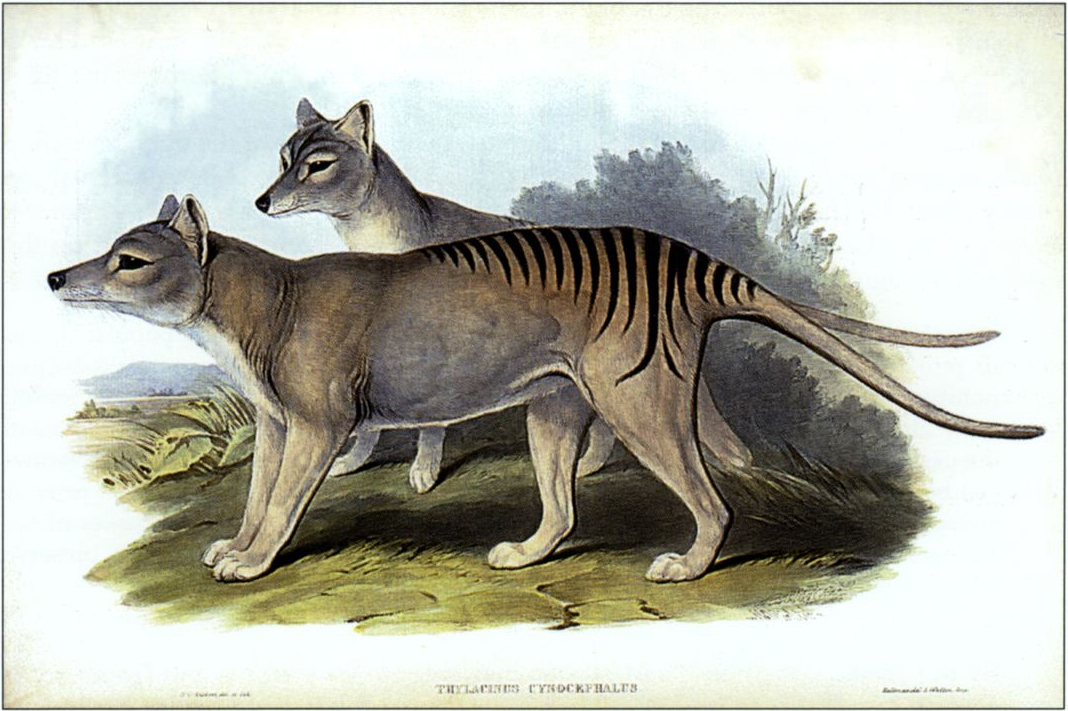
The thylacine (also known as the “Tasmanian tiger”) was a large striped marsupial found in Australia, which was driven to extinction in the early 20th century. They somewhat resembled wolves or predatory big cats, but this is simply due to convergent evolution as apex predators. Thylacines therefore basically resembled “tigers that carry their cubs in a pouch”. Martin’s world includes references to these fascinating creatures that once roamed our own planet.
The thylacine represents one of evolution’s most remarkable examples of convergent evolution. Despite being marsupials, they developed hunting strategies and physical features remarkably similar to wolves and big cats. Thylacines are not extinct in Martin’s fictional world, though they don’t seem to be native to Essos, instead coming from lands far beyond it. It’s a poignant reminder of the incredible diversity we’ve lost from our own world.
Ice Age Megafauna – A Vanished World
In particular, it is known that many large mammal species went extinct during the transition from the Ice Age to the present interglacial period (from around 50,000 to 5,000 years ago). These extinctions are thought to have occurred due to a combination of a quickly changing climate, changing vegetation and increases in human hunting. These megafauna included some truly huge and charismatic animals, from the iconic woolly mammoth to huge cave bears, to giant sloths standing nearly 12 feet tall!
The world of Game of Thrones essentially recreates the Ice Age ecosystem that once thrived across much of our planet. To find out, let’s consider the various species present: lynx, mammoths, “direwolves” (giant wolves), aurochs, bears (including large white bears that stand four metres tall on their hind legs) and giant moose (with antlers three metres across). The latter evoke the famous Megaloceros giganteus, a cervid species that roamed our planet from about 500,000 to 5,000 years ago. This vanished world was every bit as spectacular as any fantasy realm.
The Real Dragons of Ancient Skies
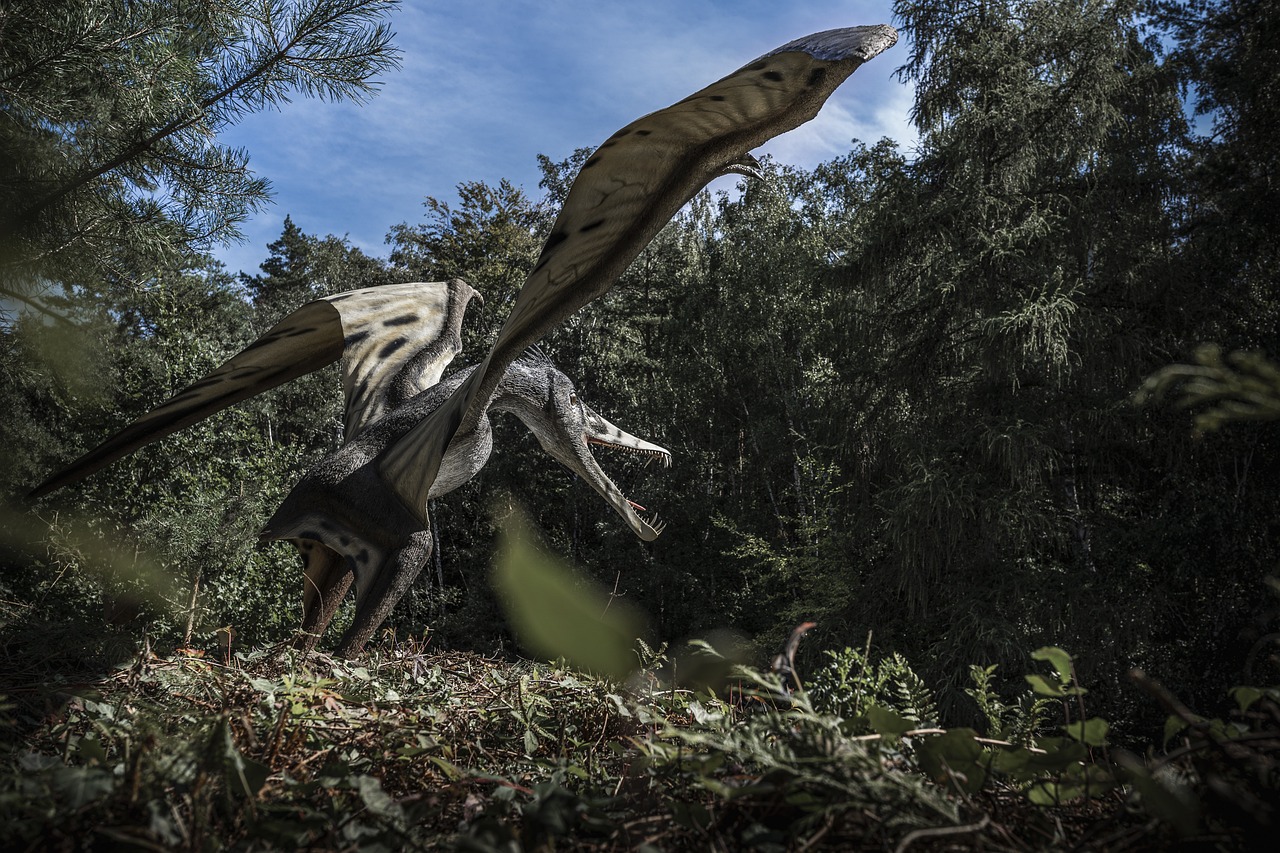
While fire-breathing dragons never existed, the ancient world had flying reptiles that were just as impressive. Like many real-life reptiles – either living, like crocodiles, or in fossil form, like the dinosaurs – dragons in Game of Thrones continue to grow throughout their entire lives. Their development is especially rapid during their first eight years: they are the size of a cat when they hatch from the egg, and that of a dog after four or five months. Pterosaurs, the real flying reptiles of the past, had wingspans that could rival Martin’s dragons.
Fortunately for the dragons in Game of Thrones, this kind of mobility is theoretically provided by the makeup of their wings: multi-layered elastic membranes consisting of fibrous tissue, muscles and a vascular network, not unlike pterosaur wings. The science behind dragon flight isn’t as impossible as you might think, though the physics would be challenging for creatures of such massive size. Nature has always been the best inspiration for fantasy.
The world of Game of Thrones draws its power not just from magic and political intrigue, but from tapping into the deep memory of our planet’s incredible past. These creatures existed in a time when Earth itself was more fantastical than any fiction. From bone-crushing dire wolves to tower-tall bears, our ancestors shared the world with beasts that could easily populate any fantasy realm. What’s truly remarkable is how much we’ve lost – and how much we’re still discovering. Every year, paleontologists uncover new species that could step right out of Westeros. The next time you watch Jon Snow ride alongside Ghost or see giants mounted on mammoths, remember that our own world once teemed with creatures just as magnificent and terrifying. What do you think about these real-world connections to fantasy? Tell us in the comments.
