

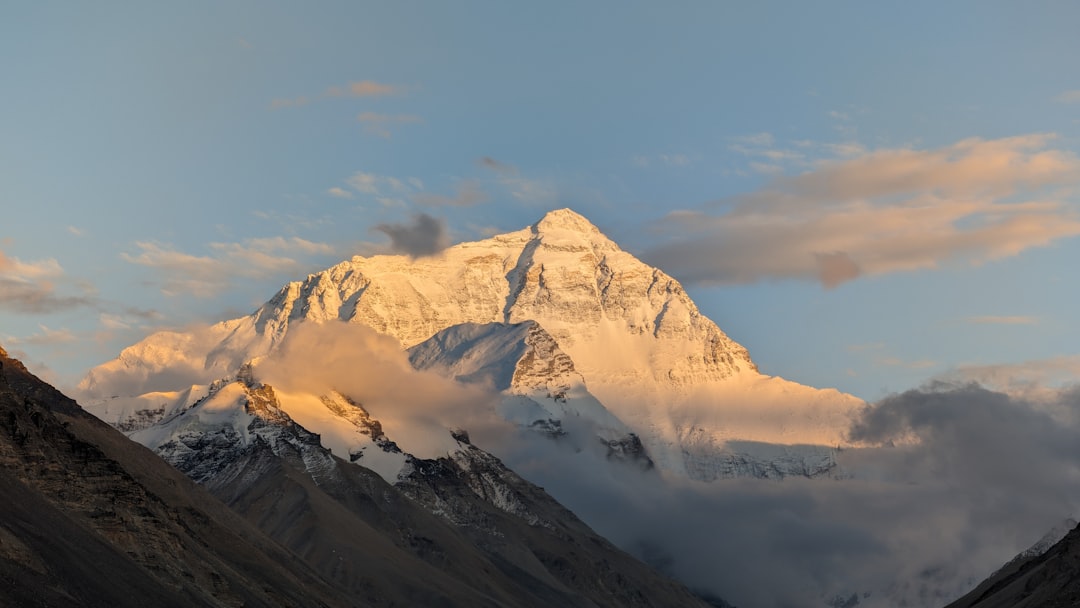
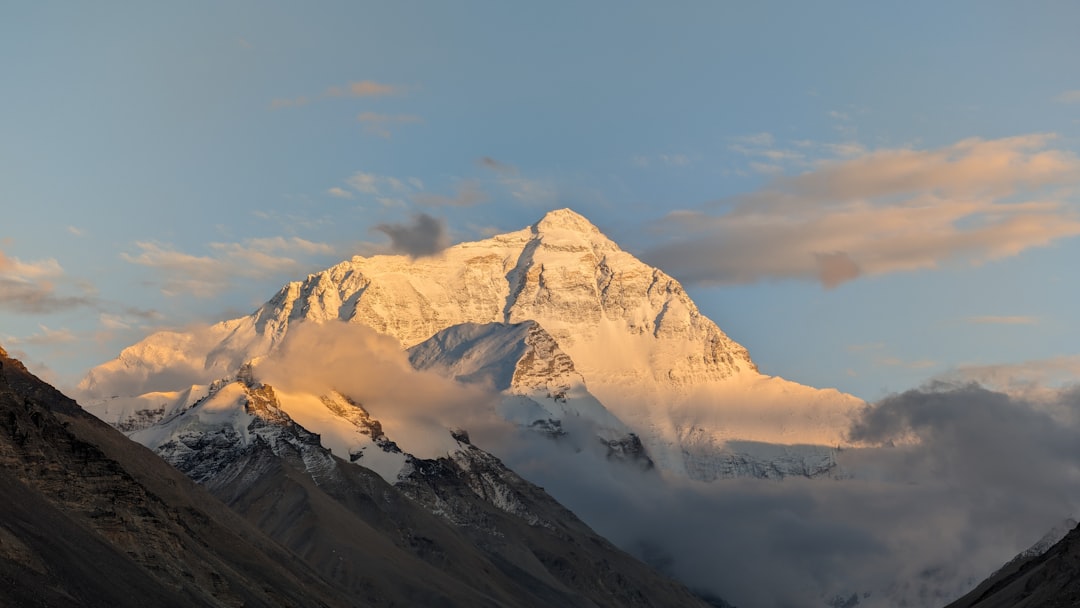
Standing at the summit of Mount Everest might be every climber’s dream, yet few realize just how devastating the journey through the Death Zone truly becomes for the human body. This legendary region above 26,247 feet is where mountaineering dreams often turn into biological nightmares.
The Death Zone earned its ominous name for good reason. In mountaineering, the death zone refers to altitudes above which the pressure of oxygen is insufficient to sustain human life for an extended time span. This point is generally considered to be 8,000 m (26,247 ft), where atmospheric pressure is less than 356 millibars. What happens to your body in this hostile environment goes far beyond simple exhaustion. Let’s dive into the terrifying reality of what occurs when humans venture into this deadly altitude.
Your Brain Begins Swelling Like a Balloon
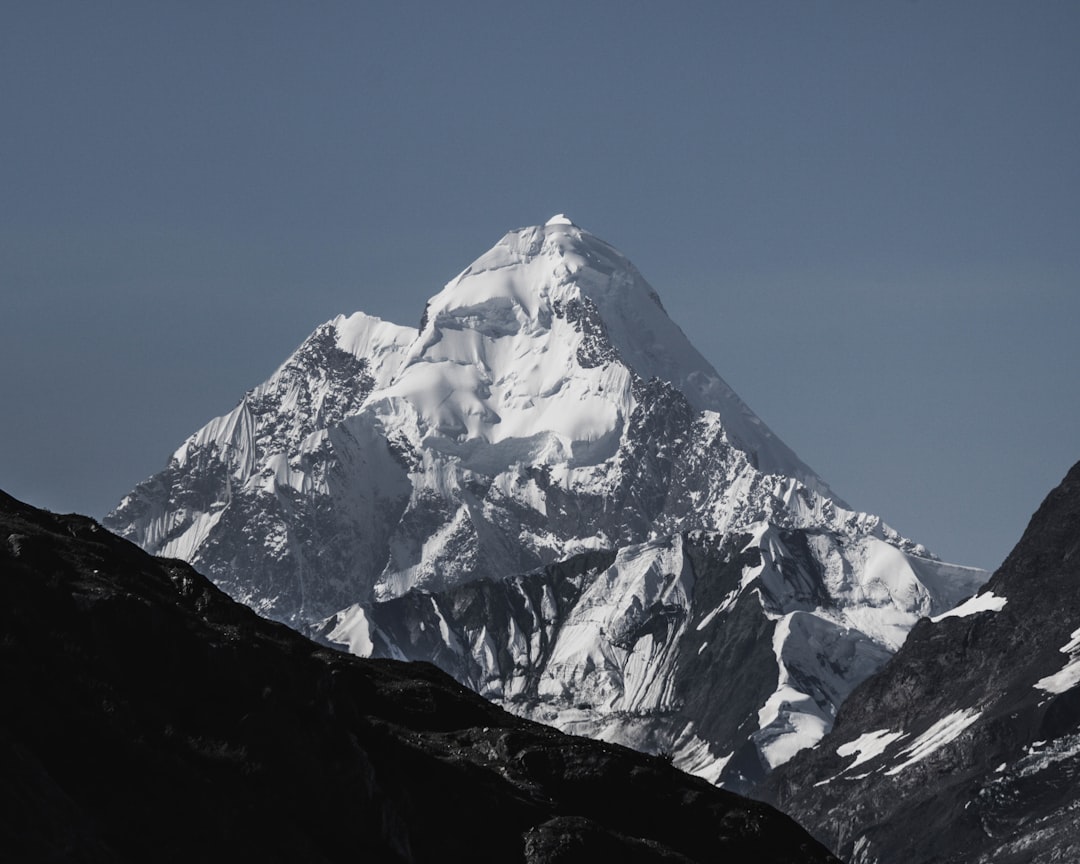
The human brain doesn’t handle oxygen starvation well at all. High-altitude cerebral edema, or HACE, is a life-threatening form of altitude sickness where your brain swells when you reach high altitudes. As a result, your brain reacts negatively to a lack of oxygen by swelling. Think about it this way – your skull is like a rigid helmet, and when your brain expands inside it, the pressure becomes unbearable.
High Altitude Cerebral Edema (HACE) is a severe and potentially fatal manifestation of high altitude illness and is often characterized by ataxia, fatigue, and altered mental status. The scary part? It can progress to coma and death as a result of brain herniation within 24 hours. Climbers suddenly find themselves stumbling around like they’re drunk, unable to walk in a straight line or make basic decisions that could save their lives.
You Start Seeing Things That Aren’t There
Hallucinations in the Death Zone aren’t just stories from old climbing books – they’re a terrifying reality. Hallucinations due to oxygen deprivation are common. With hypoxia, climbers may experience confusion, poor judgment, slower reaction times, and hallucinations. Some climbers report seeing family members walking beside them or having full conversations with imaginary companions.
Climbers with insufficient oxygen going to the brain can enter a state known as high-altitude psychosis. In this state, climbers may wander off the path, remove articles of clothing or forget to clip themselves into a rope team. The most chilling part is that these aren’t mild daydreams – they’re vivid, convincing experiences that can lead climbers to make deadly mistakes in one of the world’s most dangerous environments.
Your Blood Turns Into Thick Sludge
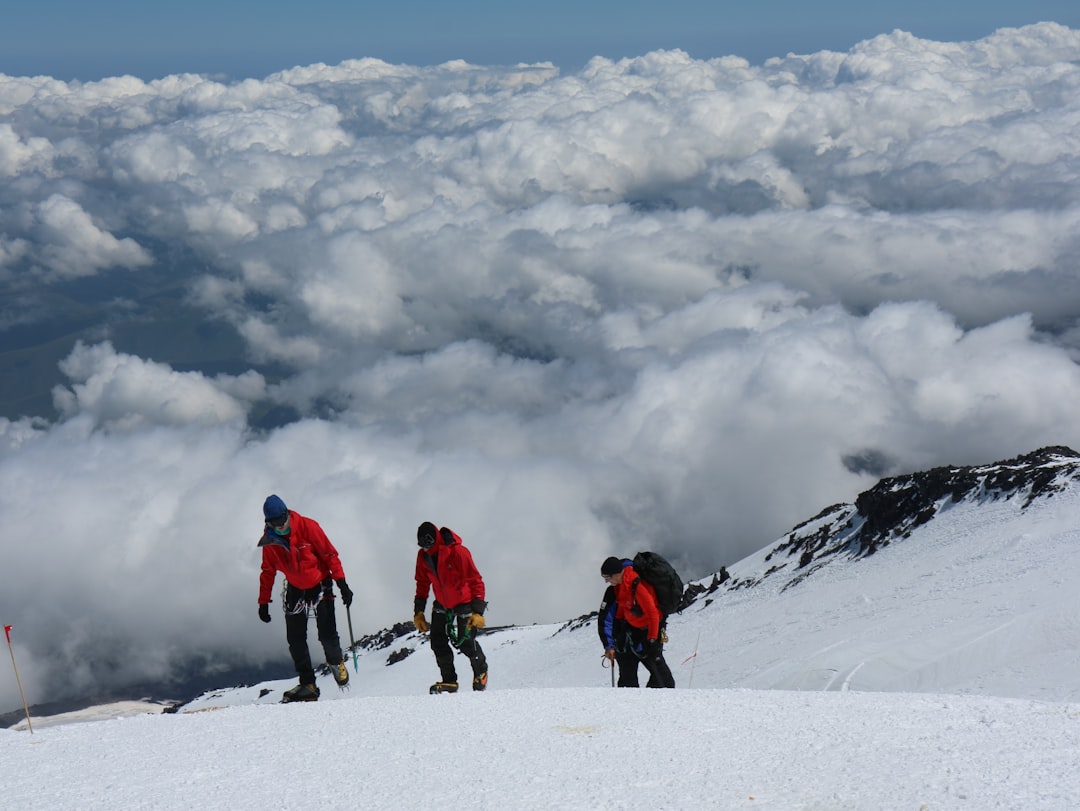
Your body’s desperate attempt to survive high altitude actually creates another dangerous problem. As part of the acclimatization process, the body produces more red blood cells (which carry oxygen through the body) to compensate for the low oxygen environment. A high concentration of red blood cells makes the blood thicker. The heart works harder to pump blood to the organs and tissues. Imagine trying to pump honey through a garden hose instead of water.
This thickened blood creates a cascade of problems throughout your body. Too much hemoglobin can thicken your blood, making it harder for the heart to pump blood around the body. That can lead to a stroke or the accumulation of fluid in your lungs. Your heart rate can spike to dangerous levels, sometimes reaching over 140 beats per minute even while resting in your tent.
Your Lungs Fill with Deadly Fluid
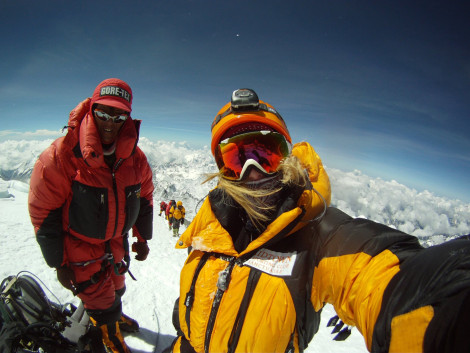
High Altitude Pulmonary Edema might sound technical, but it’s essentially drowning from the inside out. HAPE is caused when fluid begins to leak into the lungs and can be quickly identified using a stethoscope to listen for a clicking sound in the lungs. Common symptoms of HAPE include fatigue, difficulty breathing, especially while laying down, and coughing up white, watery fluids. The clicking sound medical experts describe is actually the sound of fluid sloshing around where only air should be.
Symptoms include fatigue, a feeling of impending suffocation at night, weakness, and a persistent cough bringing up white, watery, or frothy fluid. Sometimes the coughing is so severe that it cracks or separates ribs. Climbers with HAPE are always short of breath, even when resting. The feeling of suffocation becomes so intense that many climbers describe it as being worse than the physical exhaustion of the climb itself.
Your Body Starts Eating Itself
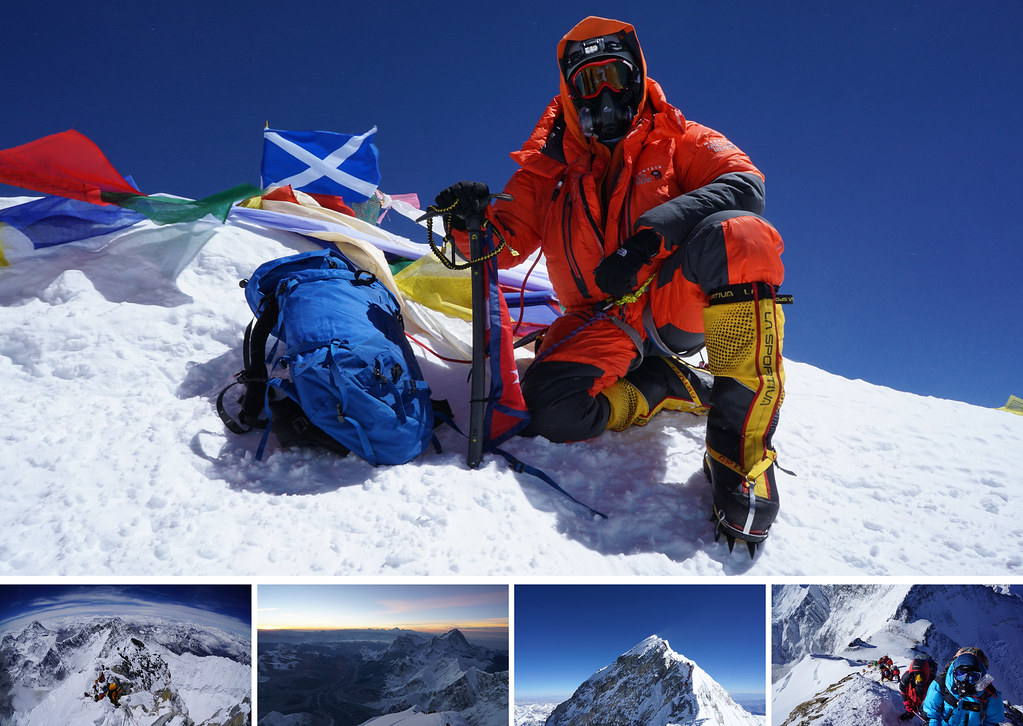
The Death Zone turns your body into a cannibal of sorts. The body burns more calories than climbers can consume. Rapid weight and strength loss weakens survival chances. Your muscles begin wasting away at an alarming rate because your body desperately needs energy to survive, and it doesn’t care where it gets it from.
This muscle wasting happens frighteningly fast in the oxygen-starved environment. Climbers frequently have more trouble sleeping at high altitudes, lose muscle mass more rapidly than they would at sea level and experience a significant decline in appetite, usually accompanied by weight loss. Many climbers report losing 15-20 pounds during a typical Everest expedition, with much of that loss occurring in the final push through the Death Zone.
Your Skin Turns Blue as Oxygen Disappears
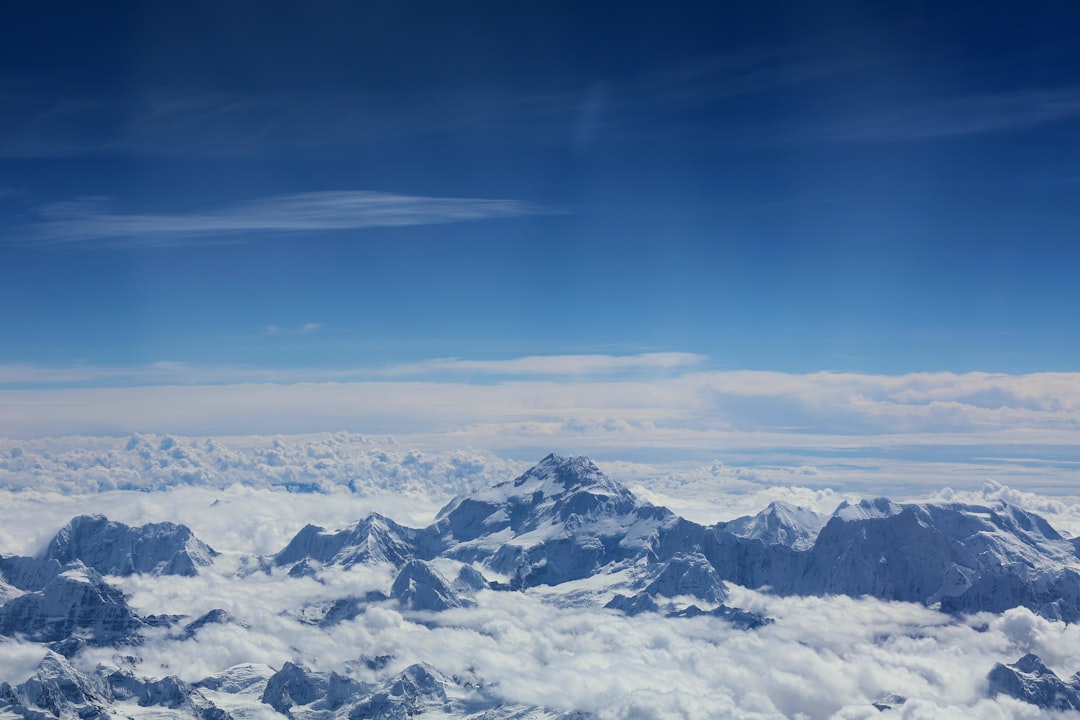
One of the most visible signs that your body is failing in the Death Zone is cyanosis – a bluish discoloration of your skin. Cyanosis refers to a bluish discoloration of the skin, lips, and nail beds. It occurs due to the lack of oxygen in the blood, leading to a higher concentration of deoxygenated hemoglobin. Cyanosis is a visible sign of hypoxia and serves as an indicator of a critical oxygen deficiency in the body.
When your blood has too little oxygen, your skin, lips, and nails may turn blue. This is a visible sign of a severe oxygen shortage. The blue color is essentially your body’s distress signal, showing that oxygen isn’t reaching your tissues effectively. For many climbers, seeing their fingernails turn blue serves as a stark reminder that they’re operating at the very edge of human survival.
Your Heart Becomes a Racing Time Bomb
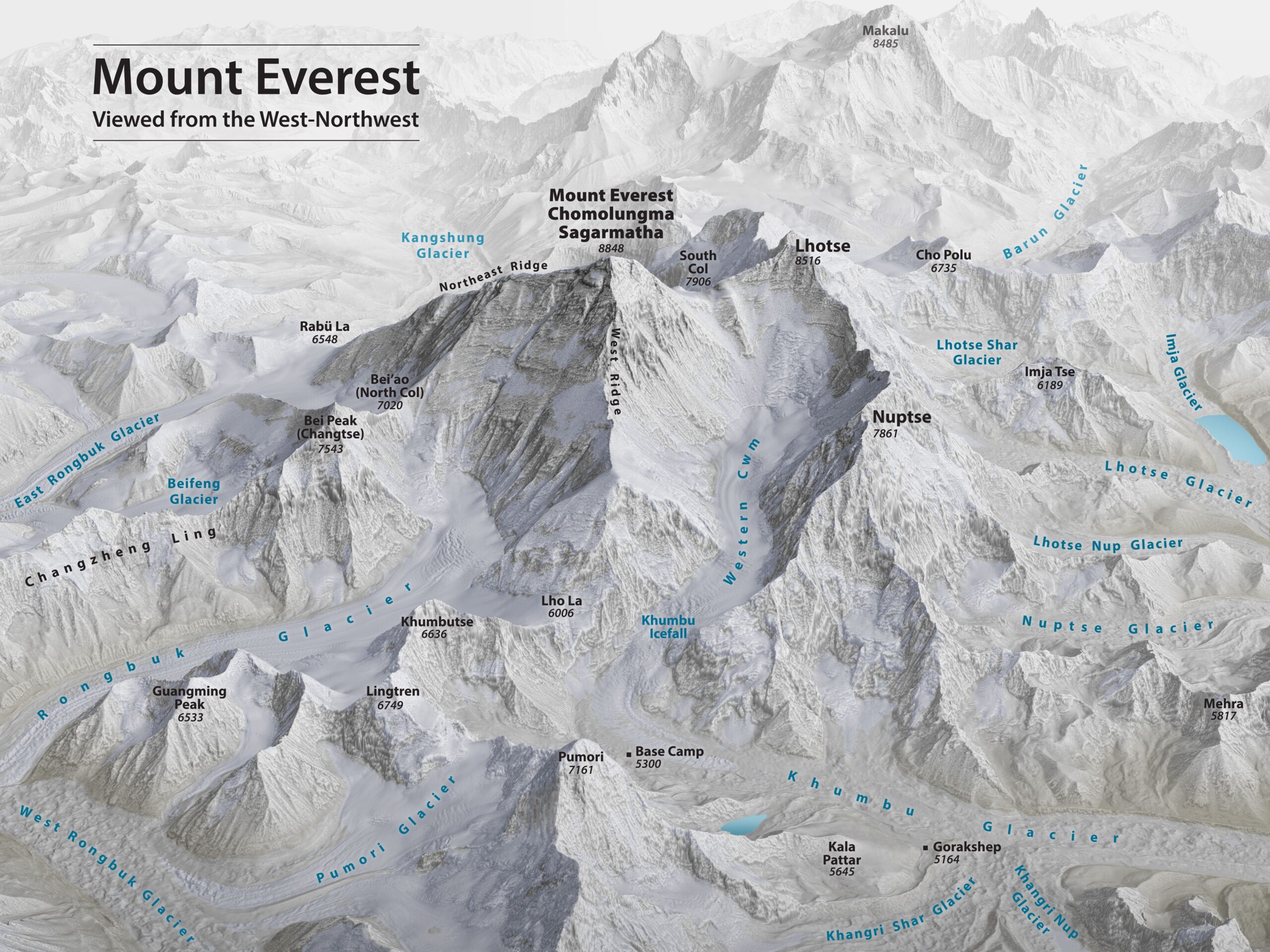
The cardiovascular system takes a brutal beating in the Death Zone. When the amount of oxygen in your blood falls below a certain level, your heart rate soars to up to 140 beats per minute, increasing your risk of a heart attack. Your heart isn’t built to sustain this kind of workload for extended periods, especially when it’s already working with thickened blood and reduced oxygen.
This increased workload can lead to a strain on the cardiovascular system, potentially resulting in irregular heartbeats, chest pain, and in severe cases, heart failure. The combination of extreme physical exertion, oxygen deprivation, and the body’s desperate attempts to compensate creates a perfect storm for cardiac events. Many experienced climbers report feeling their heart pounding so hard they worry it might burst.
Your Body Literally Starts Dying Cell by Cell
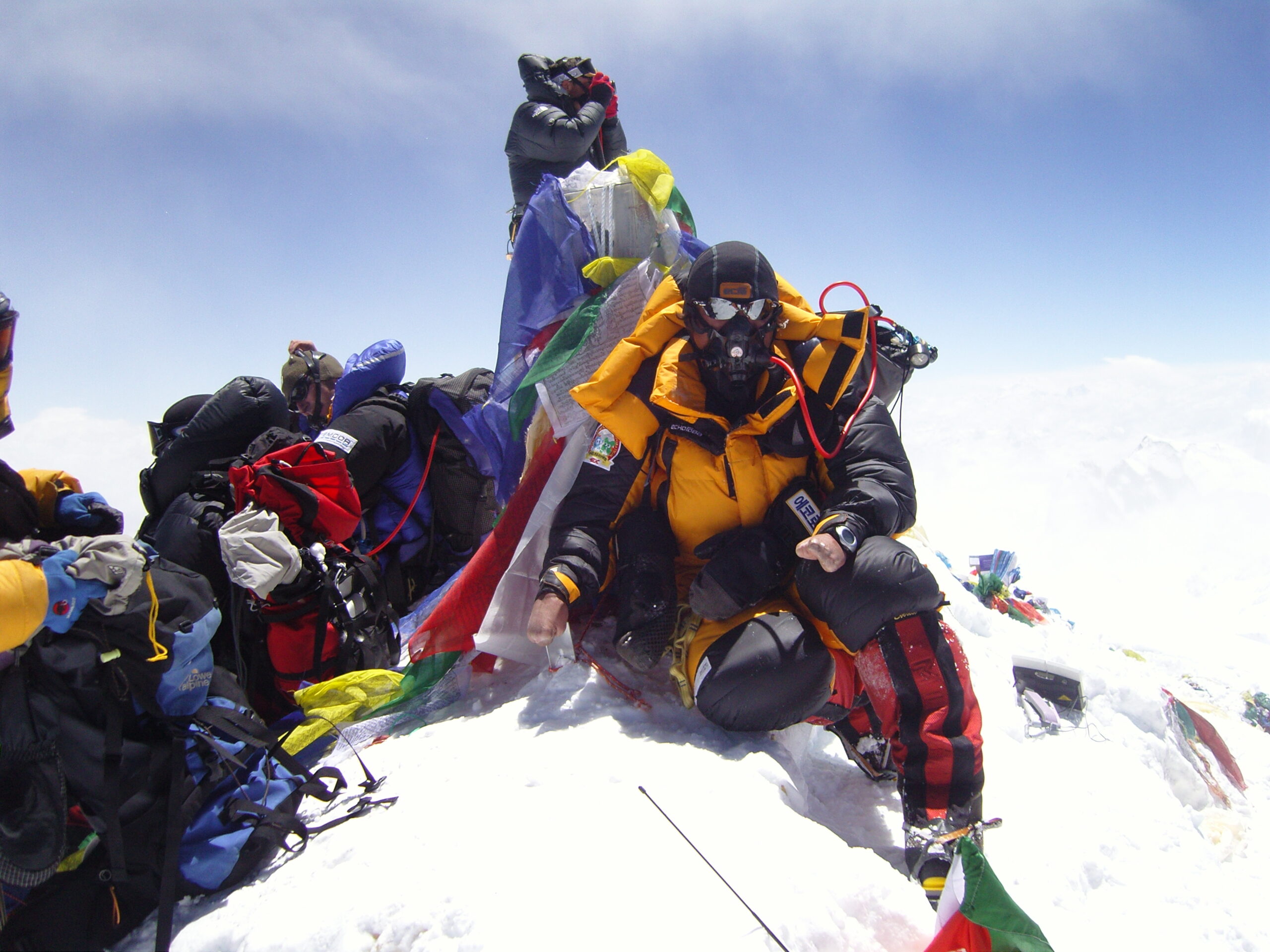
The most terrifying aspect of the Death Zone is right there in its name – your body actually begins the process of dying. In the death zone and higher, no human body can acclimatize. The body uses up its store of oxygen faster than it can be replenished. An extended stay in the zone without supplementary oxygen will result in deterioration of body functions, loss of consciousness, and ultimately, death.
The death zone on Everest is so dangerous that your body starts breaking down and your body starts to die minute by minute and cell by cell. This isn’t metaphorical – it’s a biological reality. People are advised not to stay in the death zone for more than 16 to 20 hours. Thus, a normal human person accustomed to breathing air at sea level could only be there for a few minutes before becoming unconscious. Every minute spent above 26,247 feet without supplemental oxygen pushes your body closer to complete system failure.
Conclusion
The Death Zone of Mount Everest represents the absolute limit of human endurance and survival. Most people should limit their exposure to altitudes such as these to the minimum amount possible, as the human body is slowly going through the process of dying. The idea is to get up and back down fast enough such that you don’t have a chance to die all the way. What makes this environment so deadly isn’t just one single factor – it’s the devastating combination of oxygen starvation, extreme cold, physical exhaustion, and the body’s desperate attempts to survive that ultimately work against it.
The eight physiological changes we’ve explored reveal why even the most experienced mountaineers treat the Death Zone with profound respect and fear. From brain swelling and hallucinations to blood thickening and cellular death, every system in your body faces unprecedented stress. Those who survive the Death Zone don’t just conquer a mountain – they push the very boundaries of what it means to be human.
What would you have guessed – that the human body could endure such extreme conditions, or that survival itself becomes a race against biological failure?
