
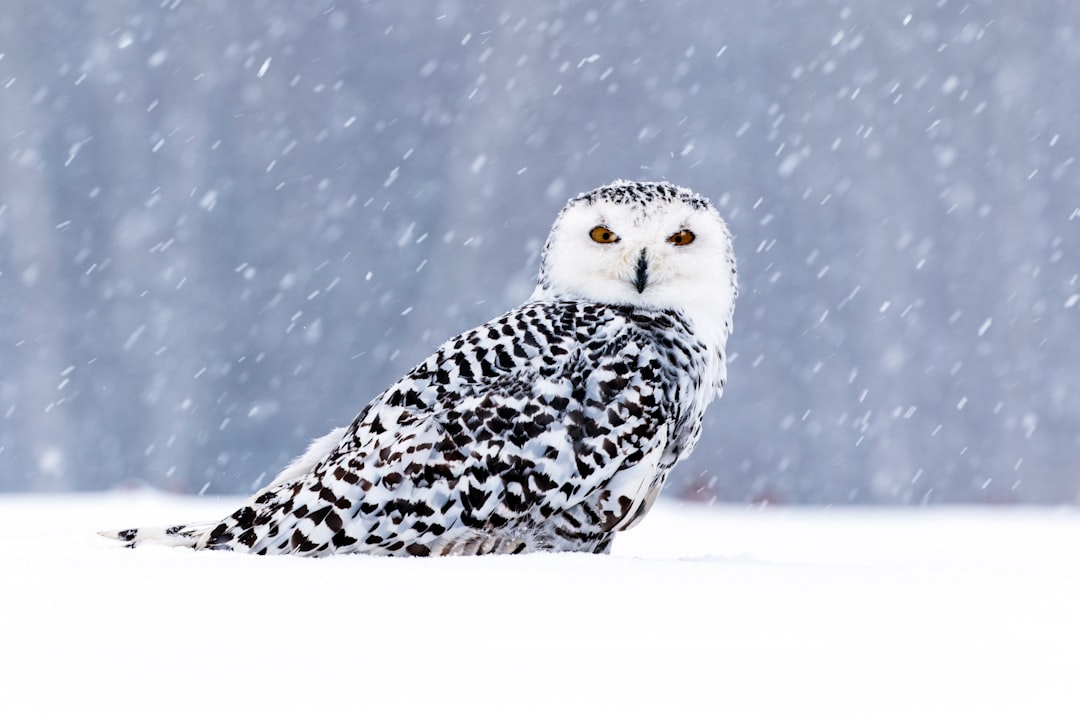
Have you ever watched an owl perched silently in the darkness and wondered if these mysterious birds share traits with certain personality types? The fascinating world of animal personalities has captured researchers and nature enthusiasts alike, revealing striking parallels between owl characteristics and human temperament. Like people, owls display distinct behavioral patterns that mirror the fundamental differences between introverts and extroverts.
The connection between owl species and personality types offers a surprisingly accurate lens for understanding both animal behavior and human psychology. While most people know owls as nocturnal hunters with piercing eyes, the depth of their personality variations tells a much richer story about solitude, social interaction, and energy patterns.
The Wise Solitary: Great Horned Owl and the Classic Introvert
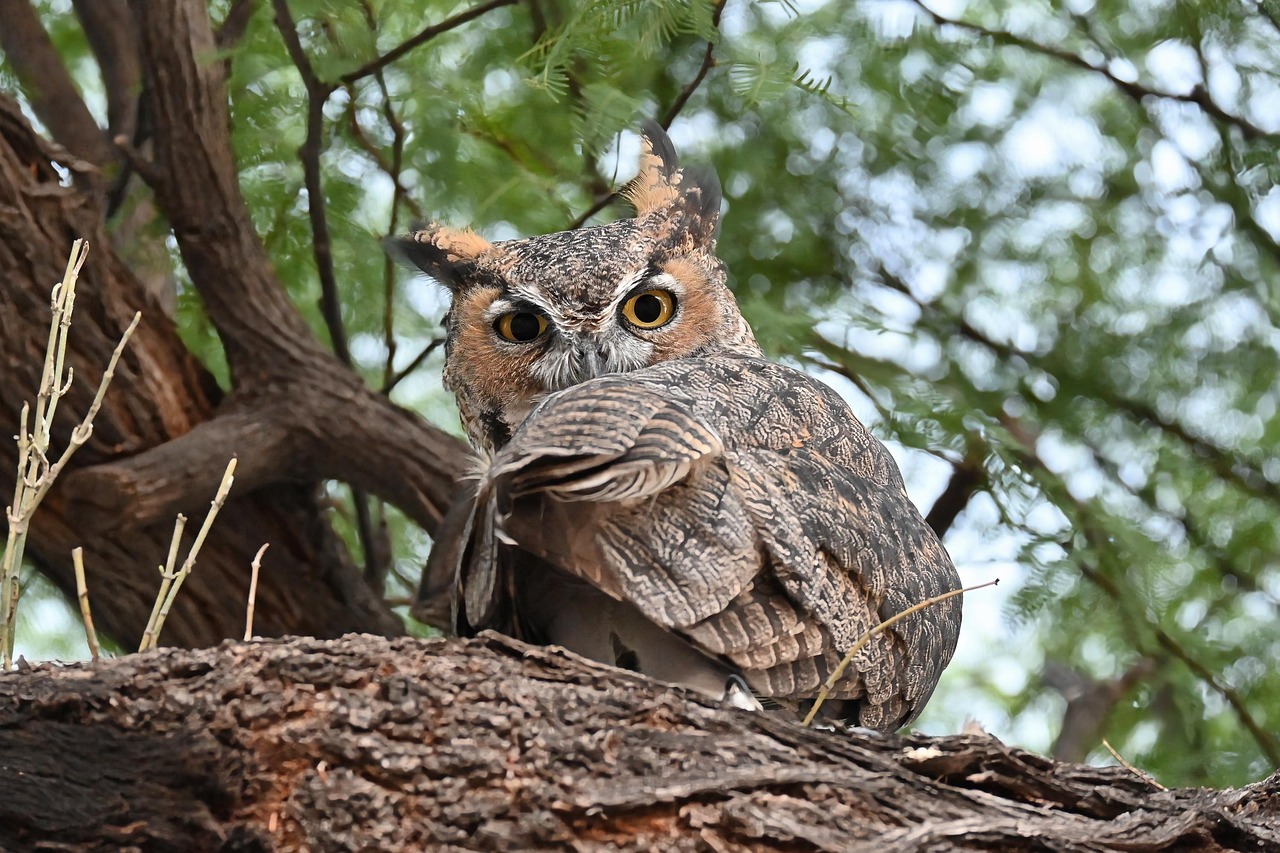
The Great Horned Owl stands as the perfect embodiment of classic introversion. These magnificent birds are mostly solitary and nocturnal, with most owls roosting alone or near a nest during breeding season. Much like introverts who recharge through solitude, these owls find their strength in quiet contemplation and independent hunting.
Their approach to territory mirrors how introverts value personal space and boundaries. The solitary nature of owls is closely tied to their hunting habits, as primarily nocturnal predators need large territories to ensure they have enough prey to sustain themselves. This territorial behavior reflects the introvert’s need for mental and physical space to process experiences fully.
The Peaceful Observer: Barn Owl’s Introverted Elegance
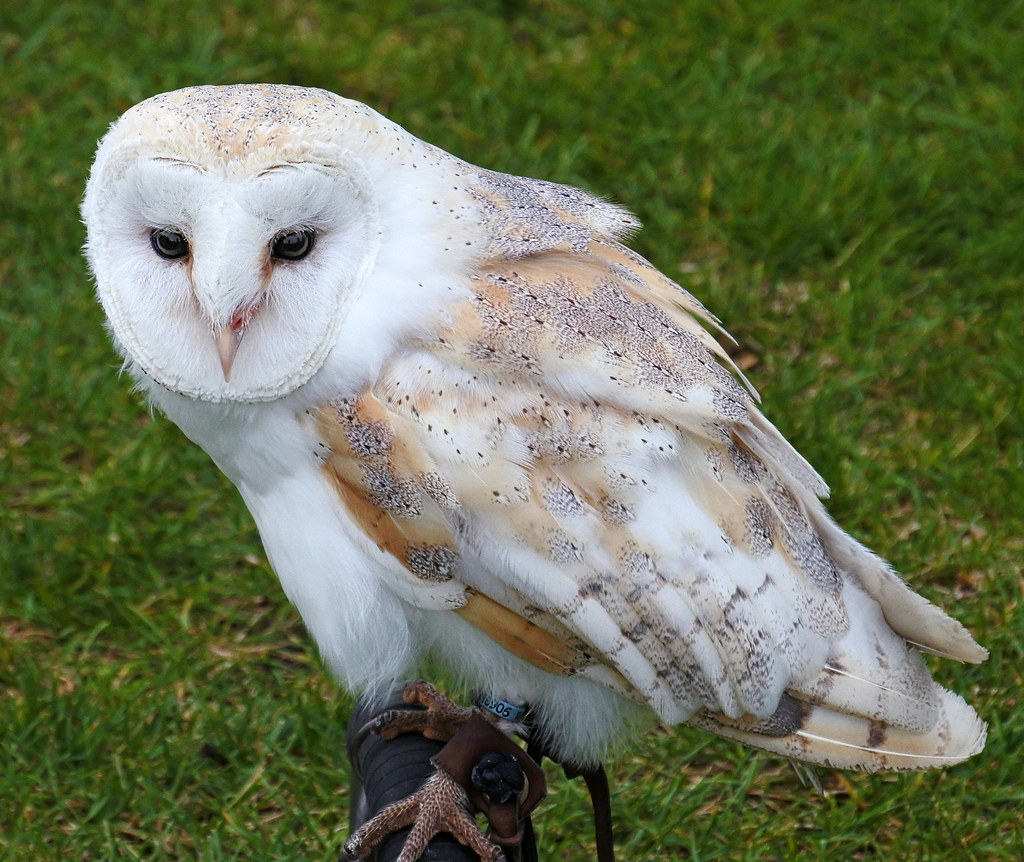
Ghostly pale and normally strictly nocturnal, American Barn Owls are silent predators that roost in hidden, quiet places during the day. Their preference for concealed roosting spots perfectly captures the introverted tendency to seek peaceful, low-stimulation environments for restoration.
The Barn Owl’s hunting style exemplifies the introvert’s methodical approach to life. They have excellent low-light vision and can easily find prey at night by sight, but they have exceptionally acute sound-location abilities, among the best documented in the animal kingdom. This patient, observant hunting method mirrors how introverts often excel through careful listening and thoughtful analysis rather than bold action.
The Social Butterfly: Burrowing Owl’s Extroverted Nature
Breaking the typical owl mold, Burrowing Owls display remarkably extroverted characteristics. Unlike most species, the gregarious burrowing owl is an exception to the typically solitary nature of owls. These ground-dwelling birds actively seek out community living and often establish colonies with multiple pairs nesting in close proximity.
Even though most owls are nocturnal by nature, the gregarious burrowing owl is active throughout the day. Their diurnal behavior aligns perfectly with the extroverted preference for daylight social activities and external stimulation. Unlike their reclusive cousins, Burrowing Owls thrive on interaction and environmental engagement.
The Flexible Socializer: Short-eared Owl’s Extroverted Traits
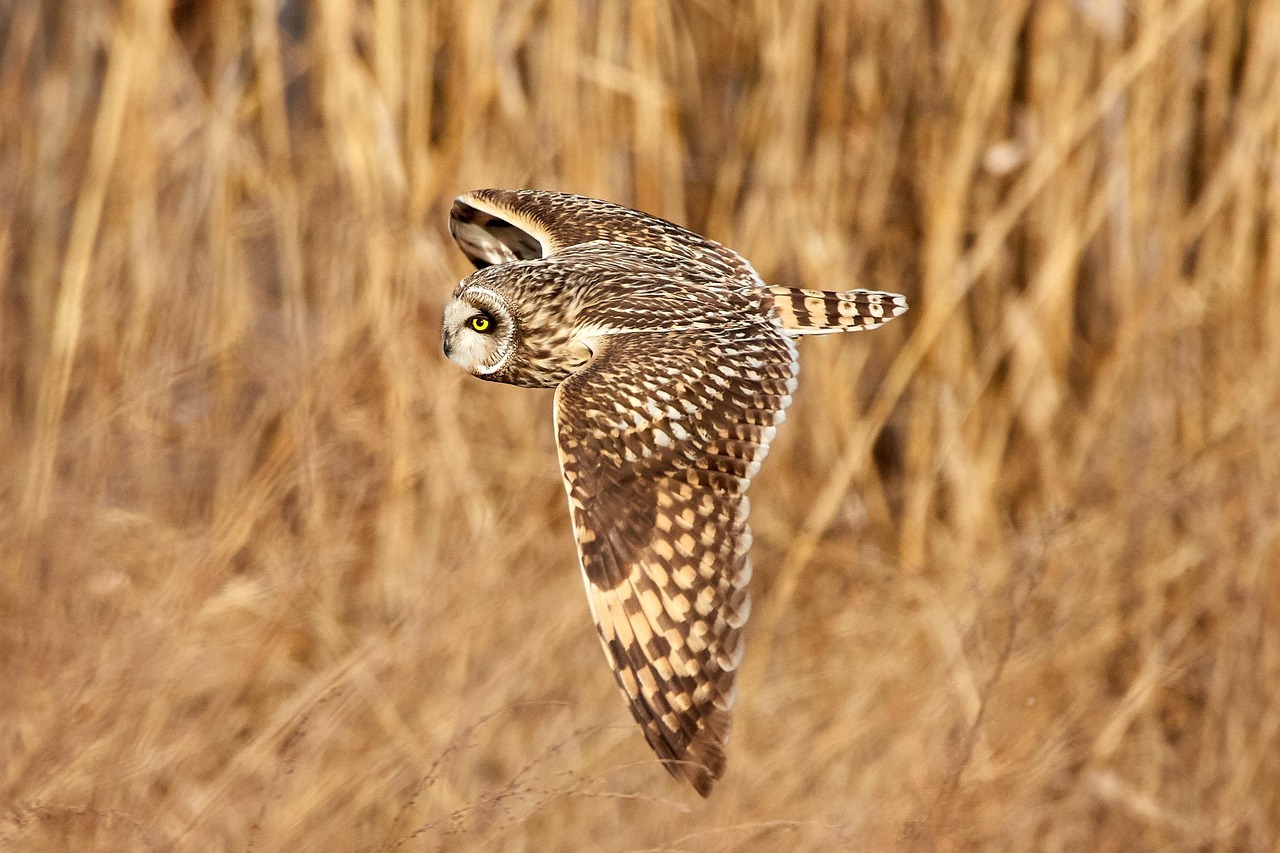
Short-eared Owls demonstrate the extroverted love for variety and social engagement. Some owls in the UK, such as the Short-Eared Owl are diurnal, hunting during the day. Their active daytime behavior reflects the extroverted energy pattern of thriving during peak social hours when the world is most active.
These owls often engage in elaborate courtship displays that would make any extrovert proud. A male Short-eared Owl will circle high above the female he is courting and clap his wings under his belly several times during a dive, then fly up again and hang in the wind, repeating this dance several times to impress the female. This theatrical behavior perfectly mirrors the extroverted tendency to seek attention and express emotions outwardly.
The Contemplative Philosopher: Northern Spotted Owl’s Deep Introversion
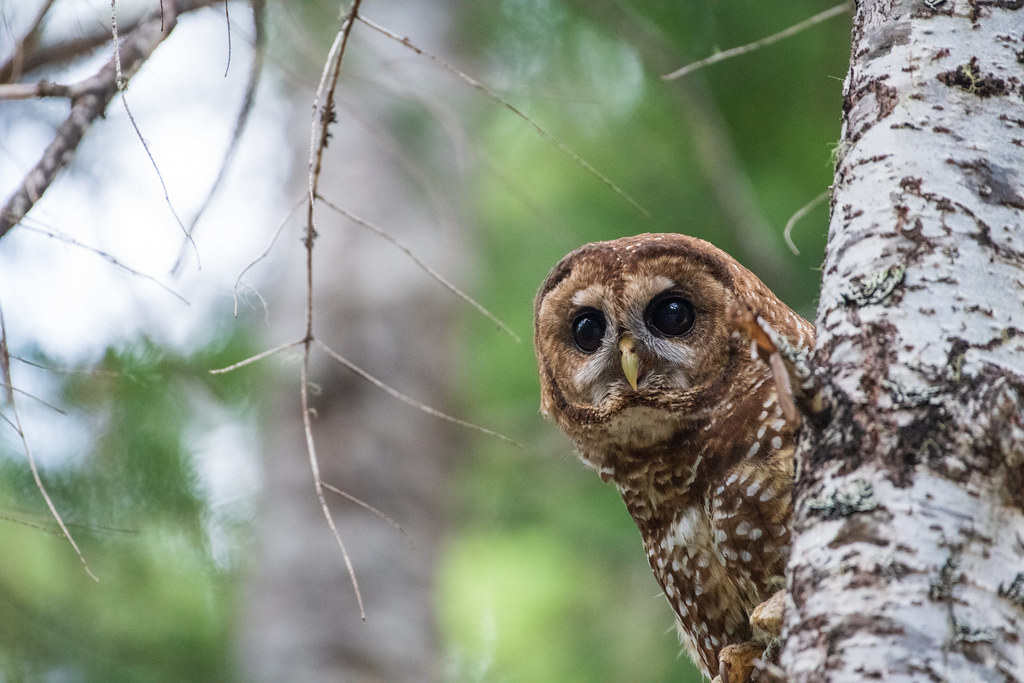
The Northern Spotted Owl embodies the philosophical depth often associated with introversion. Owls have developed quite a reputation for intelligence, though this may be more due to their calm, observant behavior and methodical hunting approach than measurable cognitive abilities. This species particularly demonstrates the introspective qualities that define introverted personalities.
Spending much of their time in solitary pursuits, owls like to hole up in quiet working environments and venture out only when necessary. The Northern Spotted Owl’s preference for old-growth forests and minimal human contact perfectly represents the introvert’s need for peaceful, undisturbed environments where deep thinking can flourish.
The Daylight Socializer: Northern Hawk-Owl’s Extroverted Energy

Northern Hawk-Owls break traditional owl stereotypes with their boldly extroverted behavior. The northern hawk owl is active throughout the day, representing an exception to typical nocturnal owl behavior. Their preference for daylight hunting and open perching spots mirrors the extroverted comfort with visibility and external engagement.
These owls often hunt from exposed perches, displaying the extroverted confidence in being seen and noticed. Their active, visible hunting style contrasts sharply with their secretive cousins, much like how extroverts feel energized by public interaction while introverts prefer behind-the-scenes influence.
The Reserved Analyst: Screech Owl’s Introverted Precision
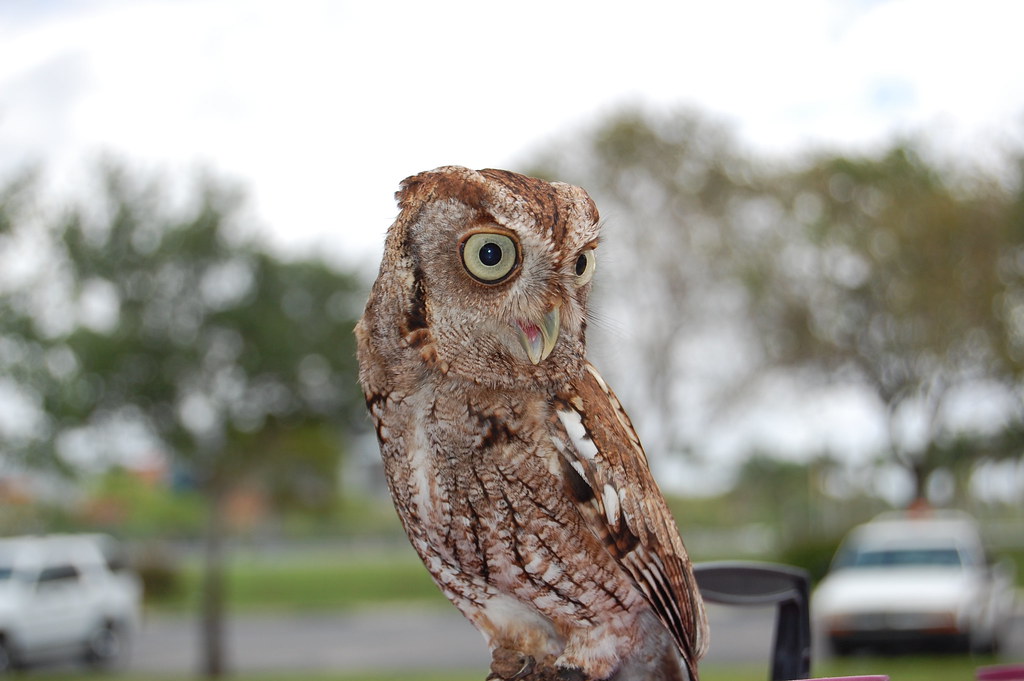
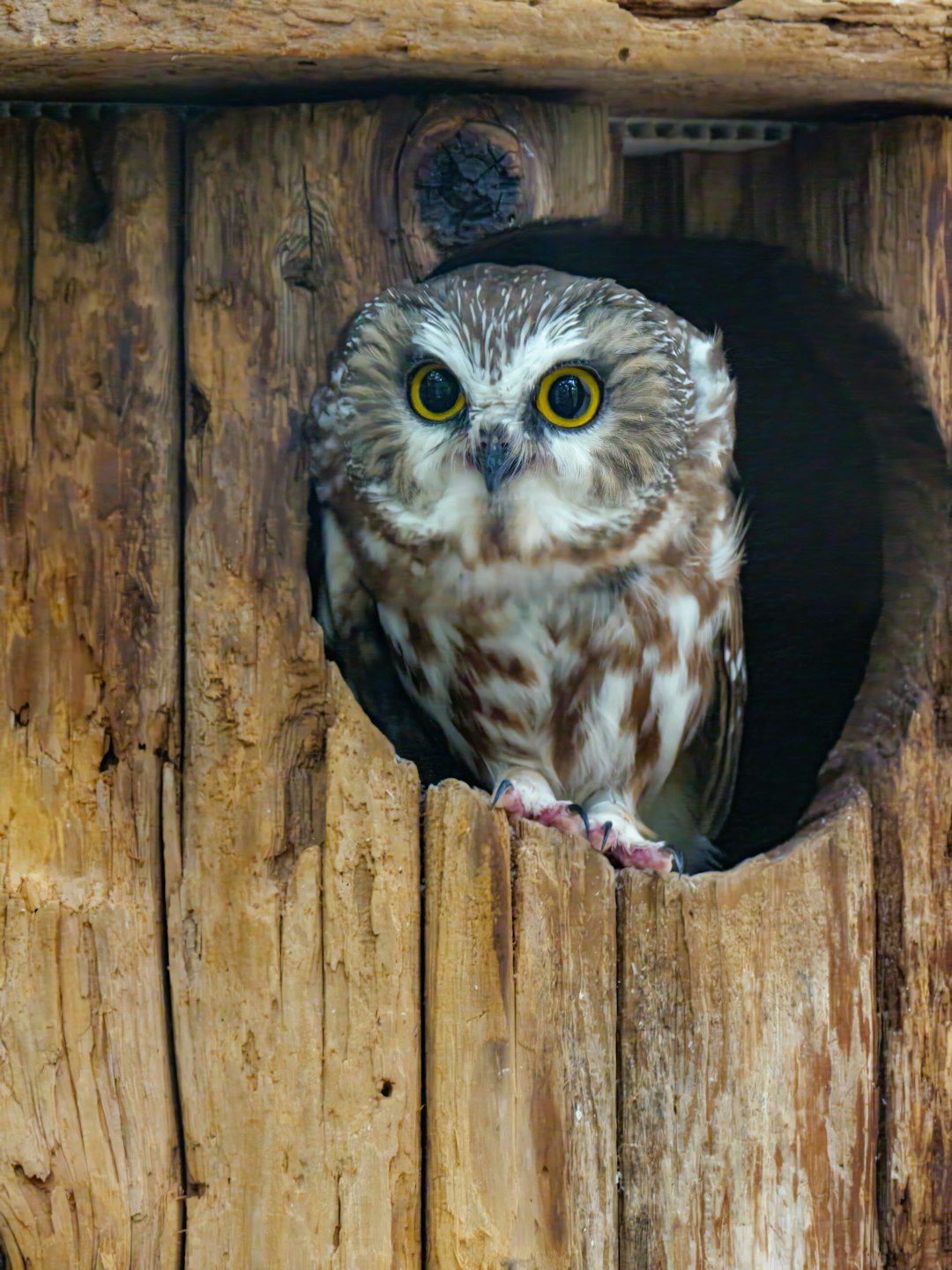
Eastern Screech Owls perfectly capture the introverted approach to life through careful analysis and preparation. Decisions must be thought through very carefully, with knowledge, information and facts ruling for owls, providing a level of psychological safety. This methodical decision-making process mirrors how introverts gather information before acting.
Owls think before they do. Always. The Screech Owl’s patient hunting style and careful territory selection demonstrate the introverted strength of thorough planning and risk assessment. Their small size requires strategic thinking rather than bold action, much like introverts often succeed through careful preparation rather than spontaneous moves.
The Community Builder: Snowy Owl’s Seasonal Extroversion
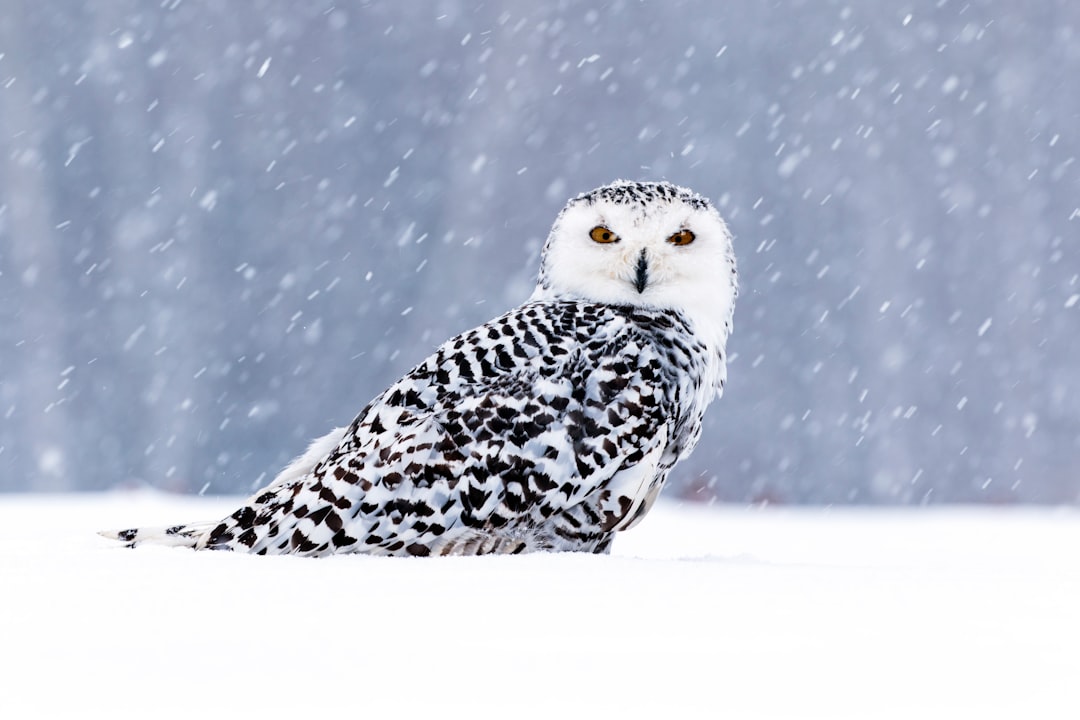
Snowy Owls display fascinating seasonal personality shifts that mirror extroverted adaptability. During winter irruptions, these Arctic birds sometimes gather in loose groups, demonstrating the extroverted ability to form social connections when beneficial. Some species roost communally, sharing a roosting area with other individuals, which may make it easier for owls to find partners during mating season.
Their willingness to migrate vast distances and adapt to new environments reflects the extroverted openness to novel experiences. Unlike their territory-bound introverted cousins, Snowy Owls embrace change and exploration, seeking out new opportunities rather than maintaining established routines.
The Cautious Observer: Long-eared Owl’s Introverted Vigilance
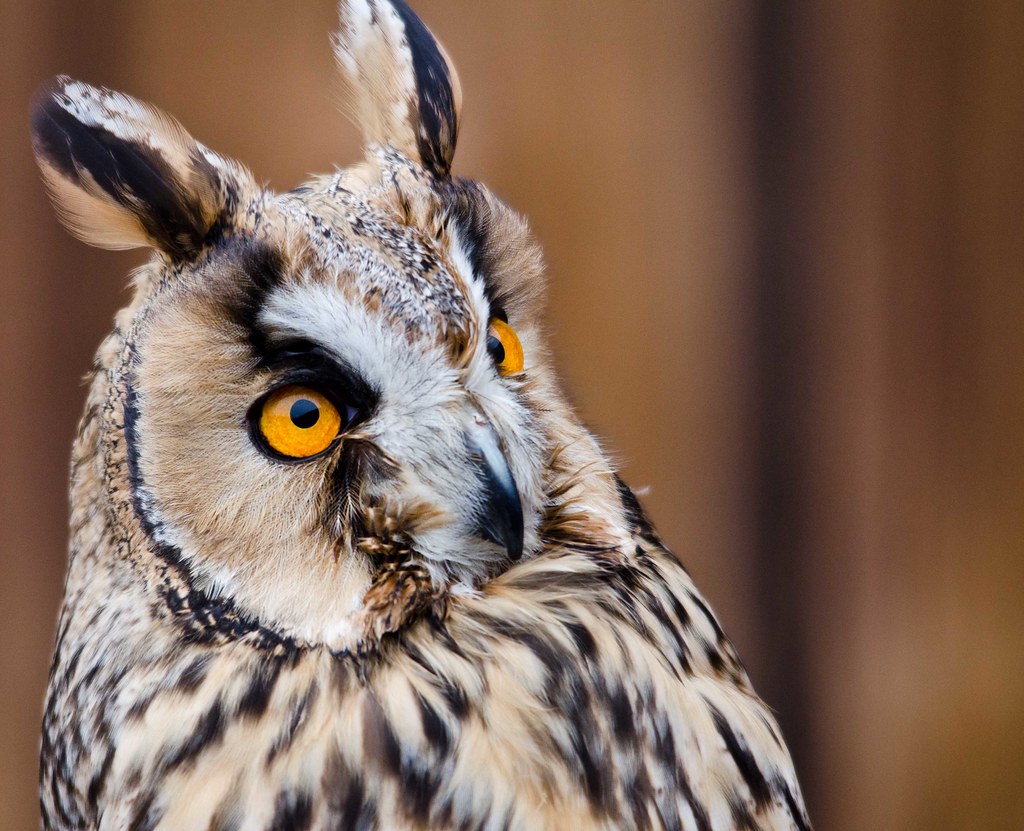
Long-eared Owls demonstrate the introverted strength of careful observation and environmental sensitivity. Most Owls are active at dusk and dawn, spending the daytime at a quiet, inconspicuous roost, roosting singly or in pairs. Their preference for dense cover and secretive behavior perfectly captures the introverted need for privacy and minimal stimulation.
If an owl becomes alarmed, it will become slim, its feathers pulled in tightly to the body, and ear-tufts will stand straight up. This defensive posture mirrors how introverts often withdraw when overwhelmed, creating physical barriers to reduce stimulation. Their remarkable ability to become nearly invisible demonstrates the introverted skill of observing without being observed.
The Adaptable Performer: Great Gray Owl’s Balanced Personality
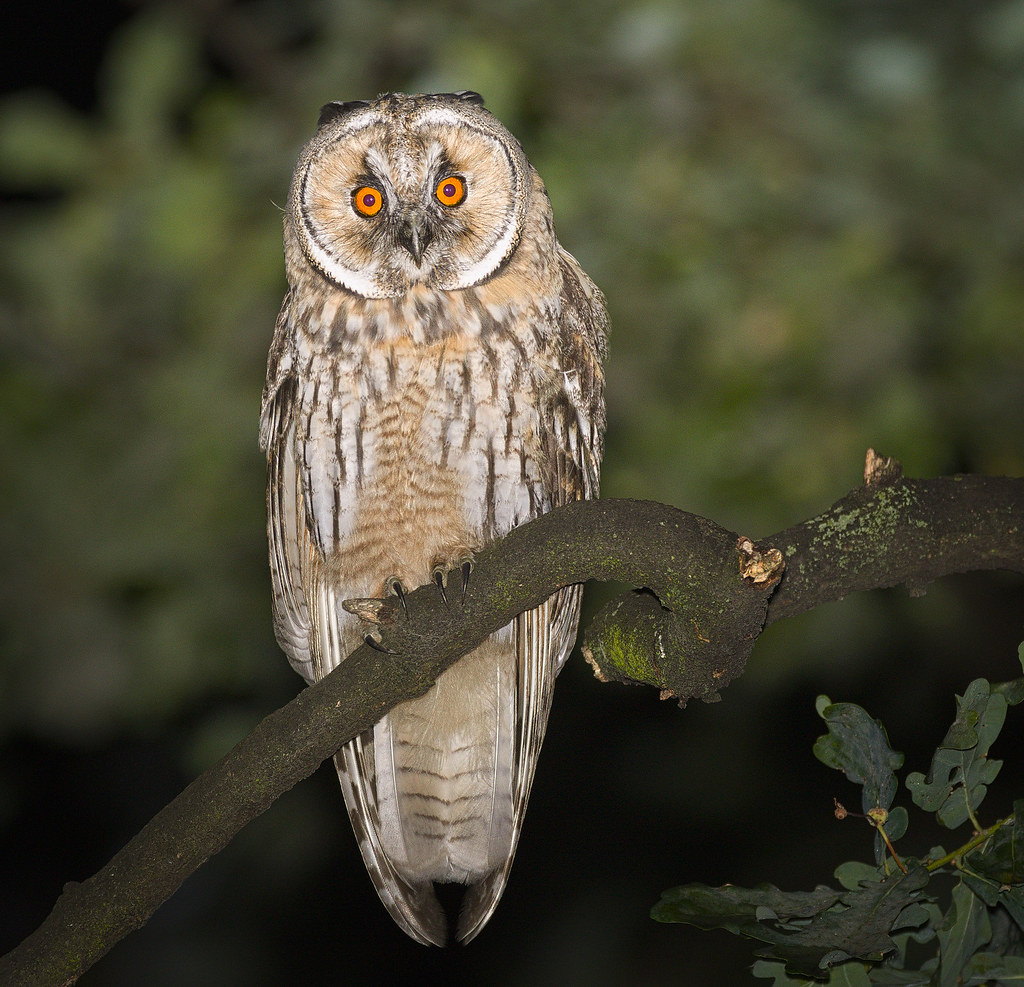
Great Gray Owls showcase a balanced personality that bridges introvert and extrovert traits, similar to what psychologists call ambiverts. Humans are complex and unique, and introversion-extraversion varies along a continuum, with individuals having a mixture of both orientations, able to act introverted in one situation and extraverted in another. These owls adapt their behavior based on seasonal needs and environmental conditions.
During breeding season, Great Gray Owls become surprisingly vocal and visible, demonstrating extroverted courtship behaviors. However, during non-breeding periods, they retreat to solitary, quiet existence typical of introverted preferences. This flexibility represents the healthy integration of both personality styles depending on life circumstances.
Conclusion
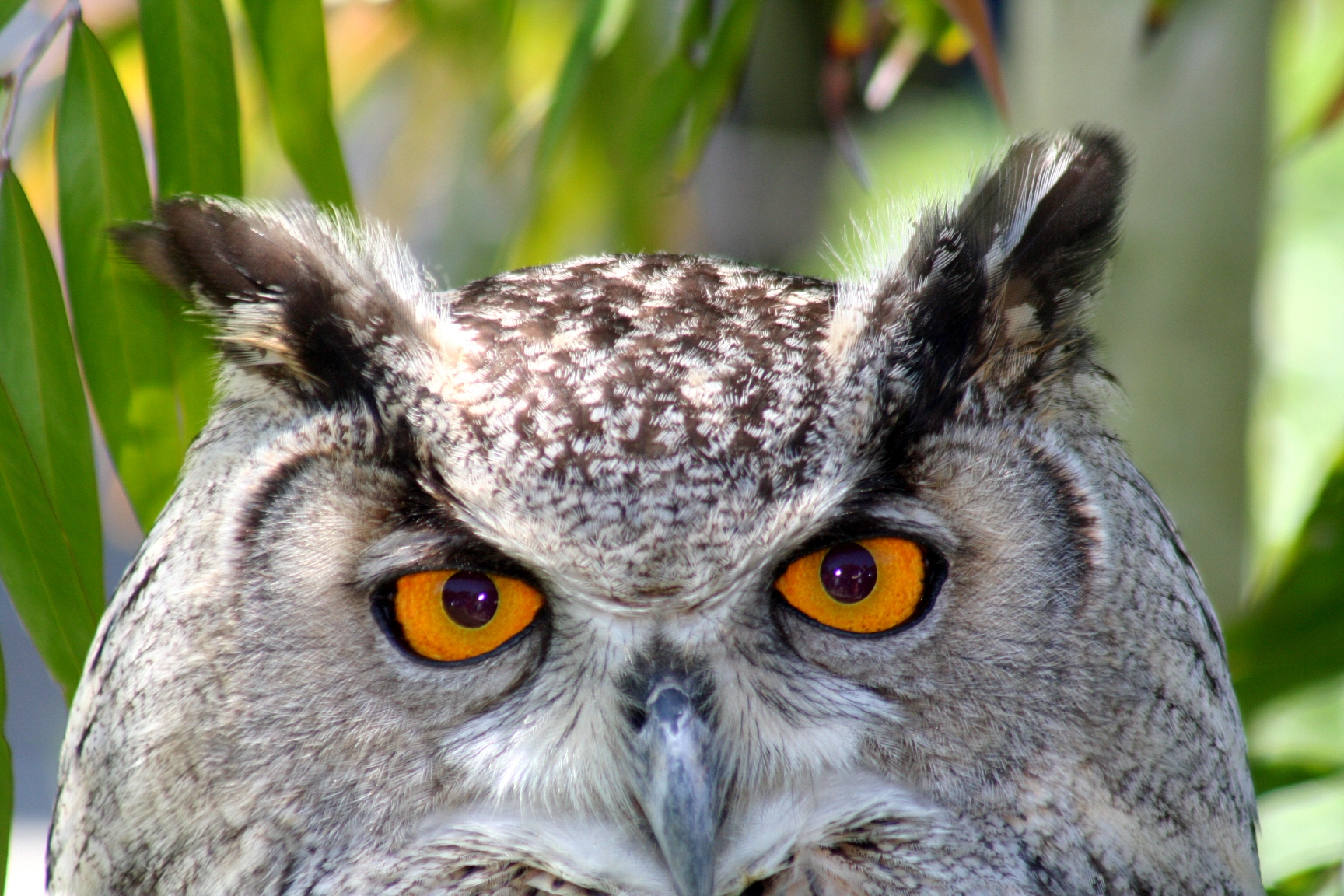
The remarkable diversity of owl personalities offers a perfect mirror for understanding human temperament differences. From the deeply introverted Great Horned Owl who thrives in solitude to the gregarious Burrowing Owl who breaks all conventional owl rules with social living, these magnificent birds demonstrate that personality exists on a rich spectrum in nature.
The key traits of wisdom and patience, solitary nature, nocturnal adaptations, complex communication, and species-specific variations all contribute to the unique personalities of owls, helping them survive in their various habitats while giving each species its distinct character. Whether you identify with the contemplative Barn Owl’s quiet wisdom or the Short-eared Owl’s dramatic social displays, there’s an owl personality that matches your own unique blend of traits. What do you think about these fascinating parallels? Tell us in the comments.

- This Tiny Insect Can Survive in Outer Space—Here’s How - July 21, 2026
- Could the Tasmanian Tiger Be Brought Back to Life? - July 21, 2026
- Why You Should Never Approach a Sleeping Hippo - July 21, 2026