

There’s a certain moment most animal lovers will recognize. You come home after an exhausting day, the kind where people have disappointed you in small and large ways, and before you can even close the door, a creature who wants absolutely nothing from you is already celebrating your existence. No agenda. No subtext. Just presence.
For a lot of people, that feeling isn’t just comfort. It’s a preference that runs deeper than affection for fur and paws. Psychology has been paying closer attention to why some individuals genuinely connect more easily with animals than with people, and the findings are far more nuanced than the stereotype of the quirky recluse who prefers cats to coworkers. What emerges is a portrait of people who’ve become attuned to something most of us quietly crave: relationships that are honest, consistent, and low on hidden costs.
#1. They’ve Learned That Trust Is Earned, Not Assumed
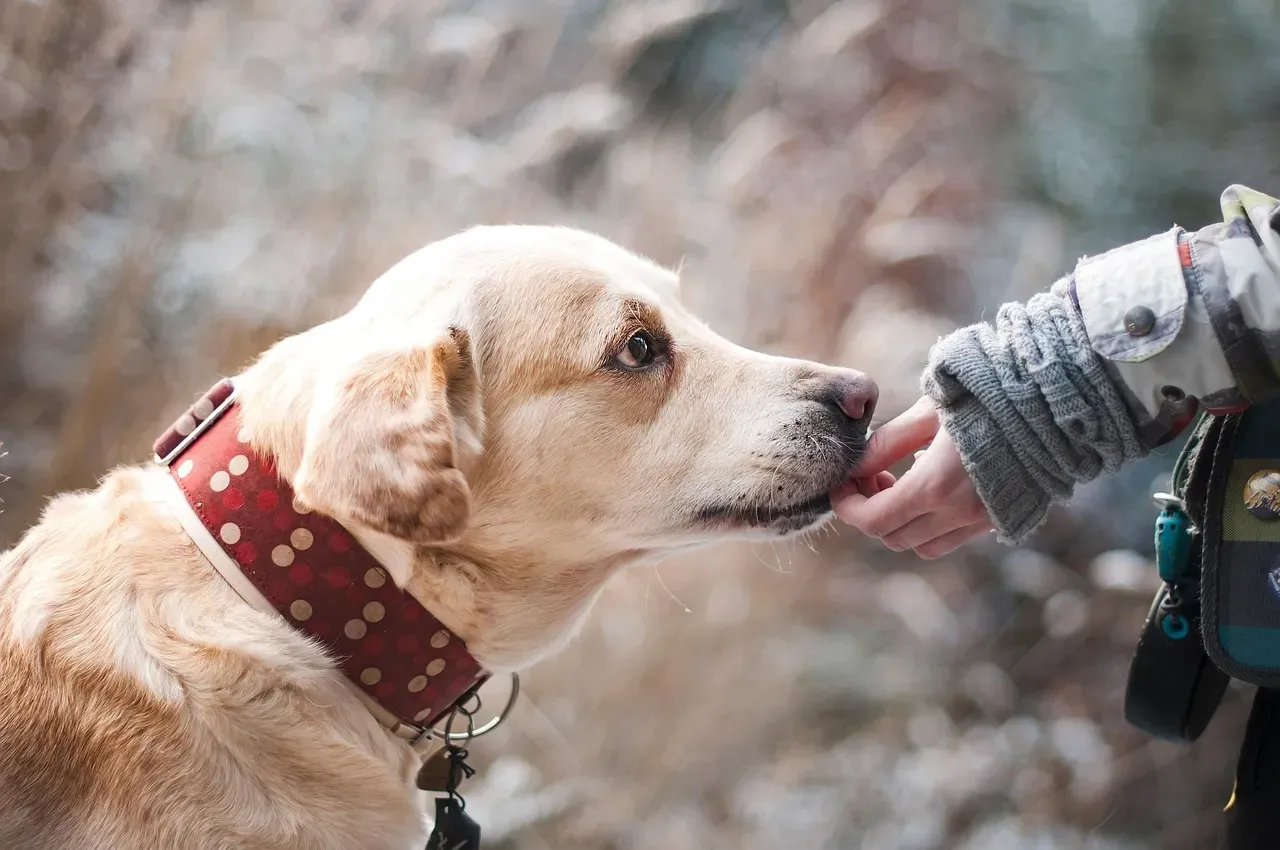
One of the clearest psychological threads running through research on animal preference is the role of trust. What most people in this category are describing is something more precise: an aversion to the particular complexity of human connection, the unspoken negotiations, the shifting expectations, the gap between what people say and what they mean, and the sustained vigilance required to navigate all of it without causing damage. That’s a precise and honest framing. It’s not about disliking people. It’s about having a finely calibrated radar for where trust actually holds.
When someone’s early experiences taught them that love is contingent or unpredictable, the attachment system learns to stay on alert. Animals, by contrast, don’t shift the terms of the relationship based on mood or circumstance. For people who have been locked out of human relationships or have histories of trauma, animals provide a judgment-free, safe, stable relationship that has neither betrayal nor emotional ambiguity. That stability isn’t a small thing. For many, it’s the entire point.
#2. They Are Drawn to Relationships Without Hidden Agendas
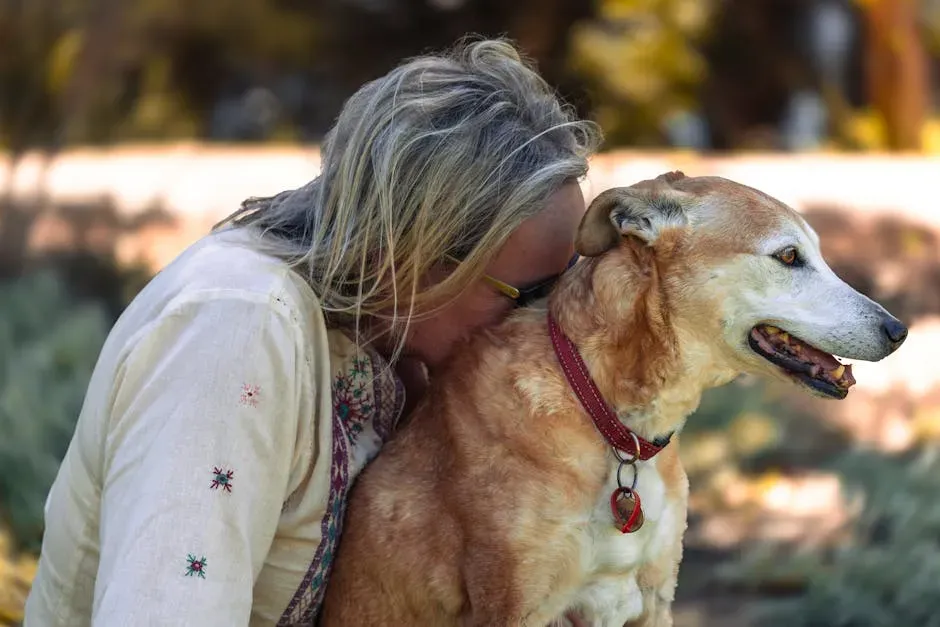
Constantly navigating hidden currents of expectation becomes exhausting. Every interaction requires mental chess, decoding what people really want, managing their emotions while protecting your own boundaries. Animals don’t play these games. This is one of the most consistent observations across psychological writing on the subject, and it resonates precisely because it’s so recognizable.
No matter what you tell them, they won’t judge you or your words. They’ll continue to love you just as much as they did before. Unlike humans, you never have to worry that they might talk behind your back or betray your confidence. People who gravitate toward animals often place a very high value on authenticity. They also often value authenticity over social performance. Small talk feels hollow. Networking events seem like elaborate theater. The preference for animals, then, is partly a preference for honesty in its most uncomplicated form.
#3. They Tend to Be Deeply Empathetic, Sometimes Unusually So
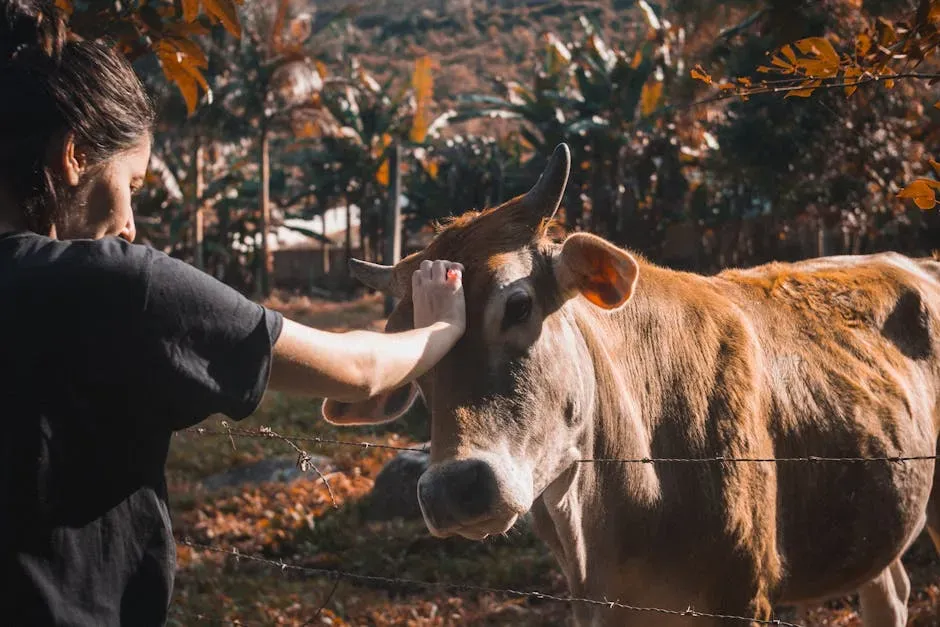
Animal lovers tend to be more empathetic and amiable, and oxytocin facilitates human-animal bonding. Research consistently links strong animal affinity with heightened empathic sensitivity. In one research study, participants were asked to respond to a fake news story about a victim who was assaulted with a baseball bat. While the story was the same, it differed in one crucial detail: the identity of the victim, which was either a one-year-old baby, an adult human, a six-year-old dog, or a puppy. Respondents showed the same level of empathy for the baby, the puppy, and the adult dog, but significantly less for the adult human being.
This doesn’t suggest cruelty toward people. It suggests that empathy for animals is engaged at the same depth as empathy for the most vulnerable among us. Since humans see animals as helpless beings that are unable to help themselves whenever they encounter danger, we love animals and desire to safeguard them. By the same token, animal lovers are often willing to give their time, money, and resources to help someone in need. The empathy extends outward, it’s just that animals trigger it more reliably and without conditions.
#4. They Find Predictability Genuinely Comforting, Not Boring
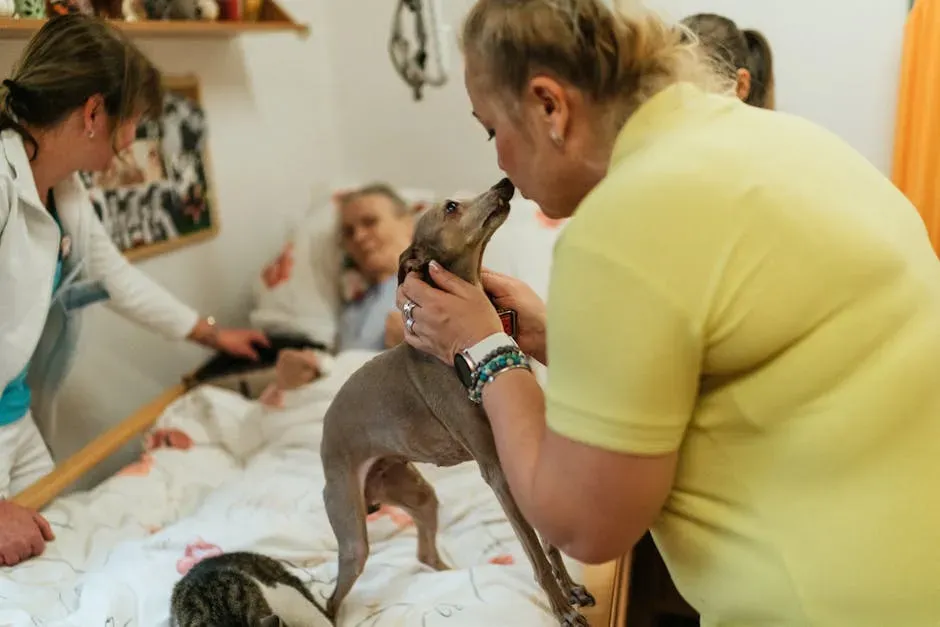
The simple routines associated with pet care can help people stay mindful and in the present. A study of pet owners living with a long-term mental health condition found that pets may disrupt inward attention from harmful symptoms or upsetting thoughts. Pet care, such as regular feeding, walking, and play, can provide people with an opportunity to focus their attention and ground themselves in their day-to-day lives. That rhythm matters enormously to people who find unpredictability in relationships costly.
Due to the unconditional love, consistency, touch, and non-judgmental love that animals provide, pets help soothe humans during emotional turmoil as emotional anchors. As a result of this bond, pets help increase oxytocin while also reducing cortisol. The neurochemical reality here is real and worth taking seriously. People exposed to a psychological or physical stressor had a lower heart rate and blood pressure in the presence of companion animals than in the presence of a friend or spouse. Predictability, in the psychological sense, isn’t about avoiding life. It’s about having at least one relationship where the ground doesn’t shift under you.
#5. Their Bond With Animals Can Quietly Rebuild What Human Relationships Damaged
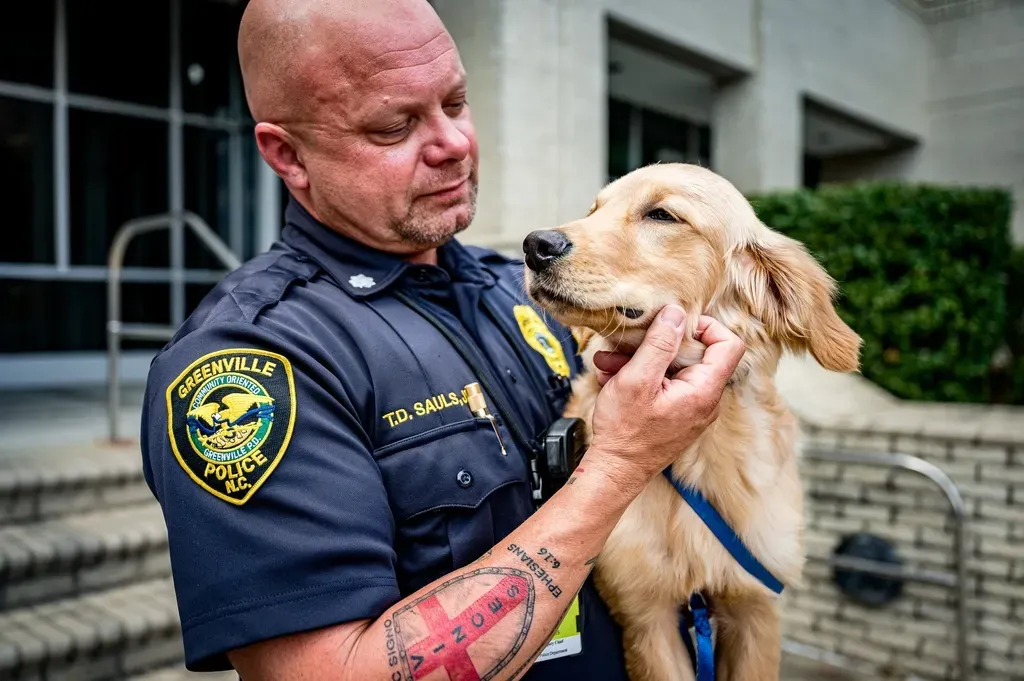
Psychologists have observed that many individuals often experience a “corrective emotional experience” with companion animals. A person with an insecure attachment style may eventually learn to trust and be consistent in their relationship with their pet. This is one of the more quietly powerful findings in this area. Animals don’t just offer comfort in the present. They can, over time, help rewire patterns of relating that formed in response to past hurt.
Attachment theory provides a particularly powerful background for the explanation of the positive socio-emotional effects of animals. In particular, attachment theory contributes toward our understanding why many humans in need of social support relate more easily and spontaneously to animals than to other humans. For individuals who have experienced a lack of unconditional love during their upbringing, pets can serve as a source of healing and fulfillment. Growing up without the nurturing and acceptance that should naturally accompany familial bonds can leave lasting emotional scars. The presence of a pet can fill that void, offering a consistent source of affection and support. Pets provide a safe and non-judgmental space where individuals can experience the unwavering love and loyalty they may have yearned for in their formative years.
What This All Actually Tells Us
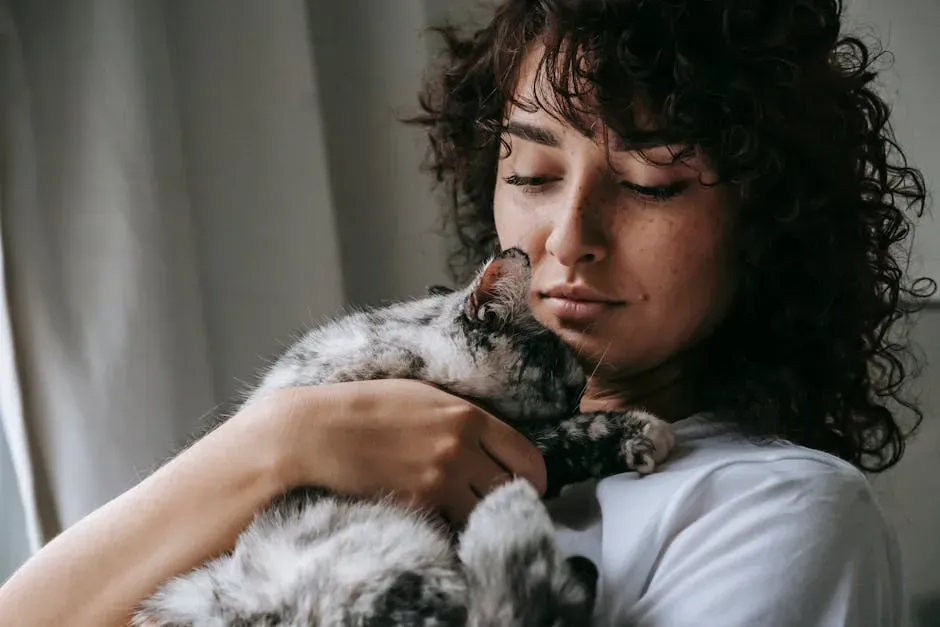
Preferring animals over humans isn’t a personality flaw or a retreat from connection. It’s often the opposite. There’s nothing pathological about that. In fact, it proves that we have a deep capacity to love and care for others under the right circumstances. Paradoxically, our love and care for animals frees us to be human. That’s a striking reframe and one that holds up under scrutiny.
The research tells a different story. The more you look at what’s actually driving this preference, the less it looks like a personality flaw and the more it looks like a very logical response to a specific kind of emotional history. People who gravitate toward animals tend to understand, perhaps more clearly than most, what genuine trust and real consistency actually feel like. They’ve simply found it somewhere reliable.
In the end, the question worth asking isn’t why some people prefer animals. It’s whether the rest of us are offering each other the same qualities those animals provide so effortlessly: honesty, constancy, and the simple act of showing up the same way every time.
