
The ancient Greeks didn’t just create gods – they crafted complex personalities so vivid they still fascinate us thousands of years later. Each Olympian deity possessed distinctive traits that shaped their mythology and influenced how mortals perceived divine power. These characteristics were so well-defined that it becomes possible to match each god with an animal that embodies similar qualities.
Picture this: if the Greek gods were wandering through the animal kingdom instead of ruling from Mount Olympus, which creatures would mirror their personalities? This fascinating comparison reveals how certain animals naturally embody the same strengths, flaws, and temperaments that made these deities so compelling and relatable to ancient worshippers.
Zeus – The Eagle
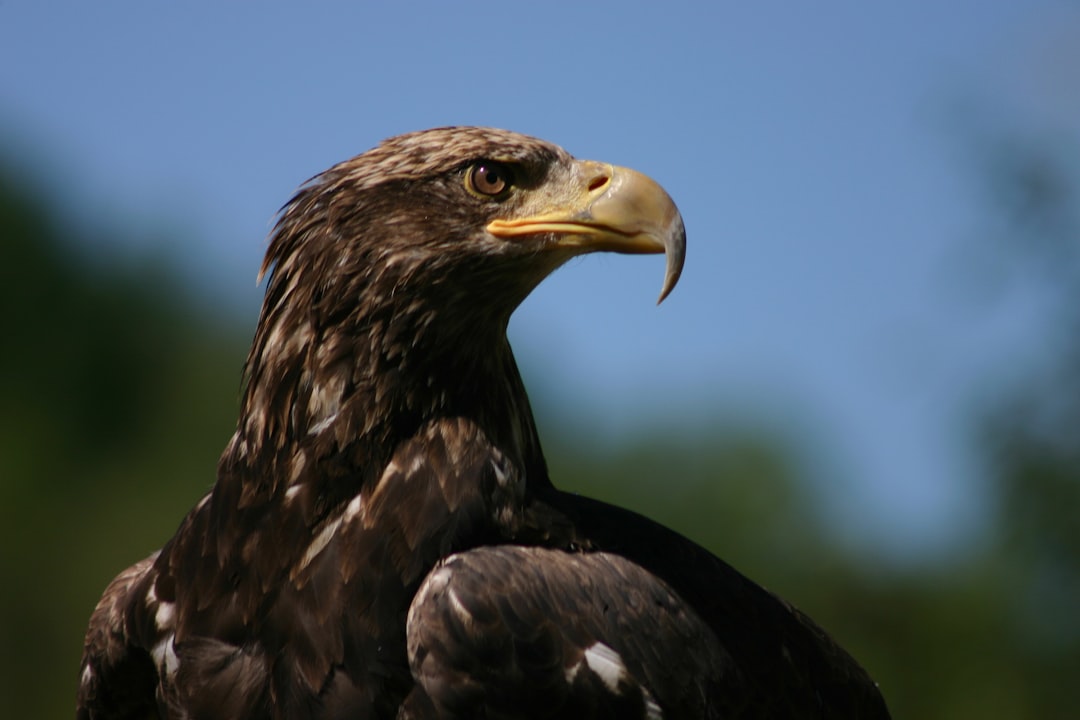
Zeus stands as the wise leader, strong and powerful, yet gets angry quickly as the King of the Gods and ruler of Olympus and the Heavens. The eagle perfectly captures his commanding presence and fierce territorial nature. Eagles soar above all other birds, maintaining a watchful eye over their domain just as Zeus monitored both mortals and gods from his heavenly throne.
Their sharp hunting instincts and quick strikes mirror Zeus’s swift justice and sudden bursts of rage. Like the thunderbolt-wielding god, eagles are both protectors and predators, capable of nurturing their young while ruthlessly defending their territory. The eagle’s reputation as a symbol of power and leadership across cultures makes it the ideal match for the father of all gods.
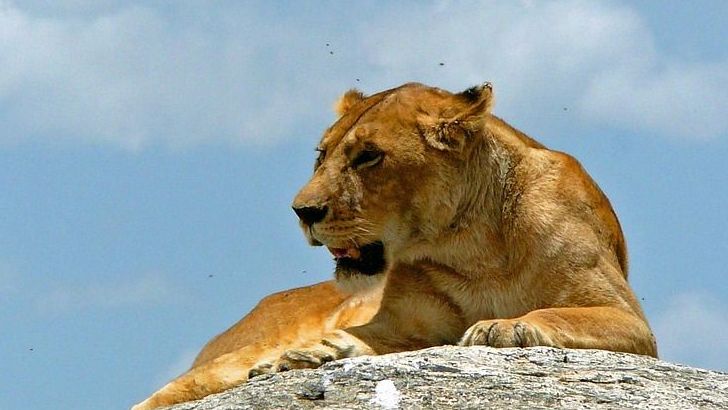
Hera – The Lioness

Hera is characterized as jealous, petty, and spiteful, yet she’s also presented as a modest, measured and faithful woman who had a strong female personality and was the only one that dared to object to Zeus. The lioness embodies this complex combination of fierce protectiveness and territorial jealousy. Female lions are the primary hunters of their pride, showing incredible strength and determination.
Just as Hera ruthlessly pursued Zeus’s lovers and their offspring, lionesses will fiercely defend their cubs and territory from any perceived threat. The lioness also represents the matriarchal power that Hera wielded as Queen of the Gods, commanding respect through both her noble bearing and her dangerous wrath when crossed.
Poseidon – The Bull Shark
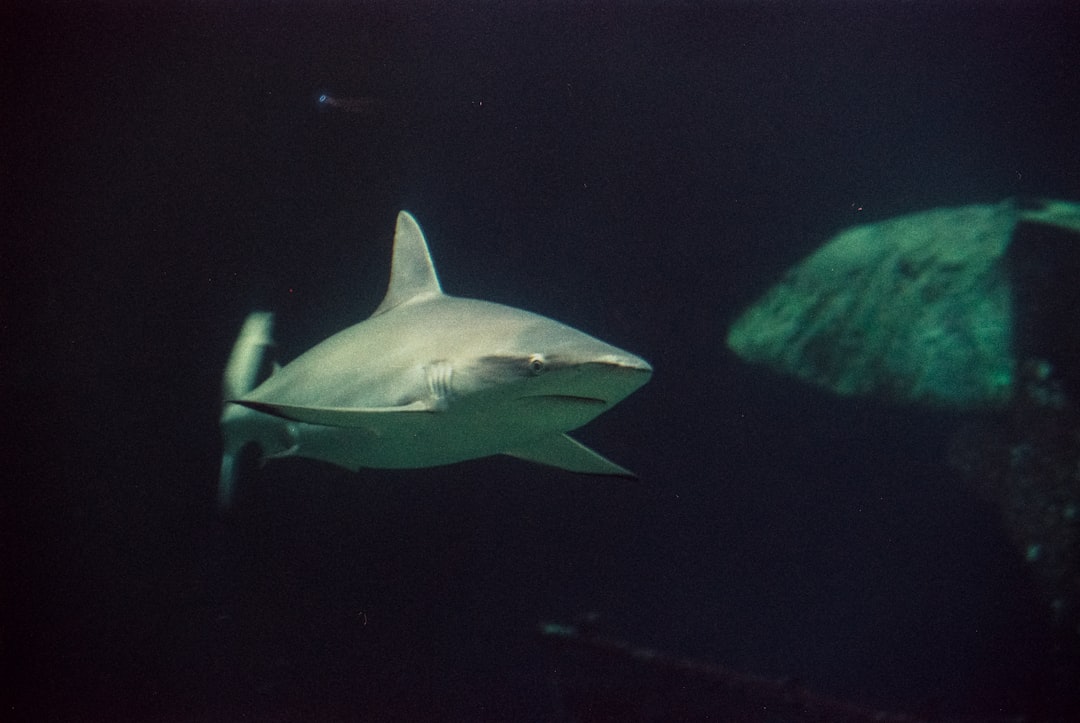
Poseidon is described as cruel, easily angered, and destructive, while serving as the God of the sea and protector of all waters. The bull shark perfectly embodies these contradictory aspects of the sea god’s nature. These predators are notoriously aggressive and unpredictable, capable of attacking without warning in both salt and fresh water.
Bull sharks’ ability to navigate between different aquatic environments mirrors Poseidon’s dominion over all bodies of water. Their sudden, explosive attacks reflect the god’s tendency toward violent outbursts, while their role as apex predators parallels his position as one of the most feared Olympians. Like Poseidon’s earthquakes, bull sharks can appear from nowhere to devastate their surroundings.
Athena – The Owl
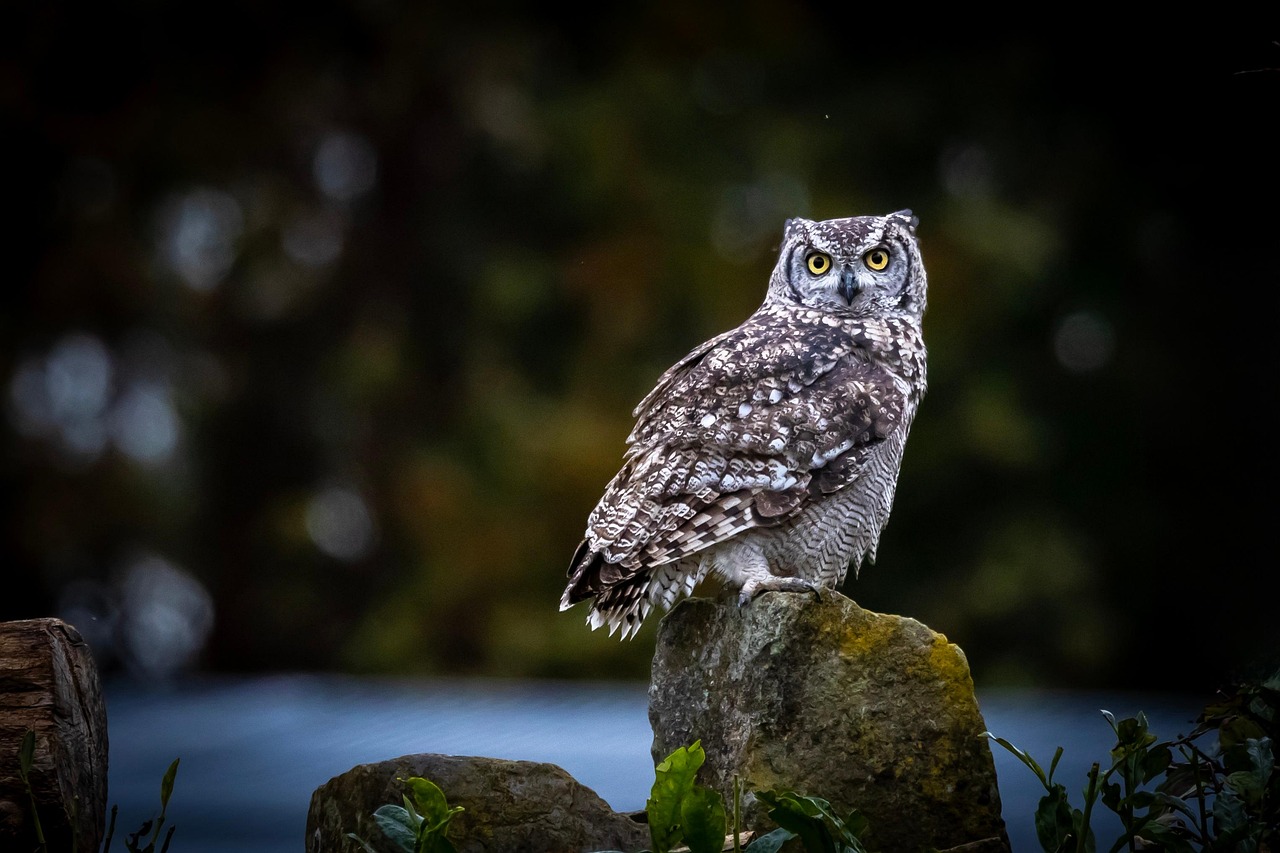
Athena is wise, strategic in warfare, intelligent, artistic, yet also jealous. The owl is widely recognized as a symbol of wisdom and deep introspection with its large, penetrating eyes that seem to reflect an inner knowing and ability to see beyond surface appearances, often associated with keen observation skills and intuitive insight. This nocturnal hunter perfectly captures Athena’s strategic mind and patient approach to warfare.
Owls strike with deadly precision after careful observation, much like Athena’s calculated battle strategies. Their silent flight represents the goddess’s preference for intelligence over brute force, while their fierce protection of territory reflects her jealous nature when her wisdom or achievements are challenged. The owl’s association with learning and scholarship directly connects to Athena’s patronage of crafts and intellectual pursuits.
Apollo – The Golden Retriever
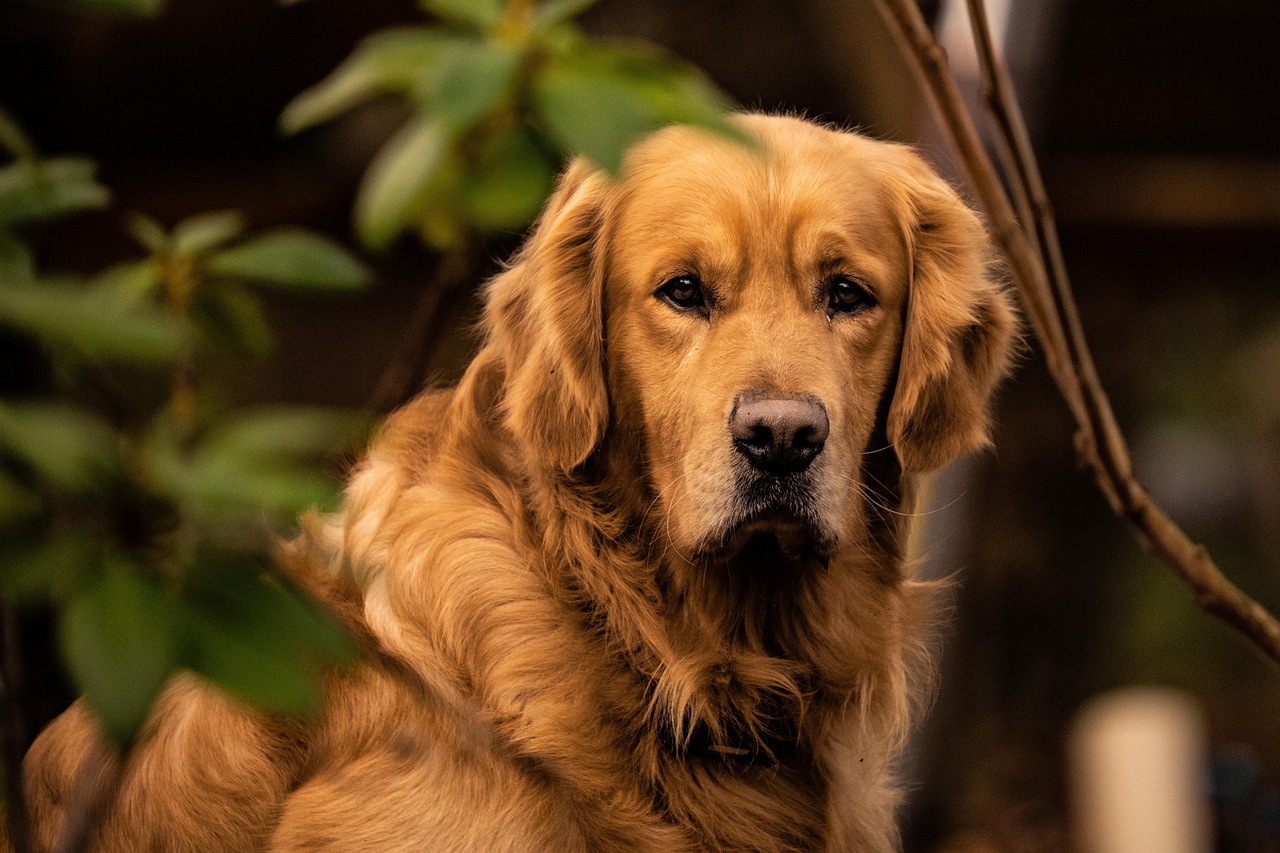
Apollo is described as honorable, brave, and careful, while recognized as the god of music, poetry, dance, healing, archery, truth, prophecy, oracles, and was considered one of the more charming and attractive gods. The golden retriever embodies Apollo’s sunny disposition and multifaceted talents. These dogs are known for their intelligence, loyalty, and eagerness to please – traits that mirror Apollo’s role as a beloved divine mediator.
Golden retrievers excel in multiple areas, from hunting to therapy work, much like Apollo’s diverse portfolio of domains. Their gentle nature with humans reflects the god’s role as a healer and bringer of truth, while their athletic abilities parallel his archery skills. The breed’s golden coat even mirrors Apollo’s association with the sun and light.
Artemis – The Wolf
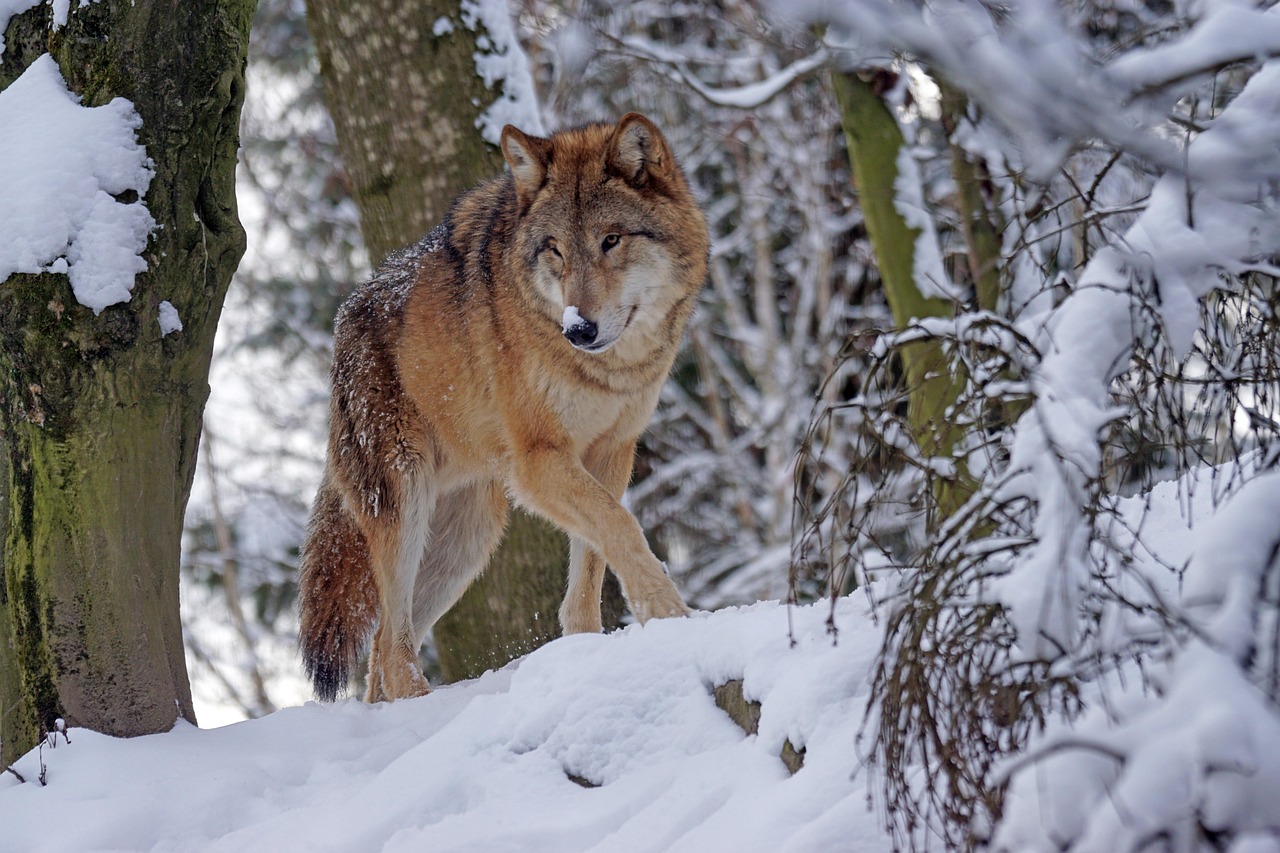
Artemis is characterized as independent, strong, and confident. The wolf perfectly embodies these qualities through its fierce independence and pack leadership abilities. Wolves are apex predators that value their freedom while maintaining strong family bonds, much like Artemis who fiercely guarded her virginity while protecting her devoted band of huntress companions.
The wolf’s exceptional hunting skills mirror Artemis’s reputation as the greatest archer among the gods. Their territorial nature reflects her protective instincts toward young animals and women in childbirth. Like the goddess who could be both nurturing and deadly, wolves show incredible loyalty to their pack while remaining ruthless toward threats.
Ares – The Wolverine
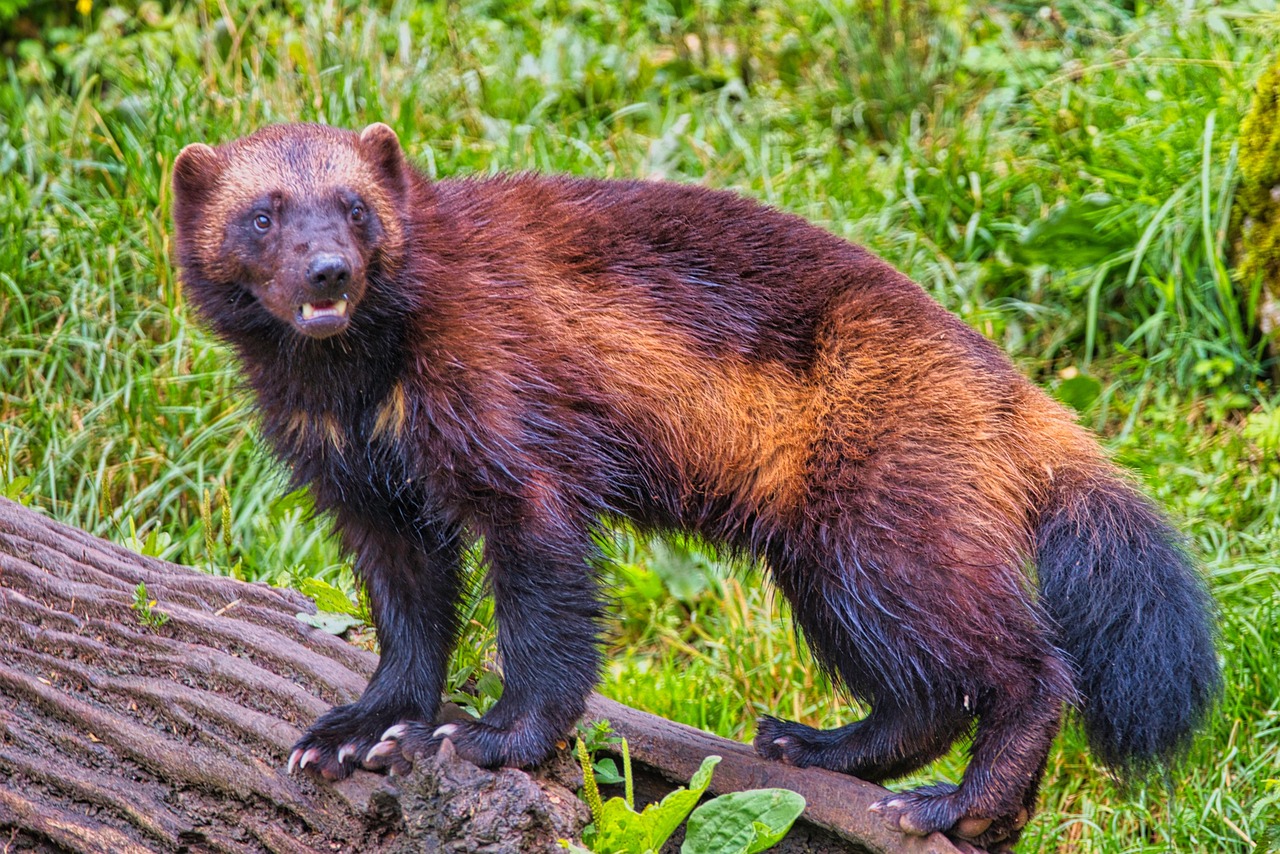
Ares is cruel, easily angered, aggressive, and combative, while described as the god of bloodlust, though his fellow deities weren’t particularly fond of him. The wolverine matches this reputation as one of nature’s most fearsome and relentless fighters. Despite their relatively small size, wolverines will attack animals many times larger than themselves, showing the same reckless aggression that characterized Ares in battle.
Wolverines are solitary creatures with explosive tempers, perfectly reflecting Ares’s unpopular status among the other gods and his tendency to fight first and think later. Their incredible ferocity and refusal to back down from any challenge mirror the war god’s bloodthirsty approach to conflict, where victory mattered more than honor or strategy.
Aphrodite – The Swan
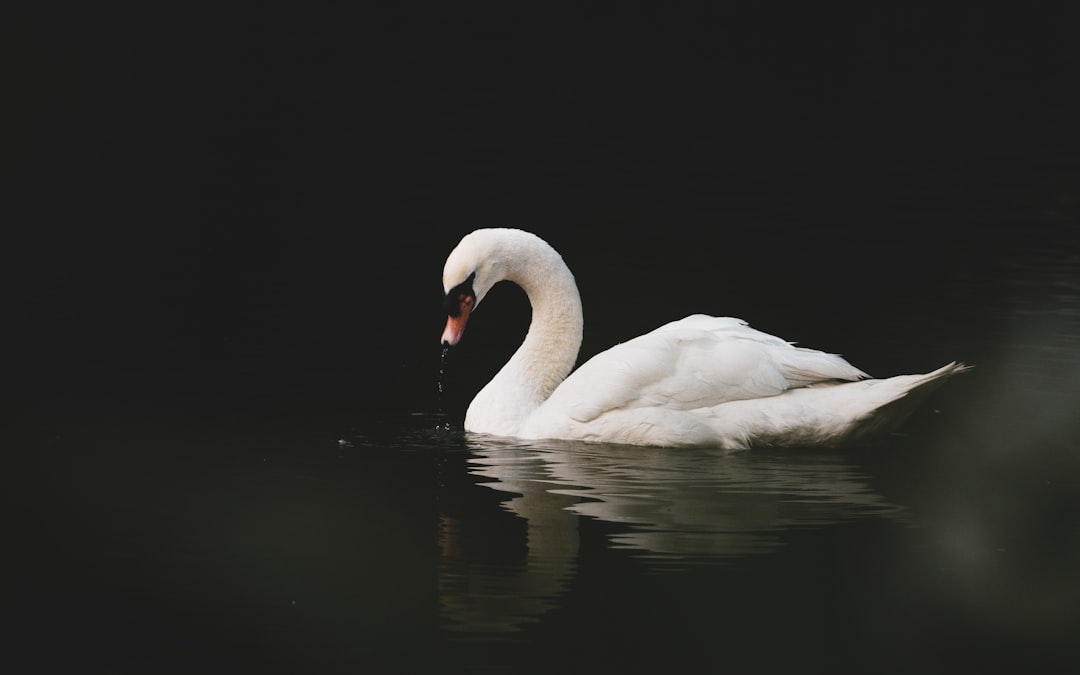
Aphrodite inspires love and happiness but is also vain and selfish, while known as the goddess of love, sex, and beauty. The swan embodies this perfect combination of breathtaking beauty and underlying vanity. Swans are universally admired for their elegant grace and stunning appearance, yet they can be surprisingly aggressive and territorial when their beauty or status is threatened.
Their elaborate mating displays reflect Aphrodite’s role in inspiring passion and romance, while their demanding nature mirrors the goddess’s expectation of worship and admiration. Swans’ ability to appear serene on the surface while paddling furiously beneath parallels Aphrodite’s talent for maintaining her beautiful facade while manipulating the emotions of gods and mortals alike.
Hephaestus – The Beaver
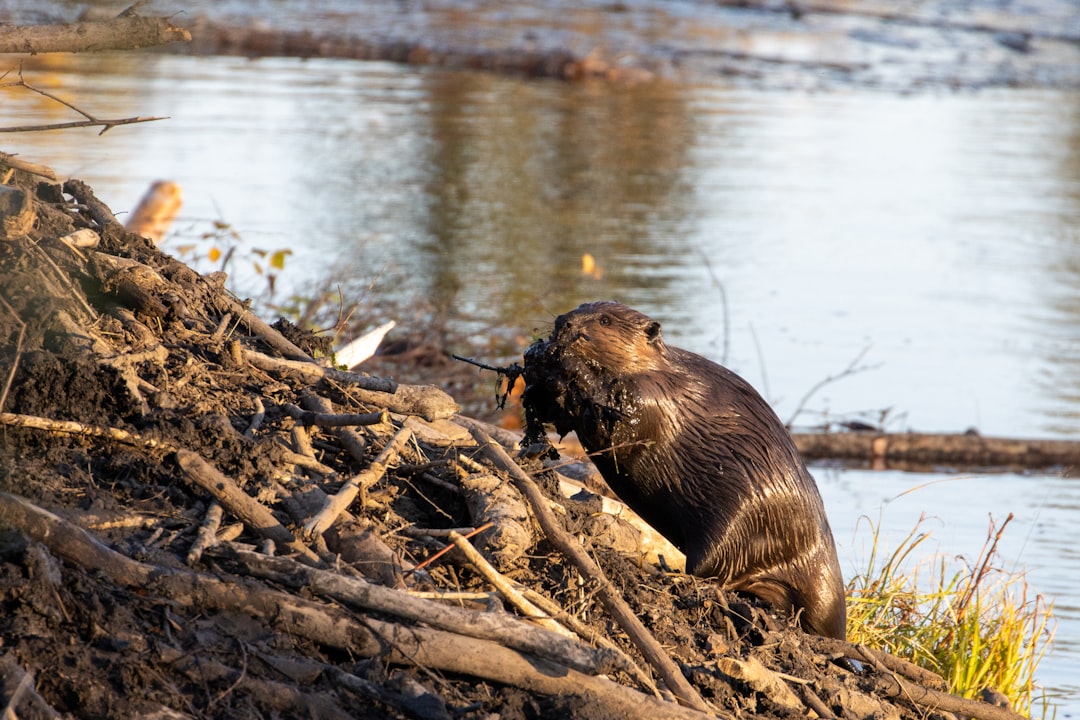
Hephaestus, the craftsman god of the forge, finds his perfect animal match in the industrious beaver. These remarkable engineers spend their lives building complex structures with incredible skill and patience, much like the divine blacksmith who created all the gods’ weapons and tools. Beavers work tirelessly to perfect their dams, showing the same dedication that Hephaestus brought to his craft.
Their ability to transform their environment through skillful construction mirrors the god’s power to forge incredible creations from raw materials. Like Hephaestus, who was often overlooked despite his essential contributions to Olympus, beavers quietly reshape entire ecosystems without seeking recognition for their vital work.
Dionysus – The Octopus
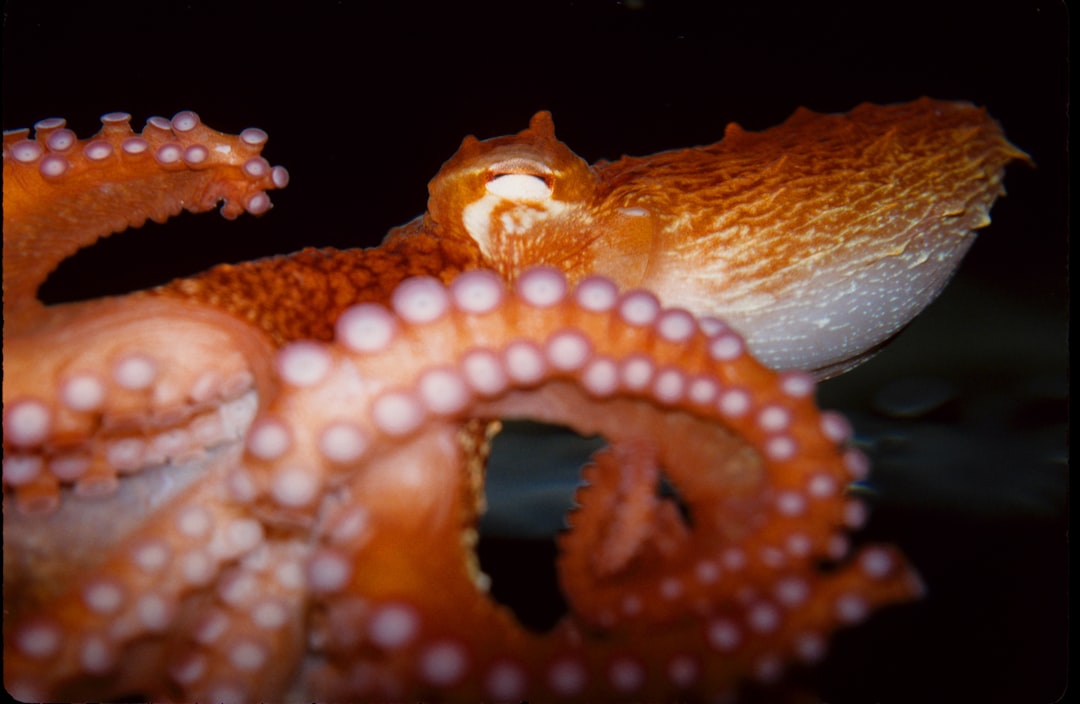
With two sides to his personality, Dionysus represents joy, ecstasy and merriment, but also brutal and blinding rage, and has a dual personality, bringing joy and ecstasy as well as brutal rage. The octopus perfectly captures this mercurial nature through its ability to completely transform both appearance and behavior within seconds. These intelligent creatures can shift from playful curiosity to defensive aggression in an instant, mirroring Dionysus’s unpredictable mood swings.
Octopuses are masters of transformation, using their camouflage abilities to become completely different creatures – much like how Dionysus could inspire both ecstatic celebration and terrifying madness. Their complex intelligence and problem-solving abilities reflect the god’s sophisticated understanding of human psychology, while their solitary yet occasionally social nature mirrors his role as both party host and dangerous outsider.
Conclusion
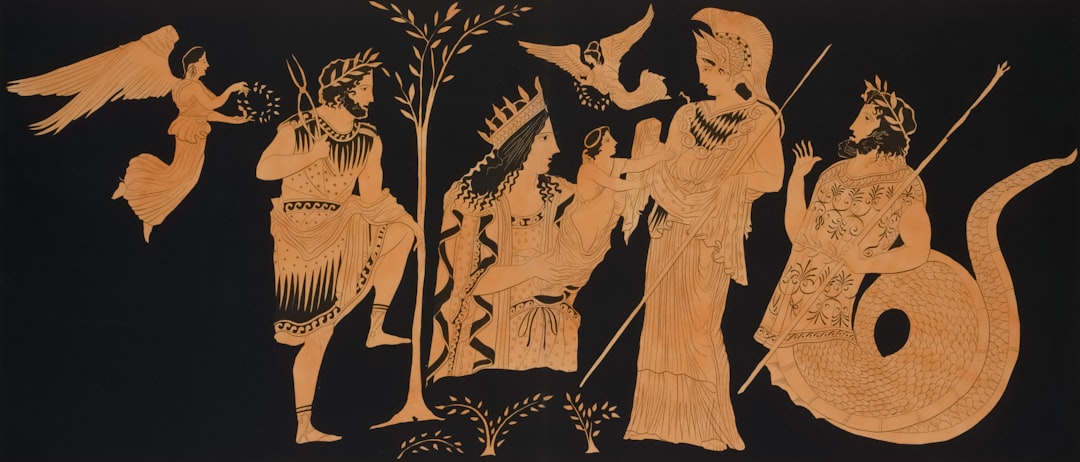
These animal matches reveal something profound about both Greek mythology and the natural world. The gods’ personalities weren’t random – they reflected real aspects of human nature that we still recognize today. When we see these same traits mirrored in animals, it creates a bridge between ancient wisdom and modern understanding of behavior and psychology.
Perhaps the Greeks were onto something when they created gods who felt so remarkably human. Their flaws made them relatable, their strengths made them aspirational, and their animal counterparts remind us that certain personality patterns appear throughout nature itself. What do you think about these divine animal pairings? Tell us in the comments which match surprised you the most.
