
The animal kingdom might seem worlds away from the magical realm of Disney, yet the personalities and behaviors of America’s wild creatures mirror our beloved animated characters in the most unexpected ways. Picture a grizzly bear with the protective instincts of Mufasa or a raccoon displaying Meeko’s clever mischievousness. These aren’t just fun comparisons – they reveal genuine personality traits that make both wild animals and Disney characters so captivating to us.
Scientists have documented distinct personality differences in species ranging from monkeys and birds to fish and hermit crabs, with wildlife biologists confirming that animals display individual personalities and behavioral varieties. The United States boasts incredibly diverse fauna, with approximately 432 species of mammals, over 800 species of birds, and more than 100,000 known species of insects. Each creature brings its own unique character to the wild stage of America. So let’s dive into this enchanting world where nature meets Disney magic.
The Bald Eagle: Mufasa from The Lion King
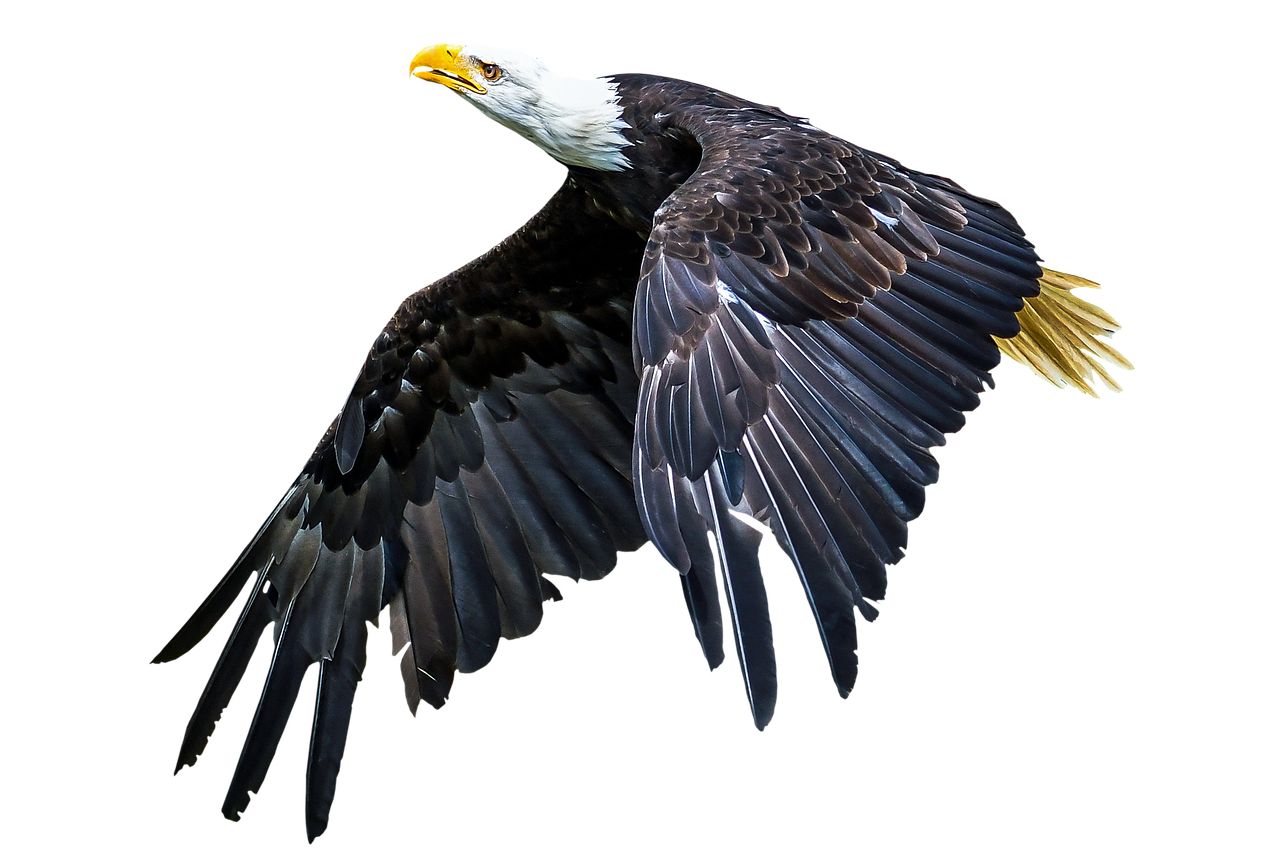
The Bald Eagle serves as one of America’s two national animals, symbolizing strength and freedom. Much like Mufasa, these majestic raptors command respect through their powerful presence and natural leadership abilities. Bald Eagles can now be found in many US states, most commonly near bodies of water like reservoirs, rivers, lakes, and coastal waters.
The parallels between eagles and Mufasa run deeper than their regal appearance. Both possess unwavering dedication to family protection and territory defense. Eagles mate for life and work together to raise their young, displaying the same wisdom and guidance that made Mufasa such an inspiring father figure. Their soaring flights above their domain mirror the Pride Rock king’s watchful eye over the Pride Lands.
American Black Bear: Baloo from The Jungle Book
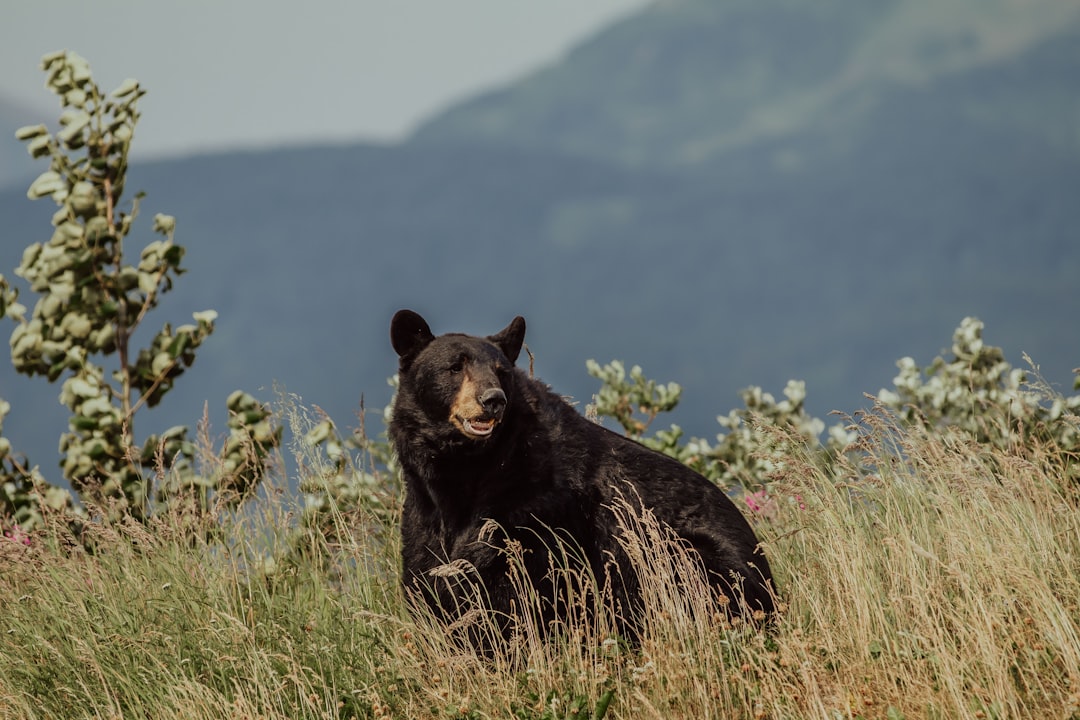
The American Black Bear is the most widely distributed bear species in the United States, commonly found in forests, swamps, and mountains, particularly in the northeastern part of the country. These bears embody Baloo’s laid-back philosophy perfectly. While they’re powerful enough to be formidable, black bears prefer the simple pleasures of life – foraging for berries, fishing in streams, and enjoying long afternoon naps.
Their gentle nature with cubs reflects Baloo’s nurturing relationship with Mowgli. Black bears are incredibly patient teachers, showing their offspring which foods are safe and how to survive in the wild. They share Baloo’s wisdom about taking life one day at a time, though they’re far more industrious when preparing for winter hibernation than our favorite Disney bear might suggest.
Gray Wolf: Balto from Balto
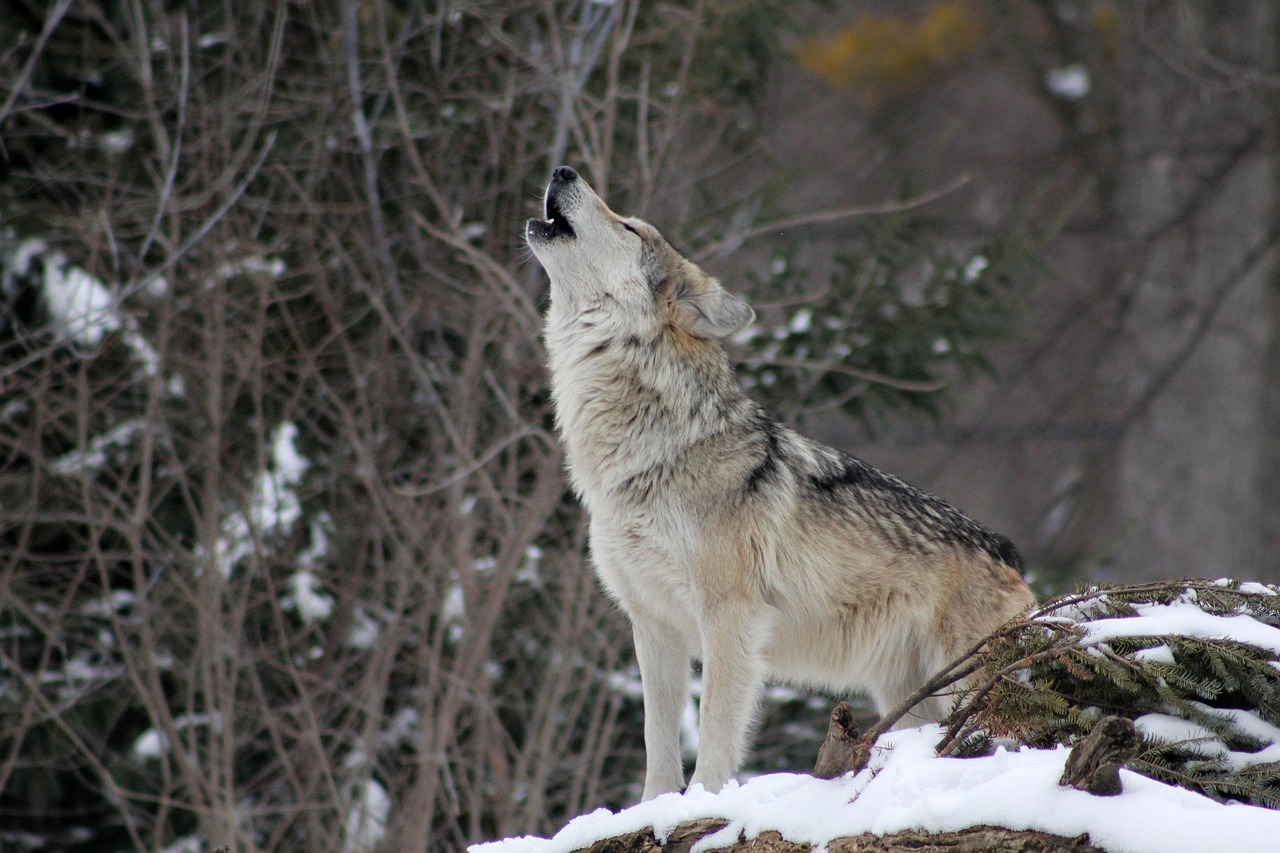
The U.S. Fish and Wildlife Service estimates the total Gray Wolf population at around 13,000, including Alaska. These magnificent predators mirror Balto’s heroic spirit and unwavering loyalty to their pack. For the best chance of a grey wolf sighting in the US, visitors should head to Yellowstone and Grand Teton national parks.
Gray wolves demonstrate the same courage and determination that made Balto legendary. They’re natural leaders who make difficult decisions for the greater good of their pack. Their complex social structures require the kind of diplomatic skills and selfless dedication that Balto displayed during his famous serum run. Like the animated hero, real wolves often travel great distances and endure harsh conditions to protect those they love.
American Bison: Beast from Beauty and the Beast
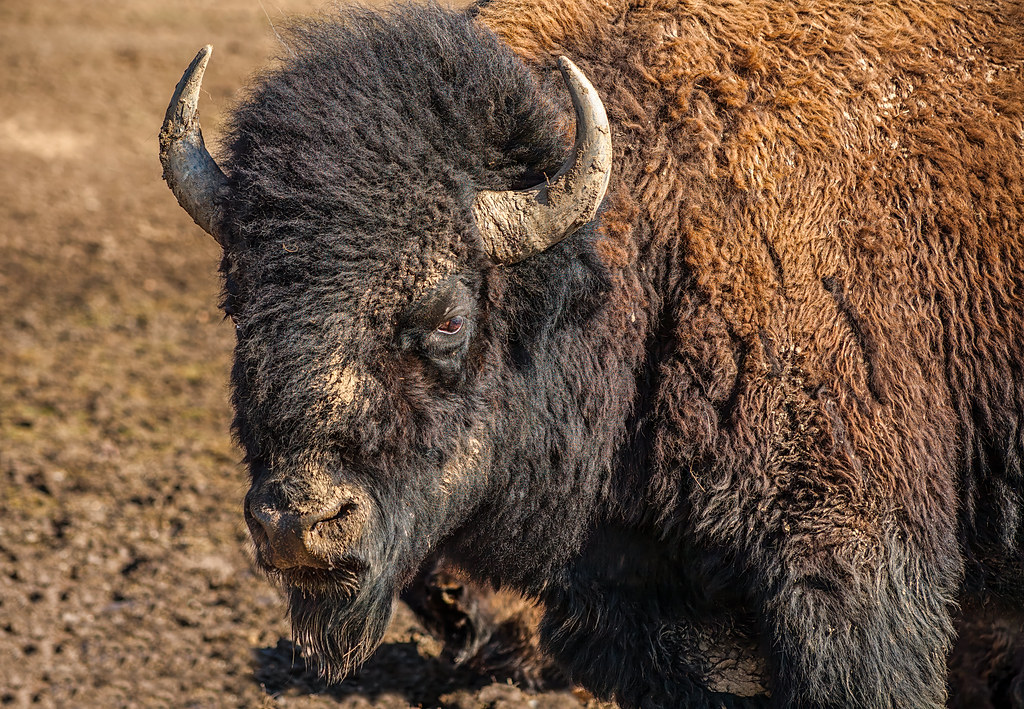
The American Bison serves as the second national animal and was declared the national mammal on May 9, 2016, after once roaming the continent in millions but facing near extinction. These massive creatures perfectly embody the Beast’s transformation story. Initially appearing intimidating and aggressive, bison are actually gentle giants with complex emotional lives.
Despite looking like lumbering tanks, bison are surprisingly agile, capable of running up to 35 miles per hour and crossing rivers with ease. Like the Beast, they possess hidden depths beneath their formidable exterior. Bison show remarkable tenderness toward their calves and demonstrate sophisticated social behaviors that reveal their intelligence and capacity for gentleness.
Raccoon: Meeko from Pocahontas
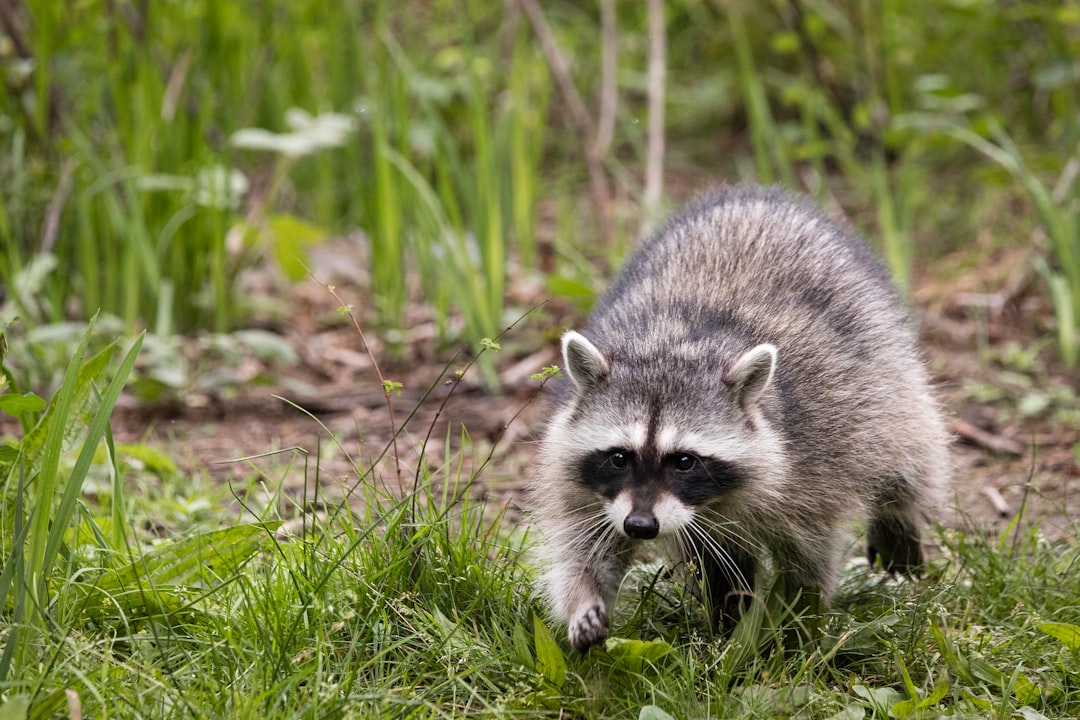
Resourceful and highly adaptable, the raccoon has become an unofficial urban mascot across North America, though not a national animal, it’s deeply embedded in American pop culture and backyard ecosystems. These masked bandits share Meeko’s insatiable curiosity and mischievous nature. Their nimble paws and problem-solving abilities make them the perfect real-world counterpart to Pocahontas’s playful companion.
Raccoons display the same food obsession that made Meeko so memorable. They’ll investigate anything that might be edible, often getting into trouble while satisfying their curiosity. Their nocturnal adventures and tendency to “wash” their food in water mirrors Meeko’s quirky behaviors, though real raccoons are far more successful at avoiding the consequences of their antics.
Red Fox: Nick Wilde from Zootopia
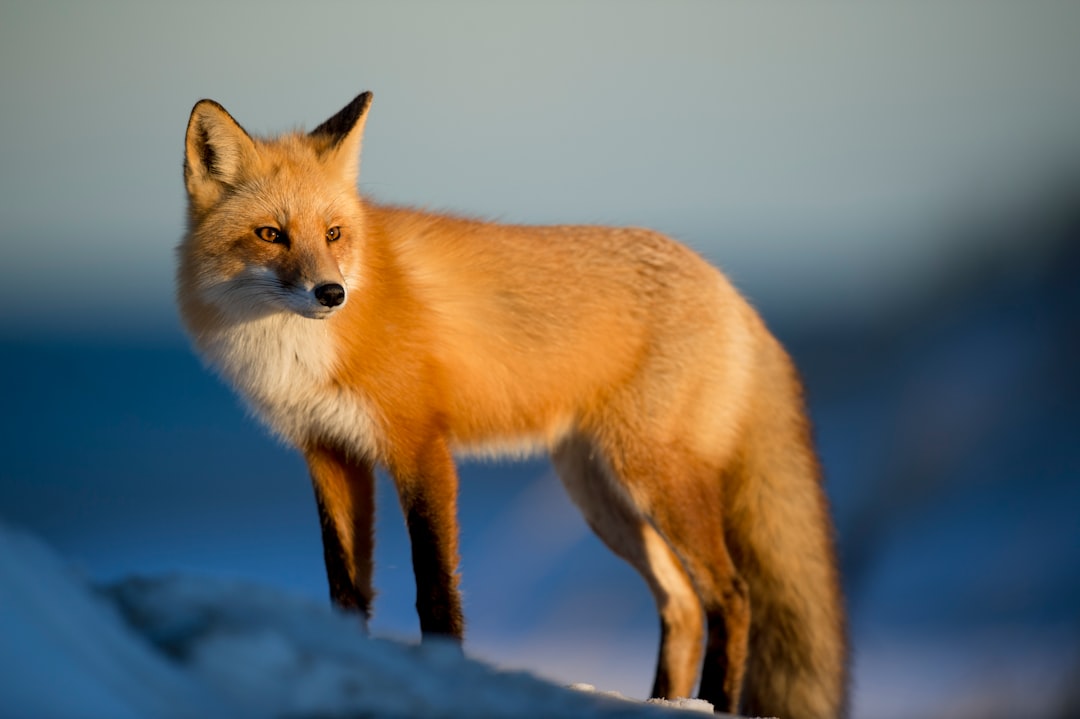
The red fox is found throughout the central states alongside species like bobcat, white-tailed deer, and raccoon. These clever canines embody Nick Wilde’s quick wit and street-smart personality perfectly. Foxes are renowned for their intelligence and adaptability, traits that allow them to thrive in both wild and urban environments.
Like Nick, red foxes are masters of reading situations and adapting their behavior accordingly. They’re opportunistic hunters who can switch strategies on the fly, much like our favorite con-artist-turned-cop. Their playful nature and tendency to outsmart larger predators mirrors Nick’s ability to talk his way out of trouble with charm and cleverness.
White-tailed Deer: Bambi from Bambi
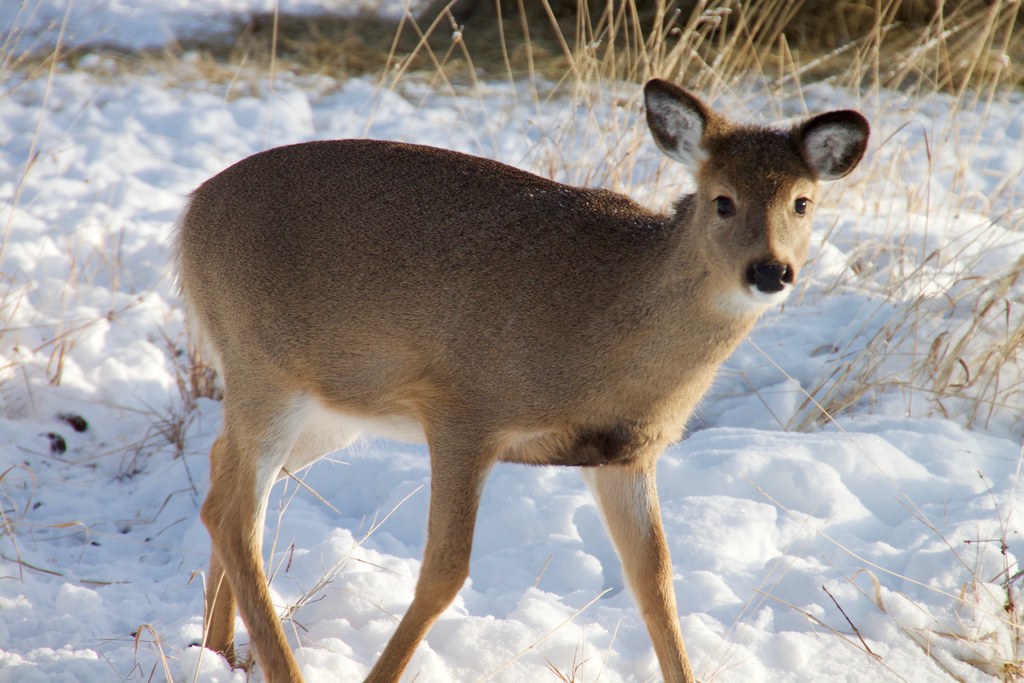
White-tailed deer ranks among the iconic animals of the US, serving as beloved inhabitants alongside the bald eagle and various other species. These graceful creatures are the obvious choice for Bambi’s real-world counterpart. Their wide-eyed innocence and gentle nature perfectly capture the essence of Disney’s most famous fawn.
White-tailed deer display the same curiosity and wonder that made Bambi so endearing. Young fawns stumble through their first encounters with the world, learning about dangers and delights with the same mix of fear and fascination. Their strong family bonds and the protective instincts of doe mothers mirror the relationships portrayed in the animated classic.
American Beaver: Beaver from Lady and the Tramp
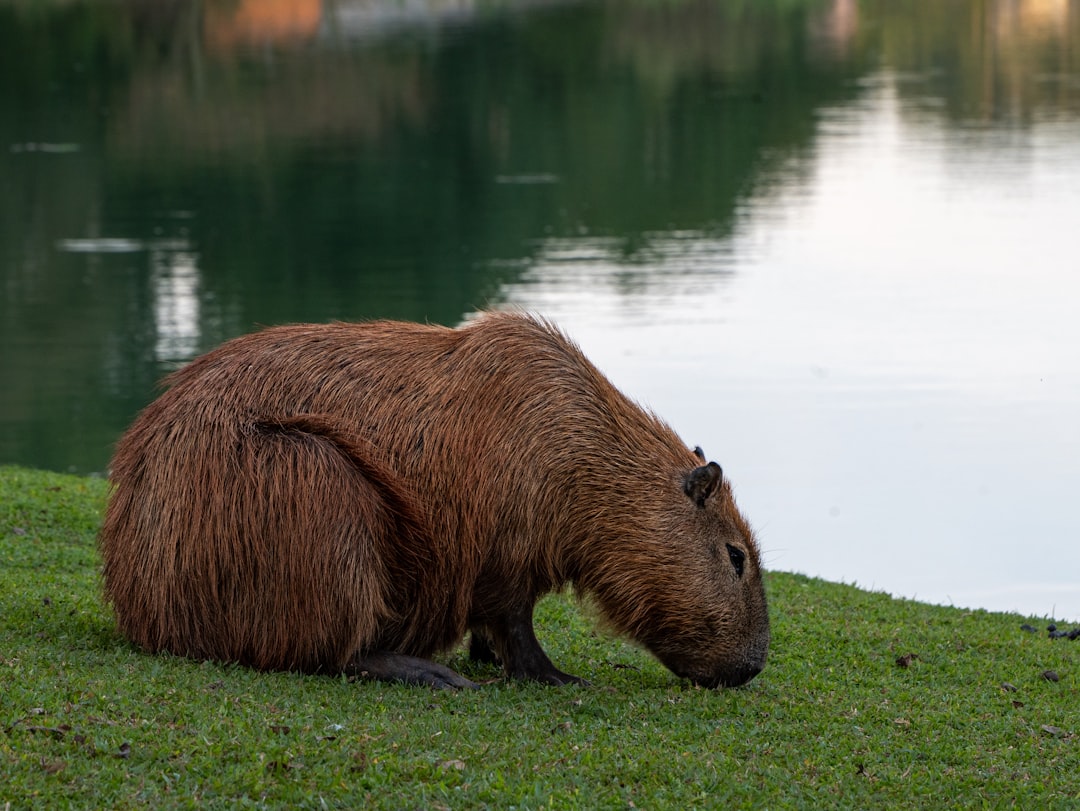
The American Beaver is found in most US states near rivers, marshes, ponds, and other slow-moving bodies of water, and they are most active at night with their distinctive tail-slapping serving as a warning of danger. These industrious rodents share more than just a species name with their Disney counterpart – they embody the same work ethic and family-oriented values.
Beavers are nature’s engineers, constantly building and maintaining their dams with the dedication of master craftsmen. Like the helpful beaver in Lady and the Tramp, they’re always ready to lend a paw (or in this case, a tail) when others need assistance. Their cooperative family structures and willingness to work together for the common good reflects the community spirit that makes Disney stories so heartwarming.
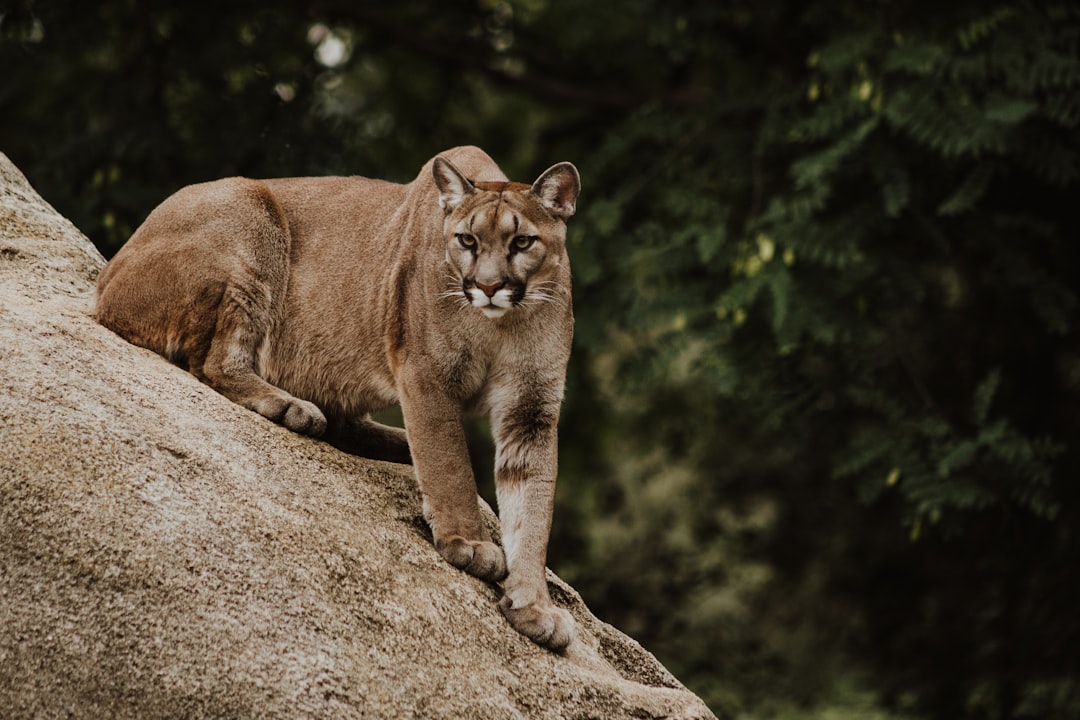
Mountain Lion: Nala from The Lion King
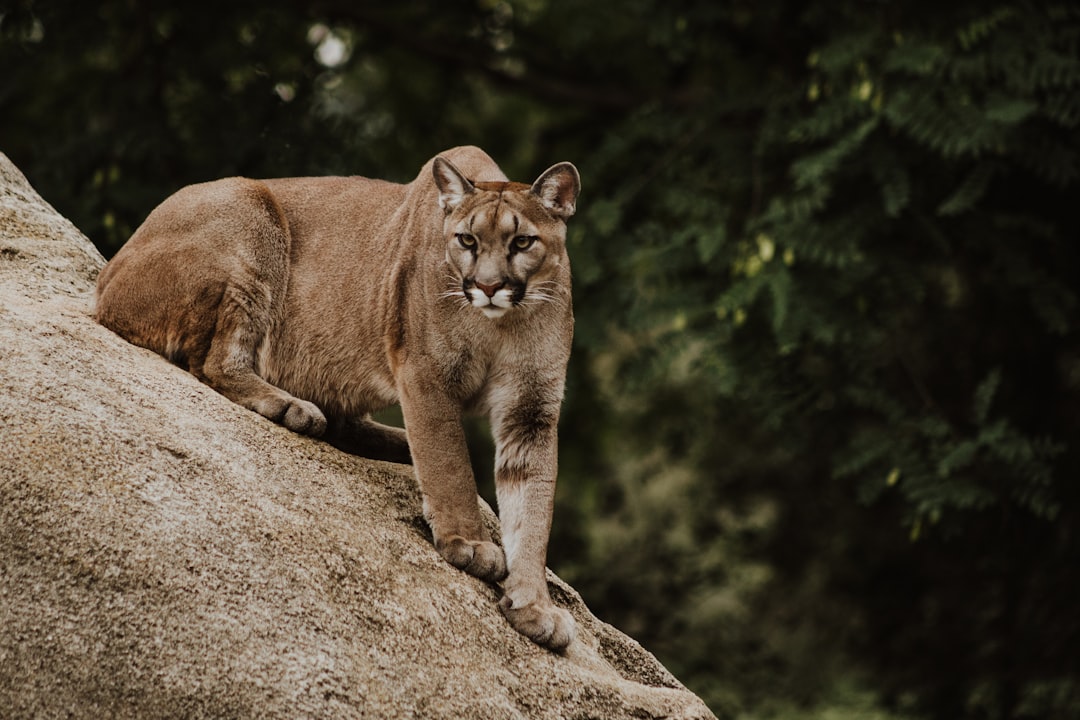
The Florida Panther is an endangered subspecies of puma found only in Florida, with impressive speed and leaping abilities making them top predators. Mountain lions (also known as cougars or pumas) embody Nala’s strength, independence, and fierce loyalty. These solitary hunters demonstrate the same combination of grace and power that made Nala such a compelling character.
Female mountain lions are particularly protective mothers, raising their cubs with the same determination and wisdom that Nala showed. They’re patient teachers who prepare their young for the challenges of independent life. Their ability to traverse vast territories and adapt to different environments mirrors Nala’s journey from pride member to queen.
Great Blue Heron: Zazu from The Lion King
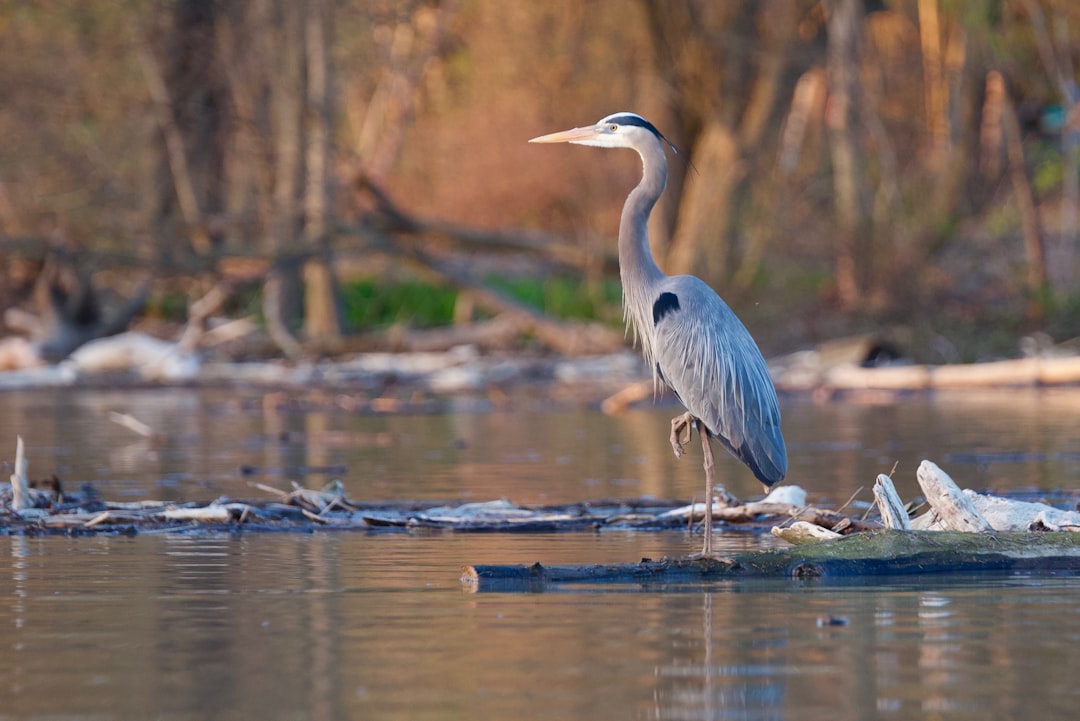
The South is home to many coastal birds including gulls, rails, gallinules, skimmers, grebes, sandpipers, cranes, and herons. The Great Blue Heron perfectly captures Zazu’s dignified bearing and watchful nature. These tall, elegant birds stand motionless for hours, observing everything around them with the same attentiveness that made Zazu such an effective royal advisor.
Great Blue Herons are known for their patience and precision, qualities that align with Zazu’s methodical approach to his duties. They’re excellent communicators, using a variety of calls to convey different messages – much like Zazu’s constant updates and announcements. Their ability to remain calm under pressure while staying alert to potential threats mirrors the hornbill’s role as the Pride Lands’ early warning system.
River Otter: Olaf from Frozen
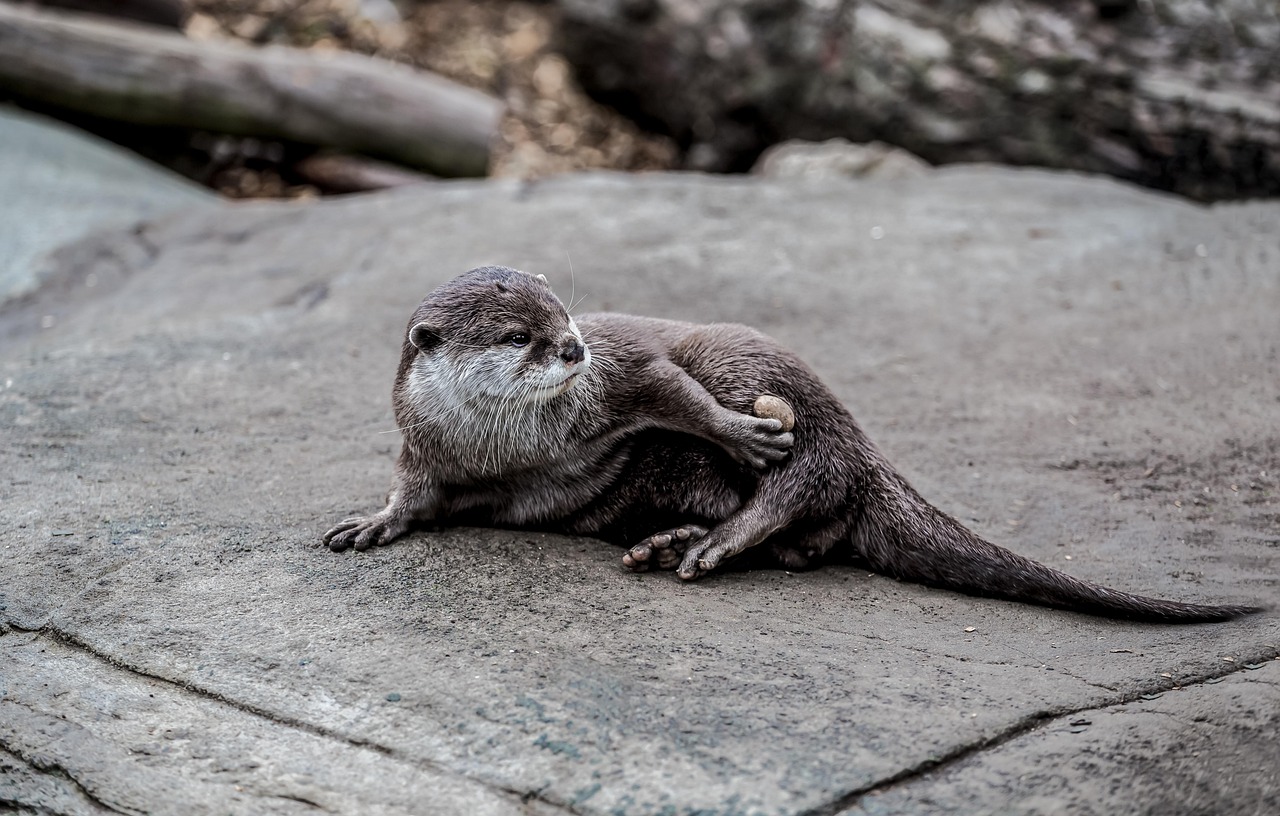
Many water-dwelling mammals inhabit the South including the American beaver, muskrat, and river otter. River otters embody Olaf’s joyful, playful spirit and genuine love of fun. These aquatic acrobats spend their days sliding, splashing, and engaging in games that would make even Olaf jealous of their winter activities.
Like Olaf, river otters are incredibly social creatures who form strong family bonds. They’re natural entertainers who seem to approach life with endless enthusiasm and optimism. Their playful antics and ability to find joy in simple pleasures perfectly captures the snowman’s philosophy that some things are worth melting for – though in their case, it’s worth getting wet for.
American Alligator: Tick-Tock the Crocodile from Peter Pan
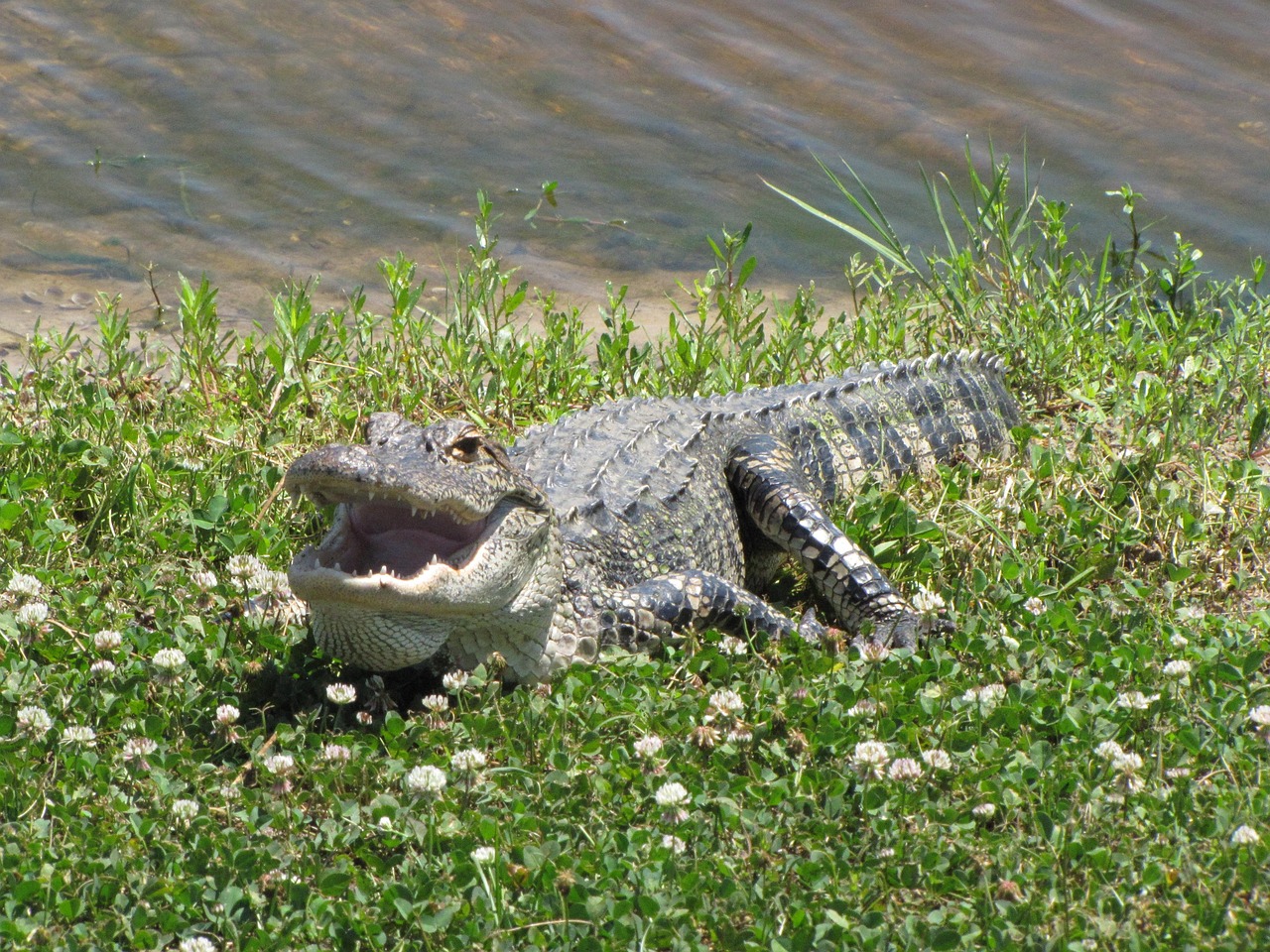
Native to the southeastern U.S., particularly the wetlands and swamps of Florida, Louisiana, and Georgia, American alligators were once critically endangered but bounced back through conservation programs, playing a vital ecological role by digging “gator holes” that retain water during droughts. These prehistoric survivors share Tick-Tock’s patient, methodical nature and impressive longevity.
American alligators demonstrate the same persistent hunting style that made Tick-Tock so memorable. They’re patient predators who can remain perfectly still for hours, waiting for the right moment to strike. Like their Disney counterpart, they’re much more intelligent than most people realize, showing complex behaviors and even displaying what researchers describe as personality traits in their interactions with others.
What makes these animal-to-Disney character connections so fascinating is how they reveal universal traits that transcend species boundaries. Whether we’re watching Mufasa guide Simba or observing a bald eagle teaching its eaglets to soar, we’re witnessing the same fundamental drives for protection, guidance, and love. What do you think about these wild Disney doppelgangers? Tell us in the comments.

- 8 Reasons Cedar Waxwings Pass Berries From Beak to Beak - July 26, 2026
- 8 Backyard Trees That Owls Prefer After Sunset - July 26, 2026
- 9 Things Chickadees Remember About Reliable Backyard Feeders - July 26, 2026