


When you think about the laws of physics, your mind probably drifts to Newton’s apple or Einstein’s equations. Yet some of nature’s most incredible creatures seem to completely ignore these fundamental principles. They walk on walls, defy gravity, and manipulate forces in ways that leave scientists scratching their heads.
These remarkable animals don’t actually break physics, of course. Instead, they’ve evolved extraordinary mechanisms that work with natural forces in such sophisticated ways that they appear supernatural. From microscopic hairs that harness atomic forces to water-walking abilities that would make any superhero jealous, these creatures showcase evolution’s most ingenious solutions. Let’s dive into the fascinating world of animals that make the impossible look effortless.
Geckos Master Molecular Attraction
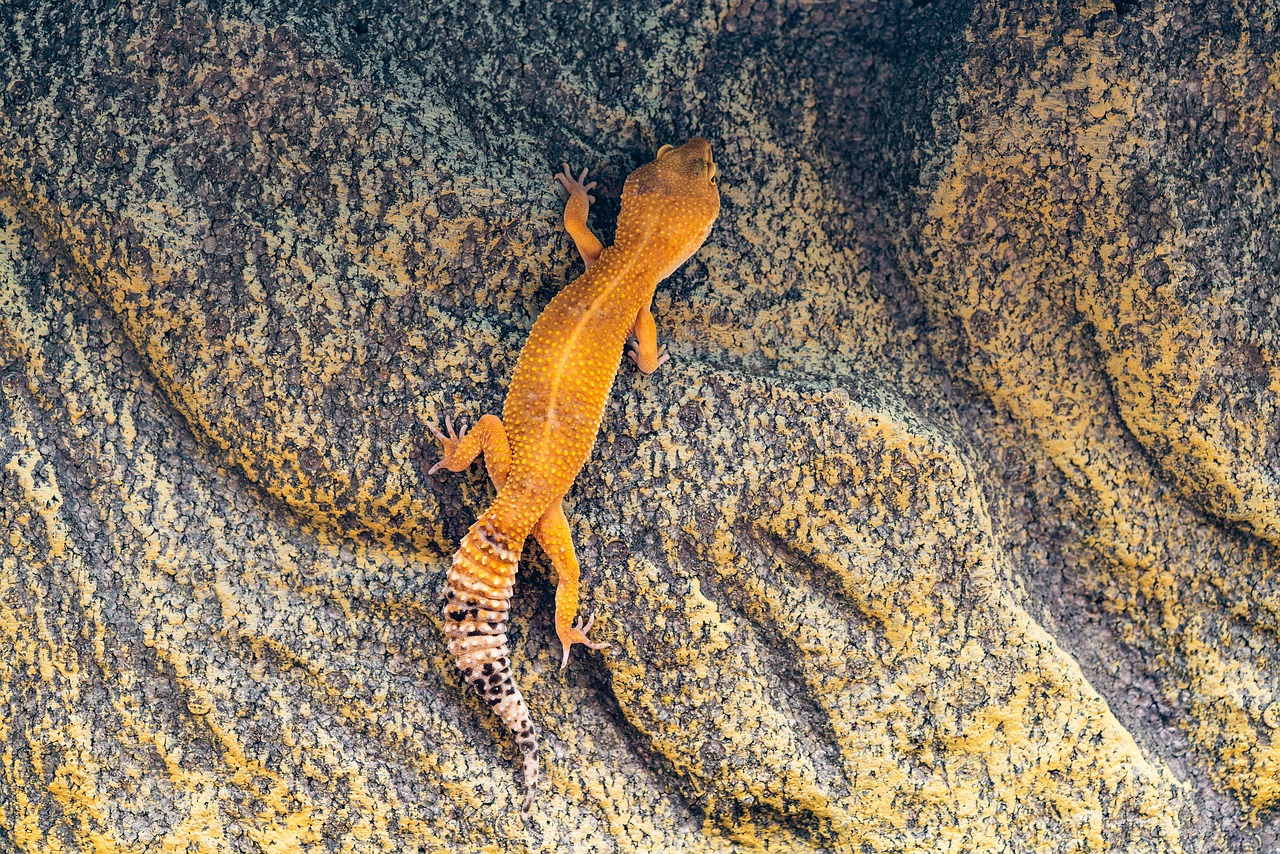
Geckos have this incredible ability to stick to just about any surface. I mean, hanging upside down from glass, walking up walls. It’s almost like they can defy gravity. The secret lies in nanotechnology. These small lizards accomplish their gravity-defying feats through something far more sophisticated than simple stickiness or tiny hooks.
Their specialized toe pads contain microscopic structures that harness the power of atomic attraction, allowing these reptiles to defy gravity in ways that have inspired numerous technological innovations. Each gecko foot contains millions of microscopic hairs called setae, which split into even tinier branches. In the nanoworld of the microhairs a faint intermolecular attraction called the van der Waals force pulls objects together. Multiplied millions of times this force creates enough adhesion that holds the feet of a gecko to surface of glass.
Octopus Tentacles Use Perfect Suction
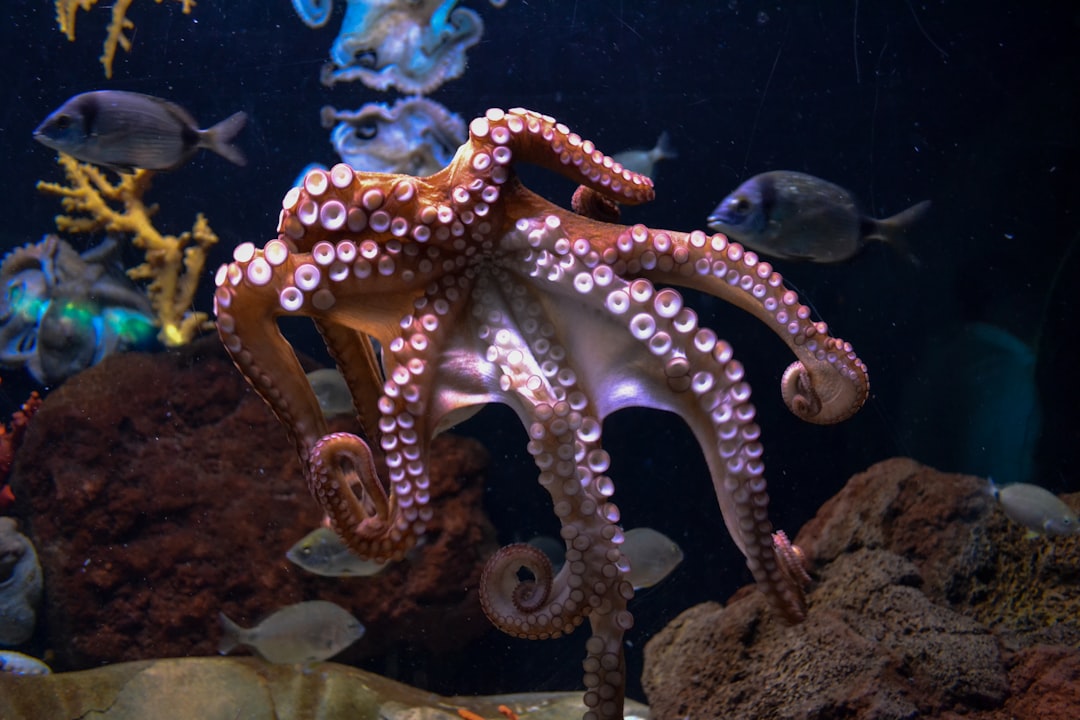
All eight arms of an octopus have a whopping 2,240 suction cups, each used to taste, grip and smell. However, these aren’t just simple suction devices. Much more than a simple suction cup, these grippers are quite complicated, biologically speaking. They consist of several parts, including the outer ring and a muscled, interior cup. When pressed against an object, the flexible outer ring of the sucker takes the shape of the object and forms a watertight seal
Each of these was smooth, lacking the crucial gripping ridges of a real octopus sucker. In addition to the superficial landscape of these suckers, the scientists also tested their resilience under pressure using a micro-force tester called a microindentation unit (which measures a material’s resilancy and firmness by pushing on it with a spring). Under pressure, both tissues became stiffer, which also helps insure a good hold once the octopus sucker has made contact with a surface. These suckers can lift up to 35 pounds each!
Basilisk Lizards Sprint Across Water

Dubbed the “Jesus Christ lizard,” the basilisk can run across water surfaces, a feat that seems to defy physics. This ability is made possible by their long toes and high-speed sprinting, which creates pockets of air that support their weight temporarily. When a basilisk runs rapidly, it slaps its feet onto the water with enough force to create a tiny air pocket, preventing it from sinking immediately. The speed of the lizard’s leg movement is crucial; it must move fast enough to avoid breaking the surface tension of water.
These lizards can run at speeds of up to 7 miles per hour on land, and up to 5 miles per hour on water. This makes them one of the fastest lizards in the world. Basilisk lizards can easily make up to 20 meters (65 feet) dashes across a water surface thanks to their specialized hind limbs. At the same time, the lizard’s downward force usually creates a pocket of air beneath each foot, further aiding its floating quest. The technique requires incredible precision and timing.
Water Striders Dance on Surface Tension
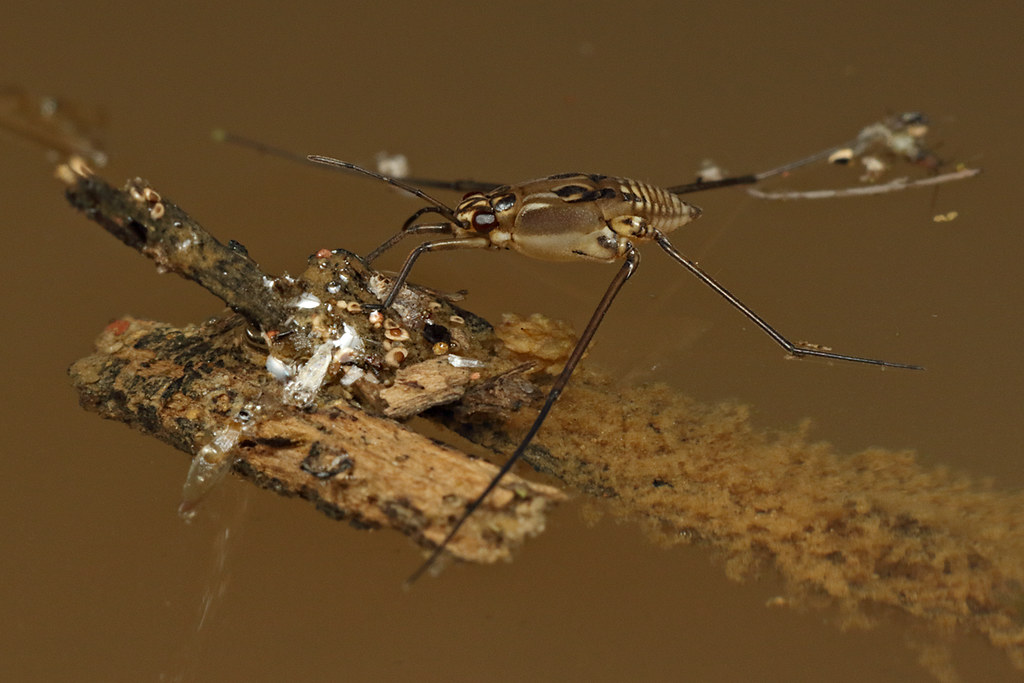
Water striders, also known as pond skaters, are true experts of surface tension. These fascinating insects have conquered the art of walking on water through their unique body structure and specialized legs. Their ability to navigate the water’s surface is a result of their advanced understanding of surface tension dynamics and water meniscus management.
They have long, hydrophobic legs covered in microscopic hairs for repelling water. In each hair, there are air bubbles that further aid the insect’s quest to remain afloat. Water striders can propel forward with incredible speed and precision as they push back with their middle legs. Their legs create small dimples in the water’s surface without breaking through, allowing them to stay afloat. Water striders use this skill to hunt for prey, mate, and avoid predators. They’re so adept at manipulating surface tension that they can even jump on water to escape danger.
Spiders Utilize Electrostatic Forces

Those feathery bits help it stick to walls, windows, and your shoulder, right now. But its ability to cling has squat to do with glue-like stickiness or natural Velcro hooks. No, as it turns out, these little monsters are masters of static electricity. A spider’s tiny toe dusters take advantage of a natural phenomenon called van der Waals force, where the electrons between Spidey’s hairs jitter around in close quarters until a negative and a positive finally meet.
And just as MC Skat Kat prophesied, opposites attract, in this case creating a bond that results in the spark necessary for a spider to hang in there like the kitten on one of those inspirational posters. Even the spider’s web uses electricity to get what it wants. That’s right, the web. The damn thing might not technically be alive, but to the poor flies that it literally reaches out to grab and turn into dinner, it might as well be.
Jumping Spiders Leap Beyond Logic
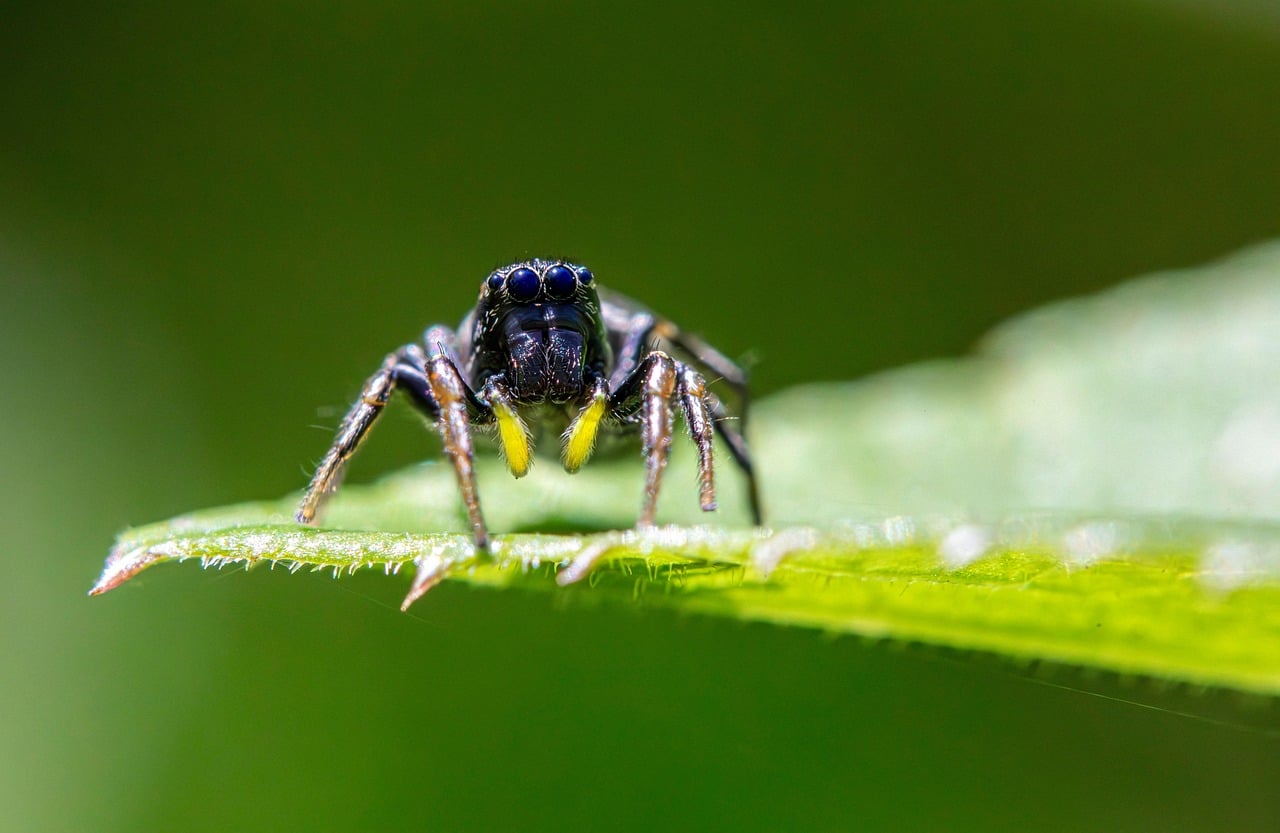
Tiny yet powerful, the jumping spider defies gravity with ease. Unlike other spiders, it doesn’t weave webs. Instead, it leaps great distances to catch prey using its strong legs. This spider’s vision is like no other, with four pairs of eyes providing a panoramic view. Its leaps are accurate and calculated. It secures itself with a silk thread, ensuring safe landings. In the world of insects, the jumping spider is both predator and performer, showcasing acrobatic prowess.
These remarkable arachnids can jump more than 50 times their own body length with pinpoint accuracy. Their legs function like tiny hydraulic pistons, building up pressure before releasing it in explosive bursts. The precision of their jumps is enhanced by their exceptional vision system, which provides them with detailed depth perception and target tracking capabilities.
Flying Squirrels Glide Without Wings
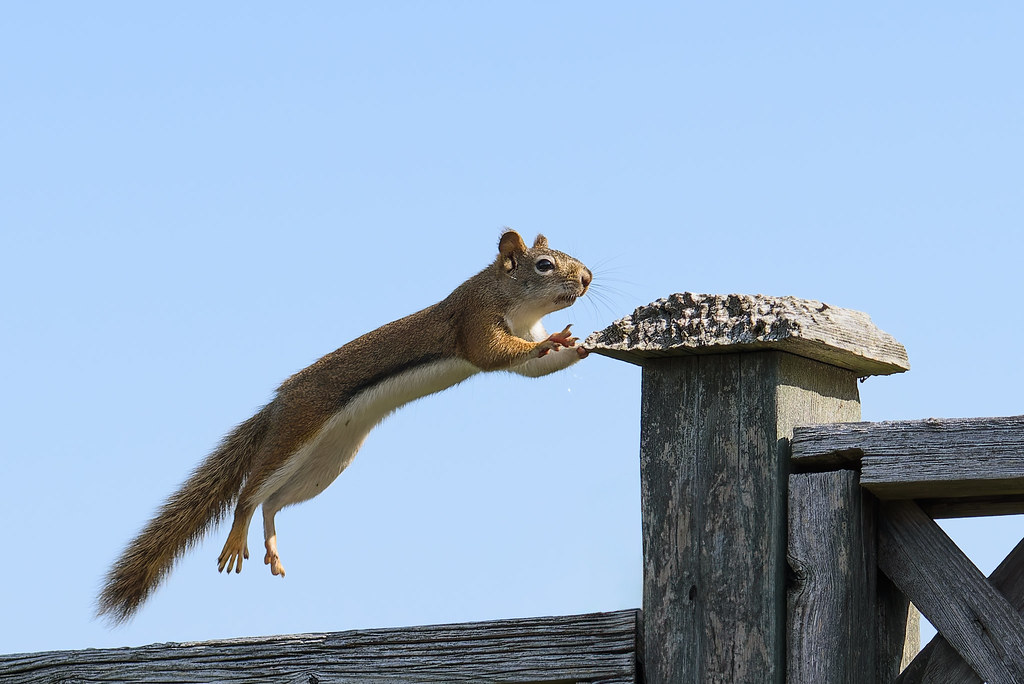
These nocturnal gliders have a unique adaptation that allows them to soar between trees. Flaps of skin that stretch from wrist to ankle act as wings, enabling them to glide for distances of up to 300 feet. This ability helps them escape predators and find food efficiently. By adjusting the tension in their limbs, they can change direction mid-air, a skill that requires precise control.
Unlike birds or bats, flying squirrels don’t actually fly in the traditional sense. Instead, they transform their bodies into living parachutes, using specialized membranes called patagia. Their tails act as rudders, providing steering control during their graceful descents. The angle of their glide can be adjusted in real-time, allowing them to navigate through dense forest canopies with remarkable precision.
Bats Navigate Through Echolocation
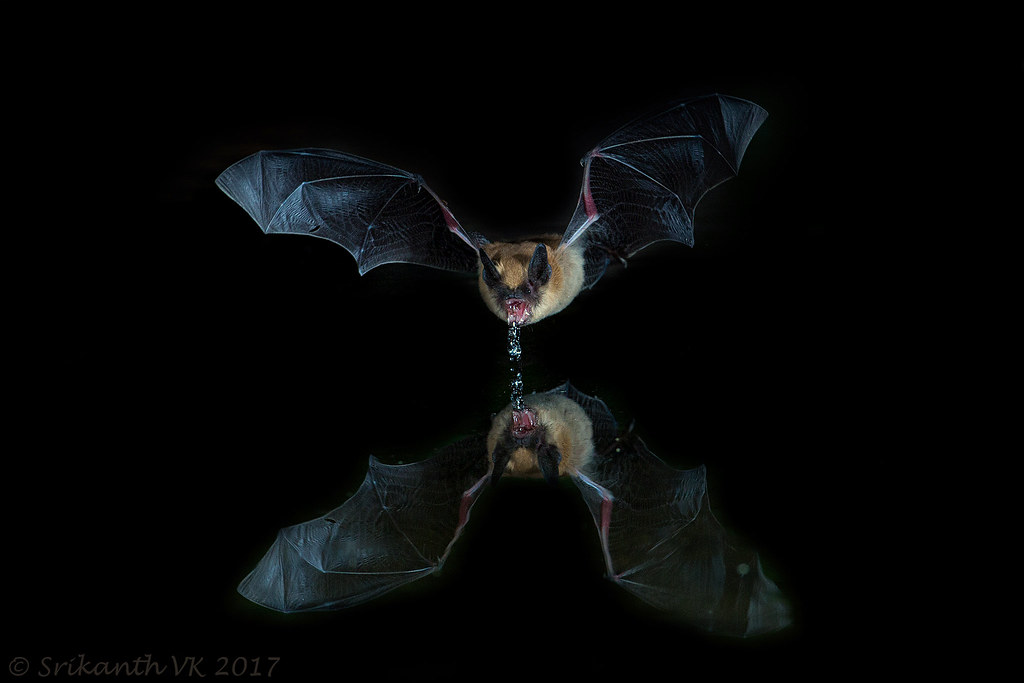
Bats are the only mammals capable of true flight, using their webbed wings to soar through the night skies. Their unique ability to echolocate allows them to hunt insects with remarkable accuracy, even in complete darkness. This sonar-like system involves emitting high-frequency sounds and interpreting the returning echoes, guiding them through complex environments. Their nocturnal lifestyle and flight proficiency make them successful hunters.
This biological sonar system is so sophisticated that it can distinguish between objects of similar size based on texture and density. Bats can detect wires as thin as human hair and navigate through environments that would challenge the most advanced radar systems. Their echolocation calls can be adjusted in frequency and intensity depending on the hunting situation or environmental conditions.
Flying Fish Launch Into Aerial Glides

With a flick of its tail, the flying fish leaps from the sea. This remarkable creature uses its specialized wings to glide up to 200 meters. These ocean acrobats don’t actually fly but perform extended glides above the water surface to escape underwater predators. Their pectoral fins are enlarged and wing-like, allowing them to catch air currents and remain airborne.
The physics behind their flight involves building up tremendous underwater speed before breaking the surface at angles of up to 45 degrees. Once airborne, they can reach heights of six feet and glide for considerable distances. Some species can even perform multiple glides in sequence, touching down briefly on the water surface to regain momentum before launching again.
Arctic Foxes Hear Through Snow
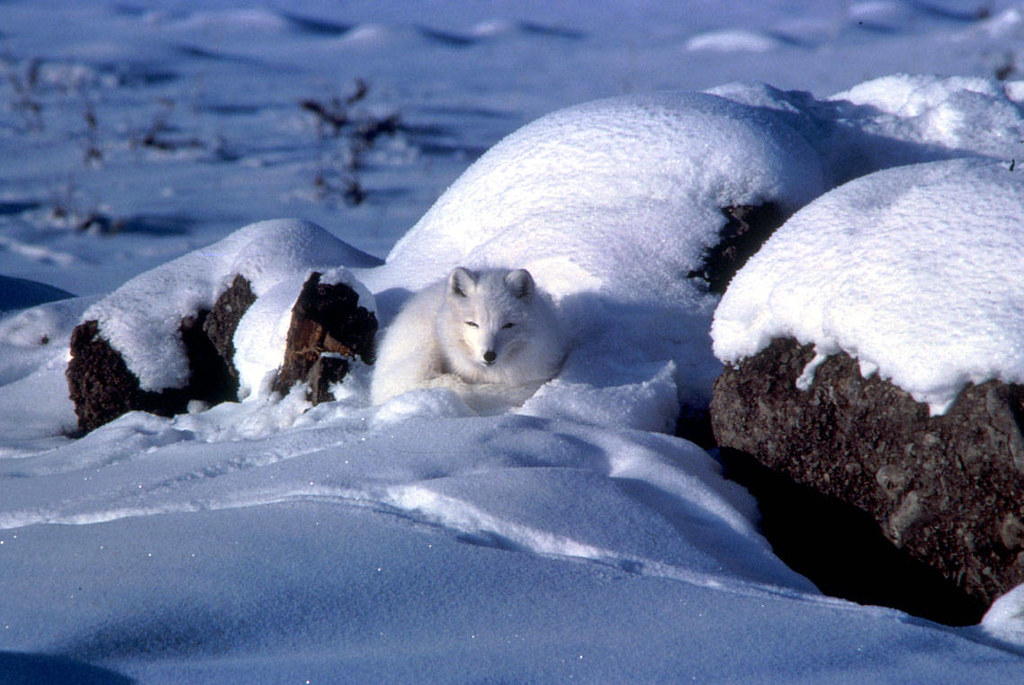
Arctic foxes possess an almost supernatural ability to detect prey moving beneath thick layers of snow. They can pinpoint the exact location of lemmings and voles scurrying in tunnels up to three feet below the surface. This remarkable hunting technique involves a combination of exceptional hearing and an understanding of how sound travels through snow.
Their oversized ears act like natural satellite dishes, collecting and focusing even the faintest sounds. The foxes have learned to compensate for how snow affects sound transmission, adjusting their hunting angles and pouncing techniques accordingly. When they detect prey, they perform a characteristic high arcing leap, diving headfirst through the snow with incredible accuracy. This hunting method, called “mousing,” demonstrates their mastery of acoustic physics in challenging Arctic conditions.
The Snow Leopard
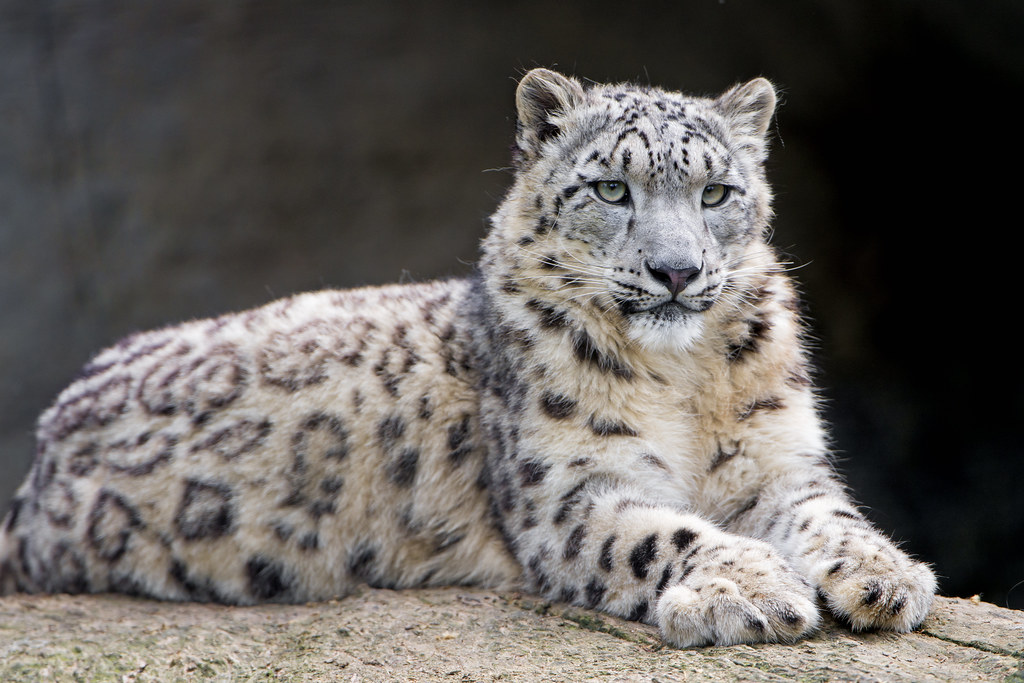
The snow leopard, a ghost of the high Himalayas, seems to bend the laws of physics with its astonishing leaping ability. With powerful hind legs and a long, muscular tail for balance, it can spring as far as 50 feet in a single bound—almost ten times its body length. This feat allows the snow leopard to navigate sheer cliffs and deep chasms in its mountainous habitat, appearing to fly from rock to rock. In the thin air and treacherous terrain of high altitudes, its acrobatic prowess is more than impressive—it’s essential for survival, making it a predator capable of ambushing prey in places other animals can barely reach.
The Jacana (Jesus Bird)
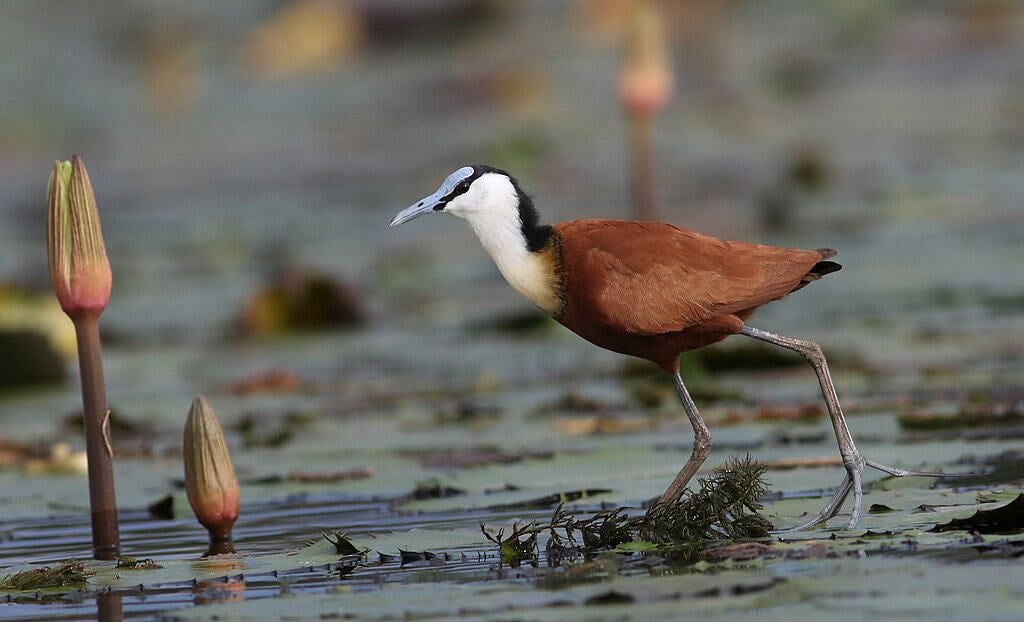
The jacana, often called the “Jesus bird,” performs another seemingly impossible act—it walks on water. This small bird doesn’t have divine powers but rather disproportionately large feet and toes that distribute its weight over a wide surface area. These adaptations allow it to step delicately across lily pads and floating vegetation without breaking the surface. From a distance, it appears to walk effortlessly on water, a marvel of evolutionary engineering that allows it to escape predators and forage in aquatic environments where heavier birds would sink.
Mountain Goats
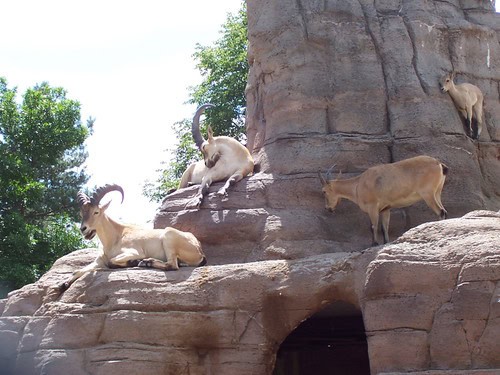
Mountain goats, with their stocky frames and short, powerful limbs, defy gravity by climbing near-vertical cliffs with ease. Found in the rugged ranges of North America, these animals possess specialized hooves with a hard outer rim for grip and a soft, concave pad for traction. This allows them to cling to narrow ledges only inches wide, often at dizzying heights with sheer drops below. Their ability to traverse terrain that would send most creatures plummeting is not just a quirk of nature—it’s a survival strategy to avoid predators and access food in seemingly unreachable places. They appear to stick to the sides of mountains as if glued there, redefining what we consider physically possible for land animals.
Conclusion
These remarkable creatures remind us that nature has been solving complex physics problems for millions of years. Nature, as it turns out, has its own set of rules – and plenty of creatures that know how to bend them. What makes these animals so fascinating isn’t just their acrobatics, but the wild variety of ways they pull it off. Some rely on microscopic hairs, others on perfectly engineered wings or unexpected muscle control. It’s biology meeting physics in the most surprising ways.
From geckos harnessing molecular forces to basilisk lizards running on water, these animals showcase evolution’s most creative engineering solutions. Their abilities continue to inspire human technologies, from better adhesives to more efficient robots. The next time you see a spider on your ceiling or watch a bird in flight, remember that you’re witnessing millions of years of natural innovation in action.
What fascinates you most about these physics-defying animals? Share your thoughts in the comments below.
