
Ever wondered why some people bound out of bed at sunrise while others need three alarms just to crack an eye open? The answer might surprise you. Scientists have discovered that humans naturally follow activity patterns similar to specific American animals, each with their own unique morning routines and daily rhythms.
Think about your most productive hours or when you naturally feel sleepy. Those patterns aren’t random quirks. They mirror the biological rhythms of animals that have evolved over millions of years to survive in the wild. From the industrious squirrel to the methodical bear, these creatures have mastered the art of timing their activities for maximum success.
The Early Bird Lion: First Light Warriors
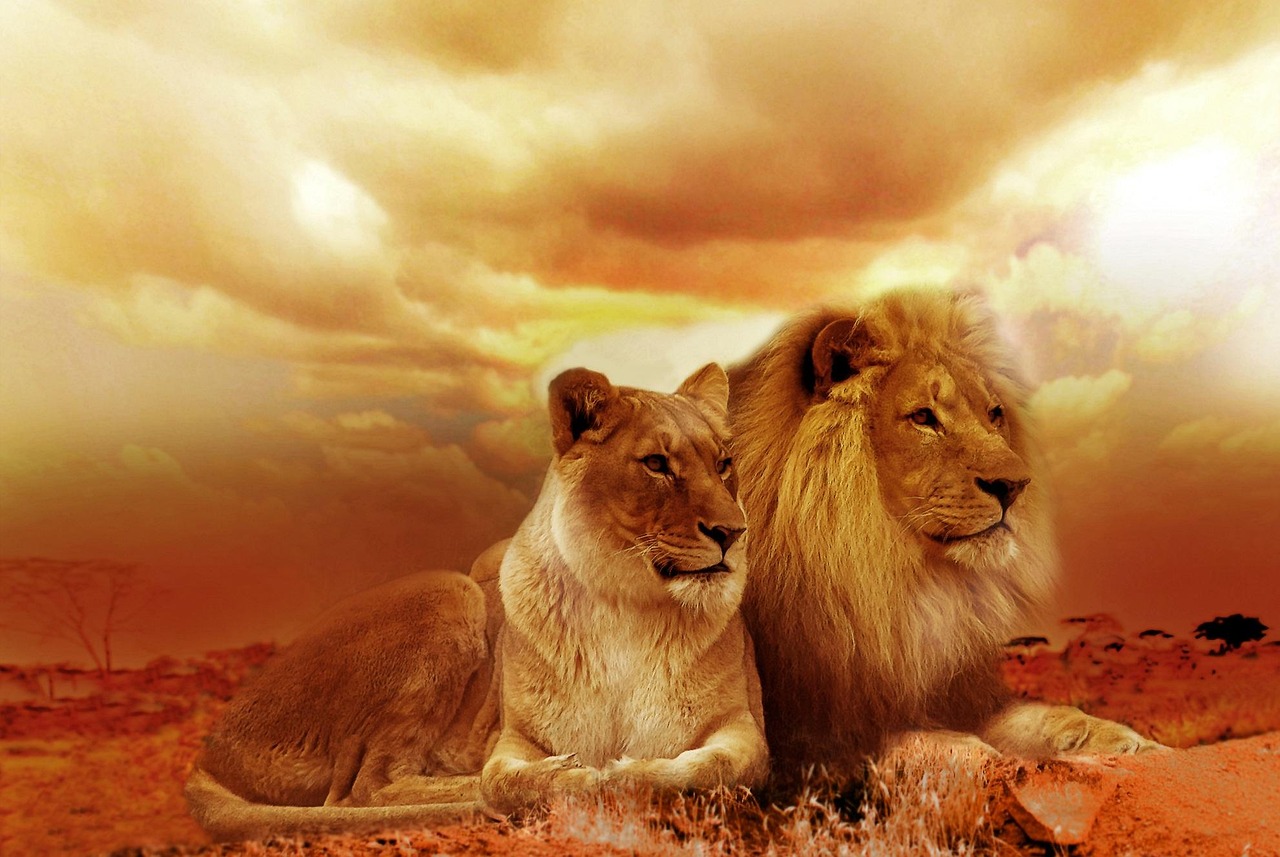
Lions are always up at the crack of dawn and energized throughout the morning. Actual lions rise before dawn to hunt while their prey is either asleep or drowsy. If you’re someone who naturally wakes up feeling refreshed and ready to conquer the world, you might share DNA with these majestic hunters.
Lion types represent the ultimate morning person archetype. These types of people burn out by early evening, though, which means most of their planning work should be done between 5:30 and 7 am. Their energy peaks early and crashes hard, making them perfect candidates for sunrise yoga or that ambitious 6 AM gym session.
The Steady Bear: Nature’s 9-to-5er
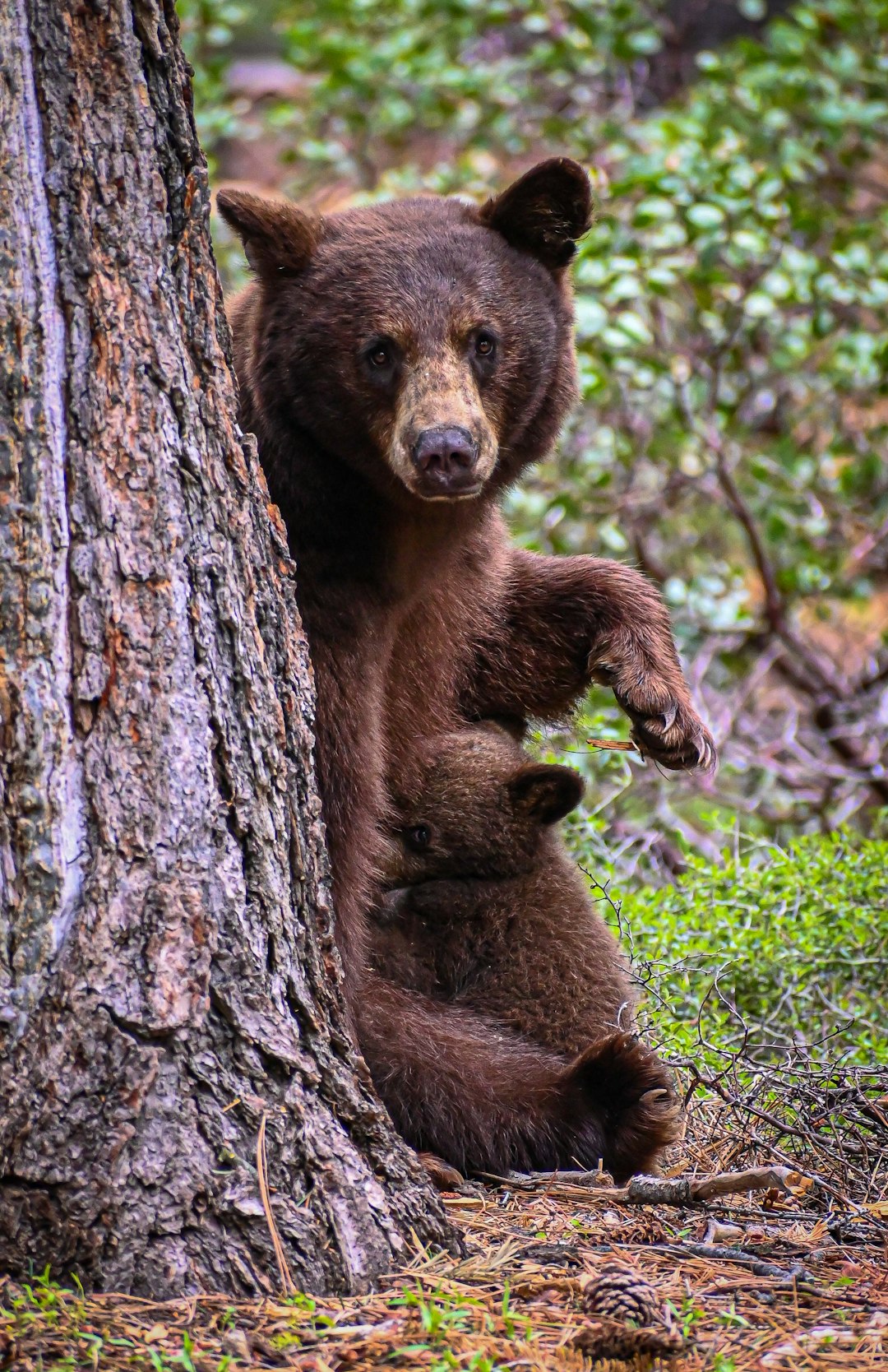
Bears are the most common sleep animal type. The bear chronotype awakens and sleeps with the sunrise and sunset and requires a full 8 hours of sleep. These creatures represent the backbone of society, following predictable patterns that align with traditional work schedules.
Bears are typically more productive before noon and may experience a decrease in energy between 2 p.m. and 4 p.m. If you consider yourself a sound sleeper, who goes to bed when the sun sets and rises with it, you are probably a bear. Bears appreciate routine and consistency, making them natural team players.
The Night Owl Wolf: Moonlight Maestros
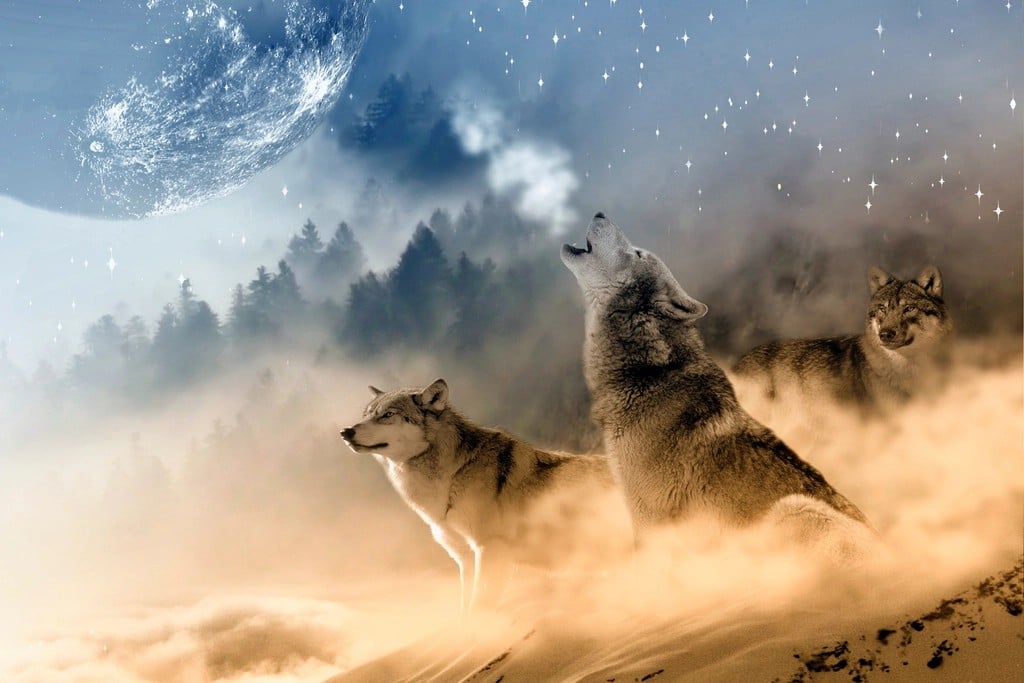
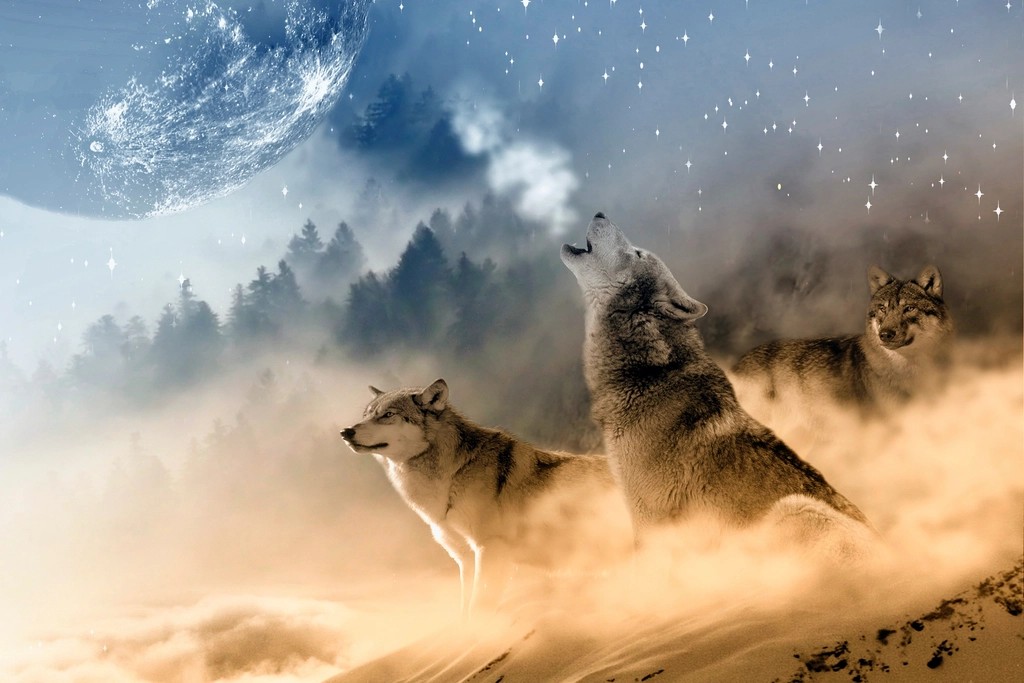
Wolves are not particularly morning people, but they do their best work during the evening hours. Real wolves come alive when the sun goes down, and the human wolf type is no different. If mornings feel like torture but you come alive after dark, you’re channeling your inner wolf.
If you are a Wolf, waking up early in the morning isn’t the easiest as you will tend to be a deep sleeper and take time to wake up. Wolves will often go to bed at midnight or later and wake up after 7:30am. These nocturnal creatures excel during evening hours when others are winding down.
The Restless Dolphin: Light Sleep Specialists
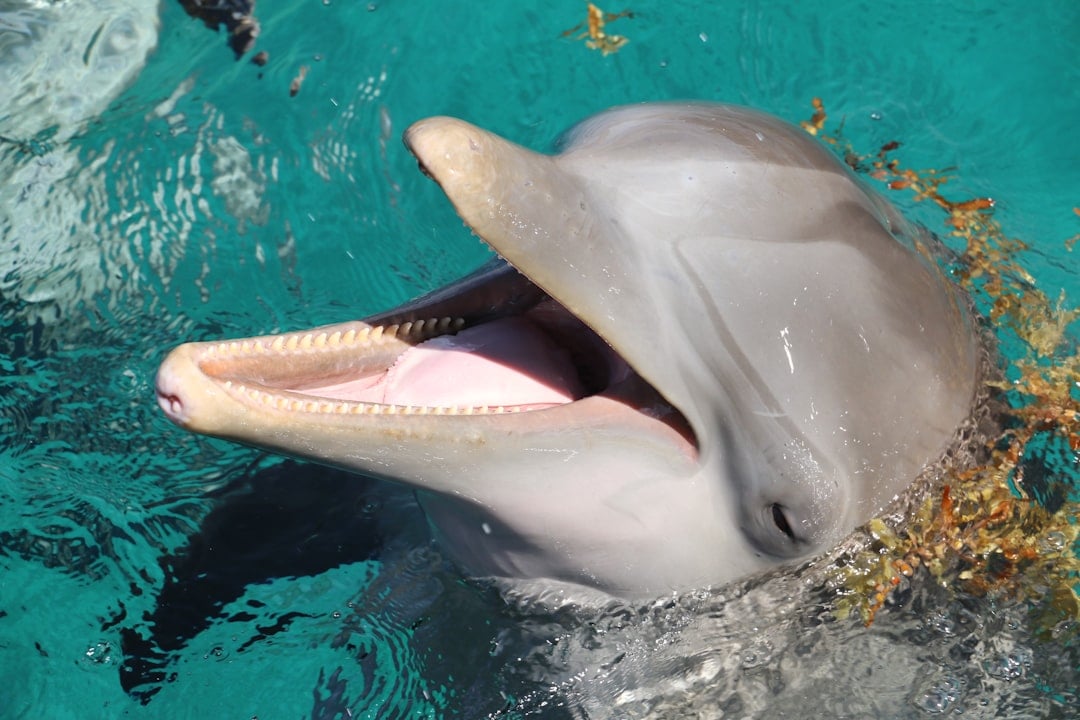
Dolphins do best when they exercise before breakfast first thing in the morning. Similarly, the dolphin chronotype should also try to get some physical activity in before starting their day. Despite being the rarest type, dolphins represent a unique adaptation to unpredictable environments.
Dolphins are the outliers. In stark contrast to bears, dolphins don’t stick to any particular sleep schedule. Dolphins are easily disturbed by environmental factors (light, sound, etc.). They’re the innovators and problem-solvers who thrive on flexibility.
The Industrious Squirrel: Hyperactive Hoarders
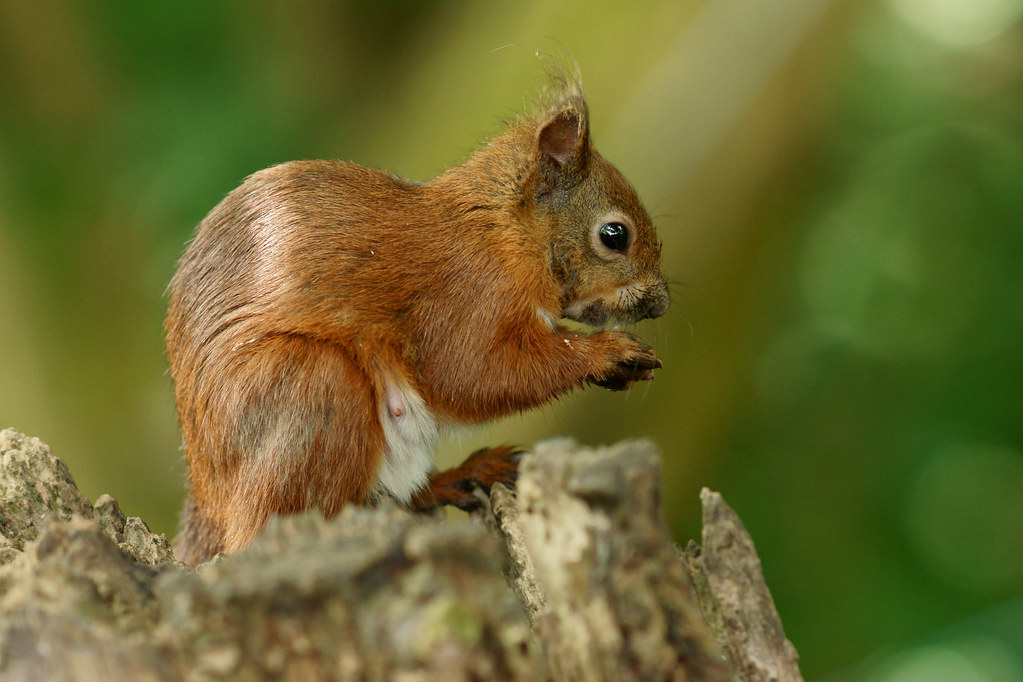
Most raptors (hawks, eagles, falcons), most lizards, bull snakes, squirrels (tassel-eared Aberts, chicory, ground), pikas, butterflies. Squirrels represent the diurnal activists who pack maximum productivity into daylight hours. If your morning routine resembles a whirlwind of activity, you might be channeling squirrel energy.
These creatures exemplify the “busy bee” mentality taken to extremes. Squirrel types often juggle multiple projects, collect information obsessively, and maintain high energy throughout most of the day. They’re natural multitaskers who thrive on variety and stimulation.
The Twilight Rabbit: Dawn and Dusk Dancers
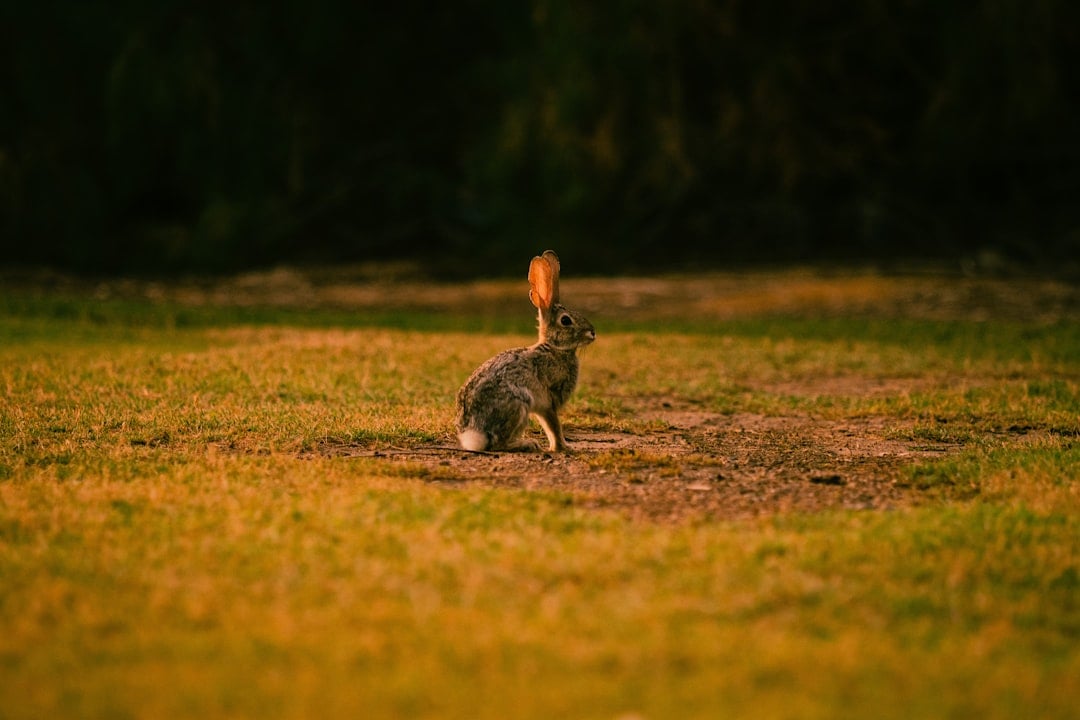
Meanwhile, rabbits are crepuscular, meaning they’re active at dawn and dusk. So people are probably accustomed to their bunnies wreaking havoc in the wee hours of the morning. Rabbit types represent those who experience two distinct energy peaks during transition times.
Cottontail rabbits, jackrabbits, mule deer, elk, moose, bison, ferrets, mice, rats, beavers and otters. These animals have mastered the art of avoiding extreme conditions by being active when temperatures are moderate and predators are transitioning between their own activity cycles.
The Social Mouse: Community-Oriented Survivors
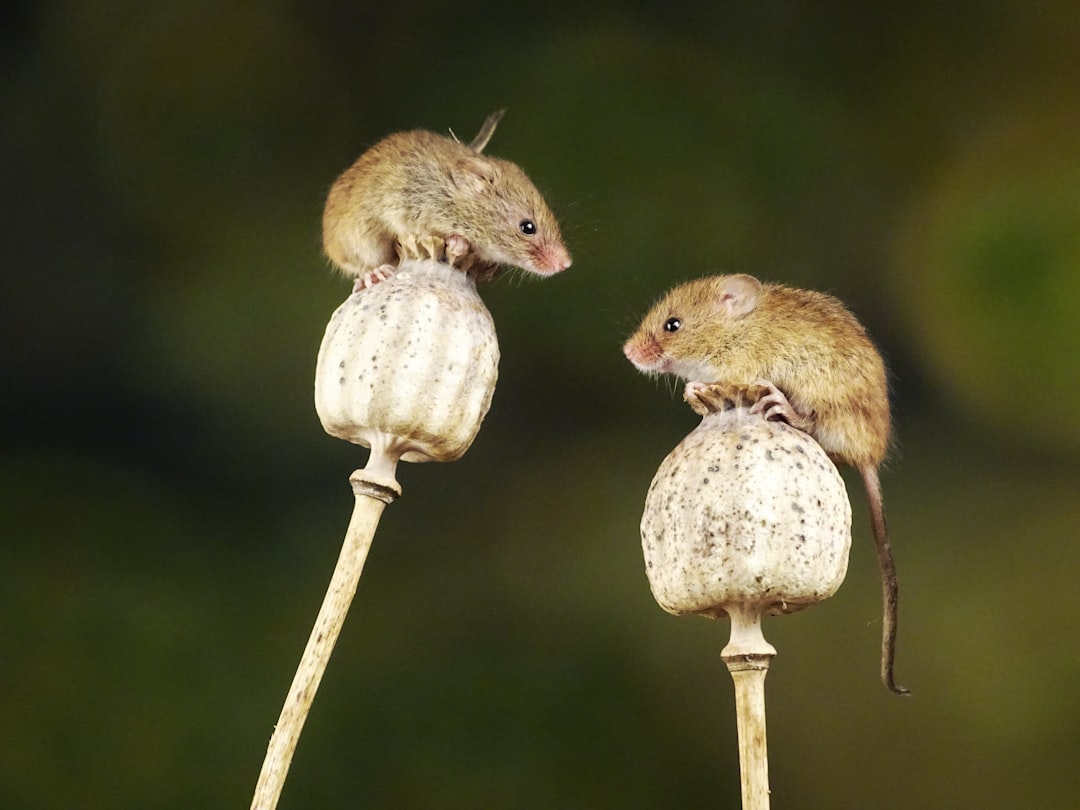
House mice are primarily nocturnal creatures, being most active during nighttime hours from dusk to dawn. They’re most active during the transition periods when they can forage while maintaining escape routes. Mouse types prioritize safety and social connections in their daily routines.
These individuals often plan their mornings around family or community activities. They’re naturally cautious but resourceful, preferring group activities over solo adventures. Mouse types excel at creating cozy, nurturing environments for themselves and others.
The Adaptable Deer: Environmental Respondents
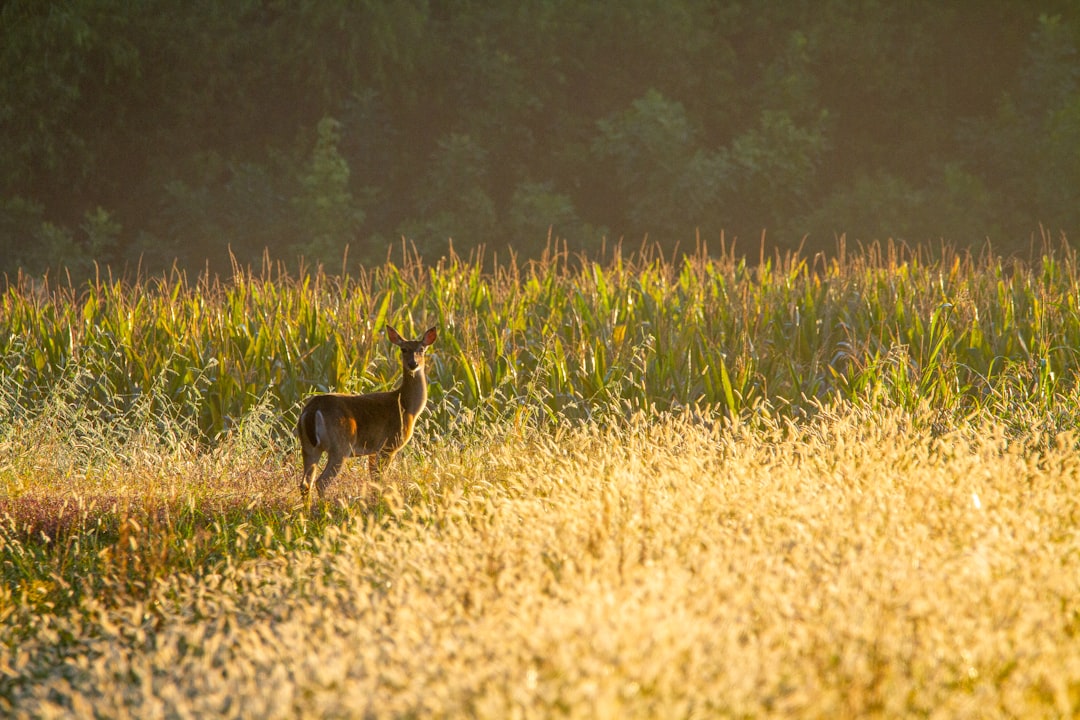
Ungulates such as these elk are crepuscular creatures that are most active at dawn and dusk and tend to lay low during midday. Scientists believe this adaptation may have evolved to avoid predators. Deer types represent the ultimate adapters who modify their routines based on external circumstances.
These individuals naturally read environmental cues and adjust accordingly. They might be morning people during summer but prefer later starts in winter. Deer types value flexibility and respond instinctively to seasonal changes in their energy patterns.
The Strategic Hawk: Precision Hunters
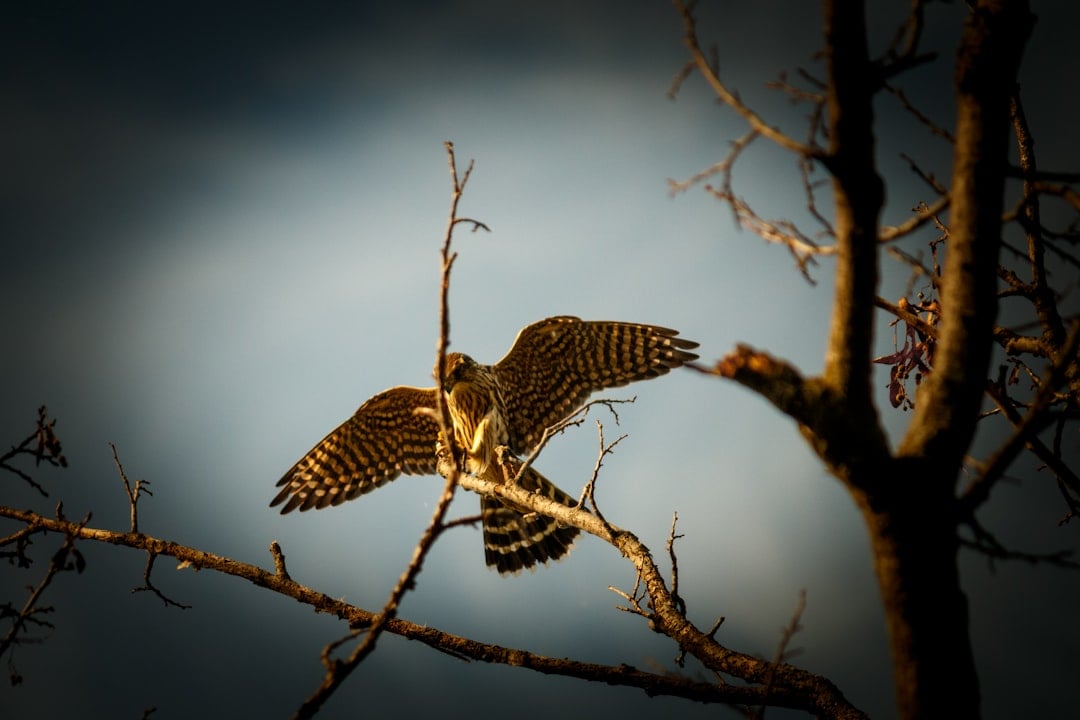
Most raptors (hawks, eagles, falcons), bull snakes, pikas, butterflies and squirrels, and most lizards represent the diurnal predators who use daylight hours for focused, intentional activities. Hawk types approach mornings with laser focus and strategic thinking.
These individuals rarely waste energy on unnecessary activities. They’re natural planners who use morning hours for their most important tasks. Hawk types prefer quality over quantity and excel at prioritizing their efforts for maximum impact.
The Mysterious Raccoon: Nocturnal Problem Solvers
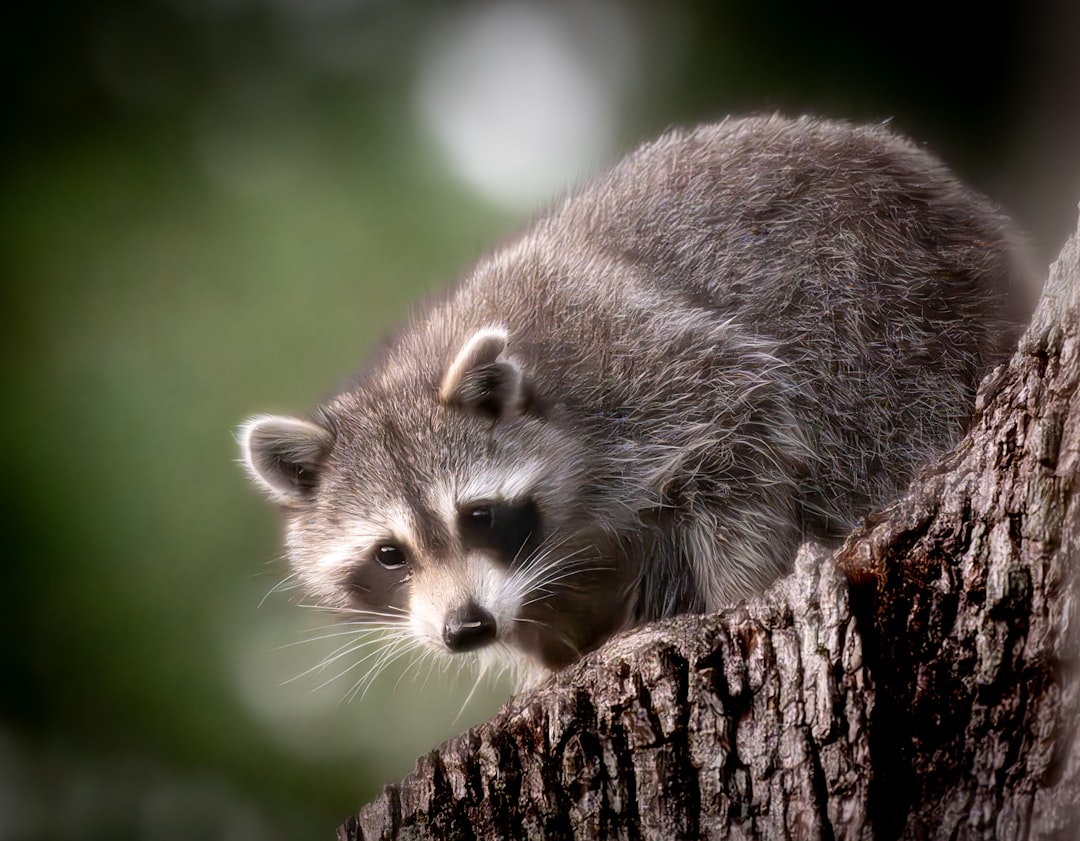
Foxes, nighthawks, skunks, bats, snowshoe hares, porcupine, badgers, milk snakes and most owls. Raccoons are primarily nocturnal, and while unusual daytime activity can sometimes indicate illness, simply being active during daylight doesn’t necessarily mean they are rabid. Raccoon types thrive in darkness and approach mornings with reluctance and creativity.
These night creatures often feel like aliens in a morning-focused world. They’re naturally curious, resourceful problem-solvers who do their best thinking when others are sleeping. Raccoon types often develop elaborate strategies to cope with early morning demands while preserving their nocturnal preferences.
Conclusion
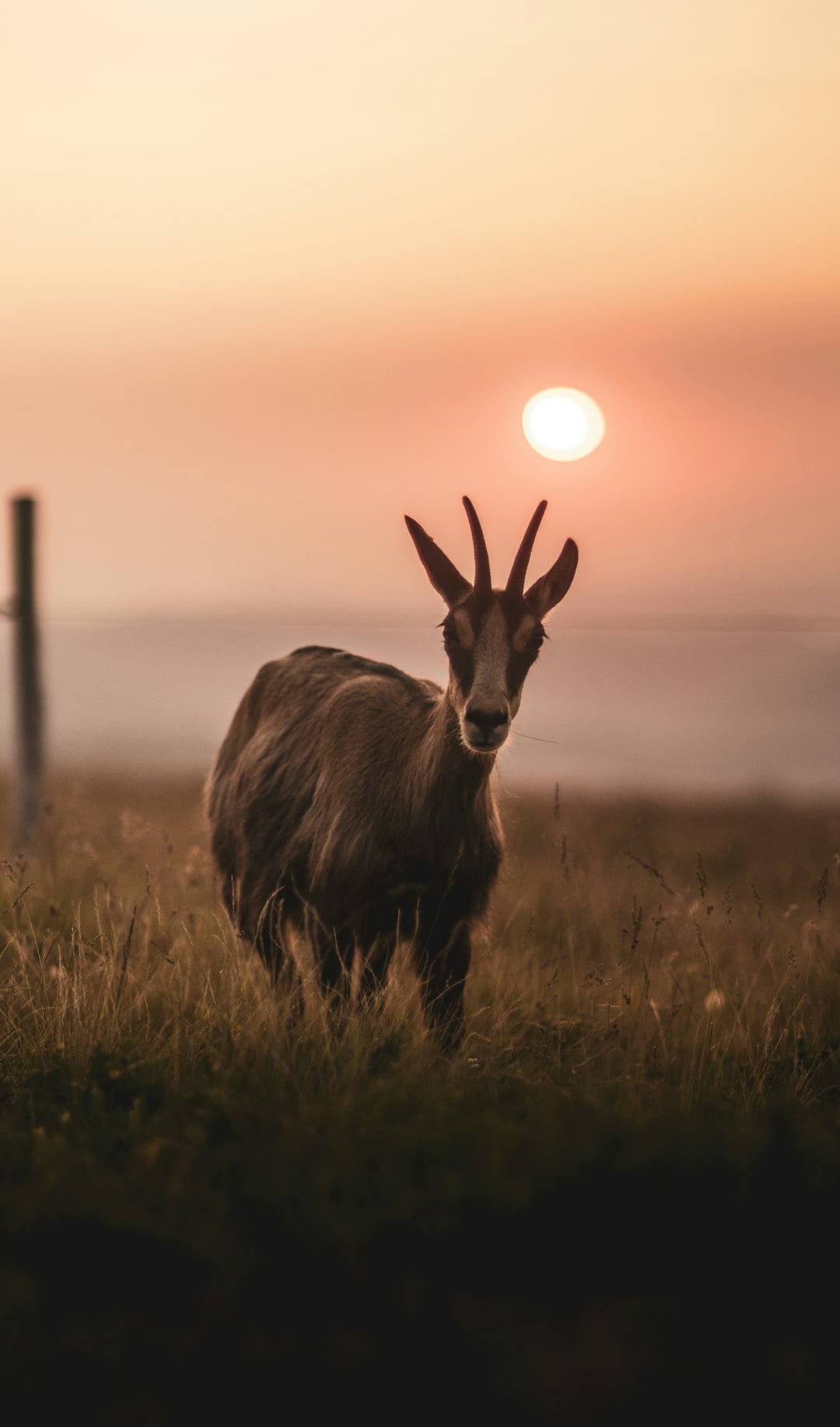
Your morning routine reveals more about your evolutionary heritage than you might imagine. Whether you bound out of bed like a lion or drag yourself through dawn like a wolf, you’re following patterns perfected by millions of years of natural selection.
Understanding your animal chronotype isn’t just fascinating trivia. It can revolutionize how you structure your days, plan your most important tasks, and work with your natural rhythms instead of fighting against them. The key is embracing your inner animal rather than forcing yourself into an incompatible schedule.
So Have you been trying to live like a bear when you’re actually a wolf, or pushing yourself to be a lion when you’re naturally more of a gentle deer? What surprising insights did you discover about your own daily patterns?

- 6 Exotic Bird Species You Can Spot in U.S. National Parks - July 19, 2026
- 11 Iconic American Birds Facing New Challenges and How You Can Help - July 19, 2026
- 10 Friendliest Animals in the World - July 19, 2026