

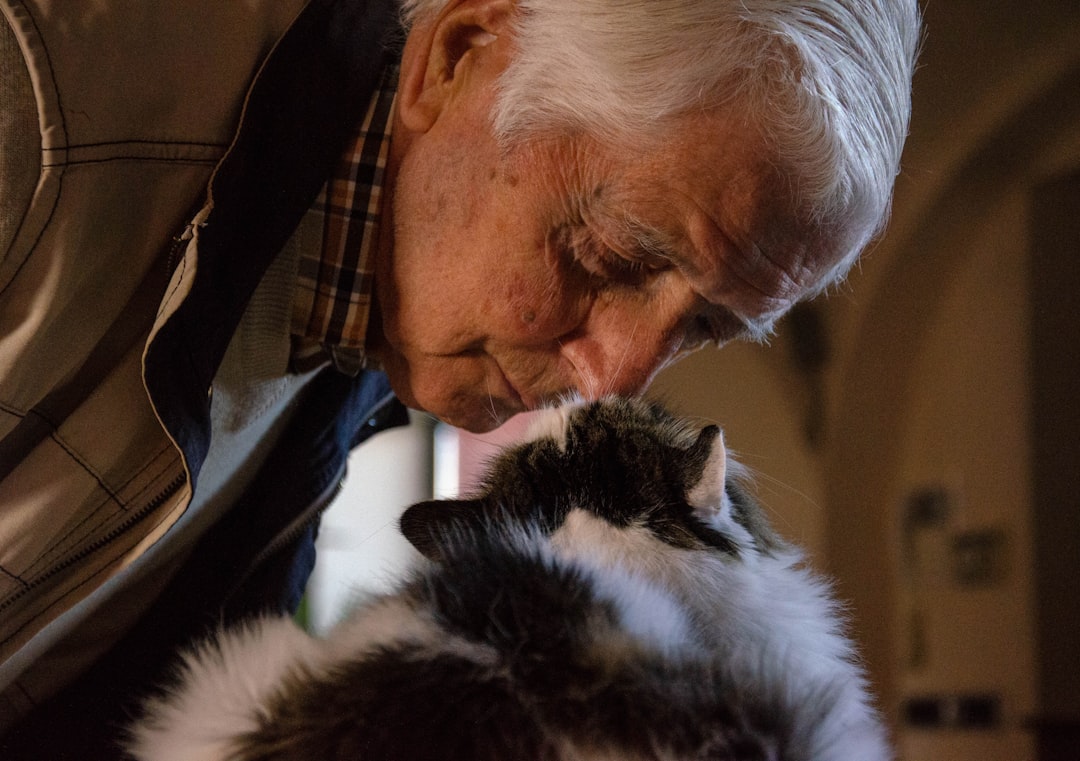
The silence that fills a home after decades of laughter, conversation, and bustling family life can feel overwhelming. Nearly one-third of adults over seventy-five experience significant loneliness, a statistic that’s become particularly concerning as our population ages. What if the solution to this epidemic wasn’t found in complicated interventions or expensive medications, but in the gentle purr of a furry companion?
Recent groundbreaking research suggests that cats might be one of the most effective and accessible remedies for combating . These independent yet affectionate creatures are proving to be more than just pets. They’re becoming lifelines for seniors seeking connection, purpose, and emotional wellness.
The Science Behind the Purr
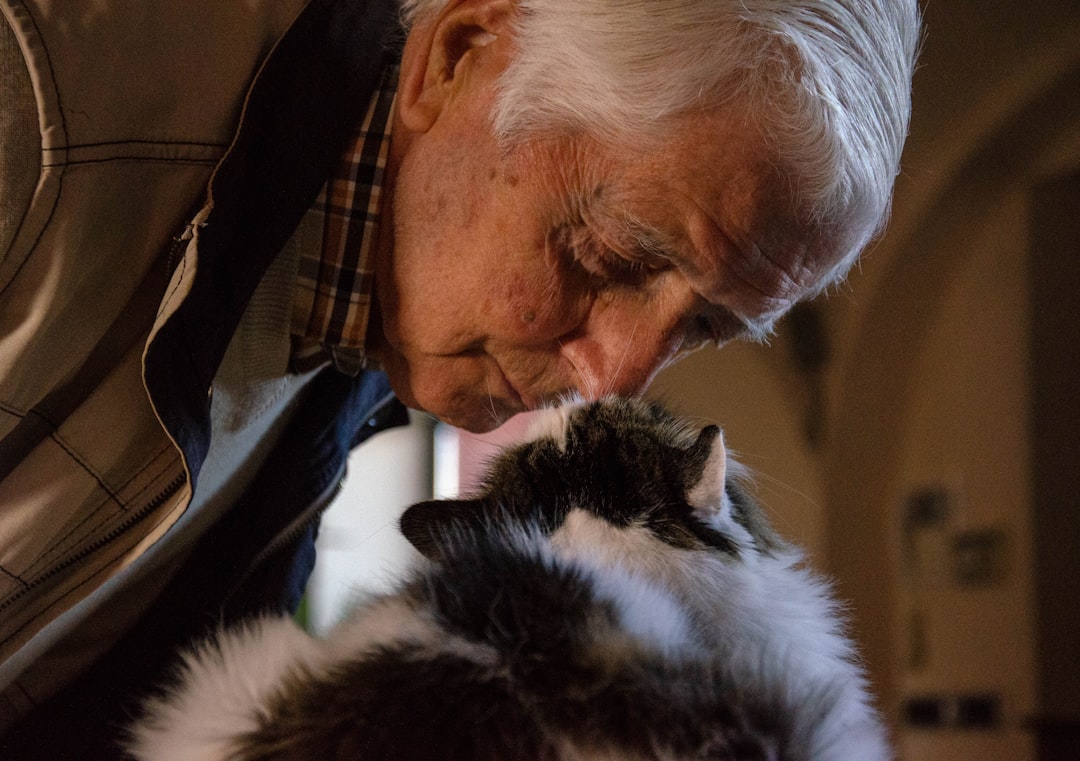
A recent study funded by the Human Animal Bond Research Institute found that cats offer more than just companionship to older adults: Feline ownership can ease loneliness, improve health, and even reduce doctor visits. After four months of fostering a cat, participants who completed the study showed significant decreases in loneliness scores and improvement in mental health – and over 95% chose to adopt their cats.
The research involved twenty-nine adults over sixty who lived alone and had no other pets. The results were striking enough to challenge long-held assumptions about the effectiveness of different therapeutic interventions. What makes these findings particularly remarkable is that “While a great deal of such research has focused on dogs, our study is the first to demonstrate that cat companions can decrease feelings of ,” according to researchers.
This groundbreaking study represents a shift in how we understand companion animals’ therapeutic potential, especially for our aging population.
More Than Just Company: The Emotional Support Factor
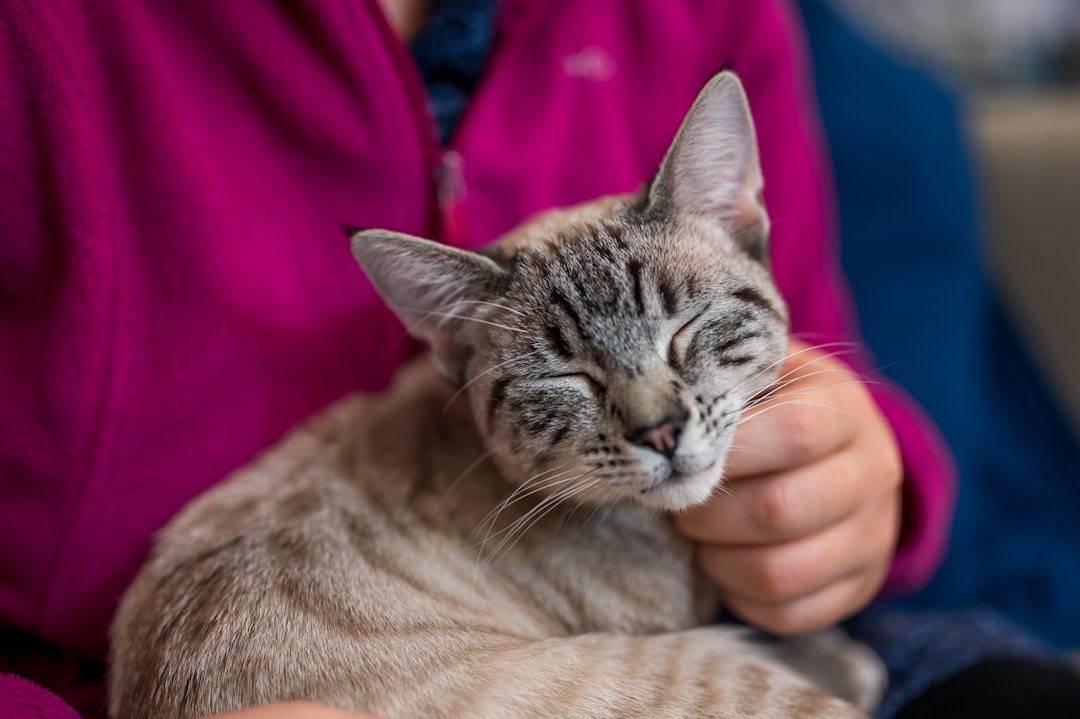
Interacting with cats triggers the release of hormones in humans such as serotonin, dopamine and oxytocin. These are often associated with good, positive feelings. Oxytocin in particular has been recognized for its role in bonding and stress relief, as well as its physiological effects such as decreased heart rate and slowed breathing.
Think about the last time you petted a cat. Remember that almost immediate sense of calm that washed over you? That wasn’t just your imagination at work. Petting a cat triggers a release of oxytocin, known as the “cuddle chemical,” which promotes happiness and reduces stress. This activity also decreases cortisol production, the hormone associated with stress, thus creating a calming effect.
For older adults living alone, this biochemical reaction can be particularly powerful. This can be especially important for people who live alone and experience anxiety. The constant availability of this emotional support sets cats apart from other interventions that might only be accessible during certain hours or require appointments.
Physical Health Benefits That Surprise Doctors

Pet owners were 36% less likely than non-pet owners to report loneliness, in a model controlling for age, living status (i.e., alone vs. not alone), happy mood, and seasonal residency. Yet the benefits extend far beyond emotional wellness into tangible physical health improvements.
Research has shown that owning a cat can lead to reduced stress and anxiety, which are significant risk factors for heart disease and stroke. The calming effect of a cat’s presence helps lower blood pressure and heart rate, promoting a healthier cardiovascular system. This connection between feline companionship and cardiovascular health is particularly important for seniors, who face increased risks for heart-related conditions.
A cat purrs within a range of 20-50 Hz which is known to be medically therapeutic for illnesses in humans. A cat’s purr can not only lower stress it can also help labored breathing, lower blood pressure, help heal infections, and even heal bones. Imagine having a natural healing mechanism that simply requires cuddling with your pet.
The Perfect Pet for Senior Lifestyles
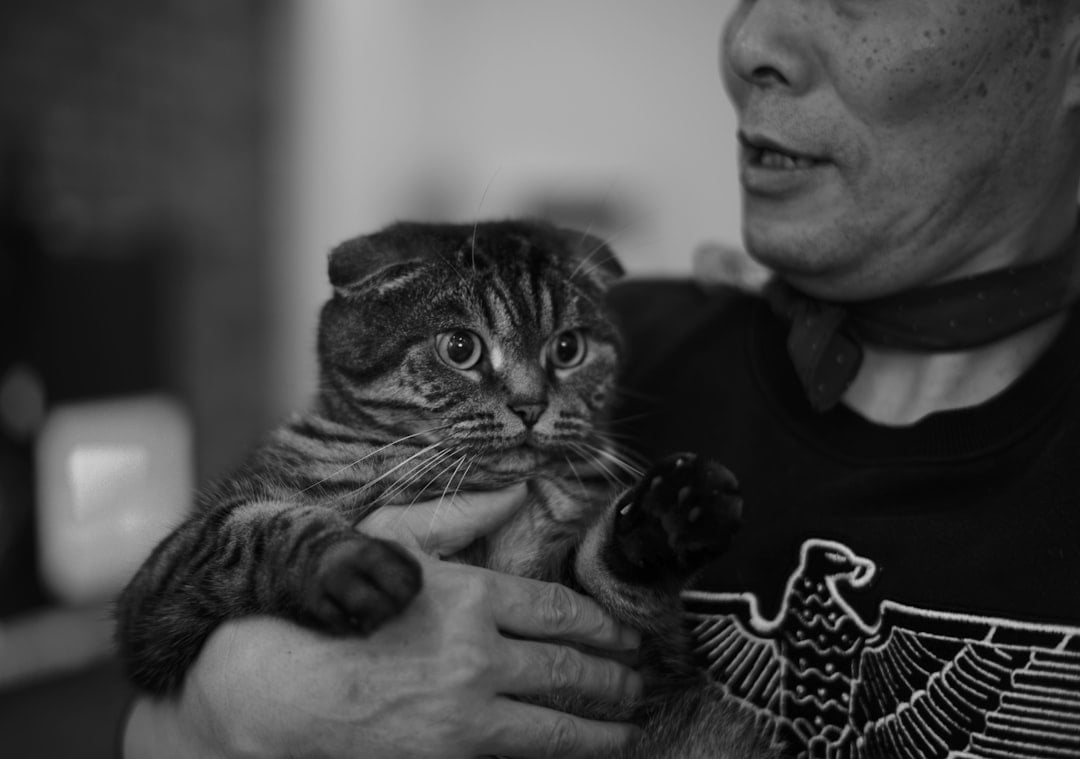
Sanderson said cats are a good option for older adults because they are more self-sufficient than dogs but still social enough to engage their owners in play and talk. Unlike dogs, they don’t require walks or intense physical exercise, which makes them good companions for owners with arthritis, heart disease and other health conditions.
This practical advantage makes cats ideal companions for seniors who may struggle with mobility issues or energy limitations. While cats are relatively low-maintenance pets, they still require a certain level of care that encourages physical activity. Daily tasks such as feeding, grooming, and engaging in play can keep seniors more active. Even light physical activities like these can help improve mobility and flexibility, reduce the risk of obesity, and contribute to overall better physical health.
The beauty lies in the balance. Cats provide enough stimulation to keep their owners engaged without overwhelming them with demanding care requirements. They create structure without stress.
Building Daily Routine and Purpose
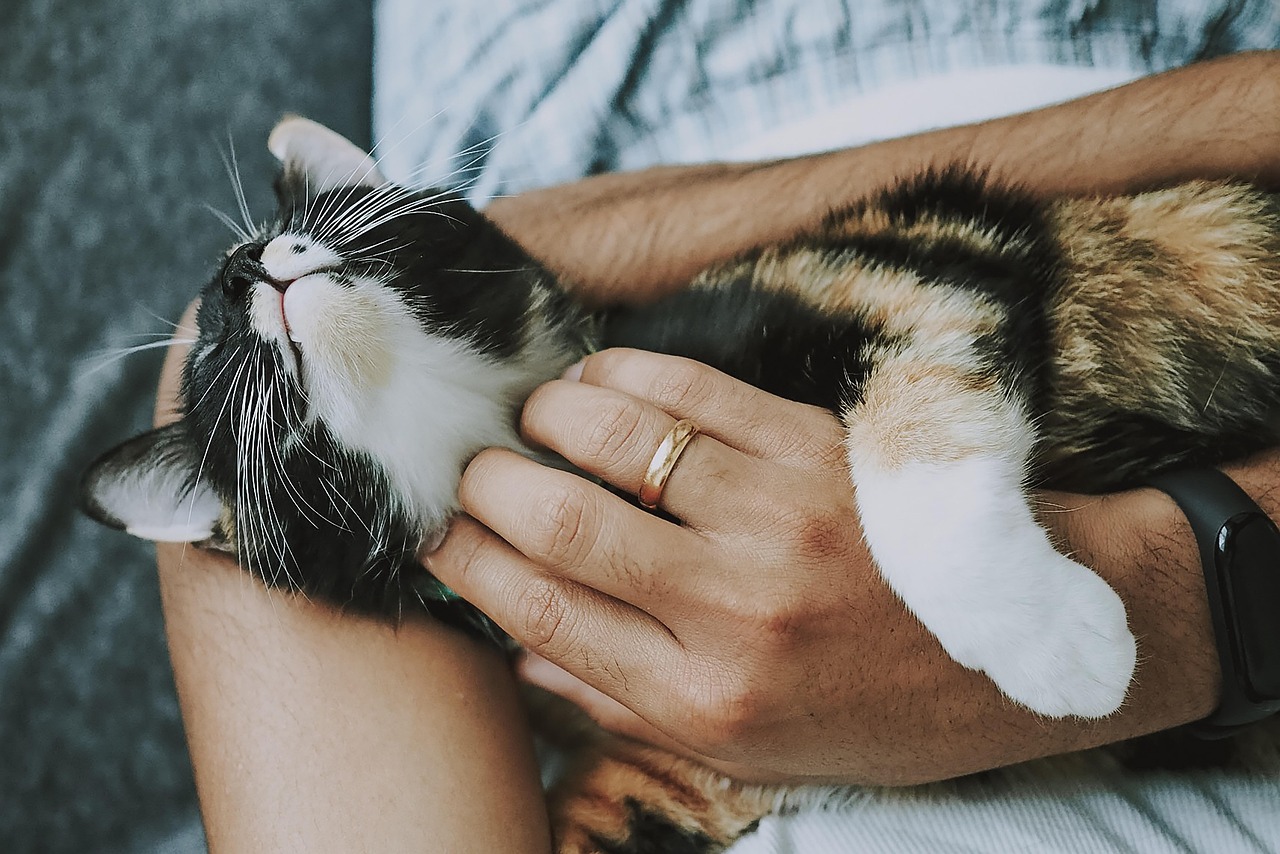
Owning a cat requires a consistent schedule of feeding, grooming, and playtime. For seniors, establishing a daily routine around these tasks provides structure and can be incredibly comforting. This consistency is not only helpful for managing time but also beneficial for mental health. It provides seniors with predictable and manageable tasks each day, which can help reduce feelings of stress and anxiety, maintaining a sense of control and purpose.
One study participant shared her experience: “I couldn’t stand coming home to nothing except the house,” she explained. Having a cat waiting at home transformed her daily experience entirely. Knowing your furry little one is waiting for you at home can give purpose to one’s life and combat loneliness.
This sense of being needed is particularly crucial for older adults who may have lost their traditional roles as caregivers, employees, or active community members. Cats provide a healthy outlet for nurturing instincts without overwhelming responsibilities.
Social Connections Through Feline Friendship
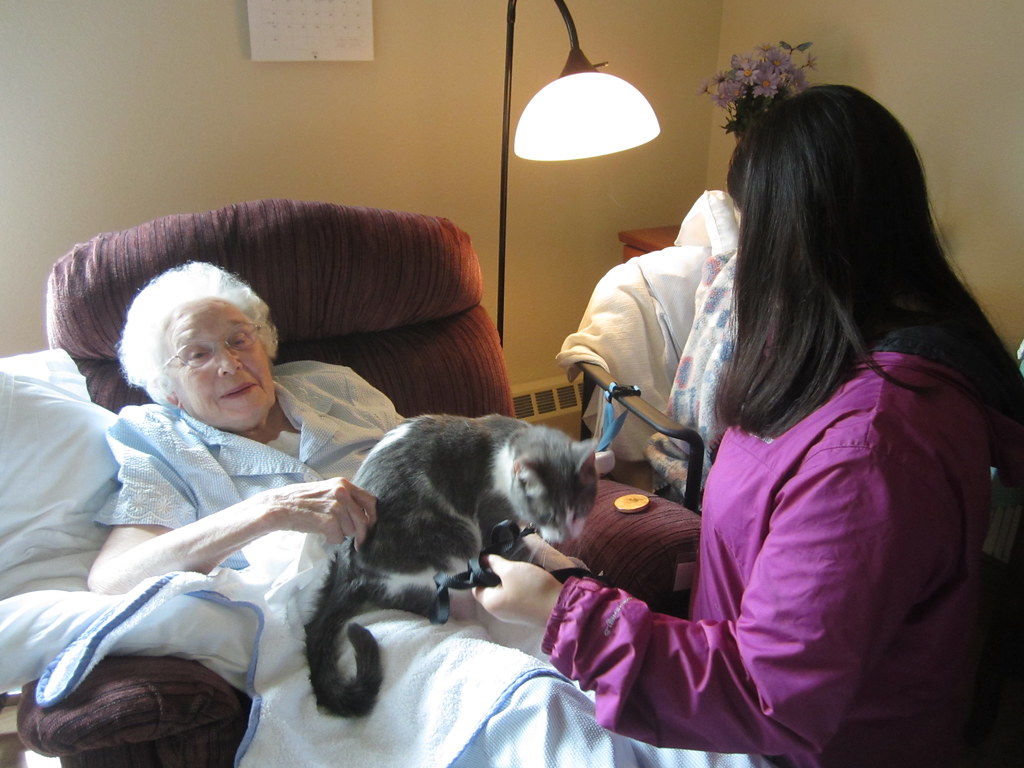
Cats can be wonderful ice-breakers and provide a common topic for conversation, which is particularly useful for seniors. Whether it’s chatting with neighbors during a vet visit, or interacting with other pet owners in the community, cats help foster social connections.
Surprisingly, cats can actually enhance social interaction rather than replace it. Social interaction is of paramount importance for seniors with dementia, as it helps combat feelings of loneliness and cognitive decline. Cats act as catalysts for social engagement, providing topics for conversation, and fostering connections between seniors and their caregivers, family members or fellow residents in care facilities. The shared joy and responsibility of cat ownership can create bonds that transcend the limitations of dementia.
Think of cats as conversation starters that never get old. Everyone has cat stories, cat photos on their phones, or opinions about feline behavior. These natural icebreakers can lead to deeper connections with neighbors, family members, and healthcare providers.
Mental Stimulation and Cognitive Benefits
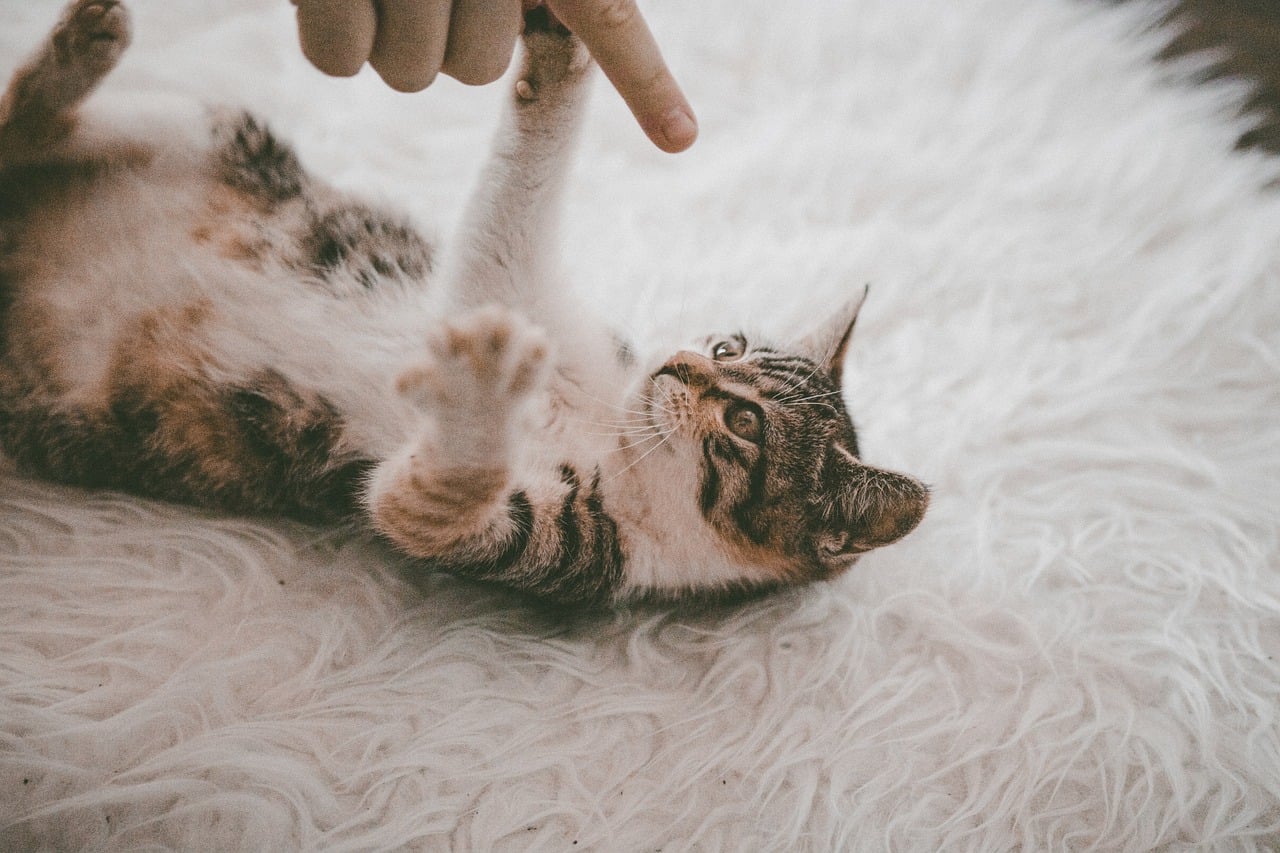
A cat provides more than joy and companionship; they also can help keep a senior’s mind sharp and encourage physical interaction. Dementia often leads to a decline in cognitive function, including memory loss and diminished problem-solving skills. Cats provide opportunities for mental stimulation and cognitive engagement.
Watching a cat’s behavior, anticipating their needs, and responding to their communication requires constant mental engagement. Interacting with a cat can offer vital mental stimulation, which is especially important for seniors experiencing cognitive changes. This isn’t passive entertainment; it’s active cognitive exercise disguised as companionship.
Cats are natural teachers of mindfulness. Their presence in the moment, their focus on simple pleasures, and their ability to find contentment in small things can model healthy mental habits for their human companions.
Removing Barriers: Making Cat Ownership Accessible
“One of the barriers that we started to encounter while participants were calling and interested in the study was that they lived in places with pet deposit fees and they couldn’t afford to pay that,” she said. Research has shown that financial concerns often prevent seniors from adopting pets, despite their desire for companionship.
The research also investigated whether these older adults would express interest in adopting their foster cat after common barriers, such as access to veterinary care, were removed. Almost all (95.7%) of study participants decided to adopt their foster cat at the completion of the study.
This overwhelming adoption rate suggests that when practical obstacles are addressed, seniors eagerly embrace feline companionship. Communities and healthcare systems are beginning to recognize the importance of creating programs that support senior pet ownership through financial assistance, veterinary care access, and housing accommodations.
A Prescription for Wellness
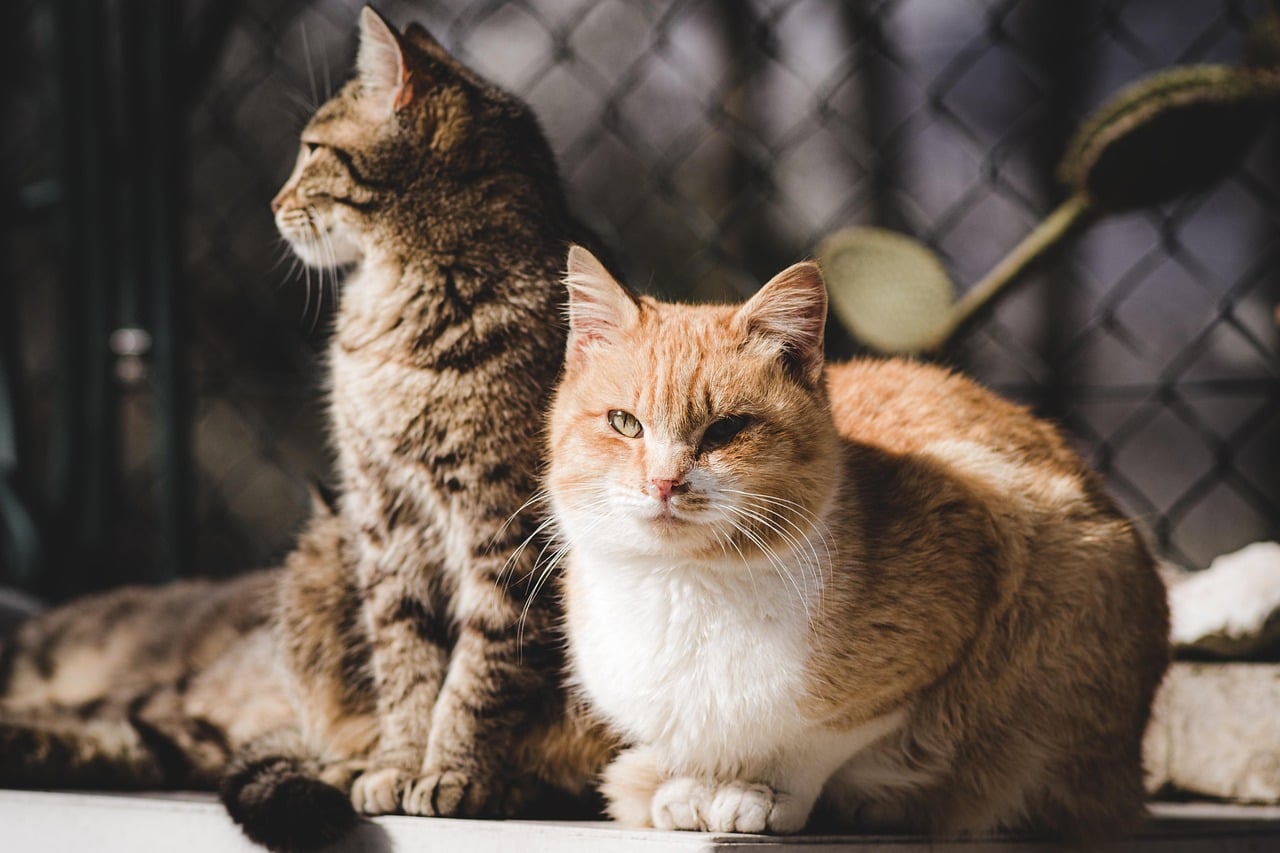
“Perhaps once we do a larger-scale study, if a person is lonely, their doctor would prescribe them a cat essentially to help with that loneliness, knowing that it’s been shown to help reduce loneliness and improve mental health,” suggests Dr. Sanderson, one of the lead researchers.
Among pet owners, a strong majority (86%) said their pets have a mostly positive impact on their mental health. Cat owners were more likely than dog owners to say their pets offer companionship, provide a calming presence and help reduce stress and anxiety. These statistics represent more than numbers; they represent lives transformed by the simple presence of a purring companion.
In fact, a 2023 report from US Surgeon General Vivek Murthy, MD, MBA, declared loneliness as deadly as smoking 15 cigarettes a day. When the health risks of isolation are this severe, the therapeutic potential of cats becomes not just heartwarming, but potentially life-saving.
The evidence is clear that cats offer older adults a unique combination of emotional support, physical health benefits, and practical companionship that addresses multiple aspects of healthy aging. From triggering the release of beneficial hormones to providing daily purpose and social connection, these remarkable animals are proving themselves to be powerful allies in the fight against senior loneliness.
What’s most beautiful about this solution is its simplicity and accessibility. No complicated treatments, no expensive equipment, no side effects to worry about. Just the timeless bond between human and feline, offering healing that comes naturally with every purr, every gentle headbutt, and every moment of quiet companionship.
What could be more perfect than a remedy that’s as eager to give comfort as we are to receive it?
