
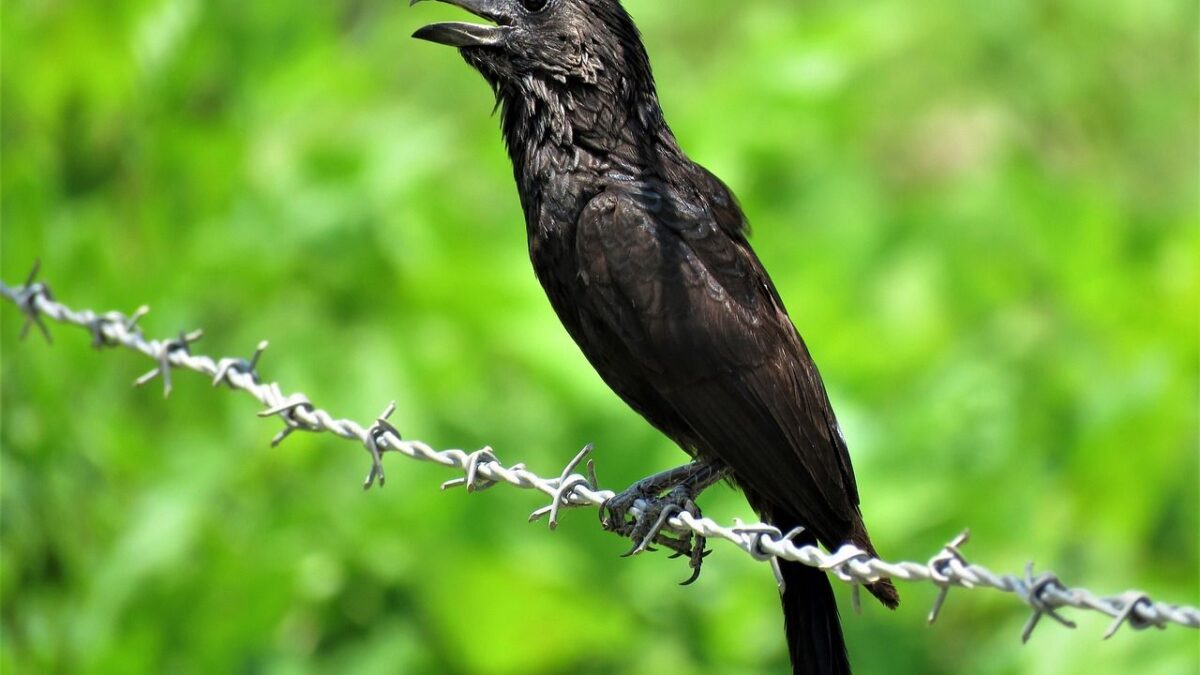
Florida’s wild spaces burst with life that you won’t spot just anywhere. Think vast wetlands, tangled mangroves, and those quirky sandy scrubs that hide treasures most folks overlook. These spots cradle birds so specialized, they call the Sunshine State home and nowhere else in the U.S.
From razor-sharp beaks built for one weird snack to family crews that stick together like glue, these feathered locals face big threats from vanishing habitats. Honestly, spotting one feels like uncovering a secret. Let’s dive into these six stunners.
Florida Scrub-Jay
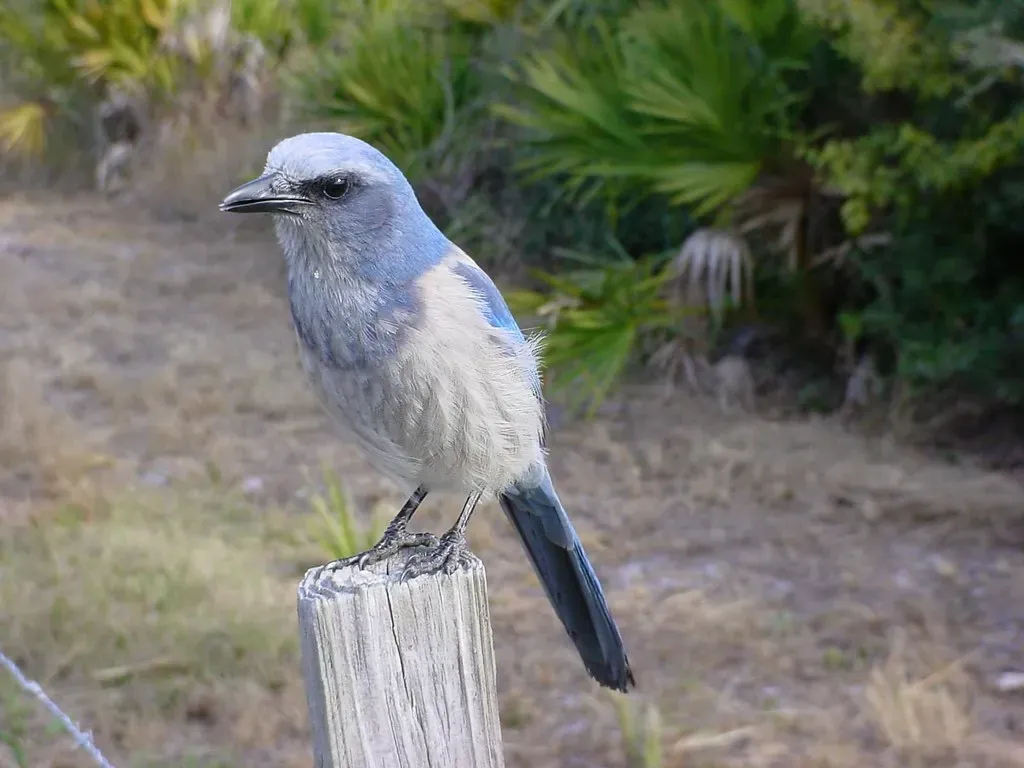
Picture a bird so tied to its turf that it never leaves home. The Florida Scrub-Jay lives solely in the state’s ancient oak scrubs, those low, sandy ridges dotted with twisted shrubs under 15 feet tall.[1][2] This blue-and-gray beauty, about robin-sized, hops on the ground burying acorns like tiny pirates stashing loot.
Family groups rule here, with grown kids helping parents raise the next batch. Development chews up their scrub fast, leaving fewer than 4,000 birds in isolated pockets.[1] They’re noisy, curious, and not shy around people, which makes chance encounters thrilling. I think it’s wild how one bird defines an entire ecosystem like that.
Everglades Snail Kite
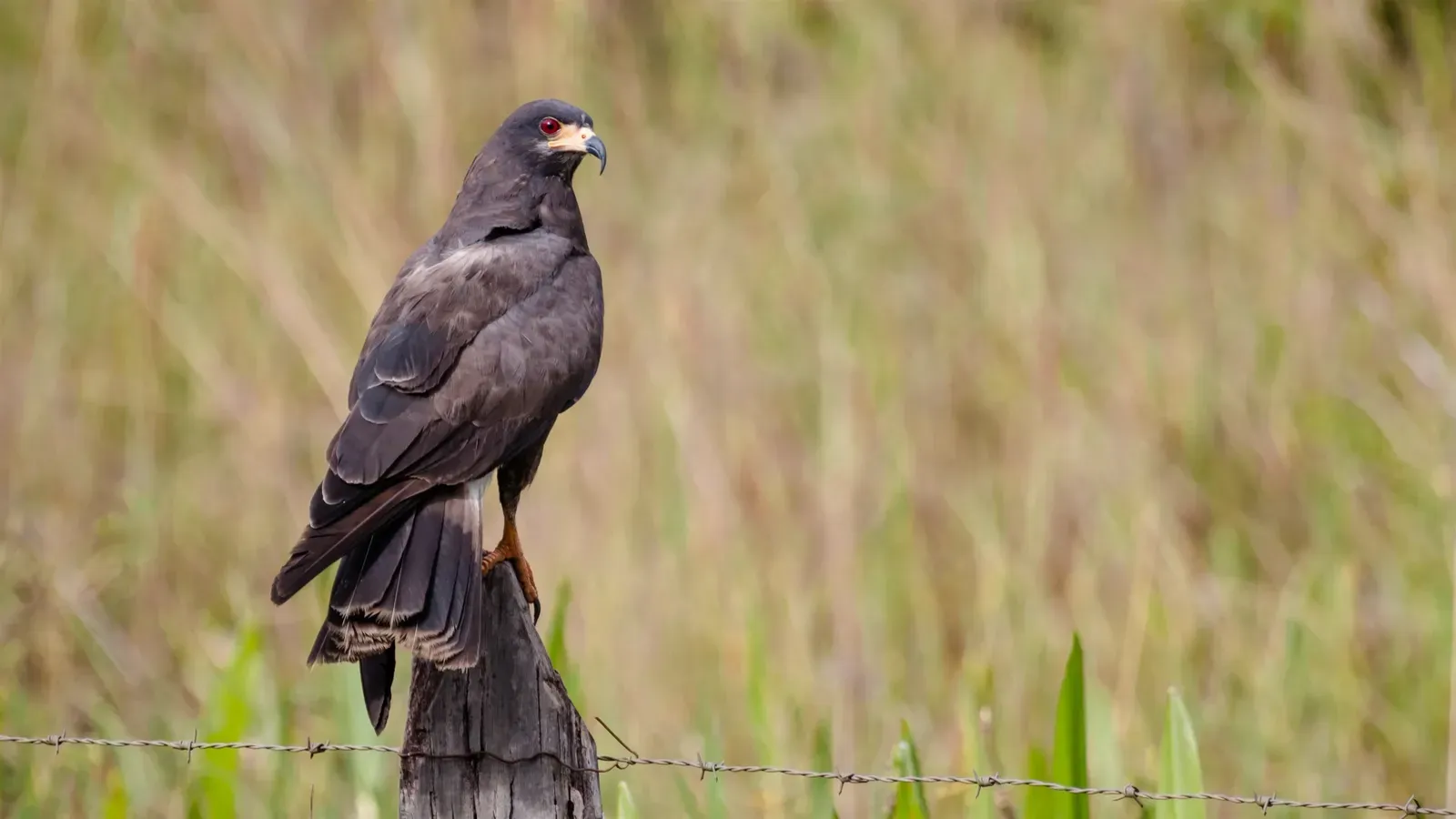
Ever heard of a hawk that eats just one thing? The Everglades Snail Kite, a subspecies locked to Florida’s freshwater marshes, snags apple snails with its hooked, orange beak.[1] Males gleam dark gray fading to black wingtips, while females sport speckled brown and that signature eye stripe.
They perch high, scan the reeds, then swoop low for the grab, piling empty shells like golden trophies. Numbers swing wildly with water levels, hovering around 800 to 1,000, earning federal endangered status since 1967.[1] Spot those spirals? You’re in kite country. It’s a stark reminder how fragile these specialists are.
Limpkin
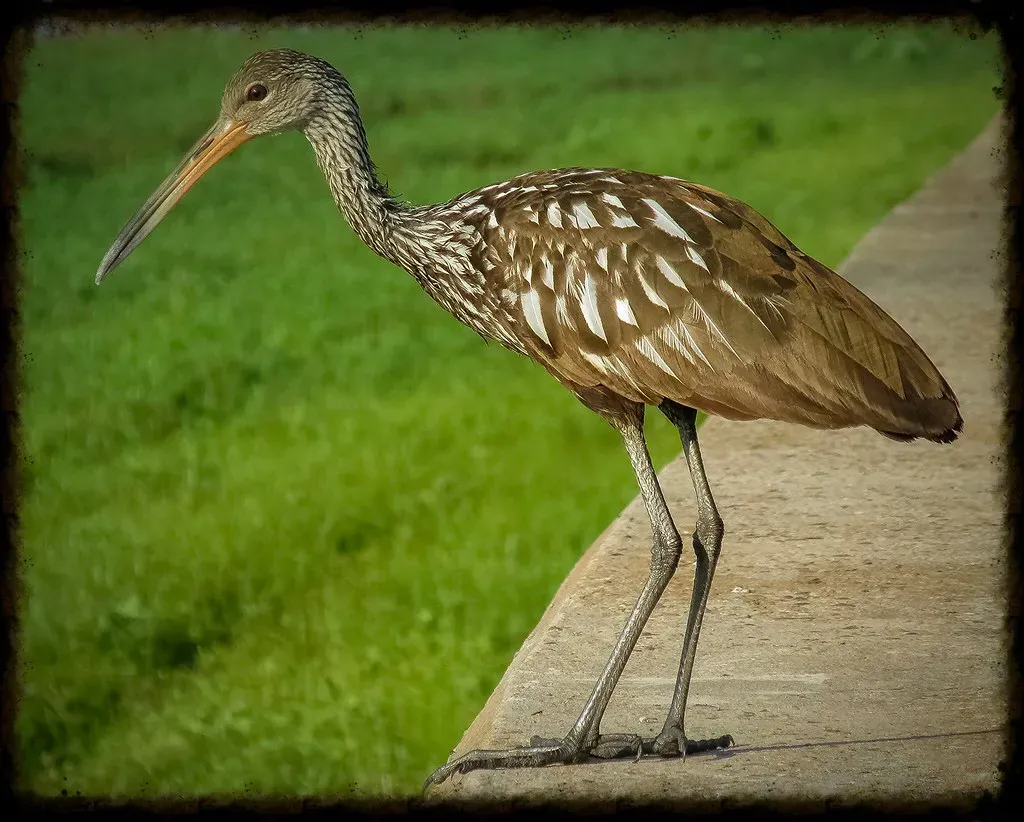
That eerie scream piercing the night? Likely a Limpkin stalking wetland edges for apple snails. Standing two feet tall, this speckled brown wader limps along with a pause-step gait, beak curving just right to pry shells.[1] Camouflage kings in the vegetation, they hunt dawn, dusk, or dark.
Once nearly wiped out by hunters in the 1920s, conservation bounced them back, though habitat loss looms. No longer federal-listed, but Florida flags them as imperiled. Here’s the thing: their cry mimics a woman’s wail, sending chills down spines in the Everglades.
Relatives to cranes, they blend rail grace with relentless focus. Keep ears open near lakes; you might catch one cracking dinner.
White-Crowned Pigeon
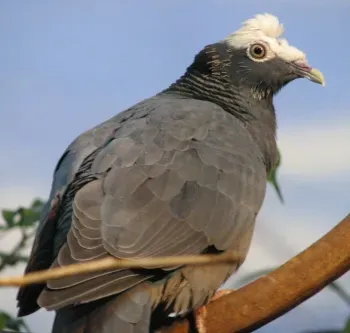
Shy shadows in the mangroves, White-Crowned Pigeons nest only on Florida Keys islets and Everglades fringes. Larger than city pigeons, their dark gray bodies flash white crowns and iridescent neck feathers in sunlight.[1] Pink feet dangle as they commute inland for sea grapes and fruits.
Super skittish, they bolt at whispers, making sightings a patience game. Near-threatened status spells trouble from habitat squeeze. Check wires or high fruit trees; those pink toes give them away. Tropical vibes right in the U.S., but only down south here.
Smooth-Billed Ani
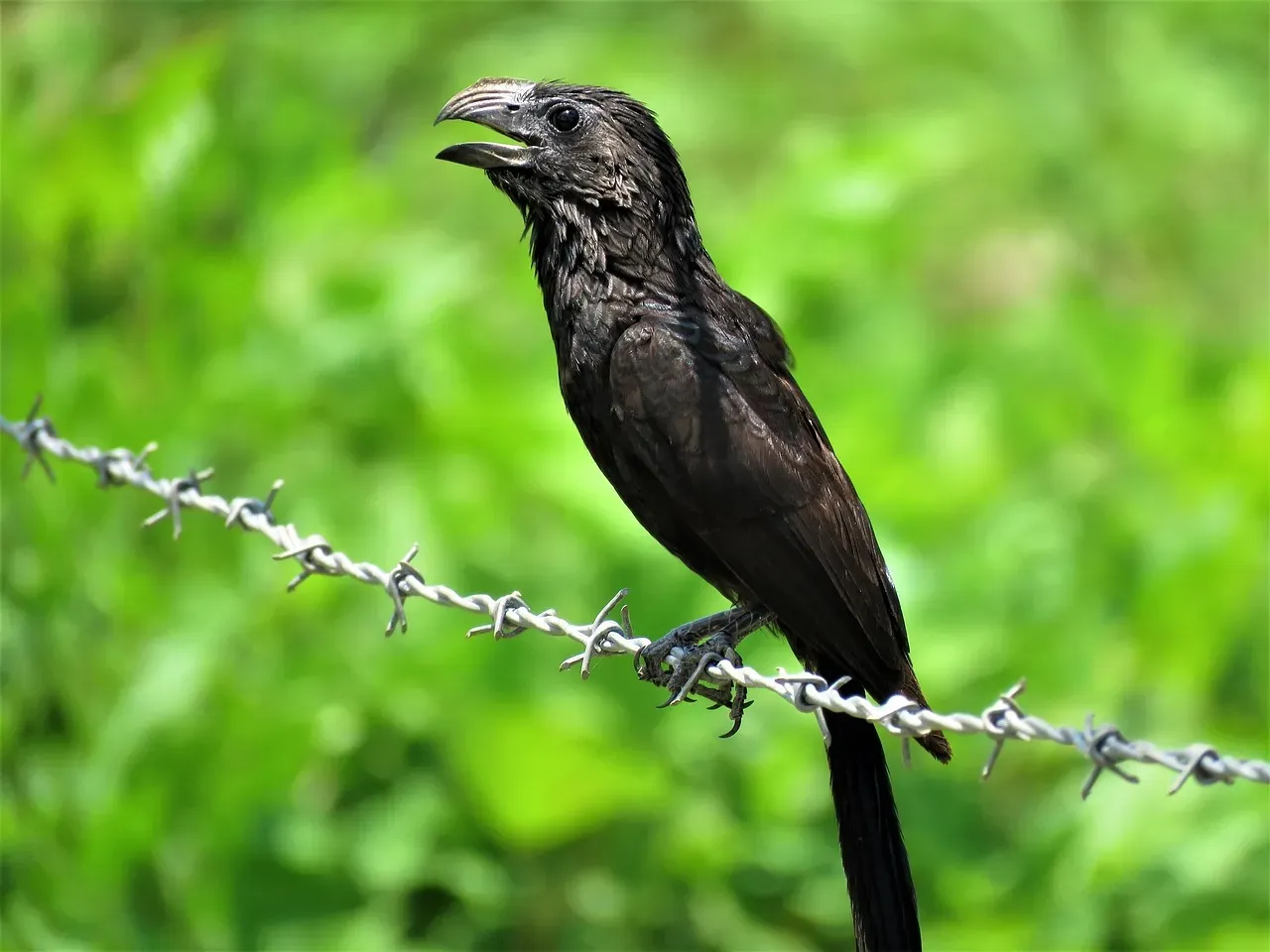
Forget sleek grackles; meet the waddling Smooth-Billed Ani in bushy fields near grazing cattle. This 12-14 inch black tropical oddball sports a chunky bill without grooves, long tail flicking as it hops awkwardly.[1] Crews of 10-20 cooperate to raise chicks, gobbling bugs stirred by hooves.
Declining fast in Florida, they’re tough to spot amid the state’s buggy bustle. Related to cuckoos, their family vibe feels almost communal. Juvenile bills lack the ridge, fooling newbies into grackle mix-ups. It’s like finding a quirky expat in suburbia.
Cape Sable Seaside Sparrow
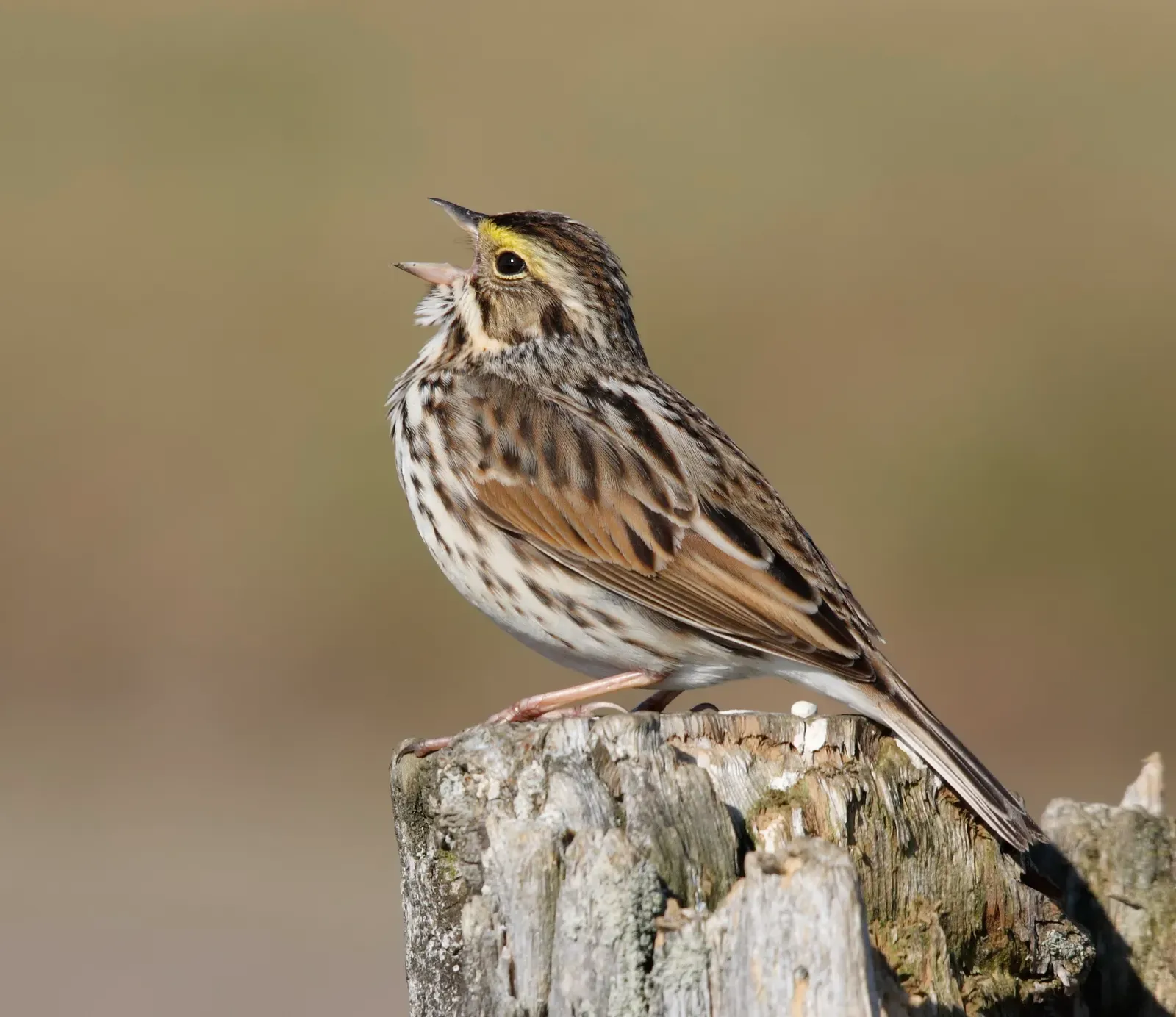
Tiny ghosts of the Everglades marl prairies, Cape Sable Seaside Sparrows cling to southern Florida’s freshwater marshes. This endangered subspecies, olive-gray with streaky undersides, demands precise water depths that floods disrupt.[3][4] Populations scatter in Everglades National Park and Big Cypress.
Breeding February through August, they weave nests low in grasses. Habitat shifts from water mismanagement threaten their survival. Remote spots keep them hidden, but surveys track the fight. Such a delicate dance with nature’s plumbing.
Florida’s these birds paint a picture of paradise under pressure. Protecting scrubs, wetlands, and mangroves keeps them soaring. Next time you’re hiking the trails, scan the skies. What hidden gem might you uncover? Share your sightings below.
