

Walking the streets of North Texas at dusk feels different these days. The familiar sounds of suburban life now include something wilder, something older. Those haunting calls echoing from hidden corners aren’t lost dogs or distant sirens. They’re the same sounds that serenaded early explorers and indigenous people to sleep that we can still hear here in Dallas-Fort Worth, according to wildlife biologists. The coyotes are back, and they’re playing by their own rules.
These aren’t your typical wildlife encounters either. We’re witnessing something remarkable: an entire species rewriting the urban playbook in real time. They’re good urban adapters who have figured out a way to survive alongside us, and they do a pretty good job about it. The question isn’t whether we’ll see more of them. It’s how they’ll continue to surprise us next.
Cities Can’t Keep Up With Coyote Intelligence
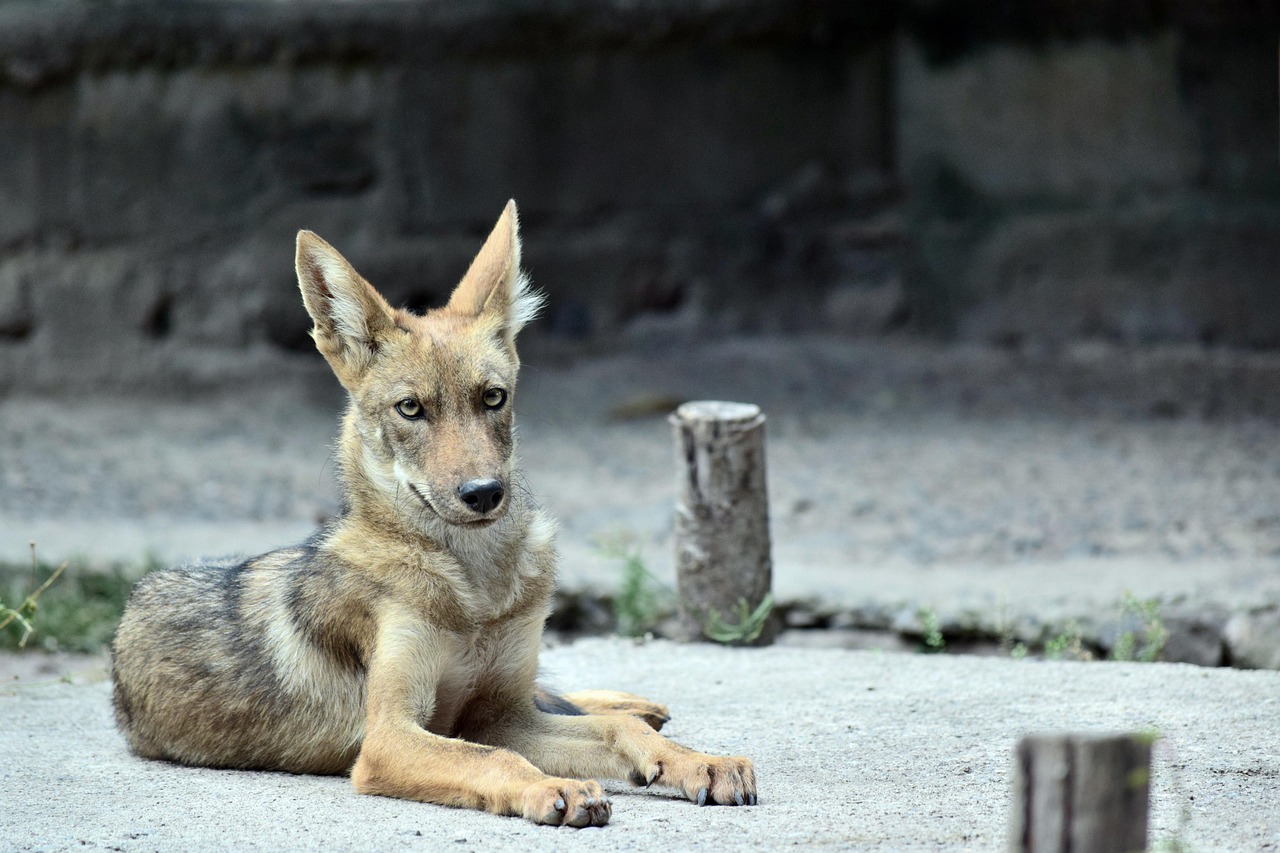
Traditional animal control methods feel almost quaint when you’re dealing with creatures this adaptable. Coyotes have adapted to human exploitation by avoiding humans and their control techniques. Because coyotes habituate to nonlethal control techniques like frightening devices, experts suggest applying frightening devices only when coyotes are a problem. Think of it like playing chess with an opponent who learns your moves faster than you can change strategies.
Attempting to remove coyotes from an area typically backfires, as the animals have more pups when they notice their local population has declined. Coyotes use their nighttime calls to measure how large their local herds are. If female coyotes don’t hear enough barking, they ovulate more to increase their litter’s size. The harder cities push, the smarter and more numerous these animals become.
The Night Shift Strategy
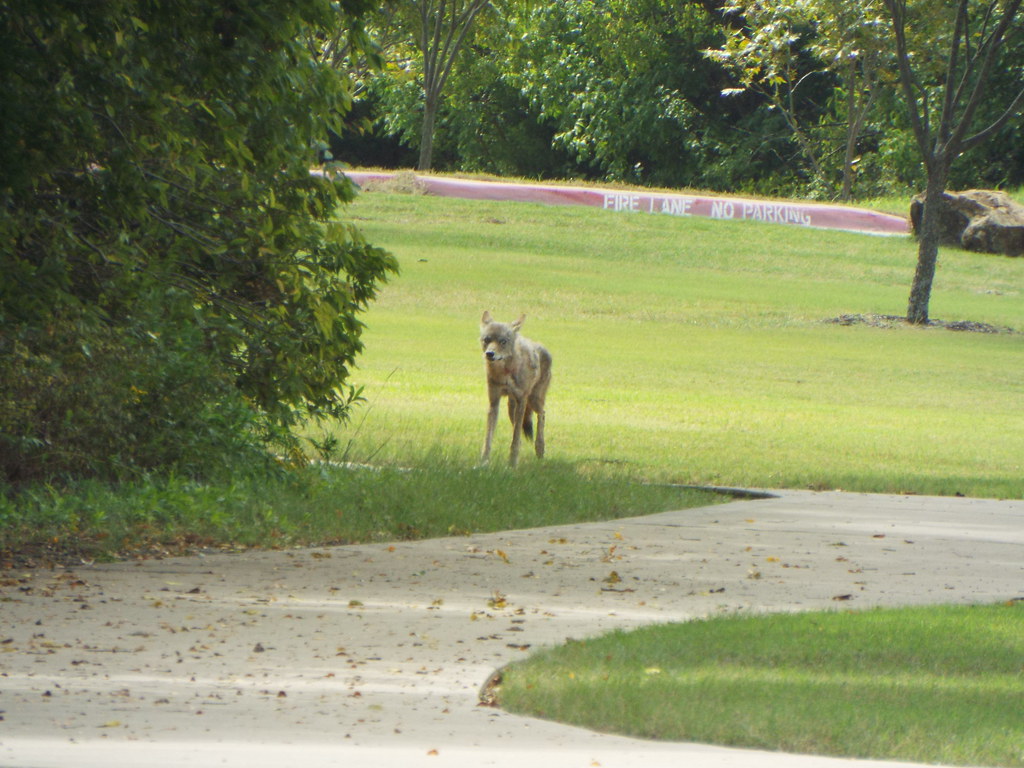
Urban coyotes have mastered something most city dwellers struggle with: work-life balance. While they are more active during the day in rural areas, coyotes are more active at night in urban areas in order to avoid people. This behavioral shift isn’t accidental. It’s calculated urban planning at its finest.
Coyotes tend to be nocturnal or crepuscular (active at dawn and dusk) in urban settings, effectively reducing their encounters with humans. They typically have territories ranging from 2-6 square miles in urban areas. They’ve essentially created invisible neighborhoods within our neighborhoods, complete with commuter routes we never see.
Genetic Evolution in Fast Forward
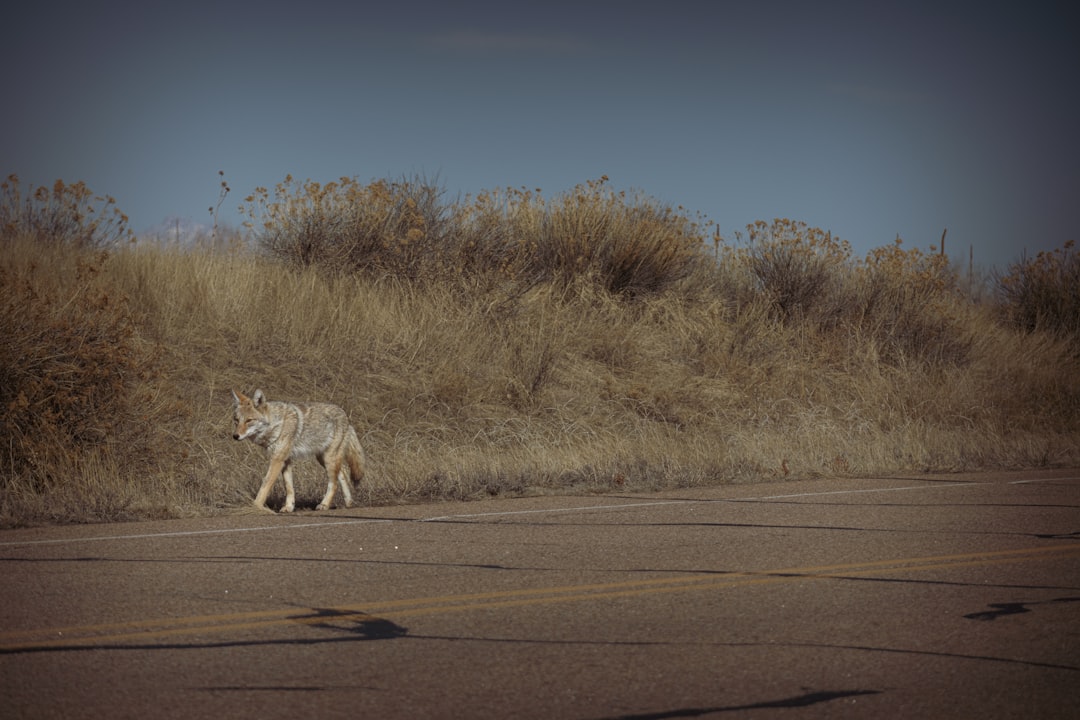
The most startling discovery might be happening at the cellular level. Historically, evolution was thought to occur on vast chronological scales. However scientists now understand that evolution can happen within just a few generations. Urban areas offer a unique glimpse into how evolution functions on smaller timescales and how species adapt to human presence.
Researchers studying urban coyotes have identified specific genetic adaptations occurring right now. While the majority of a rural coyote’s diet consists of rabbits, mice and other small mammals, urban coyotes have easy access to outdoor pet food and human refuse. This likely translates into higher consumption of glucose and starches. If sugar intake is sufficient to cause insulin resistance, then genes that help regulate insulin sensitivity may be selected for. They’re literally evolving to digest our lifestyle.
The Menu Has Changed
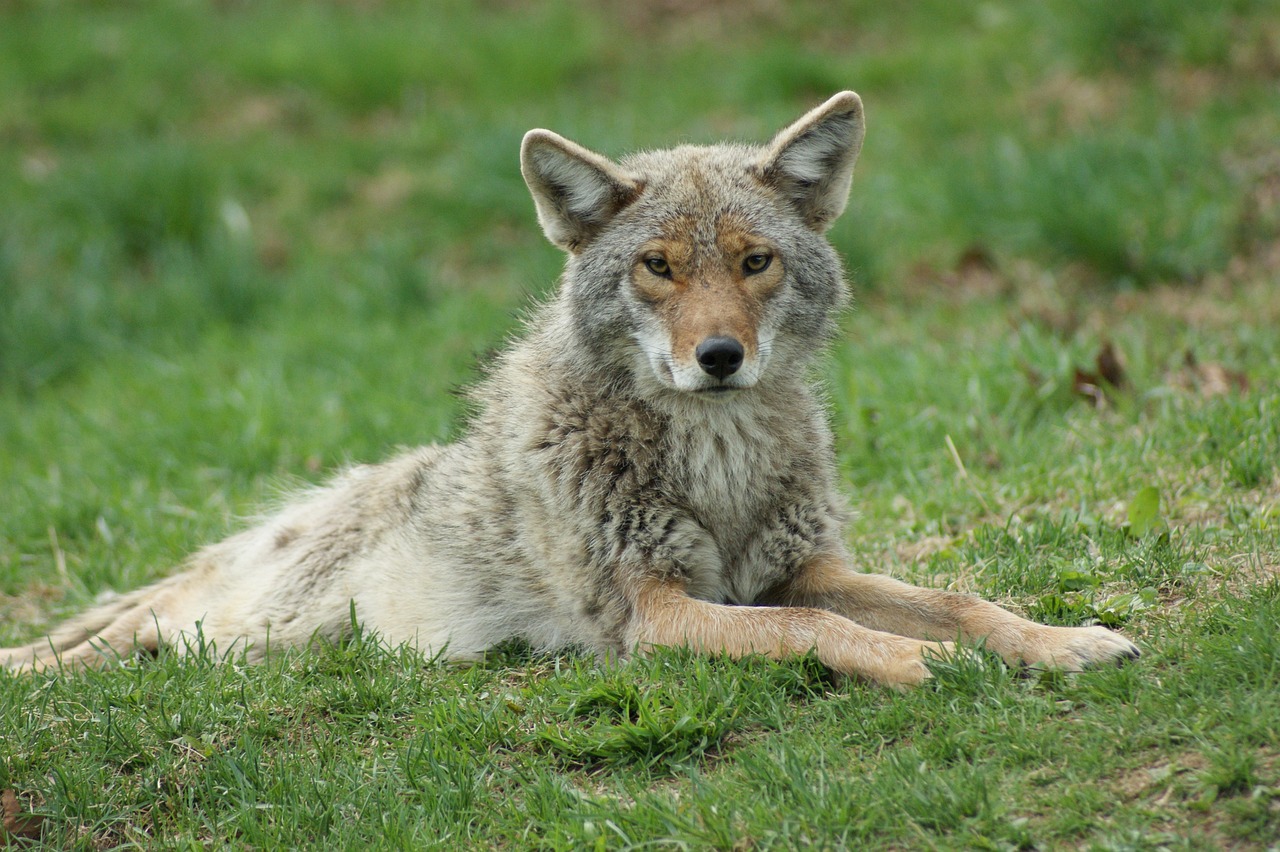
Urban coyotes have become food critics of sorts, developing surprisingly sophisticated palates for city living. Coyotes in cities have a varied and flexible diet. They primarily consume small mammals such as rodents and rabbits, which helps manage urban pest populations. However, their diet often expands to include birds, insects, fruits, and vegetables. They’re not just surviving on scraps anymore.
This dietary flexibility gives them a massive advantage over other wildlife. Coyotes tend not to be picky eaters, so when it comes to Austin, they will take advantage of any food source available. Coyotes are known for hunting rodents, rabbits, fawns, snakes, pet food left outdoors, and any fruit and nuts that have fallen from trees. Every dropped apple becomes an opportunity. Every poorly secured trash can becomes a buffet.
Territory Wars in Suburbia
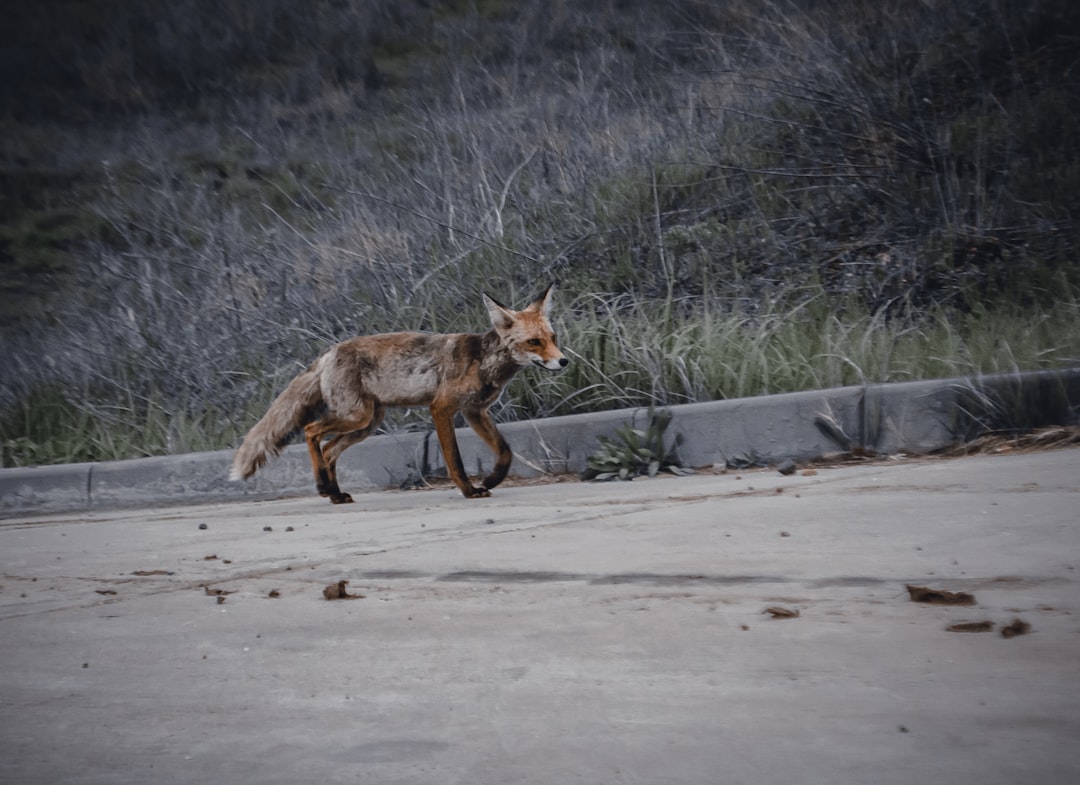
The territorial behavior of urban coyotes resembles something from a sophisticated strategy game. As North Texas has grown, coyotes have adapted to the urban expansion. In a way, they had no choice. When development occurs, coyotes have three choices: move, adapt, or don’t survive. Most chose adaptation, and they’re winning.
Studies using GPS collar tracking reveal that coyotes form stable territories even within densely populated urban areas, often overlapping with human neighborhoods yet remaining mostly unseen. They’ve mastered the art of living in plain sight while staying invisible. Your morning jog route might cross three different coyote territories, and you’d never know it.
Peak Performance During Mating Season

Every winter brings the same predictable human panic, and coyotes know exactly what they’re doing. With coyote mating season well under way – typically occurring mid-January to early March, with its peak in mid-February – sightings are more common during this time and in the winter, when there’s less vegetation. The timing isn’t coincidental.
They are more commonly spotted from January through March for two reasons: The season’s scarce flora limits their hiding places, and coyotes are using the time to establish new territories. It’s not a reason for concern that we see animals that have adapted to the urban ecosystem. They’re using winter’s bare branches and our heightened awareness as tools for territorial expansion.
The Social Media Effect
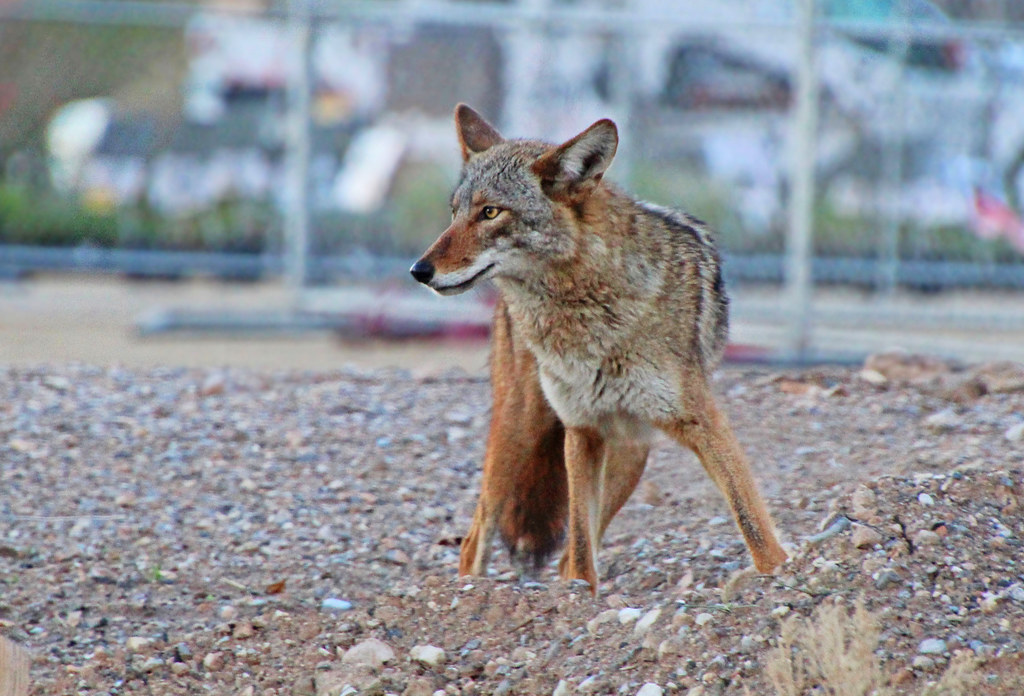
Modern technology has inadvertently become part of coyote management strategy. Some cities have developed coyote tracking systems to monitor sightings and encounters. Having a centralized location to report coyote behavior can be helpful for cities to make appropriate management decisions. Yet even our data collection efforts reveal their adaptability.
It’s difficult to know whether coyote sightings have grown in recent years due to the wide range of attitudes toward them. Some people are fearful and are quick to alert authorities, others may feed them food scraps. There’s a whole range of attitudes towards coyotes. They’re benefiting from human inconsistency while staying one step ahead of our tracking systems.
The Coexistence Challenge
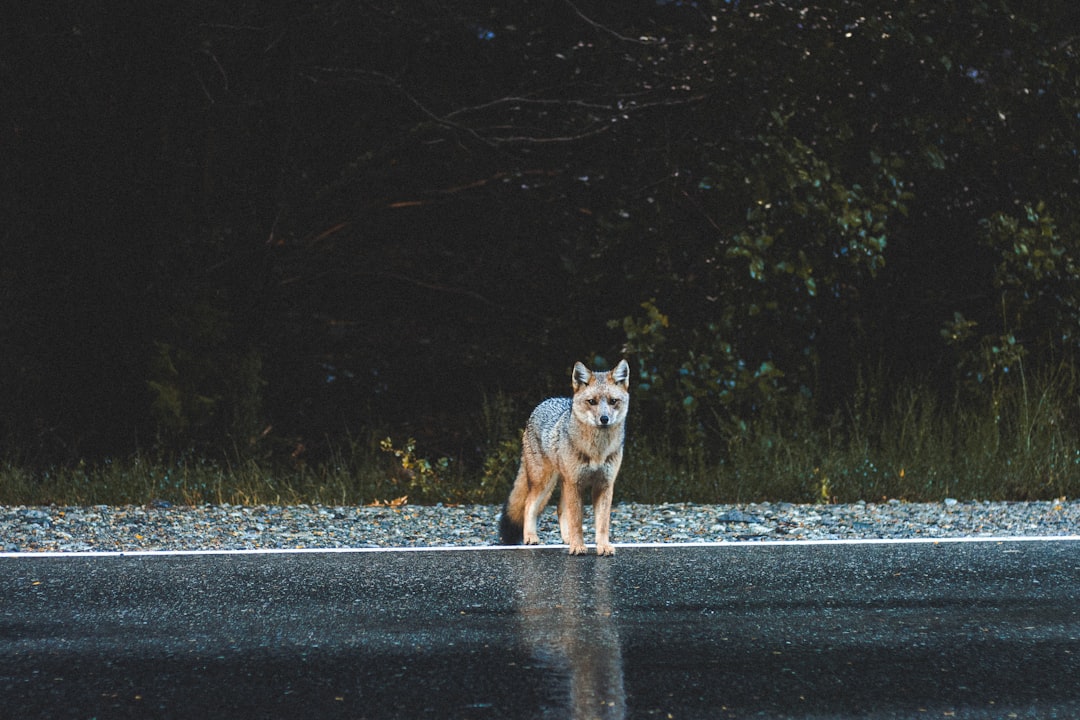
Wildlife experts increasingly emphasize that the old playbook of removal and relocation simply doesn’t work anymore. Trapping and similar nuisance control actions cannot eliminate urban coyote problems, although this can be part of the solution in some situations. The real solution and the greater need facing Texans right now is public education. We need to inform and empower people to take steps to coexist with coyotes and other urban wildlife.
The success of urban coyotes forces us to reconsider our relationship with wildlife entirely. Coyotes are part of the urban wildlife ecosystem, and play an important role as pest control for rodents, seed dispensing through their droppings, and a cleanup crew for roadkill. They’re not invaders; they’re urban employees we never hired but desperately need.
Cities across Texas are learning a humbling lesson about adaptation and intelligence in the animal kingdom. Coyotes are smart and adaptable. Despite attempts to eradicate coyotes, these mammals that are native to North America are still roaming around the Central Texas region in healthy numbers. They’ve turned urbanization from a threat into an opportunity, demonstrating problem-solving skills that would make city planners envious.
The real story isn’t about pest control or wildlife management. It’s about witnessing evolution accelerate before our eyes, watching a species transform challenge into advantage with remarkable speed and creativity. These aren’t just survivors; they’re innovators. The question remains: in this urban arms race between human planning and coyote adaptation, who’s really outsmarting whom?

- The 8 Most Bear-Active Campgrounds in the United States Ranked by Documented Human Encounters – Most Are in States Tourists Rarely Associate With Bears - July 19, 2026
- 10 Cat Breeds That Form the Strongest Bonds With One Person - July 19, 2026
- 7 Heartwarming Ways Cats Quietly Say "I Love You" - July 19, 2026