


Picture this: you walk into your kitchen to grab a drink, and your eyes land on the brown, shriveled remains of what used to be a vibrant basil plant sitting on your windowsill. Sound familiar? If you’ve ever killed more herbs than you’ve successfully grown, you’re definitely not alone. But here’s the thing – some herbs are practically impossible to mess up, even if you have the memory of a goldfish when it comes to plant care.
Growing your own herbs doesn’t have to be complicated or time-consuming. There are plenty of hardy varieties that thrive with minimal attention and can actually handle a bit of neglect quite well. These forgiving plants are perfect for busy lifestyles, small spaces, and yes, even the most forgetful among us. Let’s dive into the world of low-maintenance herbs that will transform your cooking while requiring almost zero green thumb skills.
Lavender
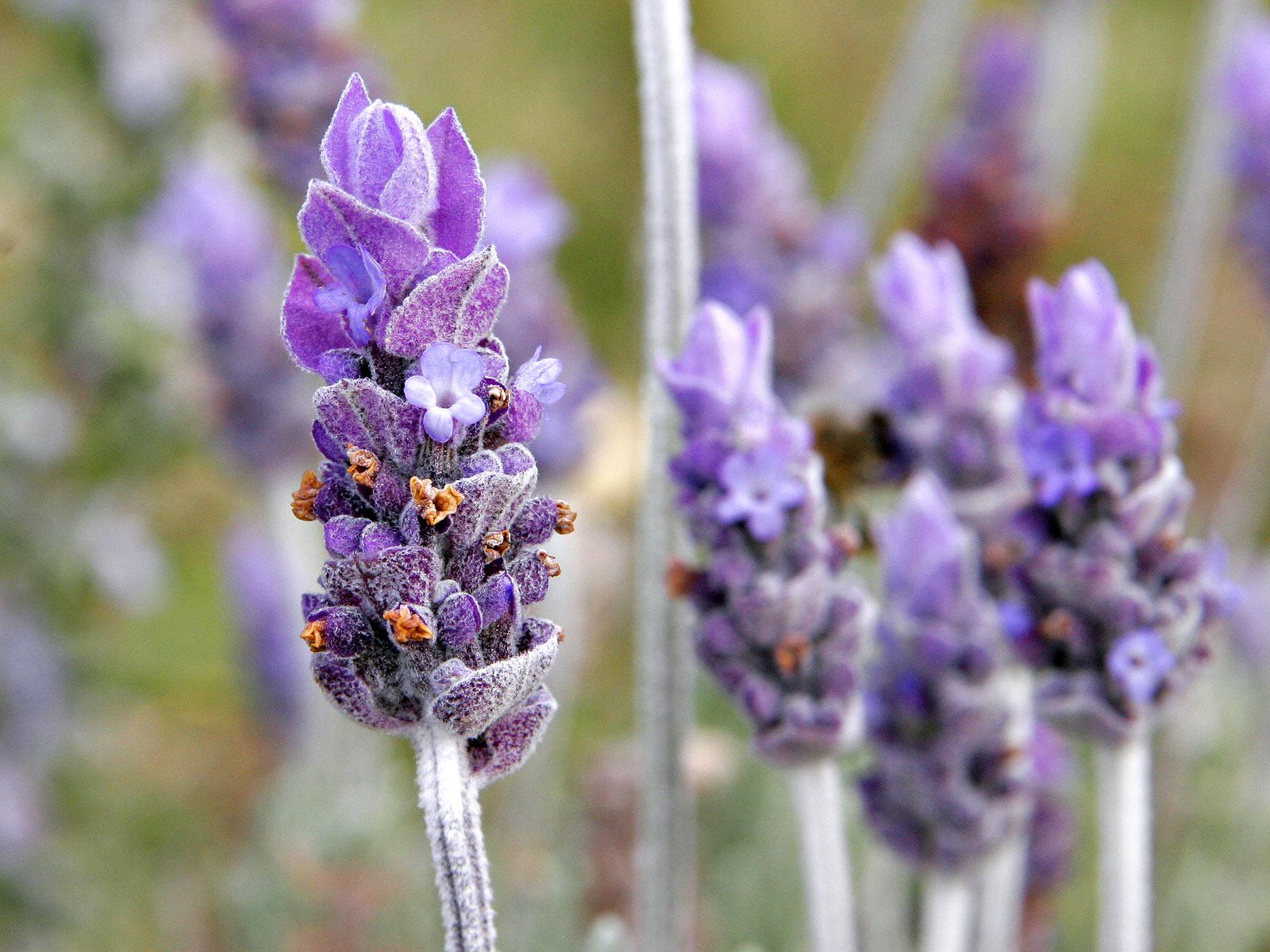
Lavender can be a great herb for forgetful folks to grow. For one, it’s hardy and doesn’t require much maintenance. A well-established lavender plant doesn’t need to be watered until its soil is totally dry, so you can ignore it for a week or more without doing any damage. This makes it absolutely perfect for those weeks when life gets crazy and plant care falls to the bottom of your priority list.
It’s also super fragrant, which is a perk for absentminded gardeners. Maybe catching a whiff of its scent as you pass through your yard or home will remind you to check on your lavender’s progress. The beautiful purple blooms aren’t just pretty to look at – they can be used in teas, baking, and even homemade soaps.
Oregano
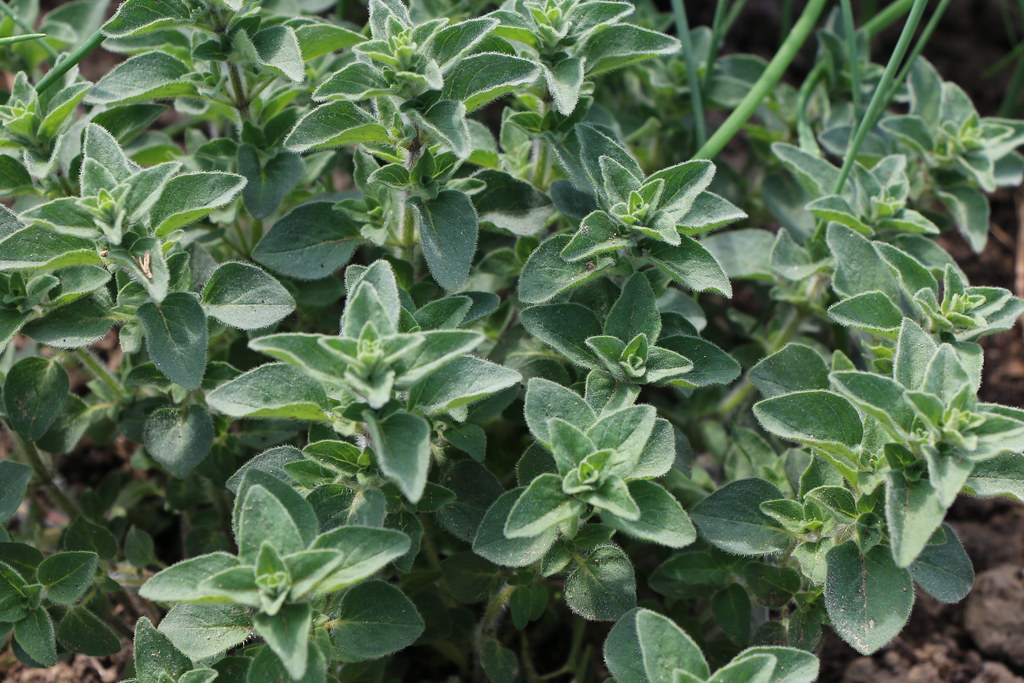
Oregano is native to the dry climate of the Mediterranean, so it’s not automatically doomed if you totally space on watering it for a few weeks. It’s another perennial, so you can technically forget about it all winter without killing it! This herb is practically bulletproof when it comes to survival.
Oregano is another relatively low-maintenance herb that’s worth growing, especially if you love to cook savory, flavorful dishes. It doesn’t need a lot of love from you to keep growing. The best part is that oregano actually gets more flavorful when it’s stressed by dry conditions. Talk about a win-win situation for forgetful gardeners!
Yarrow
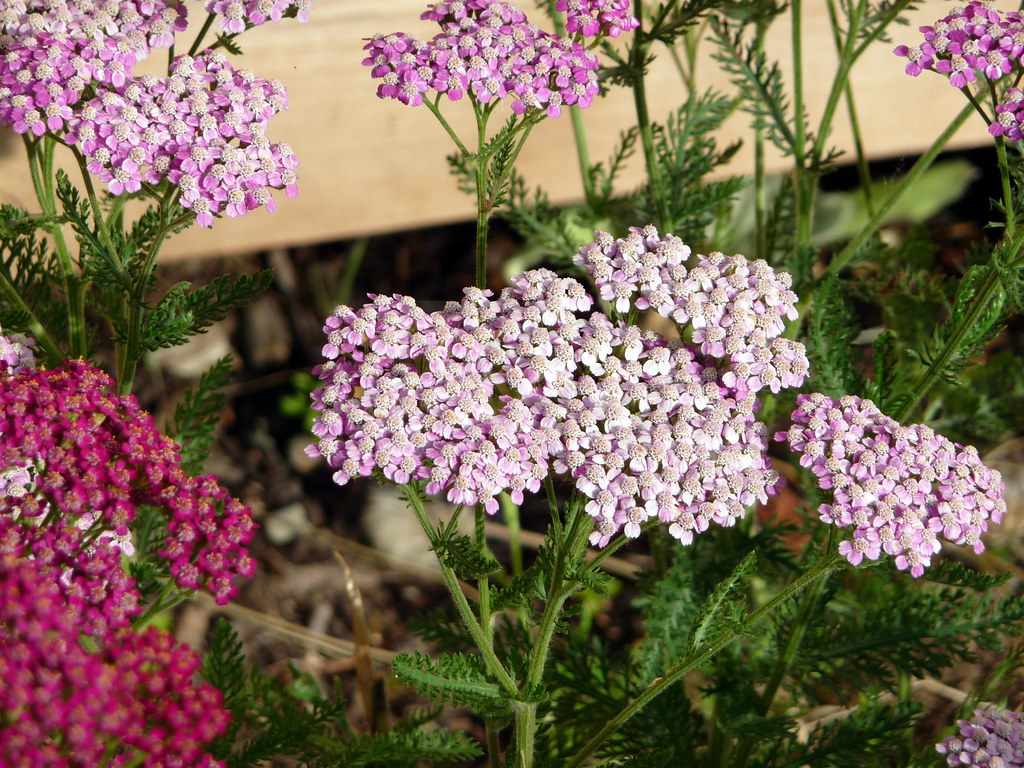
Yarrow is another low-maintenance herb that you might not be familiar with. Fun fact: the International Herb Association just named yarrow the Herb of the Year in 2024. This recognition highlights just how special this overlooked herb really is.
For a forgetful gardener, yarrow is an asset, because it does well in drought conditions and poor soil. When planted outdoors, occasional rainfall may be enough to keep it alive with no extra watering. In a container garden, you can ignore it until the soil is completely dry. Plus, yarrow flowers add a lovely peppery kick to salads and can be dried to make herbal teas.
Chives
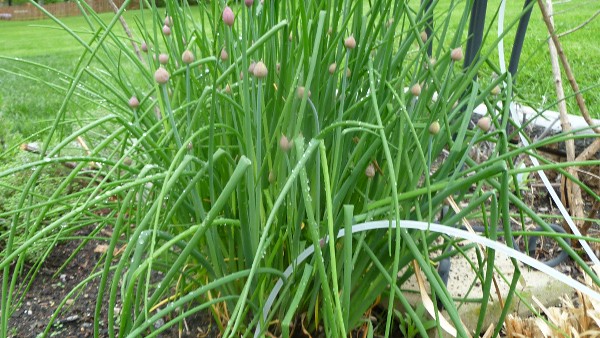
Chives are the least fussy plant in the garden. Period. If you’ve never tried growing them before, you’re going to be so pleasantly surprised. This herb is like the golden retriever of the plant world – friendly, adaptable, and almost impossible to mess up.
Chives play well with pretty much any other plant. They don’t need a lot of space. They don’t need a lot of sun. They’re fine if you water them or if you neglect them. Whatever you do to your plants (or forget to do), they’ll be just fine. They also act as natural pest deterrents, making them excellent companion plants for your other herbs.
Sage
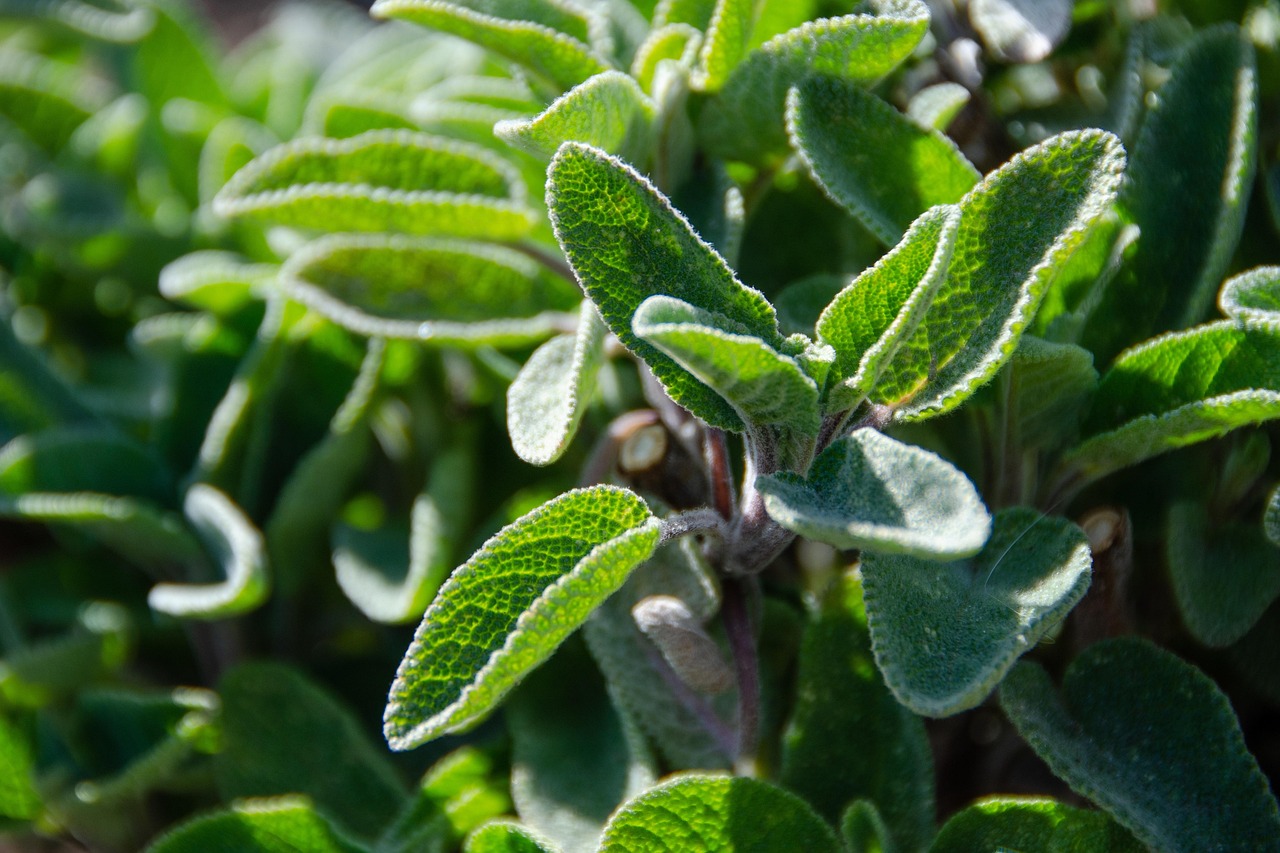
Best of all for forgetful gardeners, sage doesn’t need a lot of attention. Edible common sage doesn’t like overly damp soil and is fairly resilient and hardy. It’s okay if you only water sage when its soil dries out. This makes it perfect for those who tend to overwater their plants out of guilt.
Sage has a lot of culinary uses and a soothing, earthy aroma. Some people burn dried sage for ceremonial purposes, but you can also burn a sage bundle outdoors as a mosquito repellant. From seasoning turkey to making homemade focaccia, sage adds depth to countless dishes while requiring minimal effort from you.
Rosemary
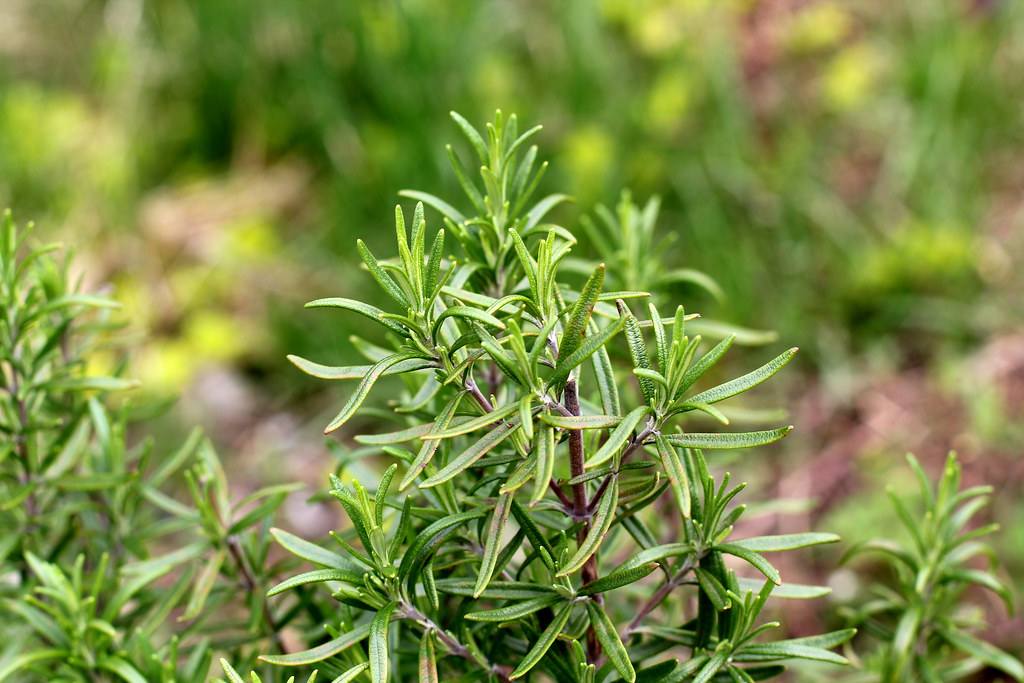
Here’s another reason rosemary is a good choice for forgetful gardeners: It doesn’t germinate well. That means you shouldn’t even try bother with all the daily watering and close monitoring that’s required when you start new plants from seeds. Just buy rosemary that’s already potted or replant some cuttings from an existing, well-established plant.
Choose a spot to plant or place your potted rosemary where it will be get six to eight hours of sunlight every day. Rosemary is also a perennial and can survive a winter outdoors, if you live somewhere fairly temperate. This woody herb prefers to be slightly dry rather than overly wet, making it ideal for those who forget to water regularly.
Mint
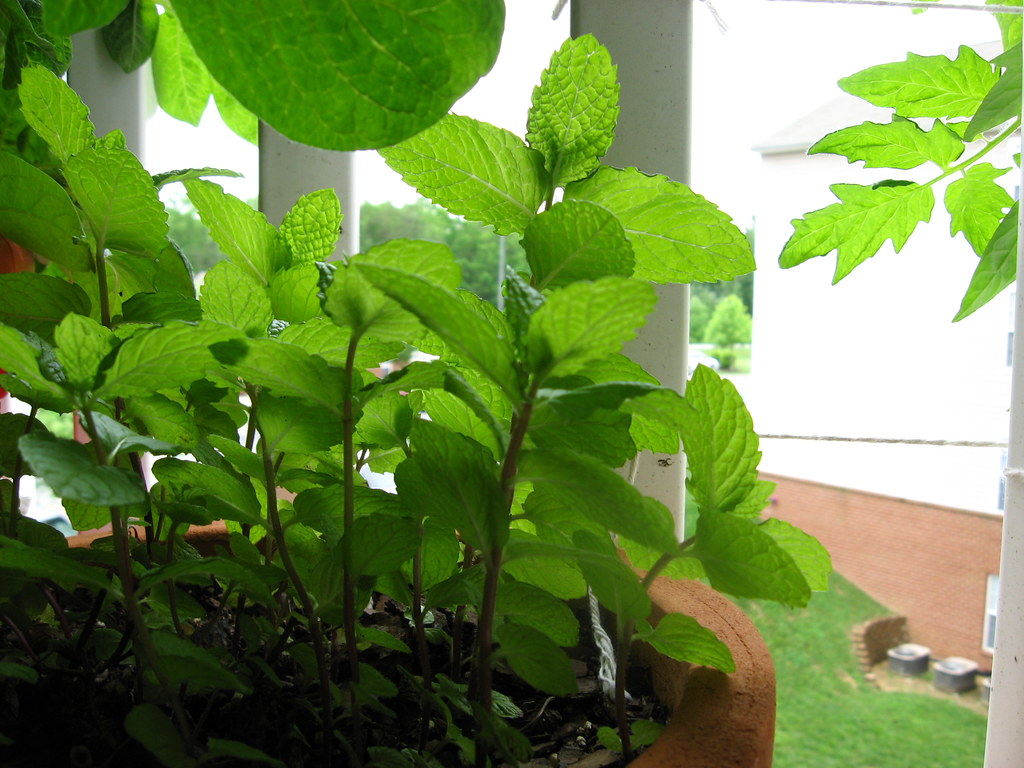
Mint is many things: delicious, versatile, fragrant, and, frankly, a little rambunctious. It’s hardy and grows quickly. Though it does prefer consistently moist soil, mint is surprisingly resilient and can bounce back from occasional neglect.
Forgetful gardeners should plant mint in containers, rather than in the garden. Remember, it’s rambunctious. If you neglect mint too long in the garden, it can overtake everything. Planting it in containers ensures that it can’t encroach on any of your other plants, just in case you do forget to look after it. This containment strategy actually works in your favor as a forgetful gardener.
Thyme
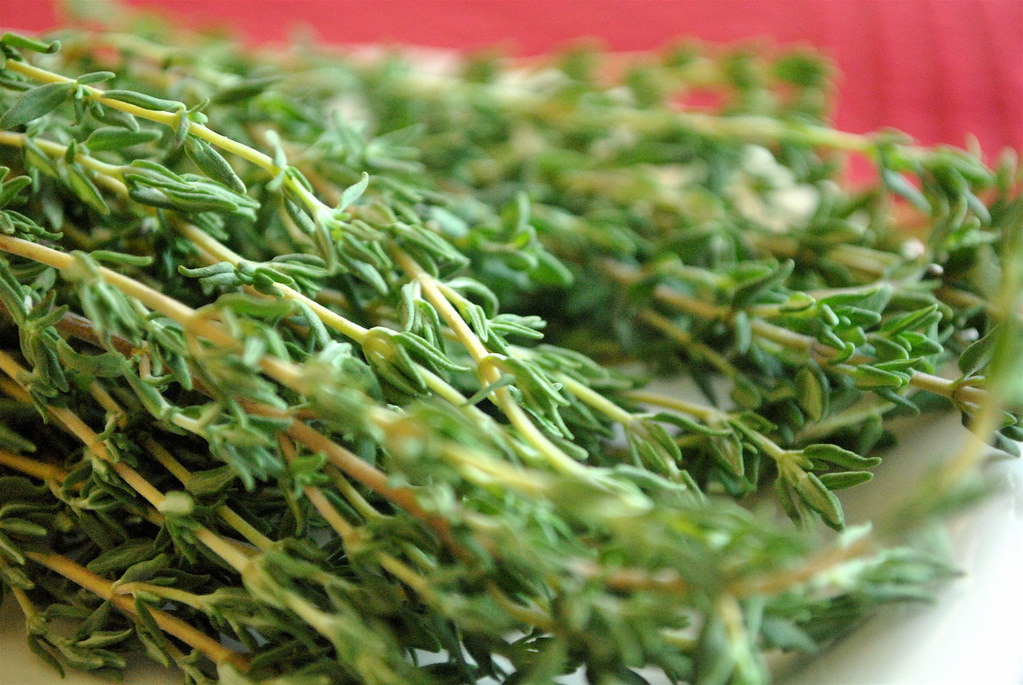
Thyme is another super easy herb to grow. Like sage and oregano, it’s really forgiving. Like sage and oregano, it’s really forgiving. It doesn’t demand a lot of sun or space, and it’ll grow right on the edge of your raised bed and trail over the side so that you hardly have to give it any space at all.
It’s known for being drought-tolerant, which makes it a great fit for indoor herb gardens where it’s easy to control the growing conditions. It prefers well-drained soil and is quite tolerant of dry conditions. Watering needs are minimal, making it a low-maintenance herb for indoor growing. The tiny leaves pack a powerful flavor punch, so a little goes a long way in your cooking.
Garlic Chives
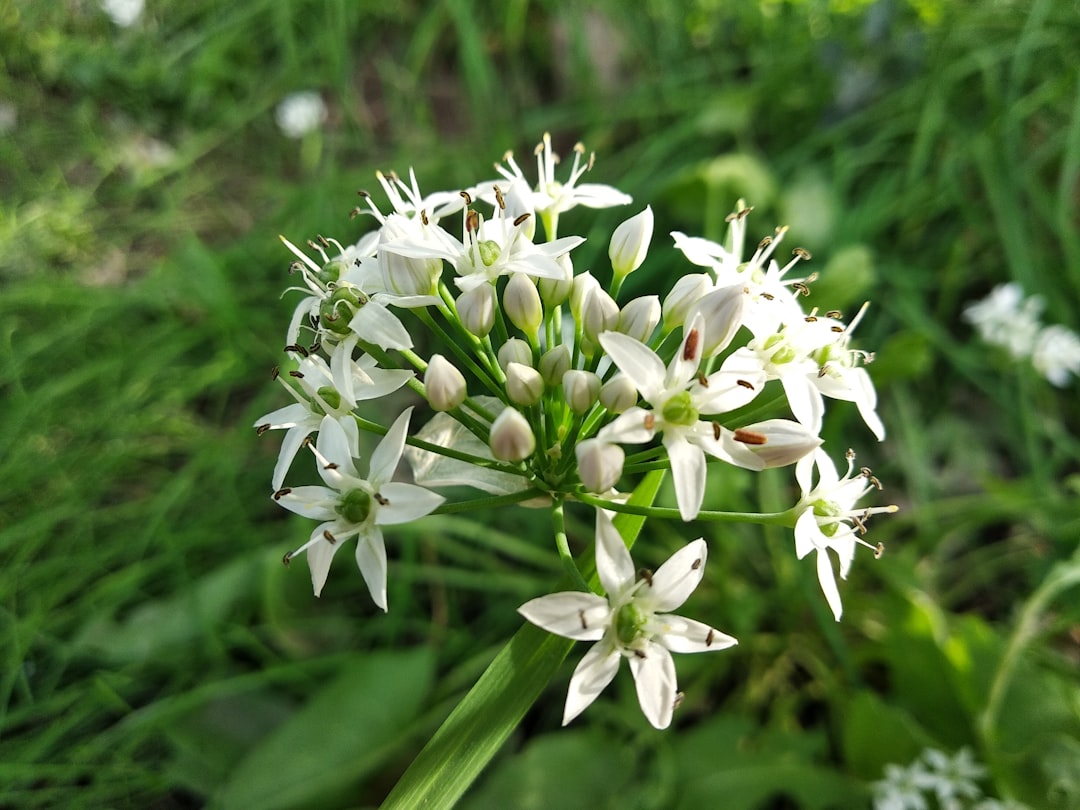
Garlic chives are so vigorous that they can become invasive. That’s often a good sign for forgetful gardeners: A plant that grows and spreads quickly tends to be pretty self-sufficient. They don’t require a lot of hands-on care. Think of them as the overachievers of the herb world.
Garlic chives are also a tasty savory addition to your garden. They can give off a strong garlic smell, but this herb tastes much milder than actual cloves of garlic. Once you get a successful garlic chive plant going, add them to soups and stir-fries, and as a garnish for potato dishes! The white flowers are edible too and add a lovely decorative touch to salads.
Lemon Balm
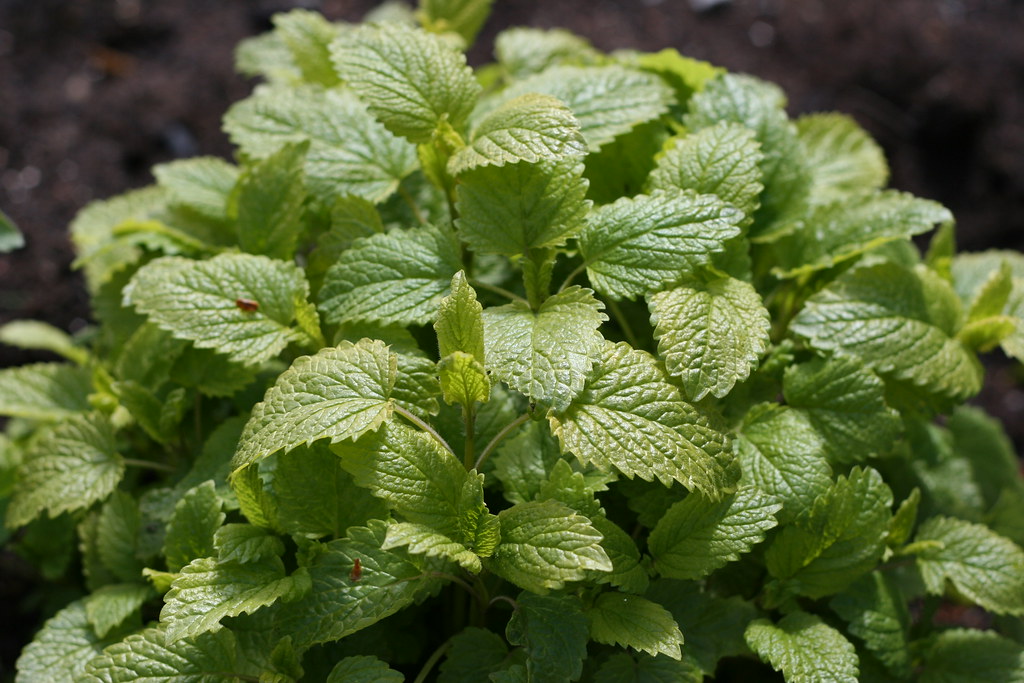
Part of the mint family, lemon balm grows fast and requires little maintenance. Its citrusy scent makes it ideal for teas and for repelling mosquitoes. This herb is like having a natural bug spray and relaxing tea blend all rolled into one easy-to-grow plant.
Lemon balm isn’t as aggressive as mint, but it is a pretty large plant. I like to grow it in the ground, right in my pollinator garden. Just give it a good square foot or two to itself. You can also grow it in a container. The lemony fragrance is absolutely delightful, and it makes an incredibly soothing bedtime tea when dried.
Conclusion
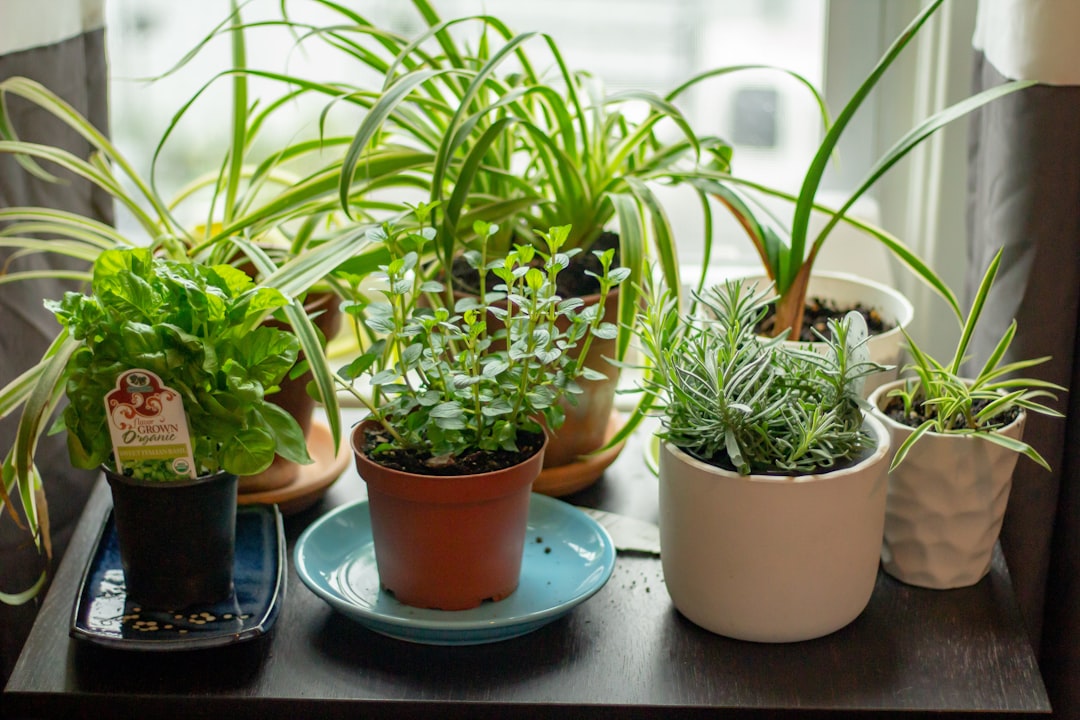
Growing herbs successfully doesn’t require perfect memory or constant attention. These ten forgiving varieties prove that you can have a thriving herb garden even if you occasionally forget to check on your plants for weeks at a time. The key is choosing the right herbs that naturally thrive with minimal intervention.
Most of these herbs actually prefer being slightly neglected rather than overly pampered. They’ve evolved in harsh Mediterranean climates or tough growing conditions, which means your forgetful tendencies might actually work in their favor. Start with just a few of these varieties, and you’ll soon discover that having fresh herbs at your fingertips is easier than you ever imagined.
What herbs are you most excited to try growing? Tell us in the comments which ones you think will survive your busy lifestyle!
